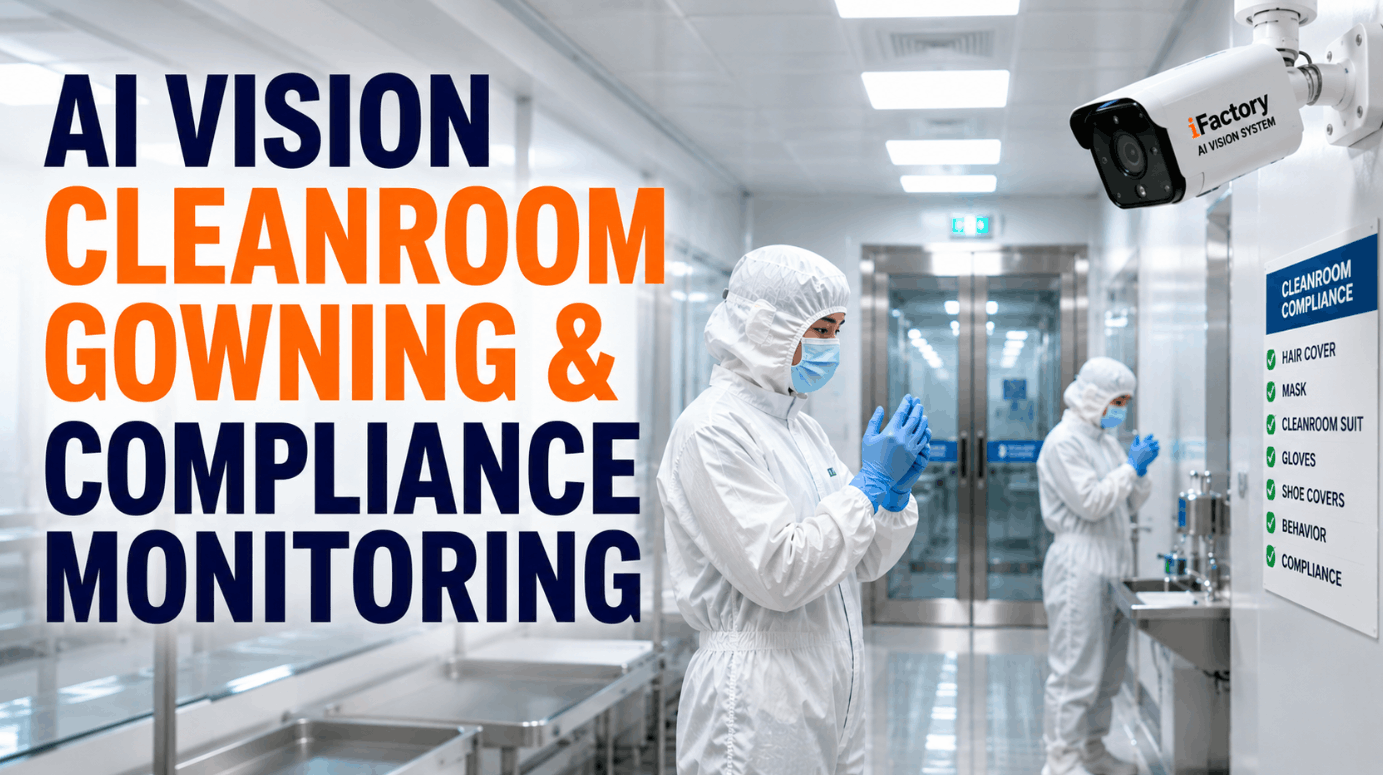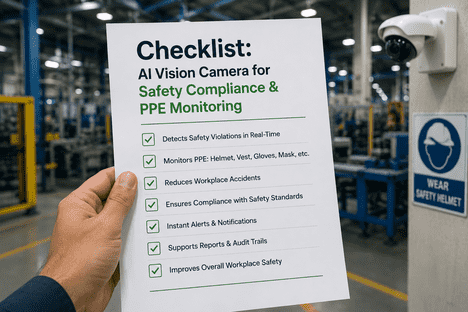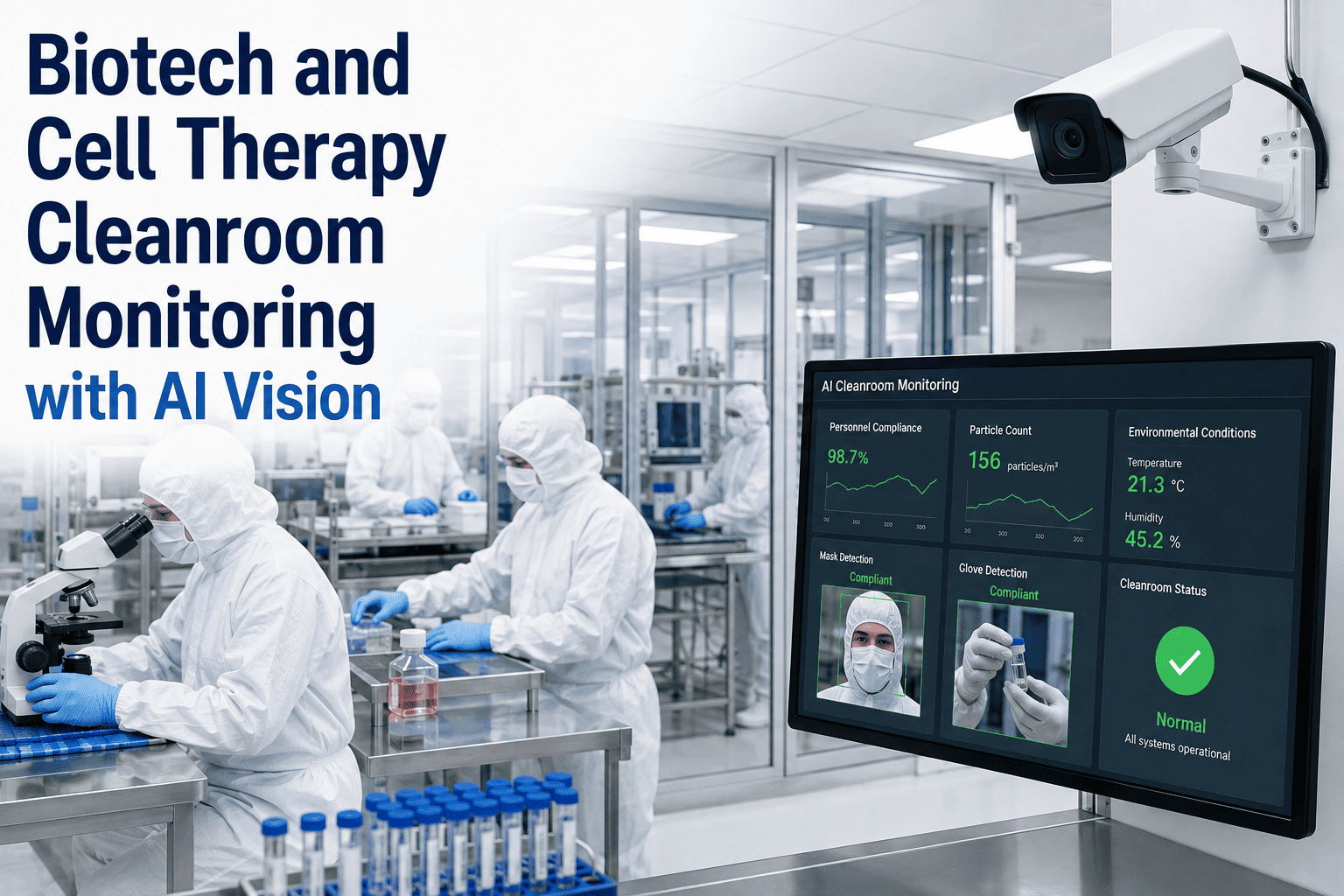
Cell and gene therapy manufacturing carries a contamination risk that most other pharmaceutical processes do not: a single lapse in aseptic technique can compromise a patient-specific batch that cannot simply be remade from stock. ISO 5 and BSL-3 environments already run on strict SOPs, but human gowning habits, material transfer steps, and behavioral drift under observation are notoriously hard to monitor consistently across every shift. AI vision closes that gap by watching continuously rather than sampling occasionally, and the process is outlined by iFactory support.
Continuous Contamination Control for Cell and Gene Therapy Cleanrooms
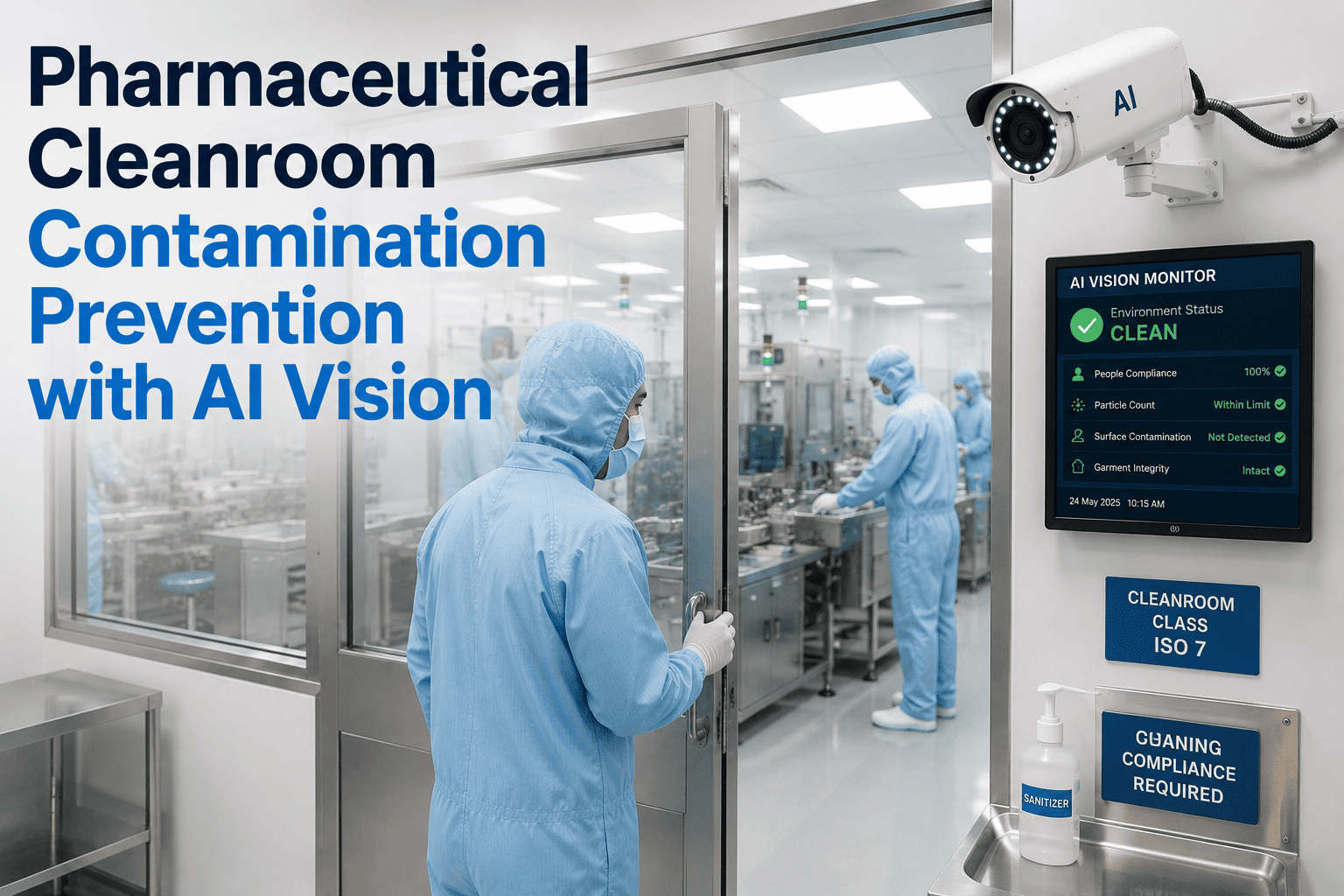
AI vision monitors gowning technique, material transfer sequences, and personnel behavior in ISO 5 and BSL-3 environments, flagging deviations the moment they occur instead of during a periodic audit.
Why Cell Therapy Manufacturing Demands a Higher Standard
Unlike small-molecule or even most biologic manufacturing, cell and gene therapy production is frequently patient-specific and cannot be restarted from a bulk lot if contamination occurs mid-process. A single gowning breach, an improperly sequenced material transfer, or an unnoticed touch contamination event can invalidate weeks of processing time and, in autologous therapies, an irreplaceable starting material collected from the patient.
What the System Monitors Inside the Cleanroom
Cameras positioned at gowning rooms, pass-throughs, and processing suites are trained on the specific SOPs governing each zone, so the system understands the correct sequence rather than only detecting generic motion.
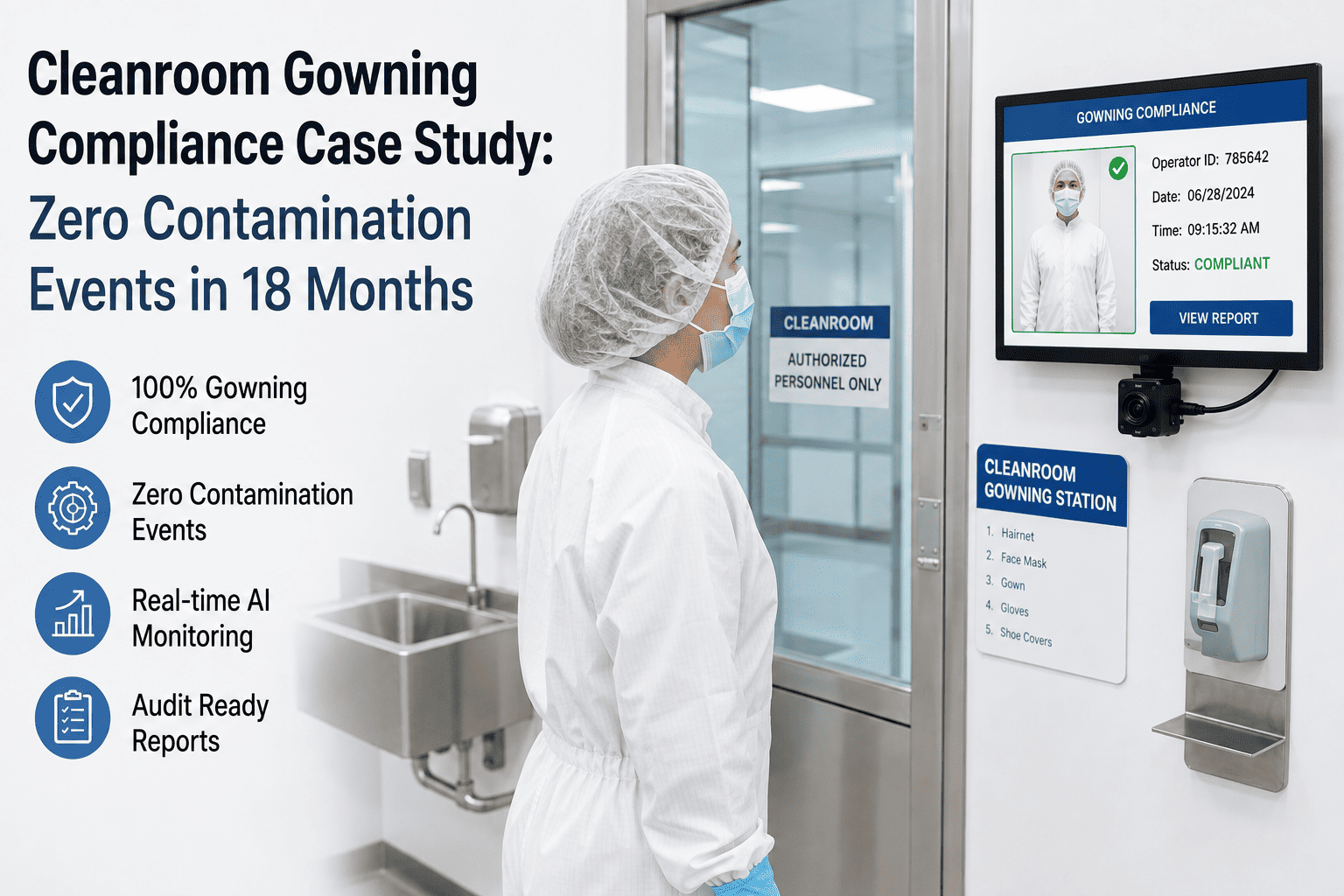
Gowning Sequence Verification
Confirms each gowning step is completed in the correct order, including glove, sleeve, and hood placement before suite entry.
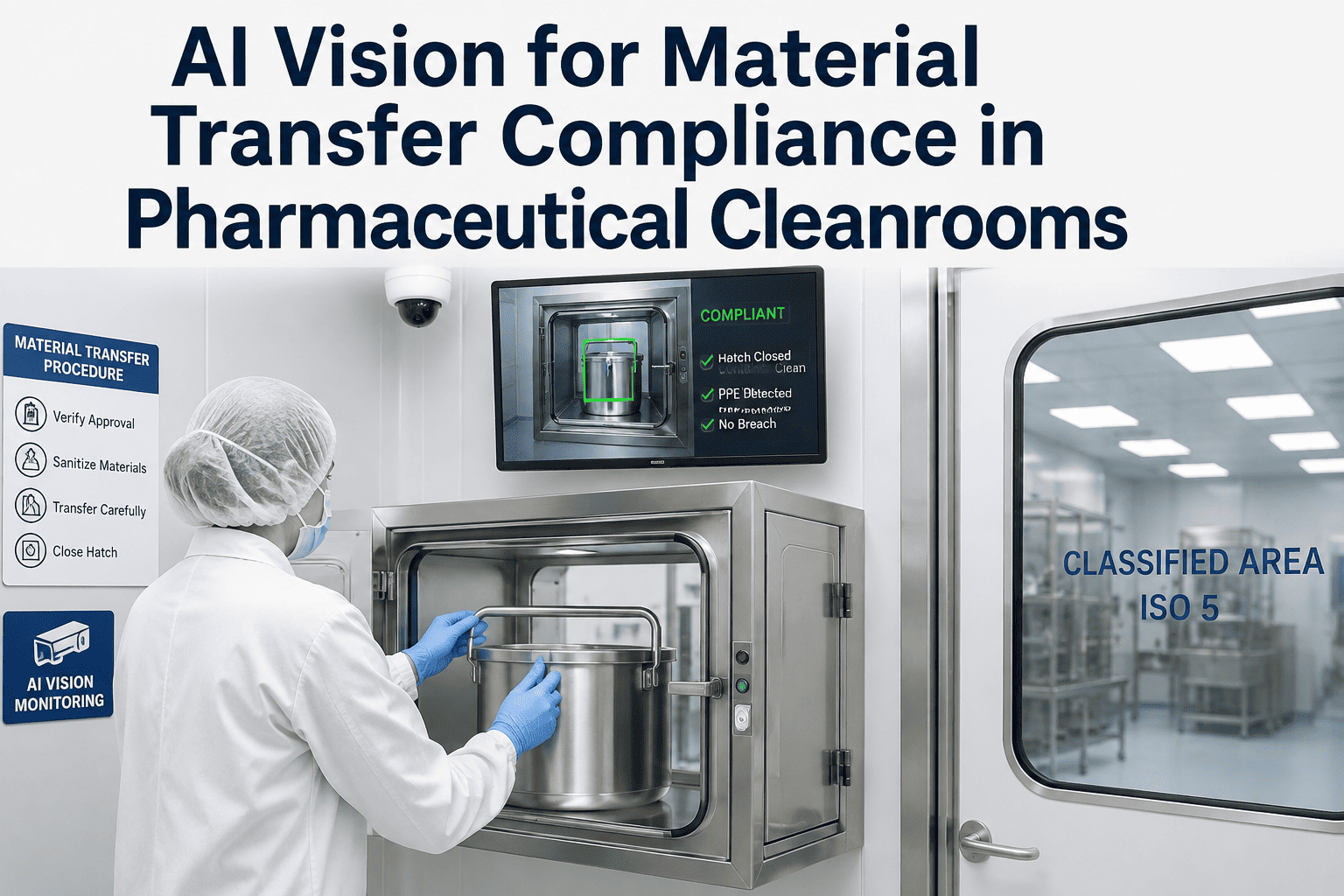
Material Transfer Protocol
Verifies pass-through wipe-down steps and sequencing are followed before materials enter the classified space.
Aseptic Technique Drift
Detects touch contamination risks such as unguarded reaching over open product or contact with non-sterile surfaces.
Zone Access Compliance
Flags personnel movement between classification grades that does not follow the approved airlock and gowning path.
Audit Coverage: Periodic Review Versus Continuous Monitoring
Regulatory audits and internal quality reviews are essential, but they only capture a narrow slice of total cleanroom activity. Continuous AI monitoring extends that same standard of scrutiny across every hour of production.
| Coverage Factor | Periodic Manual Audit | Continuous AI Monitoring |
|---|---|---|
| Percent of activity observed | Under 5 percent | 100 percent |
| Deviation detection timing | Days to weeks after occurrence | Immediate, real time |
| Documentation for investigations | Written notes, recollection | Timestamped video and event log |
| Consistency across shifts | Varies by auditor and schedule | Uniform standard applied at all times |
Give your quality team a complete, timestamped record of every gowning and material transfer event, not just the moments an auditor happened to be watching.
Monitoring Requirements Across Classification Grades
A cell and gene therapy facility typically operates several classification grades at once, from ISO 5 critical processing areas down to ISO 8 support corridors. Each grade carries a different risk profile and a different set of behaviors that matter most to monitor.
Critical Processing Zone
Highest scrutiny on aseptic technique, open product exposure time, and any unguarded reach over the critical work area.
Supporting Clean Areas
Focus on gowning integrity, equipment staging, and material flow direction to prevent cross-contamination into ISO 5 zones.
Gowning and Transition Corridors
Verifies the full gowning sequence is completed correctly before personnel are permitted to proceed toward cleaner zones.
Biocontainment Suites
Adds airlock sequencing and decontamination step verification on top of standard gowning and material transfer checks.
From Detection to Corrective Action
Catching a deviation is only useful if it feeds into a clear response path. The system is built to support your existing deviation management process rather than operate as a standalone alert generator disconnected from quality workflows.
Alignment With Regulatory Expectations
Regulatory bodies overseeing cell and gene therapy manufacturing increasingly expect manufacturers to demonstrate robust, ongoing process control rather than relying solely on periodic audits. Continuous monitoring directly supports this expectation by generating the kind of consistent, objective evidence that regulatory reviewers look for during facility inspections.
Environmental Monitoring Support
Behavioral monitoring complements existing particle and microbial environmental monitoring programs with a human-factors data layer.
Personnel Qualification Records
Continuous gowning verification data supports personnel qualification and requalification documentation over time.
Deviation Investigation Support
Video and event records provide objective evidence during root cause investigations following an environmental excursion.
Inspection Readiness
A continuous evidence trail reduces reliance on staff recollection when responding to regulator questions during a site visit.
Phased Implementation for a Live GMP Facility
Introducing continuous monitoring into an operating cell therapy facility requires careful sequencing so validation activities do not interfere with active patient batch production. Implementation is typically phased to protect ongoing manufacturing while the system is validated.
Frequently Asked Questions
Does AI monitoring meet the documentation standards required for GMP audits?
Yes, the system generates timestamped video records and structured event logs for every monitored gowning and material transfer step, which quality teams can reference directly during internal reviews, deviation investigations, and regulatory inspections. This provides a more complete evidentiary trail than handwritten audit notes, since every event is captured as it happens rather than reconstructed from memory afterward. Facilities integrating this data into their electronic quality management system should confirm specific documentation formatting requirements with the iFactory support team during implementation planning.
How is the system trained on our specific gowning and material transfer SOPs?
Implementation begins with a detailed review of your existing standard operating procedures for each monitored zone, including the exact sequence and technique required for gowning, de-gowning, and material pass-through. The vision model is then trained against recorded examples of both correct execution and common deviation patterns specific to your facility's layout and workflow. This SOP-specific tuning is what allows the system to distinguish a genuine protocol deviation from normal variation in how different operators perform the same compliant sequence.
Can the system monitor multiple cleanroom suites and classification grades simultaneously?
Yes, camera coverage is deployed per zone and classification grade, with each area monitored against the SOPs specific to that space, whether it is an ISO 5 processing suite, an ISO 7 support area, or a BSL-3 containment room. All monitored zones report into a single quality dashboard, giving supervisors and quality assurance staff a unified view across the entire facility rather than separate systems for each room. This is particularly valuable in multi-suite facilities running several concurrent patient batches.
Does continuous video monitoring raise privacy concerns for cleanroom staff?
Cleanroom monitoring for GMP compliance is a well-established practice, and the system is scoped specifically to process-relevant behavior such as gowning technique and material handling rather than general surveillance. Deployment is typically accompanied by clear policy communication to staff about what is monitored and why, framed around patient safety and product integrity rather than individual performance evaluation. Many facilities find that consistent, objective monitoring standards are viewed positively by staff because they remove ambiguity about what "compliant" looks like.
What is the typical implementation timeline for a cell therapy manufacturing suite?
Implementation timelines vary based on the number of suites and classification grades involved, but most single-suite deployments complete camera installation, SOP training, and validation within six to ten weeks. Multi-suite facilities or those requiring extensive validation documentation for regulatory submission may take longer. To get a timeline specific to your facility's configuration, book a demo with the iFactory team.
Protect irreplaceable patient batches with continuous, objective contamination control. Talk to iFactory about deploying AI vision in your cell and gene therapy suites.