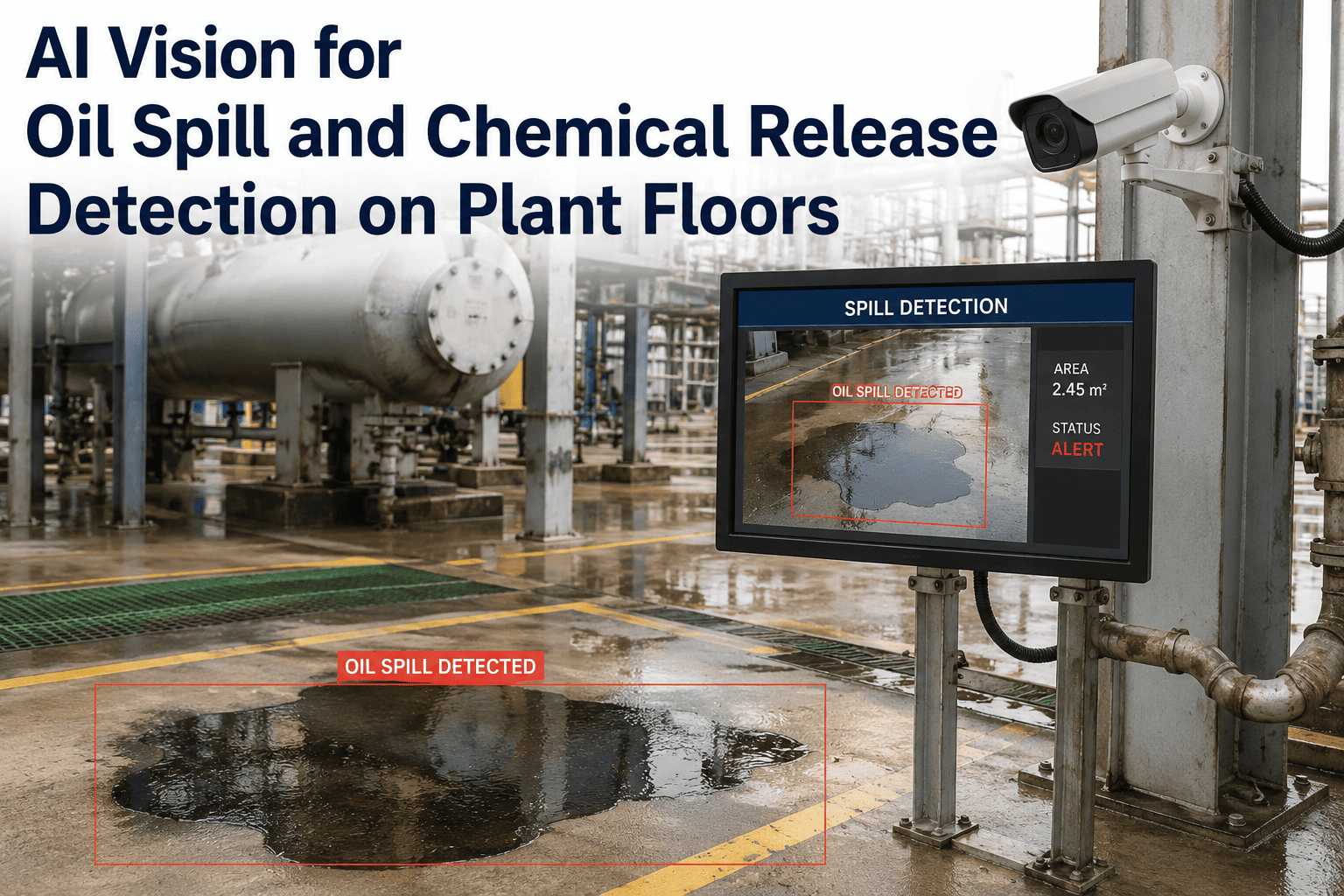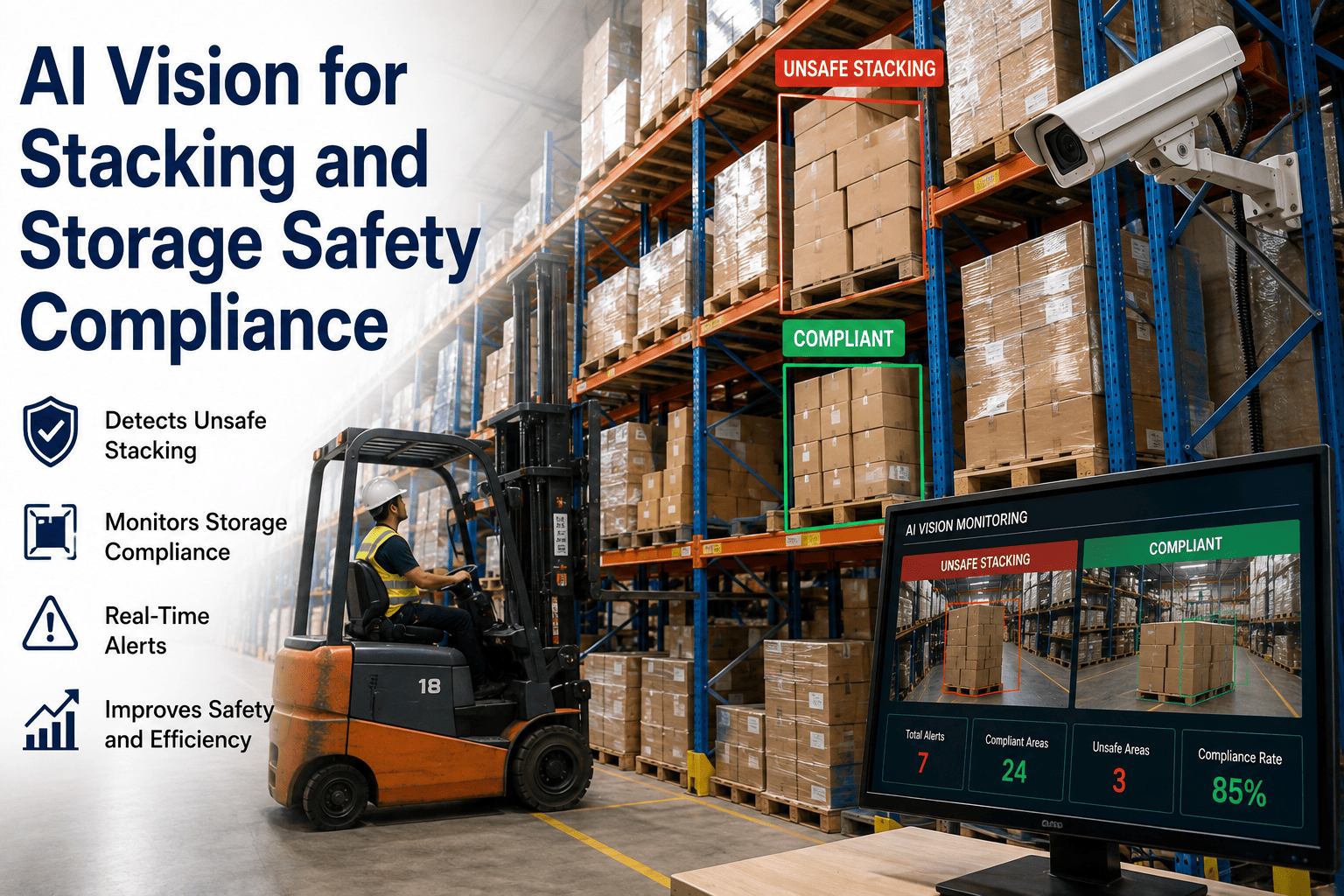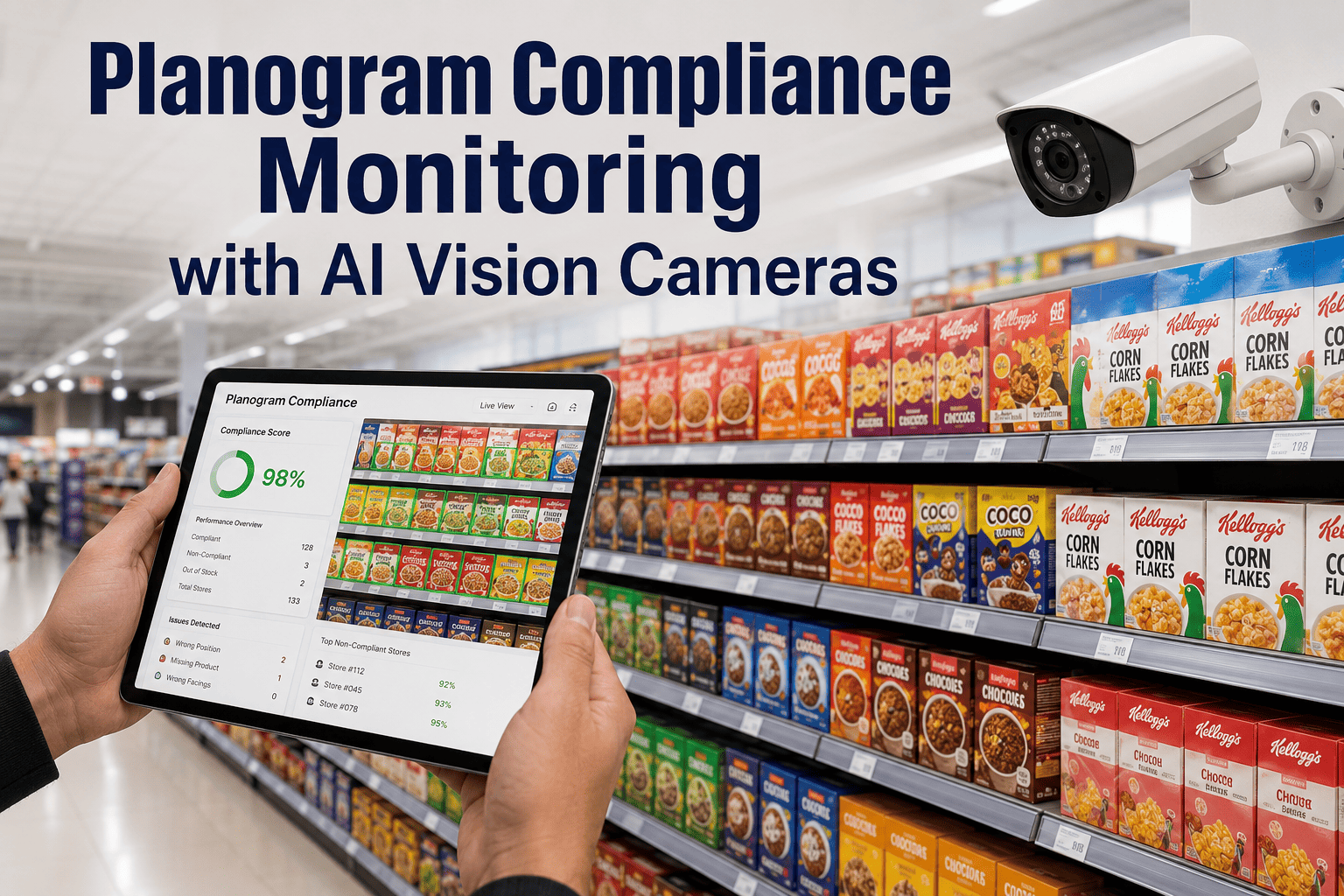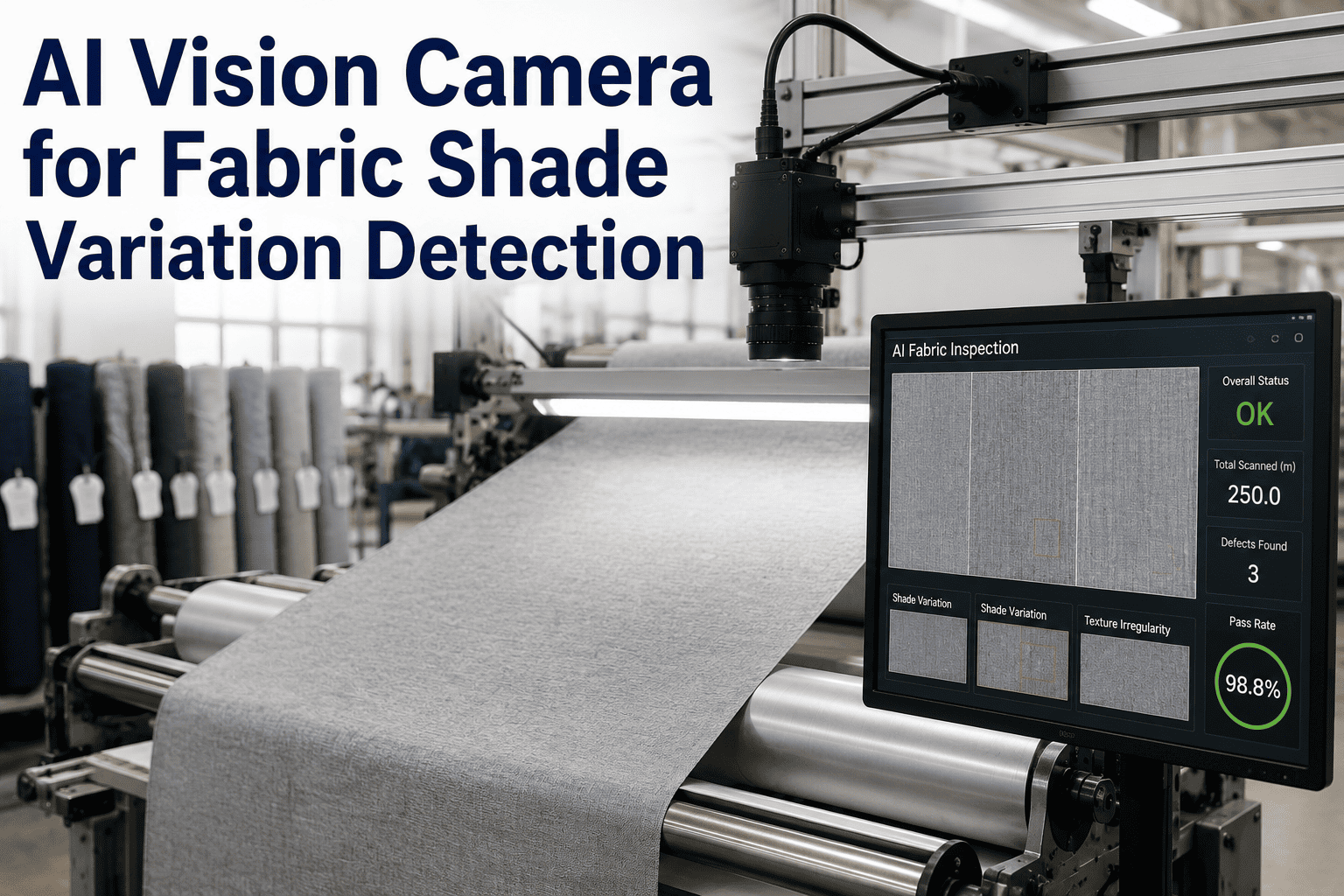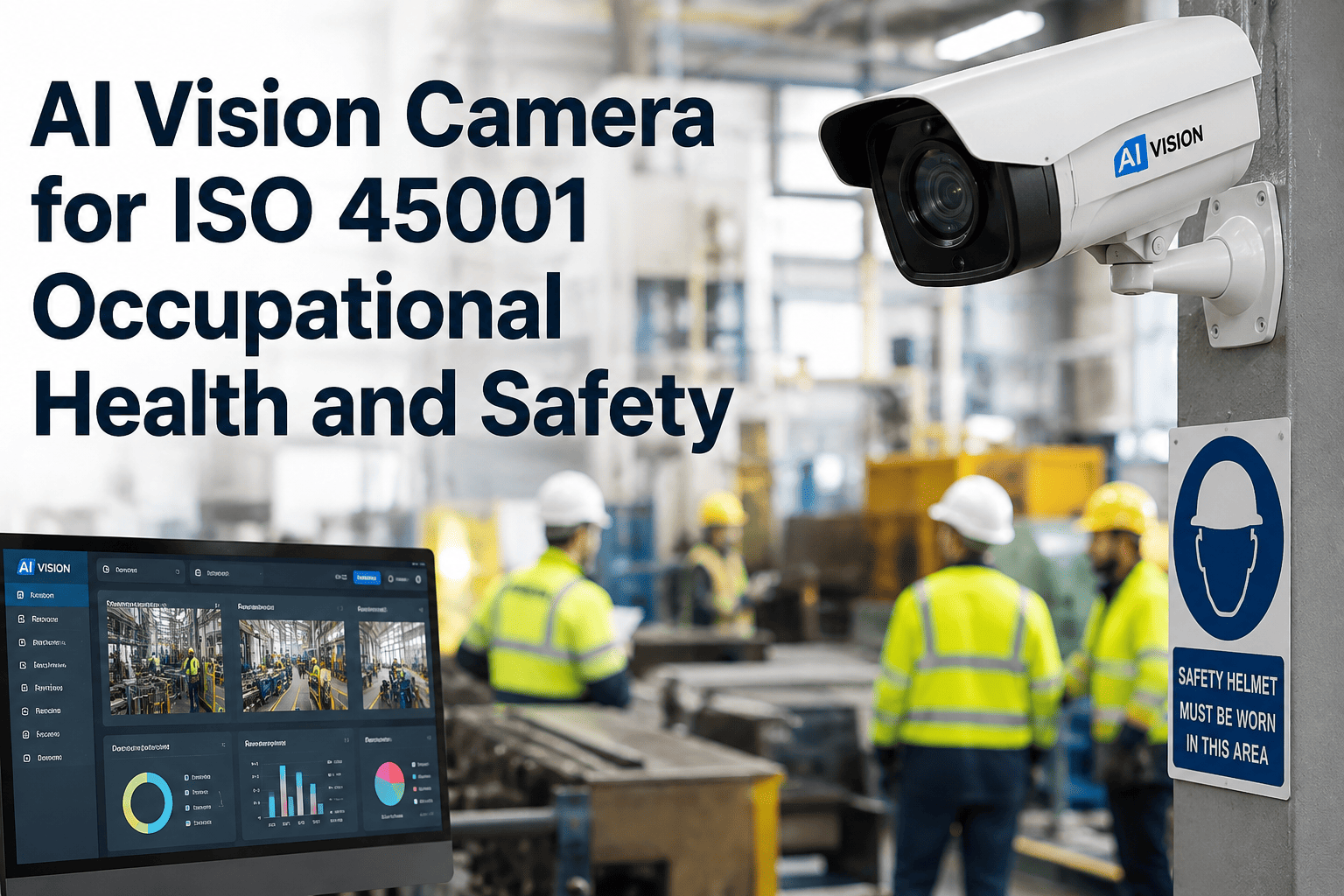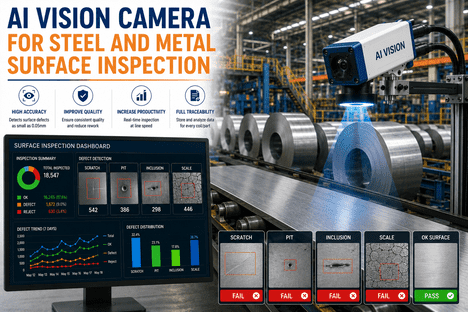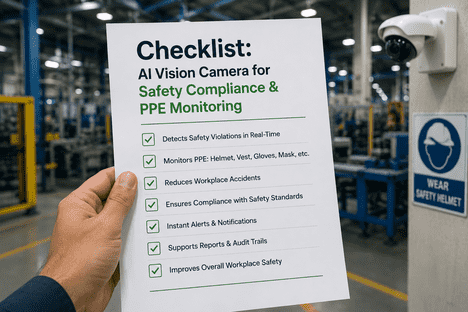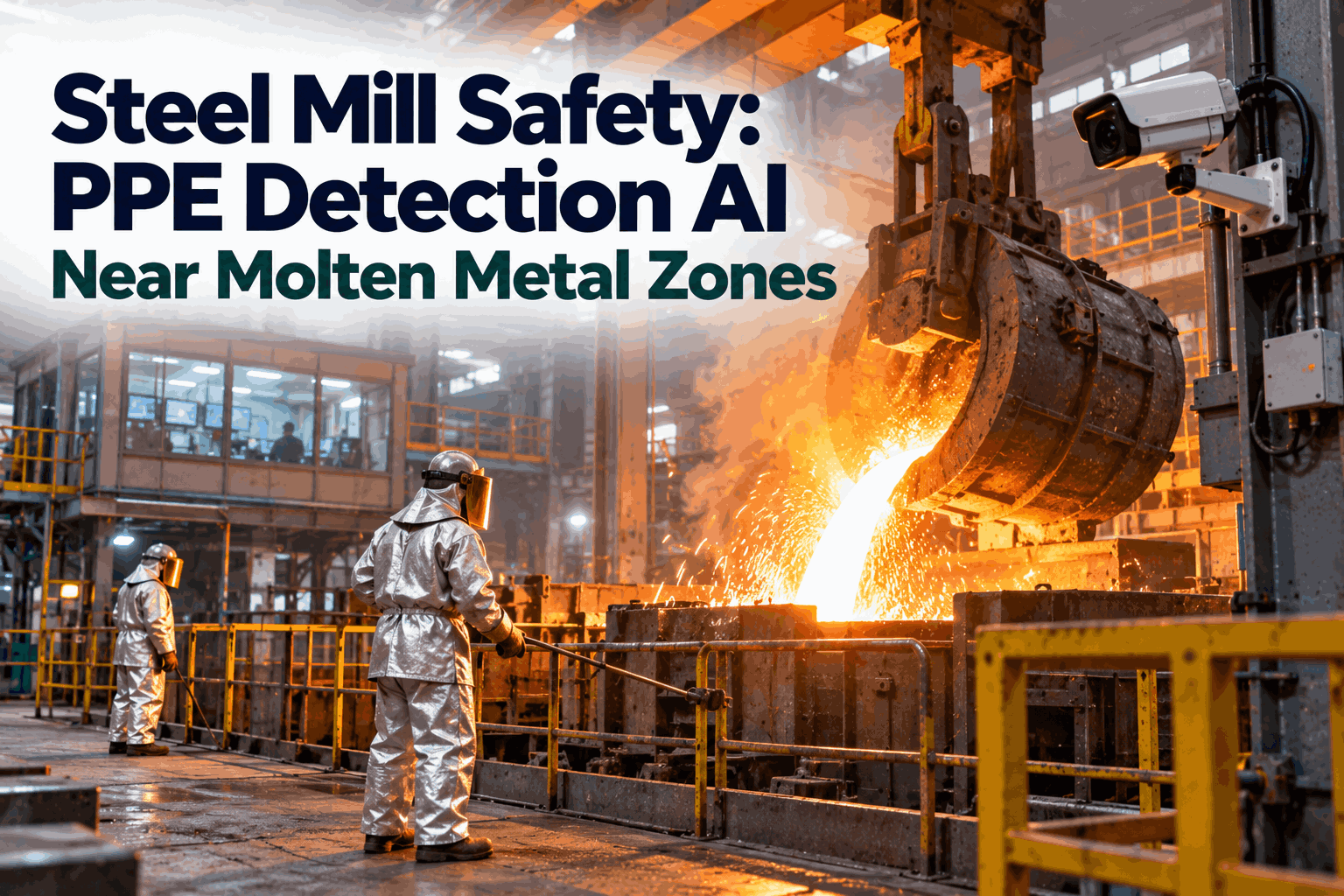
Around a tapping floor or caster platform, the gap between a routine shift and a serious burn can be one raised face shield or one step into the wrong zone during a tap. Supervisors can't watch every person at every moment, and the most dangerous minutes are also the busiest. PPE detection AI watches molten metal zones continuously, spots missing protection and zone breaches, and alerts the area supervisor by voice within seconds. See it on real melt shop footage in a short safety vision demo.
See Missing PPE and Zone Breaches the Moment They Happen
iFactory AI Vision Safety runs on a turnkey edge server. Cameras at tapping and casting floors detect missing aluminised gear, raised face shields and zone breaches, push voice alerts to area supervisors and log every event for EHS review.
Five Hazards That Set Molten Metal Zones Apart
Most PPE rules in a plant protect against occasional contact. Around molten steel, the exposure is constant and the margin is small. Molten steel can exceed 1,600°C, radiant heat builds up within seconds and a splash can burn through ordinary clothing at once. Water meeting molten metal can cause a violent steam explosion. That is why these zones need their own PPE rules, and why short lapses matter more here than almost anywhere else. Review your own zone hazards with our safety team.
What the Camera Checks in Each Area
Under OSHA 1910.132(d), employers must assess each workplace for hazards, choose the PPE that protects against them and certify that assessment in writing. That assessment is what the camera enforces. The matrix below shows a typical melt shop setup. Your own hazard assessment decides the final list for each zone. Map your zones in a zone setup session.
Fabric Ratings the Camera Can't See
A camera can tell whether a coat, face shield or legging is being worn and worn correctly. It can't tell whether the fabric is rated for the job. That depends on the right gear being bought and kept in good condition. Aluminised outer layers can reflect up to 95% of radiant heat. For splash, garments are tested by pouring molten metal onto the fabric. ASTM F955 is the common pour test in the US, and ISO 11612 gives separate codes for molten aluminium splash (D) and molten iron splash (E). Ask our support team how gear checks fit alongside camera checks.
Zones That Switch On When the Danger Does
A tapping floor is not equally dangerous all day. The risk peaks during a tap, a sample or a ladle move. iFactory links each camera zone to the process state from the PLC, so a zone becomes "hot" only when the hazard is present. That keeps alerts meaningful. People can walk through during a quiet period without triggering anything, and the same step during a tap brings an immediate alert. Set up process-linked zones with our safety engineers.
Furnace tilt and tap start, ladle furnace power on, caster ladle open, and hot metal crane position. When these signals end, the zone steps back down automatically.
Alerts That Reach the Supervisor, Not a Screen
Nobody on a tapping floor watches a dashboard. iFactory speaks the alert to the area supervisor's headset or radio, names the zone and the issue, and logs whether it was corrected. Work keeps moving.
What Happens in the Seconds After a Breach
Speed matters, but so does accuracy. A system that cries wolf is soon ignored. iFactory confirms a detection across several frames before alerting, so a shield raised for a moment to wipe sweat doesn't sound like an emergency, while a shield left up during a tap does. Tune confirmation times with our support team.
Leading Indicators Instead of Lagging Ones
Injury counts tell you something went wrong. PPE and zone events tell you where it is likely to go wrong next. A weekly review of the event log shows which zones, tasks and shifts produce the most lapses, so EHS can fix procedures, equipment and training before an incident. The example below is illustrative. Get a sample review pack from our safety team.
Built to Protect Workers, Not Watch Them
Safety cameras work best when crews trust them. iFactory detects PPE and positions, not identities, by default. Events are logged by zone, task and shift, and images are kept only as long as the review needs. Where local rules or agreements apply, such as data protection law or an agreement with worker representatives, agree the setup with worker representatives before go-live. Plan this with our safety specialists.
A Zone Setup Sheet for Each Camera View
Fill in one sheet per zone before cameras go live. It turns your hazard assessment into rules the system can apply and keeps EHS, operations and worker representatives aligned. Ask our support team for a blank version.
Three Typical Events, Three Responses
These illustrations show how the system usually responds. They are not case studies, and the right response always follows your own procedures. Walk through your own scenarios in a scenario review.
How to Think About the Value
The main value of PPE detection is the incident that never happens, which is hard to put a number on and should not be inflated. You can size the parts that are measurable with your own figures. The example uses assumed inputs to show the arithmetic only. Our team can help you build a fuller case with your EHS data.
Add the value of continuous coverage during the busiest minutes, better evidence for incident reviews and leading indicators for your safety programme. Keep injury cost estimates out of the sum unless your own data supports them.
Heat-Rated Cameras, Voice Alerts and Edge Server in One Package
iFactory delivers AI Vision Safety as a turnkey bundle. Heat-protected cameras are installed at tapping and casting floors, and a pre-configured NVIDIA AI server ships racked and ready with the PPE and zone models pre-loaded, so video is processed on site with no delay. You rack it, plug in power and Ethernet, and the AI is live. To scope it for your melt shop, request a turnkey quote.
- Pre-configured NVIDIA AI edge server, racked and ready
- Heat-protected cameras for hot metal areas
- PPE and zone models tuned to your gear and layout
- PLC links for tap, ladle and crane signals
- Voice alerts to supervisor headsets and radios
- Event log and weekly EHS trend reports
- 24×7 remote monitoring of models and hardware
Zones agreed from your hazard assessment, cameras and server installed, PLC signals linked.
Models tuned to your PPE and run silently, with events checked by EHS.
Voice alerts switched on, supervisors trained, weekly trend review started.
Safety Vision Built for the Melt Shop
iFactory is designed for heat, glare and the pace of a melt shop, where alerts must be fast, accurate and spoken. Our support team can walk you through a pilot plan.
What Plant Managers Ask About PPE Detection Near Molten Metal
Cover Every Tap, Every Cast, Every Shift
Put AI vision on your hot zones, link zones to the process and get voice alerts to supervisors in seconds. The full system is delivered turnkey and goes live in 6 to 12 weeks.