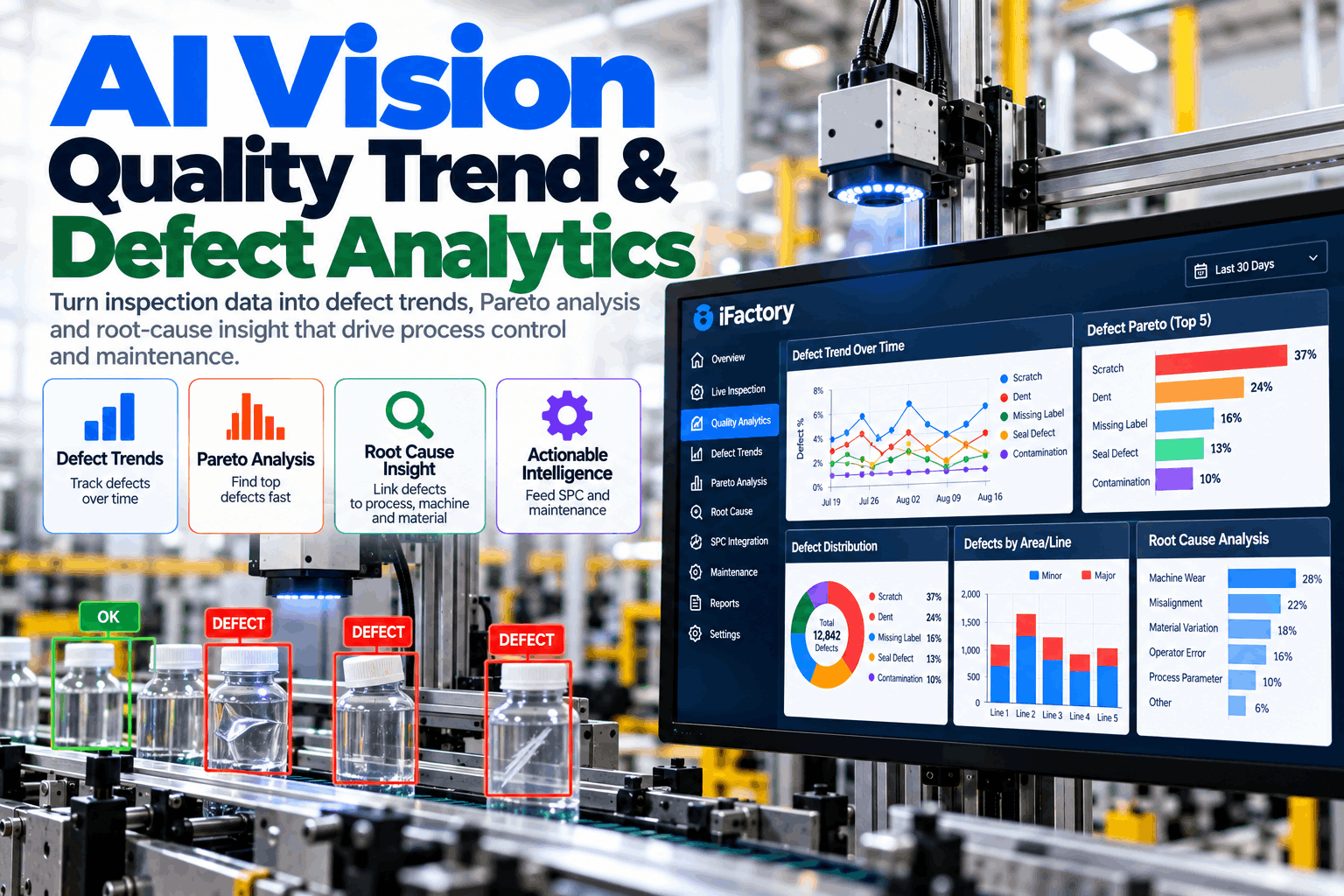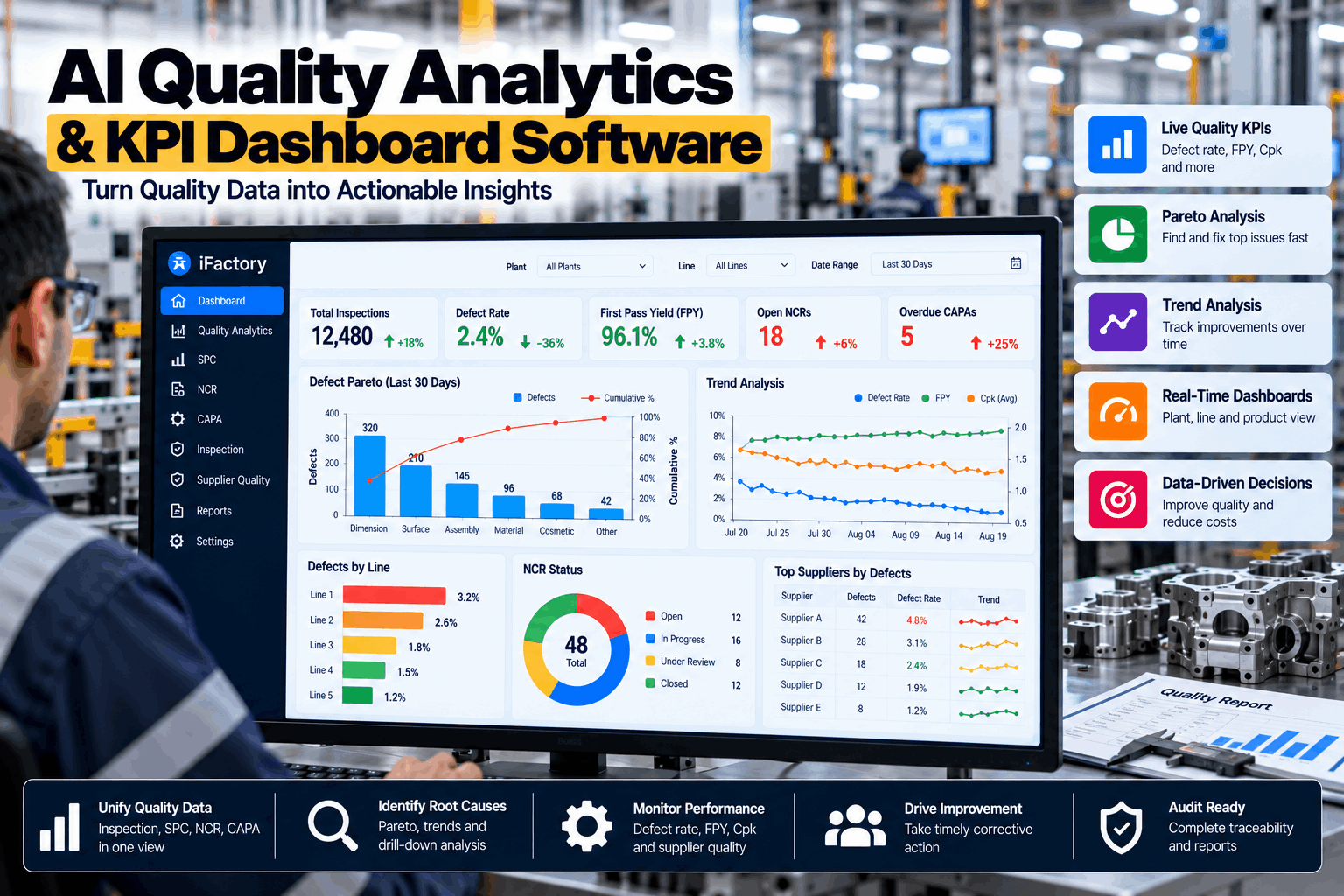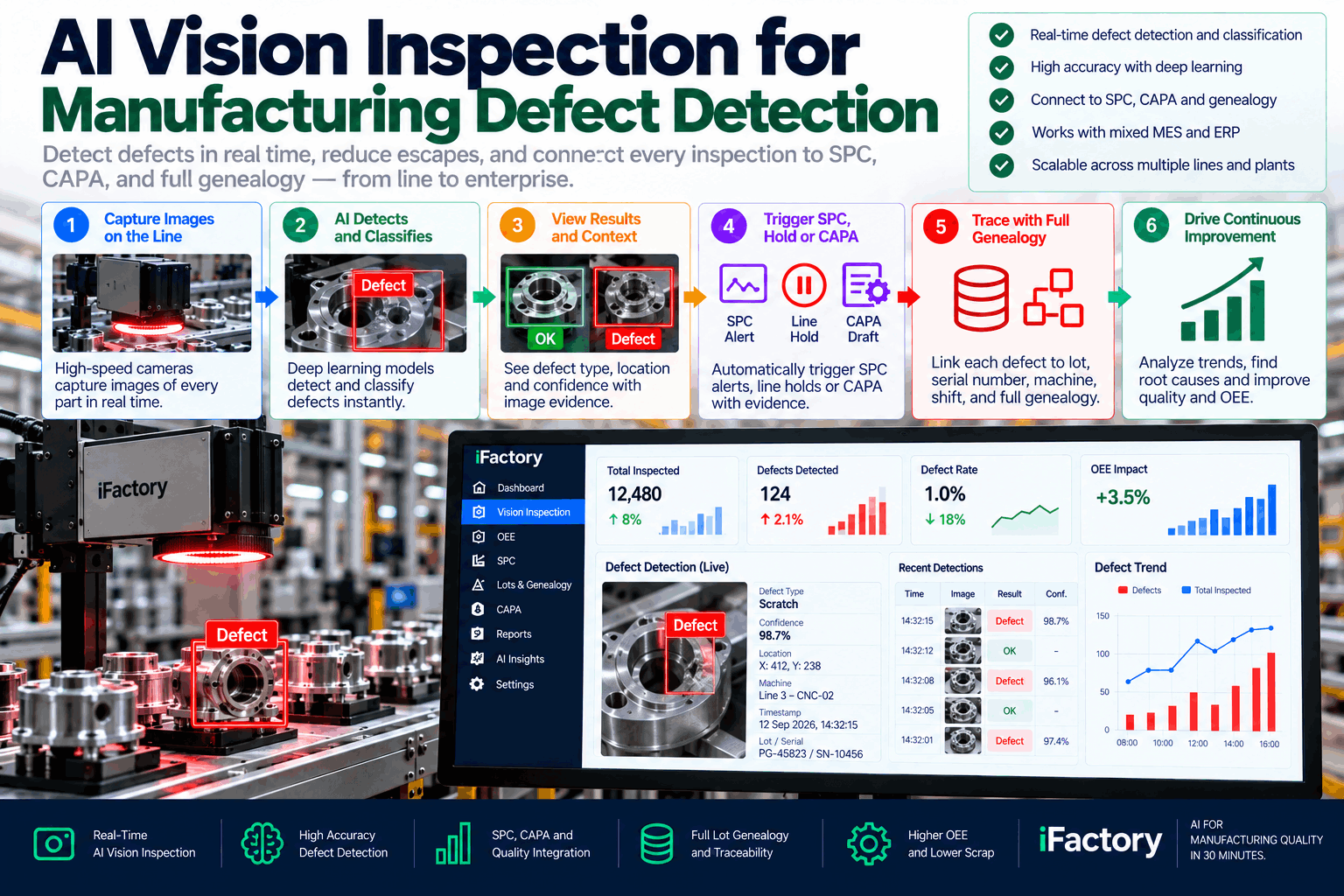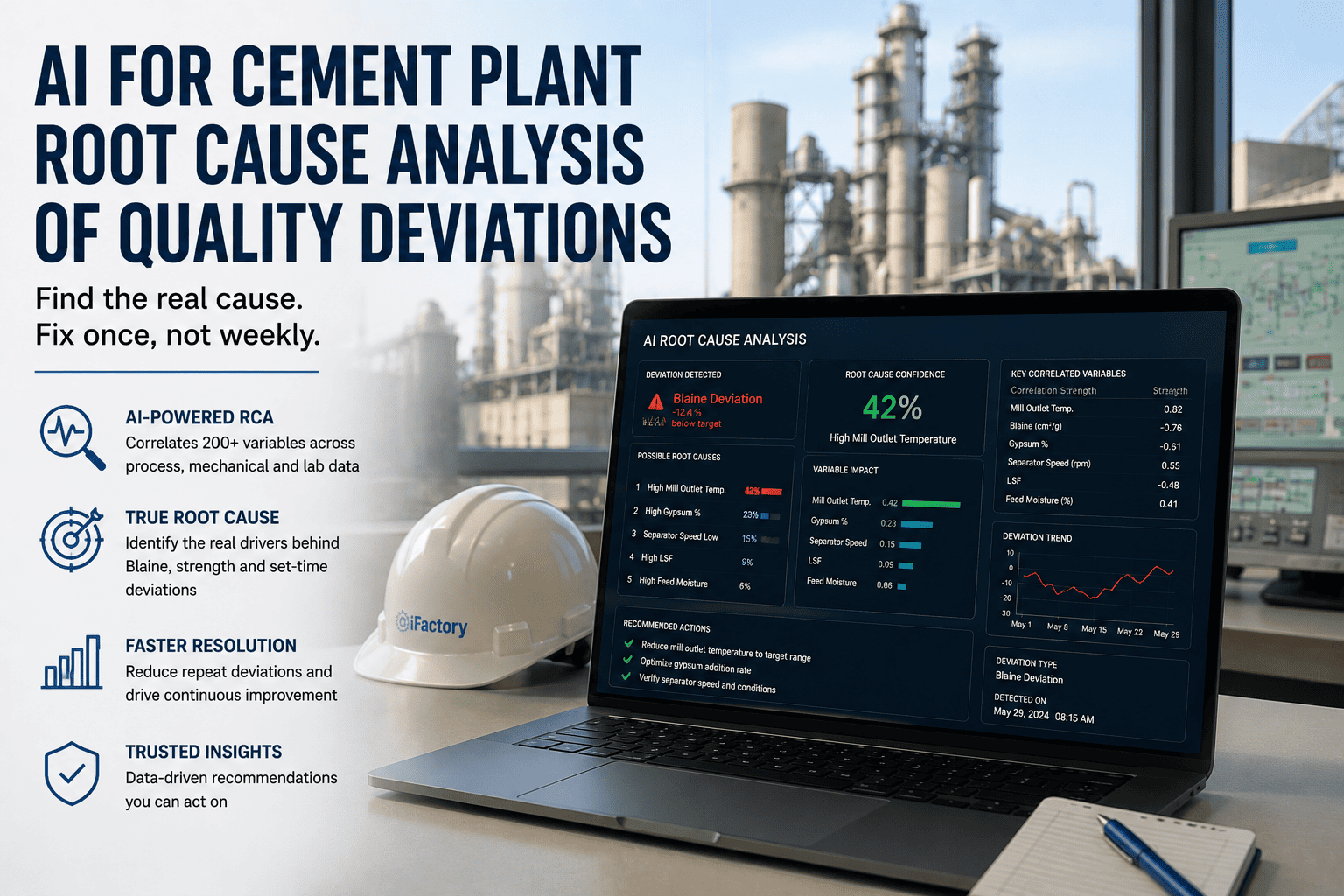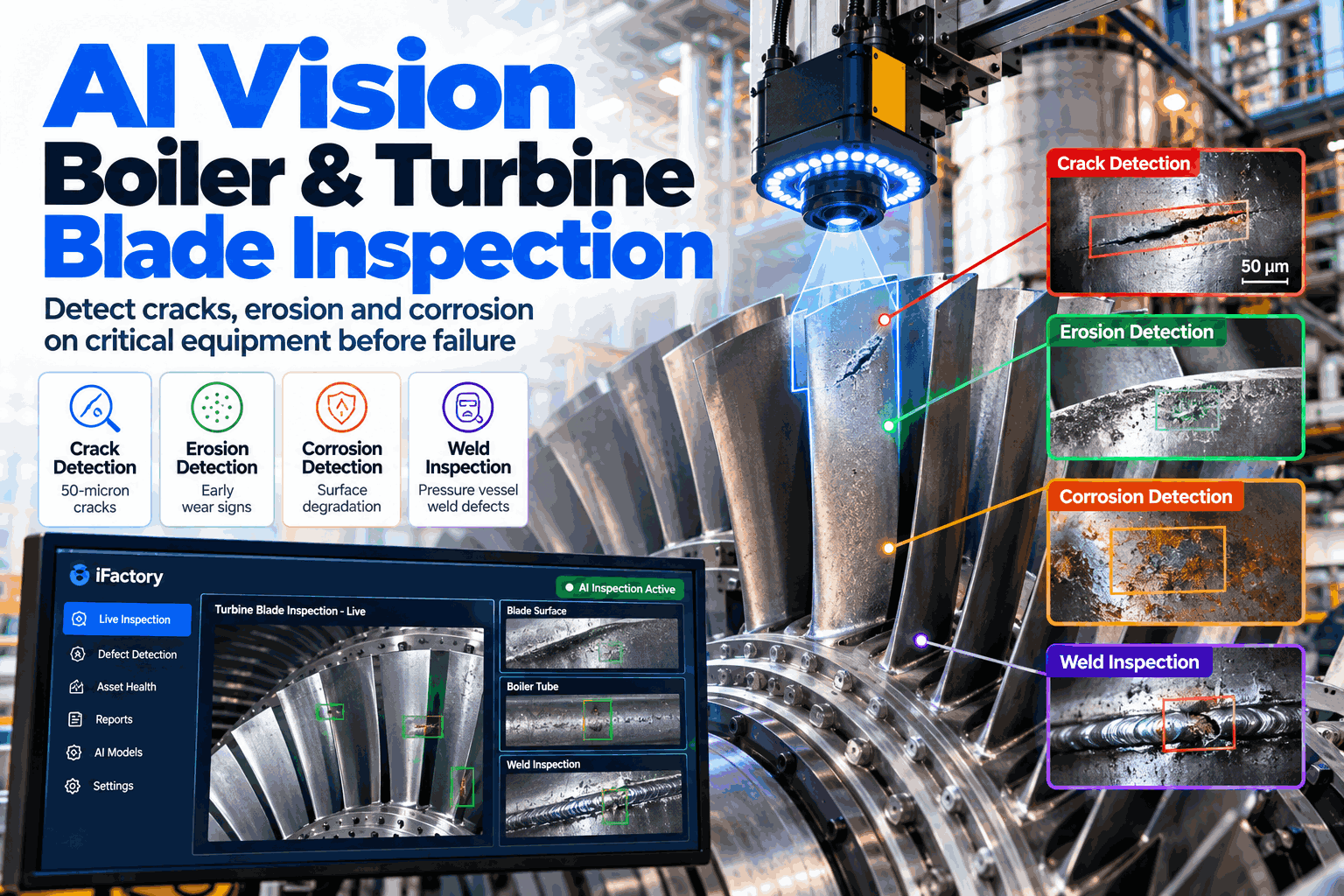
Outages are short, and the inspection list is long. In a few days, crews have to borescope turbine stages, walk boiler walls, check pressure-vessel welds and decide what gets fixed now and what can wait. Most of that work is visual, done by tired people looking at thousands of images. AI vision reviews every frame, flags cracks, erosion, coating loss and corrosion, and tracks each blade and tube from one outage to the next, while NDT confirms what matters. To try it on your next outage, book an outage inspection call.
AI Vision Boiler and Turbine Blade Inspection
Deep learning on borescope, camera and drone images finds surface damage on turbine blades, boiler tubes and pressure-vessel welds, gives every finding a location and a size, and compares it with the last outage.
- What vision can and cannot see, next to NDT
- What it really takes to see a very small crack
- How findings are trended blade by blade, outage to outage
- No finding
- Edge erosion
- Coating loss
- Crack indication, send to NDT
Three Assets, Three Inspection Problems
Blades, tubes and welds fail in different ways and are inspected in different ways.
Turbine blades suffer erosion, coating loss, foreign object damage and fatigue cracks, and are mostly seen through a borescope. Boiler tubes thin, corrode, bulge and crack across thousands of square metres of wall. Pressure-vessel welds can crack at the toe or in the heat-affected zone. Each needs its own images and its own models. Our power plant support team can help you plan which to start with.
Small, many, hard to reach
Hundreds of blades per stage, seen through a borescope in tight, dark spaces.
Huge surface area
Furnace walls, superheaters and economisers, often reached by scaffold, rope access or drone.
Small zones, high stakes
Nozzle, seam and attachment welds on drums, headers and vessels under pressure.
A single outage can produce tens of thousands of borescope frames and wall photos. Capturing them is quick. Looking at every one carefully, at the end of a long shift, is where things get missed. That is the part AI vision takes on.
What Vision Can and Cannot See
AI vision is a visual inspection. It finds surface indications, and NDT confirms them.
Cameras see surfaces. They can find erosion, coating loss, visible cracks, pitting, bulging and discolouration very well, on every image. They cannot see wall thickness, internal corrosion or cracks below the surface. Those need ultrasonic, eddy current, magnetic particle, penetrant or radiographic testing. The value of AI is in looking everywhere and pointing NDT to the right spots. To match methods to your assets, book an inspection plan review.
When AI flags a possible crack on an image, it is an indication, not a confirmed defect. The plant's inspection procedure and a qualified inspector decide what it is. Good systems are built around that hand-off, not around replacing it.
What It Takes to See a 50-Micron Crack
Small cracks can be found by vision, but only if the image is good enough. Here is the simple arithmetic that decides it, before any AI is involved.
Boiler Tubes: Erosion, Corrosion and Overheating
Most tube failures give visible warnings, if someone looks at the right tube.
Boiler and HRSG tube failures are the leading availability problem for fossil and combined-cycle plants, and they tend to repeat in the same areas. Many mechanisms leave marks on the outside of the tube long before a leak: thinning near soot blowers, bulges from overheating, cracking at attachments. Others start inside the tube, show nothing on the outside, and need NDT to find. If you want help mapping mechanisms to your boiler, our engineers can help.
Most plants already hold years of wall photos and borescope video. Labelling a few hundred known findings from those archives gives the models a strong start, and gives your team a baseline to measure the next outage against.
Use images of the whole wall to map where erosion, bulging or corrosion is visible, then send thickness measurements to those zones first. The same number of UT readings covers far more risk when they are aimed by a full visual map.
Turbine Blades: Finding Damage at Outage Speed
Every blade, every frame, with an ID that follows it to the next outage.
Borescope video of a rotating stage shows each blade many times. AI follows each blade through the frames, gives it an ID, and flags erosion, coating loss, nicks, dents and crack indications, with a size and position. The result is a blade-by-blade record that can be compared with the last outage, which is where small changes become visible. To see it on your own borescope video, book a blade review session.
Capture
Borescope video or stills, stage by stage.
Track
Each blade identified and followed across frames.
Detect
Erosion, coating loss, impact and crack indications.
Size
Area and length estimated, with position on the blade.
Compare
Same blade checked against the last outage.
Decide
Engineer reviews and sends items to NDT or repair.
What makes borescope images usable
Steady speed
Turn the rotor slowly and evenly so each blade is seen clearly in several frames.
Same angle
Use the same port and probe angle each outage so images can be compared.
Even light
Avoid glare and dark corners, which hide fine cracks and coating edges.
Close-ups
Take still close-ups of roots and edges, where cracks usually start.
Pressure-Vessel Welds
Small zones, but the consequences of a miss are large.
Welds on drums, headers and other pressure vessels are inspected under strict codes and by qualified inspectors. AI vision supports that work by reviewing weld images for visible cracks, undercut, porosity, corrosion and coating breakdown, so the inspector's time goes to the welds that need it. The inspector and the applicable code still decide what is fit to run.
What vision can flag on welds
- Visible cracks at the toe or across the weld
- Undercut, porosity and spatter
- Corrosion and coating breakdown
- Changes since the last inspection
What still needs NDT and an inspector
- Cracks below the surface
- Internal lack of fusion or slag
- Wall thickness and remaining life
- Code decisions and sign-off
Keep images, AI findings and NDT results against the same weld ID. Over a few outages, that single history shows which welds are changing and which are not, which is exactly what a risk-based inspection plan needs.
How iFactory Vision Defect Detection Works in Power Plants
Every image reviewed, every finding located, every change tracked.
iFactory's Vision Defect Detection runs deep learning models on an edge server at the plant. It reviews borescope video, camera stills and drone images, flags surface damage on blades, tubes and welds, sizes and locates each finding, compares it with past outages, and sends confirmed items to your maintenance system as work orders. Questions on fit go to our support desk.
Your images
Existing borescopes, cameras and drones, no new probes needed to start.
Surface damage
Cracks, erosion, coating loss, corrosion and impact damage.
Outage to outage
Each blade, tube zone and weld compared over time.
Work orders
Confirmed findings sent with images and location.
What inspectors see
- Flagged frames, sorted by severity
- Position and size of each finding
- Last outage's image beside this one
What engineers see
- Findings by stage, wall zone and weld
- Growth trends across outages
- Items waiting for NDT or repair
The smallest reliable crack size depends on your borescope, lighting, access and surface condition. We measure it on your own images during the pilot, against your inspectors' findings, rather than promising a general figure.
Turnkey AI: Delivered, Connected and Live in 6–12 Weeks
You do not build this. It arrives ready.
iFactory ships as a pre-configured NVIDIA AI server, racked and ready, with the software pre-loaded. Rack it, plug in power and Ethernet, and the AI is live on your network.
Our team handles cabling, network setup, PLC and SCADA integration, operator training and 24×7 remote monitoring. The server sits inside your own network, so inspection images and plant data stay on site. For a scope matched to your units, request a turnkey quote.
Ship, network and data
Server installed. Past outage images and inspection records loaded. Maintenance system connected.
Model training and pilot
Models trained on your own images and checked against your inspectors' findings, stage by stage.
Go-live and training
Ready for the next outage. Inspectors and engineers trained. 24×7 remote monitoring begins.
Frequently Asked Questions
Can AI vision find 50-micron cracks on turbine blades?
Only if the images can resolve them, which usually means close-up, high-resolution imaging rather than a wide borescope view. The smallest reliable size is measured on your own equipment during the pilot, and every crack indication is confirmed by NDT.
Does it work with our existing borescopes?
Yes. It reviews video and stills from the borescopes, cameras and drones you already use. Better images give better results, so we review image quality early in the pilot.
Does it replace NDT?
No. Vision finds surface indications on every image. Ultrasonic, eddy current, penetrant, magnetic particle and radiographic testing confirm them and find what cameras cannot see.
Can it inspect boiler tubes?
Yes, from wall images taken by camera, rope access or drone. It maps visible erosion, corrosion, bulging and cracking, so thickness testing can be aimed at the right zones.
How does outage-to-outage trending work?
Each blade, tube zone and weld gets an ID. Findings are stored against that ID, so this outage's images can be compared with the last ones and growth can be measured.
Who makes the final call on a finding?
Your qualified inspectors and engineers, under your plant's procedures and the applicable codes. AI flags and sorts. People decide.
How do we start?
With images from a past outage on one turbine or boiler area, so models can be trained and checked against known findings before your next outage. To plan it, contact our team.
Review Every Frame Before the Casing Closes
In thirty minutes we look at your outage scope, the images you already capture and your inspection backlog, and pick the area most likely to pay back first. You keep the plan whether or not you go further with iFactory.
- 1Borescope video from a past outage
- 2Boiler wall photos or drone footage
- 3Recent inspection reports and findings
- 4Your next outage dates and scope
- 5Repair criteria from your OEMs