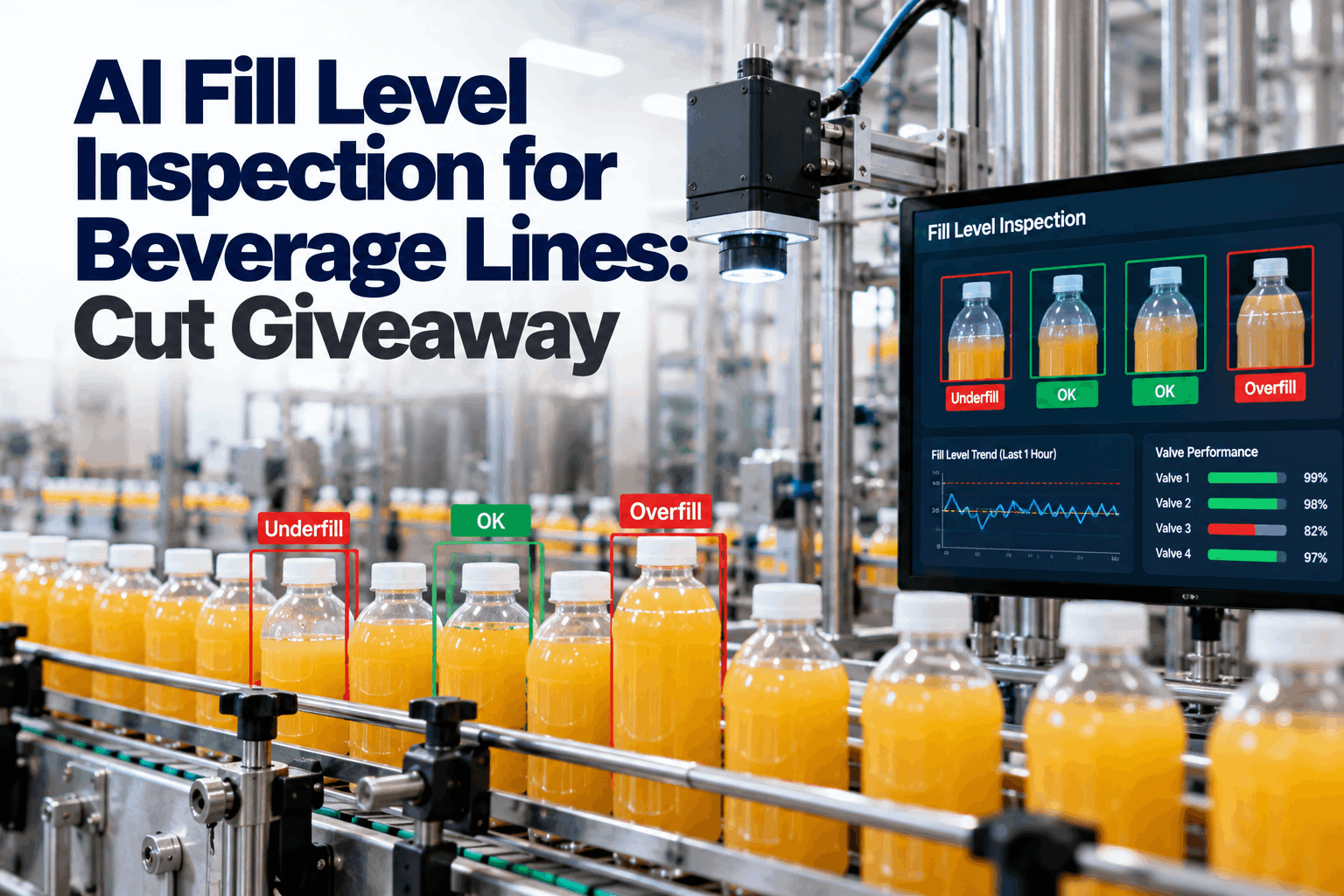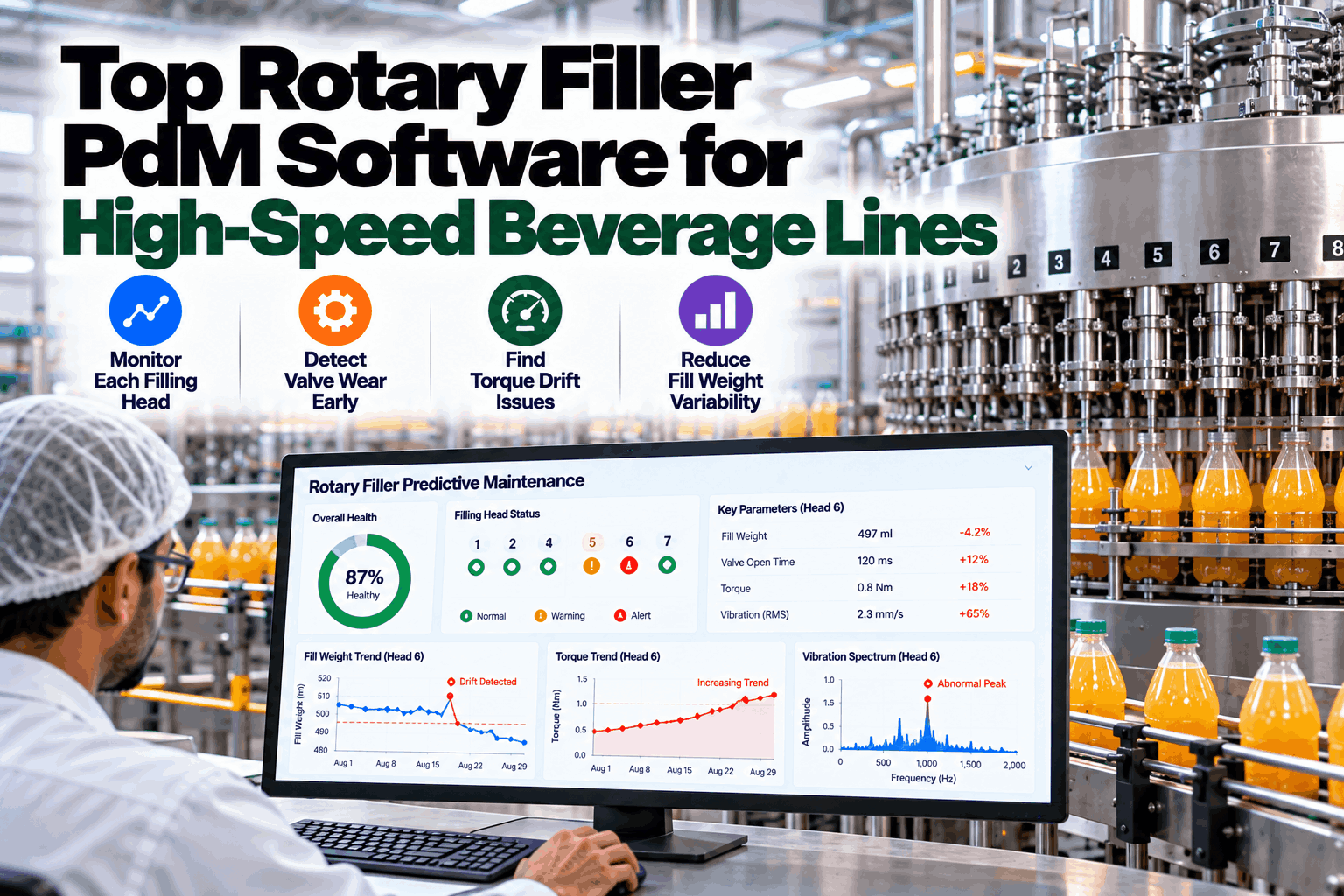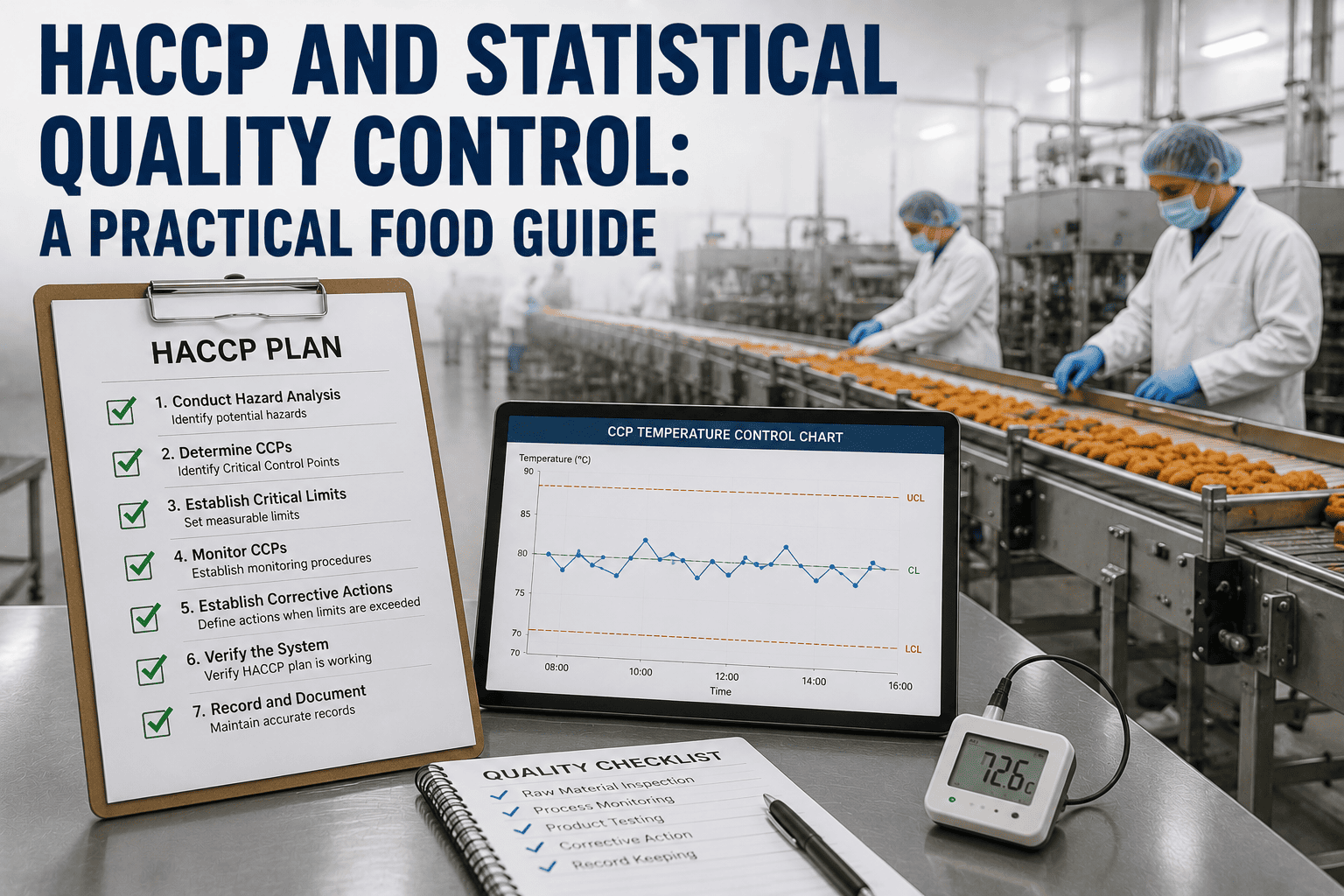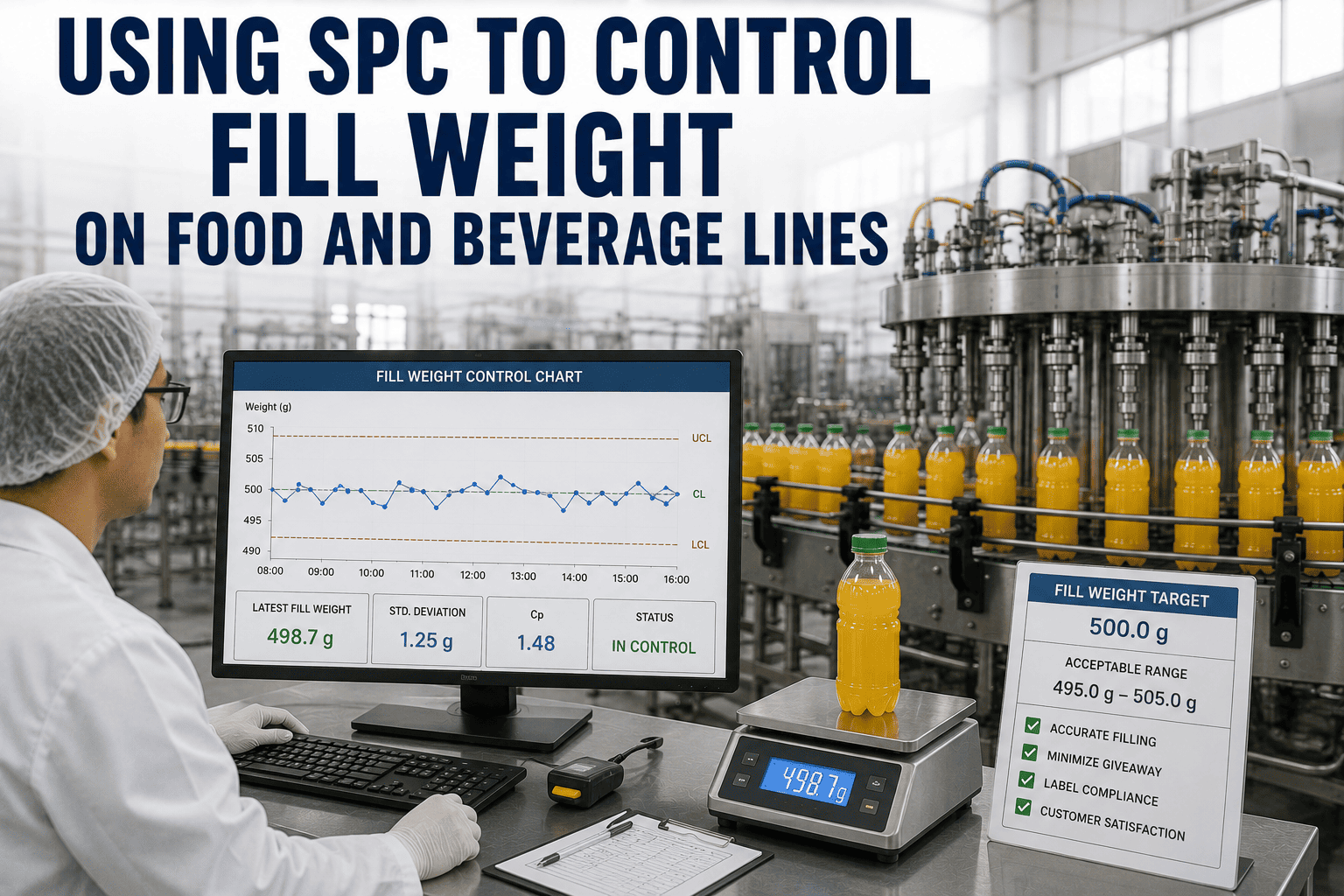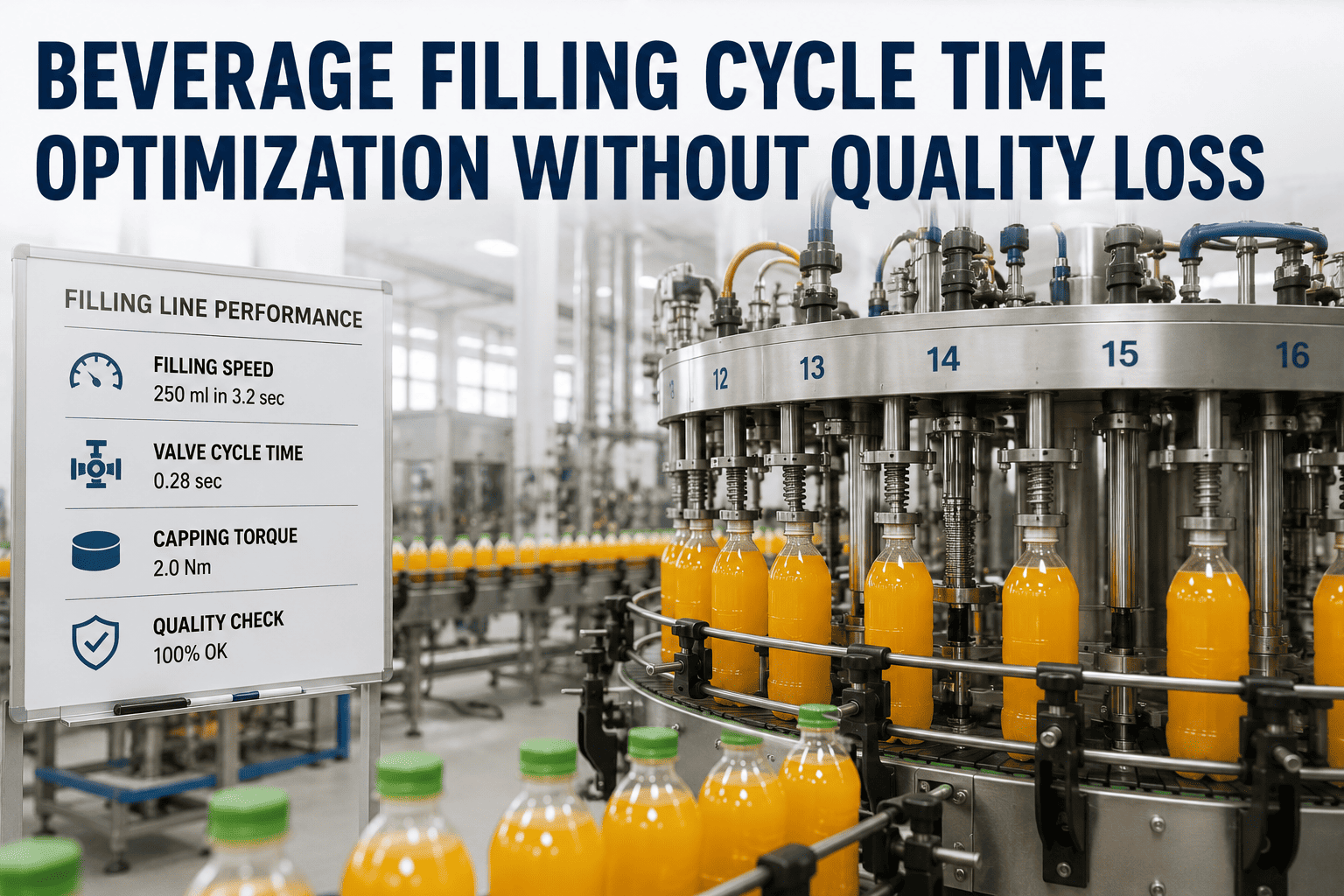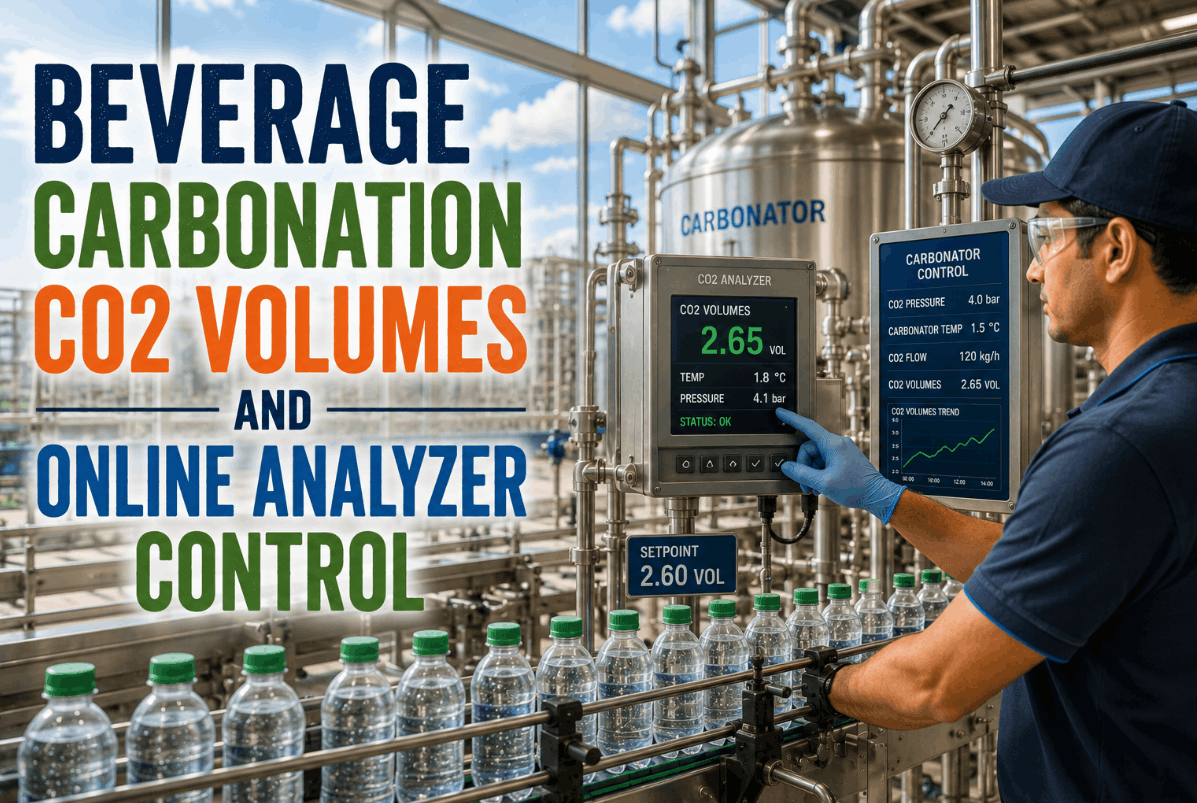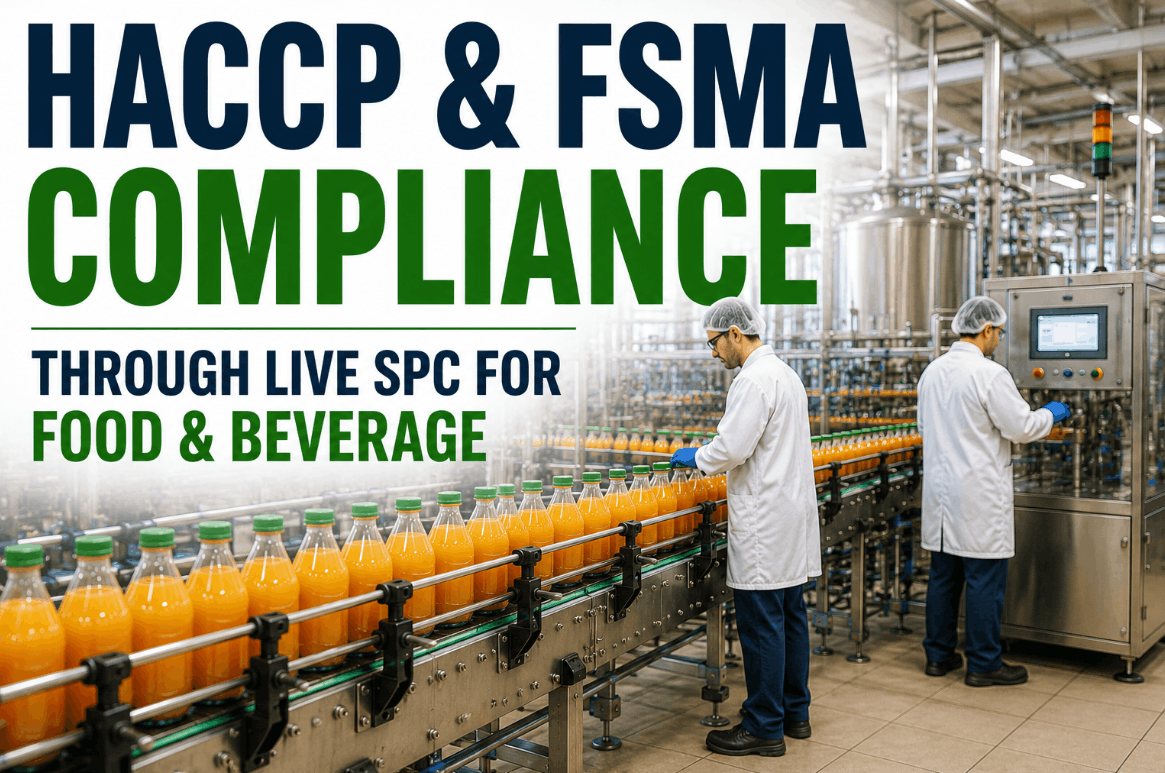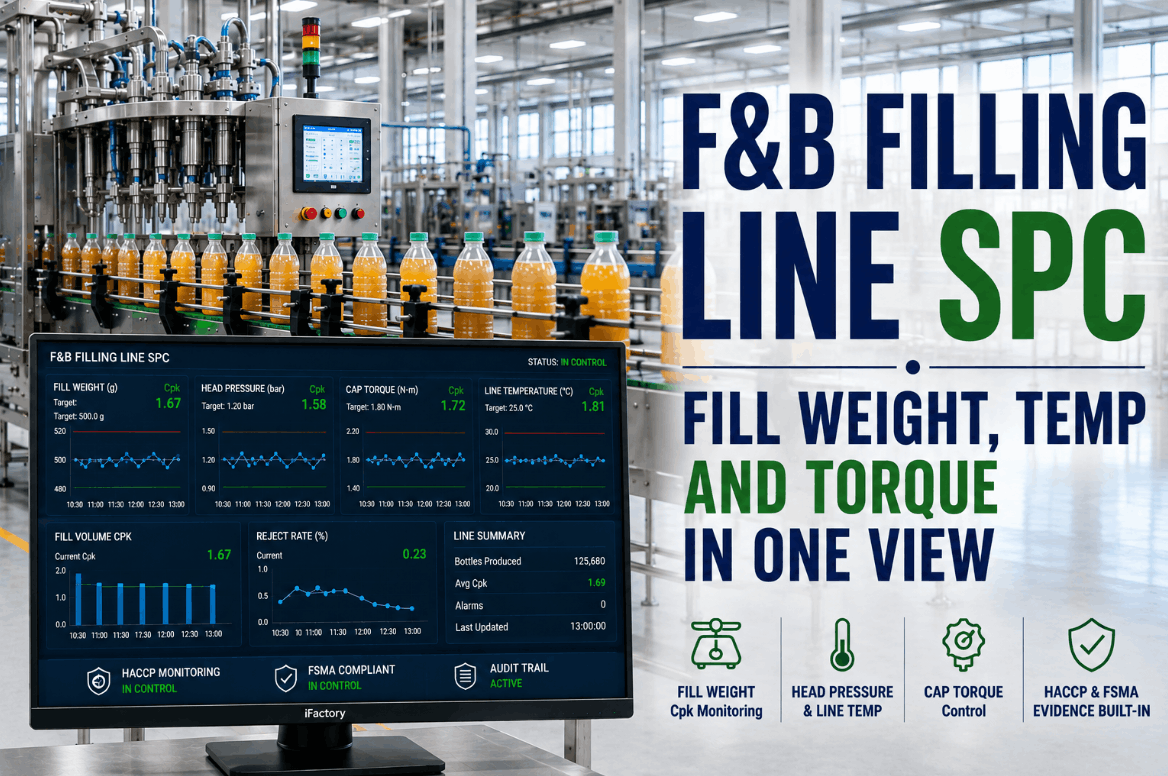
Food and beverage filling lines run at speeds where a single out-of-control parameter — a fill weight drift, a head pressure excursion, a cap torque variation — can propagate across thousands of units before a manual check cycle catches it. For F&B Plant Quality Managers, the gap between what your filling line is doing and what your SPC system is showing you in real time is not a minor data lag — it is a HACCP evidence gap, a FSMA compliance exposure, and a direct cost in product giveaway, rework, and consumer safety risk. The filling lines that run at maximum yield with the lowest regulatory exposure are not the newest lines on the floor; they are the ones with continuous, parameter-level SPC coverage across fill weight, head pressure, cap torque, and line temperature simultaneously — with HACCP and FSMA evidence built into the data record automatically. That is precisely what iFactory's F&B filling line connectors deliver, and Book a Demo is where most quality managers begin when they are ready to see it running against their own line parameters.
Why Filling Line SPC Is a Different Problem Than General Manufacturing SPC
General manufacturing SPC deals with process capability and dimensional conformance. Filling line SPC in food and beverage production carries all of that — and then adds regulatory compliance requirements that have no equivalent in most other industries. Under FSMA's Preventive Controls for Human Food rule, manufacturers are required to implement and document process controls at every critical control point identified in the facility's food safety plan. Fill weight at the filler head, pasteurization temperature, cap torque at the closer, and head space pressure in carbonated beverages are all potential CCPs or preventive controls — and the monitoring records for those controls must be generated, retained, and available for FDA review at any time. Most filling lines are generating this data. What most quality systems are not doing is capturing it at the resolution required to serve as FSMA-compliant monitoring evidence while simultaneously running it through an SPC engine that identifies process deterioration before it becomes a deviation event.
iFactory closes this gap by deploying F&B filling line connectors that pull fill weight, head pressure, cap torque, and line temperature data directly from filler, capper, and pasteurizer control systems — running live SPC on every parameter with Cpk calculated continuously, and automatically generating timestamped HACCP monitoring records that are structured to meet FSMA documentation requirements. Quality managers evaluating this capability typically Book a Demo to review how the platform maps to their specific HACCP plan and CCP monitoring protocol.
- Fill weight checked manually every 30–60 minutes — drift undetected between sampling intervals
- HACCP monitoring records completed on paper, prone to transcription error and retrospective entry
- Cap torque variation identified at end-of-line or customer complaint — not at the capper
- Line temperature excursions at pasteurizer caught by alarm, not by SPC trend detection
- Cpk calculated monthly or quarterly from sampled data — process capability invisible in real time
- FSMA documentation assembled manually at audit time — evidence gaps create regulatory exposure
- Fill weight monitored continuously at every filler head — Cpk updated per unit, per head, per SKU
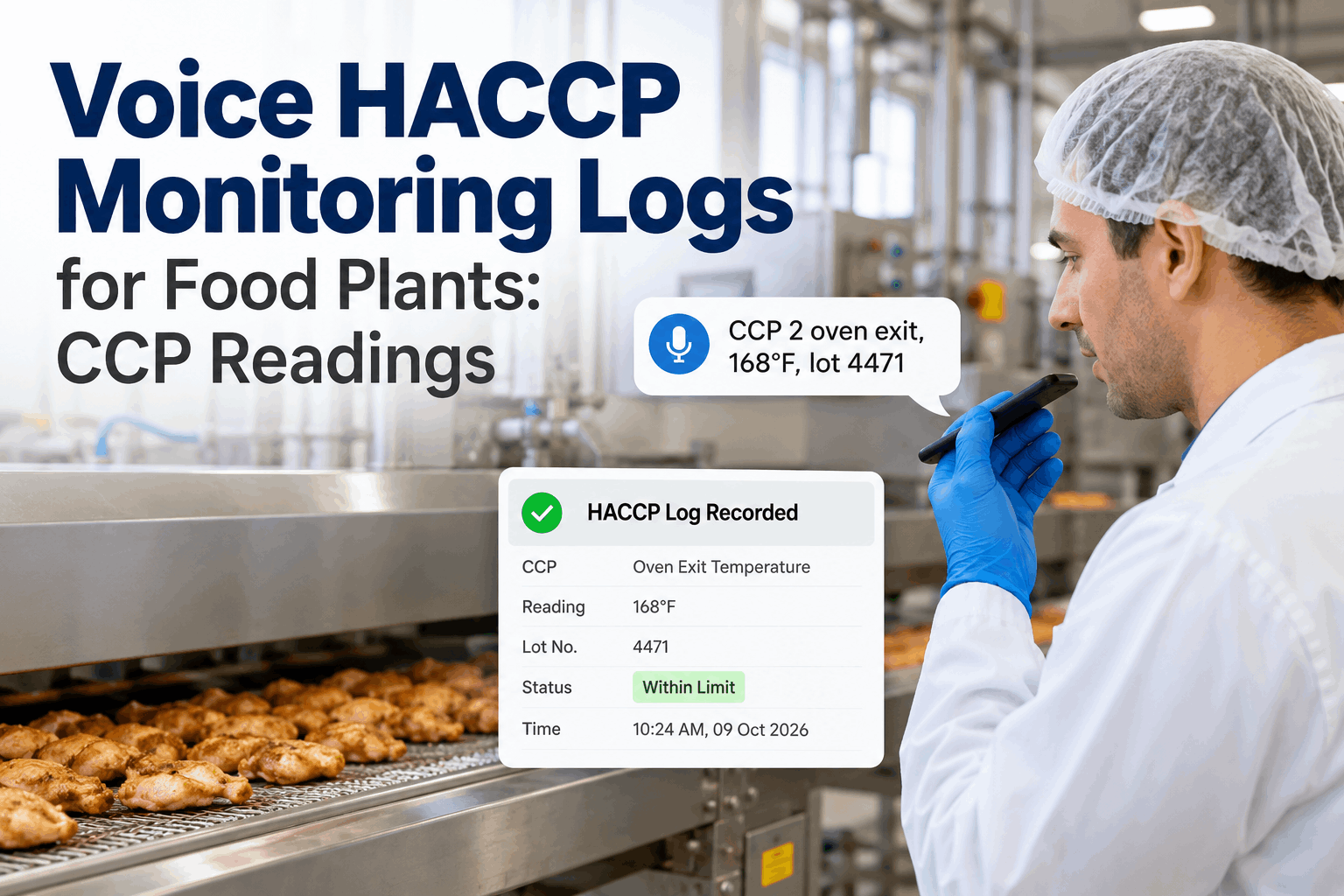
- HACCP monitoring records generated automatically from live process data — no manual transcription
- Cap torque SPC alerts fired at the capper before under-torqued units advance downstream
- Pasteurizer temperature SPC detects trend toward critical limit before alarm threshold is reached
- Continuous Cpk per parameter, per line, per shift — process capability always current
- FSMA-structured evidence records available for FDA review at any time — zero assembly required
The Four Parameters That Define Filling Line Quality — Monitored Simultaneously
Effective filling line SPC must cover all four critical parameters in a single unified view — because they interact. A fill weight drift at the filler head correlates with head pressure variation upstream. A cap torque problem at the closer correlates with cap geometry variation and line speed. A pasteurizer temperature excursion correlates with upstream flow rate changes. Managing these parameters in isolation, on separate displays or separate systems, misses the causal relationships between them. iFactory's F&B connector brings all four into one SPC engine, with parameter-to-parameter correlation analysis running automatically alongside the individual control charts.
HACCP and FSMA Compliance: How iFactory Builds the Evidence Record Automatically
The regulatory dimension of filling line SPC in food and beverage manufacturing is not a secondary consideration — it is often the primary business driver for the investment. Under FSMA's Preventive Controls rule, facilities must monitor CCPs at a frequency sufficient to ensure that the critical limits are consistently met, and they must maintain monitoring records that document the method, frequency, and results of that monitoring. When fill weight, pasteurization temperature, or cap torque are identified as CCPs or preventive controls in the facility's food safety plan, the SPC data iFactory generates is not just a quality management tool — it is the compliance evidence record.
Quality managers preparing for FSMA readiness reviews or FDA facility inspections frequently Book a Demo specifically to review how iFactory's HACCP evidence architecture maps to their facility's existing food safety plan structure and CCP monitoring protocol — and to assess how quickly existing paper-based records can be transitioned to the automated system.
Fill Weight, Torque, and Temperature SPC: Parameter Coverage and Cpk Targets
| Parameter | Monitoring Point | SPC Chart Type | Cpk Target | FSMA / HACCP Relevance | iFactory Capability |
|---|---|---|---|---|---|
| Fill Weight (g) | Per filler head, per cycle | Xbar-R / Individuals | ≥ 1.33 | Net content CCP, NIST Handbook 133 | Per-head Cpk, head-matching alerts |
| Fill Volume (mL) | Volumetric filler bowl | Xbar-R | ≥ 1.33 | Net content, overfill cost control | Head pressure correlation analysis |
| Head Pressure (bar / PSI) | Filler bowl and supply line | Individuals / MR | ≥ 1.25 | Fill weight root cause traceability | Pressure decay pattern detection |
| Cap Application Torque (in-lb) | Per spindle at closer | Xbar-R | ≥ 1.33 | Seal integrity CCP, tamper evidence | Per-spindle Cpk, spindle-match index |
| Cap Removal Torque (in-lb) | Inline torque tester | Individuals | ≥ 1.25 | Consumer seal integrity verification | Linked to application torque SPC |
| Pasteurizer Temperature (°F / °C) | Holding tube, per zone | Individuals / MR | ≥ 1.67 | Pathogen kill step CCP — critical limit | Pre-alarm trend detection, HACCP record |
| Filler Bowl Temperature (°F / °C) | Hot-fill bowl, per section | Xbar-R | ≥ 1.33 | Hot-fill seal formation CCP | Temperature-fill weight correlation |
| CIP Rinse Temperature (°F / °C) | Rinse water return, per zone | Individuals | ≥ 1.25 | Sanitation preventive control validation | Automated sanitization evidence record |
Expert Perspective: What Live Filling Line SPC Changes for Quality Operations
We were doing fill weight checks every 30 minutes on a 600-unit-per-minute line. The math on that is straightforward — between checks, we could theoretically produce 18,000 units with a drifting fill weight and never know it until the next manual sample. After we deployed iFactory's per-head fill weight SPC, we caught a head 4 drift event in the first week that we would have missed entirely under our old protocol. More importantly, when our FDA inspector asked for our CCP monitoring records during a FSMA readiness review, I pulled up the full six-month record for every CCP parameter in under three minutes. That's not something I could have done before. The combination of real-time quality control and automatic compliance documentation has fundamentally changed how I run this plant.
Frequently Asked Questions: F&B Filling Line SPC
iFactory connects to major filler, capper, and pasteurizer platforms including Krones, Tetra Pak, KHS, Sidel, and Barry-Wehmiller via OPC-UA, Modbus, and direct API, with pre-built F&B connectors that map parameters to SPC charts automatically for the most common filling line configurations.
Yes. iFactory's CCP monitoring records are structured to include all elements required under 21 CFR Part 117 Subpart F — parameter identity, critical limit, actual monitoring result, date and time, and operator identity — with electronic signature support for facilities operating under Part 11 or equivalent electronic records requirements.
Yes. Control limits, Cpk targets, and HACCP critical limits are configured per product code and container format, so the SPC engine automatically applies the correct specification set when the line transitions between SKUs without any manual chart reconfiguration.
iFactory supports both HTST and tunnel pasteurizer configurations with separate temperature zone monitoring and holding time tracking, with SPC charts and HACCP records generated per pasteurizer zone and per production run in both configurations.
Most filling lines achieve live SPC across fill weight, cap torque, and line temperature within 4–6 weeks, including connector configuration, HACCP parameter mapping, control limit setup per SKU, and quality team training on the SPC dashboard.
Conclusion: The Filling Line Your HACCP Plan Deserves
A food and beverage filling line that runs at high speed without continuous SPC on fill weight, head pressure, cap torque, and line temperature is not under statistical control — it is under periodic observation, which is a fundamentally different and significantly riskier operating posture. The product giveaway from undetected fill weight drift, the consumer complaints from under-torqued caps that reach the shelf, the regulatory exposure from HACCP monitoring records assembled manually from paper logs — these are not hypothetical risks. They are the documented operational and compliance costs of filling lines that have not made the transition from interval sampling to continuous SPC.
iFactory's F&B filling line SPC platform closes every one of these gaps simultaneously: live per-head Cpk on fill weight, real-time cap torque alerting at the closer, pasteurizer temperature trend detection before the critical limit is approached, and automatic HACCP and FSMA evidence documentation that eliminates the compliance assembly burden entirely. The data your filling line is already generating is sufficient to run this system. Book a Demo and see iFactory running against your specific line configuration, your SKU portfolio, and your HACCP plan structure.