One 11 kV switchgear relay costing $12,000 can hold a 600 MW unit offline for five days at $180,000 an hour while a replacement is expedited from an OEM two continents away. That is the arithmetic of spare parts criticality in a power plant, and it is why the annual inventory savings conversation and the availability conversation are actually the same conversation — most maintenance managers just do not have the classification discipline to see them as one. Industry data shows 18–25% of maintenance inventory in a typical power plant is excess stock, roughly 34% of parts have not moved in 24 months, and yet the parts that actually stop production run out anyway. The gap is not budget. It is a working ABC-VED matrix, tied to real work-order consumption and asset criticality, that tells the storekeeper what has to be on the shelf tonight and what can wait for the next tender. iFactory's Spare Parts Criticality Engine builds that matrix.
iFactory Spare Parts Criticality Engine
Right-Size MRO Without Losing a Unit to a $12,000 Missing Part
ABC-VED classification from your actual work-order consumption, lead-time-aware reorder points on vital spares, and stockout-risk alerts before an outage becomes unavoidable.
ABC + VED
nine cell matrix
18–25%
excess stock in typical plant
34%
parts dormant 24+ months
3×
premium: emergency vs planned
Why Spare Parts Programs Fail Both Ways at Once
A power-plant stores manager is asked to reduce inventory and never cause a stockout, and both are impossible to do without a criticality matrix. The failure mode is remarkably consistent across plants.
Untiered Inventory
"We have $8M in stock. Why did we stock out?"
Reorder points set once and never recalculated
A-class high-value spares over-stocked; V-class vitals missing
Lead-time reality diverged from what the ERP says
Emergency freight running at 3× planned procurement cost
Criticality Matrix
"Every part on the shelf earns its place."
Every spare classified on both ABC (value) and VED (criticality)
Reorder points recalculated monthly from actual consumption
Lead-time drift flagged before it becomes a stockout
Vital-class spares under separate stocking rules from A-class expensive ones
The Nine Cells That Actually Matter
ABC and VED alone tell you half the story. The 3×3 matrix is what actually drives a stocking policy — because a part can be cheap and vital, or expensive and desirable, and neither dimension alone decides how it should be stocked.
AV Cell
High-value, vital. The 11 kV switchgear relay, the generator excitation card. Safety stock always on hand, dual sourcing, tightest monitoring.
Rule: never stock out, at any cost
AE Cell
High-value, essential. Bearings for major auxiliaries. Min-max with vendor SLA and second source qualified.
Rule: min-max + secondary vendor
BV Cell
Medium-value, vital. Small solenoids and control-loop components that stop the unit. Kanban-style with min > 0.
Rule: kanban, alert at 50% min
AD Cell
High-value, desirable. Non-critical expensive spares. Order-on-demand, no shelf inventory.
Rule: order as needed
CD Cell
Low-value, desirable. Bulk consumables. Bulk reorder, minimal oversight.
Rule: bulk reorder, quarterly count
What the Criticality Engine Actually Does
A one-time ABC-VED classification is a slideshow. A working criticality engine recalculates as consumption and asset criticality change, and the recalculation is what keeps the matrix from drifting stale within a year.
Classify
Every spare on both axes: ABC from actual usage-value in your work orders, VED from the parent asset's criticality rating in the asset register.
Reorder
ROP per part from actual consumption rate, current supplier lead time, and safety stock factor by criticality tier — recalculated monthly, not annually.
Alert
Stockout risk flagged before a V-class part hits its safety-stock floor, and when supplier lead time drifts beyond its historical band.
Prove
Inventory ROI reported: capital freed from AD and CD dead stock reinvested in AV cell coverage, with the stockout-prevention math auditable.
What a Working Criticality Program Delivers
When ABC-VED is live and the reorder logic is fed by real consumption, the plant simultaneously cuts inventory carrying cost and eliminates the specific stockouts that were driving forced-outage extensions.
Lower
Carrying cost
28% typical after classification
Zero
V-class stockouts
the ones that stop the unit
Faster
Return to service
right part, right shelf, right now
Freed
Working capital
from dormant AD/CD stock
Pull your last three extended outages. If the delay in any of them included waiting for a part that was in your ERP catalog but not on the shelf, that is a criticality-matrix problem. Book a plant assessment — we'll classify one asset's spares live.
Frequently Asked Questions
How is this different from what our ERP already does?
An ERP tells you what you have and what you paid for it. It does not tell you which parts are vital versus desirable — that classification depends on the parent asset's criticality, which lives in your maintenance system, not your ERP. iFactory joins the two: ABC comes from ERP usage-value data, VED comes from asset-register criticality, and the reorder point per part is calculated on both. Most plants technically have the data; almost none have it joined into one working matrix.
How is VED criticality actually assigned?
VED is assigned per asset based on outage consequence: does losing this asset stop the unit (Vital), degrade output within 48–72 hours (Essential), or cause a workaround-manageable issue (Desirable)? The classification is agreed with the maintenance and reliability leads on the plant, documented against every asset in the register, and inherits down to every spare part on the BOM of that asset. Vital assets and vital spares get separate stocking rules; the AV cell is where the plant simply refuses to stock out, whatever it costs.
Can it integrate with SAP MM or Maximo?
Yes. Reorder points, purchase requisitions, and stock-status alerts are written back to SAP MM (or Maximo, or the CMMS the plant uses). The classification and the alert logic live in iFactory; the transactional record lives where the storekeeper already works. Nothing moves to a parallel system.
Book a plant assessment to see the SAP MM write-back on one asset.
What about obsolete parts and dead stock?
Dead stock — parts unused for 24+ months, or for equipment already decommissioned — surfaces automatically once ABC classification runs on real consumption data. The plant then decides: dispose, transfer to a sister site, or return-to-vendor. The point is that the dead stock stops being invisible on the balance sheet, and the working capital it consumes becomes available for the AV cell parts the plant actually needs.
Can we start with one asset's bill of materials?
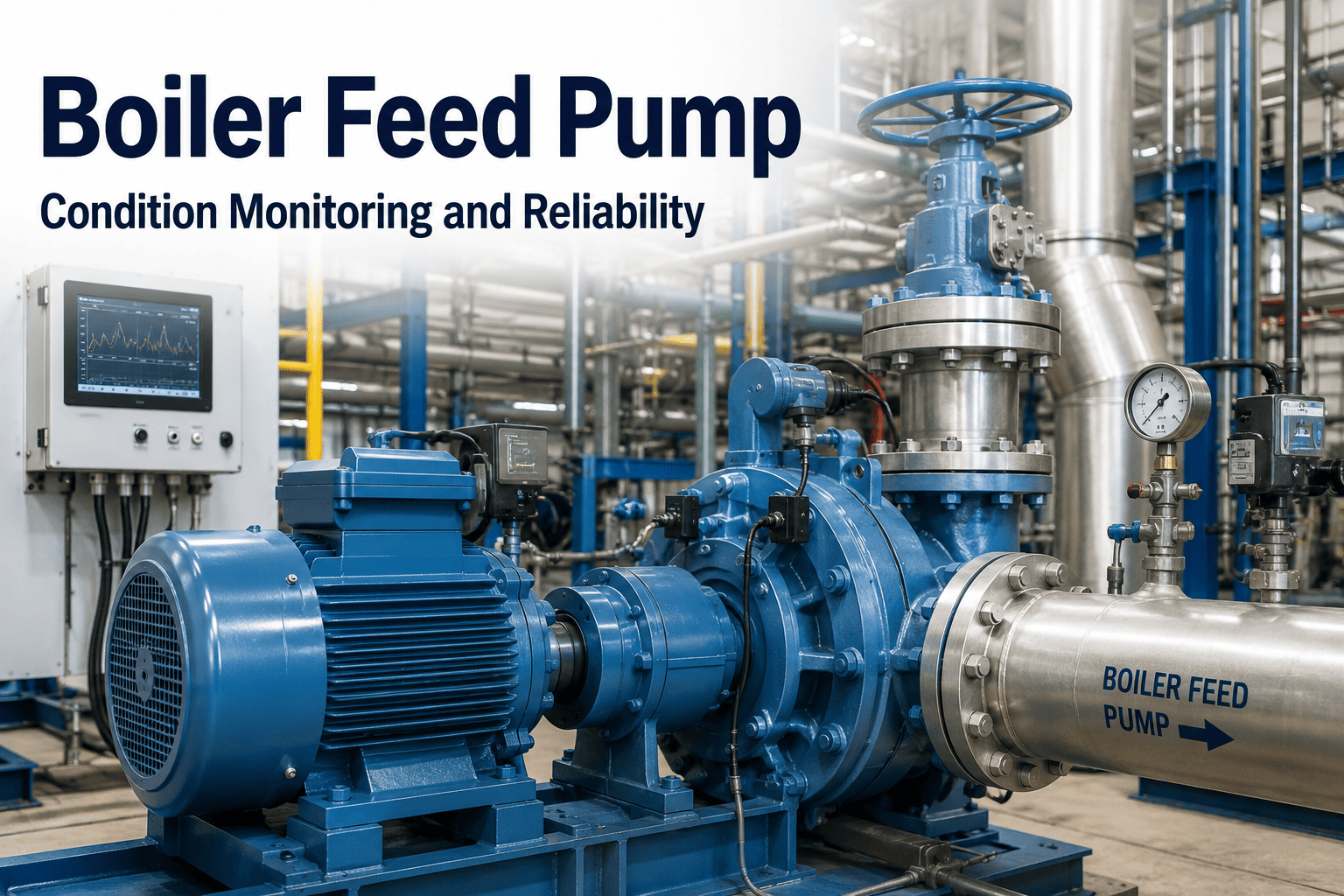
Yes. Most plants start with one high-criticality asset — a large auxiliary transformer, a boiler feed pump, an 11 kV switchgear — classify its full BOM live, and validate the reorder logic against a month of the actual consumption on that asset. That single-asset pilot is usually enough to prove the matrix and scope the full plant rollout. Book a plant assessment and we'll pick the right first asset with you.
Stop paying for both dead stock and stockouts at once.
Classify One Asset's BOM Against ABC-VED Live
Bring one high-criticality asset and its bill of materials. We'll pull consumption from your CMMS, apply the ABC-VED matrix, and show the reorder-point recalculation before we discuss a broader rollout.