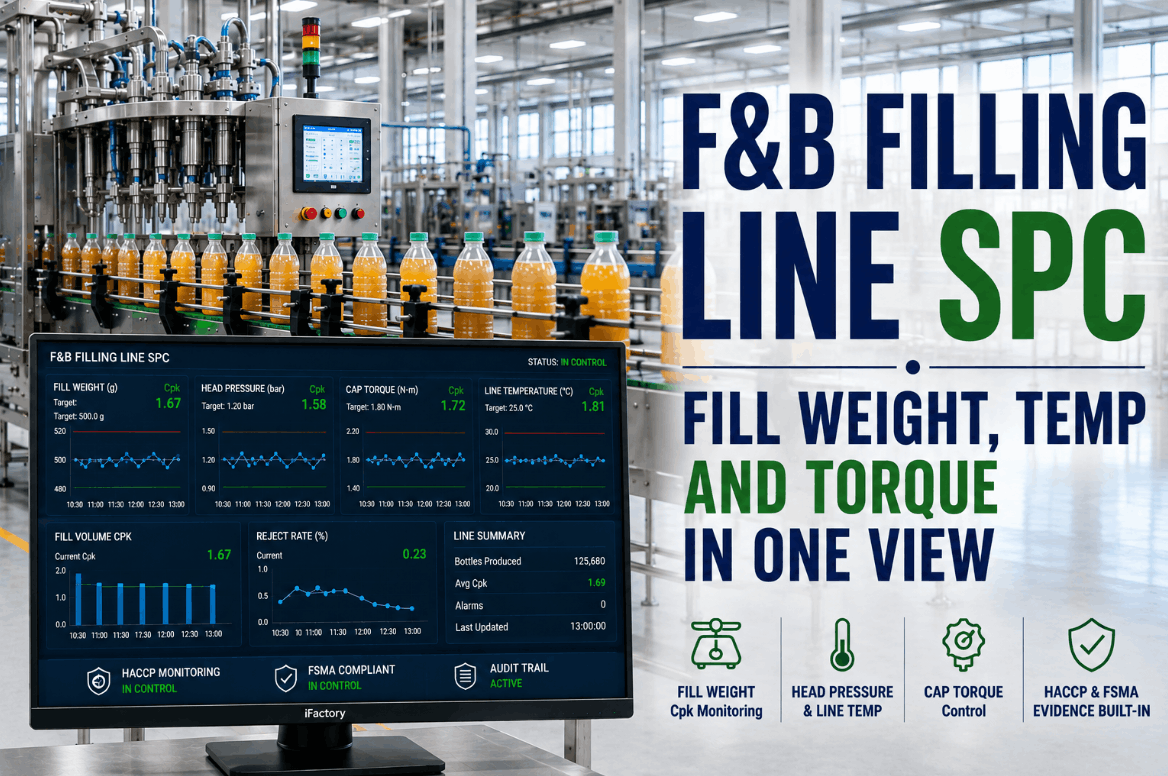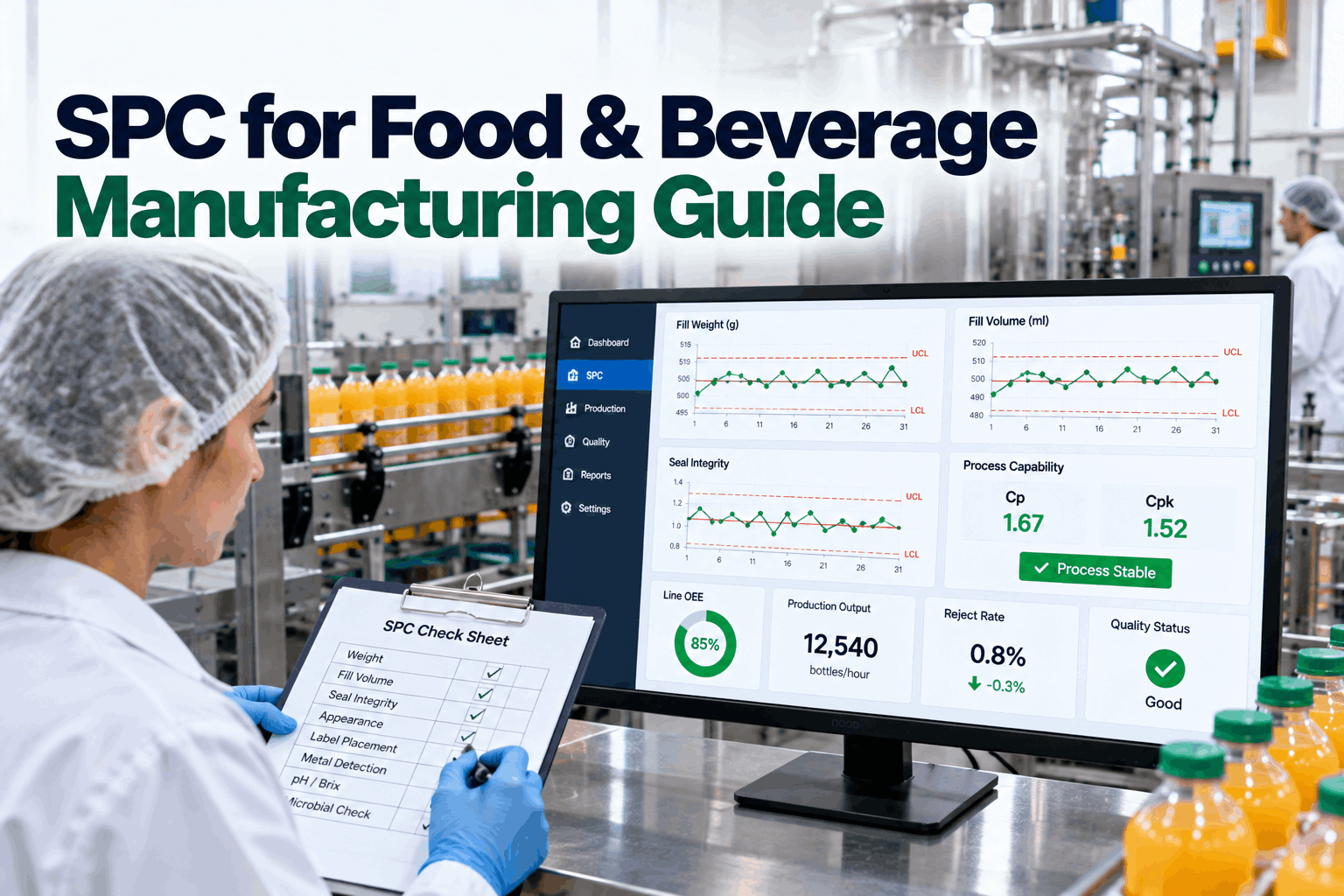
A fill weight X-bar drifts below the target at 4:12 a.m. on the yogurt line, the SPC display shows the shift, and 90 minutes of finished cases move to cold storage before a supervisor arrives to catch it — and the underweight lot has to be identified from ship logs three days later when a retail customer flags the shortage. That is the SPC food and beverage manufacturing blind spot the 2026 quality market is finally addressing — the SPC chart caught the drift, but the workflow that would turn that signal into a case-range hold, a CAPA draft with the fill weight trend and CIP status attached, and a genealogy trail across finished lots and cold storage is often manual. iFactory AI overlays your MES, QMS, historian, SPC, and cold storage systems so every food SPC signal opens a scoped case-level hold, a CAPA link when regulatory or safety implications matter, verified recovery, and a genealogy trail across finished goods and shipments. Book a 30-minute walkthrough of food SPC signal to CAPA closure.
The SPC chart catches the drift. The workflow around each signal decides whether the wrong lot reaches the retail shelf or the recall notice.
At a Glance
Why Food SPC Signals Cost More Than Manufacturing SPC Signals
Food and beverage quality carries regulatory weight that discrete manufacturing does not always face. A fill weight drift on a snack line becomes a net-content compliance issue. A pH excursion on a fermented product raises a food-safety concern. A CIP failure between allergen changeovers can trigger a recall obligation. The SPC chart may be the same as any other plant, but the cost of a slow response is measured in retail chargebacks, brand damage, and regulatory action rather than internal scrap.
That is why the workflow around each signal matters more, not less. When an X-bar drift on fill weight becomes a case-range hold within seconds, when a temperature excursion on a pasteurizer opens a CAPA with the actual CIP history attached, when a pH signal on a fermenter routes to food safety with the batch genealogy already assembled — the plant is defending its brand and its shelf position, not just its quality metrics. iFactory AI overlays that governance beside the SPC, MES, and quality systems the plant already runs.
Food SPC Signals That Deserve a Case-Level Workflow
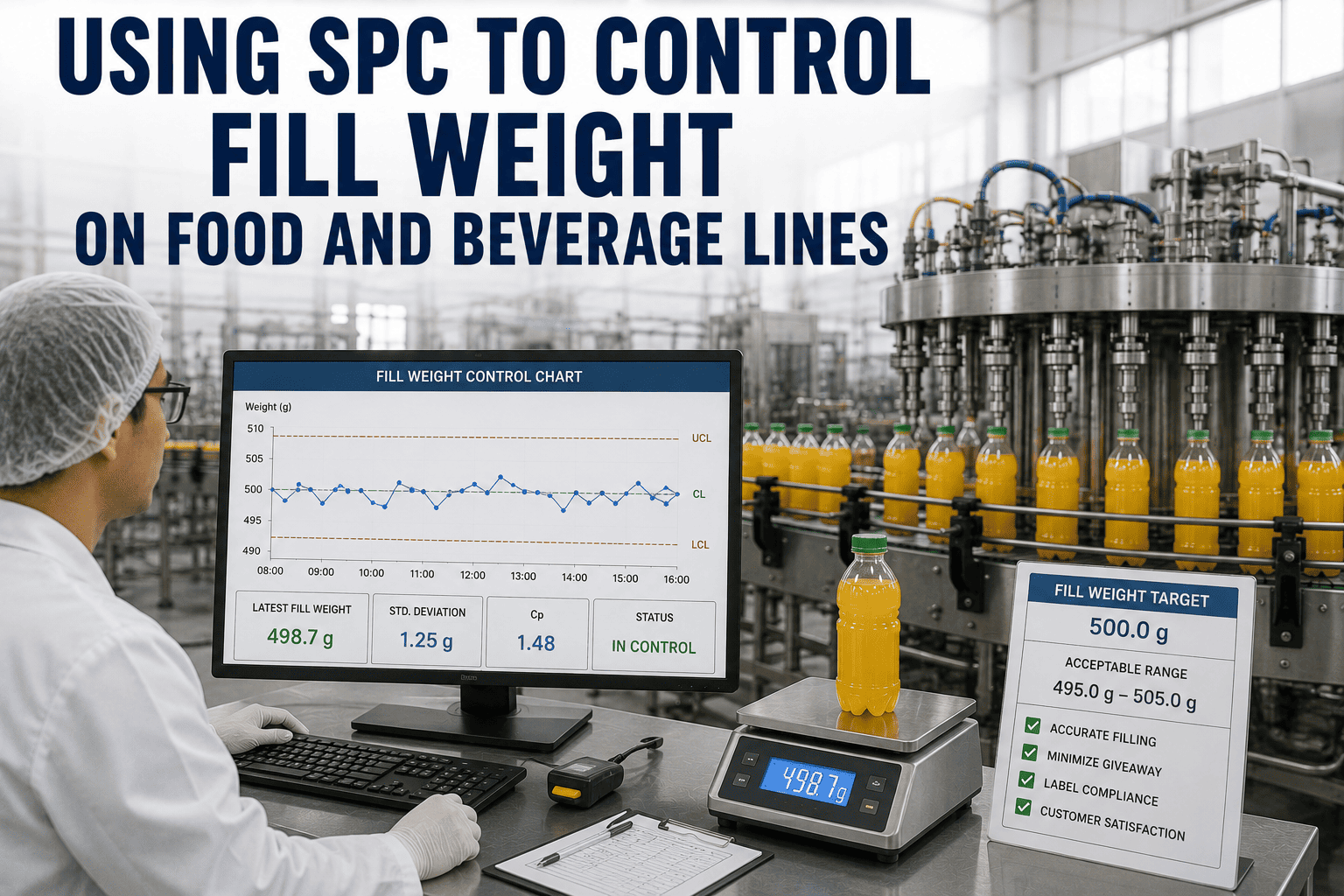
X-bar drift on net weight — case-range hold from last in-control point, net-content compliance protected.
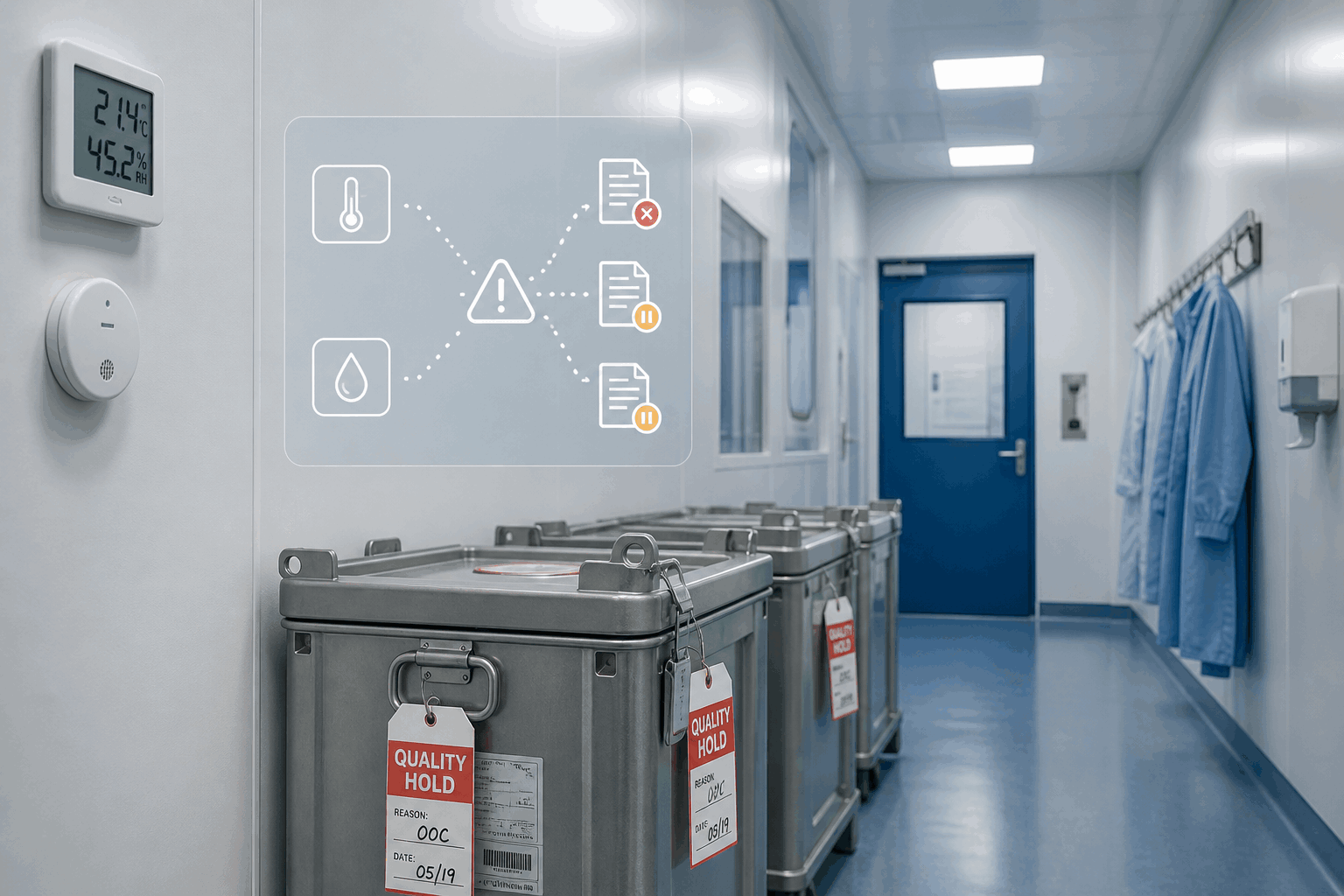
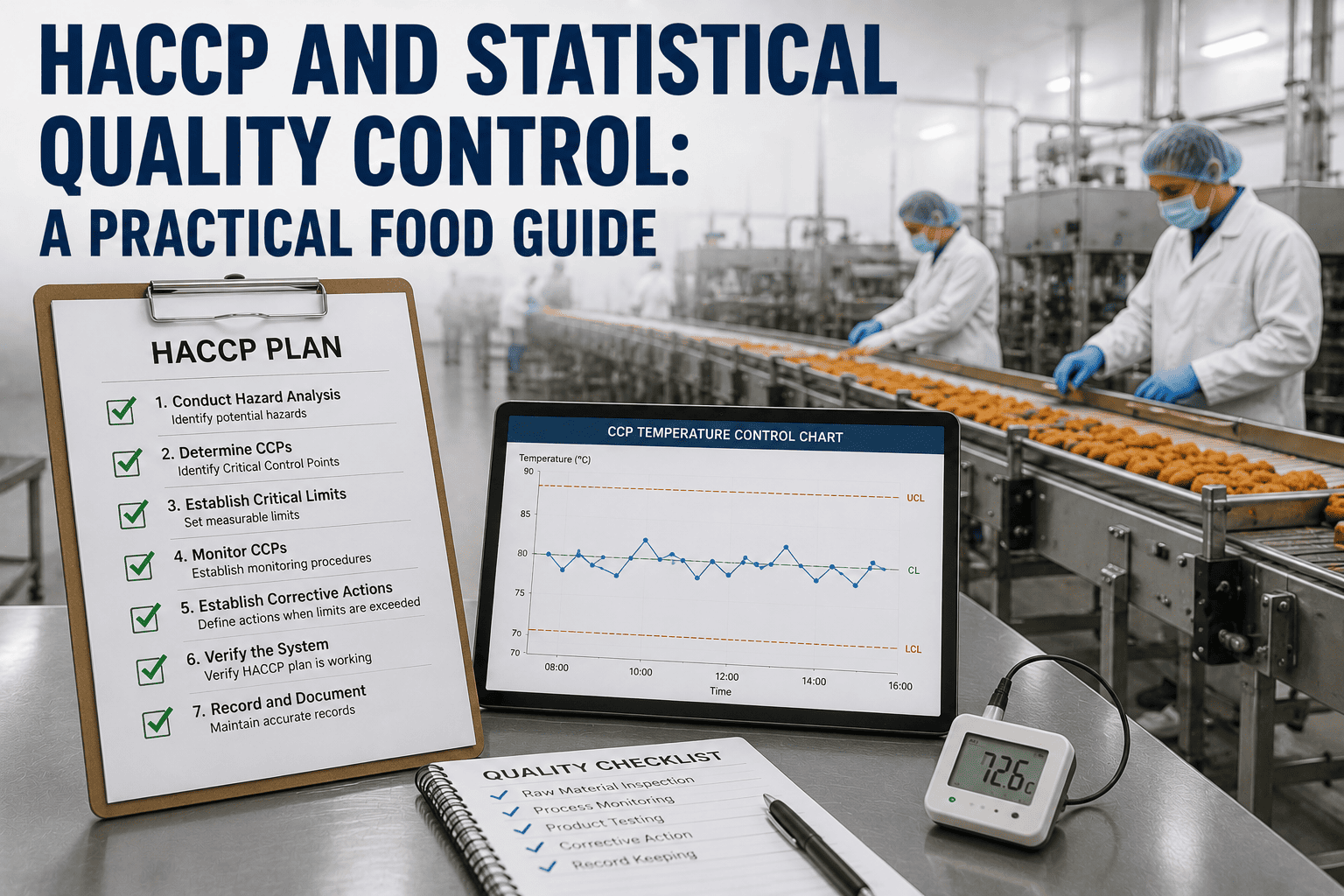
Pasteurizer, oven, or cold storage temperature outside limits — safety-critical CAPA opens with historian data.
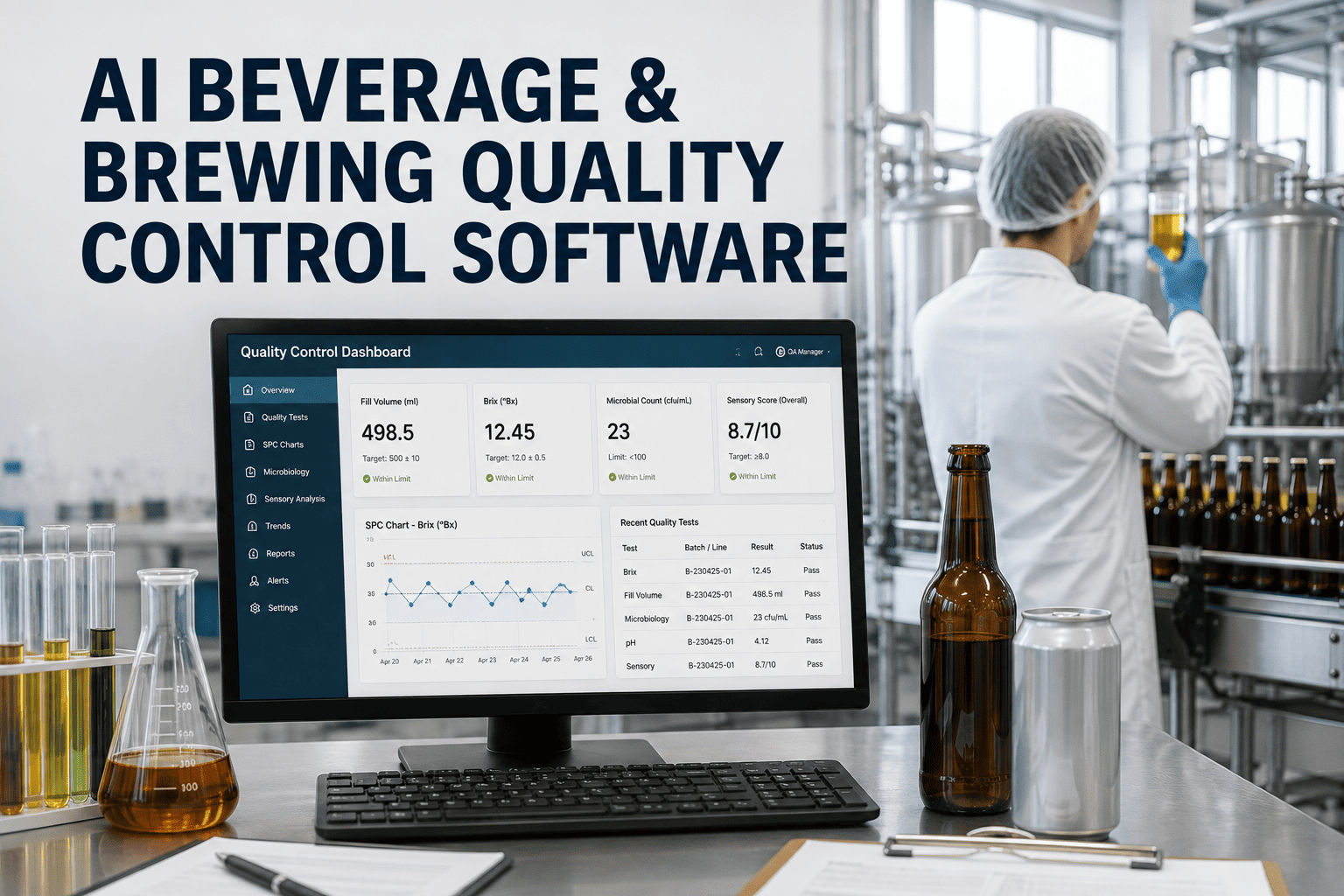
Fermentation and formulation attributes drifting — batch-level hold with recipe and CIP context attached.
Metal detector or vision reject counts rising — CAPA routes with feeder and upstream process history.
Attribute charts on seal defects — case-range hold to prevent shelf-life or contamination risk.
CIP verification between allergen SKUs — a failed check opens CAPA with cross-contamination scope preserved.
The Closed-Loop Path — Food SPC Signal to Verified Release
Rule fired, case range identified, chart image captured, CIP and allergen context attached.
MES and WMS hold the affected cases. Cold storage receives the same hold flag automatically.
Fill trend, temperature history, recipe version, and CIP status pre-populate the record for review.
Verification samples measured, SPC re-entry rules confirm control before the line reopens.
Quality releases the cases with the evidence trail intact — audit-ready for retail customer, regulator, or internal review.
Bring one line and one critical characteristic — fill weight, temperature, pH, or attribute. We walk through SPC detection, case-range hold, CAPA draft with CIP evidence, and verified release — all beside your existing food quality stack.
Best Practices for Food SPC Governance
- Scope holds by case range, not by shift — the actual exposed cases are usually far fewer than a blanket freeze
- Tie CIP status to every signal — CIP context is often the root cause of temperature and attribute drift
- Track allergen changeover verification as a formal CAPA gate, not an operator checkbox
- Preserve cold storage genealogy — the affected cases usually move to cold storage before anyone knows they are affected
- Verify before restart — SPC re-entry rules prevent reopening on gut feel after a food safety signal
- Keep genealogy across shipments — retail customer questions land on affected lots quickly and defensibly
Frequently Asked Questions
A signal on temperature, pH, or attribute becomes a case-range hold and a CAPA draft in the same moment. Food-safety events move from spreadsheets and phone calls to a governed workflow with preserved evidence.
No. iFactory AI overlays your SPC, QMS, MES, and cold storage systems. It orchestrates the workflow around each signal and preserves genealogy without changing your systems of record.
The overlay identifies the last in-control point and holds every case produced since. Cold storage receives the same hold flag automatically so the cases cannot ship until quality reviews.
Yes. CIP status and allergen changeover events tie into every SPC signal as context. A failed CIP between allergen SKUs opens a CAPA with cross-contamination scope preserved.
If a recall is ever needed, the affected cases are one query away — cold storage location, shipment records, and retail destinations already linked to the SPC signal that started the investigation.
A drift caught by SPC at 4 a.m. should not become a retail chargeback three days later. iFactory AI turns every food SPC signal into a case-range hold, a CAPA draft with CIP evidence, verified recovery, and a genealogy trail every retail customer and regulator can trust.