A spindle failure does not just stop one machine, it usually takes out the tool, sometimes the workpiece, and occasionally the spindle housing itself, turning a bearing replacement job into a multi-week rebuild. Most shops still run spindles until something sounds wrong, which is the most expensive possible way to find out a bearing was failing. Book a demo to see spindle health monitoring built for machine shop production schedules.
The Spindle Rebuild You Are Dreading Is Preventable, If You Catch It Early Enough
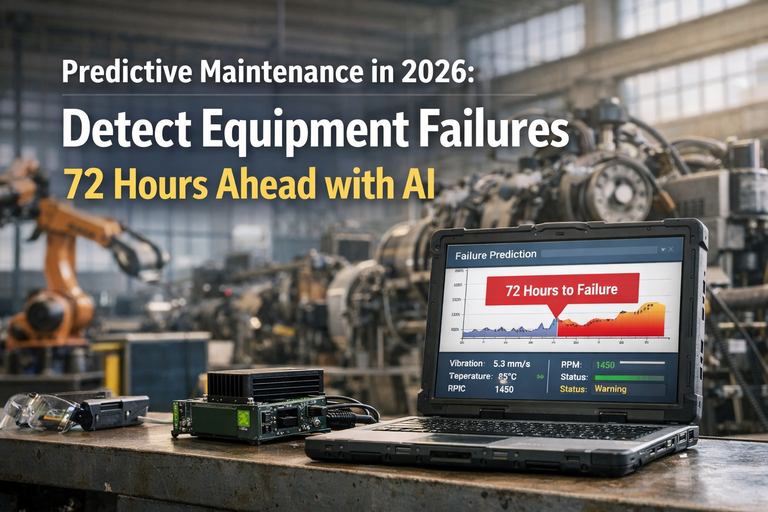
Spindle bearing wear and tool breakage both leave a measurable trail in vibration, temperature, and power draw long before the spindle actually fails. iFactory tracks that trail continuously and turns it into a scheduled maintenance window instead of an emergency rebuild.
What a Reactive Spindle Failure Costs Beyond the Bearing Itself
The bearing itself is rarely the largest line item in a reactive spindle failure. Downtime on a machine that was mid-run when the spindle failed, along with the tooling and workpiece frequently damaged in the same event, typically dwarf the cost of the replacement bearing that started the whole chain of events.
What Vibration, Temperature, and Power Draw Reveal Together
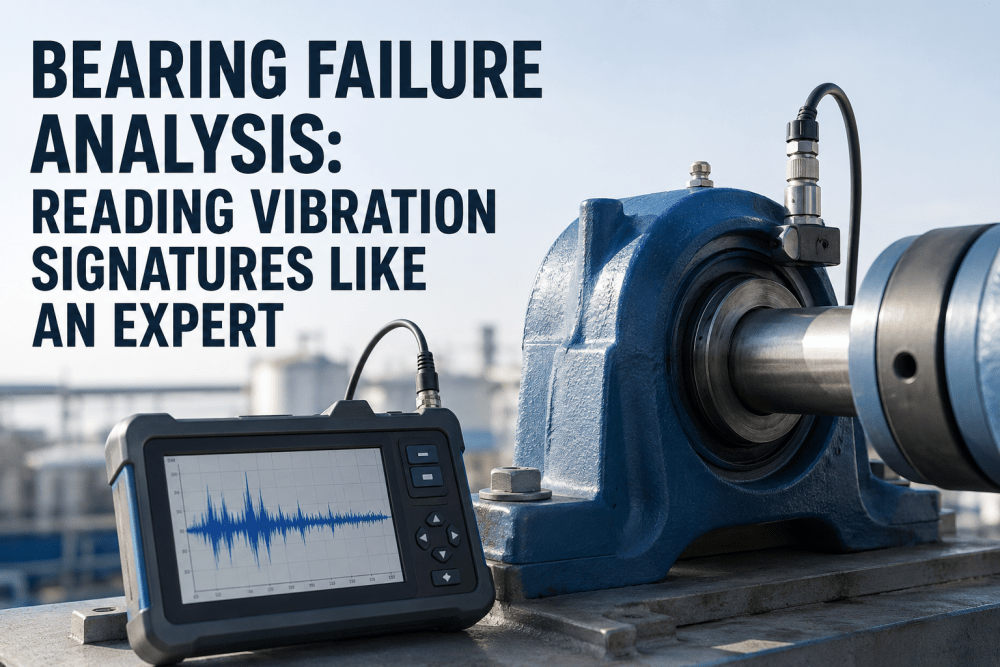
No single sensor tells the complete story of spindle health on its own. Vibration frequency shifts are the earliest and most specific indicator of bearing wear, often detectable weeks before any other symptom appears. Temperature rise tends to follow later, once friction from a degrading bearing has built up enough to generate measurable heat. Power draw increases last, typically only once the mechanical resistance has become significant enough to load the spindle motor.
Monitoring all three together, rather than relying on any single signal, both improves detection confidence and helps distinguish a genuine bearing problem from a false alarm caused by something unrelated, like a change in cutting parameters or a different tool being run.
Turn a Spindle Rebuild Into a Scheduled Maintenance Task
iFactory monitors vibration, temperature, and power draw on every spindle continuously, flagging bearing wear and tool breakage risk before either becomes a shop-floor emergency.
How Spindle Bearing Wear Progresses From First Sign to Failure
| Wear Stage | Primary Signal | Typical Lead Time to Failure | Recommended Action |
|---|---|---|---|
| Stage 1, Early Onset | Subtle vibration frequency shift | Several weeks to months | Log and monitor trend, no action yet |
| Stage 2, Developing | Vibration amplitude increase, slight temperature rise | Several weeks | Schedule inspection during next planned window |
| Stage 3, Advancing | Noticeable temperature rise, power draw increase | Days to a couple weeks | Prioritize replacement, order parts now |
| Stage 4, Imminent | Audible noise, rapid temperature climb | Hours to days | Take machine offline for immediate replacement |
The value of continuous monitoring is almost entirely concentrated in catching stage 1 and stage 2 wear, since that is where a shop still has weeks of lead time to plan parts, labor, and a production schedule around the replacement rather than reacting to a machine that has already gone down.
Spindle Monitoring Also Catches Tool Breakage Before It Happens
Five Steps to Deploying Spindle Health Monitoring
Common Questions About AI CNC Spindle Monitoring
How much advance warning does spindle monitoring typically provide before a bearing failure?
Early-stage vibration frequency shifts are often detectable weeks to a couple months before a bearing would actually fail, giving maintenance teams time to plan a replacement during scheduled downtime rather than reacting to a machine that has already stopped mid-run. Lead time narrows considerably once wear reaches an advanced stage, which is why continuous monitoring is most valuable for catching the earliest signals rather than waiting for a louder, later-stage warning. Book a demo to see typical lead times for your spindle models.
Can spindle monitoring distinguish between normal wear and an actual developing failure?
The system establishes a baseline signature specific to each spindle across its normal range of tools and cutting parameters, then flags deviations from that baseline rather than applying a single generic threshold across every machine. This distinguishes gradual, expected wear that still falls within a healthy range from an abnormal trend that indicates a developing problem, reducing false alarms that would otherwise erode trust in the alerts. Contact support to review baseline tuning for your specific machines.
Does spindle monitoring work across different CNC machine brands and spindle types?
Vibration, temperature, and power monitoring can be retrofitted onto most CNC machine spindles regardless of brand, since the sensors mount externally or tap into existing drive signals rather than requiring a specific manufacturer's built-in monitoring system. Direct-drive, belt-drive, and high-speed spindles each have slightly different baseline signatures, which are established individually during setup. Book a demo to confirm compatibility with your specific machine fleet.
Can the same monitoring system also predict tool breakage, or is that a separate setup?
The same vibration and power sensors used for bearing health monitoring also capture the load signature drift and vibration spikes that precede tool breakage, so both capabilities typically run on the same underlying sensor infrastructure rather than requiring separate hardware. Distinguishing between a bearing issue and a tool issue relies on cross-referencing the signal against the active part program and tool number at the time of the anomaly. Contact support to see combined bearing and tool monitoring configured together.
How does spindle monitoring integrate with existing maintenance scheduling and parts ordering?
Staged alerts are designed to trigger specific actions in your existing maintenance workflow, so a stage 2 developing wear alert can automatically generate a parts order and a scheduled inspection task rather than requiring a maintenance planner to manually review a dashboard and decide what to do next. This integration is configured during setup based on your CMMS or parts ordering system. Book a demo to see workflow integration for your maintenance system.
Replace Bearings on Your Schedule, Not the Spindle's
iFactory tracks the full vibration, temperature, and power signature of every monitored spindle, giving machine shops weeks of lead time to plan replacements instead of reacting to a rebuild.