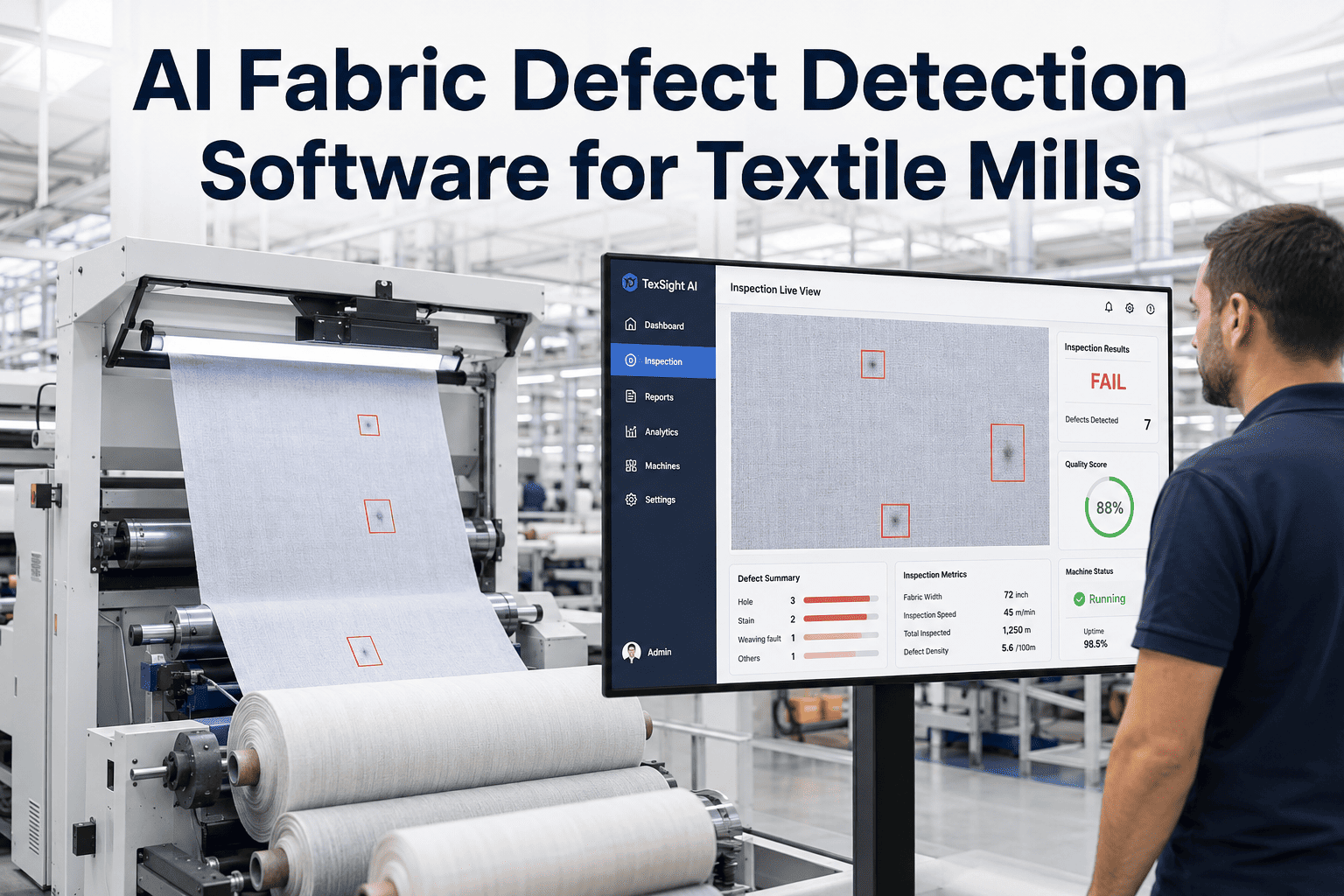
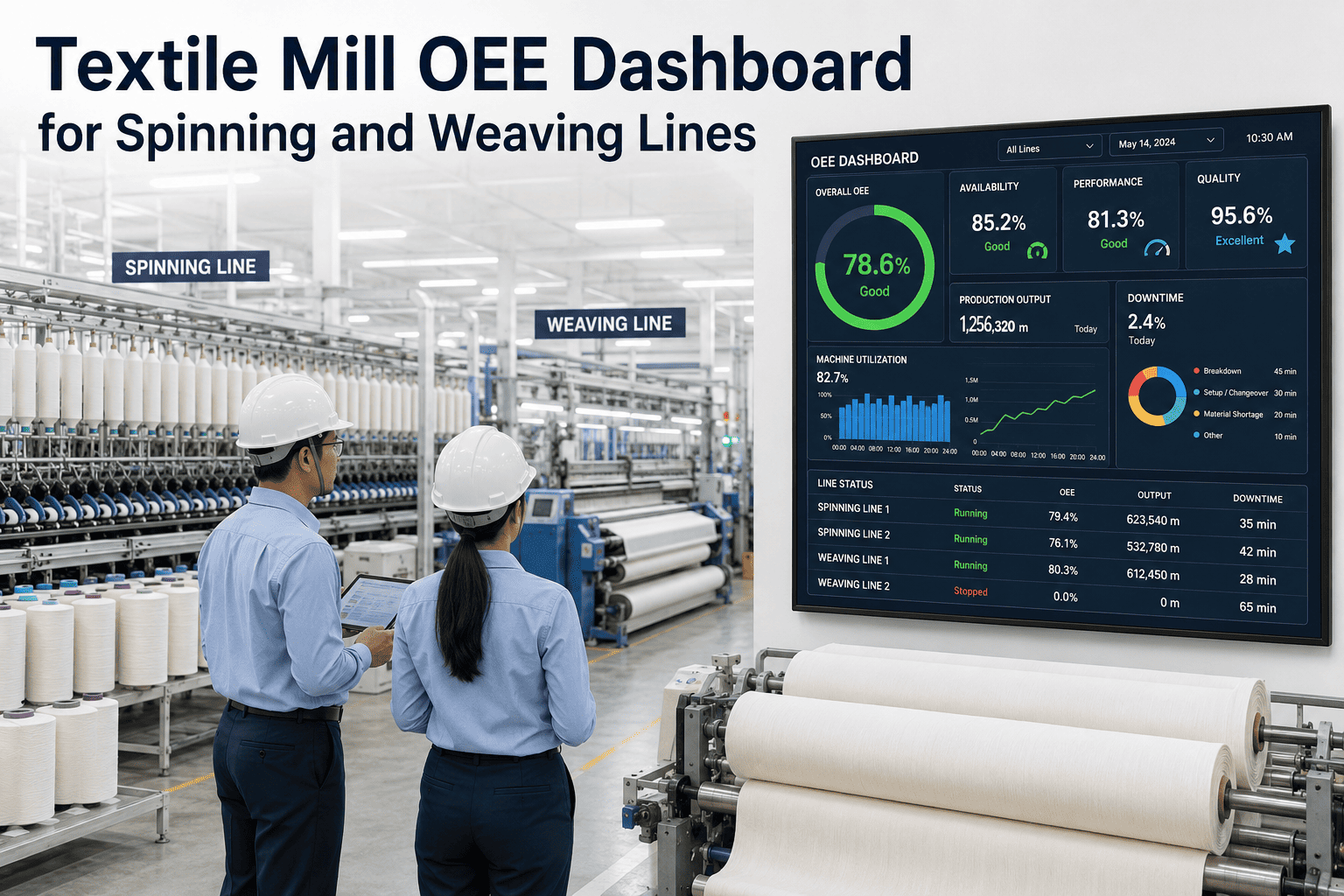
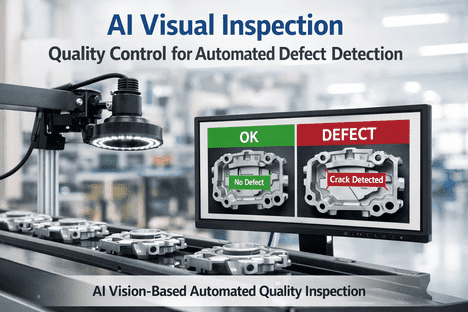
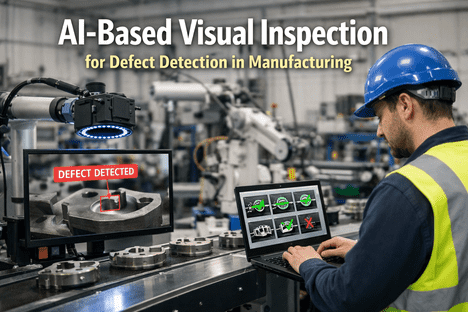
A garment inspector checking 600 pieces a shift catches roughly 70-80% of visible defects on a good day, less after lunch, less again in the last hour before shift change — not because they are careless, but because sustained visual attention on repetitive fabric simply degrades with fatigue. The defects that slip through don't stay hidden; they surface as customer returns, chargebacks, and buyer audit failures weeks later, when the cost of catching them has multiplied ten times over. iFactory's AI vision inspection runs at the line, checking every piece at full production speed against your buyer's specific defect standards, so quality holds happen at the station, not in a return shipment. Book a live inspection demo on your fabric.
Quick Answer
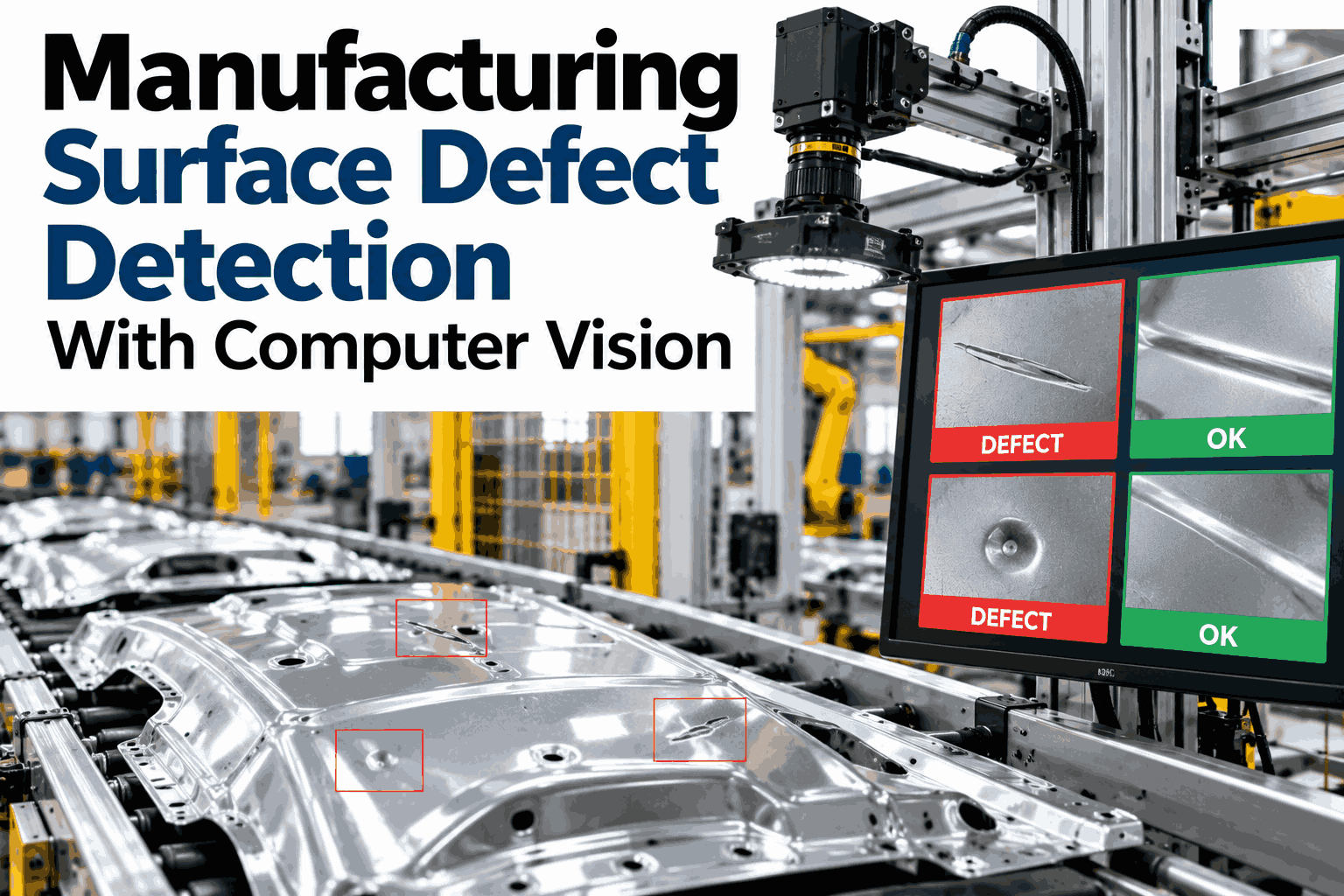
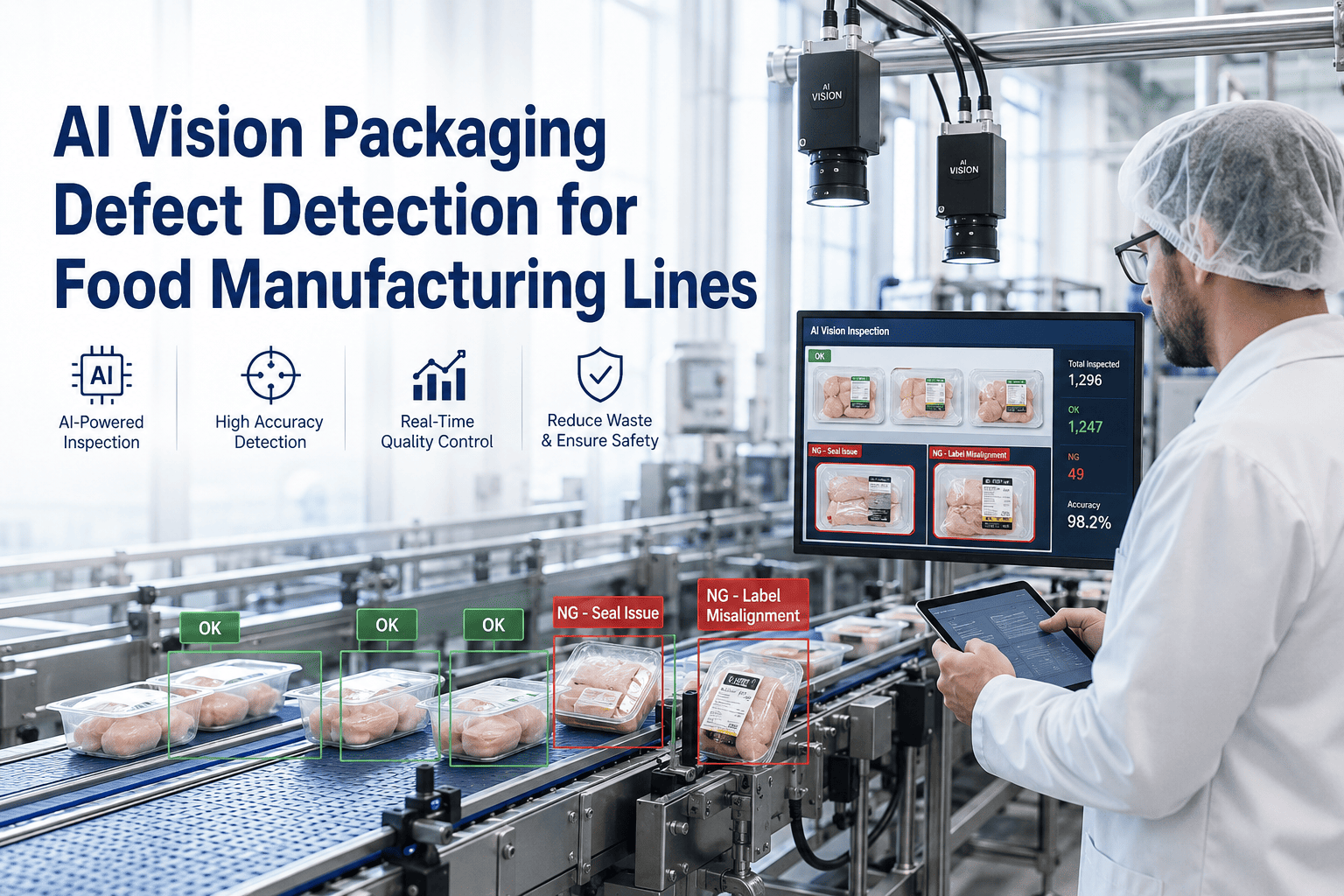
iFactory's AI vision cameras inspect garments and fabric at line speed, detecting stitching defects, fabric flaws, print misalignment, and shade variation against buyer-specific tolerance standards. Manufacturing teams typically cut manual inspection headcount needs by 40% while catching 25-30% more defects than end-of-line human inspection alone.
Where Manual Inspection Quietly Fails Your Buyers
Every garment quality team already knows inspection is imperfect — the real question is where and why it fails, and how much it costs when it does. These are the patterns that show up in returns data across cut-and-sew and knitting operations.
20-30%
Fatigue-related miss rate by shift end
6-8 wks
Average delay before a defect surfaces as a return
10x
Cost multiplier once a defect reaches the buyer
3-5
Inspectors typically needed per 100% manual line
Every Piece Inspected, Every Shift, No Fatigue Curve
iFactory checks 100% of production against your buyer's exact tolerance standards, at full line speed, with a consistent detection rate from the first piece to the last.
The AI Inspection Workflow, Station by Station
iFactory's inspection workflow mirrors how your quality team already thinks about a garment's journey — fabric in, construction checked, finish verified — but replaces subjective spot-checks with continuous, consistent AI verification at each stage. Walk through the workflow on your own production line.
01
Fabric Inward Inspection
Cameras positioned at the fabric inspection frame scan for slubs, holes, oil stains, and shade bands before cutting begins, flagging rolls that would otherwise waste cut panels downstream on defective fabric.
02
In-Line Stitching Verification
At sewing stations, AI vision checks seam consistency, stitch density, skip stitches, and puckering in real time, alerting the operator immediately rather than waiting for an end-of-line audit to catch a running fault.
03
Print & Embellishment Alignment
For printed or embroidered garments, cameras verify placement accuracy, color match against approved swatches, and registration alignment, catching misprints before they reach packing.
04
Final Pre-Pack Verification
A last full-garment scan checks overall finish, measurement points, and buyer-specific AQL criteria, producing a defect report per lot that your quality manager can review before shipment sign-off.
iFactory vs Traditional Inspection Approaches
Fully manual inspection, random AQL sampling, and standalone vision cameras each solve part of the problem. iFactory is built to combine full-coverage inspection with buyer-specific standards and workflow integration in one system. See a side-by-side comparison on your own lot.
| Capability | iFactory | Manual 100% Inspection | Random AQL Sampling | Standalone Vision Camera |
|---|
| Coverage & Consistency |
| Consistent detection rate across a full shift | No fatigue curve | Drops through the shift | Sampling gap by design | Consistent, narrow scope |
| 100% piece coverage at line speed | Full coverage | Labor-cost limited | Sample-based only | Depends on install scope |
| Buyer-Specific Standards |
| Buyer AQL and tolerance profiles built in | Pre-configured per buyer | Depends on training | Standard AQL tables | Generic defect classes |
| Defect report tied to lot and buyer PO | Automatic | Manual logging | Manual logging | Not typically included |
| Cost & Scale |
| Headcount required to scale across lines | Minimal per new line | Linear headcount growth | Lower, but coverage gap grows | Camera per station cost |
Based on publicly available industry benchmarks as of Q2 2026. Verify current figures for your specific product category.
Our Numbers
25-30%
More Defects Caught vs End-of-Line Manual
40%
Reduction in Inspection Headcount Need
100%
Piece Coverage at Full Line Speed
4 wks
To First Line Fully Configured
Find Out What Your Line Is Actually Missing Today
Bring a sample lot to a live demo and see iFactory's AI vision inspect it against your own buyer's tolerance standards.
What Our Clients Say
"Our biggest buyer runs a strict AQL audit on every shipment, and a failed audit meant the whole lot got held at the port. We were catching most issues internally, but not all of them, and the ones we missed were expensive. Since we put iFactory's cameras on our final inspection line, we haven't failed a single buyer audit in five months, and our internal rework rate has dropped because operators get flagged on stitching issues within seconds instead of finding out at the end of the shift."
Quality Assurance Manager
Export Garment Manufacturer, Tirupur
Frequently Asked Questions
QCan the system be configured to our specific buyer's AQL and tolerance standards rather than a generic defect list?
Yes, this is one of the core reasons manufacturers move from a standalone vision camera to iFactory. Buyer-specific tolerance profiles — acceptable stitch density ranges, shade variation thresholds, print registration limits — are configured once per buyer during setup and applied automatically to every lot produced against that buyer's purchase orders, so your quality team is never manually re-checking against a paper specification sheet.
Bring your buyer's spec sheet to a configuration walkthrough.
QDoes the AI vision system work across different fabric types, colors, and prints, or does it need retraining for each style?
iFactory's defect detection models are built on a base library trained across a broad range of fabric weaves, knits, colors, and print types, so most new styles work with minimal additional configuration rather than a full model retraining cycle. Highly unusual fabrics — heavy embellishment, unusual textures, or novel prints — may need a short calibration pass, typically completed within the same production day.
QHow does this integrate with our existing quality management and ERP systems for reporting to buyers?
Defect data, lot pass/fail status, and AQL results are logged automatically against the corresponding purchase order and can be exported directly into your existing quality management system or ERP, generating the same style of inspection reports your buyers already expect to see. This removes the manual step of an inspector re-entering paper checklist results into a spreadsheet before it reaches your compliance team.
QWhat happens when the system flags a defect — does it stop the line automatically?
The response depends on the station and defect severity you configure. In-line stitching stations typically alert the operator in real time so the fault can be corrected within the same piece, while final inspection stations route flagged garments to a separate hold area for manual review rather than stopping the full line. This keeps production moving while still ensuring every flagged defect gets human eyes before a shipment decision is made.
Discuss severity thresholds for your product line.
QHow long does it take to install and configure the system on an active production line?
A single inspection station is typically installed and calibrated within one to two days without disrupting ongoing production, since cameras are positioned alongside existing inspection points rather than replacing line layout. Full configuration against your buyer-specific standards and integration with your reporting system usually completes within four weeks for a full line, including a validation period where AI results are checked against manual inspection to confirm accuracy.
Catch the Defect at the Station. Not in the Return Shipment.
iFactory inspects every piece against your buyer's exact standards, at full line speed, with no fatigue curve across the shift.
100% Piece Coverage
Buyer-Specific AQL
Real-Time Line Alerts
Automatic Lot Reporting