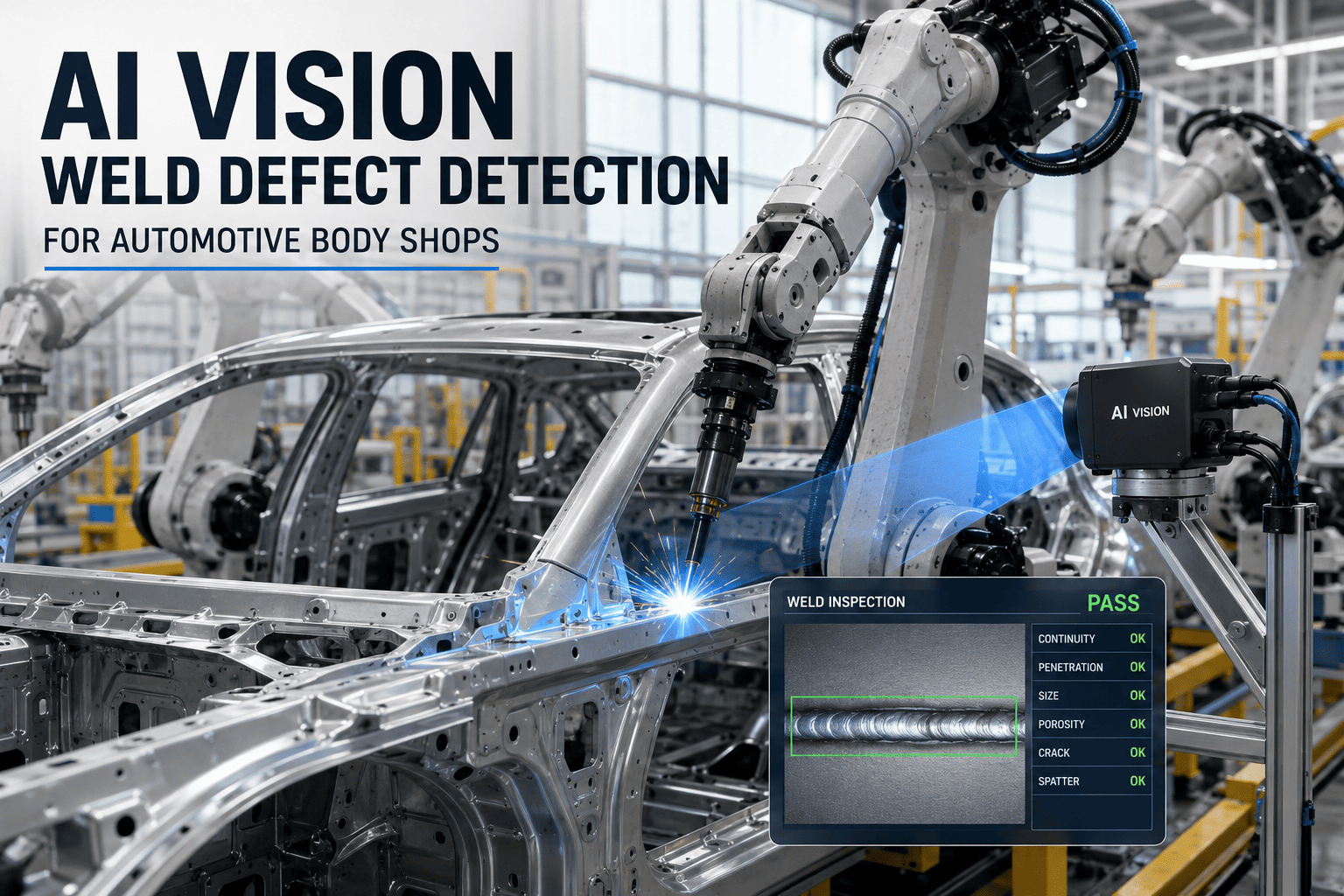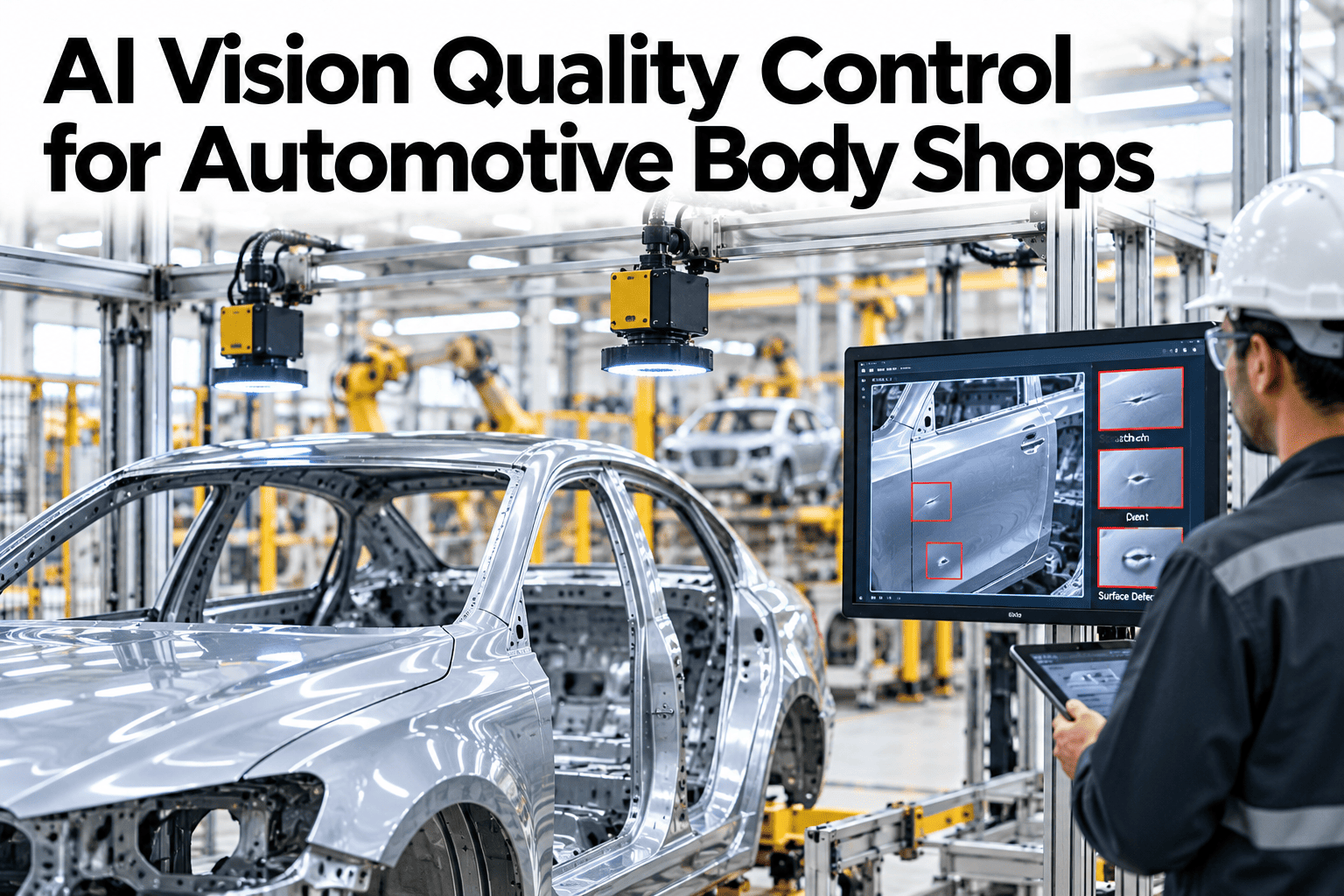
A body shop inspector checking panel gaps, weld quality and surface condition by eye can only look at so many points per vehicle before the line moves on. AI vision quality control doesn't replace that judgment, it extends it, checking every vehicle at every station against a consistent standard instead of a sampled few. The result is fewer defects reaching paint or final assembly, where they cost far more to fix. Body shop quality and process engineers can see AI vision check panel gap and weld quality on iFactory AI against their own inspection standards.
Check Every Vehicle, Not Just a Sample
iFactory AI applies consistent vision inspection at every body shop station, catching defects before they reach paint or final assembly.
What Sampled Inspection Misses
A human inspector sampling every tenth vehicle, or scanning quickly under time pressure, is not a failure of effort. It is a structural limit of how many points one person can check per minute.
A sampled inspection by definition lets some vehicles through unchecked.
Detection accuracy naturally varies across a long shift.
What counts as acceptable can shift slightly between inspectors.
A defect caught after paint costs far more to fix than one caught before.
What Vision Inspection Checks, Station by Station
| Station | What's Checked | Why It Matters Here |
|---|---|---|
| Framing | Dimensional alignment of the body structure | Errors here cascade through every later station |
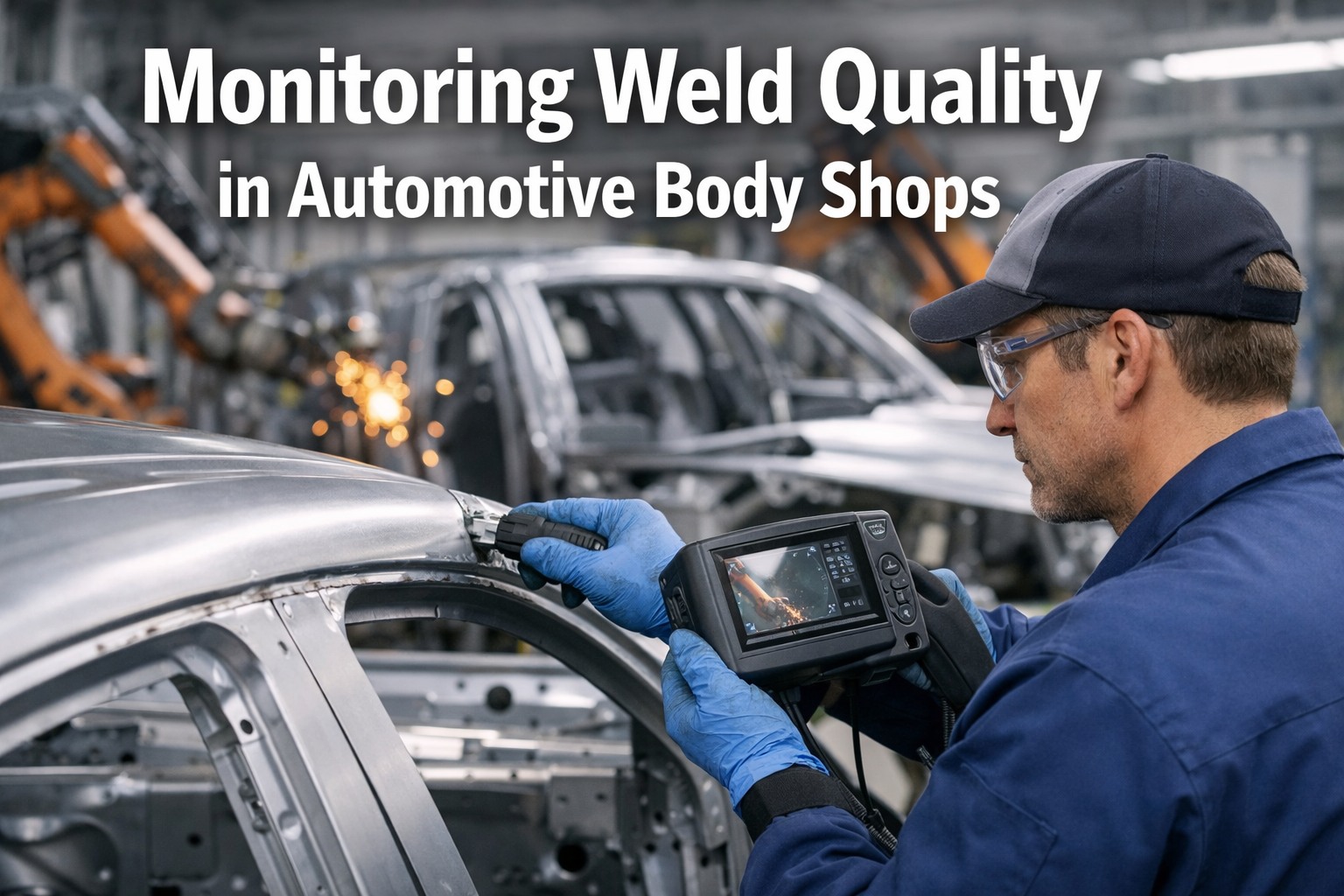
| Weld inspection | Weld presence, placement and consistency | A missed weld is a structural risk, not just cosmetic |
| Panel fit | Gap and flush measurement between panels | Visible to the customer, a common complaint source |
| Pre-paint check | Surface defects, dents, debris | The last point to catch an issue before paint cost is added |
Map Which of Your Stations Would Benefit Most
Bring your current defect data to a 30-minute session and see where vision inspection would catch the most before paint.
Catch Cost Rises the Later a Defect Is Found
A Composite Scenario: The Gap Nobody Caught Until Final Line
Picture a panel fit issue that passes a sampled inspection at the body shop because the vehicle in question wasn't one of the units checked that hour. It surfaces again at final assembly, where the fix now involves disassembly work far beyond the original gap adjustment.
A vision system checking every vehicle at the panel fit station would have flagged the same gap in seconds, before the vehicle ever left the body shop, at a fraction of the cost.
Where iFactory AI Fits
Inspects every vehicle
Applies the same check consistently, not a sampled subset.
Holds a fixed standard
Removes the inspector-to-inspector variation in acceptance threshold.
Catches issues earlier
Flags defects before paint, where rework cost is lowest.
Feeds process improvement
Links recurring defect patterns back to the station that caused them.
Expert Review
A body-in-white quality engineer's perspective, reviewed for accuracy before publication: the economics of body shop inspection are almost entirely about timing. The exact same defect costs a few minutes to fix in the body shop and hours of disassembly if it reaches final assembly. Checking where your own defects are currently being caught usually makes the case for earlier detection on its own.
Frequently Asked Questions
Can AI vision replace human inspectors entirely?
Most implementations position vision inspection as a layer that checks every vehicle consistently, with human inspectors still handling judgment calls, edge cases and the issues the system flags for review. The goal is typically full coverage and consistency, not removing people from the quality process. See how vision and human inspection would work together at your stations in a short session.
How accurate is AI vision compared to a trained inspector?
Accuracy depends on the specific defect type, lighting conditions, camera setup and how well the system has been trained on your actual parts and defect patterns. For well-defined, measurable defects like panel gap and weld placement, vision systems can be very consistent; more subjective or novel defect types may still benefit from human review. Ask for a comparison against your own inspection standards.
What does it take to set up vision inspection at a new station?
Typically camera placement and lighting suited to the specific defect types at that station, plus training data from your own parts to calibrate the system's detection. The setup effort varies by station complexity and how much training data already exists from past inspection records. Explore what setup would look like for your specific stations.
How does this reduce the cost of a defect versus catching it later?
A defect caught in the body shop typically requires only the original fix, while the same defect found after paint or at final assembly often requires undoing downstream work to access and correct it. The exact cost multiplier varies by defect type and vehicle stage, but earlier detection consistently costs less across automotive manufacturing. Try a review of where your current defects are typically caught.
Can defect data from vision inspection feed back into process improvement?
Yes, when defect detections are tracked by station, time and pattern, recurring issues can be traced back to a specific process cause, such as a tooling problem or a weld parameter drifting out of range, rather than treated as isolated events. This turns inspection data into a source of continuous improvement, not just a pass or fail gate. Join a session on connecting inspection data to your process improvement work.
Catch the Defect Before Paint Adds to the Cost
iFactory AI checks every vehicle at every body shop station against a consistent standard. Book a walkthrough on your own line.