Only 59 percent of manufacturing facilities currently run a CMMS at all, leaving more than four in ten plants without even centralized work order data, let alone intelligent prioritization (Plant Engineering, 2026). iFactory, an on-premise AI platform with work order management built in, scores and prioritizes work orders using asset context the moment they're created. Maintenance and operations teams who want this on their own backlog can request a demo with our team.
AI Work Order Management · Manufacturing, 2026
A Work Order Without Asset Context Is Just a Ticket in a Queue
iFactory AI connects every new work order to the asset's criticality, failure history, and current production impact — so priority reflects real consequence, not who asked loudest.
Low priority — routine PM
Medium — non-critical asset fault
High — bottleneck asset, active production
The CMMS gap
Many Plants Don't Even Have Centralized Work Order Data
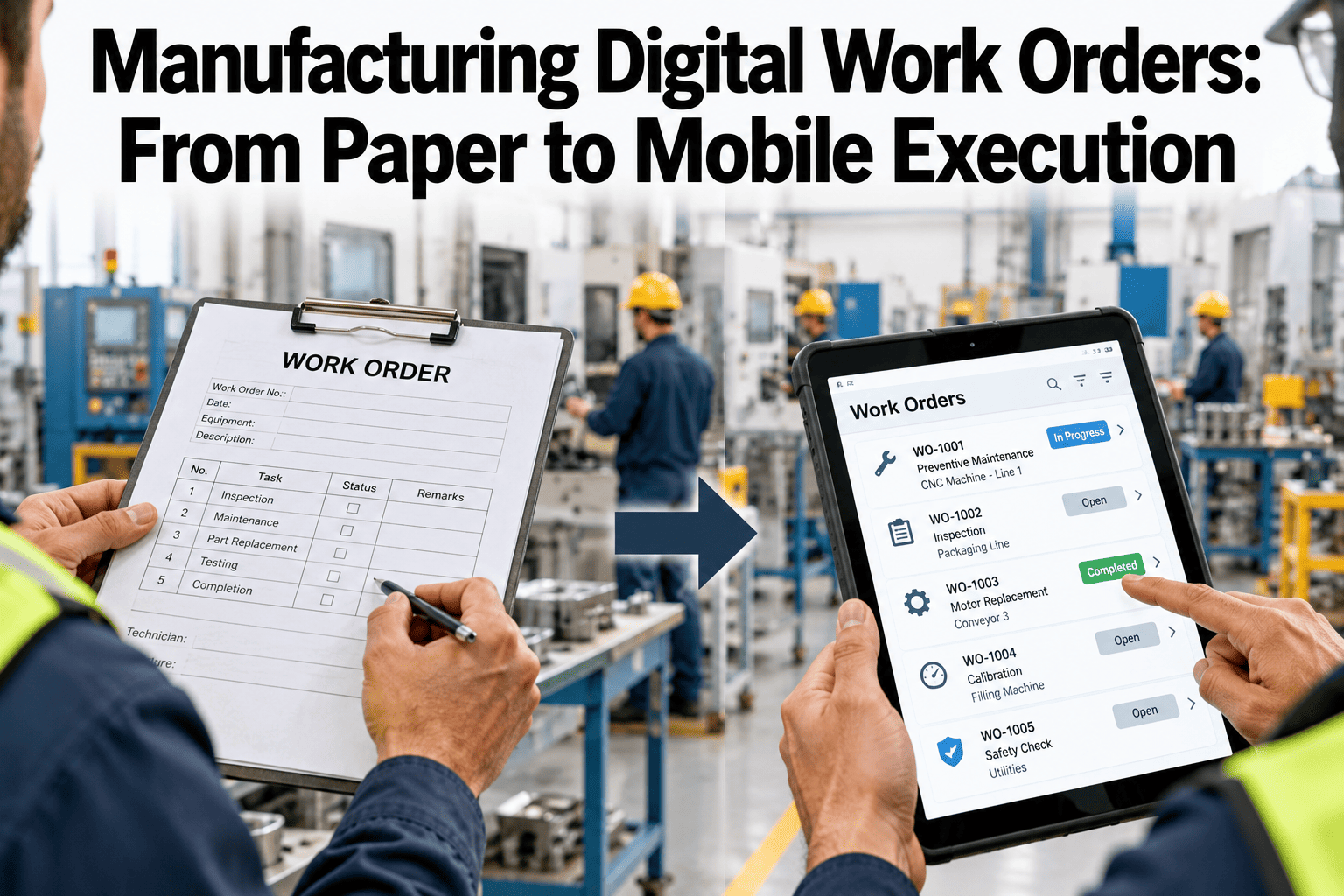
Before prioritization can be intelligent, work orders need to exist in a system at all — a surprising share of manufacturing facilities still run maintenance requests through paper, email, or verbal handoff, which makes any kind of systematic prioritization impossible regardless of how sophisticated the scoring logic might be.
What drives a priority score
Three Variables Behind an Intelligent Priority Ranking
Asset criticality
How much this specific asset's failure would impact production, safety, or compliance.
Failure probability
What the asset's condition data and history suggest about how urgent this specific fault actually is.
Resource availability
Whether the right technician, parts, and downtime window are actually available to act now.
Static vs dynamic priority
Why a Priority Code Set at Creation Goes Stale
| Approach | What happens | Weakness |
|---|
| Static priority code | Assigned once when the work order is created | Reflects conditions at one moment, not what's true an hour or a day later |
| First-in-first-out queue | Orders handled in the sequence they arrived | Ignores which asset's failure actually costs the most right now |
| Dynamic, recalculated priority | Re-scored continuously as conditions change | Requires live condition and production data to actually work |
See What Your Current Backlog Would Look Like Re-Prioritized
Share your current open work order list and asset criticality data, and iFactory AI will show how a dynamic priority ranking would reorder it.
From fault to dispatch
Four Steps From a Condition Signal to a Closed Work Order
1
Fault or request generated
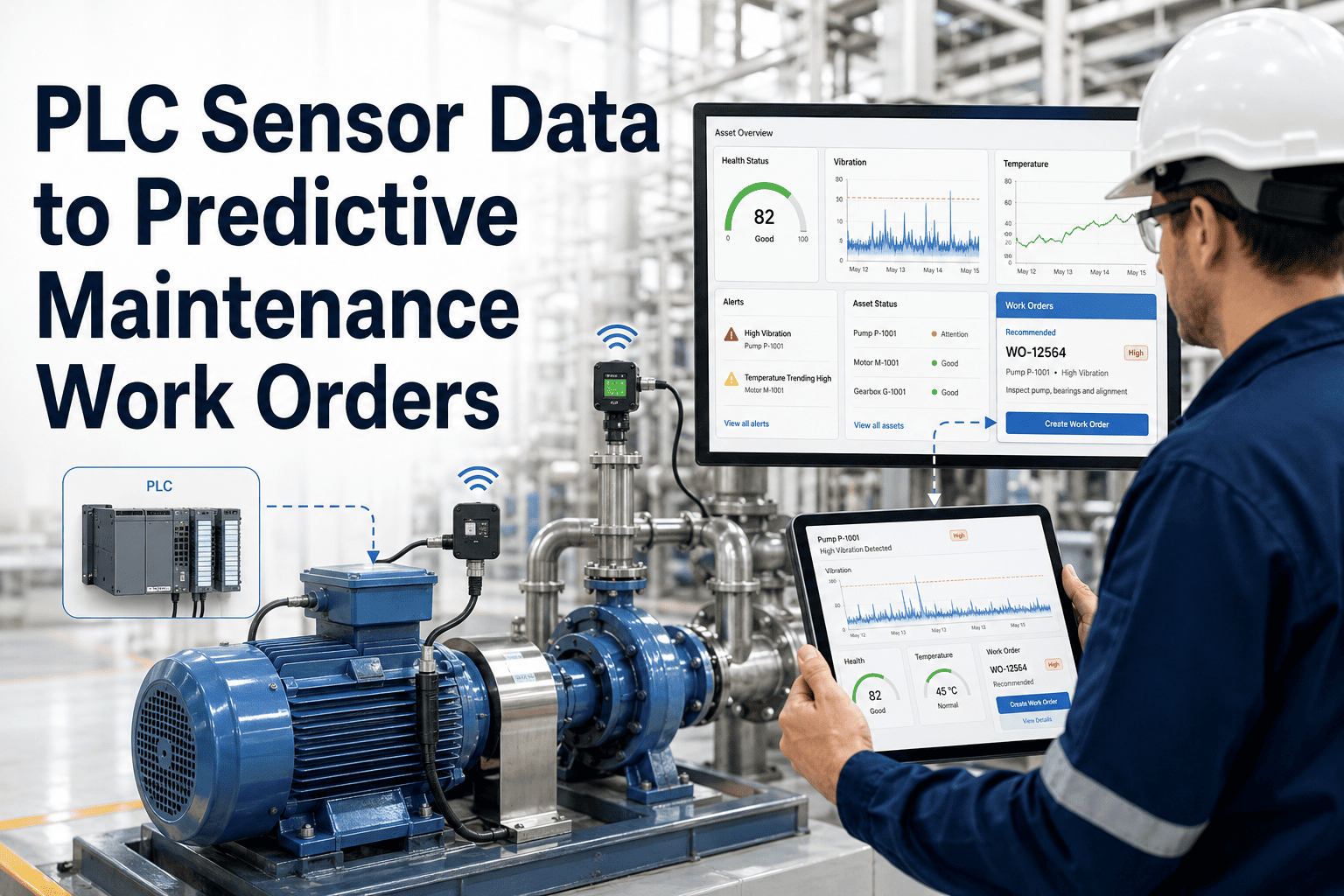
A sensor trigger, inspection finding, or operator request creates the work order automatically.
2
Priority scored
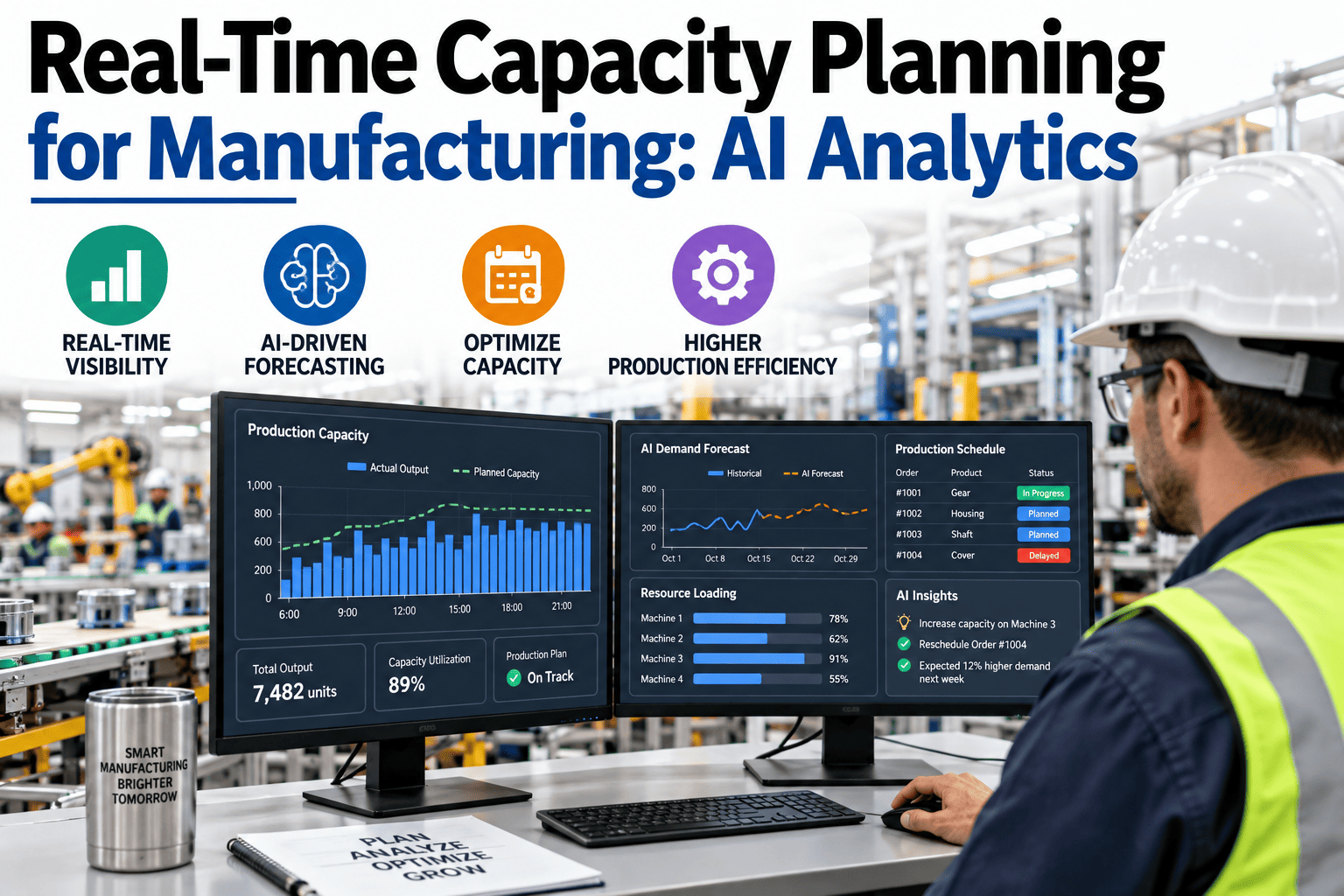
Asset criticality, failure probability, and resource availability combine into a priority rank.
3
Technician dispatched
The work order is assigned based on skill, proximity, and current workload.
4
Priority recalculates
If conditions change before the job starts, the ranking updates rather than staying fixed.
What this doesn't replace
Automated Prioritization Still Needs Human Judgment
A priority score is a decision aid, not a replacement for a planner's judgment — a technician or supervisor can still override a ranking when they know something the system doesn't, such as an upcoming shutdown that changes what actually matters this week. The goal is a better starting point for that judgment, not a fully automated decision with no human in the loop.
Expert review
What a Maintenance Planner Checks First
AI work order prioritization earns trust when the scoring logic is transparent enough that a planner can see why a job ranked where it did, not just trust a black-box number.
Verdict
Strong when asset criticality data is actually current and specific, not a generic category applied uniformly across similar equipment.
Watch for
Treating a static priority code set at creation time as if it still reflects the situation hours or days later.
Do next
Pull your current open backlog and check how many work orders still carry the priority they were assigned at creation, regardless of how long they've sat open.
Frequently asked questions
What Maintenance Teams Ask About AI Work Order Management
Do we need a CMMS already in place before adding AI prioritization?
Yes — intelligent prioritization depends on having centralized work order and asset data in the first place, which is exactly the gap that still exists at a significant share of manufacturing facilities (Plant Engineering, 2026).
Discuss your current CMMS status.
Can a planner still override the AI-suggested priority?
Yes — the priority score is designed as a decision aid, and a planner or supervisor can override it when they have context the system doesn't, such as a known upcoming shutdown.
Ask support about override controls.
How often does the priority ranking actually recalculate?
Recalculation frequency depends on how live the underlying condition and production data is — assets with continuous sensor feeds can update much more often than those relying on periodic manual inspection data.
Discuss recalculation frequency for your assets.
What data do we need to set asset criticality accurately?
A clear picture of each asset's production impact, safety implications, and historical failure consequences is the foundation — plants without this already documented typically need to build it as part of the rollout.
Ask support about building out criticality data.
Does this work for both planned maintenance and emergency repairs?
Prioritize by consequence, not by queue position
Score Every Work Order by Asset Context, Not Just Arrival Time
Book a demo to see how iFactory AI turns your work order backlog into a dynamically prioritized queue.