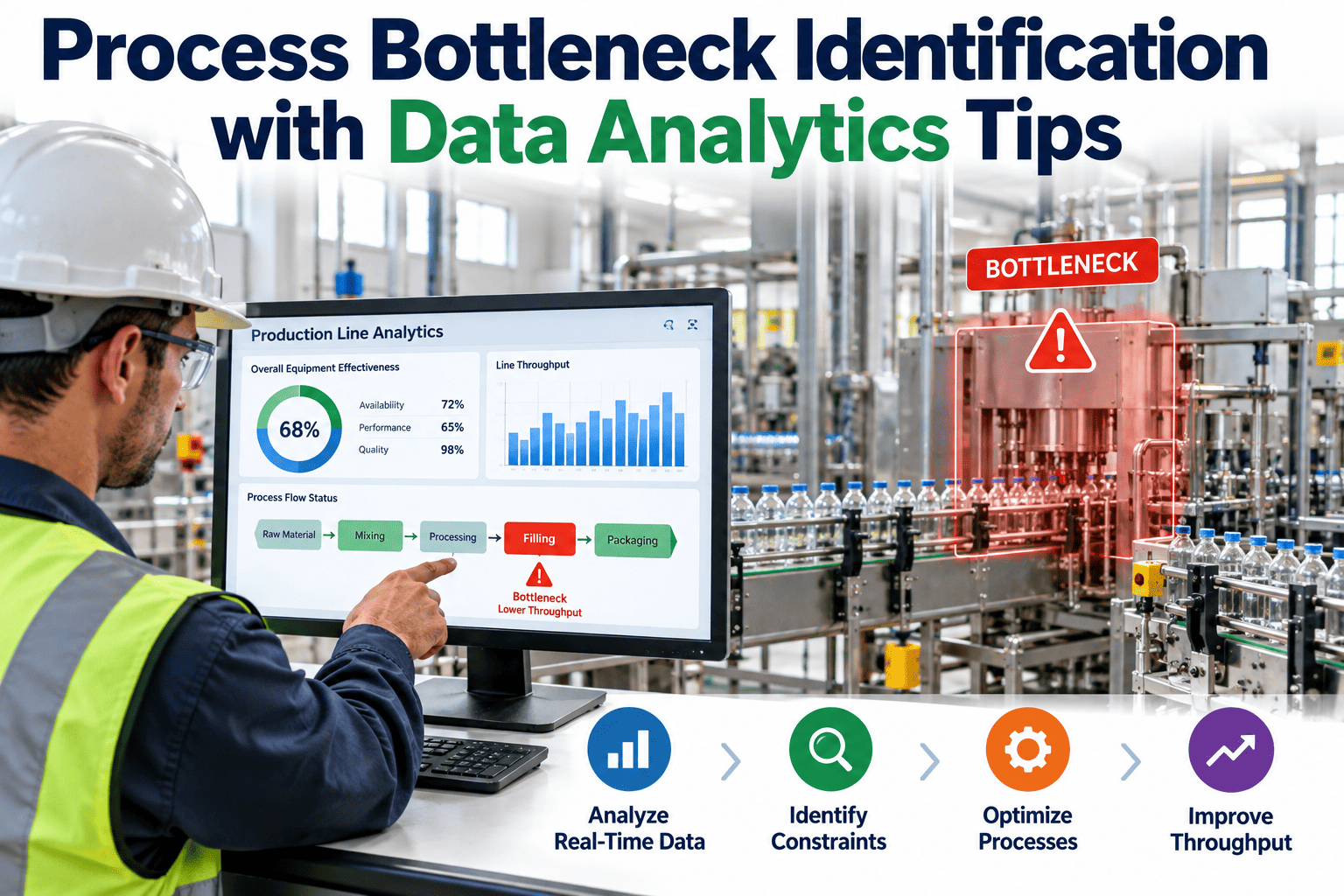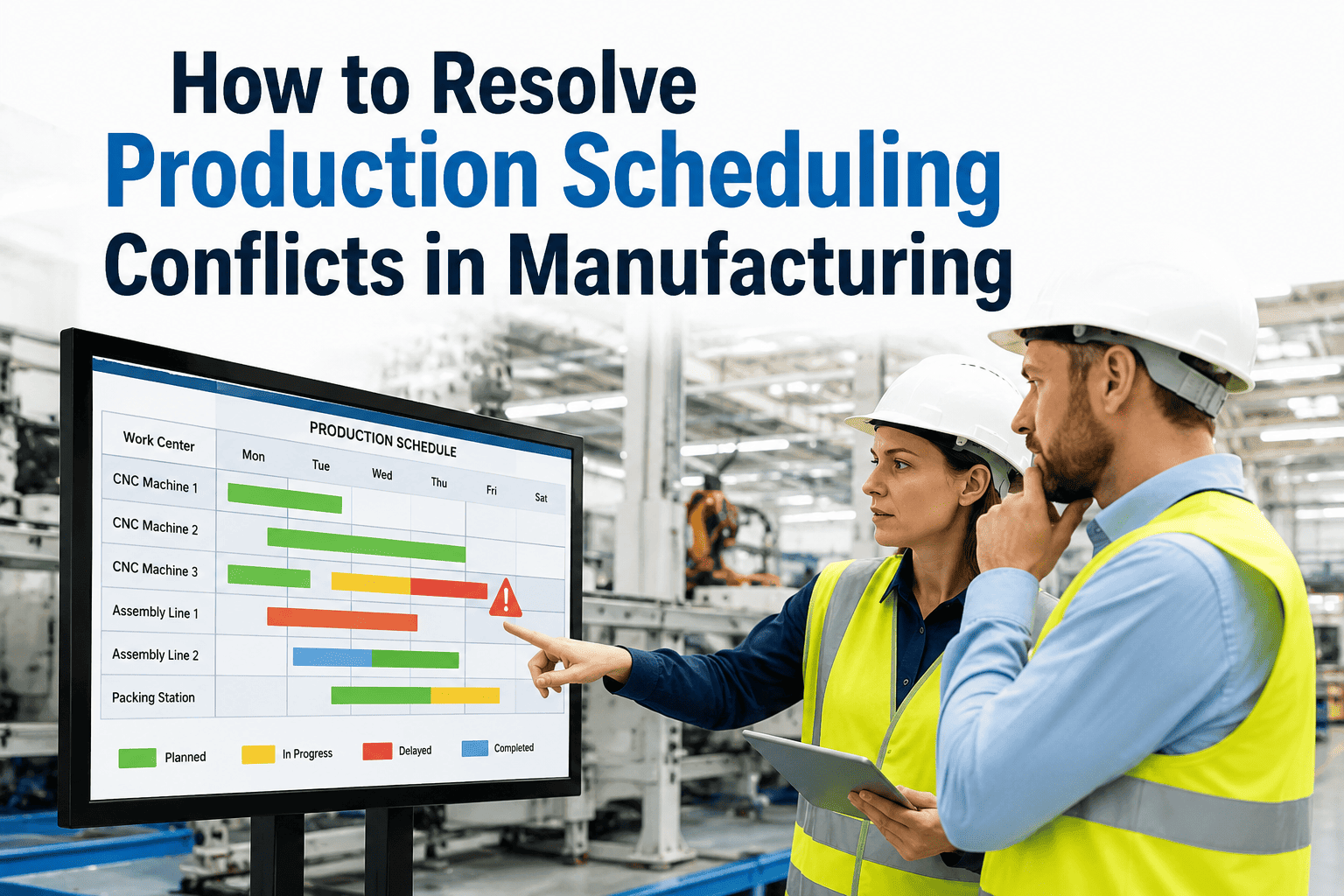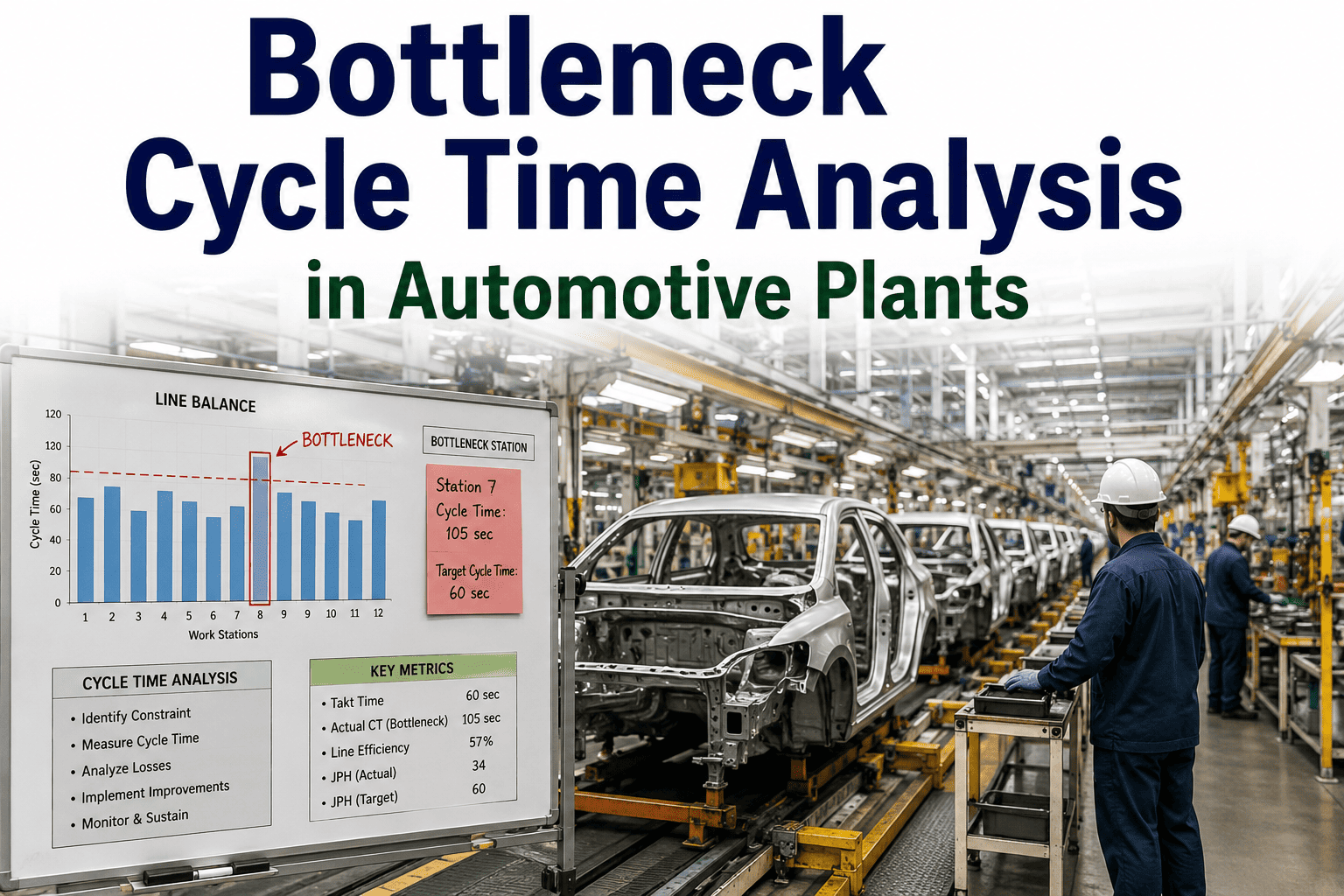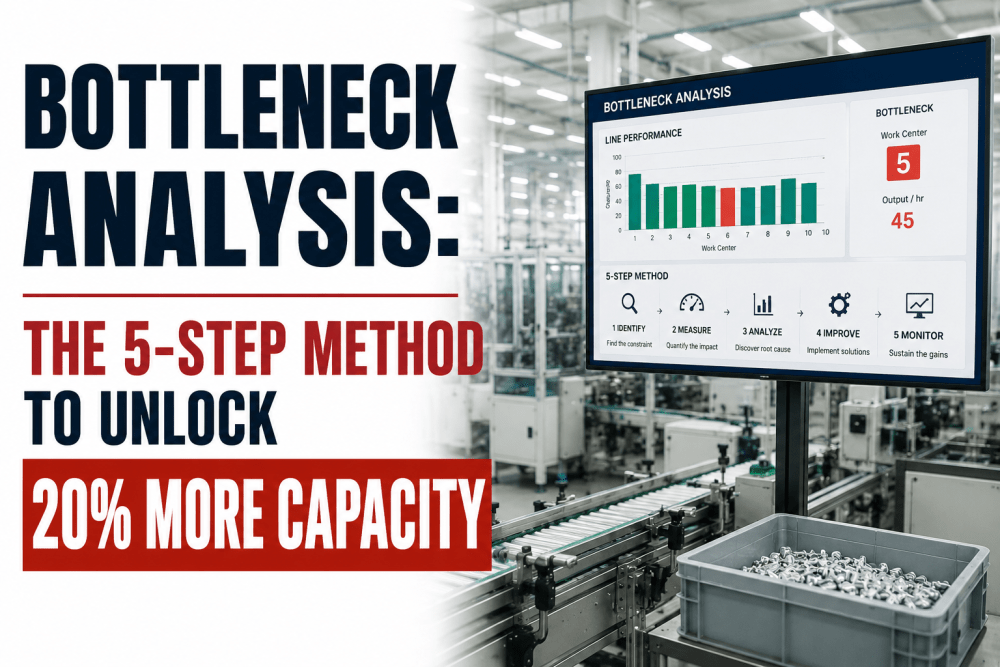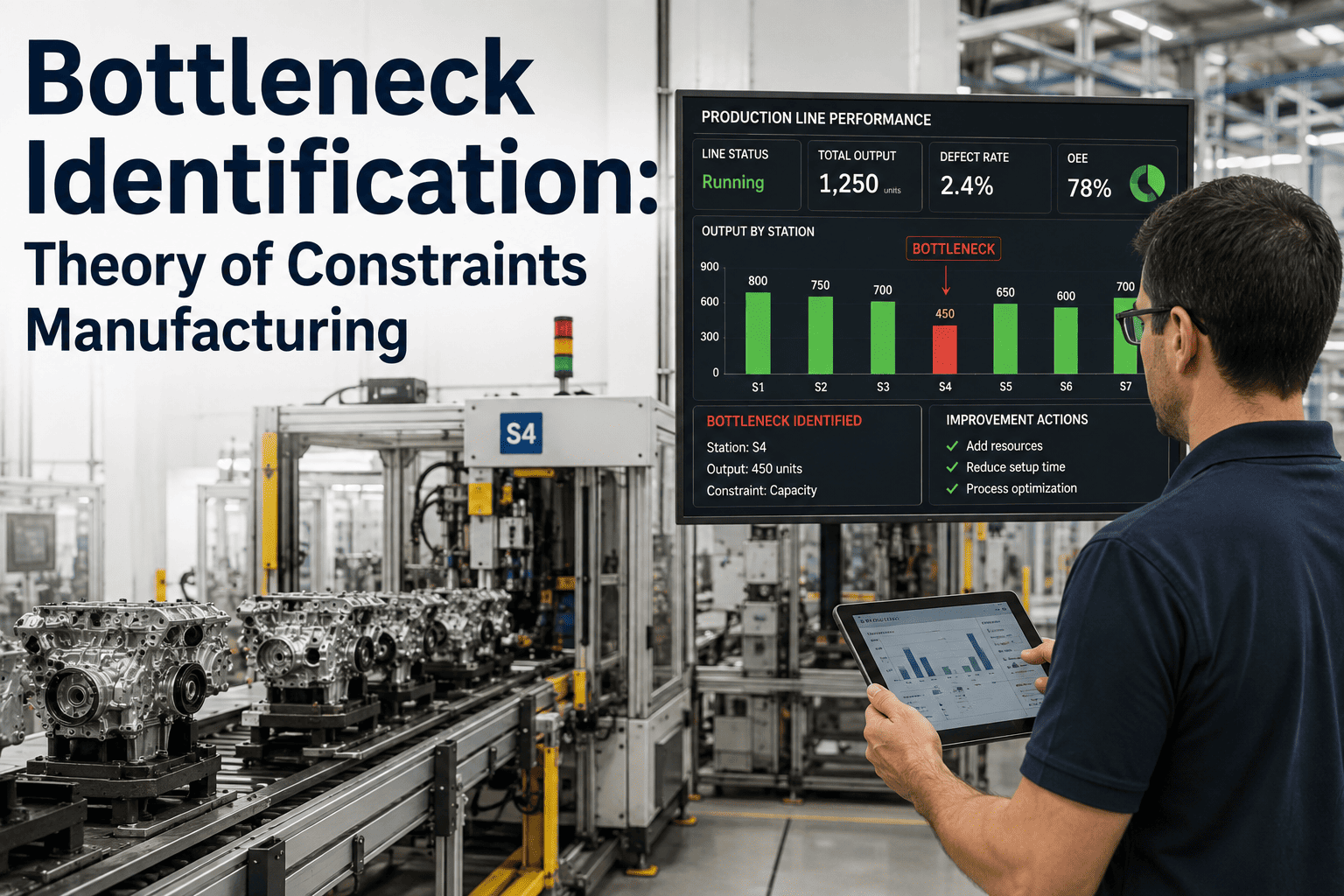
Improve any machine on a production line that isn't the bottleneck and throughput doesn't move — you've just spent budget making a non-constraint faster, while the actual limiting step keeps output capped exactly where it was before. This is the core insight of the Theory of Constraints, and it's also the most common way manufacturing improvement projects quietly waste money: teams optimize the machine that's easiest to fix or most visible on a report, not the one actually setting the ceiling on what the whole line can produce. Finding the real constraint first, before spending a single dollar on improvement, changes where that budget goes — and a working session with our team can help locate it on your own line.
Bottleneck Identification Using Theory of Constraints for Manufacturing Lines
Every production line has exactly one true constraint at any given time — the step that sets the ceiling on total throughput. Theory of Constraints gives a structured way to find it, exploit it, and only then decide where the next investment should go.
The Five Focusing Steps
The Original Theory of Constraints Sequence
1
Identify the Constraint
Find the single step in the process with the least capacity relative to demand — the one everything else is waiting on.
2
Exploit the Constraint
Get every possible unit of output from that step without spending capital — eliminate idle time, changeovers, and quality losses there first.
3
Subordinate Everything Else
Set the pace of every upstream and downstream step to match the constraint, rather than letting non-constraints run at full speed and build excess inventory.
4
Elevate the Constraint
Only after exploitation is maxed out, invest capital — added capacity, a second machine, automation — to raise the constraint's throughput ceiling.
5
Repeat
Once the constraint moves, a new step becomes the limiting factor — the cycle starts again rather than assuming the work is finished.
Locating the Constraint
Three Practical Signals That Point to the True Bottleneck
Identifying the constraint sounds simple in theory but is frequently misdiagnosed in practice, because the step that looks busiest isn't always the one actually limiting throughput. A few observable signals are more reliable than gut instinct alone.
Work-In-Process Accumulation
Inventory piles up directly in front of the true constraint, since upstream steps keep producing faster than the constraint can consume.
Starved Downstream Steps
Stations after the constraint frequently sit idle waiting for parts, because the constraint can't feed them fast enough to keep them busy.
Longest Queue Time Per Unit
The step where a unit spends the most time waiting to be processed, relative to its own cycle time, is usually the actual constraint.
Find the Real Constraint on Your Line, Not the Assumed One
A short session reviews your line's WIP accumulation and queue data to identify where throughput is actually being capped — often a different station than the one currently getting the improvement budget.
Scheduling Method
Drum-Buffer-Rope: Scheduling the Whole Line Around One Step
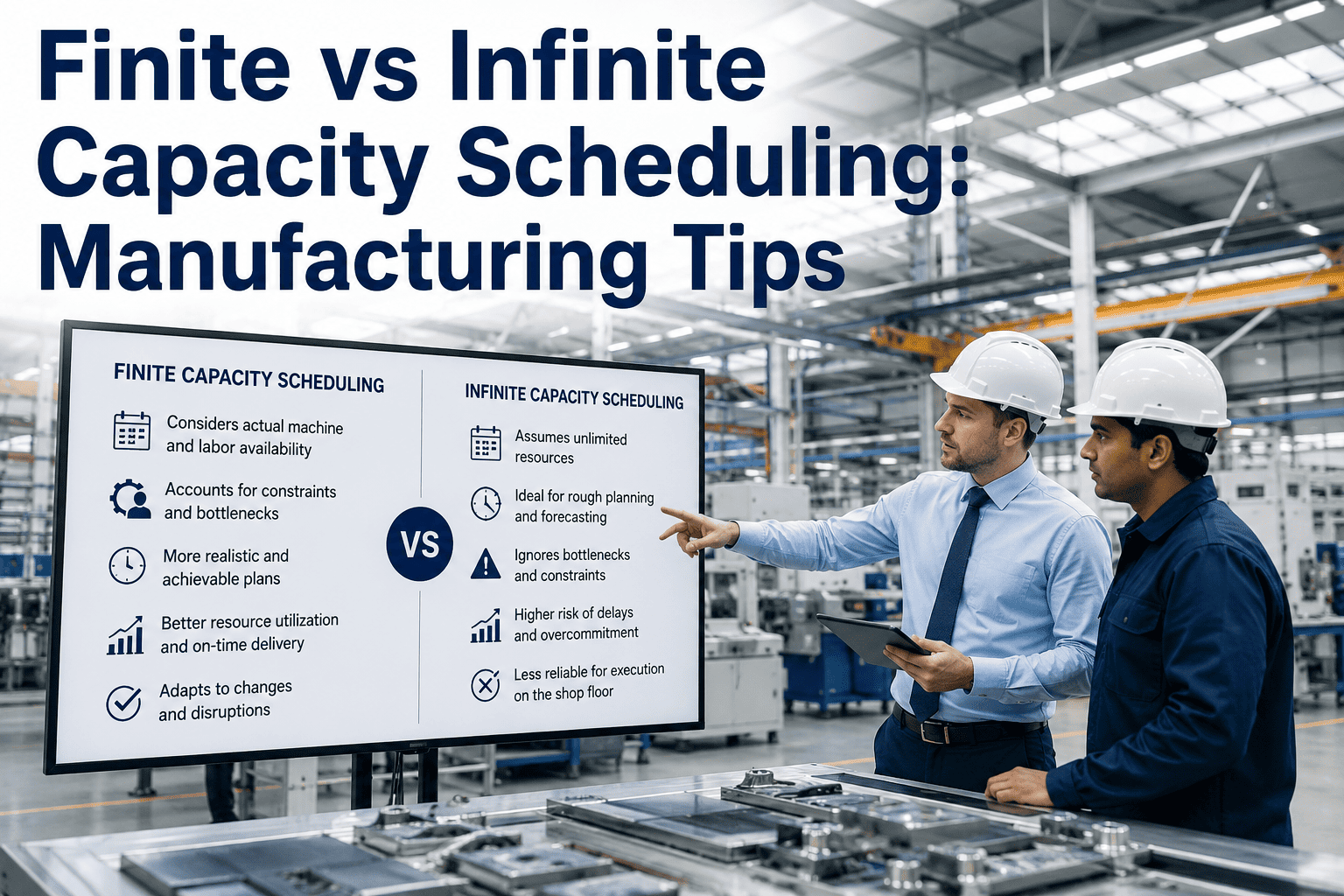
Once the constraint is identified, Drum-Buffer-Rope gives a scheduling logic that keeps the rest of the line synchronized to it instead of running every station at its own maximum pace, which is what typically causes runaway work-in-process and unpredictable lead times in the first place.
| Element | Role | Practical Meaning |
|---|---|---|
| Drum | Sets the pace | The constraint's output rate becomes the schedule for the entire line |
| Buffer | Protects the constraint | A time cushion of inventory placed just before the constraint so it never starves |
| Rope | Paces material release | Upstream release is signaled by the constraint's consumption, not run at full speed |
Step 2 in Practice
Exploiting the Constraint Before Spending on Elevation
The most overlooked step in the sequence is exploitation, mostly because it doesn't require a capital request and therefore doesn't feel like "doing something" the way a new machine purchase does. But every minute of idle time, every extended changeover, and every unit of scrap produced at the constraint is throughput the entire line permanently loses, since a lost minute at the constraint is a lost minute of the whole system's output — unlike a lost minute anywhere else, which usually gets absorbed by slack capacity elsewhere on the line. A short list of exploitation moves usually captures meaningful throughput before any capital is spent: protecting the constraint from unplanned stoppages with a dedicated response team, running it through breaks and shift changes if other stations can cover, prioritizing its maintenance above every other machine's, and moving any inspection or rework that can happen elsewhere off of the constraint entirely.
Exploit Your Constraint Before You Fund the Next Capacity Project
Most lines recover meaningful throughput at the constraint without capital spend, once idle time, changeovers, and misplaced inspection steps are addressed there first.
A Common Misstep
Why Improving a Non-Constraint Feels Productive but Changes Nothing
A machine running at ninety percent utilization looks like an obvious improvement target, and a project team that speeds it up will show a real, measurable local improvement — cycle time drops, that station's own output rises, and the report looks good. But if that machine wasn't the constraint, total line throughput doesn't move at all, because the actual ceiling was set somewhere else the entire time. The faster machine just builds inventory in front of the true bottleneck a little quicker, and the capital spent on the improvement produces no system-level return. This is the trap Theory of Constraints exists specifically to prevent: confirming where the real ceiling sits before committing budget, so improvement dollars land on the one step where a gain actually becomes a gain for the whole line rather than a local statistic that never shows up in overall output.
Almost every plant I've worked with had at least one improvement project running on a machine that wasn't actually the constraint — usually the most visible or most complained-about station, not the one with the WIP piling up in front of it. The first thing worth doing before any capacity investment is simply walking the line and finding where inventory accumulates. That's almost always a faster and more accurate answer than the utilization report.
Devon Okonkwo-Reyes
Manufacturing Operations Consultant · Theory of Constraints practitioner, 14 years
Frequently Asked
Bottleneck Identification — Common Questions
Can a line have more than one constraint at the same time?
In practice there's usually one dominant constraint at any given moment, since demand rarely balances perfectly against capacity across multiple steps at once, though a constraint can shift between stations as products, demand mix, or equipment condition change over time. Book a review to identify the current constraint on your specific line.
How do we know when the constraint has moved to a different station?
Watch for WIP accumulation shifting to a new location and the previously bottlenecked station starting to show idle time — that combination is usually the clearest sign the constraint has relocated after an improvement or a demand mix change. Contact support if you're seeing this pattern and want help confirming it.
Does Theory of Constraints apply to assembly lines as well as job shops?
Yes — the underlying logic of finding the step with the least relative capacity applies to any process with sequential dependencies, though how visibly the constraint shows up differs between a fixed assembly line and a job shop with variable routing.
What's the fastest way to start applying this without a big project?
Start by walking the line at a random time during a normal shift and noting where work-in-process is visibly piling up — that single observation, repeated a few times across different shifts, usually points to the real constraint faster than a formal capacity study. Book a session to validate that observation against your production data.
How does this relate to OEE if we're already tracking it by machine?
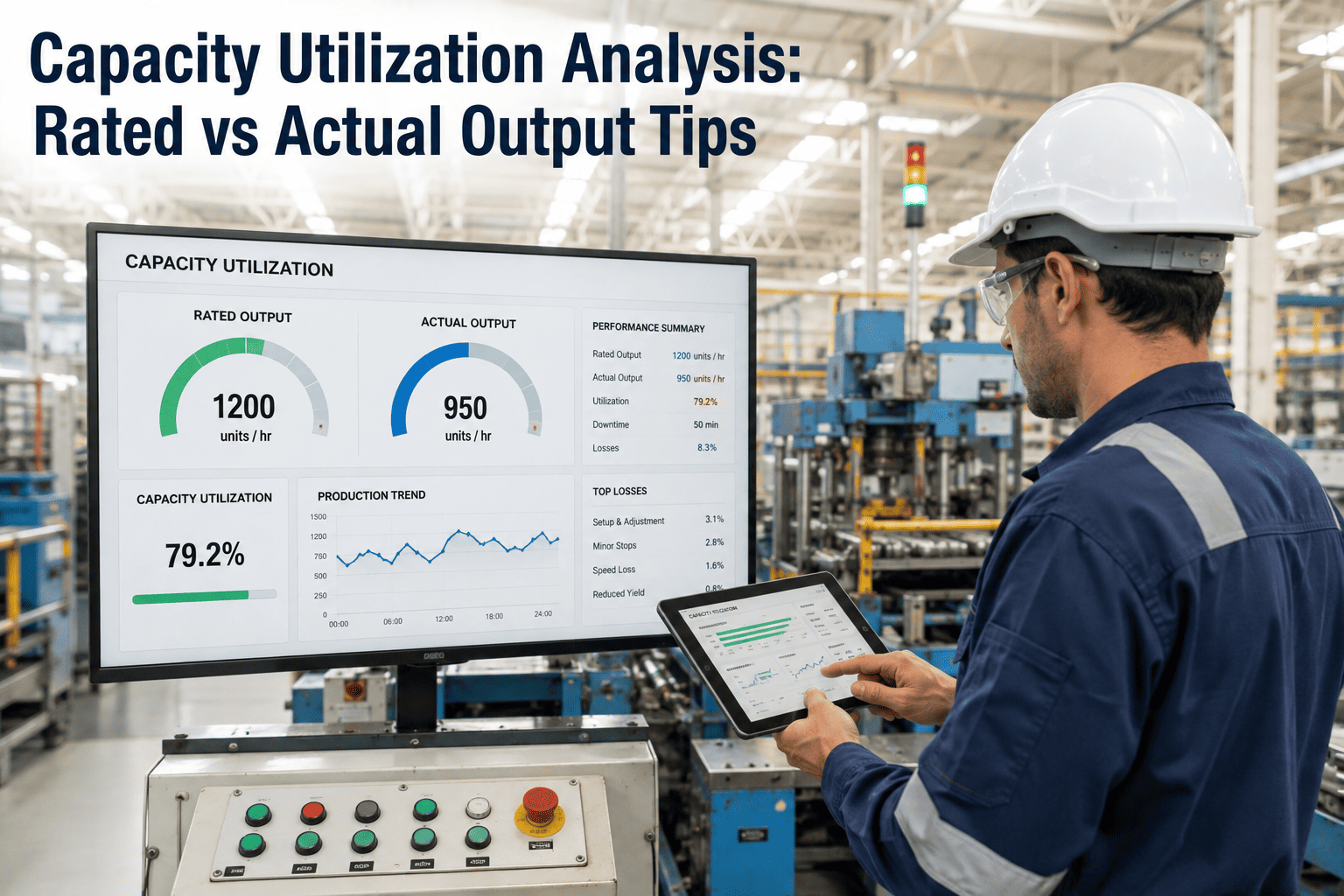
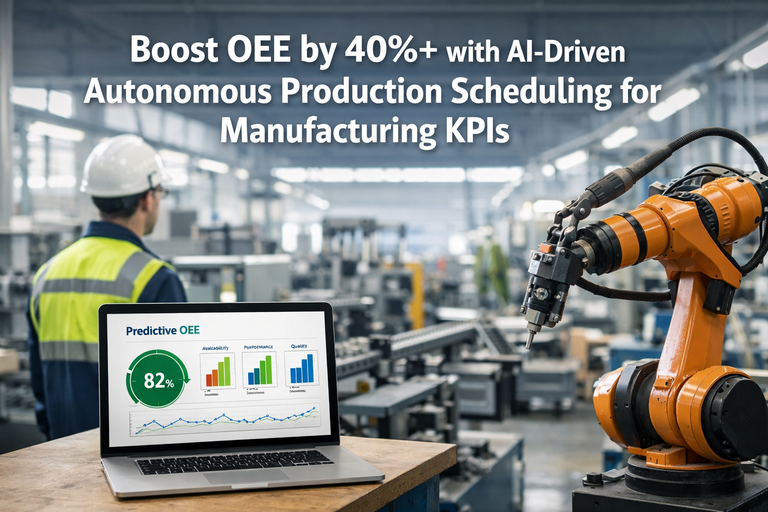
OEE tells you how well each individual machine is running, but it doesn't tell you which machine's output actually limits the whole line — a non-constraint machine can have poor OEE without affecting total throughput at all, which is why constraint identification and OEE tracking answer different questions and work best used together. Ask our team how these two views combine in a single dashboard.
Find the Step That's Actually Limiting Your Line's Throughput
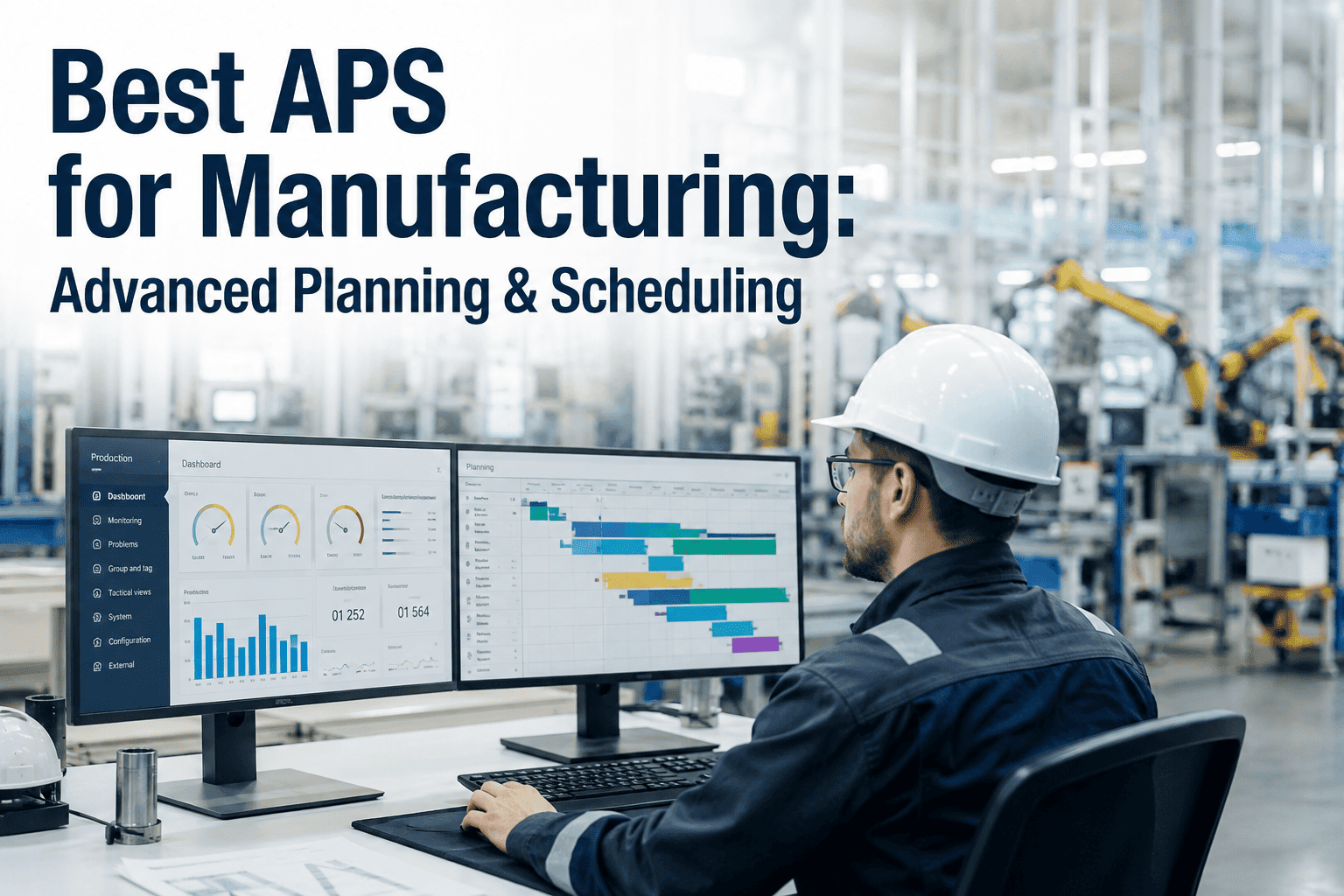
iFactory surfaces WIP accumulation and queue time by station, so you can identify the true constraint before committing capital to the wrong machine.