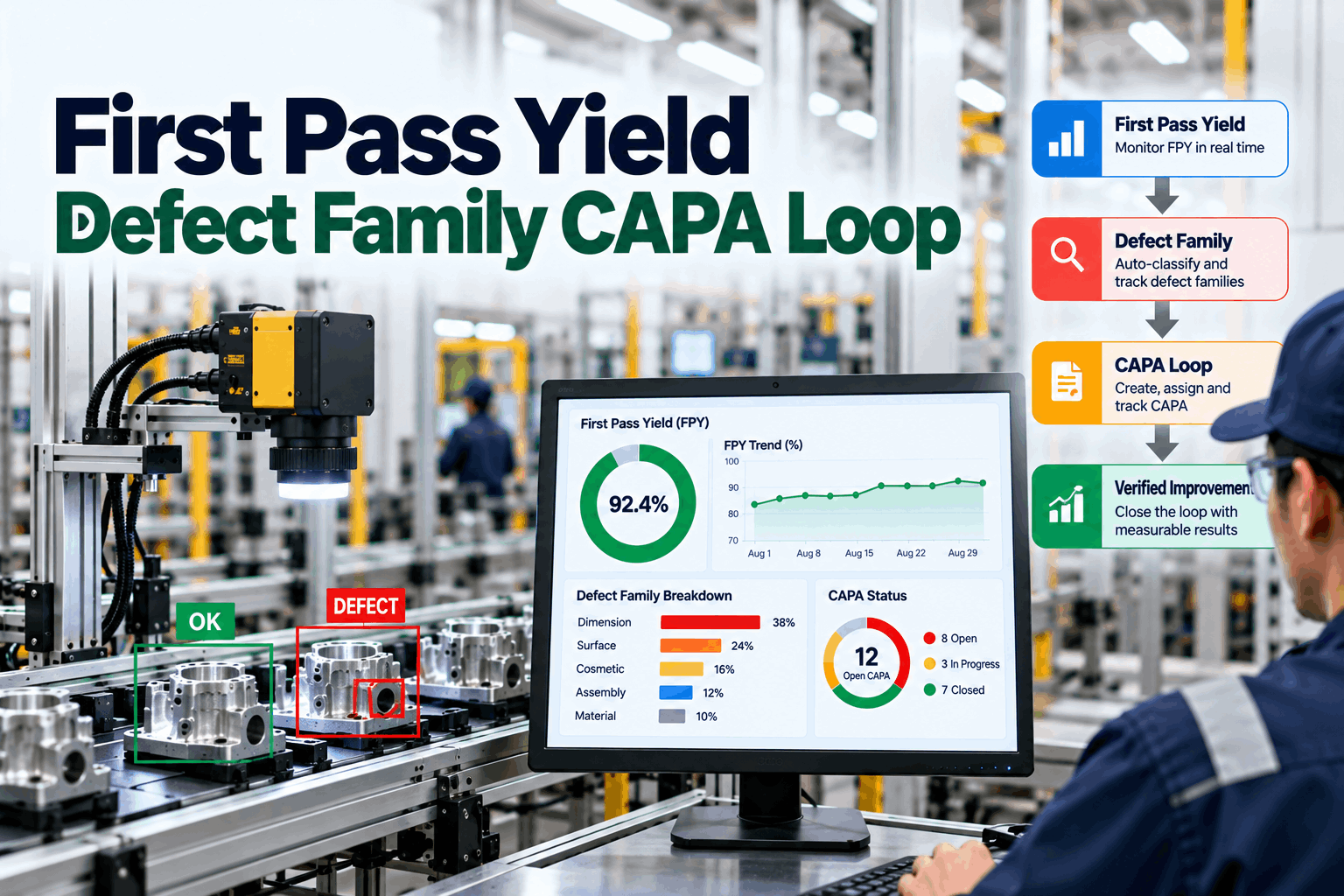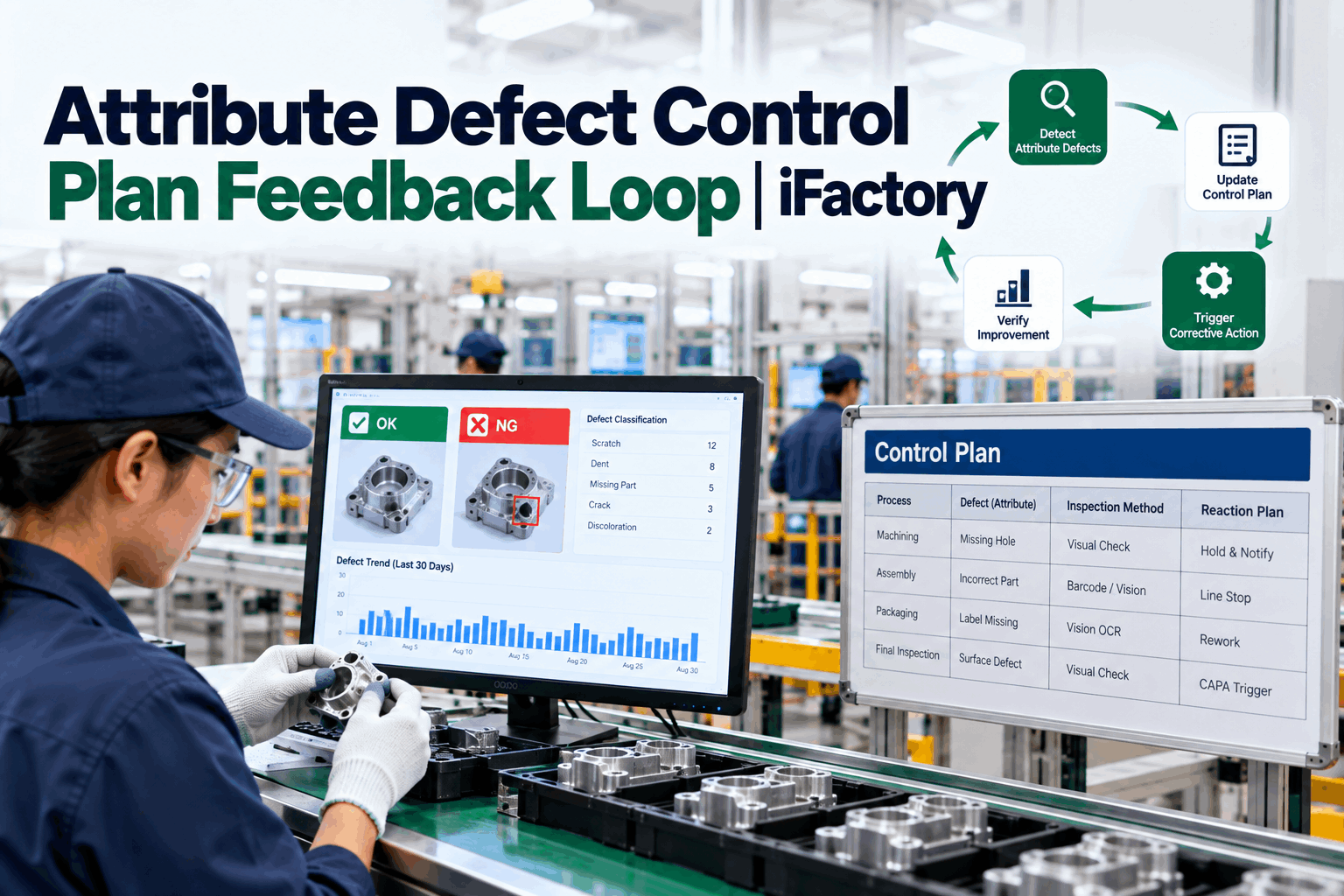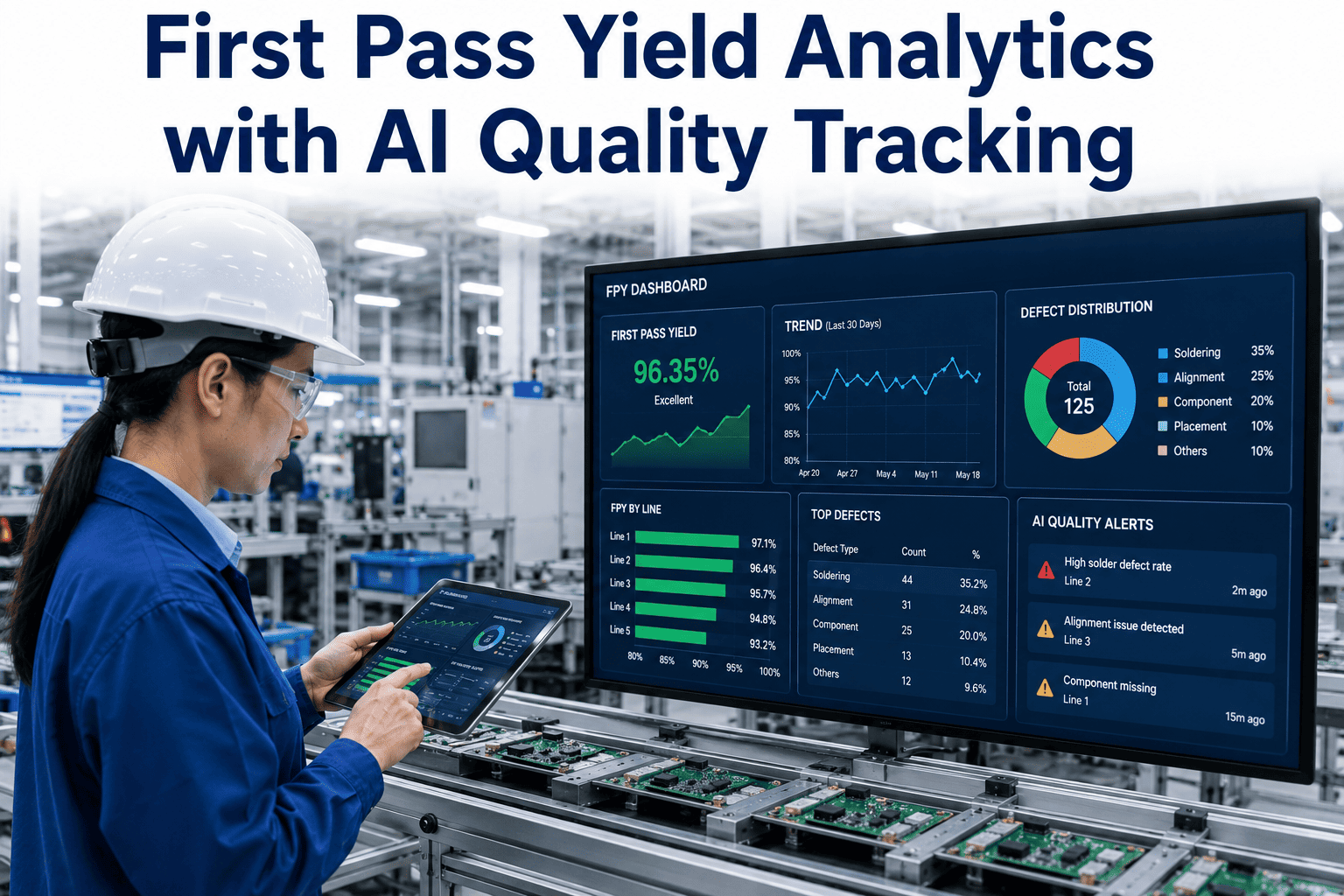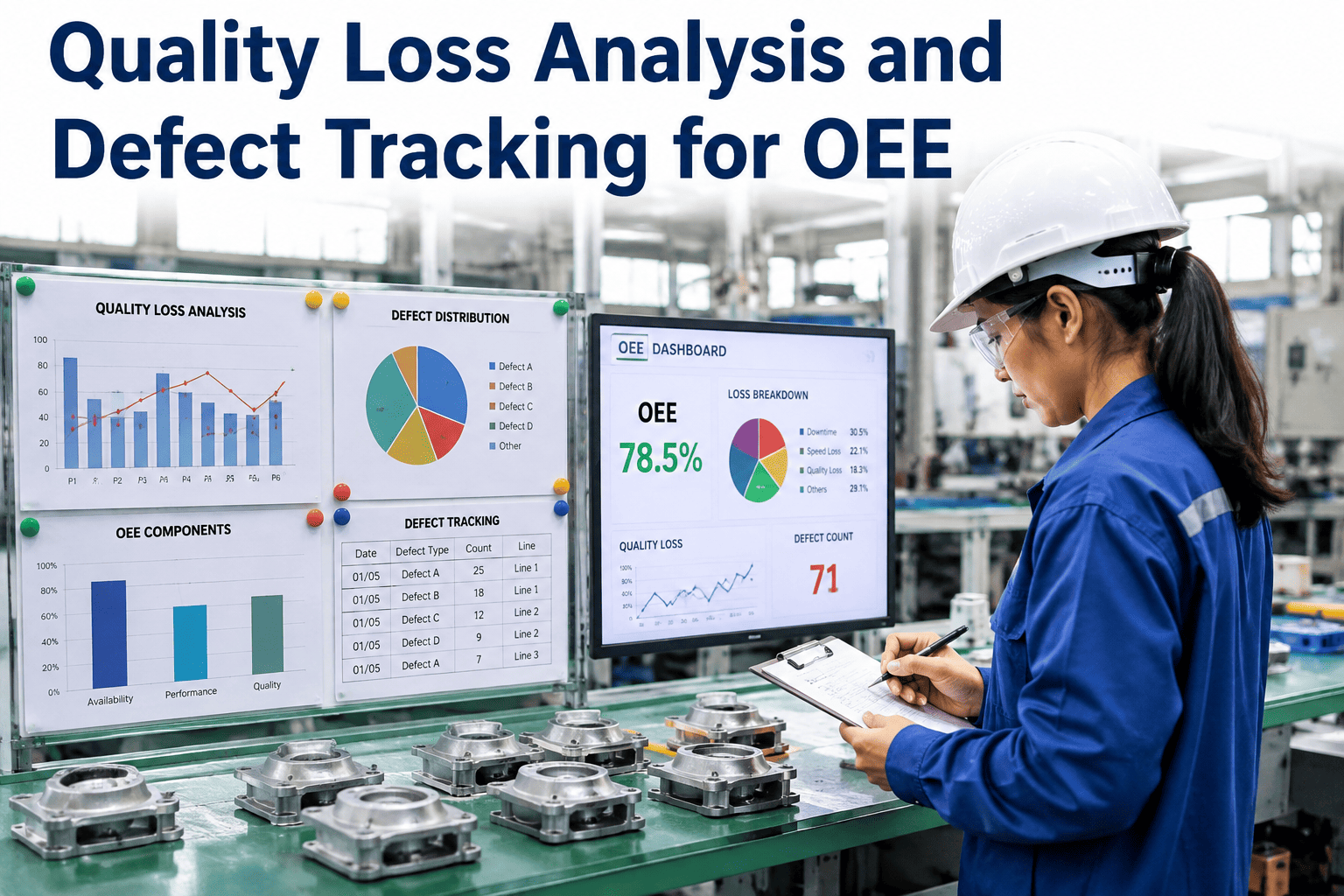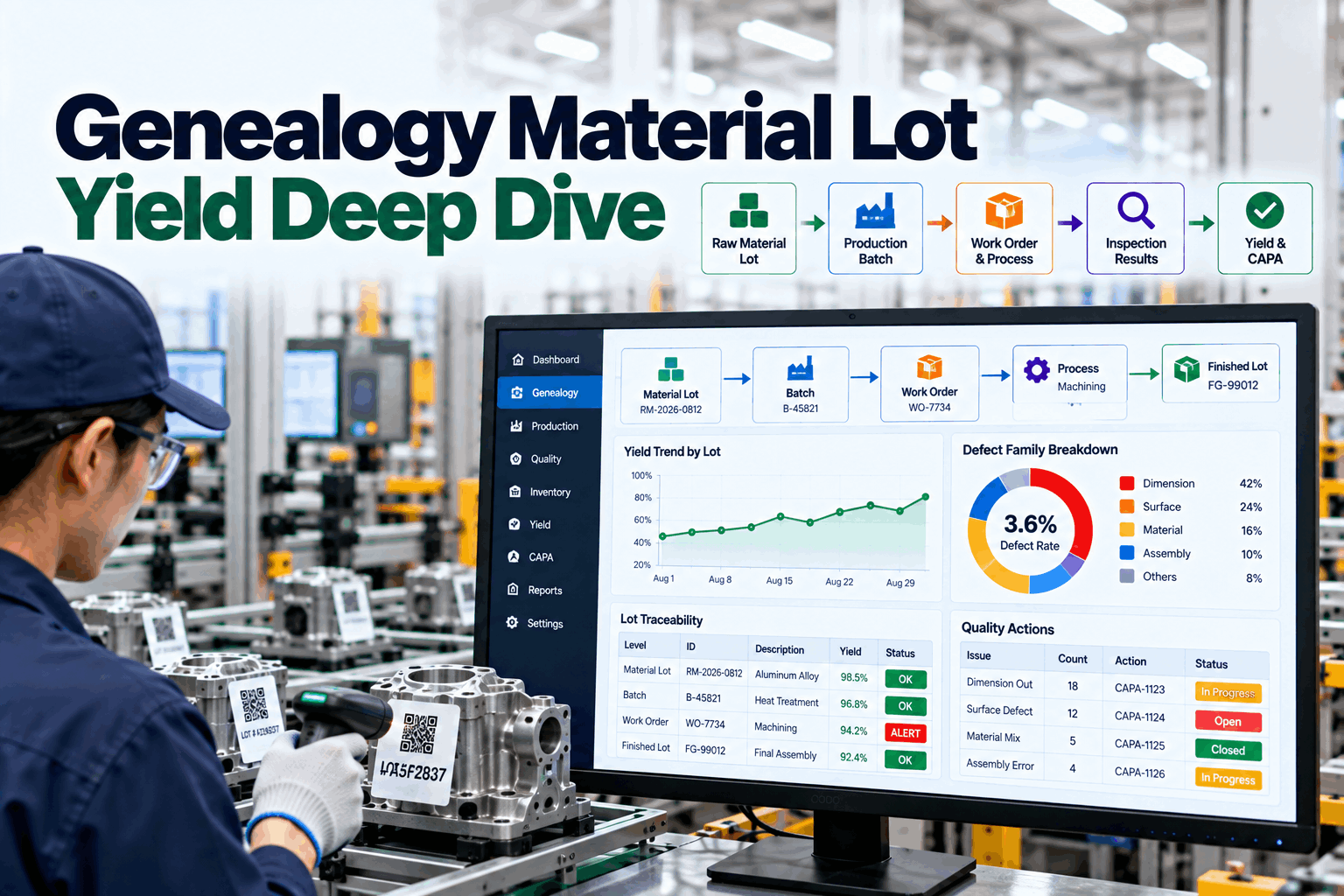
A new material lot enters production Monday morning, yield softens by Wednesday, and the quality room asks the question every plant eventually asks — which downstream units share the same evidence path? In a real operation, that answer rarely lives in one table. It lives across genealogy, defects, scrap, recipe, machine, and shift history. iFactory AI overlays your MES, QMS, historian, and SPC stack with a spoken analytics layer that traces material lots through genealogy, correlates yield with defect mode, machine window, and shift context, and turns scattered evidence into a human-reviewed review of what may be affected — before containment gets bigger than it needs to be. Book a 30-minute walkthrough of one lot change traced end to end.
Yield dips after a lot change. The question is which downstream units share the same evidence path — and what that path says about containment and CAPA.
At a Glance
Why Genealogy Is the First Place to Look
For a quality director, a yield drop is not just a number on a dashboard. It is a signal that something in the production network changed, and genealogy is the fastest way to ask whether the change is isolated or shared. A material lot may affect more than one finished unit even when the downstream symptom appears later. The lot may move through a common machine, a shared recipe revision, a specific shift pattern, or a particular inspection route. If you only compare daily averages, you may miss the actual evidence chain.
That is why genealogy material lot yield spoken analytics matters. It turns traceability into an explanation workflow — not just what happened, but which units are connected by the same upstream evidence and what did they share downstream. A useful review usually begins with one clear event: a new material lot enters production, and yield softens afterward. The question is not whether the lot is the only possible cause. The question is whether it created a shared path of evidence across affected units.
What Shared Evidence Actually Means
In a genealogy review, shared evidence means the downstream units do not merely look similar — they are connected by the same production path. That might be the same lot, the same machine window, or the same recipe version passing through a specific shift.
Across multiple batches, one lot number appears as a common ancestor for the defective units.
During the yield dip window, the affected units share a machine, cavity, or tool identifier.
A recipe revision or setpoint drift is present in the process history of every affected batch.
One shift or crew handled the majority of the affected units, but not the unaffected ones.
The same defect mode or fingerprint appears in connected genealogy branches.
Downstream units share the same rework pattern or scrap classification.
What iFactory Delivers
iFactory connects lot genealogy with defect, scrap, recipe, machine and shift history so the quality room sees shared evidence, not scattered tables.
Every finished good, subassembly and WIP node tied to the suspect material lot.
Which downstream units share lot, machine window, recipe or shift with the yield dip.
Yield, defects, scrap and rework split around the lot change.
Units worth reviewing for hold or re-inspection, for your team to approve.
The quality director asks which branches share the defect and hears the answer.
Linked versus unrelated units compared, so correlation is not mistaken for cause.
Bring one material lot change and one yield drop. We walk through genealogy trace, defect correlation, scope confirmation, and human-reviewed release decision — beside your existing MES and QMS.
Correlated but Not Causal
Not every lot change that appears near a yield drop is the root cause. The new lot may arrive at the same time as a machine adjustment and a shift handoff. The issue may be amplified by the process step, not created solely by the lot. That is why spoken analytics must support, not replace, review. It can show the lot-to-unit map, the timing alignment, the shared machine window, the shift overlap, and the defect pattern — then the quality team decides whether containment should focus on the lot, the process step, or both.
Questions a Good Review Asks
- Which downstream units share the suspect material lot?
- Where does the yield dip start in the genealogy chain?
- Which defect mode rises with the lot change?
- Is scrap concentrated on one machine, tool, or chamber?
- Does the issue track a specific shift or setup window?
- Did the recipe change before or after the yield break?
- Are unrelated units showing the same failure signature?
Frequently Asked Questions
Start with the lot transition, then follow genealogy links into finished goods, subassemblies, WIP, and process events. Compare yield before and after the change, and check whether defects and scrap concentrate in the same connected branches.
The units that share the same upstream lot, machine window, recipe revision, or shift pattern are the first candidates. A review should highlight connected branches, not just units with similar dates.
They provide the context around the lot. Scrap and defect codes show the symptom; recipe, machine, and shift show the conditions under which the symptom appeared.
It turns scattered evidence into a human-readable story. Instead of hunting across multiple systems, the reviewer gets a guided summary of the lot change, affected units, and shared process conditions.
By comparing genealogy-linked units against unrelated units, reviewing the process conditions, and checking whether the defect pattern persists after containment or recipe correction.
When yield dips after a material-lot change, the question is which downstream units share the same evidence path. iFactory AI connects genealogy, defects, scrap, recipe, machine, and shift data into a multi-year yield explanation workflow.