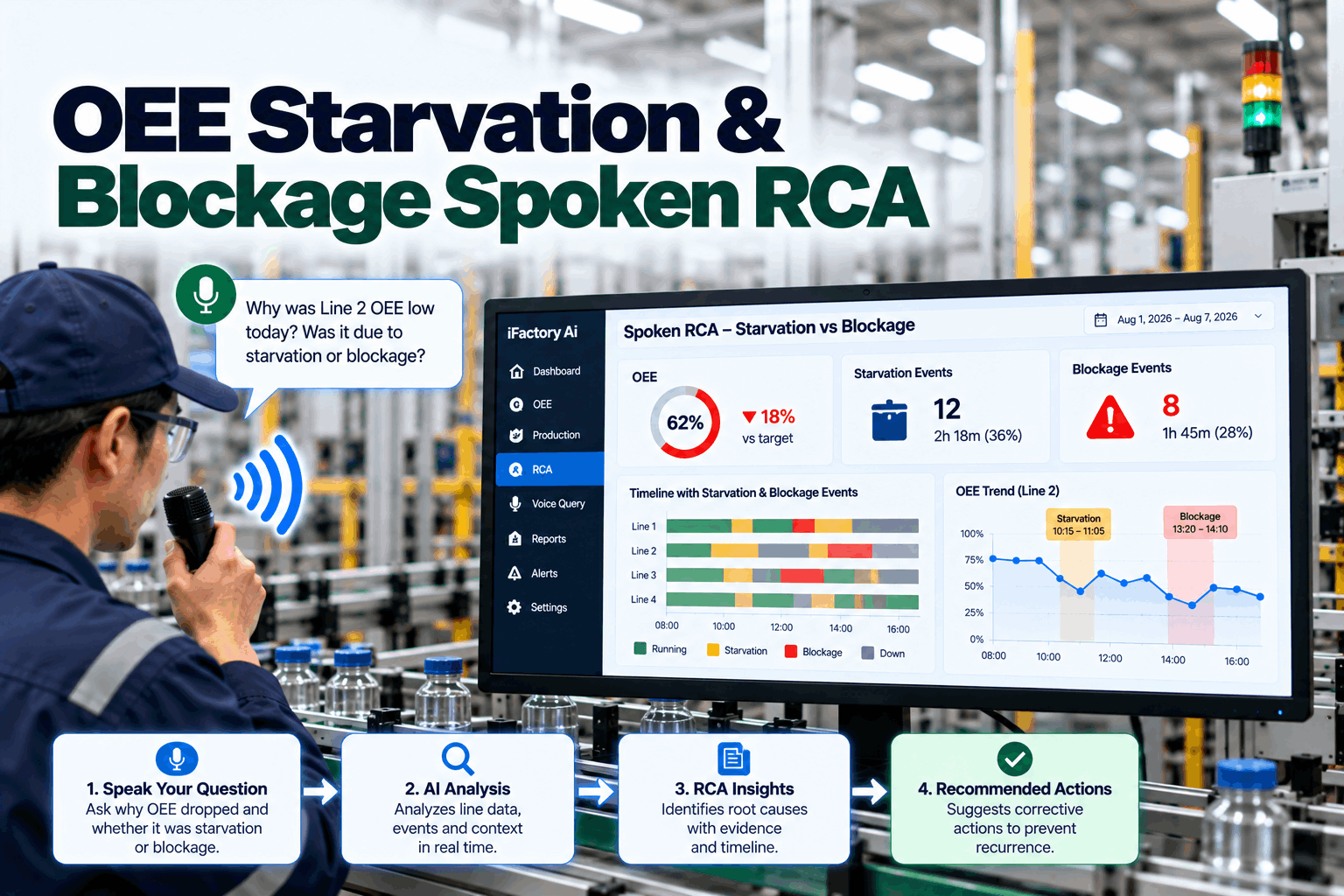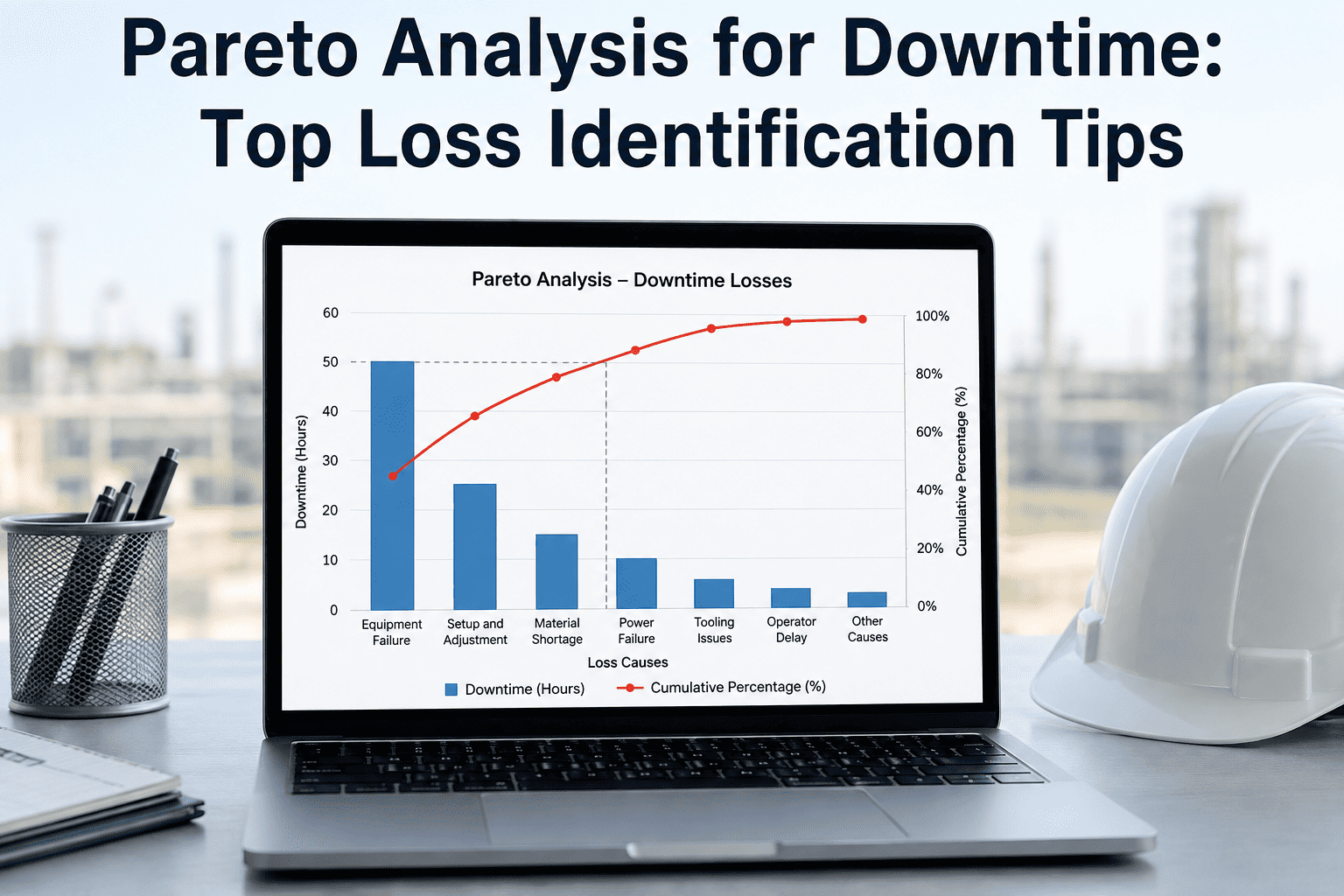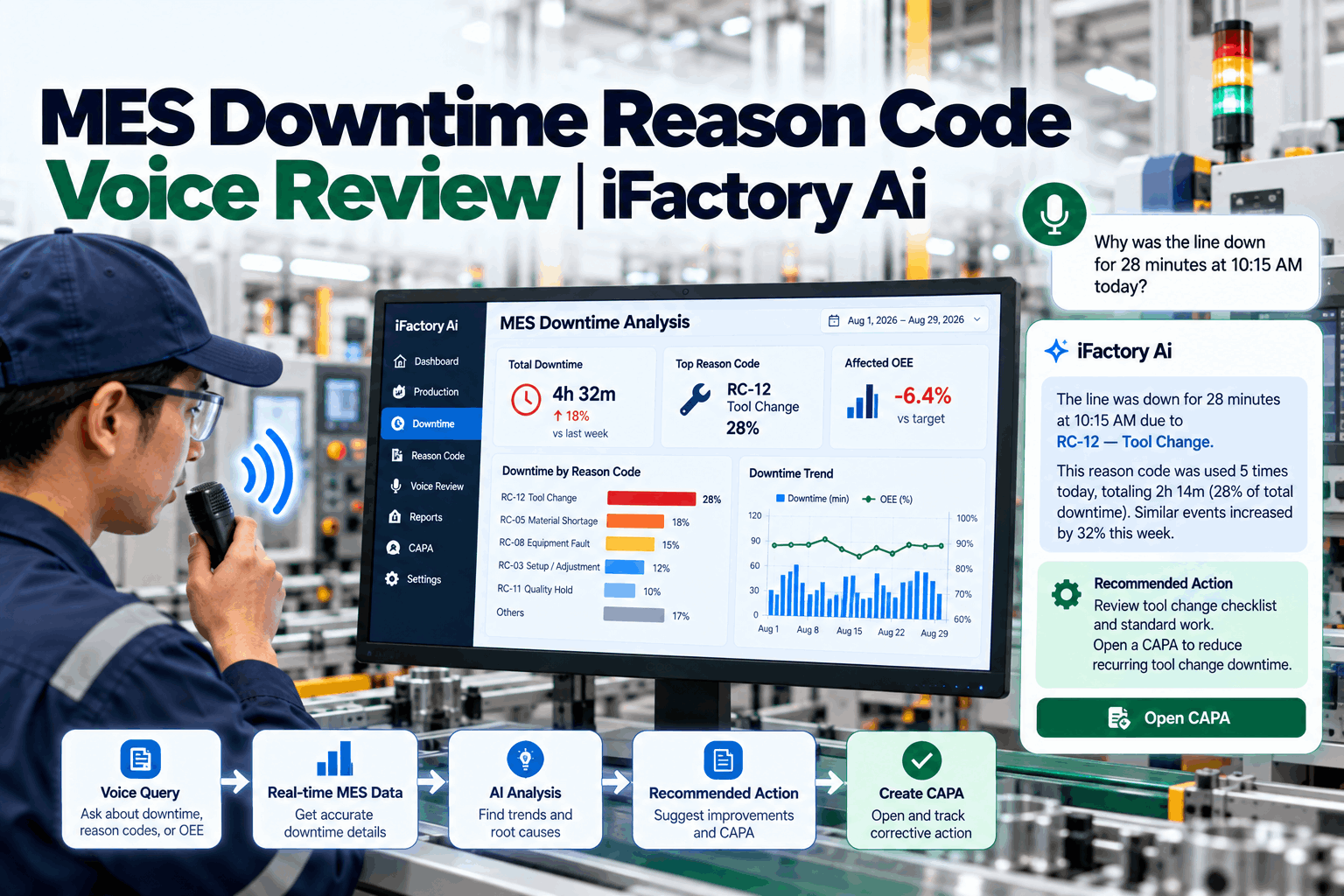
Two shifts code the same stop differently, and the plant manager wants to know which loss bucket is defensible for the Pareto chart. In that moment the problem is not the operator note — it is missing context across PLC signals, vision events, and the OEE timeline. iFactory AI overlays your MES, historian, and vision stack with a spoken analytics review layer that reconciles PLC, vision, operator, and OEE context, so downtime reason codes stop drifting across shifts and start reflecting evidence-based classifications. Book a 30-minute walkthrough of one stop event reconciled across shifts.
When the same stop gets three different labels, OEE reporting loses trust. Evidence-based reconciliation is what restores it.
At a Glance
Why Downtime Reason Codes Drift Across Shifts
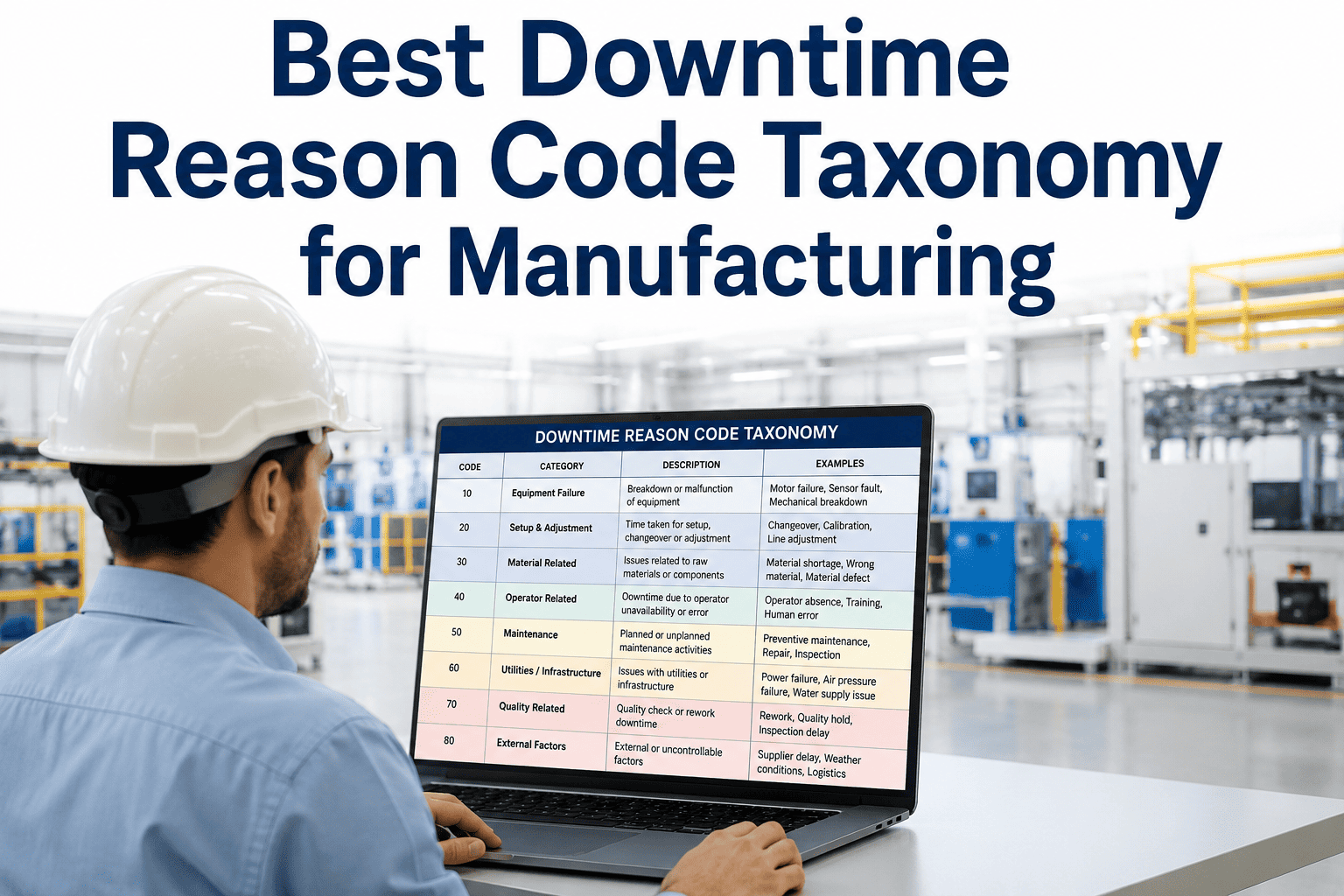
Downtime reason codes often look simple until the same stop happens under different supervisors, at different times, with incomplete notes. One shift sees a feeder issue. Another sees a material shortage. A third enters jam because that is the nearest available bucket. That is how OEE reporting loses trust. The root cause is usually not bad intent — it is a gap between the event and the evidence. If the MES record only captures the code but not the surrounding context, the loss bucket becomes a judgment call instead of a defensible classification.
Common sources of drift include different interpretation of the taxonomy, shift handoff notes that omit key details, PLC events that happened before or after the operator noticed the stop, vision alarms that point to a quality-related interruption, temporary workarounds that get normalized into miscellaneous, and inconsistent training on how to classify blocked, starved, faulted, and quality-hold states. A practical MES downtime reason code voice review workflow helps leaders standardize how the story is reconstructed before the code becomes dashboard truth.
Evidence That Should Be Reconciled Before the Code Is Final
A defensible downtime reason code should not depend on one note field alone. It should reflect the full event chain, especially when the question is whether the stop belongs in equipment, material, quality, or changeover loss.
Fault tags, interlocks, cycle timeouts, blocked/starved states with timestamps.
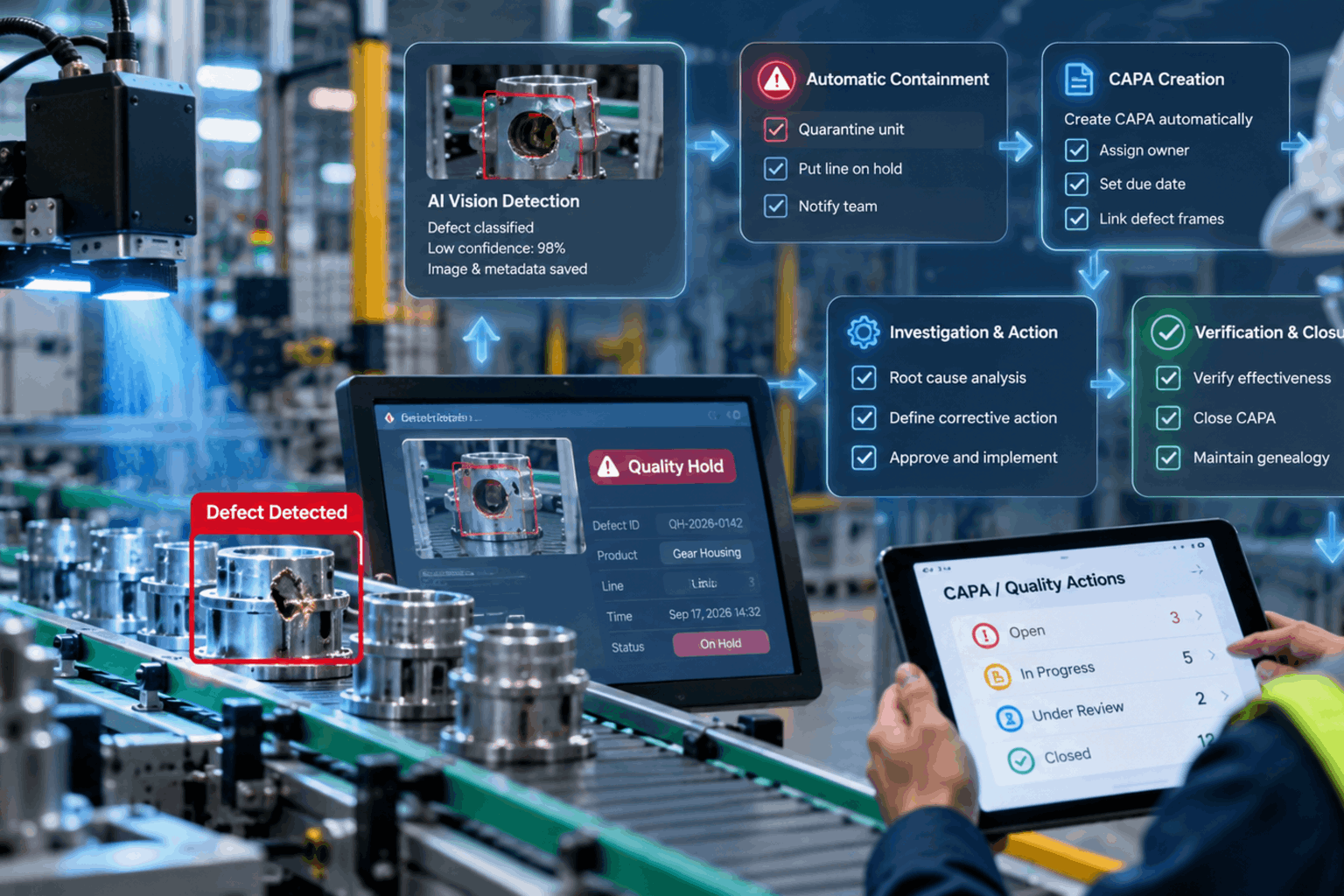
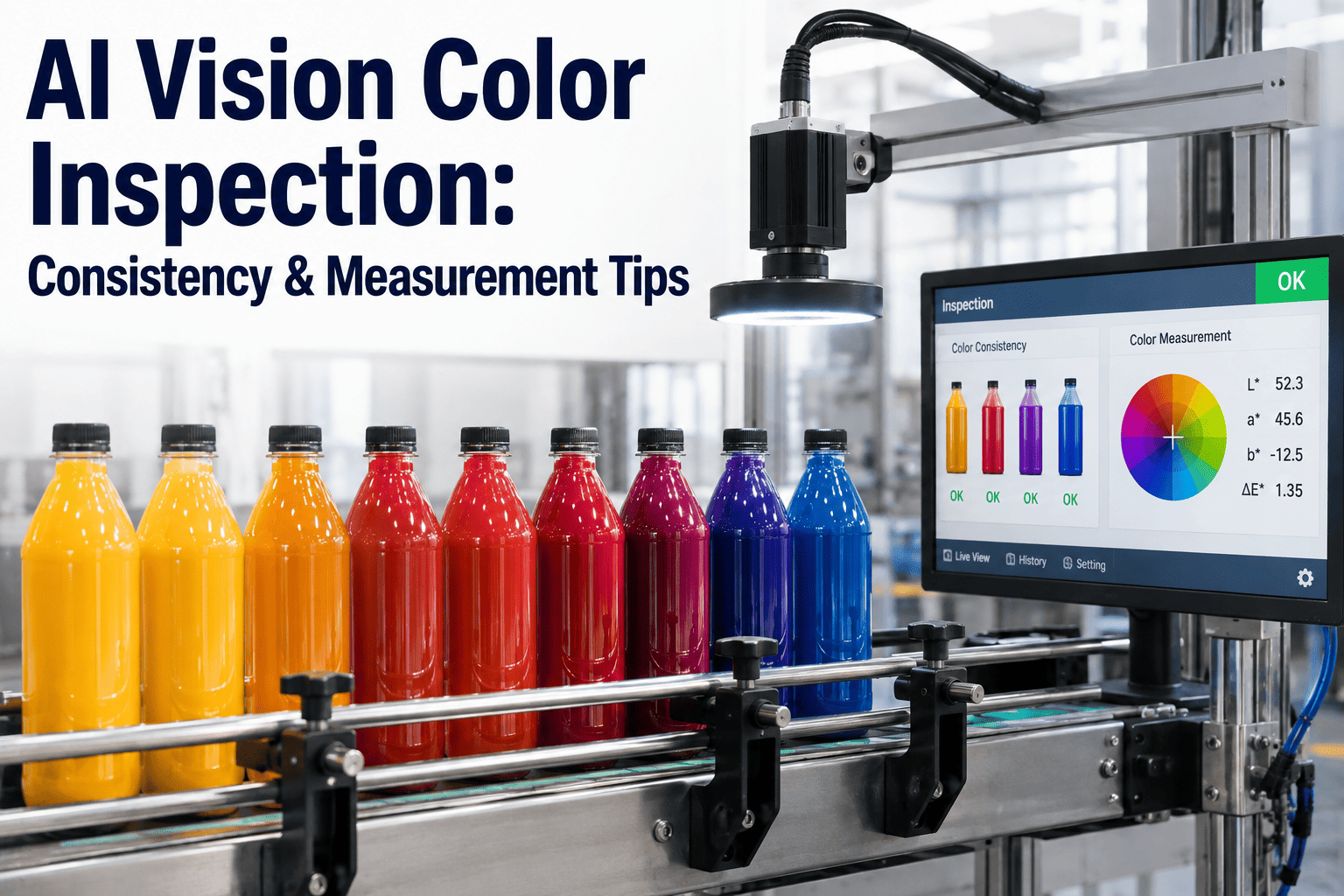
Inspection alerts or reject signals that may point to a quality-related interruption.
Reason codes and free-text notes from the HMI or Andon.
Event timestamps and duration boundaries recorded by the MES.
Context passed between crews that may not be visible in the code itself.
Containment events tied to the same time window as the stop.
When these signals are aligned, the review becomes less subjective. When they disagree, that disagreement is itself the signal.
iFactory reconciles the evidence behind each ambiguous stop so the code that lands in MES is one your plant can defend.
PLC state changes, vision alarms, operator notes and OEE timing aligned for each stop.
Stops where the entered code disagrees with the machine evidence, surfaced for review.
The assistant reads out the conflict so the reviewer can decide at the line or in the office.
The confirmed or overridden code written back to MES with reviewer and reason.
How each shift classifies similar events, so training gaps become visible.
A downtime Pareto built on reviewed codes that the plant manager can defend.
Bring one recent ambiguous stop where different shifts coded it differently. We walk through PLC, vision, operator, and OEE alignment — beside your existing MES.
The Signal to Final Code Workflow
The stop occurs. The system collects the event chain from MES, PLC, historian, vision, HMI, and operator input.
Machine stop, state transitions, quality alarms, operator note, shift-coded reason, duration, and affected asset assembled into one timeline.
The assistant summarizes the stop aloud or in a review panel, highlighting the discrepancy between the current code and the evidence.
The reviewer confirms, overrides, or escalates the reason code. The final classification is stored back in MES with rationale and timestamp.
If tied to a recurring issue, the team triggers hold, CAPA, genealogy check, and OEE recovery follow-up.
Why This Improves Cross-Shift Consistency
Cross-shift consistency depends on shared interpretation. If one shift calls a stop material shortage and another calls the same event equipment fault, the Pareto becomes noisy and the action plan becomes weak. A human-reviewed voice workflow improves consistency by standardizing how context is presented, reducing reliance on memory at shift handoff, making discrepancies visible before the code is locked, creating a traceable rationale for overrides, and encouraging teams to use the same logic for the same event pattern.
Consistency also depends on documented rationale. When two shifts arrive at different codes for a similar event, the review record should explain why. The system should carry a short reason field for every override, along with a reference to the supporting evidence. That way, when the plant reviews recurring patterns in the Pareto, the team is not guessing whether the classification was defensible — they can see the reasoning. Over time, this creates a shared library of examples that new supervisors and operators can learn from, reducing the drift caused by turnover and reducing the time spent debating loss buckets in the shift meeting.
Frequently Asked Questions
Start with a shared taxonomy, then use event context from PLC, vision, operator notes, and OEE timestamps to review ambiguous stops before the final code is locked.
Yes. PLC state changes and vision alarms often provide the timing and evidence needed to support or challenge an operator-entered code.
Treat that conflict as a review trigger. A human-reviewed voice workflow can surface the discrepancy so the reviewer can choose the most defensible classification.
No. In this approach, spoken analytics supports human review; it does not autonomously decide the final code or control the line.
It cleans up loss buckets, improves cross-shift consistency, and creates a better starting point for containment, CAPA, genealogy checks, and verification.
Collect the signals, structure the event, let spoken analytics explain the discrepancy, and have a human confirm the final code. That is what makes the Pareto defensible.