Getting budget approval for an AI assembly verification system means putting a number on something that's genuinely hard to quantify upfront: how many defects would have shipped without it, and what each one would have actually cost once it turned into rework, a warranty claim, or a dissatisfied customer. Finance teams don't approve capital requests based on "fewer defects sound good" — they need a defensible number built from real rework labor rates, real warranty claim costs, and a documented baseline defect rate to compare against. Without that groundwork, an otherwise strong quality case for verification technology can stall in budget review simply because nobody translated the quality benefit into the language a capital approval process actually runs on. See what a defensible ROI case for assembly verification looks like for your plant.
The Quality Case Is Obvious. The Financial Case Needs Real Numbers.
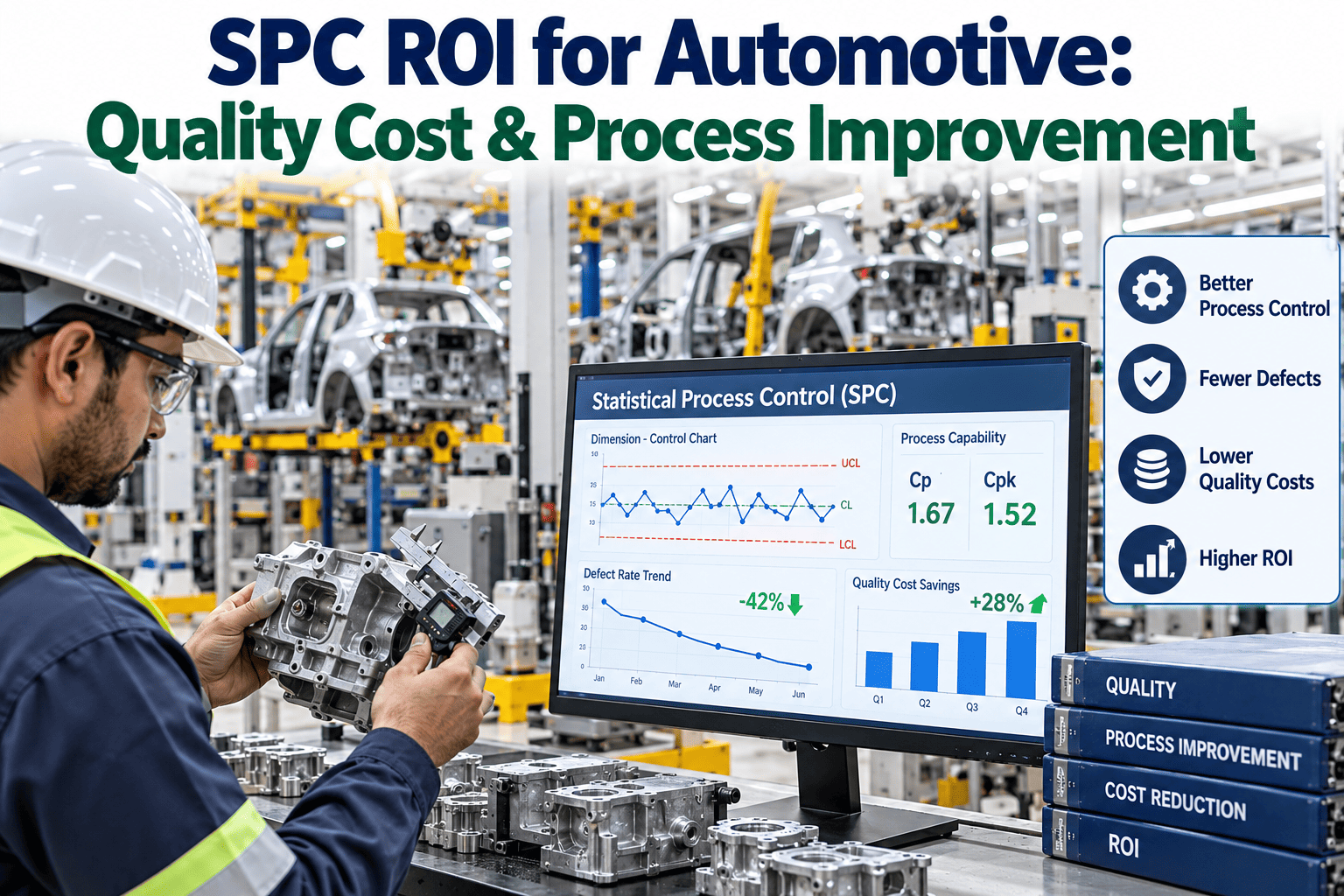
Rework reduction, warranty prevention, and customer satisfaction gains all translate into real dollar value — but only when built from your plant's actual defect rate and cost data, not an industry average.
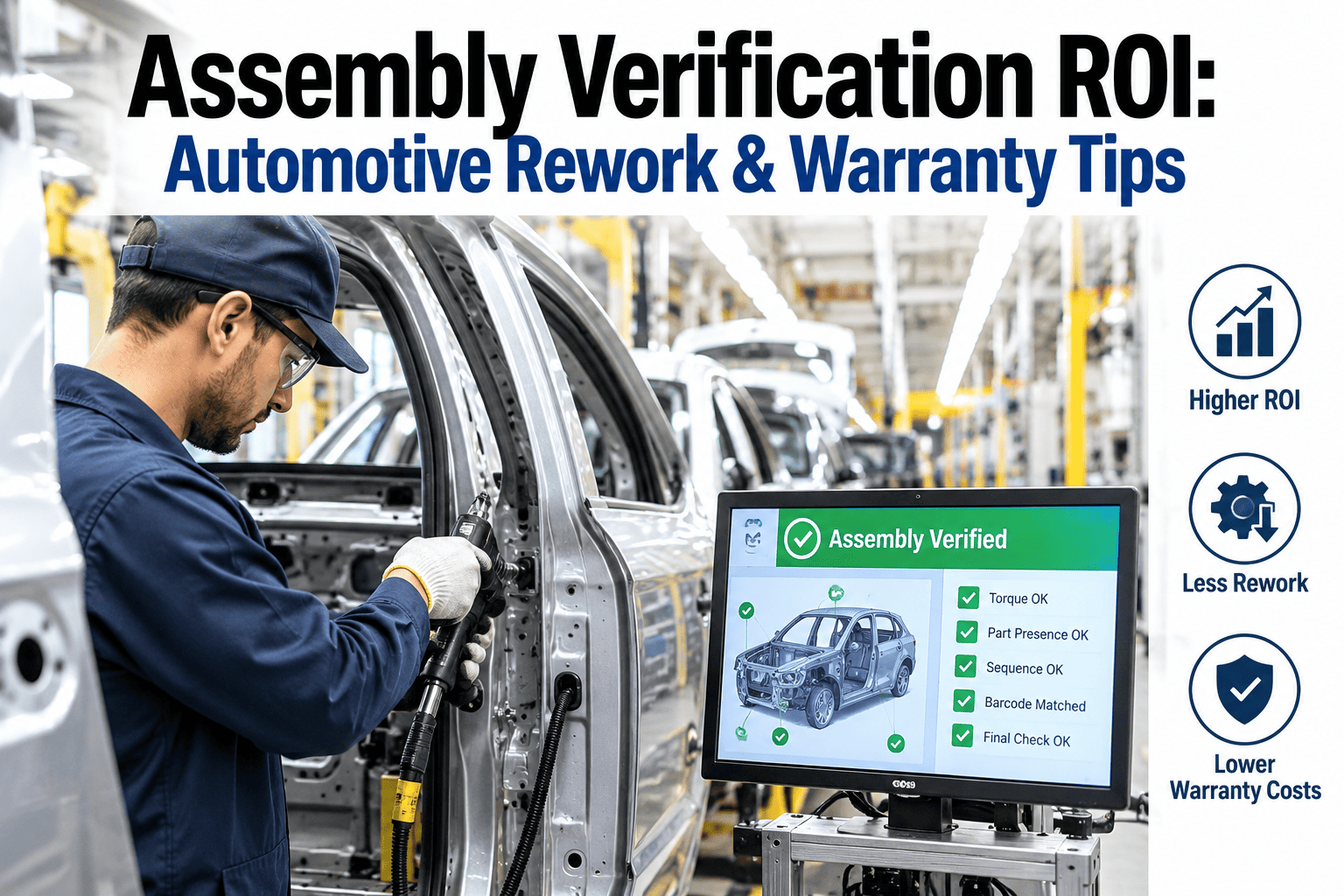
rework reduction, warranty prevention, and customer satisfaction — the three components most ROI cases need to quantify
the typical cost multiplier between catching a defect on the line versus discovering it as a warranty claim in the field
common payback period for AI assembly verification once rework and warranty savings are properly quantified
Where the Total ROI Actually Comes From
A complete ROI case combines three separate value streams, and understanding each one's relative share helps prioritize which data to gather first when building the business case.
Total typical annual value: 2-4% of plant revenue in avoided rework, warranty, and satisfaction cost
Build a Business Case With Your Own Numbers
iFactory works with your actual defect rate, rework labor cost, and warranty claim history to build a defensible ROI case rather than an industry estimate.
What Each Value Stream Actually Measures
Each of the three ROI components draws from a different data source, and building a credible case means pulling accurate numbers from each one rather than estimating.
Rework Reduction
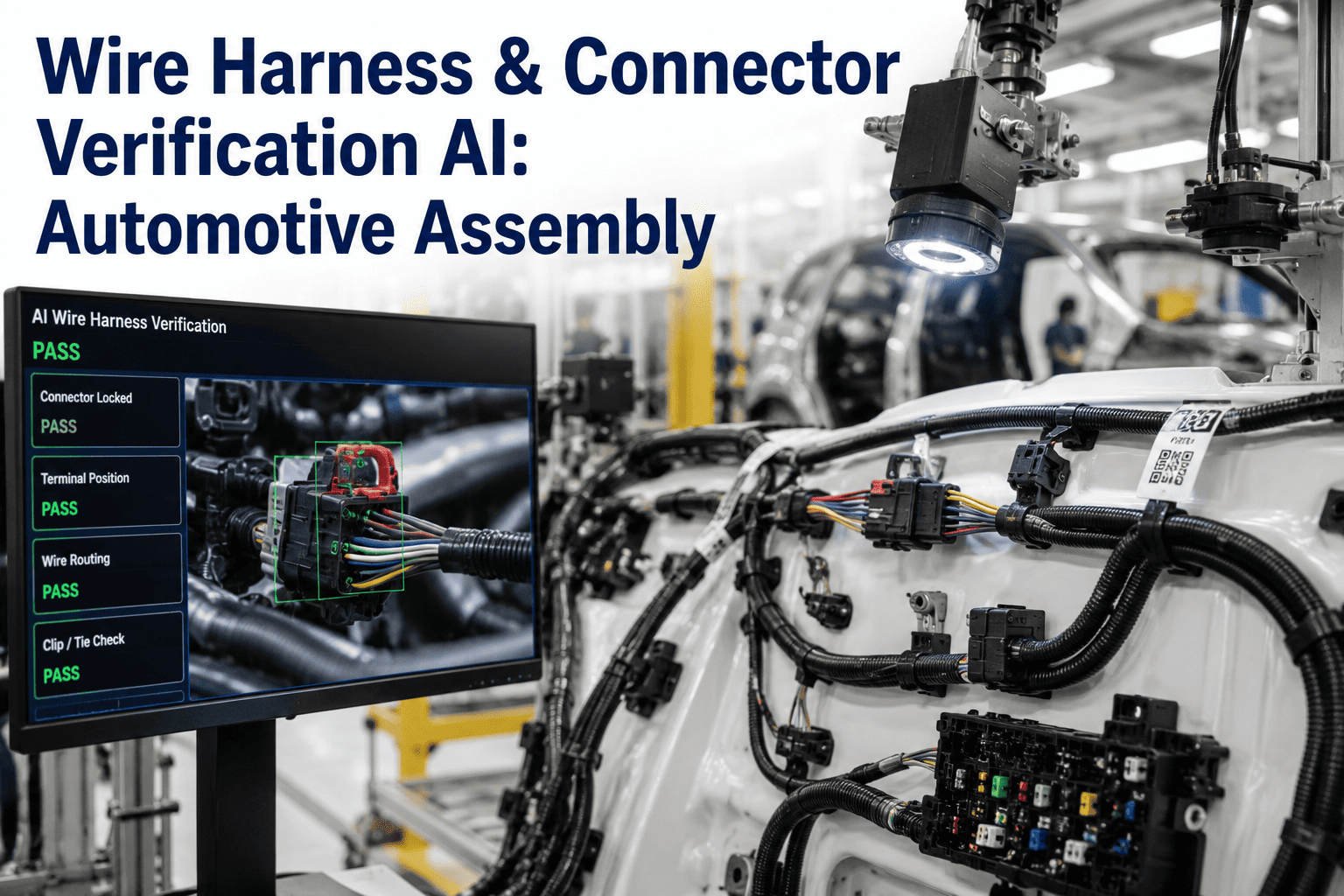
Defects caught and corrected at the point of assembly avoid the labor, material, and line disruption cost of rework performed later in the process or at final inspection.
Warranty Prevention
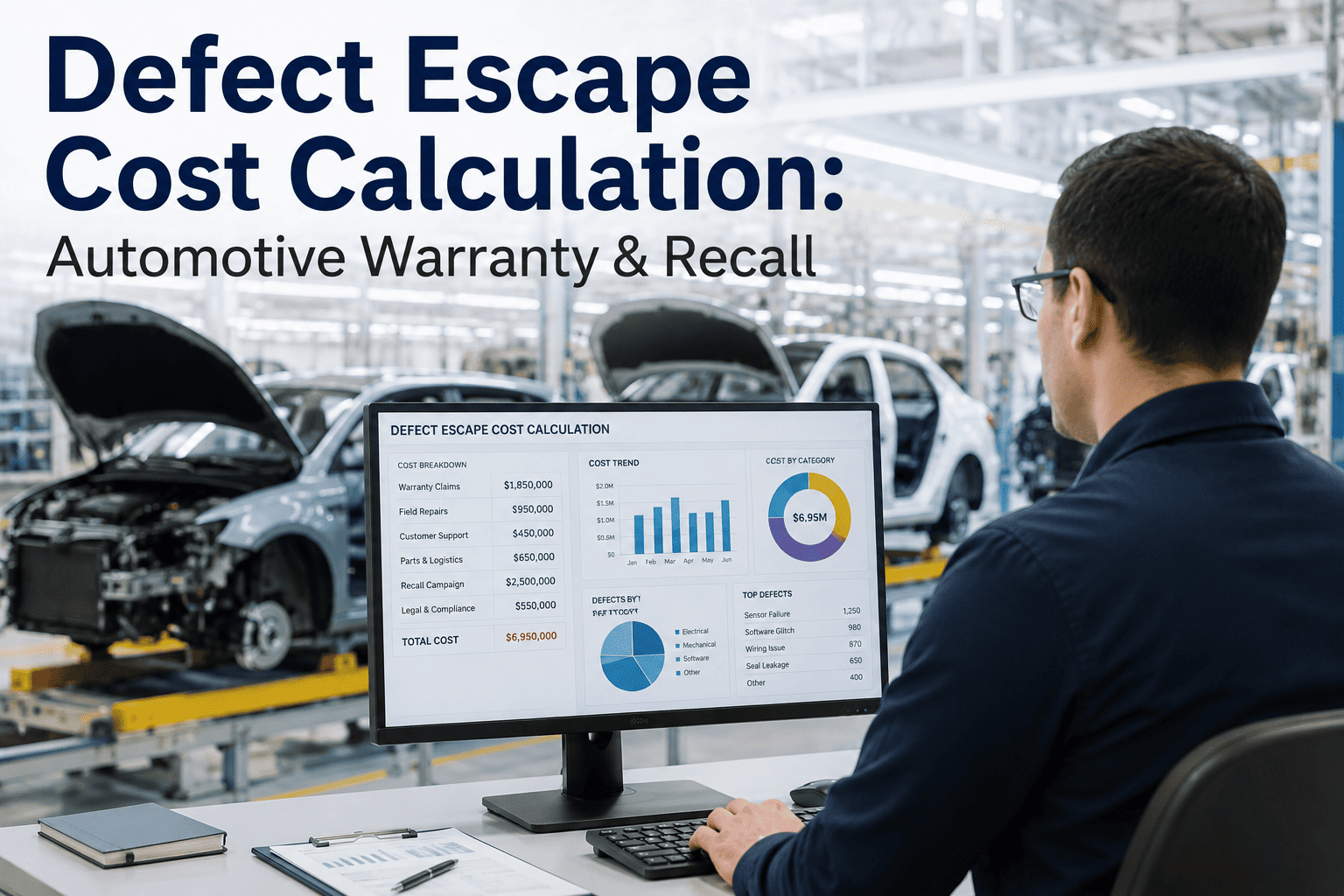
Defects that never reach a customer avoid warranty claim costs, which typically run many times higher than the cost of catching the same issue on the assembly line.
Customer Satisfaction Value
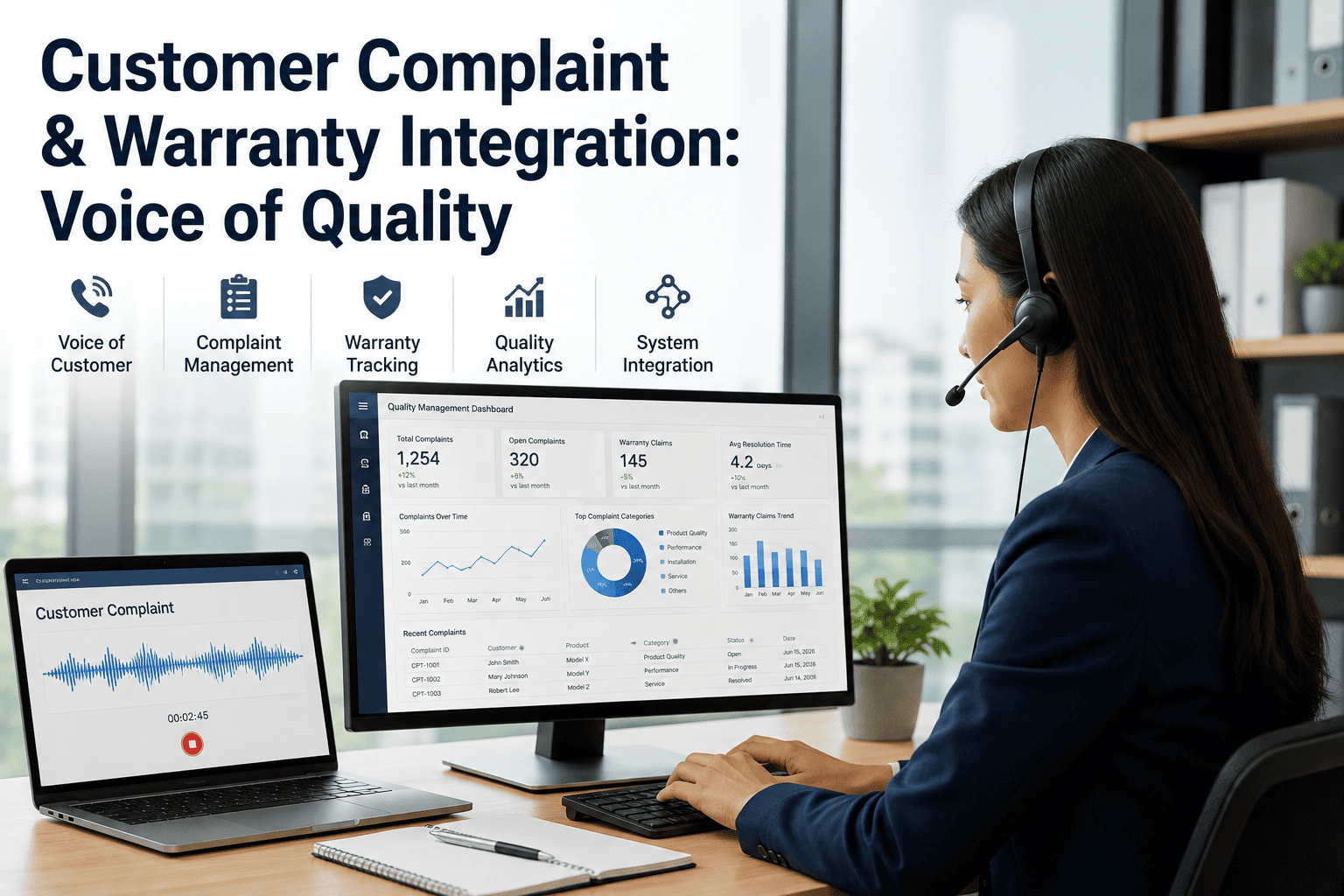
Fewer quality issues in the field protect brand reputation and repeat purchase behavior, a harder value to quantify precisely but real enough that most ROI models include a conservative estimate.
Where a Defect Is Caught and What It Costs
The same defect costs dramatically different amounts depending on where in the process it gets caught, which is the core economic argument behind assembly verification.
What Changes Once the Business Case Is Approved
Figures reflect typical outcomes within the first year after deploying AI assembly verification with a properly quantified ROI baseline.
A Plant Controller's View on Verification ROI
Our first budget request for assembly verification got sent back because it leaned entirely on "improved quality" without a single hard number attached to it. Once we rebuilt the case using our actual rework labor rate and the warranty claim history for the specific defect types the system would catch, the payback period became concrete enough that approval took a fraction of the time our first attempt did.
The Bottom Line on Assembly Verification ROI
The quality argument for AI assembly verification is rarely the hard part — it's translating that argument into rework, warranty, and satisfaction dollars a finance team can actually evaluate against other capital priorities. Building the case from real defect rates, real rework labor costs, and real warranty claim history turns "this should reduce defects" into a specific payback period, which is what actually moves a request through budget approval.
Frequently Asked Questions
What data do I actually need to build a credible ROI case?
At minimum, current defect rate by type, average rework labor and material cost per defect, and warranty claim history for defect types the verification system would catch, since these three inputs form the core of a defensible business case rather than relying on an industry-average estimate. Book a review to see what your existing data already supports.
How is customer satisfaction value actually quantified if it's inherently harder to measure?
Most ROI models use a conservative proxy, such as the cost of a lost repeat customer or a documented brand reputation impact from a recurring defect type, rather than attempting a precise dollar figure — the goal is a defensible, cautious estimate rather than an inflated number that undermines credibility of the broader case.
Does the ROI calculation change significantly based on which specific defects the system targets?
Yes — a defect type with a high warranty claim rate and severe cost multiplier, such as a safety-related fastening issue, produces a very different ROI case than a cosmetic defect with low downstream cost, which is why the business case should be built around the specific defect types the verification system will actually catch on your line.
How long does it typically take to gather enough baseline data before submitting a business case?
Most plants already have rework and warranty data available in existing systems, so the main effort is usually consolidating and correlating it to specific defect types and detection points rather than collecting new data from scratch, which typically takes a few weeks rather than months.
Can the ROI case be updated after deployment to show actual realized savings?
Yes — tracking actual post-deployment defect reduction, rework savings, and warranty claim trends against the original projected case is exactly what builds internal credibility for future capital requests, turning a one-time approval argument into an ongoing track record. Talk to a specialist about setting up that tracking alongside your deployment.
Turn Your Quality Case Into a Financial One
Book a 30-minute assessment. iFactory helps build a defensible ROI case for AI assembly verification using your own plant's data.