Automotive paint shops lose money in a place nobody puts on a scoreboard: the rework bay. A single body shell that fails final inspection can cost a plant $150-$400 in labor, materials and cycle-time delay to fix, and most plants push 8-15% of total volume through that bay every week without ever isolating why. The root problem is rarely the paint itself. It is that human visual inspection catches maybe 70-80% of surface defects under booth lighting, waves the rest through to the next station, and gives no data on which defect type, which gun, or which shift is driving the cost. Book a demo to see how AI inspection isolates your top rework driver in the first week.
Paint Shop Rework Reduction
Every Rework Job Has a Root Cause. Most Plants Never Find It.
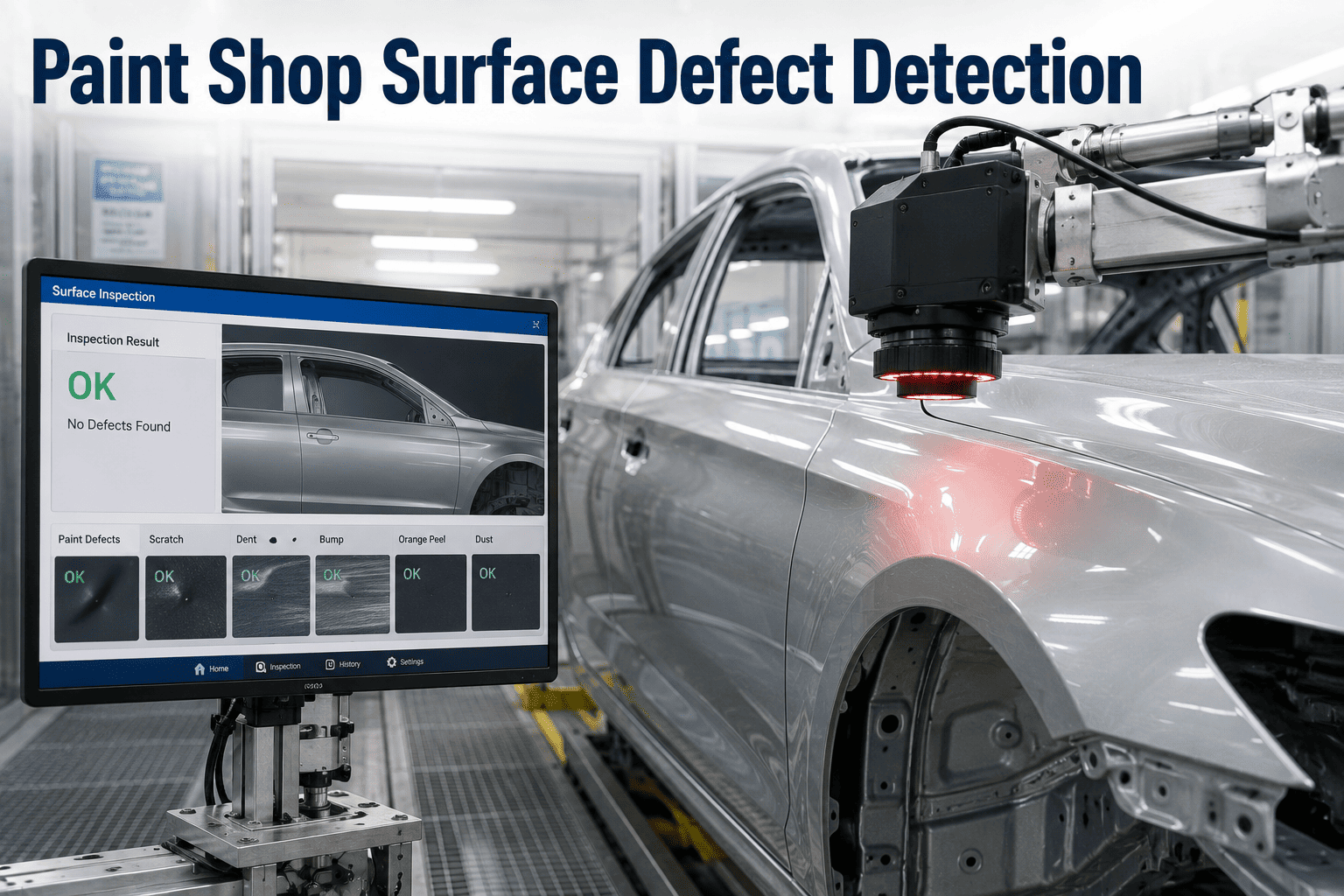
iFactory's AI vision inspection classifies every paint defect by type, location and severity at the point it happens, turning a guessing game in the rework bay into a targeted, measurable reduction program.
40-60%
Rework volume reduction
99%+
Defect detection accuracy
3-4 wks
To first measurable drop
Where Rework Cost Actually Leaks Out of a Paint Shop
Rework cost is not one number, it is a leak with three separate valves: defects that reach the customer because inspection missed them, good panels that get pulled and reworked unnecessarily because inspection over-flagged them, and repeat defects that keep recurring because nobody traced them back to a gun, a booth zone or a shift pattern. Ask support how the leak breakdown is calculated for your line.
01
Defect Escapes
Missed defects that pass visual inspection and surface later at final audit, dealer prep or in customer complaints, each one far more expensive to fix downstream than at the booth.
02
Unnecessary Pulls
Inconsistent judgment calls between inspectors and shifts send acceptable panels into rework, adding labor and cycle time to bodies that never needed it.
03
Repeat Defects
Without defect-type and location data tied back to equipment, the same fisheye, crater or dirt-nib pattern recurs week after week with no corrective action ever taking hold.
How AI Inspection Replaces the Guesswork With Targeted Rework
iFactory's vision system inspects every panel at multiple stages, classifying defects by type, size and exact location on the body, then routing that data into a live dashboard that shows exactly where rework volume is concentrated. Instead of reworking broadly whenever something looks off, teams rework precisely what needs it. Book a demo to see defect classification running on your own booth footage.
Defect Classification
Every Defect Typed, Sized and Located Automatically
Fisheyes, craters, dirt nibs, orange peel, sags and color mismatch are each classified separately, with exact panel location logged so the same defect type can be traced back to a specific gun, booth zone or shift within minutes rather than days of manual review.
Consistency
The same acceptance threshold applies to every panel, every shift, removing the inspector-to-inspector variability that drives unnecessary pulls.
Escape Prevention
Defects below the threshold of easy human visibility under booth lighting are still caught, cutting the defects that previously escaped to final audit or the customer.
Root Cause Trends
Weekly trend reports surface which defect type is rising, which booth or gun is the common thread, and which shift needs a process check.
Rework Routing
Panels Routed to the Right Fix, Not a Blanket Rework Pass
Instead of a full rework pass on any flagged body, the system tells the rework team exactly which panel and defect type needs attention, cutting labor time per rework job and freeing capacity for the jobs that genuinely need it.
Manual Visual Inspection vs. AI-Targeted Rework
The difference between the two approaches is not just accuracy, it is what happens after a defect is found. Compare your current inspection method against AI-targeted rework directly.
| Factor | Manual Visual Inspection | iFactory AI Inspection |
|---|
| Detection Rate | 70-80% of surface defects caught under booth lighting, varies by inspector fatigue. | 99%+ detection across defect types, consistent every panel and every shift. |
| Rework Scope | Broad rework passes when uncertain, often reworking acceptable panels. | Targeted rework on the exact defect and location, cutting unnecessary labor. |
| Root Cause Data | Rarely tracked; recurring defects go unaddressed for weeks or months. | Every defect logged by type, location, gun and shift for trend analysis. |
| Escape Rate | Missed defects surface at final audit or with the customer, most costly point. | Escapes cut sharply since sub-visual defects are still detected at the booth. |
| Rework Cost Trend | Flat or rising as defect causes remain unaddressed indefinitely. | 40-60% reduction in rework volume as root causes are corrected. |
See Your Own Rework Data Broken Down by Root Cause
iFactory runs against your existing booth cameras and paint process data to show exactly where rework cost is concentrated before you commit to a full rollout.
Rolling Out Targeted Rework Reduction, Stage by Stage
Deployment is built to prove value on one line before expanding, so the rework reduction case is built on your own data rather than an industry average.
1
Baseline Capture
Two to three weeks of existing rework and defect data are captured to establish the true current-state cost and defect mix before any change is made.
2
Camera Calibration
Existing or added booth cameras are calibrated against known defect samples so classification accuracy is validated before going live on production panels.
3
Live Classification
Every panel is inspected and classified in real time, with results routed to the rework dashboard alongside the existing manual process for validation.
4
Root Cause Reporting
Weekly trend reports identify the top three defect drivers by gun, booth zone and shift, giving process engineers a prioritized correction list.
5
Full Line Rollout
Once the pilot line shows a measurable rework drop, the same calibration and classification model extends across remaining paint lines and booths.
Results Plants Are Seeing From Targeted Rework Reduction
The following outcomes reflect plants currently running iFactory paint defect detection across body-in-white and final paint inspection stages.
Body Panel Manufacturer
Rework Volume Cut 52% in Four Months
A tier-one supplier running three paint lines was reworking roughly 12% of total volume with no reliable data on why. After deploying AI classification, the top defect driver was traced to a single booth's filtration system. Correcting it dropped that defect type by 70% within three weeks, and overall rework volume fell 52% within four months.
52%
Rework volume reduction
70%
Drop in top defect type after fix
4 mo
Time to measurable result
OEM Assembly Plant
Defect Escapes to Final Audit Reduced 65%
Final audit was catching defects that should have been flagged at the paint booth, driving late-stage rework at a much higher cost per unit. AI inspection at the booth caught sub-visual defects that manual inspection missed, cutting escapes to final audit by 65% and reducing average rework cost per unit by roughly a third.
65%
Fewer escapes to final audit
33%
Lower average rework cost per unit
99.2%
Booth detection accuracy achieved
What Paint Shop Leaders Say
Comments below are from quality and process leaders currently running iFactory paint defect detection.
We used to argue about which shift caused what. Now the data just tells us. Fixing one filtration issue took our worst defect type down by two-thirds.
Paint Shop Manager
Tier-One Supplier, Ohio
Our rework bay was a black box. Now we know exactly which panels need which fix, and our rework labor hours dropped without adding headcount.
Quality Manager
OEM Assembly Plant, Ontario
Frequently Asked Questions
Does AI inspection replace our paint booth inspectors entirely?
No, most plants keep inspectors in place for final judgment calls and edge cases while the AI system handles consistent, repeatable classification at every panel. The practical shift is that inspectors spend less time on routine flagging and more time on the borderline cases the system surfaces, and rework teams get precise routing instead of broad instructions to check an entire body shell.
How long before we see a measurable drop in rework volume?
Most plants see the first meaningful trend data within three to four weeks of go-live, once enough panels have been classified to identify a clear top defect driver. A measurable reduction in overall rework volume typically follows within two to four months once the corrective action tied to that driver has been implemented on the floor.
Can the system work with our existing booth cameras and lighting?
In most cases yes, existing camera positions and booth lighting are evaluated during calibration and used as-is wherever they provide sufficient coverage and resolution. Where a gap exists, additional cameras are added only at the specific stations needed rather than replacing the full booth setup.
Talk to support about your current camera layout.
What types of paint defects can the system reliably classify?
The system classifies the defect types that drive most rework cost in automotive paint shops, including fisheyes, craters, dirt nibs, orange peel, sags, runs and color or gloss mismatch, each logged with size and exact panel location. Classification models are calibrated against your own historical defect samples during setup so accuracy reflects your specific paint process and substrate.
How is the rework reduction case built before we commit to a full rollout?
A pilot typically runs on one line or booth for several weeks, comparing AI classification results against your existing rework and defect records to quantify current-state cost and identify the top root causes. That pilot data becomes the basis for the rollout business case rather than relying on industry averages.
Book a demo to see a pilot scoped for your plant.
Stop Guessing Which Defect Is Driving Your Rework Cost
iFactory classifies every paint defect by type, size and location, turning a broad, expensive rework process into a targeted, measurable reduction program.
40-60% reduction in rework volume
99%+ defect detection accuracy
Root cause data by gun, booth and shift
Measurable results within 3-4 weeks