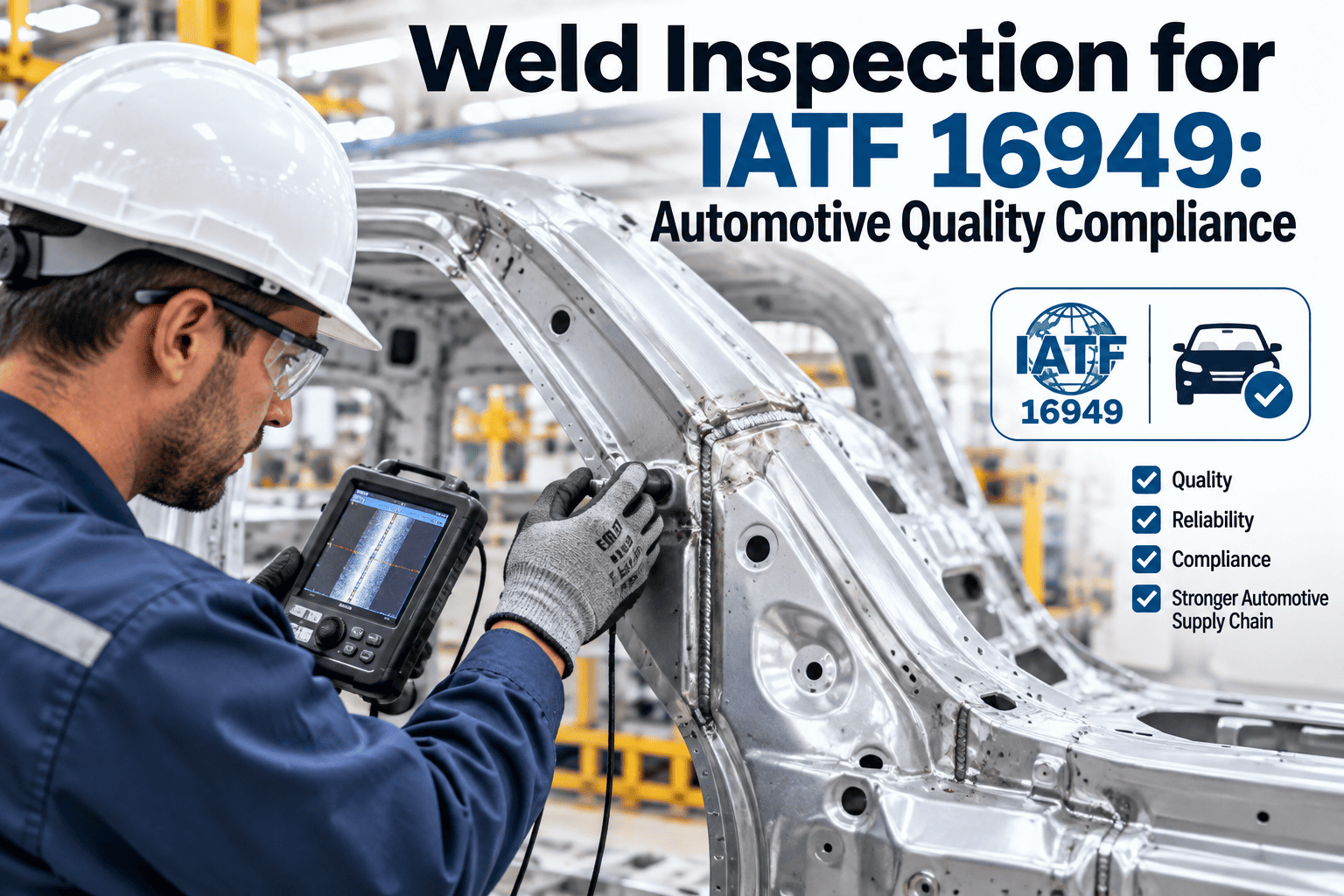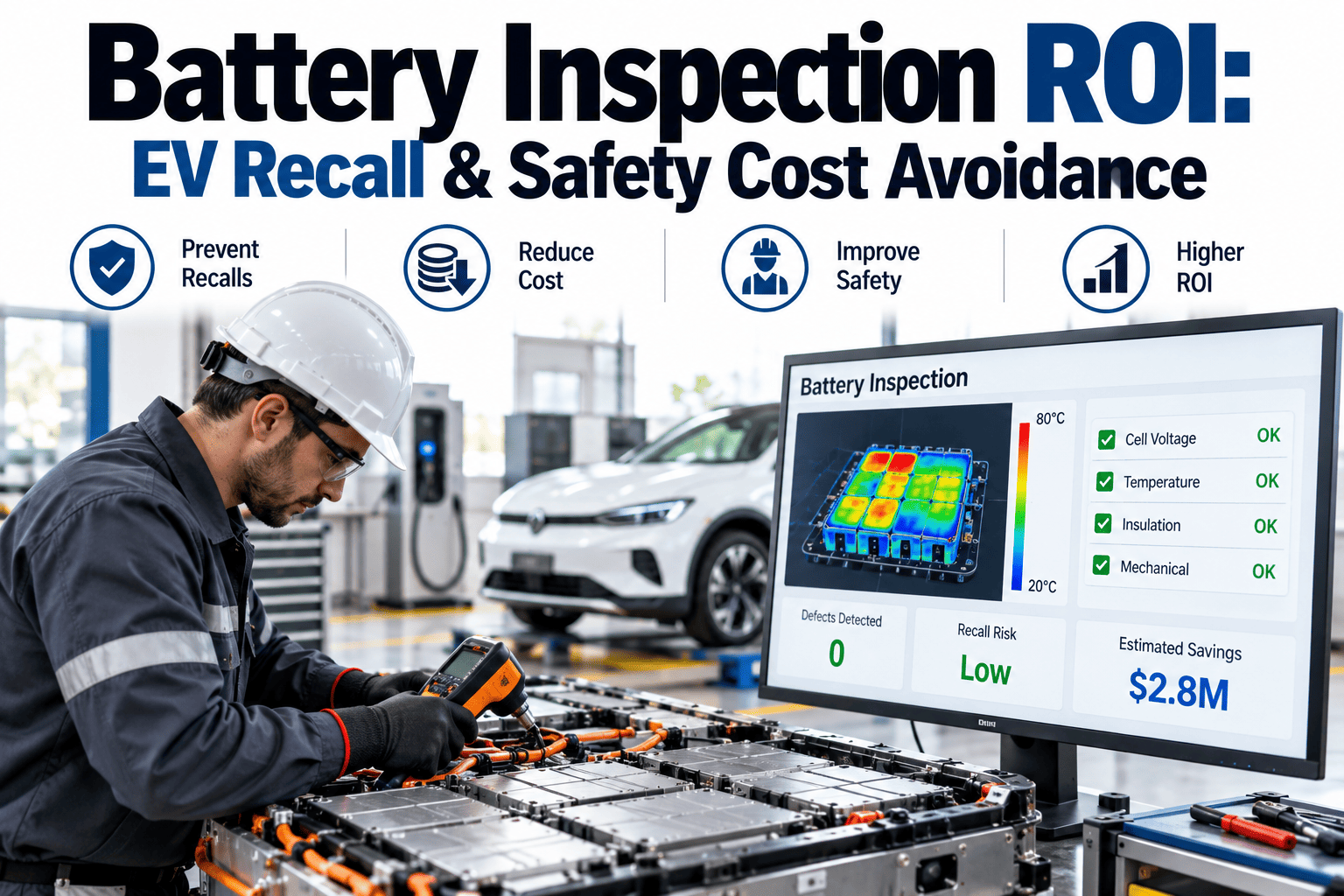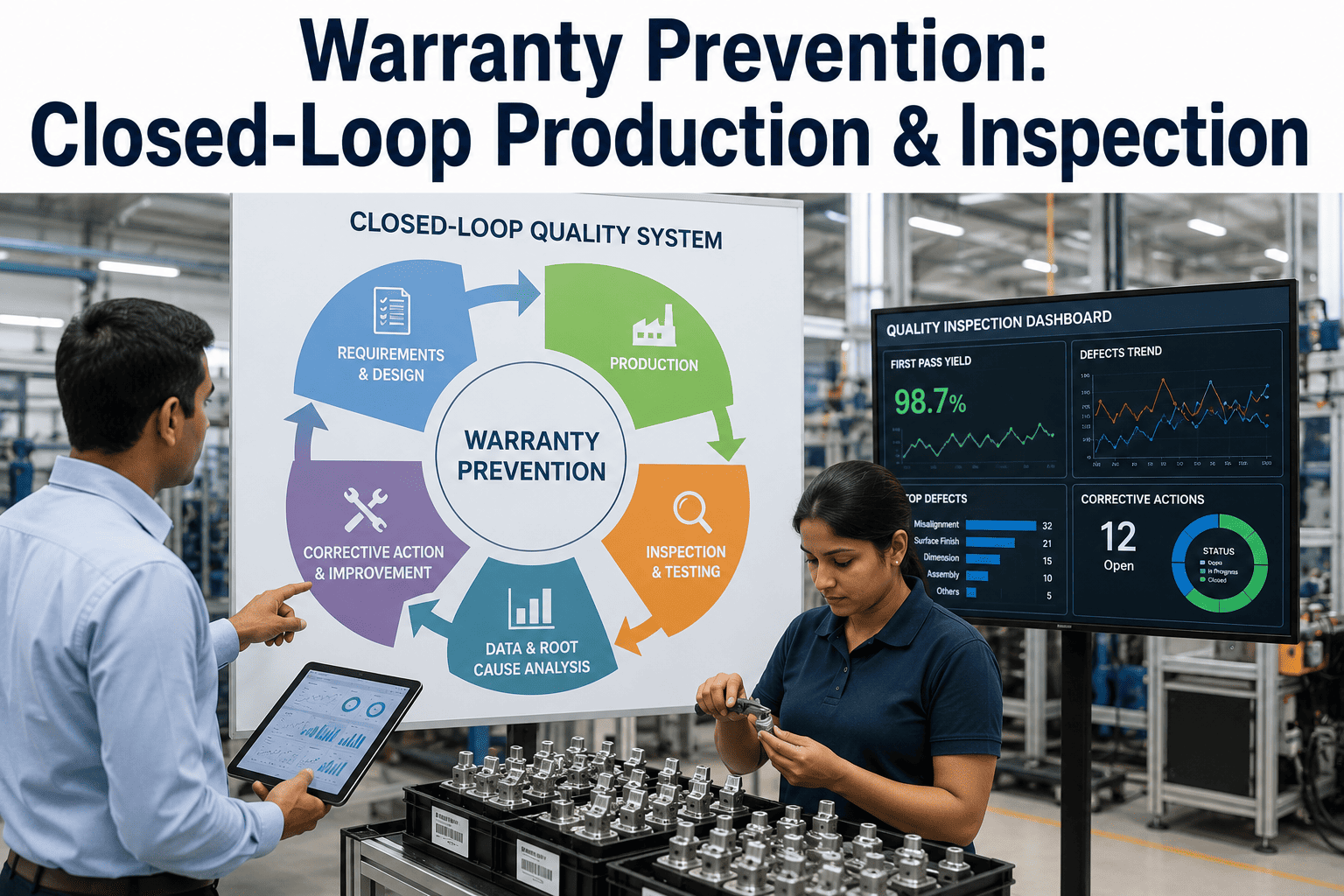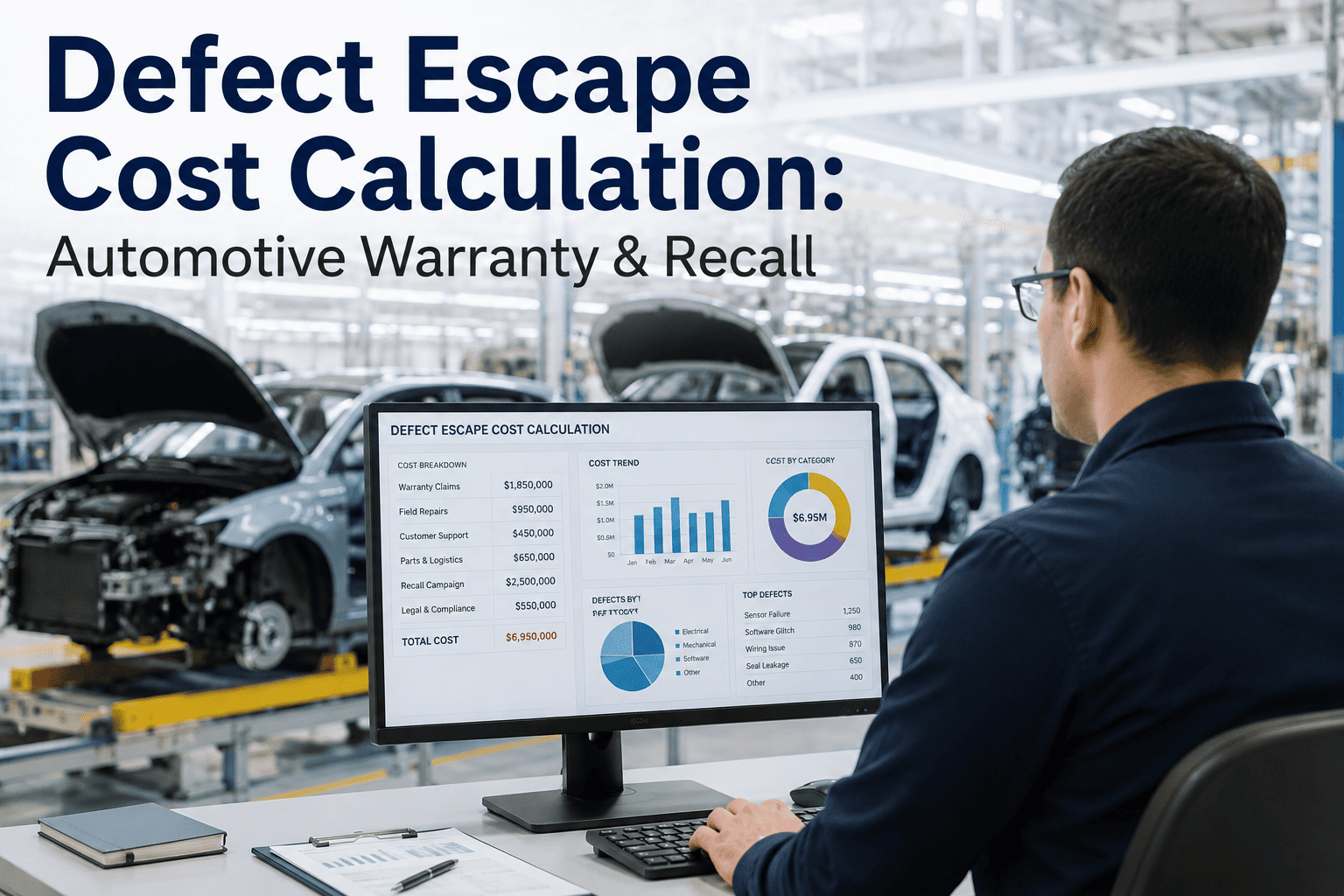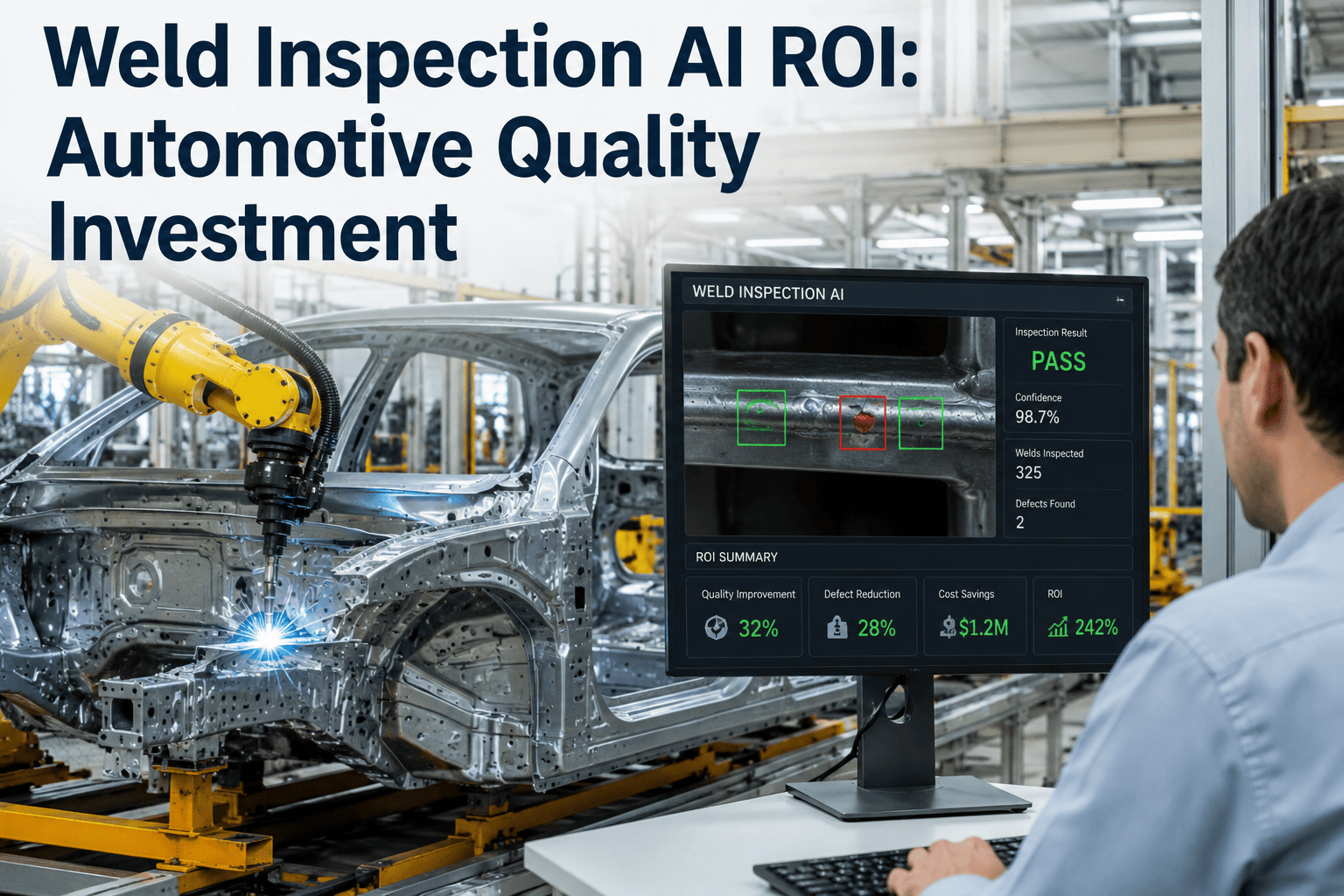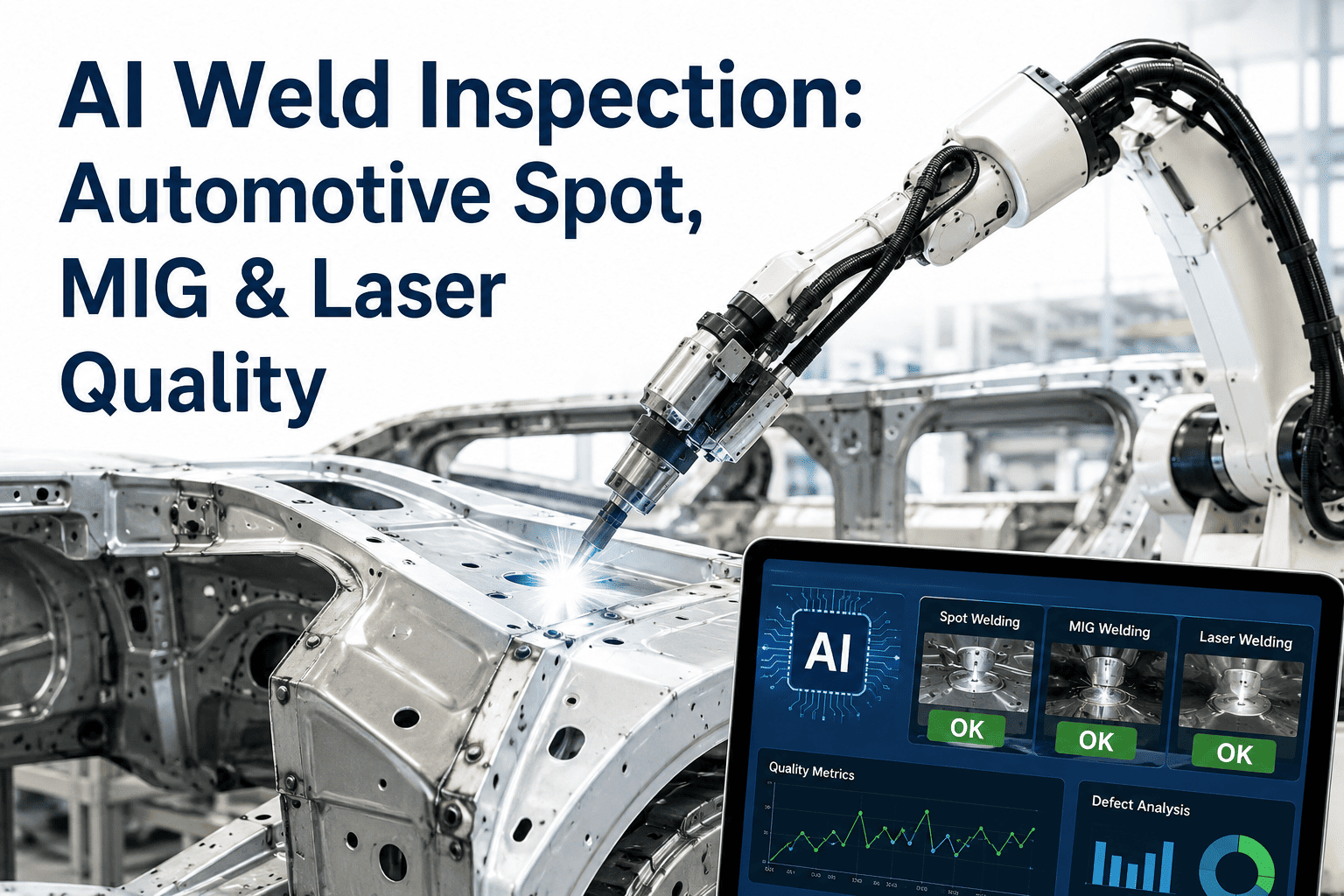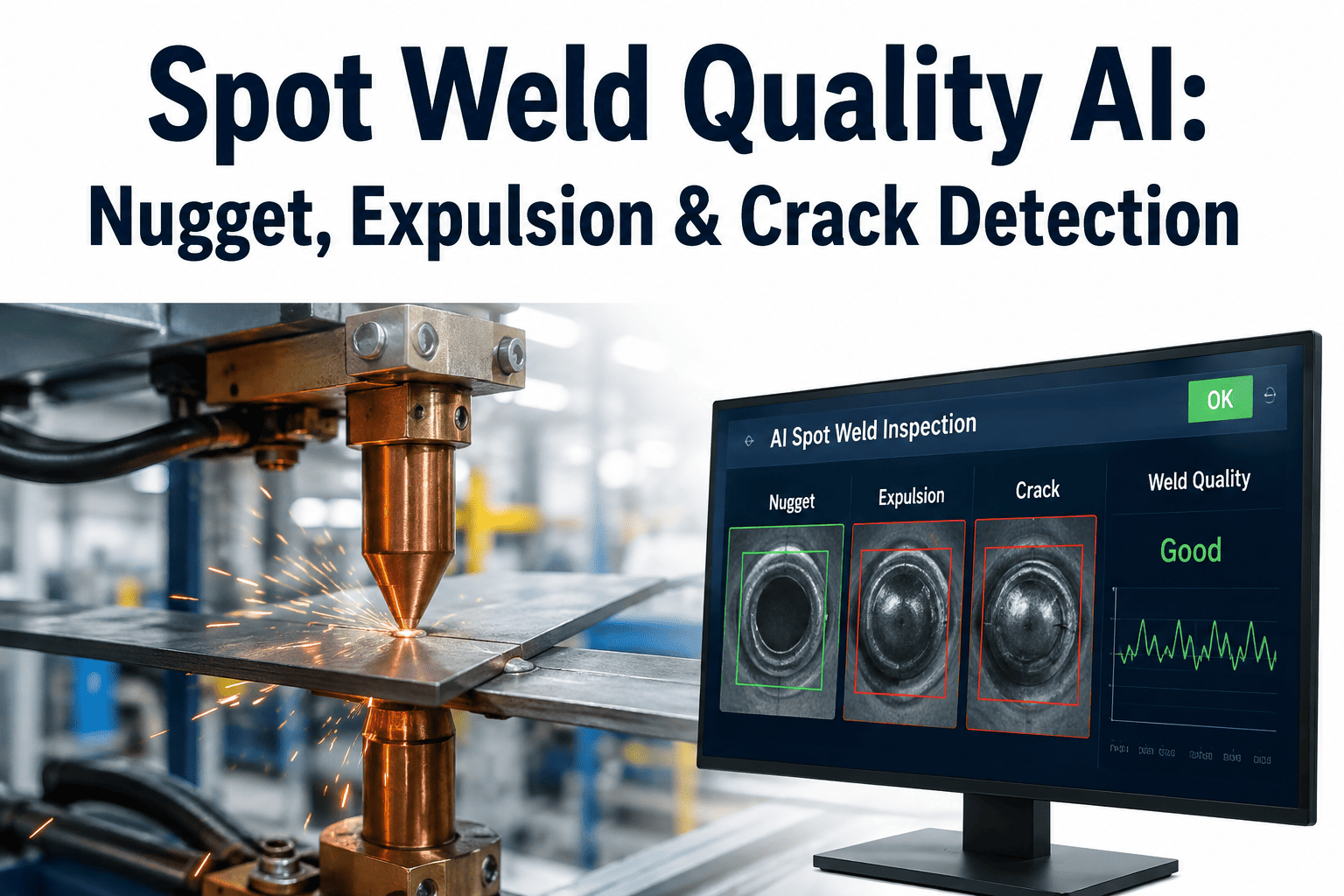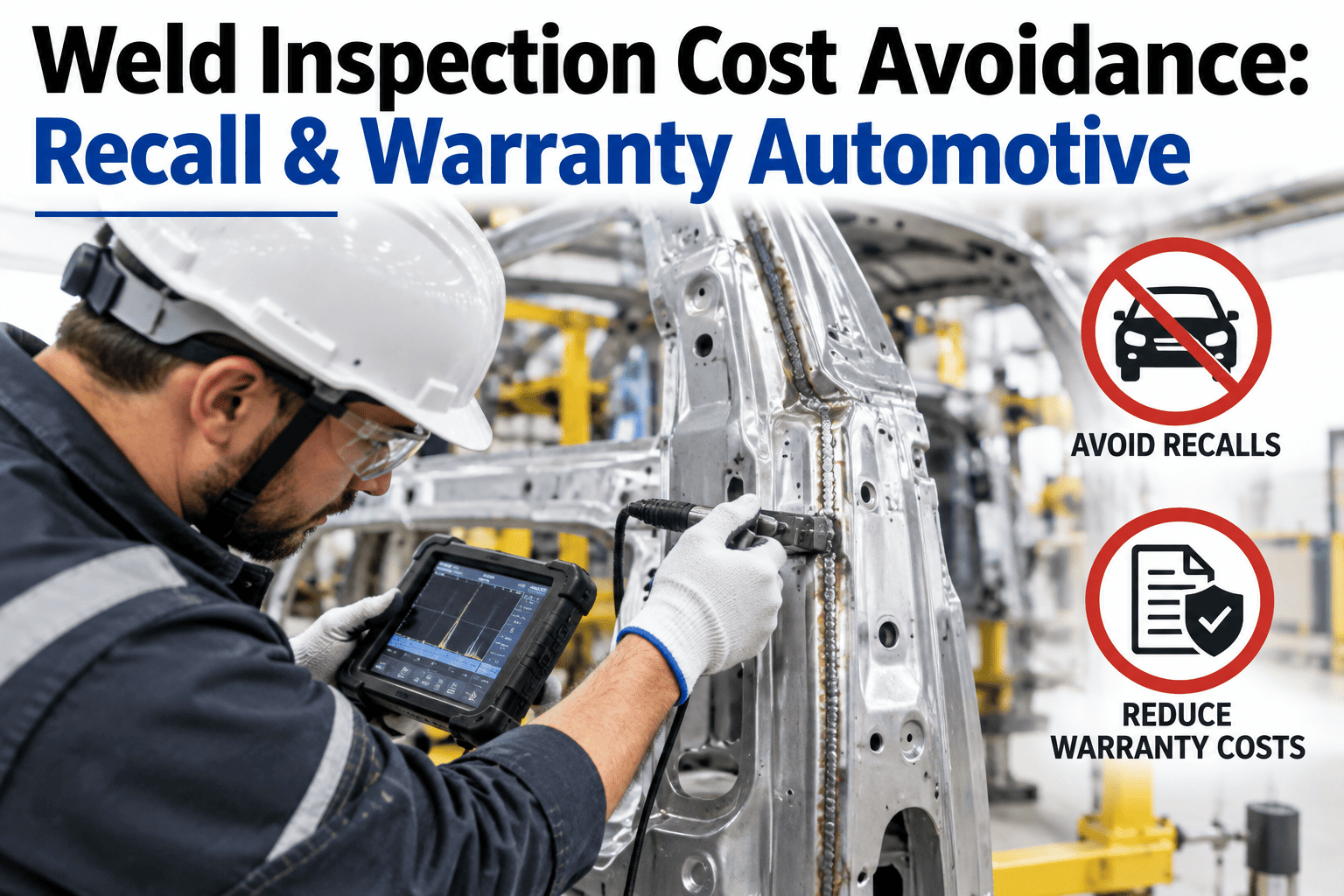
A single incorrect weld can turn into a recall line item that a finance team never forgot to budget for, because it never saw it coming. In late 2025 the NHTSA logged recalls where an incorrect weld could cause a seat to fail its federal restraint standard — the exact category of structural defect that a weld exists to prevent. The uncomfortable truth underneath those filings is that the average car carries roughly 5,000 spot welds, and in a conventional plant only a small fraction are ever physically tested, with the rest trusted to process monitoring and periodic tear-downs. When a weld defect escapes that thin net, the cost doesn't stay small — it compounds through warranty, then recall, then brand damage. iFactory AI closes that inspection gap so the defect is caught at the station instead of in a recall notice, and you can see the numbers against your own line.
The Cheapest Weld Defect Is the One You Catch at the Station
Every weld defect that escapes inspection gets more expensive the further it travels — from a station rework to a warranty claim to a full recall. iFactory AI inspects welds inline so the cost stops at the point of production instead of arriving as a headline.
Why a Weld Defect Never Costs What It Should
Quality engineers have a name for the pattern that makes weld defects so dangerous financially: cost escalates by roughly an order of magnitude at each stage a defect survives undetected. A flaw that costs a few dollars to fix at the welding station costs multiples of that at final assembly, and multiples again once the vehicle is in a customer's driveway.
Welds are the worst possible place for this pattern to play out, because a weld defect is structural. It doesn't announce itself with a visible blemish the way a paint run does. A cold weld or an undersized nugget can look perfectly acceptable on the surface and still fail under load years later, which is exactly the kind of latent defect that surfaces as a warranty claim or a safety recall rather than a line reject.
The entire economic argument for better weld inspection lives in the distance between the first rung and the last. Catching the defect on rung one is almost free. Discovering it on rung four is the kind of expense that shows up as a special item in a quarterly earnings report.
What makes the escalation so punishing for welds specifically is that the joint is invisible once the body is assembled. A paint defect stays on the surface where a later inspection can still find it. A buried structural weld disappears under trim, sealer, and adjacent panels the moment the body moves on, so the practical window to catch it cheaply is measured in seconds at the cell — not hours later.
The Coverage Problem Hiding in Plain Sight
Here is the part that surprises people outside the plant. Robotized cells weld thousands of joints per body with impressive consistency, yet the verification of those welds has stayed stubbornly manual and stubbornly partial.
Add these up and a picture emerges: most welds on most bodies are never directly inspected. Quality is inferred from a small tested sample and from process data that reflects the machine's settings rather than the joint's actual strength. That inference works until it doesn't — and when it doesn't, the failure is discovered downstream at the most expensive rung on the ladder.
None of this is a criticism of the technicians doing the testing. Manual ultrasonic inspection is genuinely difficult, operator-dependent work performed on irregular surfaces under time pressure, and even a skilled inspector can only cover so many joints per shift. The limitation is structural, not personal — there simply aren't enough inspection-seconds in a shift to touch every weld on every body by hand.
Find out how many of your welds are actually verified today
iFactory AI can benchmark your current weld coverage and show where escaped defects are most likely hiding, before you commit to anything.
Recalls and Warranty Costs Are Not Abstract Anymore
It would be easy to treat recall risk as a tail event that happens to other manufacturers. The 2025 numbers make that comfortable distance hard to maintain.
Not every dollar in those figures is a weld defect, of course. But structural joint failures sit squarely in the most expensive recall category — the physical, dealer-visit, safety-related kind that can't be patched with an over-the-air update. And the regulators are already logging weld-specific campaigns: multiple late-2025 NHTSA recalls named an incorrect weld as the cause of a potential seat-restraint failure. When a weld defect becomes a recall, it becomes one of the costliest kinds there is.
What Cost Avoidance Actually Looks Like
The value of AI weld inspection isn't a productivity number, it's an avoidance number. You don't measure it in welds inspected per hour, you measure it in the failures that never reached a customer. That's a harder figure to feel, so it helps to line up where the savings actually accrue.
The instinct is often to compare the price of an inspection system against the cost of the manual inspection it might reduce. That comparison misses the point entirely. The real return is measured against the tail — the occasional escaped defect that would otherwise have become an expensive field failure — because a single avoided recall campaign can dwarf years of inspection spend. Cost avoidance is insurance math, not labor math.
| Where the Saving Lands | Without Inline AI Inspection | With iFactory AI Weld Inspection |
|---|---|---|
| Coverage | A small sampled fraction of welds verified | Continuous inspection across welds inline, not just a sample |
| Defect Catch Point | Downstream — assembly, warranty, or recall | At the station, on the cheapest rung of the ladder |
| Rework Cost | Grows with each stage the defect survives | Contained to a single joint at the source |
| Warranty Exposure | Latent weld failures surface as field claims | Structural failures caught before shipment |
| Recall Risk | Escaped defect patterns can trigger campaigns | Full inspection record narrows scope and evidence |
| Traceability | Sparse manual logs, hard to trace by VIN | Every inspected weld logged with result and timestamp |
That last row matters more than it looks. When a recall does happen, the size of the campaign — and its cost — depends on how precisely you can identify which vehicles are actually affected. A complete inspection record lets you bound the population instead of recalling everything that might be involved, which turns a potentially massive campaign into a targeted one.
How iFactory AI Inspects Welds Inline
Rather than pulling bodies off the line or trusting a sampled probe, iFactory AI brings inspection to every weld as it's produced, using vision and learned defect signatures trained on your own joints.
Because the model learns from your own weld history, it isn't applying a generic textbook standard — it recognizes the specific ways your line produces good and bad joints, which is what makes inline coverage practical rather than a research exercise.
Delivered Ready to Run, Not as a Project
Weld inspection AI sounds like something that needs a data-science team and a year of integration. iFactory AI delivers it as a turnkey system so your plant gets a working inspection capability, not a parts list.
Scope covers the cabling, network configuration, PLC and SCADA integration, and operator training, so the handoff is a running inspection line rather than a stack of equipment. Trusted by 1000+ clients with 99.9% uptime, the deployment is built to fit around a live plant instead of stopping it.
What Plants Ask Before Investing in Weld Inspection AI
Turn Weld Inspection Into Your Cheapest Insurance Policy
iFactory AI inspects welds inline so structural defects are caught on the cheapest rung of the cost ladder — before they become warranty claims, recalls, or headlines about your brand.