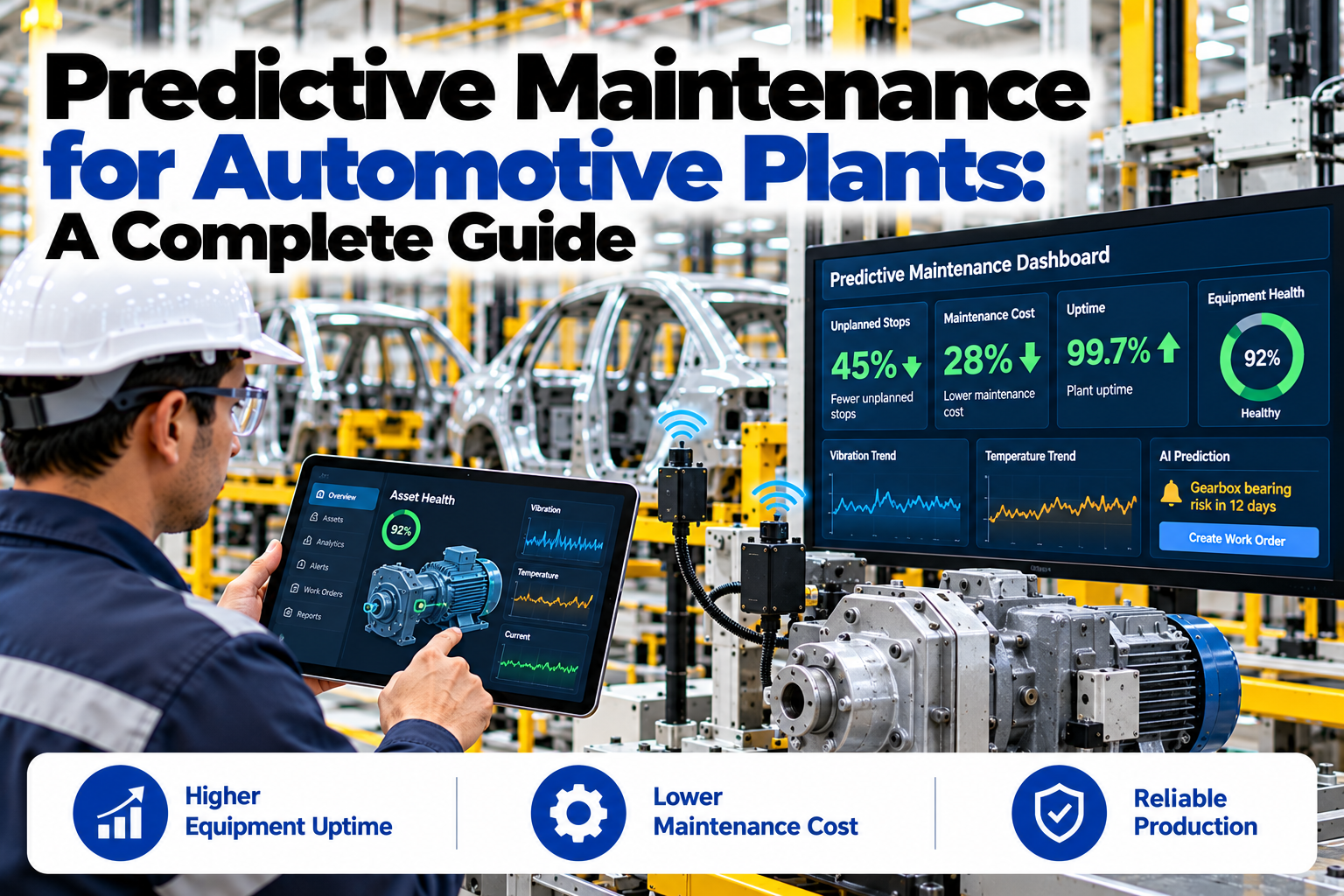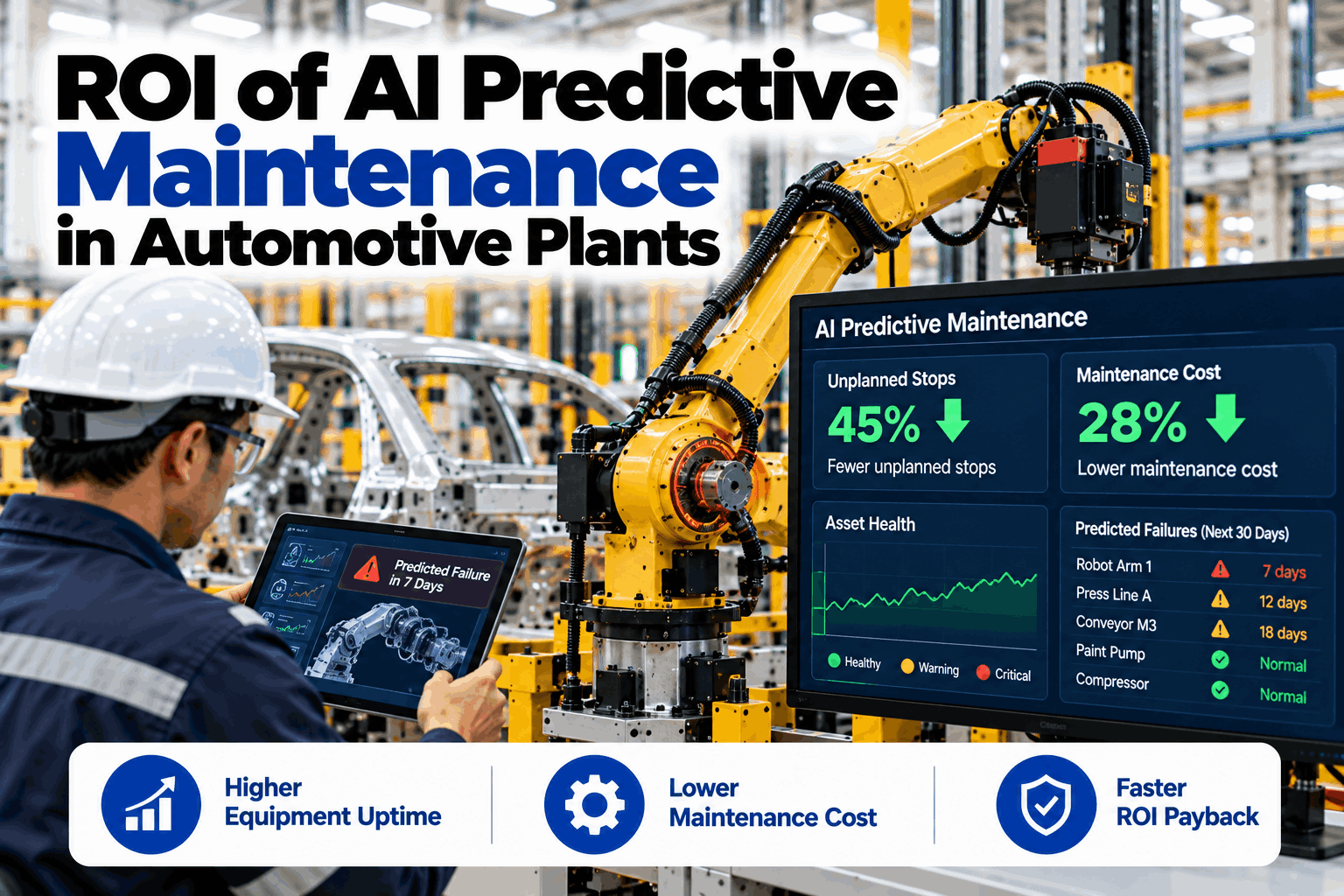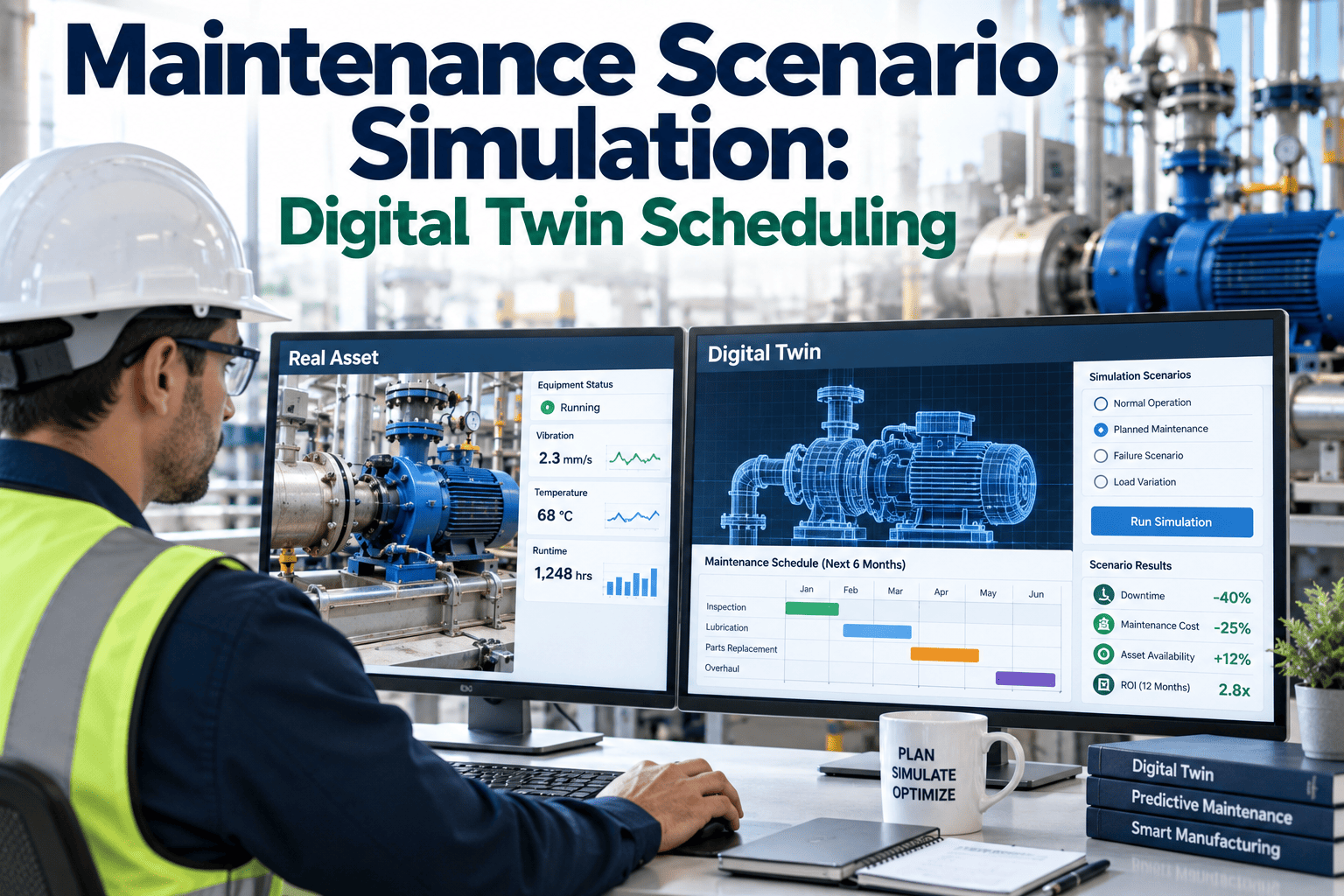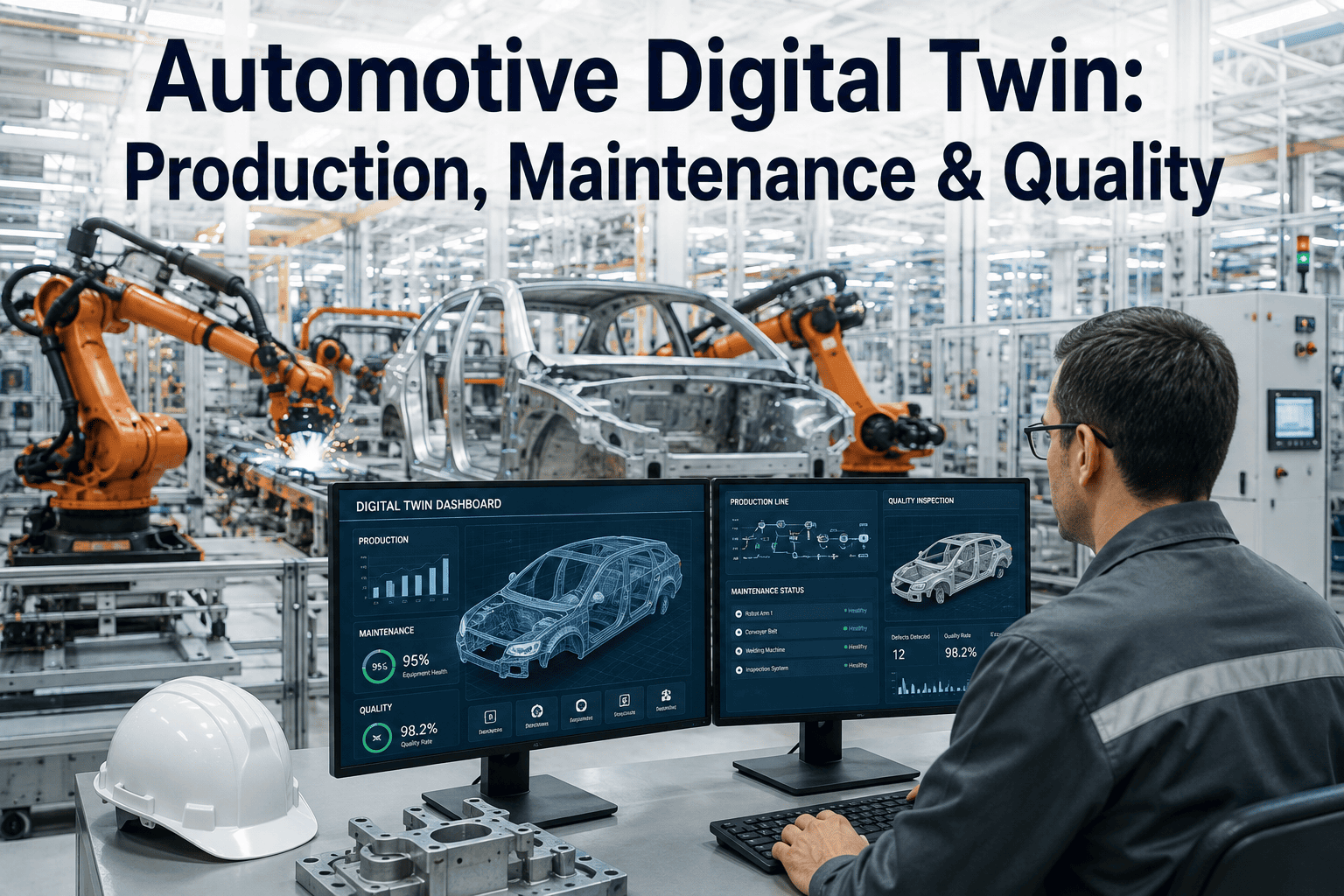
Most automotive plants run maintenance across a patchwork of tools that were never designed to talk to each other: a work order system here, a spare parts spreadsheet there, preventive maintenance schedules tracked separately by each department, and predictive alerts, if they exist at all, living in a completely different platform than the technicians actually responding to them. A plant manager trying to get a single accurate picture of maintenance health across stamping, body shop, paint, and final assembly usually ends up compiling it manually. Plant managers ready to stop compiling that picture by hand typically start with Book a Demo of what a genuinely unified CMMS looks like across a full facility.
One CMMS for Every Work Order, Part, and Prediction in Your Plant
ifactoryApp centralizes work orders, spare parts, PM schedules, and predictive alerts across your entire facility into one platform your maintenance team actually wants to use.
Why Maintenance Data Scattered Across Systems Costs More Than It Looks
Fragmentation in maintenance systems rarely gets budgeted as a real cost, but it shows up everywhere once you look for it. A technician closing a work order in one system has no visibility into whether the part they just used is actually in stock, because inventory lives in a separate spreadsheet updated by a different shift. A plant manager preparing a monthly reliability report spends hours manually reconciling data from three or four disconnected tools instead of pulling a single report. And predictive maintenance alerts, when they exist, often arrive in a platform completely separate from the work order system that is supposed to act on them, meaning someone has to manually copy the alert into a ticket before any work actually gets scheduled.
Each of these gaps individually seems minor. Together, across a full production year, they add up to slower response times, inventory that never quite matches reality, and a maintenance organization that spends more time reconciling systems than actually maintaining equipment. A unified CMMS does not just consolidate software, it removes the manual translation work happening between systems that were never designed to share data in the first place.
What a Unified Maintenance View Actually Shows a Plant Manager
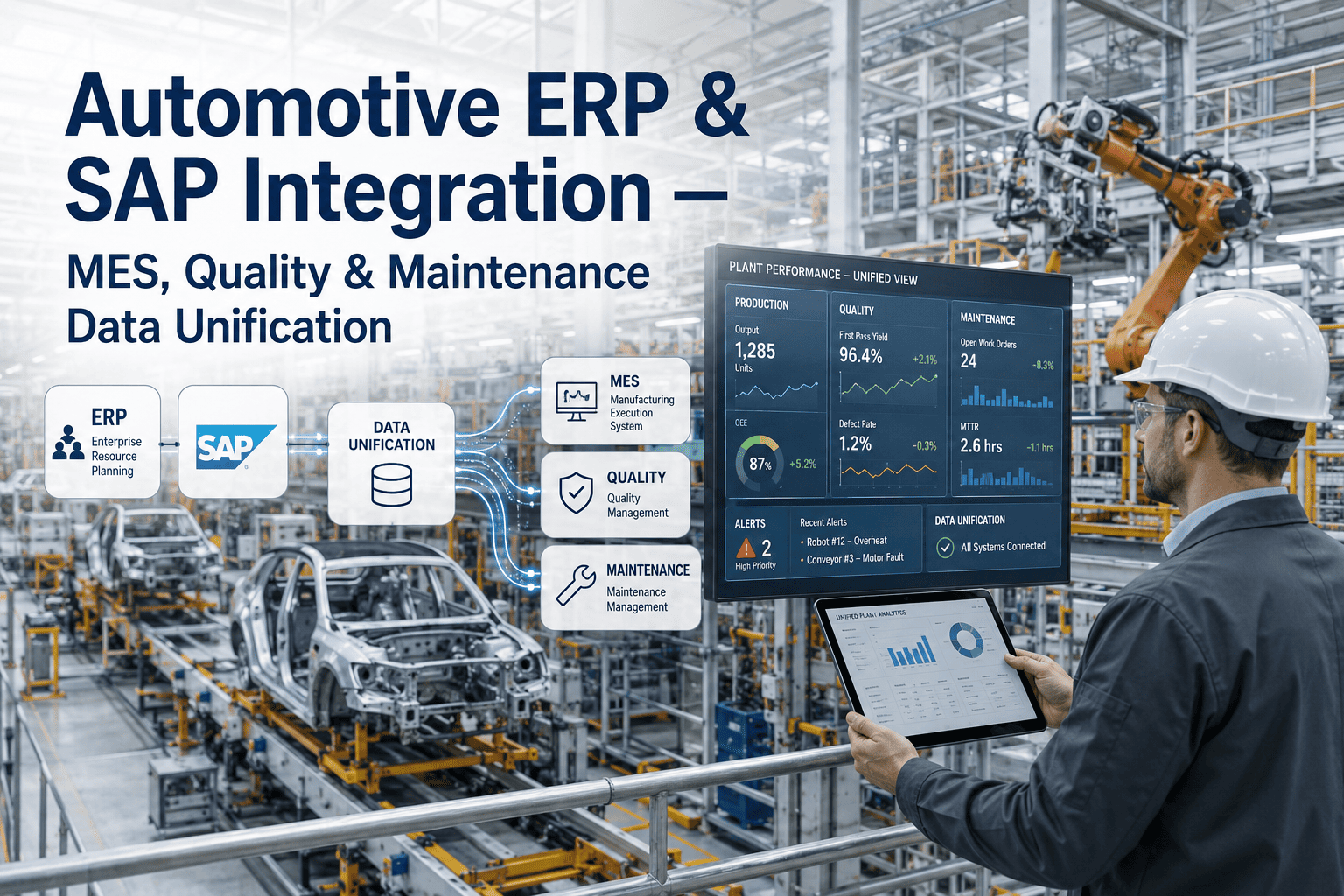
Instead of pulling data from separate systems, ifactoryApp gives plant managers a single live view across every maintenance function running in the facility today.
The Four Functions That Actually Need to Live in One Place
Work Order Management
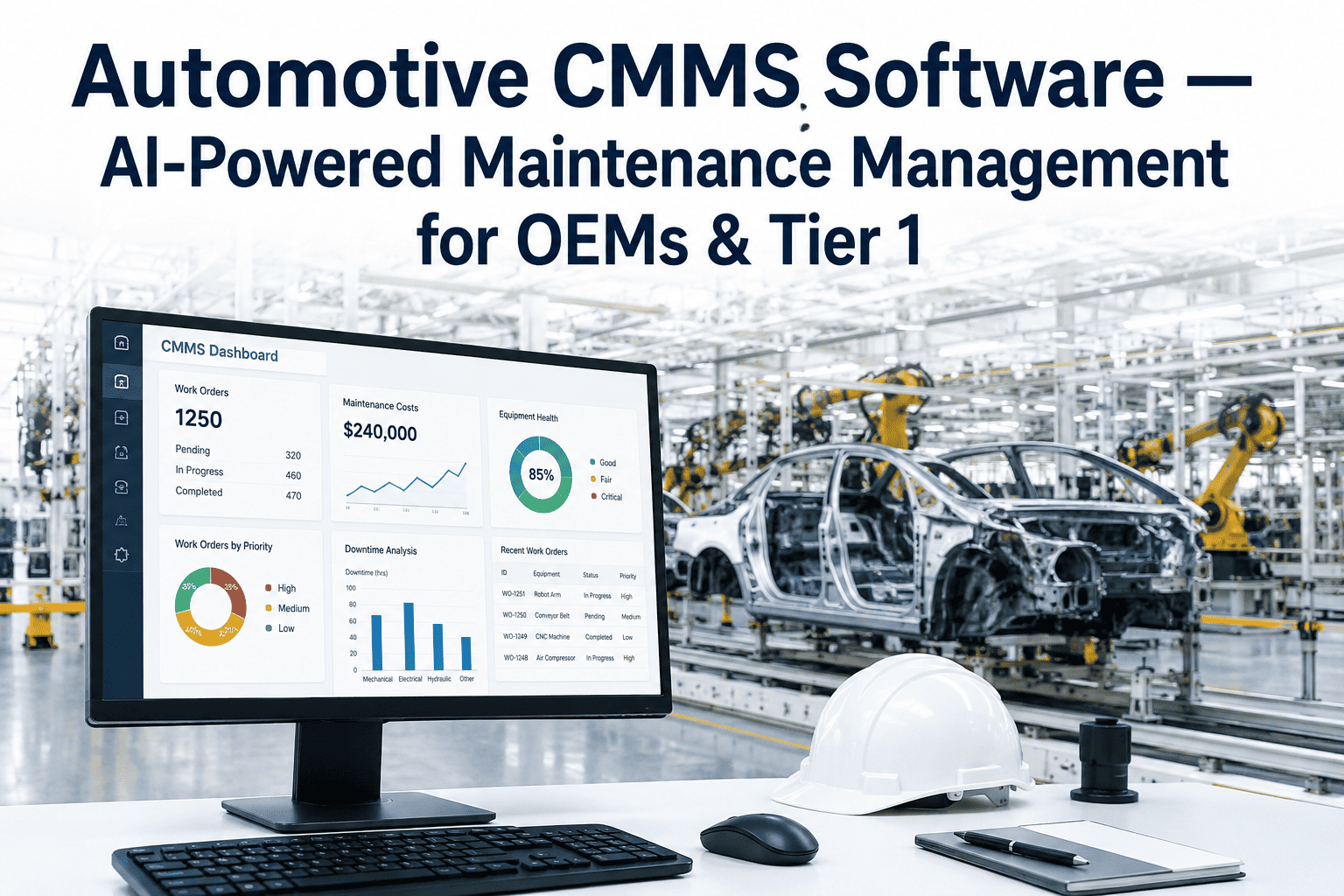
Every work order, whether generated from a technician report, a scheduled PM, or a predictive alert, lives in one queue with full history attached to the asset.
Spare Parts Management
Inventory levels update automatically as parts are consumed on closed work orders, with reorder thresholds tied directly to actual usage patterns rather than static minimums.
Preventive Maintenance Scheduling
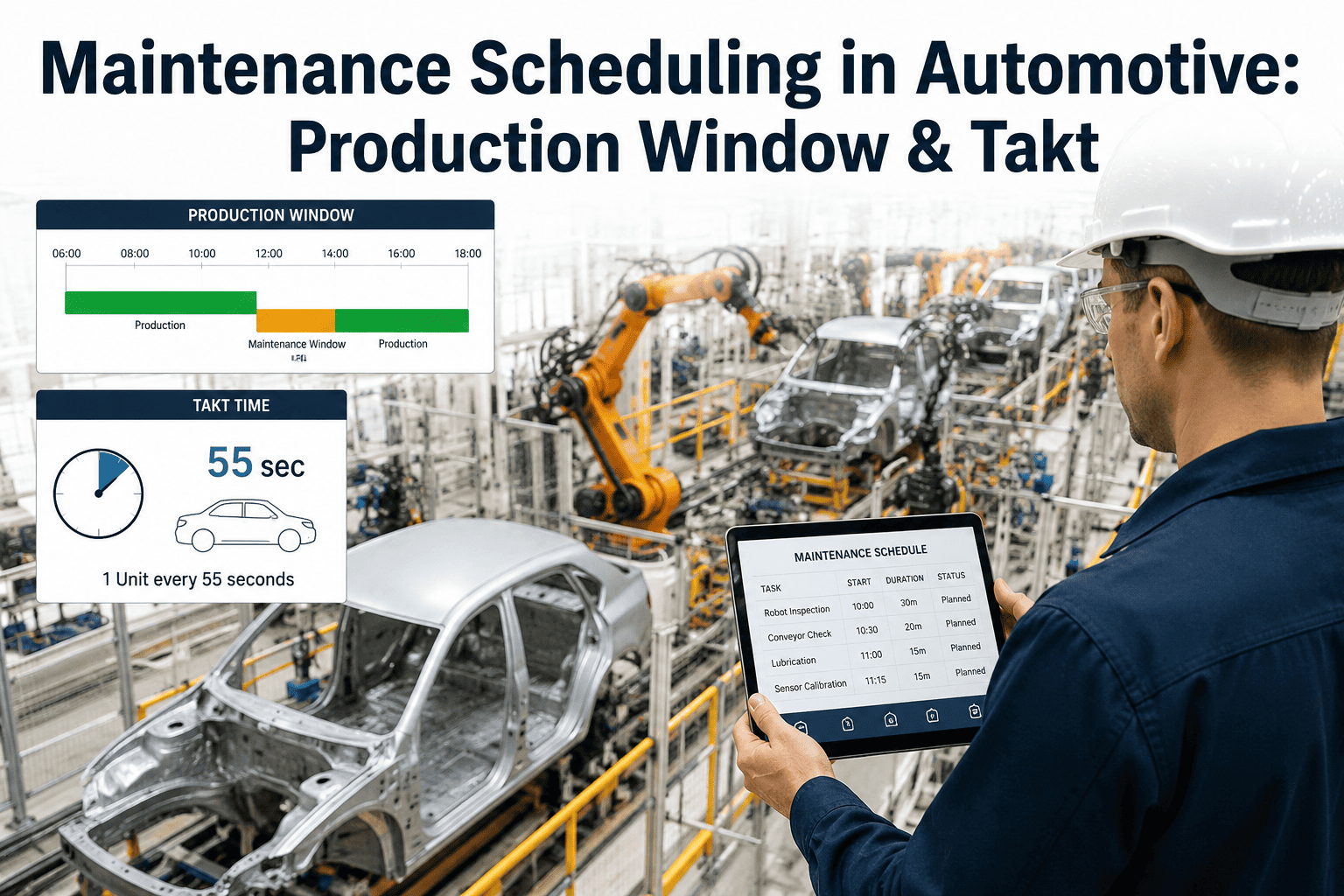
PM schedules across stamping, body shop, paint, and assembly are tracked centrally, with compliance visibility that flags slipping schedules before they become a gap.
Predictive Alert Integration
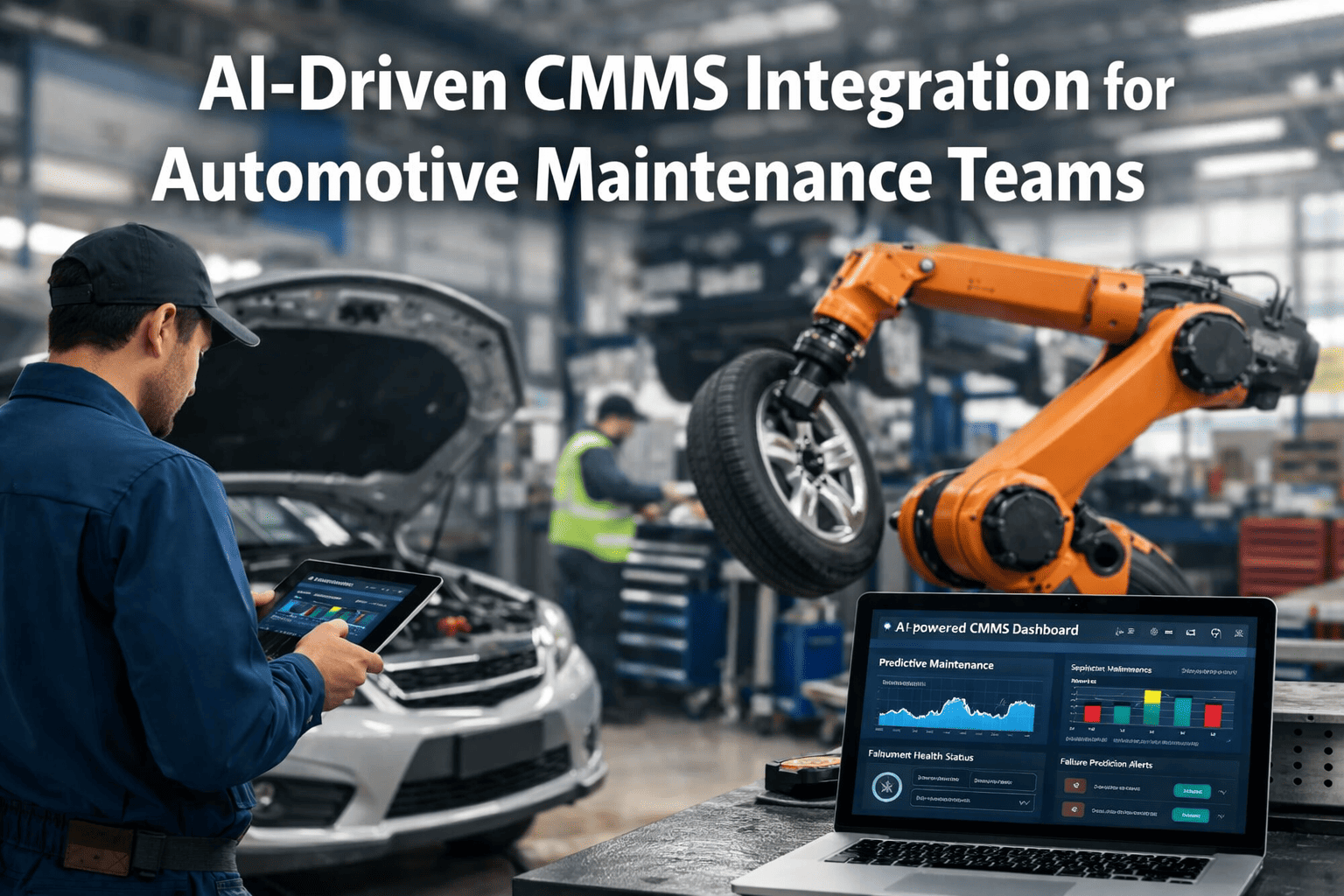
Predictive maintenance alerts convert directly into work orders in the same system, removing the manual handoff between prediction and action entirely.
See Your Plant's Maintenance Data in One View
Bring your current work order, inventory, and PM data. ifactoryApp's team will show what a single unified view looks like across your specific plant.
Fragmented Maintenance Tools vs. a Unified CMMS Platform
| Function | Fragmented Systems | Unified CMMS |
|---|---|---|
| Work order to parts visibility | Manual cross-check required | Real-time, linked automatically |
| Predictive alert to action | Manual ticket creation | Automatic work order conversion |
| Cross-department reporting | Hours of manual reconciliation | Single live report |
| PM compliance visibility | Discovered after a miss | Flagged before it slips |
What Plant Managers Track After Consolidating Onto One System
Hours spent on manual maintenance reporting
Preventive maintenance schedule compliance
Emergency spare parts orders
Average time from alert to work order creation
Automotive CMMS Software — Plant Manager Questions
Can this replace the separate work order and inventory systems we already run?
Yes, that consolidation is the primary value of moving to a unified CMMS. During onboarding, existing work order history, asset records, and inventory data are migrated into the platform so your team is not starting from a blank system, and our support team manages that migration directly.
How does predictive maintenance data actually get into the work order queue?
When a predictive alert crosses a configured confidence threshold, it automatically generates a work order in the same queue technicians already work from, with the relevant asset history and recommended action attached, removing the manual step of someone translating an alert into a ticket.
Will spare parts inventory stay accurate without manual counting?
Inventory updates automatically as parts are consumed against closed work orders, which keeps the count accurate without relying on periodic manual audits. Physical cycle counts are still recommended periodically as a verification step, but the system's running total reflects actual usage in real time rather than a stale spreadsheet.
Can different departments like stamping and paint have their own views within one system?
Yes, department-level views and permissions are standard, so a stamping supervisor sees their relevant work orders and assets while a plant manager retains the full cross-department view needed for facility-wide reporting and prioritization decisions.
How long does a full plant migration to a unified CMMS typically take?
Most single-plant migrations, including historical work order and asset data import, complete within four to six weeks, with a parallel run period where both old and new systems are active before technicians fully transition to the unified platform, minimizing disruption to ongoing maintenance operations.
Stop Reconciling Systems That Were Never Meant to Talk
Talk to ifactoryApp about consolidating work orders, parts, PM schedules, and predictive alerts into one platform built for automotive plant maintenance.