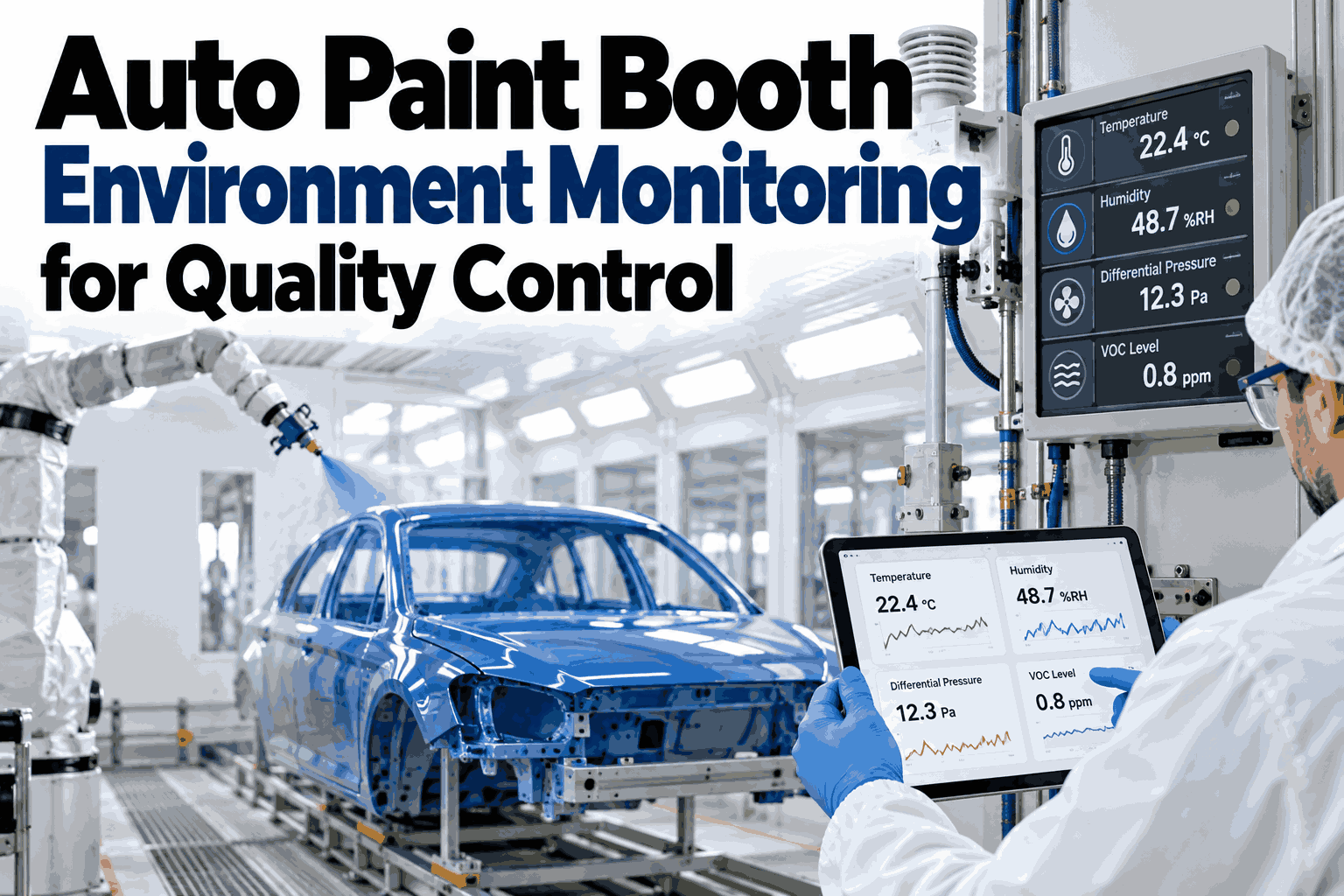
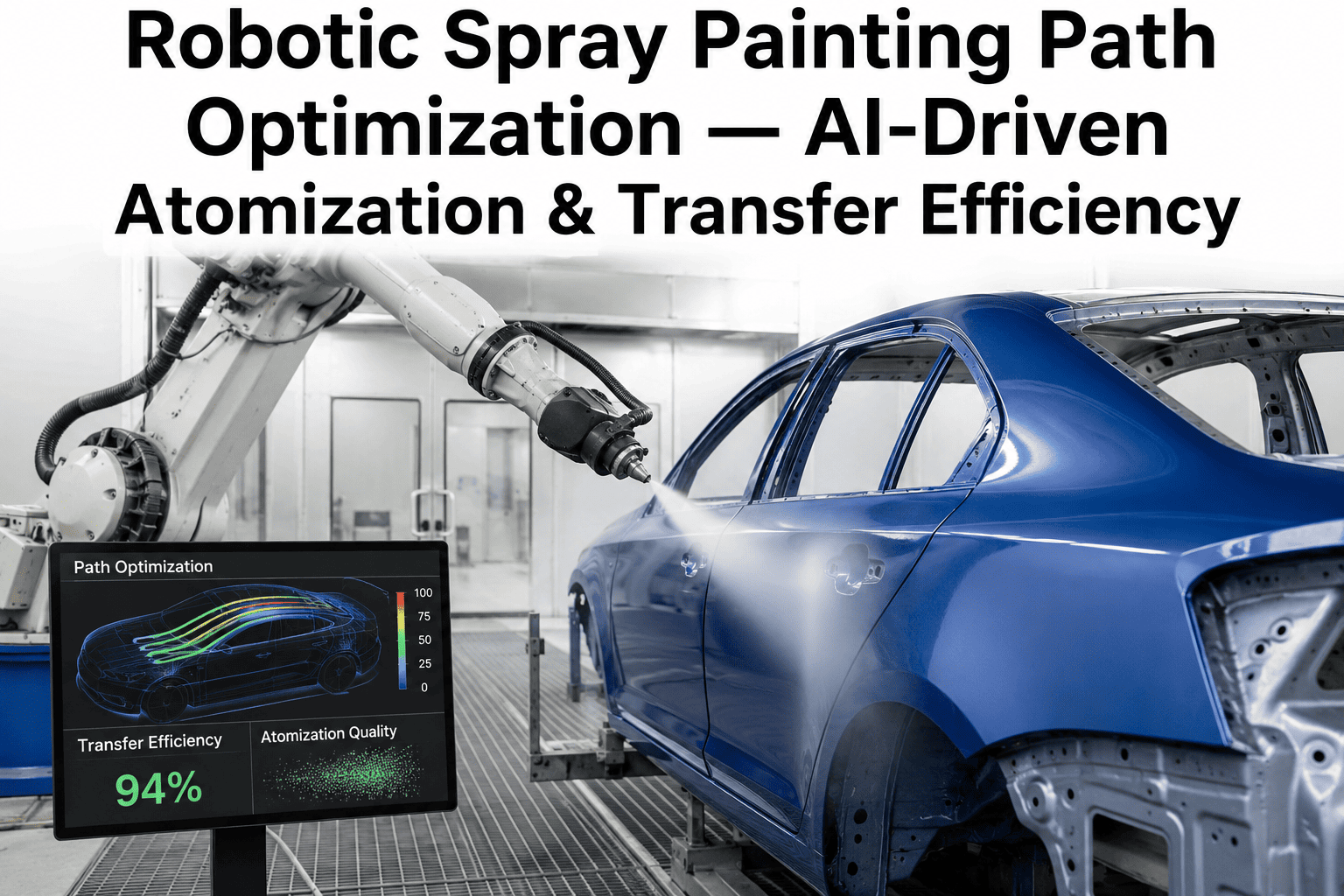
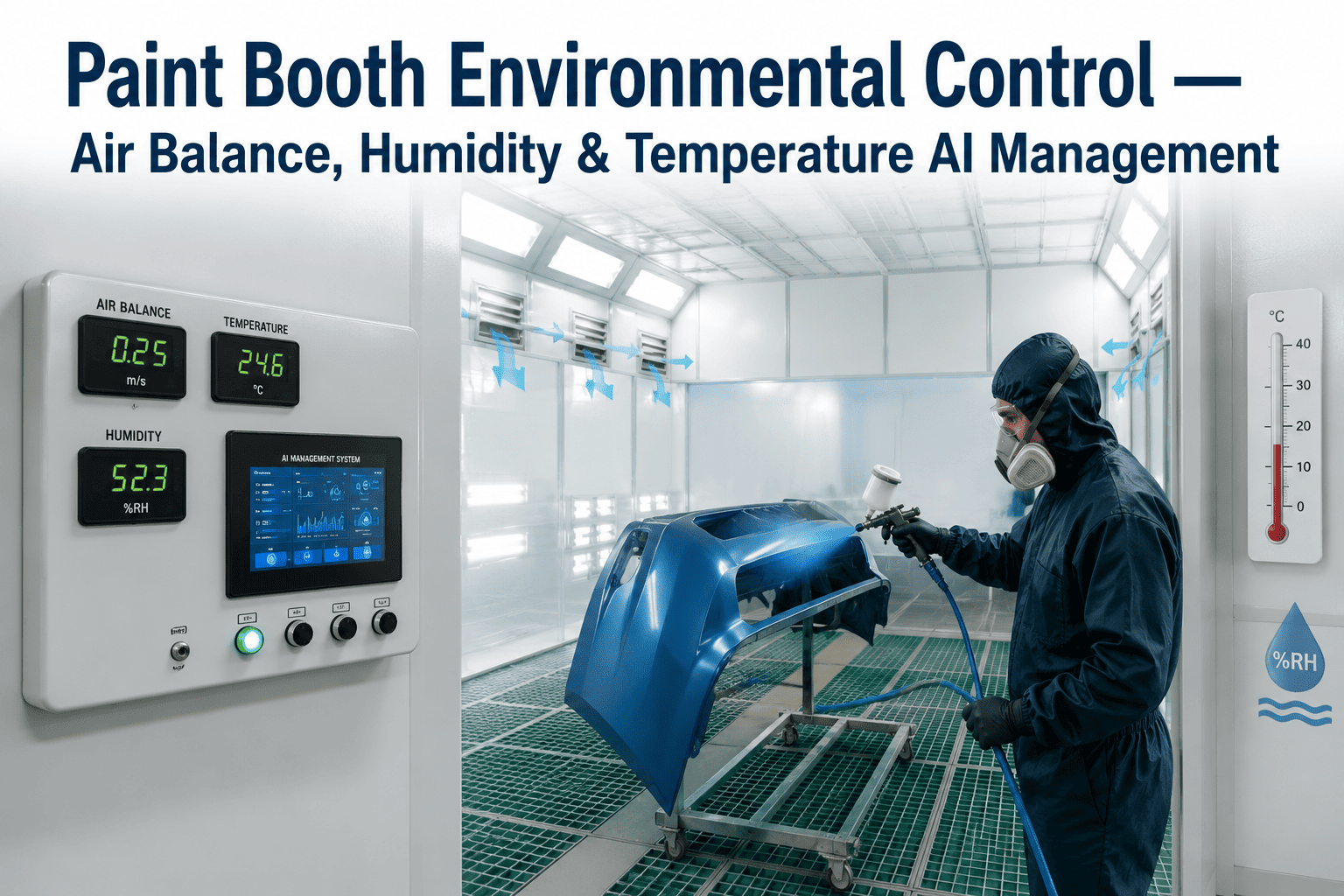
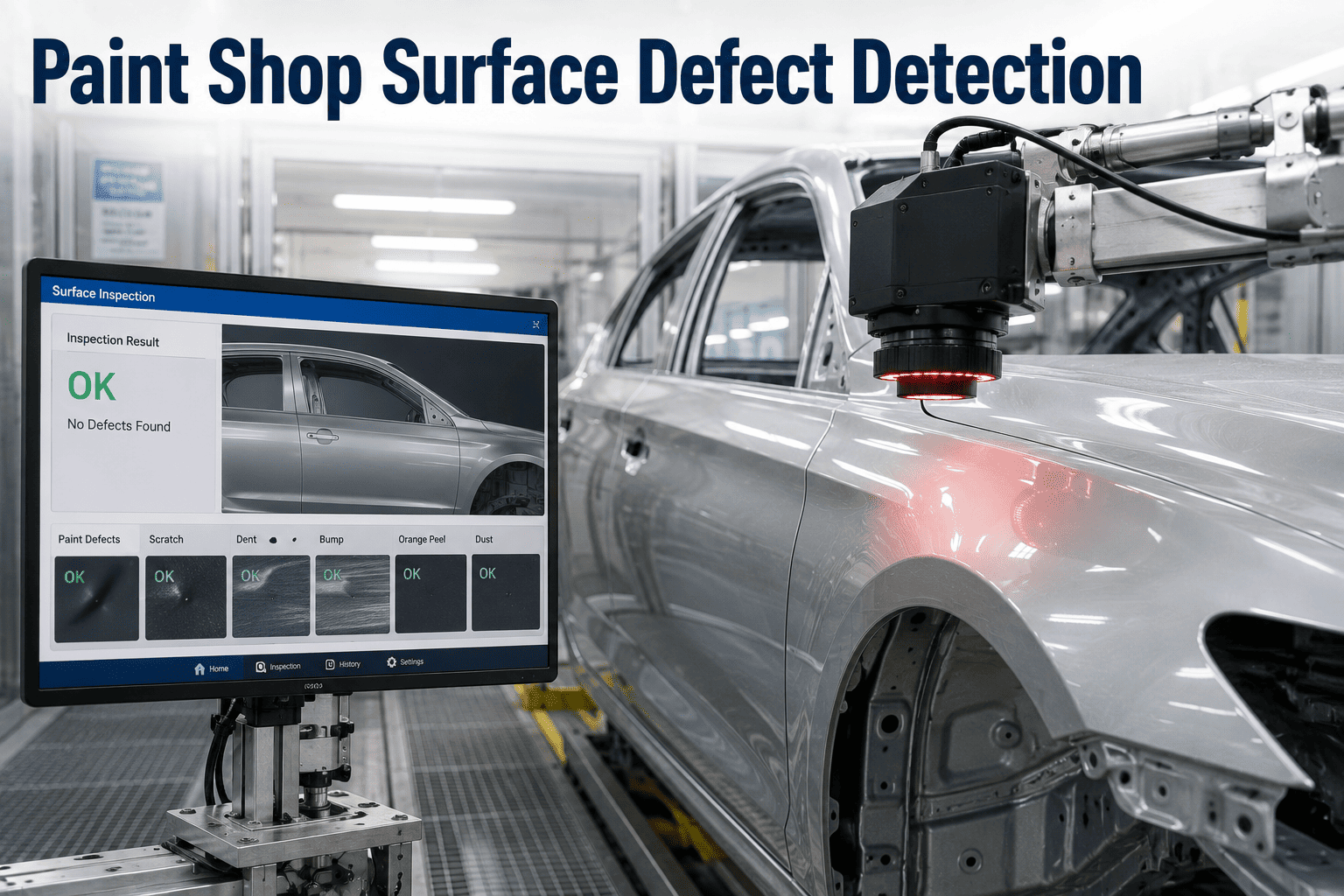
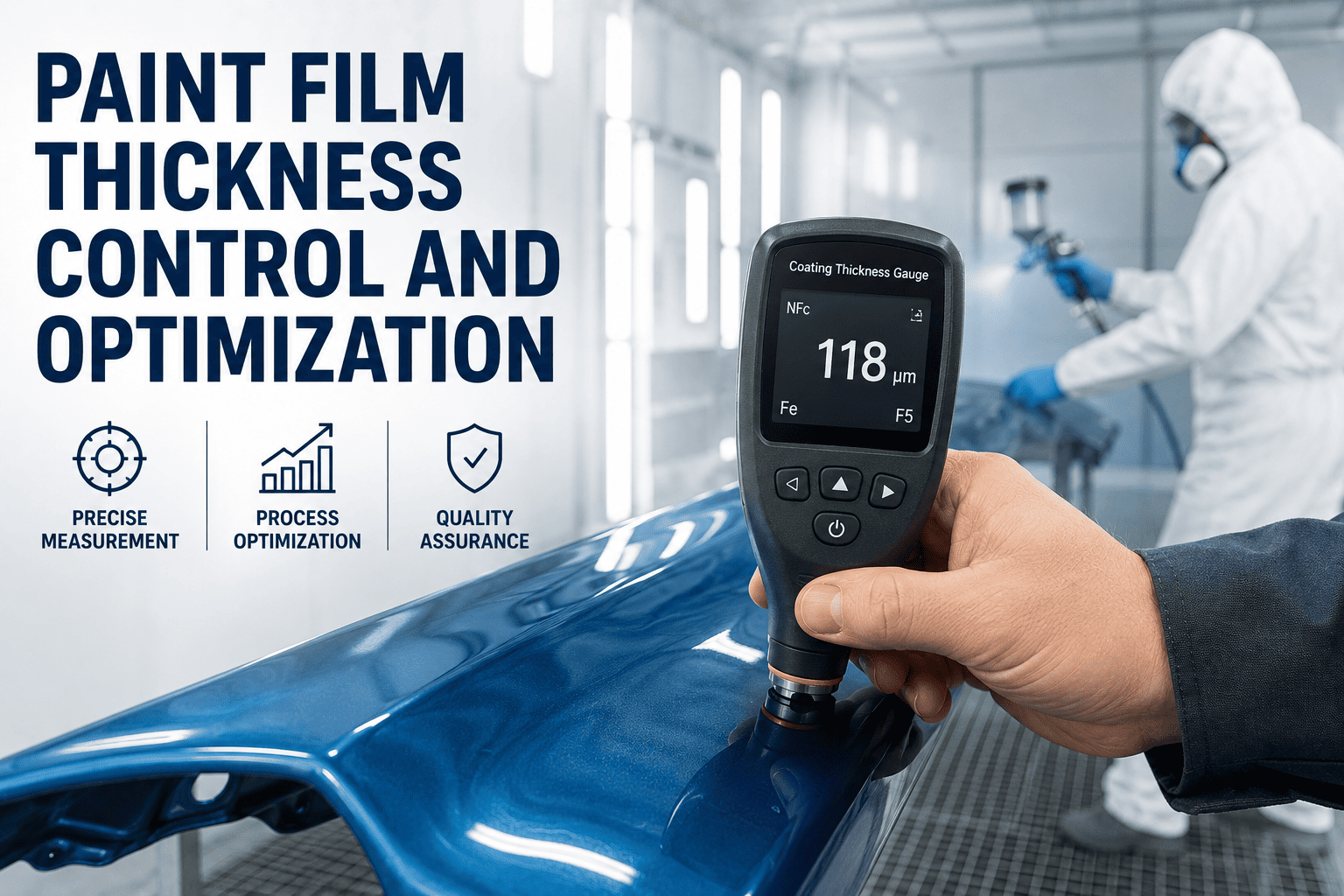
Paint is the single most visible surface on a finished vehicle, and it's also one of the least forgiving processes in the entire plant — a booth humidity swing of a few percentage points, a film build that drifts fractions of a micron off target, or a color batch that shifts subtly from the last one can turn a body-in-white that passed every upstream quality check into a repaint. Process engineers running automotive paint shops are managing a genuinely difficult combination of chemistry, airflow, and application precision, often across a color and substrate mix that changes multiple times a shift. AI-driven paint process optimization gives that process a level of real-time visibility and control that manual parameter management on fixed setpoints simply can't match. Book a demo to see optimization modeled against your own booth and color mix data.
AUTOMOTIVE PAINT SHOP · PROCESS AI
Hold Color and Film Build Steady, Batch After Batch
iFactory's AI continuously optimizes color matching, film build, and booth parameters, cutting paint defects and material waste without slowing your line.
Why Paint Is Different
The Variable Chemistry Problem Behind Every Paint Defect
Most manufacturing processes deal with variation in dimensions, position, or timing. Paint deals with all of that plus a chemistry problem layered on top — viscosity that shifts with ambient temperature, atomization behavior that changes with air pressure and nozzle wear, and a curing reaction that's sensitive to booth humidity and airflow in ways that are genuinely difficult to hold perfectly constant across an entire shift, let alone across the multiple color and substrate changes a modern paint shop runs through in a day.
Historically, paint process control has relied on fixed setpoints established during initial process validation and adjusted only when defect rates climb high enough to trigger a manual investigation. That approach works reasonably well when conditions stay close to the conditions present during validation, but it breaks down exactly when conditions drift — a humid summer afternoon, a new batch of base coat with slightly different pigment concentration, a spray gun approaching its maintenance interval — because fixed setpoints have no mechanism to detect or compensate for that drift until a defect has already occurred.
The cost of that lag compounds quickly. A paint defect caught at the booth exit means rework before the vehicle moves further down the line. A defect caught at final inspection means a full repaint cycle, consuming booth capacity that could otherwise be producing first-pass vehicles, along with the material, energy, and labor cost of running that vehicle back through the entire paint process a second time.
What the Model Watches
The Process Variables AI Optimization Actually Tracks
Real-time paint process optimization works by continuously correlating a set of process inputs against measured outcomes, adjusting parameters before drift becomes a visible defect. Book a demo to see this correlation running against your own booth sensor data.
Color Consistency
Spectrophotometer readings are compared continuously against target color values, catching batch-to-batch pigment or mix ratio drift before a visibly mismatched panel reaches final assembly.
Film Build Thickness
Wet and dry film thickness is tracked across the panel surface, since underbuild risks inadequate corrosion protection while overbuild wastes material and risks sagging or orange peel defects.
Booth Environmental Parameters
Temperature, humidity, and airflow are monitored continuously, since each affects atomization behavior, flow-out, and cure quality in ways that shift measurably with seasonal and daily conditions.
Application Parameters
Spray gun pressure, bell speed, and electrostatic charge are tracked against target ranges, since gradual equipment wear can shift these parameters slowly enough to escape routine manual checks.
Defect Traceback
Connecting a Defect Back to Its Actual Root Cause
One of the most persistent frustrations in paint process engineering is that the same visible defect — orange peel, for example — can trace back to several entirely different root causes, and picking the wrong one to correct wastes time while the actual cause keeps producing defective panels.
1
Defect Detected at Inspection
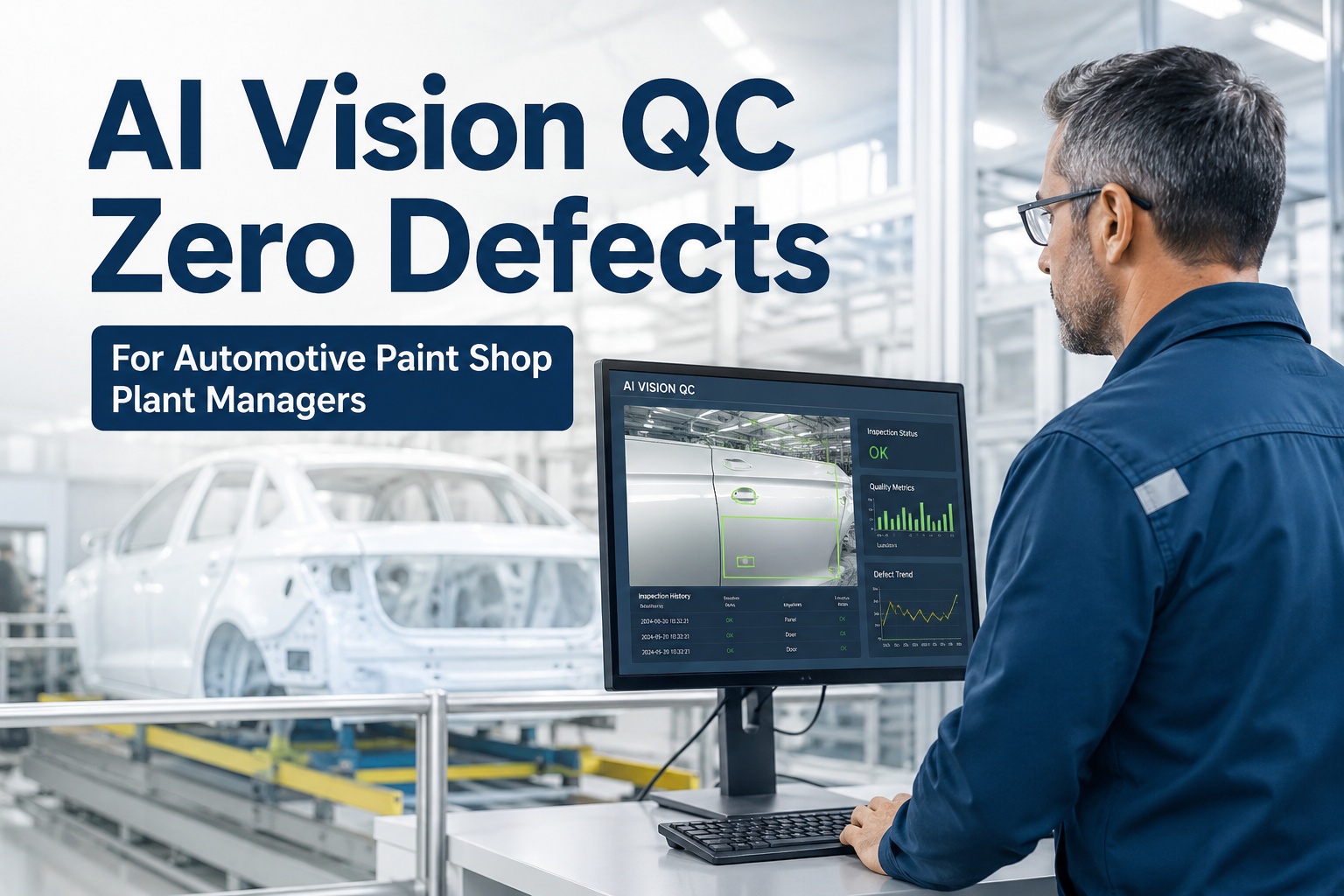
Vision inspection or manual review identifies a surface defect and records its type, location, and severity against the specific vehicle and paint booth pass.
2
Process Data Correlation
The model cross-references booth environmental data, application parameters, and material batch information from the exact time window that panel passed through the booth.
3
Contributing Factor Ranking
Rather than a single guessed cause, the system ranks likely contributing factors by statistical correlation strength, giving process engineers a prioritized starting point for investigation.
4
Parameter Adjustment Recommendation
Where the correlated factor is a controllable process parameter, the system recommends a specific adjustment rather than leaving the engineer to interpret raw sensor trends manually.
Impact Snapshot
What Optimized Paint Processes Deliver
45%
Typical reduction in paint defects after optimization goes live
↓ VOC
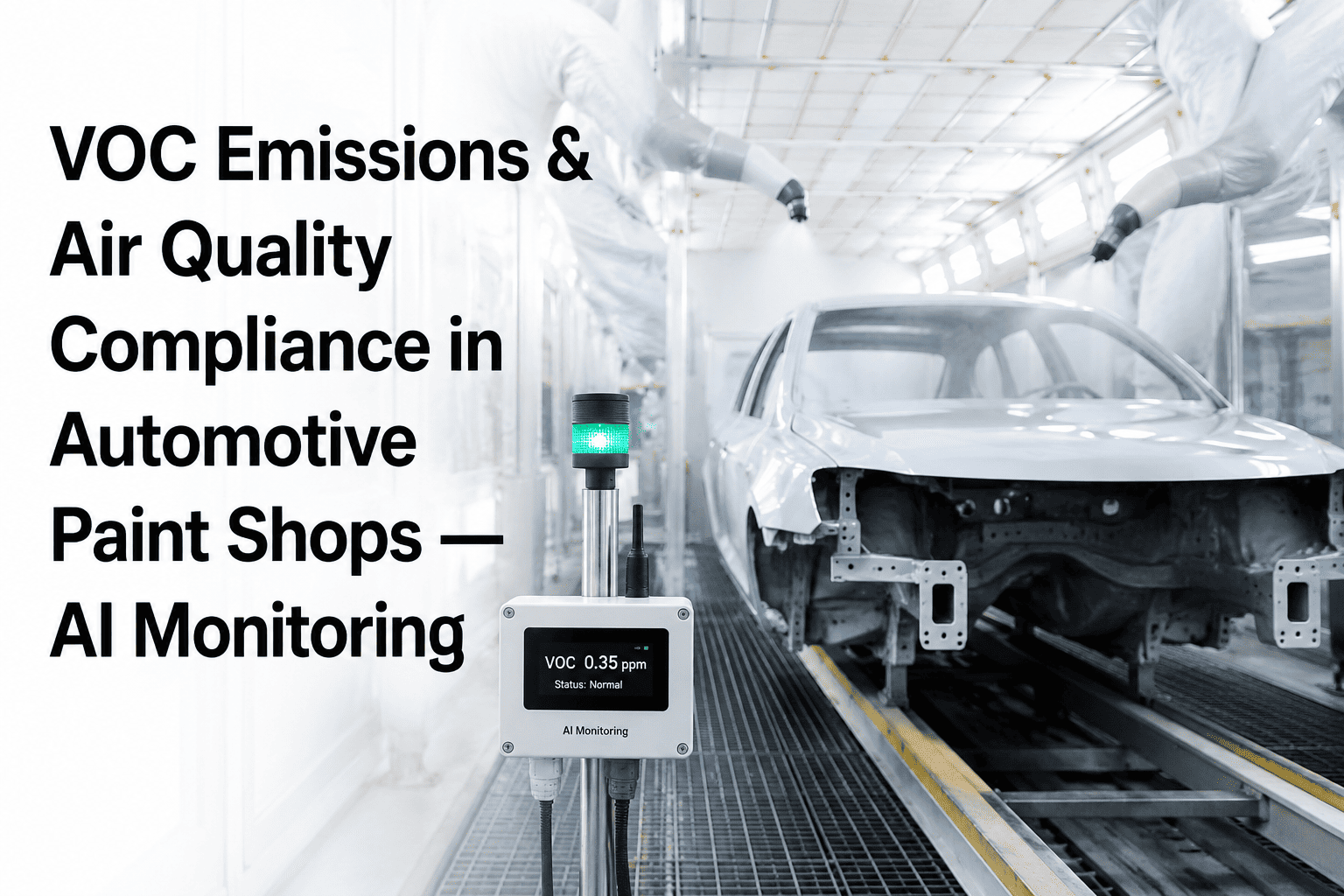
Reduced material overspray and rework directly cuts volatile organic compound emissions
1st-pass
More vehicles clear final inspection without a repaint cycle
Real-time
Parameter correction happens during production, not after a defect trend is noticed
Rollout Path
Getting From Fixed Setpoints to Continuous Optimization
Paint shops rarely move straight from manual parameter management to full AI-driven control in one step, and they shouldn't — the transition works best as a staged process that builds confidence in the model's recommendations before handing over live adjustment authority.
1
Sensor and Data Integration
Connect existing booth sensors, spectrophotometers, and film thickness gauges into a unified data stream that the optimization model can access continuously.
2
Baseline Correlation Modeling
Run the model in observation mode against historical and live data to build correlations between process parameters and defect outcomes specific to your color mix and equipment.
3
Advisory Mode Rollout
Enable parameter recommendations for process engineers to review and approve, validating the model's suggestions against real outcomes before granting autonomous control.
4
Closed-Loop Optimization
Once confidence is established, extend the system to make bounded real-time adjustments automatically within a defined safe operating range.
SEE YOUR BOOTH DATA IN ACTION
Model Paint Optimization Against Your Own Defect History
Our team will walk through how continuous parameter optimization applies to your specific color mix, substrate types, and booth configuration.
Frequently Asked Questions
Paint Shop Process Optimization — FAQs
Does this replace our existing paint booth control systems?
No — it works alongside existing booth control systems, adding a continuous optimization layer that reads sensor data and recommends or applies parameter adjustments within the operating ranges your booth control system already manages. It's built to integrate with what you have rather than replace it.
How does color matching optimization handle frequent color changes on the same line?
The model maintains a separate target profile for each color, so a line running multiple colors through the same booth in sequence gets parameter recommendations tuned to whichever color is currently in the booth.
Book a demo to see this across a multi-color sequence.
Can this help reduce VOC emissions, not just defect rates?
Yes, reduced overspray from optimized application parameters and fewer repaint cycles both directly lower material consumption, which is one of the primary drivers of VOC emissions in a paint shop. Plants tracking both metrics typically see improvement in both together rather than one at the expense of the other.
What happens during the observation-mode period before live optimization begins?
The model runs entirely passively during this phase, building correlations between process data and defect outcomes without making any adjustments to the line, giving process engineers a chance to validate its recommendations against known outcomes before any live control authority is granted.
How long does a typical paint shop take to reach closed-loop optimization?
Most paint shops move through sensor integration, baseline modeling, and advisory mode within eight to twelve weeks before considering closed-loop control, though this timeline depends heavily on how much historical defect and process data is already available to build the initial correlation model.
AUTOMOTIVE PAINT SHOP · PROCESS AI
Give Every Panel the Same Consistent Finish, Batch After Batch
iFactory's AI keeps color, film build, and booth parameters optimized in real time, cutting defects and material waste across your paint shop.