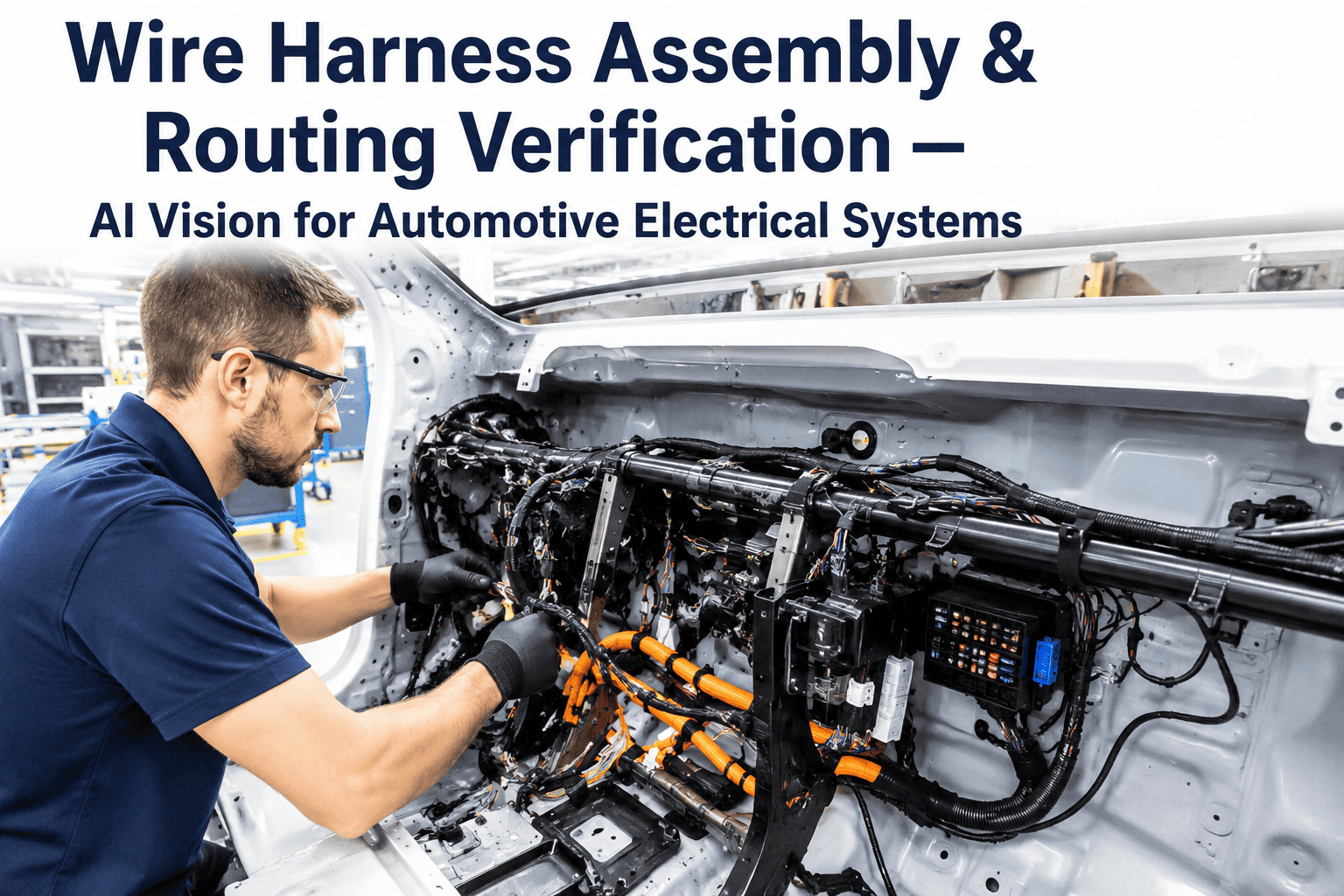
An assembly operator installs the wrong trim color on an interior panel because two nearly identical parts sit side by side in adjacent bins, and nothing in the process stops the mismatch. The defect travels through two or three more stations before final inspection catches it, and by then the fix costs a fraction of an hour of rework, a scrapped set of fasteners, and a delay that ripples into the next shift's schedule. Classical poka-yoke — a fixture that physically won't accept the wrong part, a sensor that won't let the press cycle without confirmation — has prevented this exact category of error since Shigeo Shingo formalized the discipline at Toyota. What AI adds is coverage for the errors mechanical poka-yoke was never built to catch. iFactory's support team can walk through where AI verification fits alongside your existing mechanical error-proofing.
Poka-Yoke & Error-Proofing in Automotive Assembly With AI Verification
Mechanical poka-yoke prevents known, physical failure modes. AI vision verification extends that same mistake-proofing philosophy to visual defects, color and orientation errors, and process deviations that fixtures alone can't catch. This guide covers both, and how they work together on a modern assembly line.
Three Types of Poka-Yoke — and Where Each One Runs Out
Physical Prevention
A fixture, sensor, or mechanical design that makes the error physically impossible — a part that can only be installed in one orientation, a press that won't cycle without correct part presence confirmed.
Alert Before Continuation
A visual or auditory signal that flags a potential error, relying on the operator to notice and respond — light-guided assembly and pick-to-light systems are common examples.
Design-Level Prevention
Product or fixture designs that make the correct action the only easy one to perform — asymmetric connectors, keyed fasteners, color-coded harnesses.
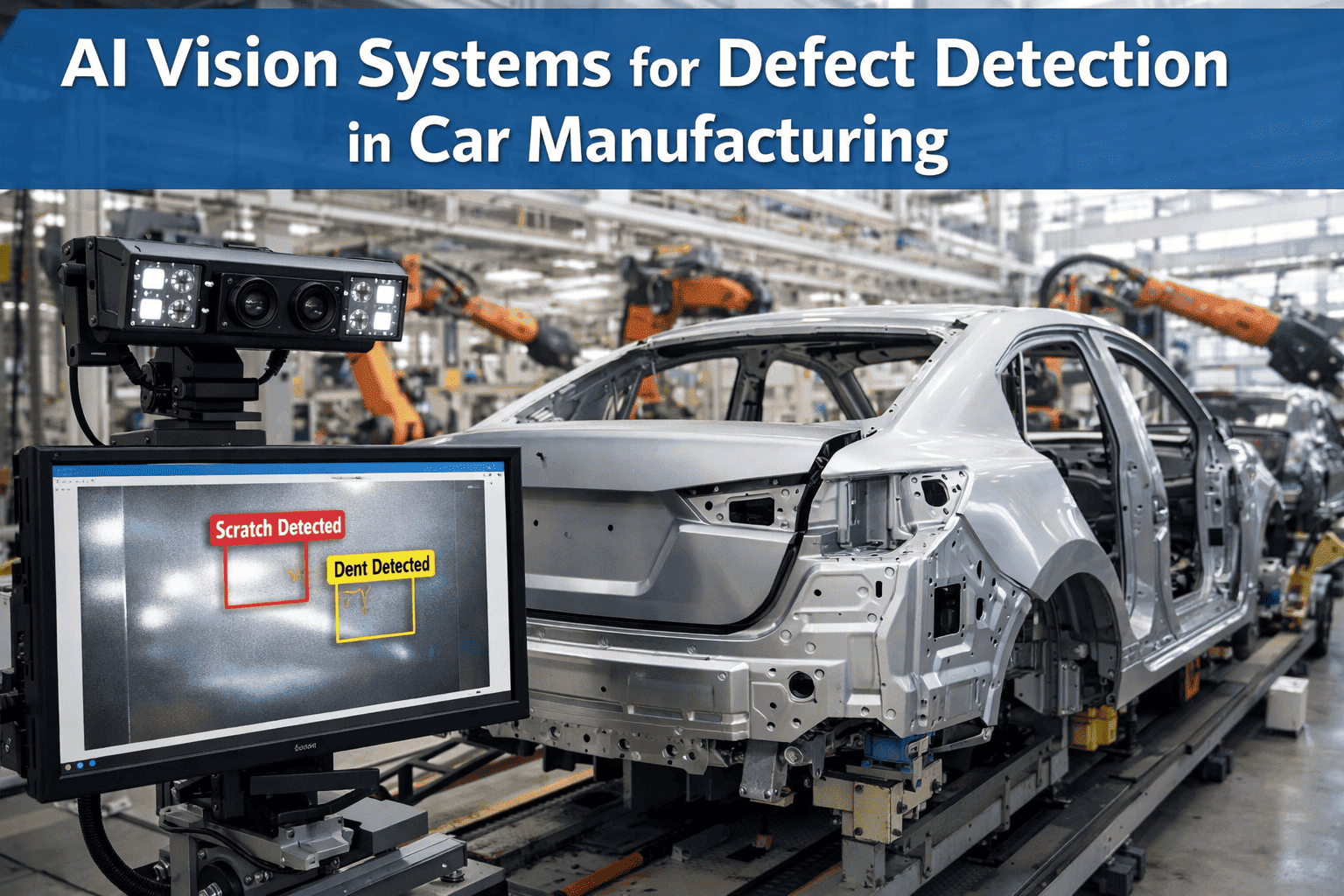
All three types share a common limit: they are built for known, predefined failure modes with a physical or clearly binary signature. They struggle with the failure modes that don't reduce cleanly to a sensor trigger — cosmetic defects, color variations between visually similar parts, orientation errors on flexible or non-rigid components, and label or documentation accuracy. That is the specific gap AI vision verification is built to close, not a replacement for mechanical poka-yoke but an extension into territory physical constraints can't reach.
What AI-Powered Mistake-Proofing Adds to the Line
Real-Time Part and Color Verification
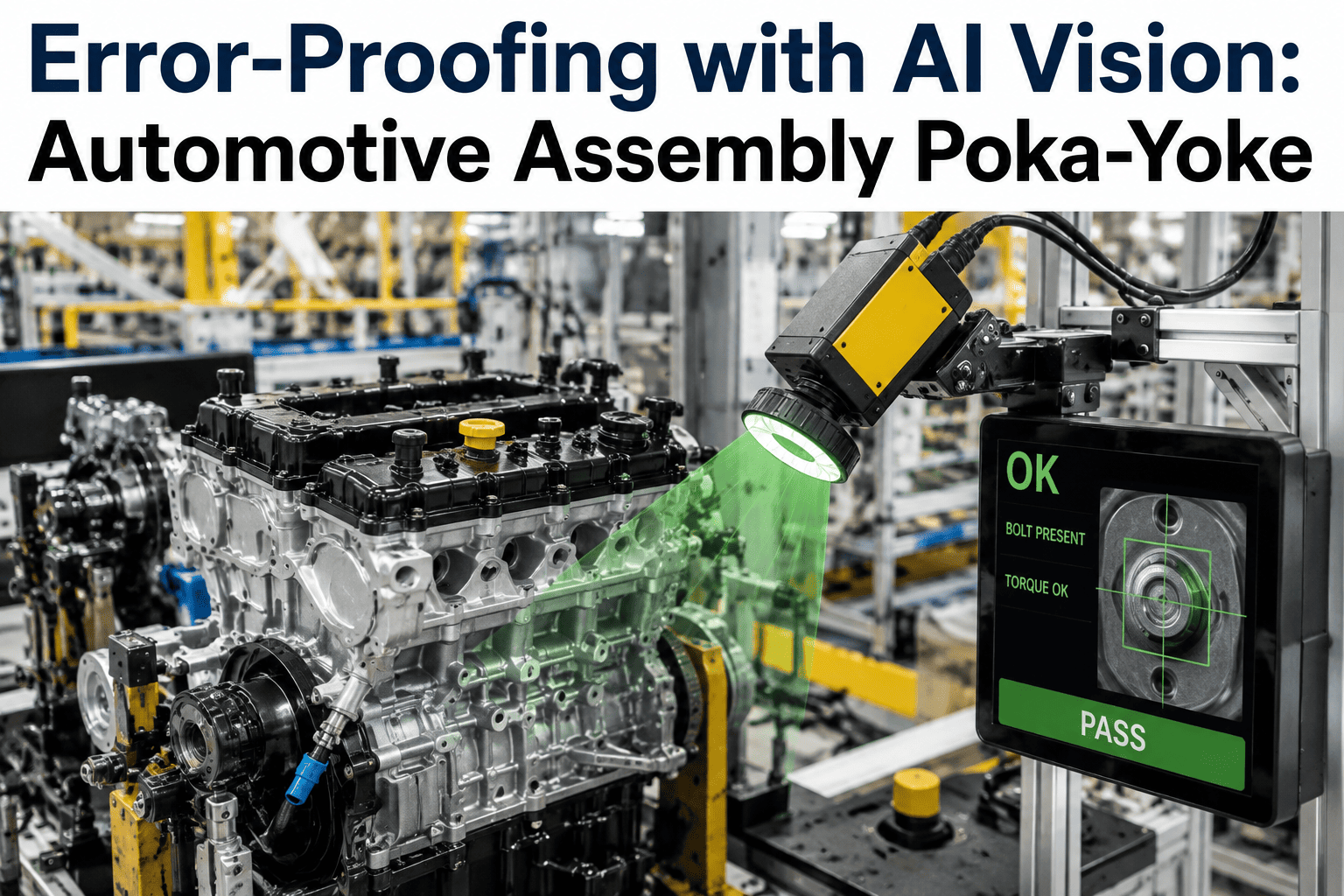
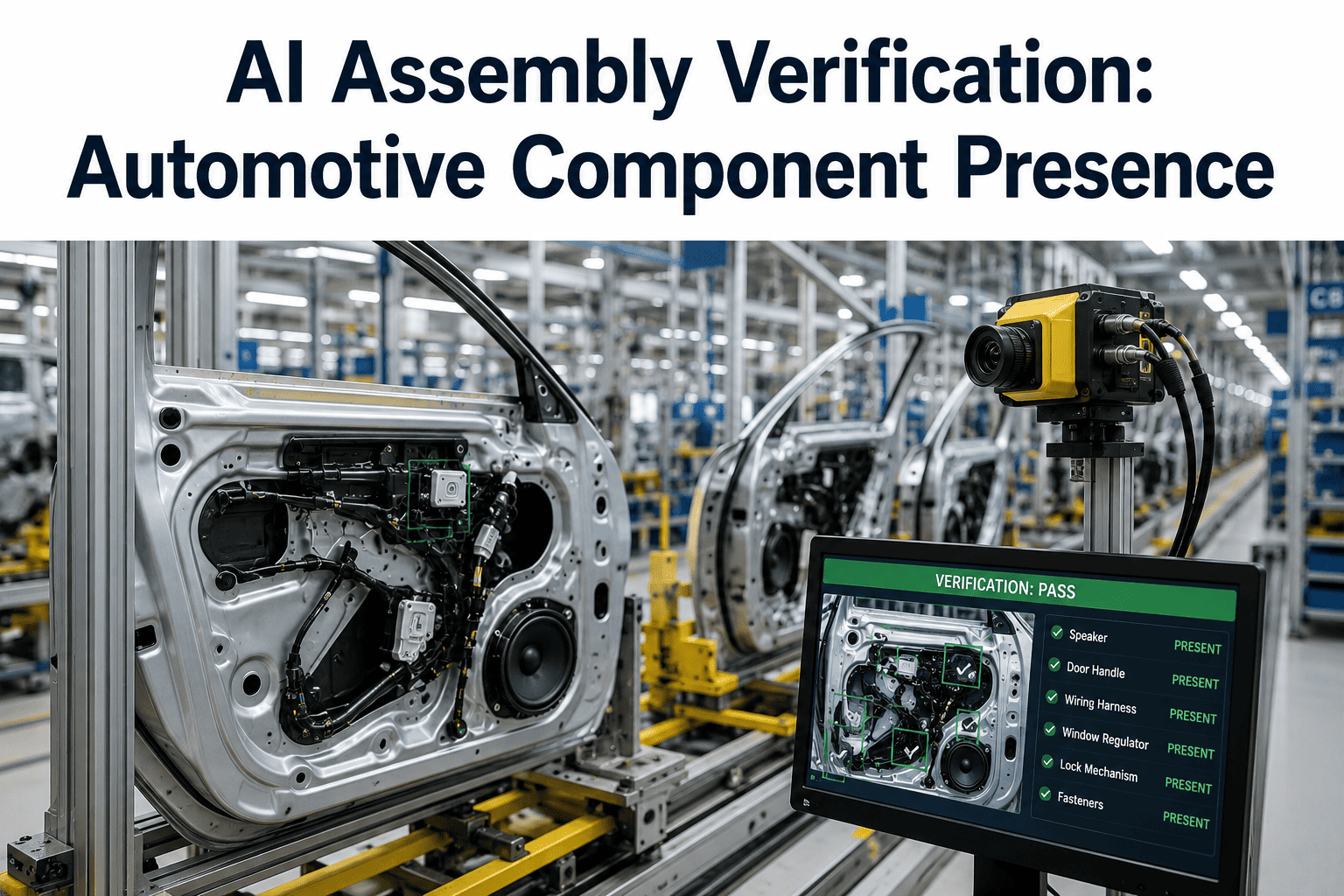
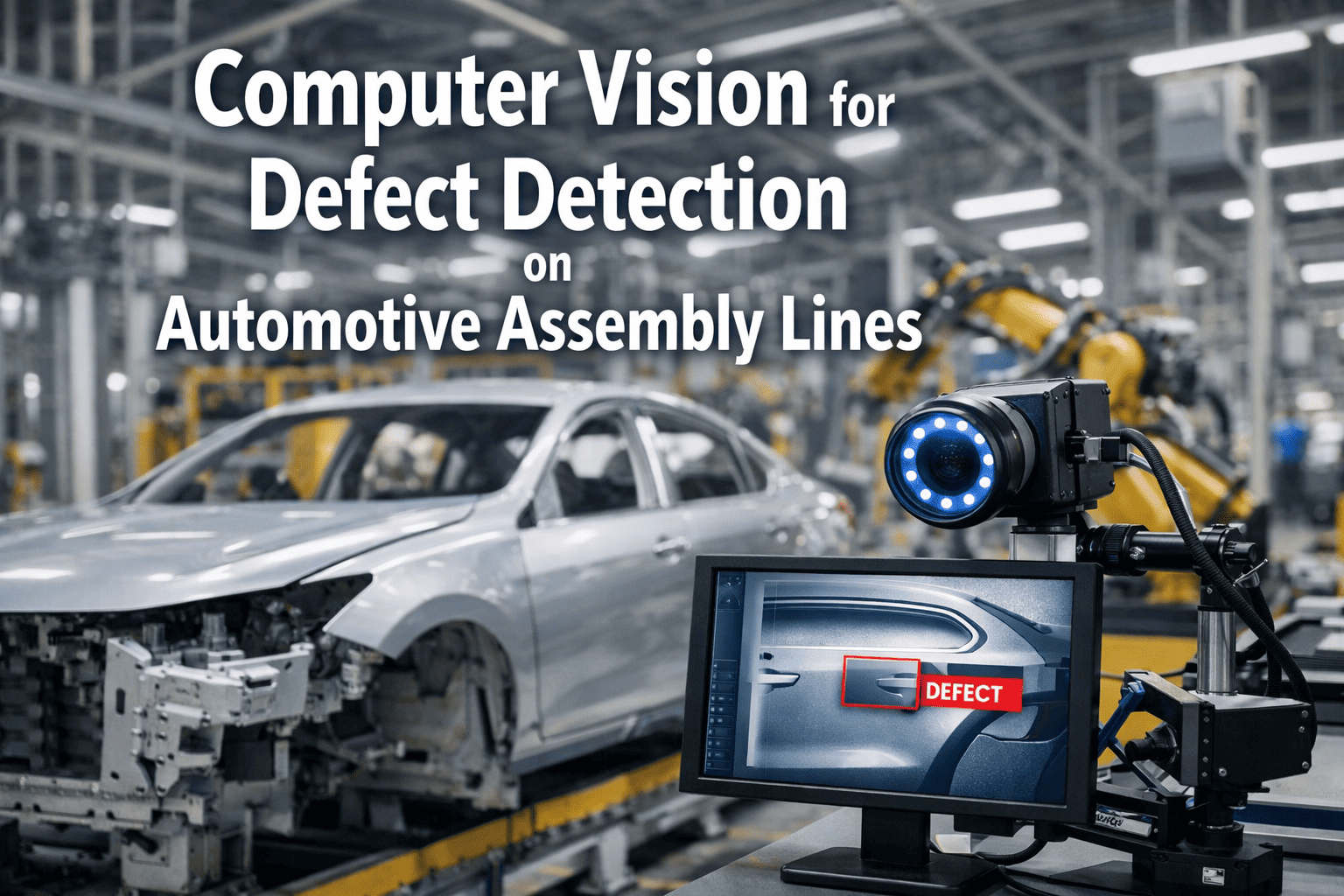
Cameras confirm the correct part, trim color, or component variant matches the build order before assembly proceeds, catching the exact error that similar-looking interchangeable parts create.
Sensor-Confirmed Sequencing
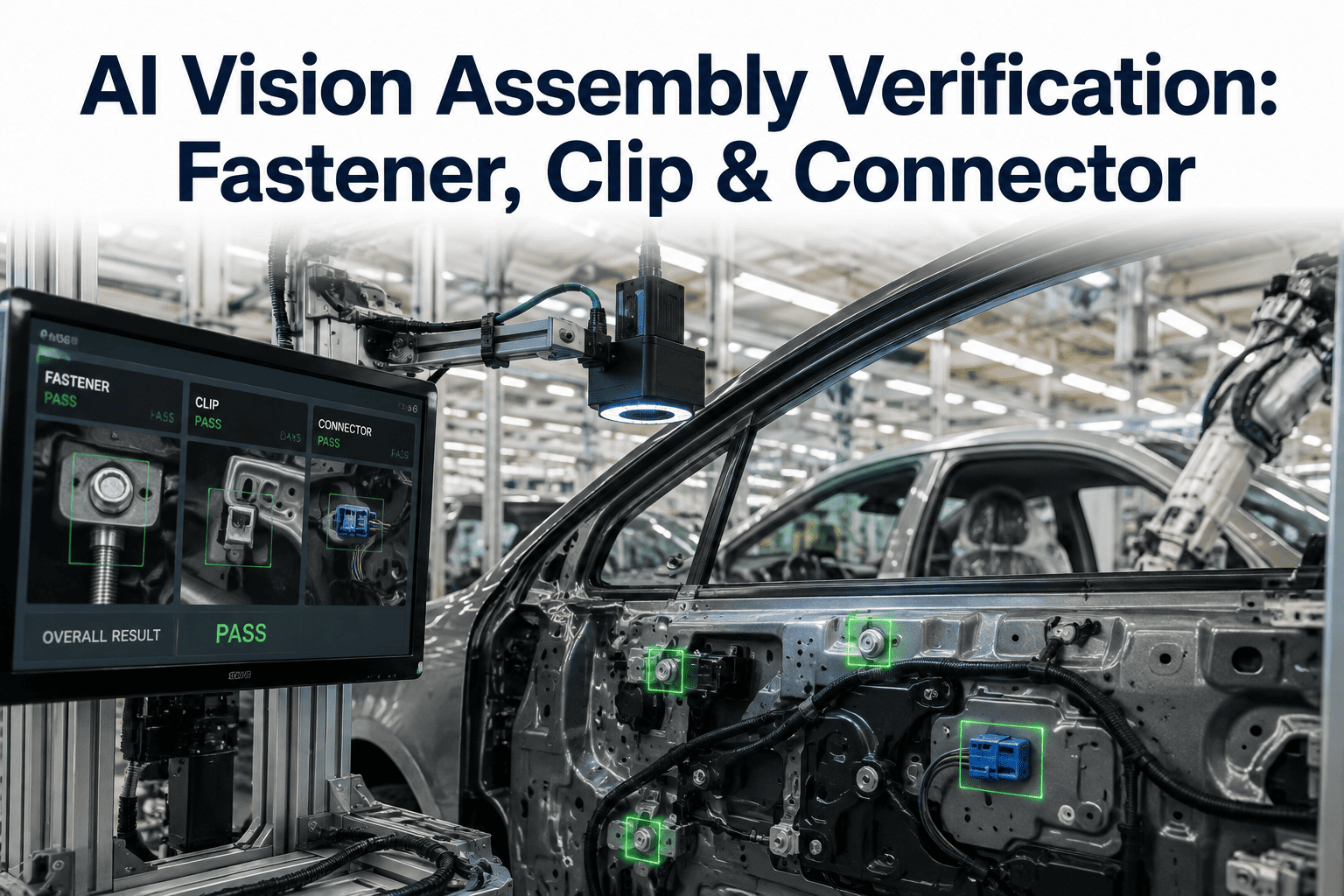
Presence sensors integrated with fixtures verify assembly sequence and completeness, extending traditional poka-yoke sensing into more flexible, reconfigurable tooling.
AI-Generated Error-Proofing Rules
Machine learning identifies recurring error patterns across historical defect data and can propose new mistake-proofing rules or checkpoints without waiting for a formal improvement project to notice the pattern.
Full Video and Action Record
Recorded video of each assembly action supports reverse-engineering exactly how a specific unit was built if a defect surfaces later, and gives root cause investigation visual evidence rather than a reconstructed guess.
Extend Poka-Yoke Into What Fixtures Can't Catch
iFactory AI adds computer vision part verification and pattern-based error prevention alongside your existing mechanical poka-yoke — one system, full traceability.
Rolling Out AI Error-Proofing Without Disrupting the Line
The most consistent mistake in this rollout is skipping the validation step — introducing deliberate errors after installation to confirm the system actually catches them, the same way a mechanical poka-yoke device is verified by presenting a reversed part and confirming rejection. An error-proofing system that hasn't been proven to catch its target errors creates false confidence, which is arguably worse than having no error-proofing at all.
Industry Perspective on AI-Assisted Error Proofing
Shingo's original insight wasn't about sensors, it was about designing the process so the error either can't happen or gets caught immediately — the technology is just the mechanism. What I tell teams adopting AI vision for this is the same thing I'd tell them about a mechanical fixture: it has to be validated by deliberately trying to fool it, and it has to feed back into a closed loop where the PLC stops the process and logs the event, not just flash a light an operator can ignore. The plants that get the most value treat AI verification as one more type of poka-yoke device, held to the same standard, rather than a separate quality system bolted on beside the real work.
Common Questions About Poka-Yoke and AI Error-Proofing
See AI Error-Proofing on Your Own Assembly Line
iFactory AI pairs computer vision verification with your existing fixtures and sensors to catch the errors mechanical poka-yoke alone can't reach.