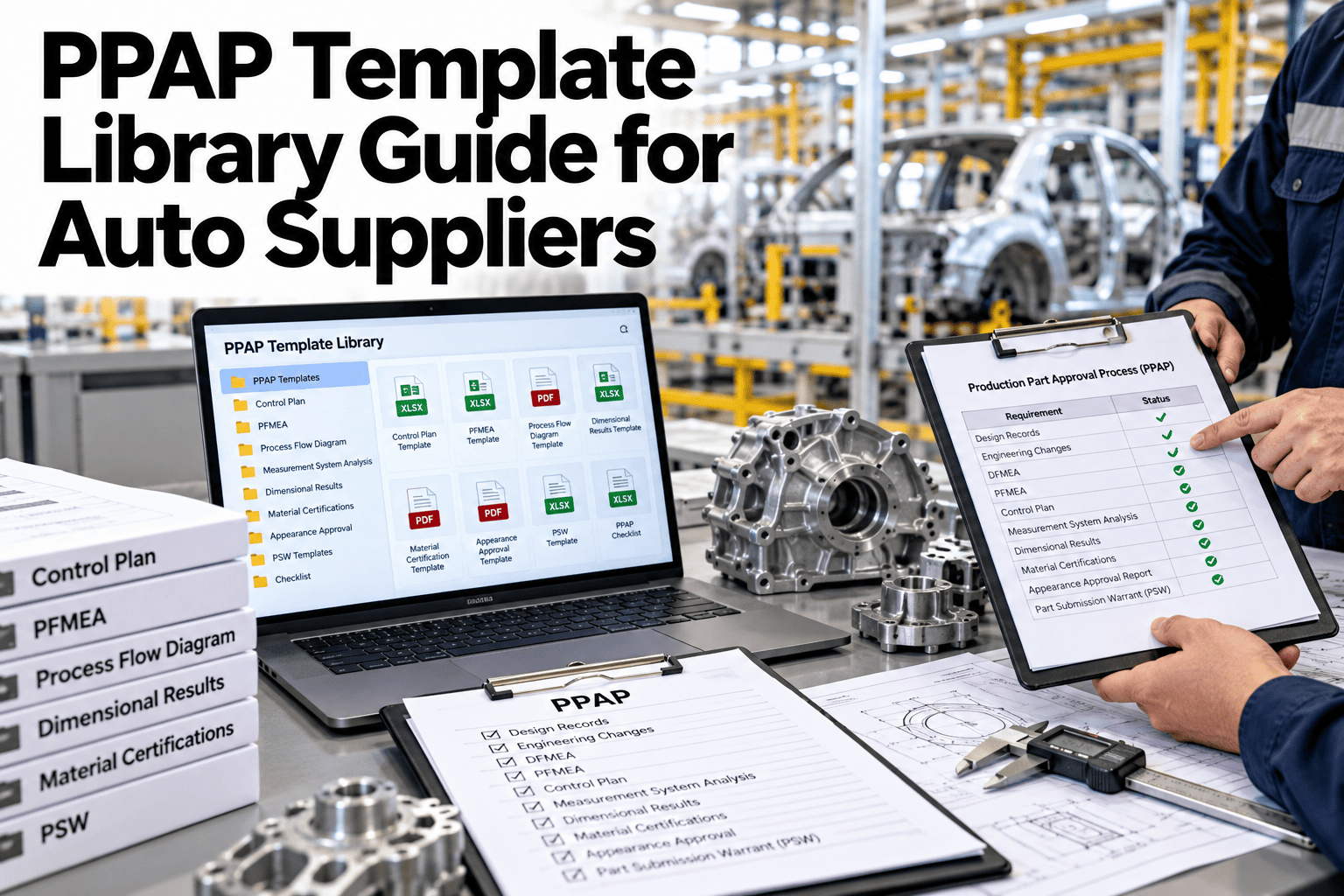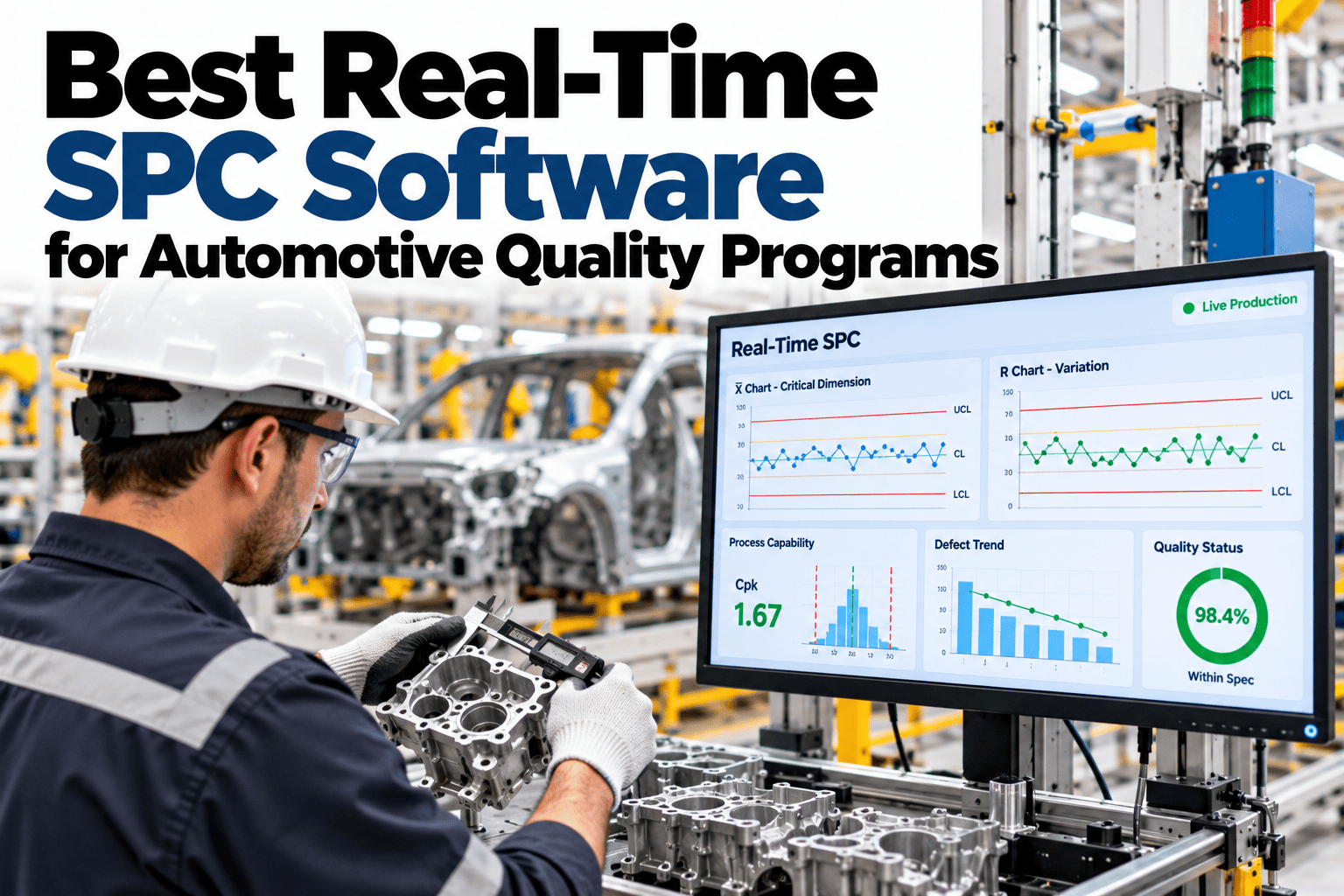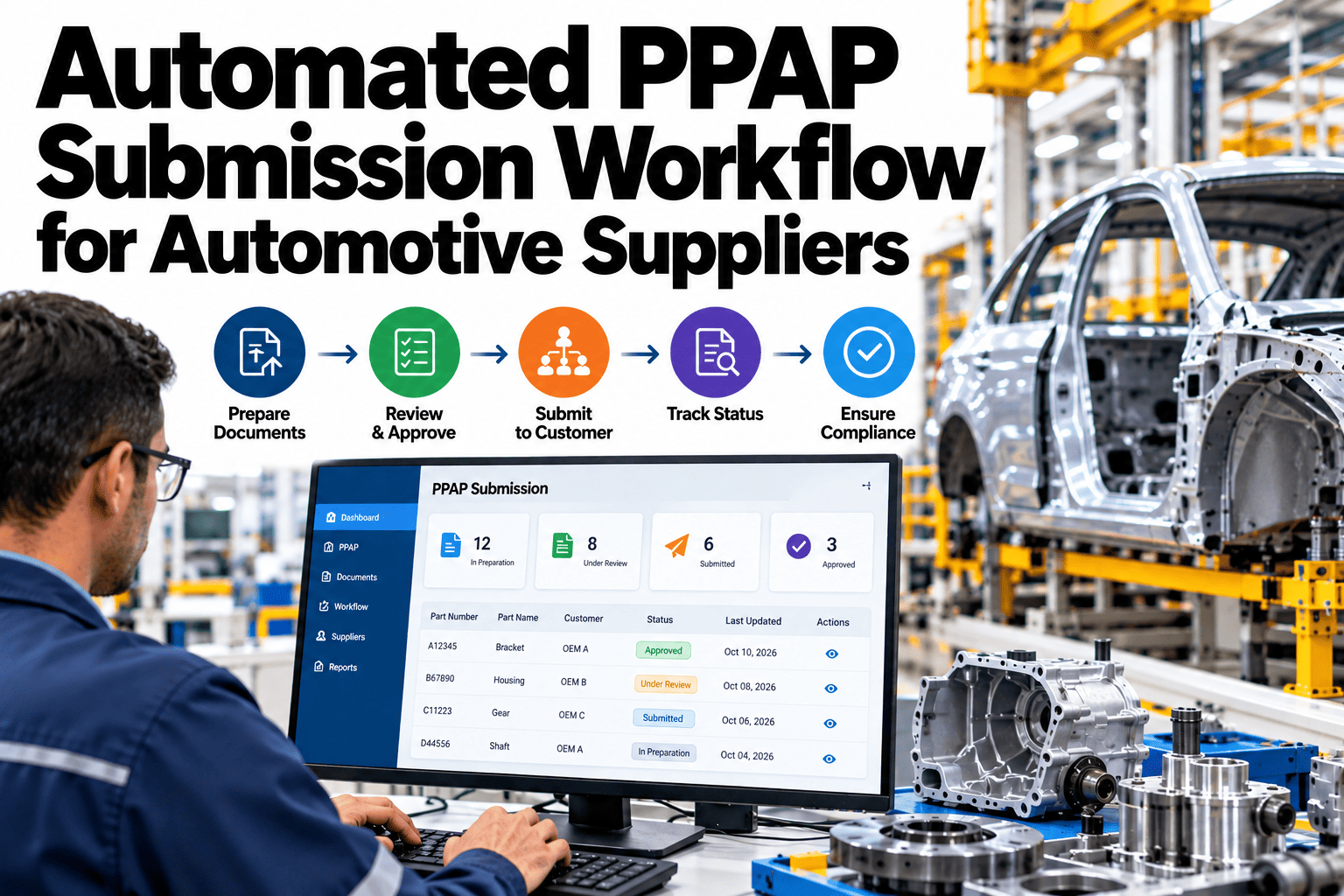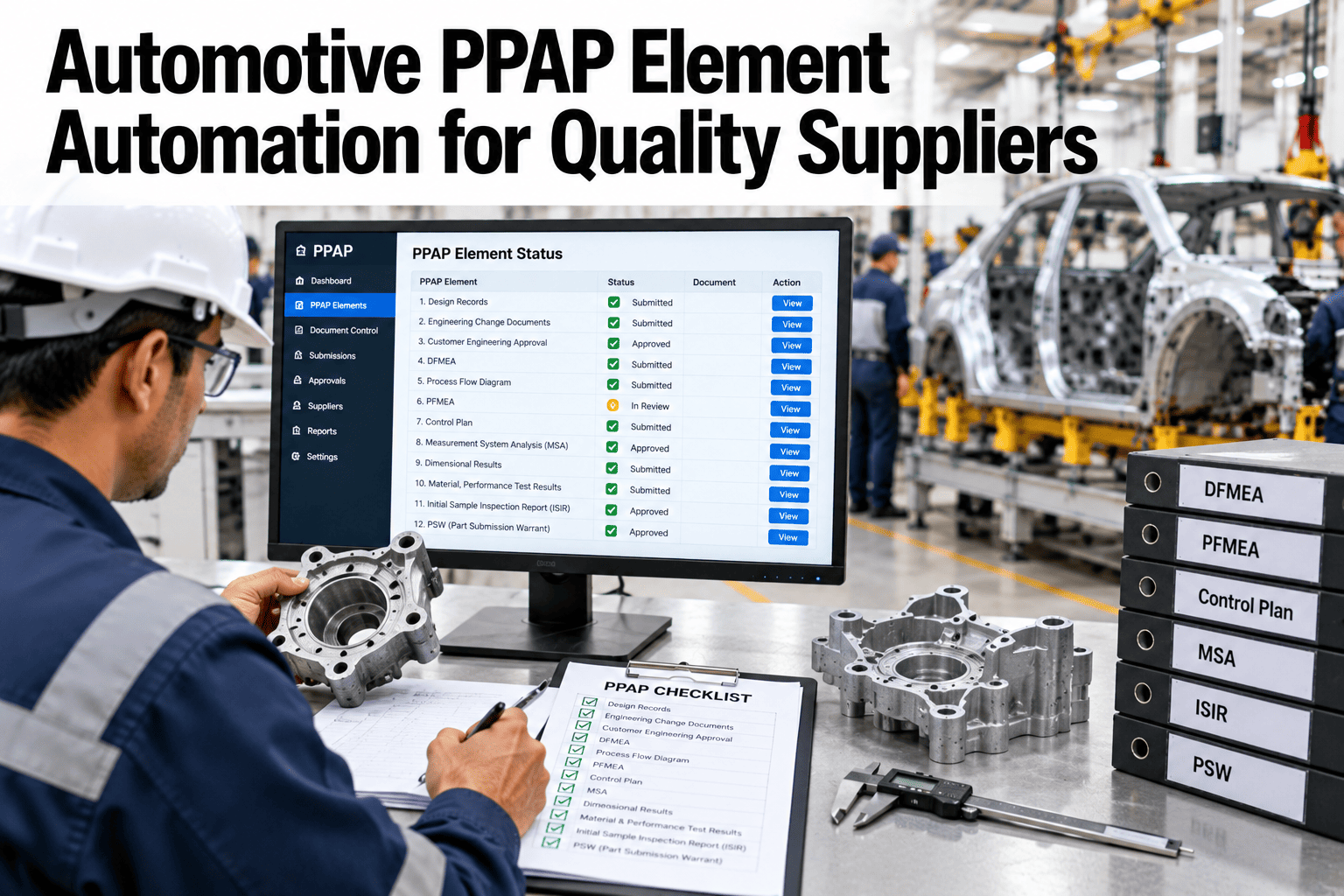
Assembling a PPAP package is supposed to prove a process is capable and under control, yet the assembly process itself is often the least controlled part of the whole submission. Dimensional results get pulled from one system, material test reports from a lab's own files, and process capability studies get calculated separately in a spreadsheet, then someone manually stitches all of it into a submission package under deadline pressure. Every manual stitch is a place an error or an out-of-date document can slip in. Auto-assembling these elements directly from live plant data removes that risk. Quality suppliers can see their own PPAP elements auto-assembled this way in a short session.
Stop Hand-Assembling a Submission From Five Different Systems
iFactory auto-assembles dimensional results, material test reports and capability studies directly from live plant data.
Where Manual Assembly Introduces Risk
Each PPAP element typically lives in its own system, and manually compiling them under a submission deadline is exactly the condition under which an outdated document or a transcription error is most likely to slip through.
| PPAP Element | Manual Effort | Automated Source |
|---|---|---|
| Dimensional results | Exported from a CMM report and reformatted by hand | Pulled directly from measurement system records |
| Material test reports | Collected from a lab's separate file system | Linked automatically to the relevant part and lot |
| Process capability studies | Recalculated manually in a spreadsheet | Generated directly from live SPC data |
See How Much of Your Next PPAP Could Auto-Assemble
Book a 30-minute session and iFactory will review your PPAP process against what could pull directly from live data.
Three Elements That Benefit Most From Automation
Dimensional Results
Pulling directly from measurement system records eliminates the reformatting step where transcription errors most often occur.
Material Test Reports
Automatic linking to the correct part and lot removes the risk of attaching an outdated or mismatched report.
Process Capability Studies
Generating capability directly from live SPC data keeps the submitted study consistent with what the process is actually doing.
Signals Your PPAP Process Is at Risk
Where iFactory Fits
iFactory pulls dimensional, material and capability data directly from live plant systems into an auto-assembled PPAP package.
Live Dimensional Capture
Measurement results flow directly from inspection equipment into the submission package.
Automatic Material Report Linking
Test reports link to the correct part and lot automatically, keeping the package current.
Live Capability Studies
Capability statistics generate directly from current SPC data, not a separately maintained spreadsheet.
One-Click Package Assembly
All elements compile into a submission-ready package in minutes, not a multi-day manual effort.
Reviewed by iFactory's Automotive Quality Systems team for alignment with standard PPAP submission practice. The elements shown are illustrative; your specific submission level and required elements should follow your customer's PPAP requirements.
Frequently Asked Questions
Does this work for all five PPAP submission levels?
Yes, the auto-assembled elements can be packaged according to whichever submission level your customer requires, since the underlying data capture works the same regardless of how much is included in the final package. Support can review your specific submission requirements.
Can this connect to a third-party testing lab's reports?
Where the lab provides digital output or an API, yes, reports can link automatically. Where a lab only provides paper or PDF reports, those can still be attached manually alongside the automated elements.
How does this handle elements that genuinely need manual input, like design records?
Elements that aren't naturally generated by plant systems, such as design records or process flow diagrams, remain manually uploaded, with the automation focused specifically on data-driven elements. See which of your elements would automate in a short session.
Does automation reduce the engineer's review responsibility?
No, an engineer still reviews and approves the assembled package before submission. Automation removes the manual compilation work, not the quality oversight.
How does this help with re-submissions after a process change?
Since elements pull from live data, a re-submission after a process change reflects current data automatically rather than requiring the entire manual compilation effort to repeat. Ask support how re-submissions are handled.
Assemble PPAP From Live Data, Not a Deadline Scramble
iFactory auto-assembles dimensional, material and capability data into a submission-ready package. Book a walkthrough on your own process.