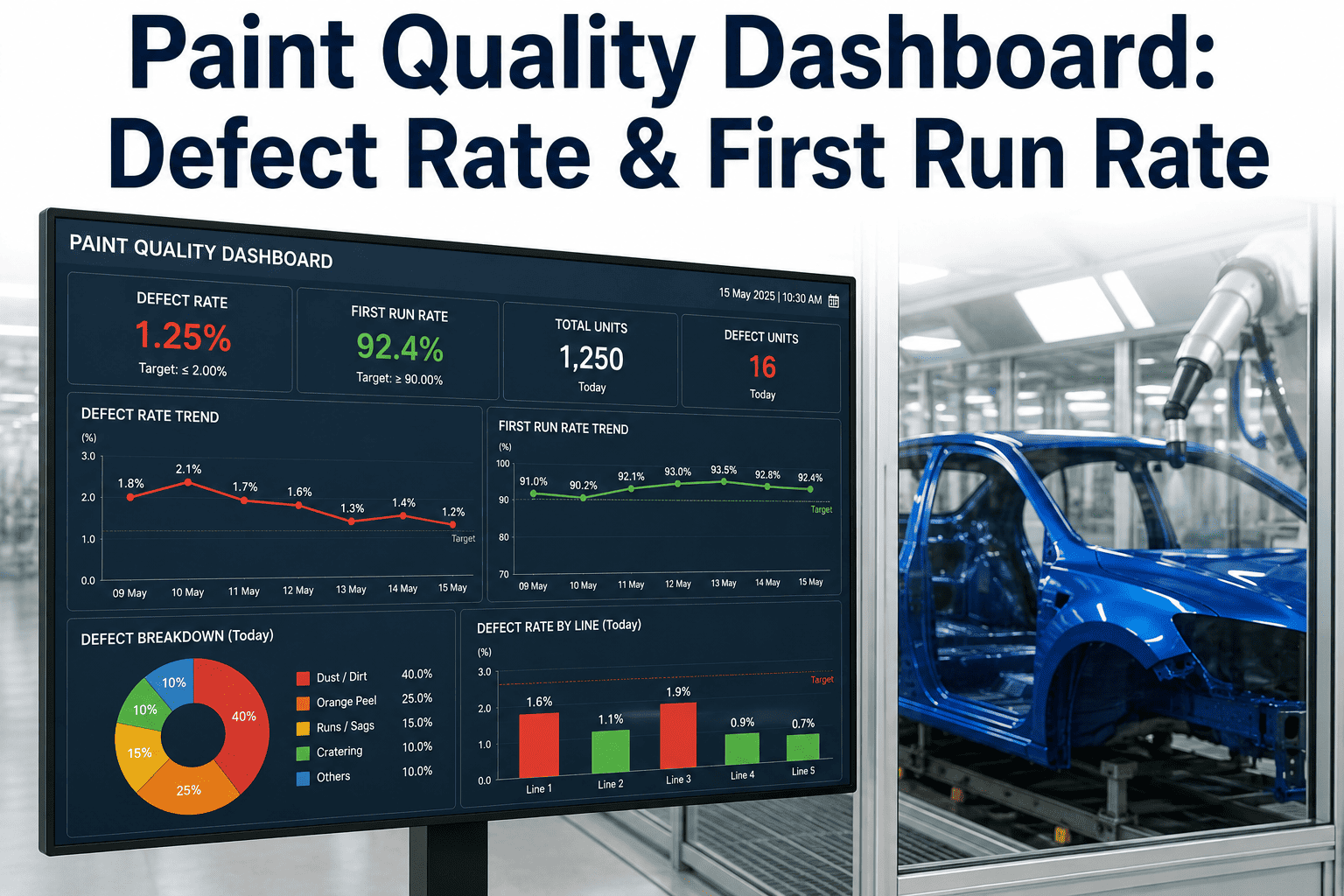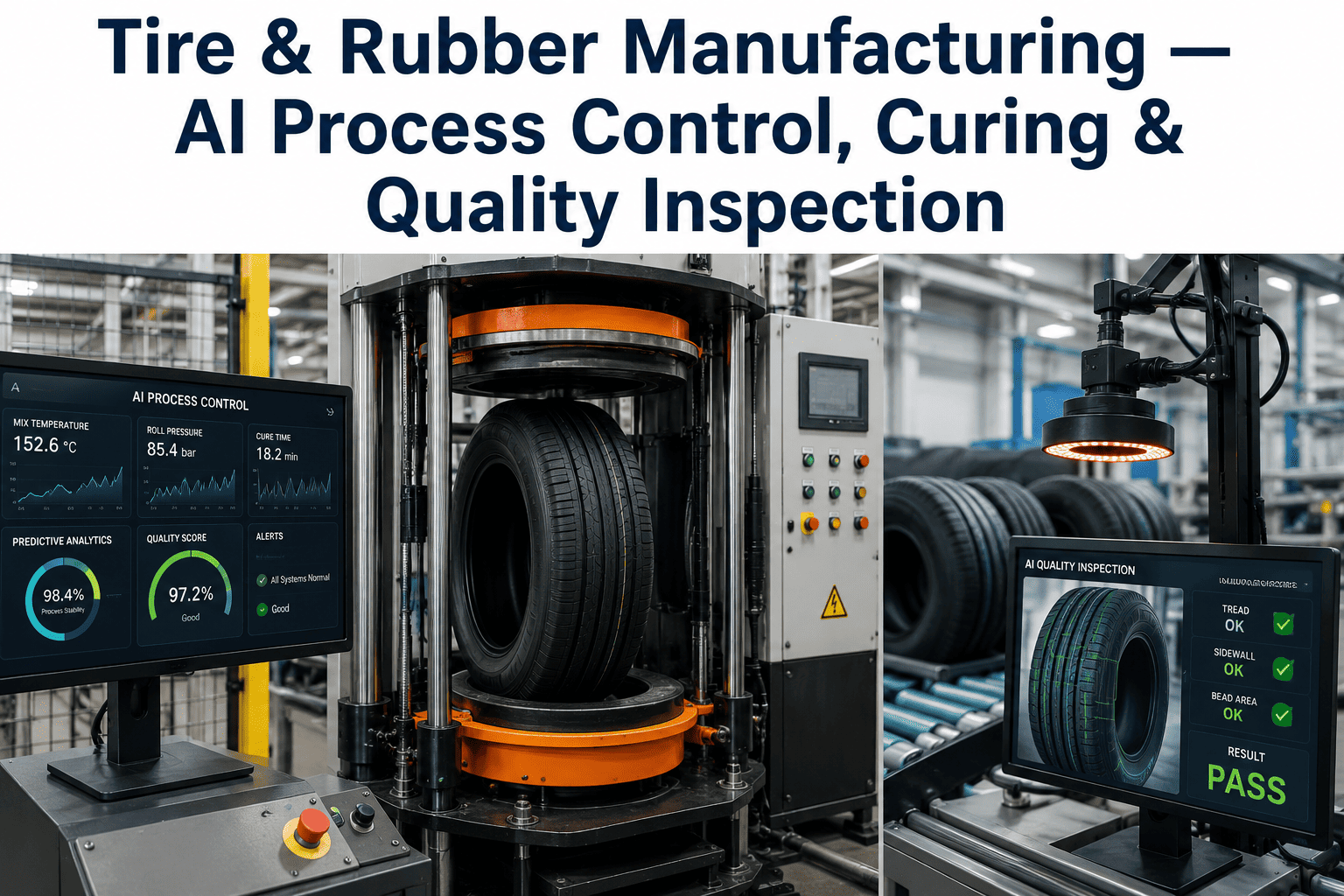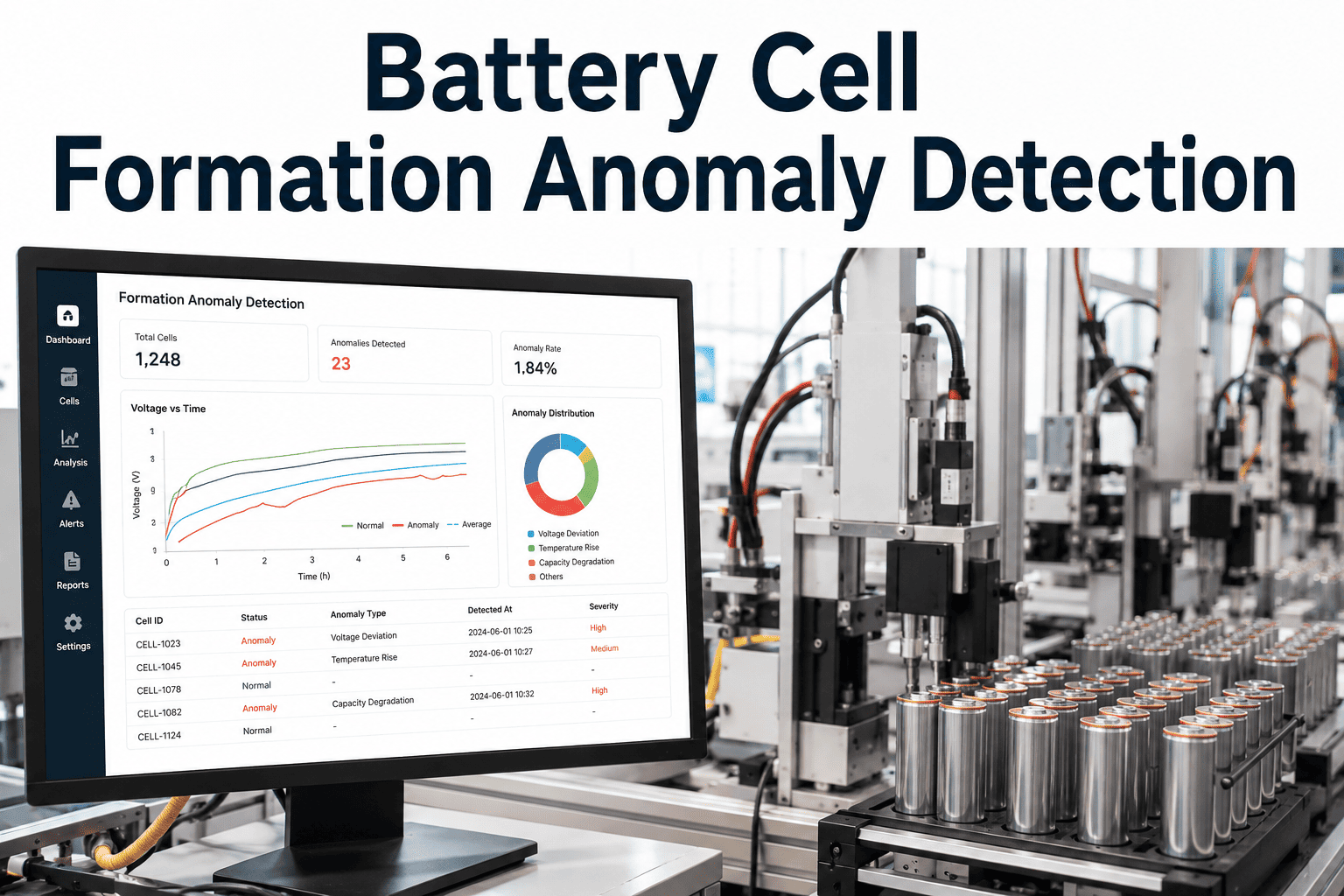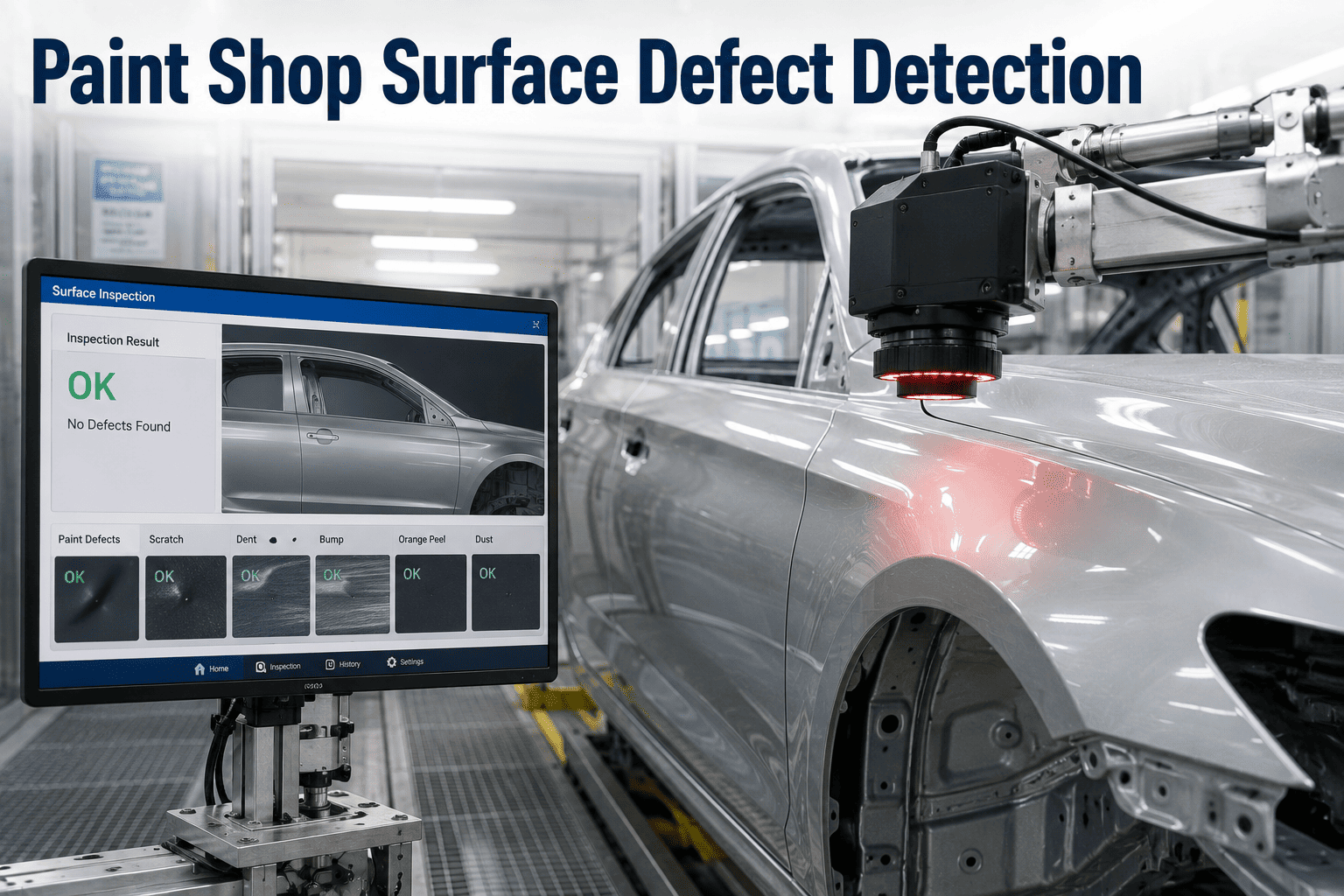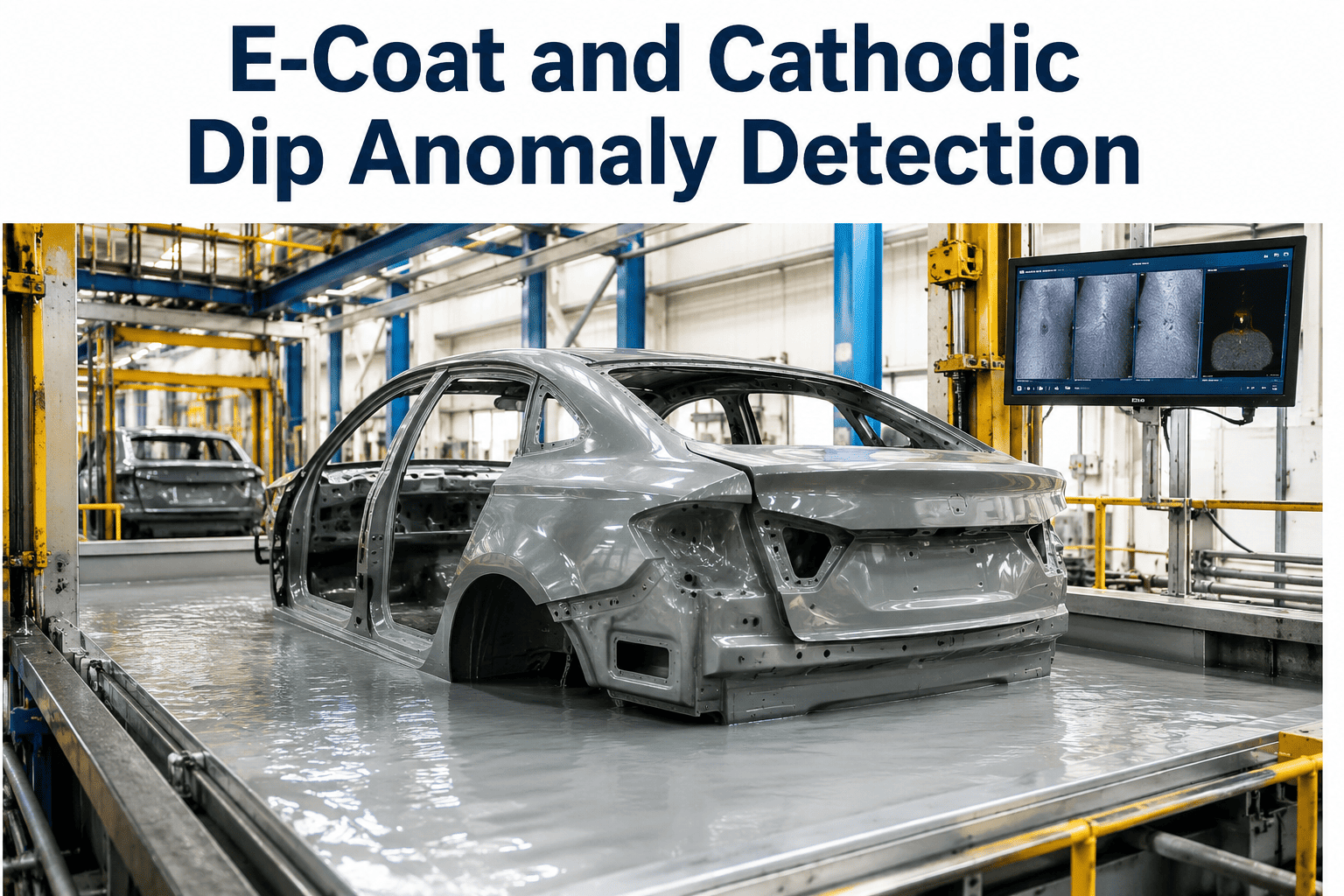
The cathodic dip coating (CDC) process, also known as e-coat or electrodeposition, is the backbone of corrosion protection in automotive, heavy equipment, and industrial component manufacturing. This highly engineered electrochemical bath deposits a uniform, primer-like paint layer on metal substrates, ensuring long-term durability against rust, chemical attack, and environmental degradation. However, the complexity of bath chemistry—comprising resin solids, pigments, solvents, deionized water, and additives—combined with dynamic parameters like voltage, temperature, pH, conductivity, and circulation flow, creates a fragile equilibrium. Even minor deviations in any variable can lead to catastrophic quality failures such as thin film, cratering, pinholes, or poor adhesion, often detected only after costly rework or field corrosion claims. Industry 4.0 and AI-driven predictive maintenance now offer a paradigm shift: instead of reactive sampling, real-time anomaly detection using machine learning models trained on multivariate sensor data can predict bath chemistry drifts and deposition irregularities hours before they produce defects. This comprehensive guide dives deep into the science of cathodic dip coating, the most common anomalies, and how AI-powered monitoring systems—like those developed by iFactory—can transform paint shop quality control. For plant managers and maintenance directors seeking zero-defect e-coat lines, Book a Demo to see our anomaly detection platform in action.
Zero-Defect E-Coat Lines with AI Anomaly Detection
Eliminate costly rework and corrosion failures by catching bath chemistry and deposition anomalies in real time. iFactory's AI monitors every critical parameter to ensure consistent film build and adhesion.
The Electrochemistry of Cathodic Dip Coating
CDC is an aqueous electrophoretic process where positively charged paint particles migrate to a negatively charged metal part under DC voltage (typically 150–400 V). The deposited film undergoes crosslinking in a subsequent oven cure, forming a dense, corrosion-resistant barrier. Key parameters include bath solids (18–22% by weight), pigment-to-binder ratio (P/B), pH (5.8–6.2), conductivity (1200–1800 µS/cm), and temperature (28–32°C). The deposition voltage directly controls film thickness: too low yields thin coverage; too high causes solvent popping or film rupture. The bath must be continuously circulated and ultrafiltered to remove contaminants like oil, grease, or dissolved salts that disrupt electrodeposition. AI models ingest real-time data from pH probes, conductivity sensors, viscometers, thermocouples, and ammeters to build a digital twin of the bath chemistry. When any parameter drifts beyond a learned tolerance, the system triggers an alert and recommends corrective actions—such as adjusting dosing pumps or replenishing deionized water—before a single defective part is produced.
Thin Film Deposition
Occurs when voltage is too low, bath solids are depleted, or conductivity is elevated. AI detects the multivariate pattern and suggests voltage ramp adjustments or solids replenishment.
Cratering & Pinholes
Gas entrapment from excessive voltage or low bath temperature. AI correlates thermal and electrical data to pinpoint the root cause and optimize the cure profile.
Poor Adhesion
Often due to contamination (e.g., oil, silicone) or improper pretreatment. AI monitors conductivity spikes and recommends ultrafiltration cycles.
Film Rupture
Excessive voltage or high bath conductivity causes the deposited film to break down. AI identifies pre-rupture signatures and alerts operators to reduce voltage.
AI Deployment Timeline for E-Coat Lines
Sensor Integration
Install pH, conductivity, temperature, and voltage sensors at key bath zones. Data is streamed to the cloud every 100 ms.
Model Training
Historical data from 6–12 months of production trains a multivariate anomaly detection model (e.g., autoencoder or isolation forest).
Real-Time Monitoring
The model runs 24/7, flagging anomalies with probability scores. Alerts are sent to line supervisors via dashboard or mobile.
Continuous Learning
The model retrains weekly with new data to adapt to seasonal changes, new paint formulations, or equipment aging.
Ready to Eliminate E-Coat Defects?
Deploy iFactory's AI anomaly detection on your CDC line and achieve zero-defect corrosion protection. Our platform integrates with any PLC or SCADA system.
Key Bath Parameters Monitored by AI
| Parameter | Optimal Range | Anomaly Threshold | Impact on Quality |
|---|---|---|---|
| pH | 5.8 – 6.2 | ±0.15 | Film adhesion & stability |
| Conductivity | 1200 – 1800 µS/cm | ±150 µS/cm | Deposition uniformity |
| Bath Solids | 18 – 22% | ±1.5% | Film thickness |
| Temperature | 28 – 32°C | ±1.5°C | Crosslinking & cratering |
| Voltage | 150 – 400 V | ±20 V | Film build & rupture |
Real-World Impact: Automotive Tier 1 Supplier
Challenge
A major automotive supplier faced 8% rejection rate on truck chassis due to inconsistent e-coat film thickness. Traditional lab sampling took 4 hours, causing 200+ defective parts per shift.
Solution
iFactory deployed 12 sensors across the CDC bath and trained an autoencoder model on 8 months of historical data. The system predicted thin film events 30 minutes in advance with 94% accuracy.
Results
Rejection rate dropped to 0.5% within 3 months. Annual savings exceeded $1.2M from reduced rework, scrap, and warranty claims. The line now runs with 99.5% first-pass yield.
Frequently Asked Questions
How does AI detect e-coat bath chemistry anomalies?
AI models are trained on multivariate time-series data from sensors measuring pH, conductivity, solids content, temperature, and voltage. The model learns the normal operating envelope and flags any deviation exceeding a statistical threshold. For example, if pH drifts above 6.35 while conductivity drops below 1100 µS/cm, the model identifies a potential contamination event and recommends checking the deionized water supply. This predictive approach catches issues before they cause defects, unlike traditional lab sampling which can take hours. Learn more about our sensor integration services.
What is the ROI of implementing AI anomaly detection on a CDC line?
Typical ROI ranges from 6 to 12 months, driven by reduced rework (40–60% decrease), lower scrap rates, and fewer warranty claims. For a medium-volume line producing 500,000 parts per year, a 5% defect reduction can save $500,000 annually. Additionally, AI reduces manual sampling labor by 80% and prevents costly line stoppages. Our customers report an average 97% reduction in defect escapes. Book a Demo to see a personalized ROI calculator.
Can the AI system integrate with existing PLCs and SCADA?
Yes, iFactory's platform is designed for seamless integration with all major industrial protocols including OPC UA, Modbus TCP, Profinet, and Ethernet/IP. We provide edge gateways that connect directly to your PLCs, along with REST APIs for SCADA or MES integration. The system is agnostic to paint chemistry brands (PPG, Axalta, BASF, etc.) and works with both new and retrofit lines. Contact our integration team for a compatibility assessment.
How long does it take to train the AI model for a new e-coat line?
Initial model training typically requires 4–6 weeks of historical data (minimum 3 months) to capture seasonal variations and normal process drift. iFactory's data scientists work with your team to clean and label the data, then deploy a baseline model. The model improves over time through continuous learning, achieving peak accuracy after 6 months. For new lines without historical data, we use transfer learning from similar installations. Book a Demo to discuss your specific timeline.
What types of e-coat defects can the AI predict?
The AI detects a wide range of defects including thin film, cratering, pinholes, poor adhesion, film rupture, solvent popping, and uneven coverage. It also predicts non-visual anomalies like micro-porosity that can lead to long-term corrosion. The model correlates multivariate sensor data with defect types, enabling root cause analysis. For example, a sudden drop in bath solids combined with rising conductivity often predicts thin film on complex geometries. See the full defect taxonomy in our technical whitepaper.
Transform Your E-Coat Quality Today
Join industry leaders who have achieved zero-defect cathodic dip coating with iFactory's AI. Our platform is trusted by Fortune 500 automotive and industrial manufacturers.