The paint shop is the single largest energy consumer in any automotive assembly plant, often accounting for over 40% of total facility energy use. Within this critical zone, the curing ovens and HVAC systems alone can consume up to 70% of the paint shop's energy budget, burning enormous volumes of natural gas and electricity to maintain precise temperature and airflow profiles. Traditional fixed-setpoint controls waste energy by overheating or over-ventilating during production gaps, line stoppages, or model mix changes. Advanced AI-driven optimization now offers a transformative approach, dynamically tuning oven temperature, airflow, and exhaust to match real-time production demand. This guide delivers a deep technical analysis of how machine learning models can reduce paint shop energy consumption by 15–25% while preserving or even improving paint quality. For decision-makers seeking a competitive edge, Book a Demo to explore iFactory's tailored solutions.
Ready to Slash Your Paint Shop Energy Costs?
Discover how AI can reduce your oven and HVAC energy use by up to 25% without compromising quality. Schedule a personalized demo today.
The Energy Intensity of Paint Curing
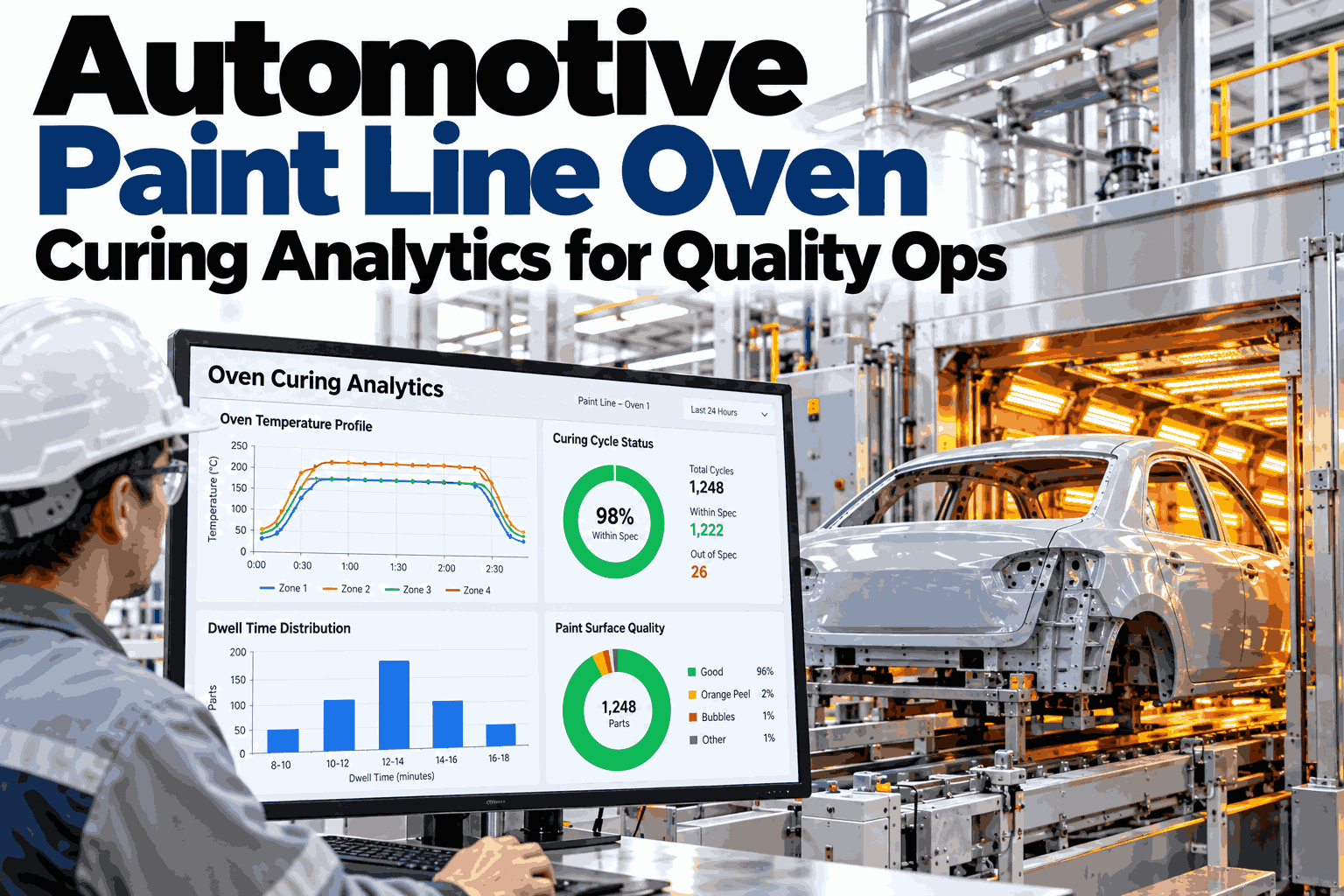
Curing ovens must maintain temperatures between 140°C and 180°C for up to 30 minutes per vehicle body, consuming massive amounts of natural gas. Traditional ovens operate at a fixed setpoint regardless of line speed, leading to significant overconsumption during slowdowns or stops.
HVAC Overventilation
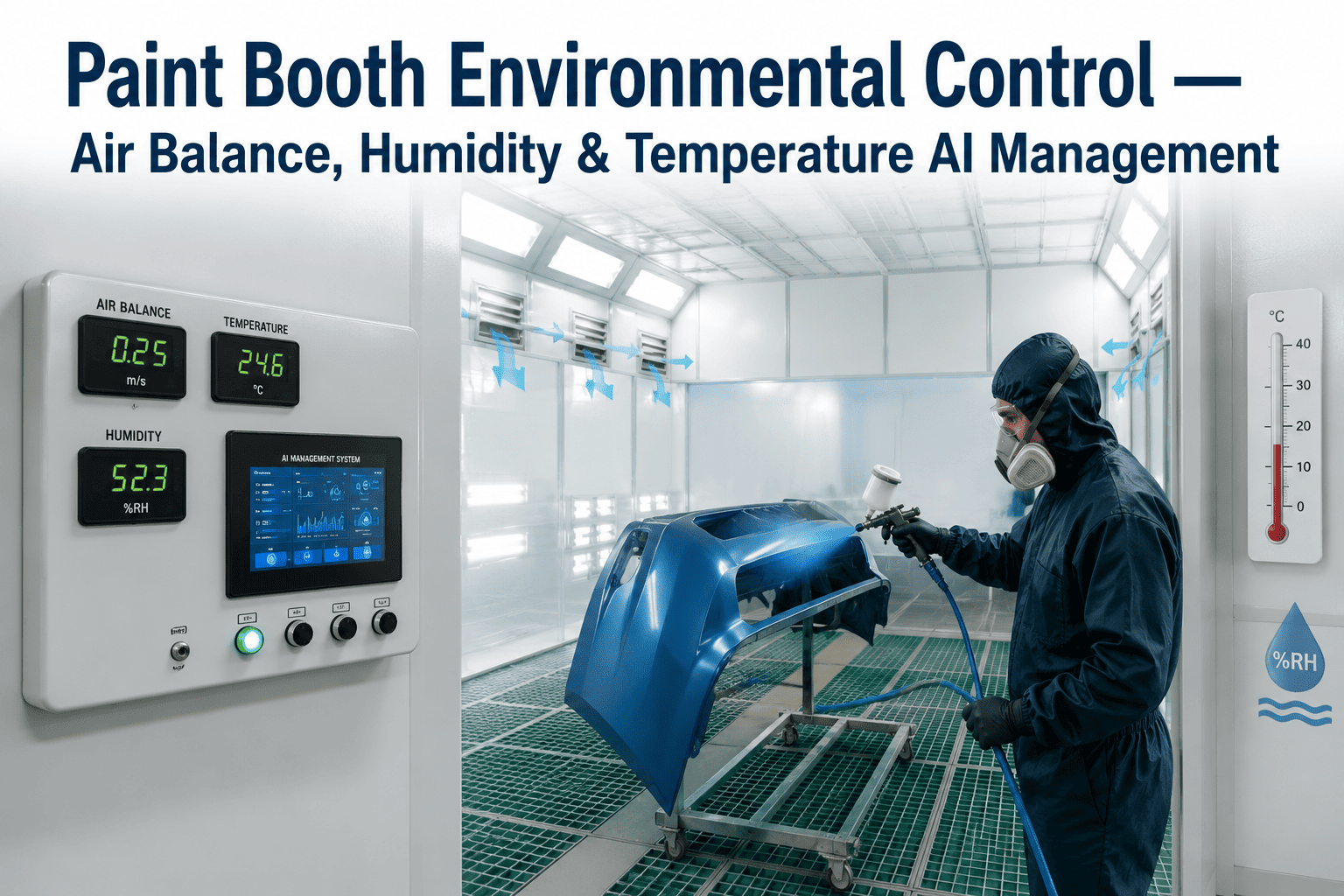
Paint booths require precise temperature, humidity, and particulate control. Conventional HVAC systems run at constant airflow, often exhausting conditioned air unnecessarily when fewer vehicles are being painted, wasting both heating and cooling energy.
Production Variability
Model mix changes, shift breaks, and unscheduled downtime create unpredictable thermal loads. Fixed systems cannot adapt, resulting in energy waste during low-production periods and potential quality defects during high-demand spikes.
AI-Driven Oven Temperature Optimization
Modern AI systems use deep reinforcement learning to model the thermal dynamics of curing ovens. By ingesting real-time data from thermocouples, airflow sensors, line speed encoders, and production schedules, the AI predicts the optimal temperature profile for each vehicle body. The model continuously adjusts burner output and air recirculation dampers to maintain the required peak metal temperature while minimizing energy input. This dynamic control can reduce natural gas consumption by 18–22% without affecting paint cure quality.
Predictive Temperature Ramping
The AI anticipates incoming vehicle mix and pre-heats the oven only to the necessary level, avoiding energy spikes during model changeovers.
Zone-Level Optimization
Each oven zone is independently controlled. The AI can reduce temperature in empty zones or zones with low thermal load, saving energy while maintaining process integrity.
Real-Time Anomaly Detection
Machine learning models detect drift in temperature sensors or burner efficiency, enabling proactive maintenance that prevents energy waste and quality defects.
Intelligent HVAC and Airflow Control
Paint booth HVAC systems are traditionally designed for worst-case conditions, running at 100% capacity continuously. AI-driven optimization adjusts supply air volume, exhaust rate, and temperature setpoints based on actual production activity, ambient conditions, and booth occupancy. This reduces fan energy consumption by 30–40% and heating/cooling load by 15–20%.
Demand-Controlled Ventilation
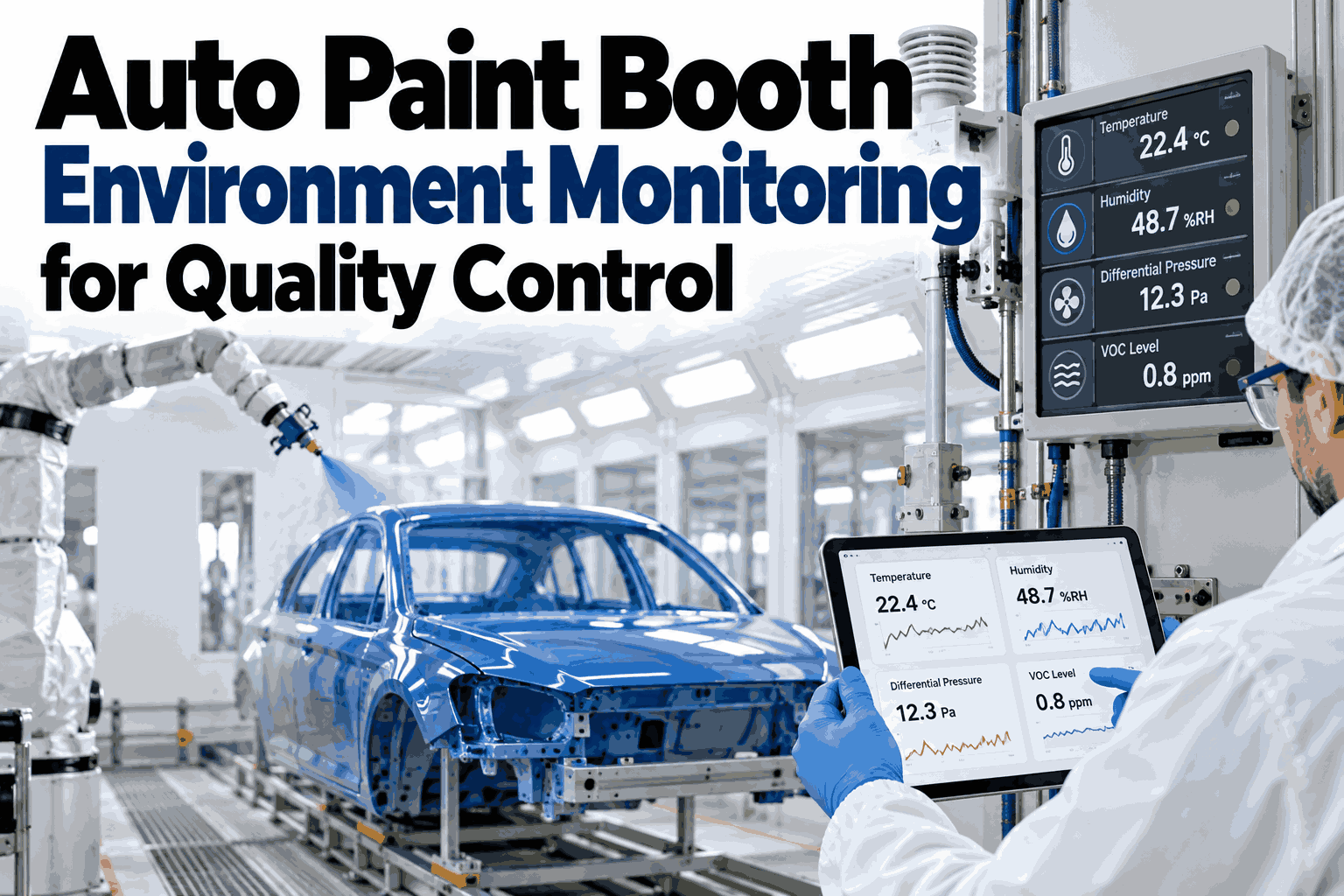
The AI monitors VOC concentration, particulate levels, and booth pressure. When production is low, it reduces airflow to the minimum required for safety and quality, cutting fan power proportionally.
Thermal Energy Recovery
The system coordinates with heat recovery wheels and economizers, using AI to decide when to recirculate conditioned air versus bring in fresh air, maximizing free cooling and heating opportunities.
Predictive Filter Management
By analyzing pressure drop trends, the AI predicts filter replacement needs, ensuring filters are changed only when necessary, reducing energy waste from clogged filters.
Unlock 25% Energy Savings in Your Paint Shop
Our AI platform integrates with your existing PLCs and sensors to deliver measurable results. Book a demo to see a live simulation.
Step-by-Step Implementation Roadmap
Data Collection & Sensor Audit
Assess existing instrumentation: thermocouples, flow meters, pressure sensors, energy meters. Install additional sensors if needed to capture zone-level temperature, humidity, and airflow data. Typical timeline: 2–4 weeks.
Baseline Energy Model
Collect 3–6 months of historical data to train a baseline AI model that correlates production variables with energy consumption. Validate model accuracy against actual utility bills.
Simulation & Validation
Run the AI model in a digital twin environment to simulate energy savings without impacting production. Fine-tune control algorithms for safety and quality constraints.
Pilot Deployment
Implement AI control on a single oven zone or booth for 4–8 weeks. Monitor energy consumption, quality metrics, and operator feedback. Achieve 10–15% savings in pilot.
Full-Scale Rollout
Expand AI control to all ovens, booths, and HVAC units. Integrate with plant MES and scheduling systems for holistic optimization. Realize 20–25% total energy reduction.
Expected ROI from AI Energy Optimization
| Parameter | Baseline | With AI | Savings |
|---|---|---|---|
| Annual Natural Gas Usage (MMBtu) | 120,000 | 96,000 | 20% |
| Annual Electricity Usage (MWh) | 8,000 | 6,400 | 20% |
| Energy Cost ($/year) | $1,200,000 | $960,000 | $240,000 |
| Maintenance Cost ($/year) | $150,000 | $120,000 | $30,000 |
| CO2 Emissions (metric tons/year) | 6,500 | 5,200 | 1,300 |
Maintaining Paint Quality Under AI Control
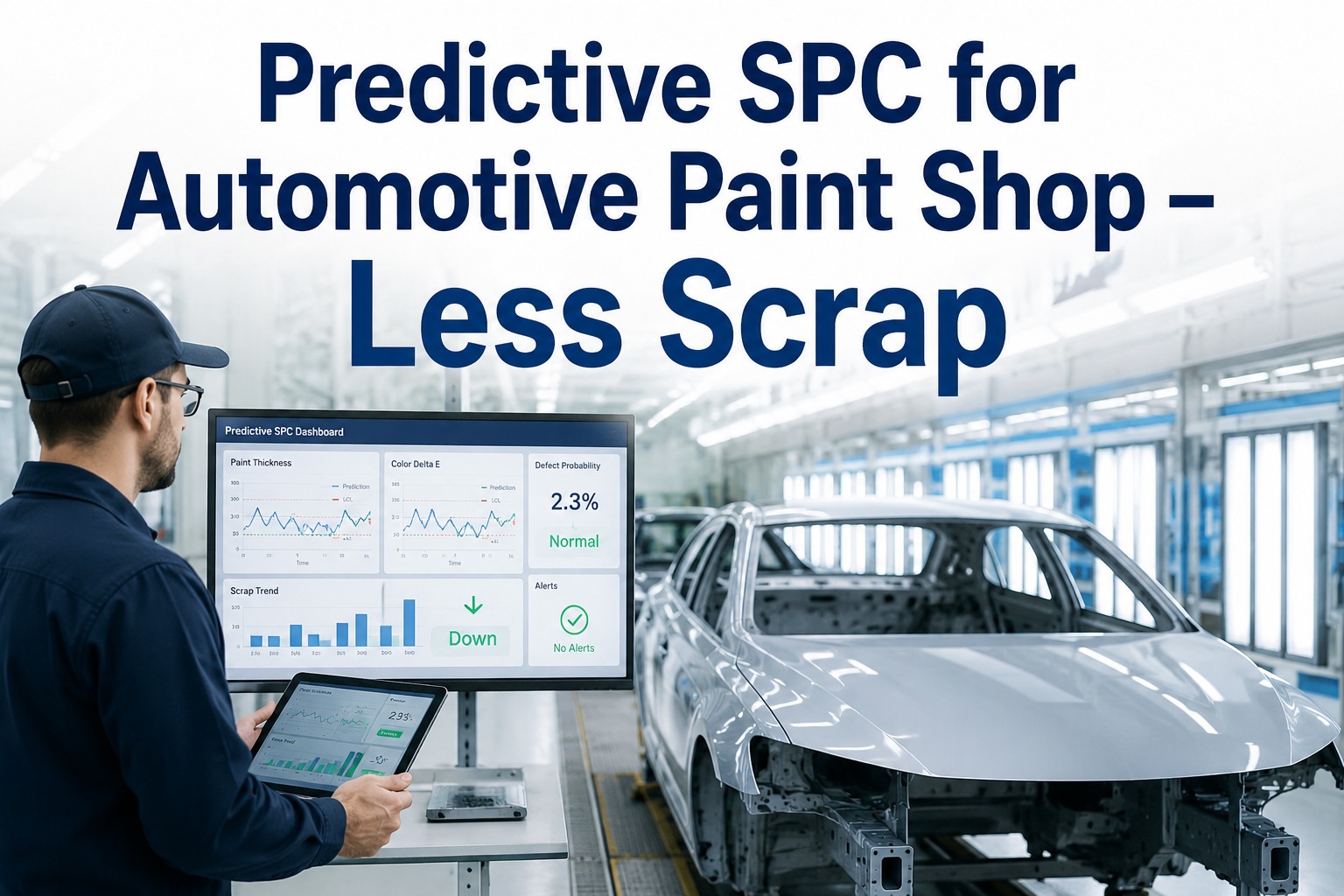
A common concern with energy optimization is the risk of compromising paint finish quality. However, AI models are trained to maintain peak metal temperature within a tight tolerance (±2°C) and ensure proper dwell time for curing. The system continuously monitors infrared signatures and film thickness to detect any deviation. In practice, AI-controlled ovens often achieve better quality consistency than manual operation because they eliminate human error and respond instantly to disturbances.
Real-Time Quality Feedback
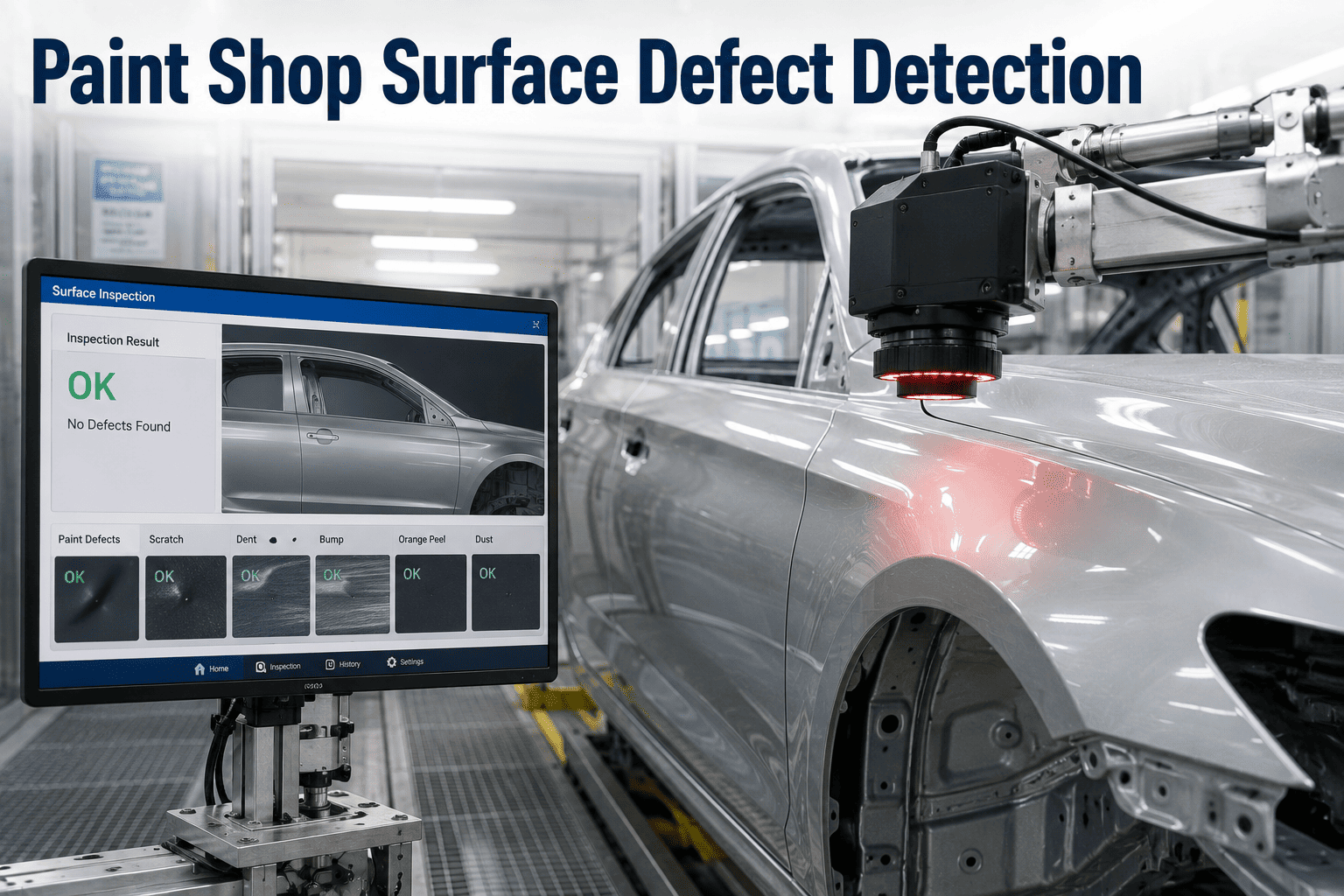
Inline sensors measure gloss, hardness, and color uniformity. The AI adjusts oven parameters in real time to correct any drift.
Defect Prediction
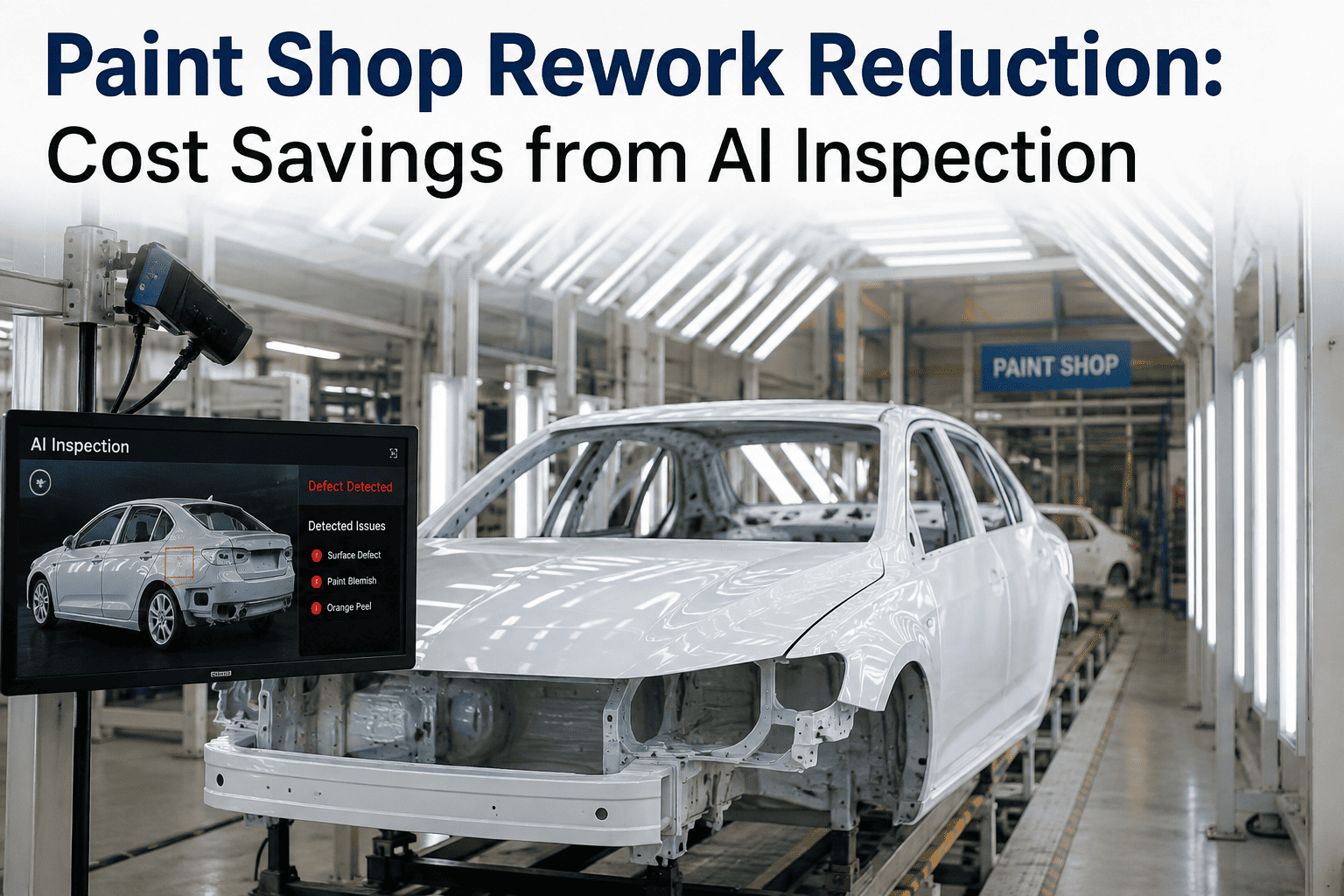
Machine learning models predict defects like blistering or orange peel before they occur, triggering preemptive adjustments.
Integration with Existing Plant Systems
The AI platform is designed to complement, not replace, existing control infrastructure. It interfaces with PLCs via OPC UA or Modbus, reads data from MES and SCADA systems, and outputs setpoint adjustments to burner controllers and VFDs. The system includes a human-machine interface for operators to override AI decisions if needed, ensuring full transparency and control.
Frequently Asked Questions
How does AI optimize paint oven temperature without affecting cure quality?
AI models use deep reinforcement learning trained on thousands of hours of oven thermal data. They predict the optimal temperature profile for each vehicle based on body type, paint formulation, and line speed. The AI adjusts burner output and damper positions every few seconds to maintain the required peak metal temperature within a ±2°C window. This dynamic control eliminates the overshoot and undershoot common in PID controllers, ensuring consistent cure while using 18–22% less gas. For a detailed technical discussion, visit iFactory Support.
What is the typical payback period for AI-driven paint shop energy optimization?
Most automotive plants achieve a payback period of 12 to 18 months, depending on the scale of deployment and current energy costs. The investment includes sensor upgrades, software licensing, and integration services. With average annual energy savings of $200,000 to $400,000 for a typical paint shop, the ROI is compelling. Additionally, maintenance savings from predictive diagnostics and reduced thermal stress on equipment further shorten payback. Schedule a demo to get a customized ROI estimate for your facility.
Can AI optimization be applied to older paint shops with legacy control systems?
Yes, the platform is designed for retrofit. It uses non-intrusive sensors and communicates via standard industrial protocols like OPC UA and Modbus, which are supported by most legacy PLCs. In cases where sensors are insufficient, we install wireless thermocouples and airflow meters that require minimal wiring. The AI runs on an edge server or cloud, sending setpoint adjustments to existing controllers. Over 80% of our deployments have been on plants built before 2015. Learn more about retrofitting at iFactory Support.
How does the system handle production stops, shift changes, and model mix variations?
The AI ingests real-time production schedules from the MES and line status from PLCs. During a planned stop, it ramps down oven temperature and airflow to a standby level, cutting energy consumption by 60–70%. When production resumes, it pre-heats the oven just in time for the first vehicle. For model mix changes, the AI predicts the thermal mass of each body type and adjusts temperature profiles accordingly. This adaptive behavior is a key differentiator from fixed-setpoint systems. For a live demonstration, book a demo.
What are the cybersecurity considerations for connecting AI to plant control networks?
Our platform follows ISA/IEC 62443 standards for industrial cybersecurity. The AI system communicates through a read-only data diode for sensor data ingestion, and write commands are sent via a separate authenticated channel with encrypted payloads. All software updates are signed and validated. The system includes role-based access control, audit logging, and network segmentation to prevent any unauthorized access. We also provide a manual override switch that physically disconnects the AI from the control loop if needed. For detailed security architecture, visit iFactory Support.
Transform Your Paint Shop Energy Performance
Join industry leaders who have cut energy costs by 25% with AI. Book your demo now and see the difference.