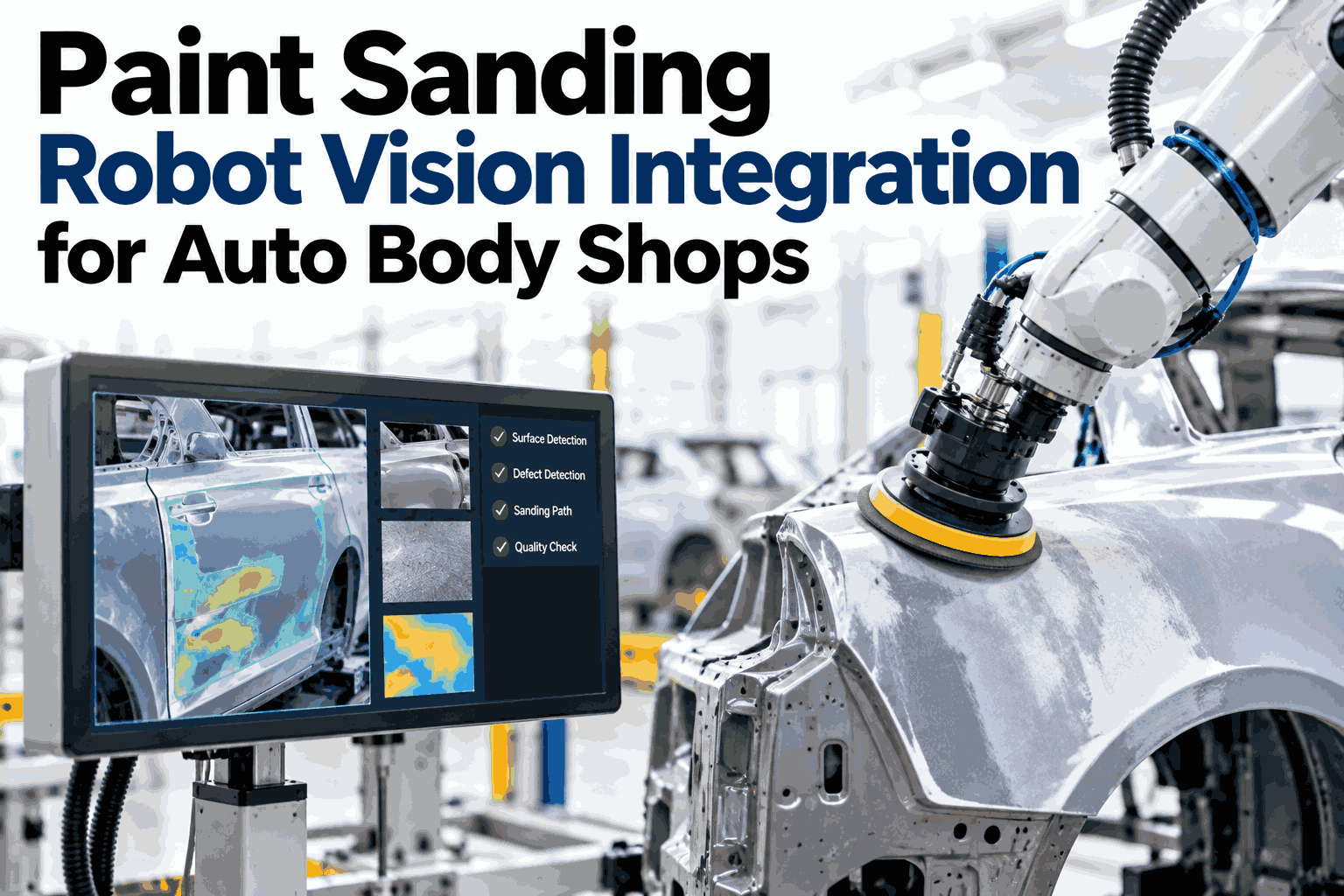
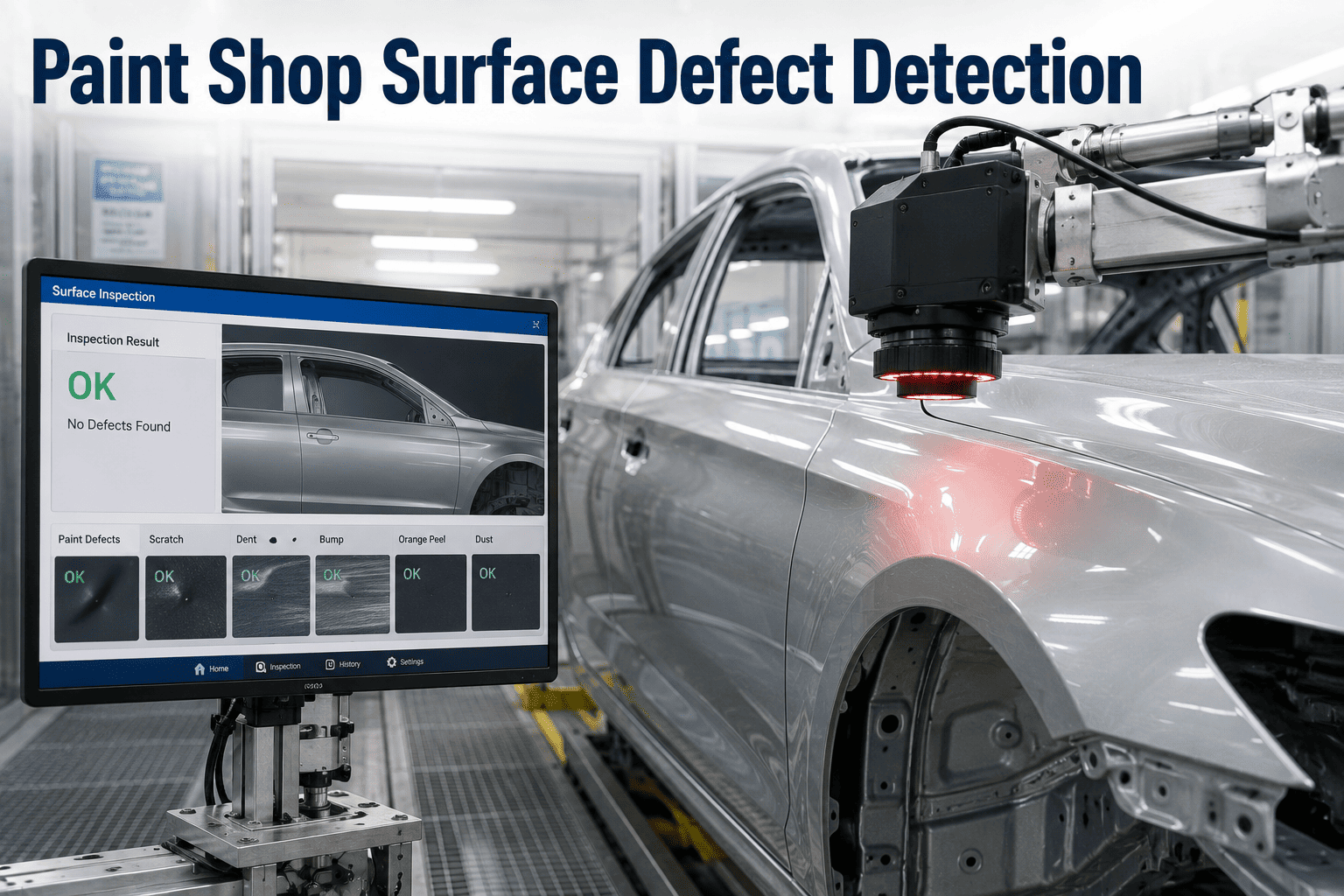
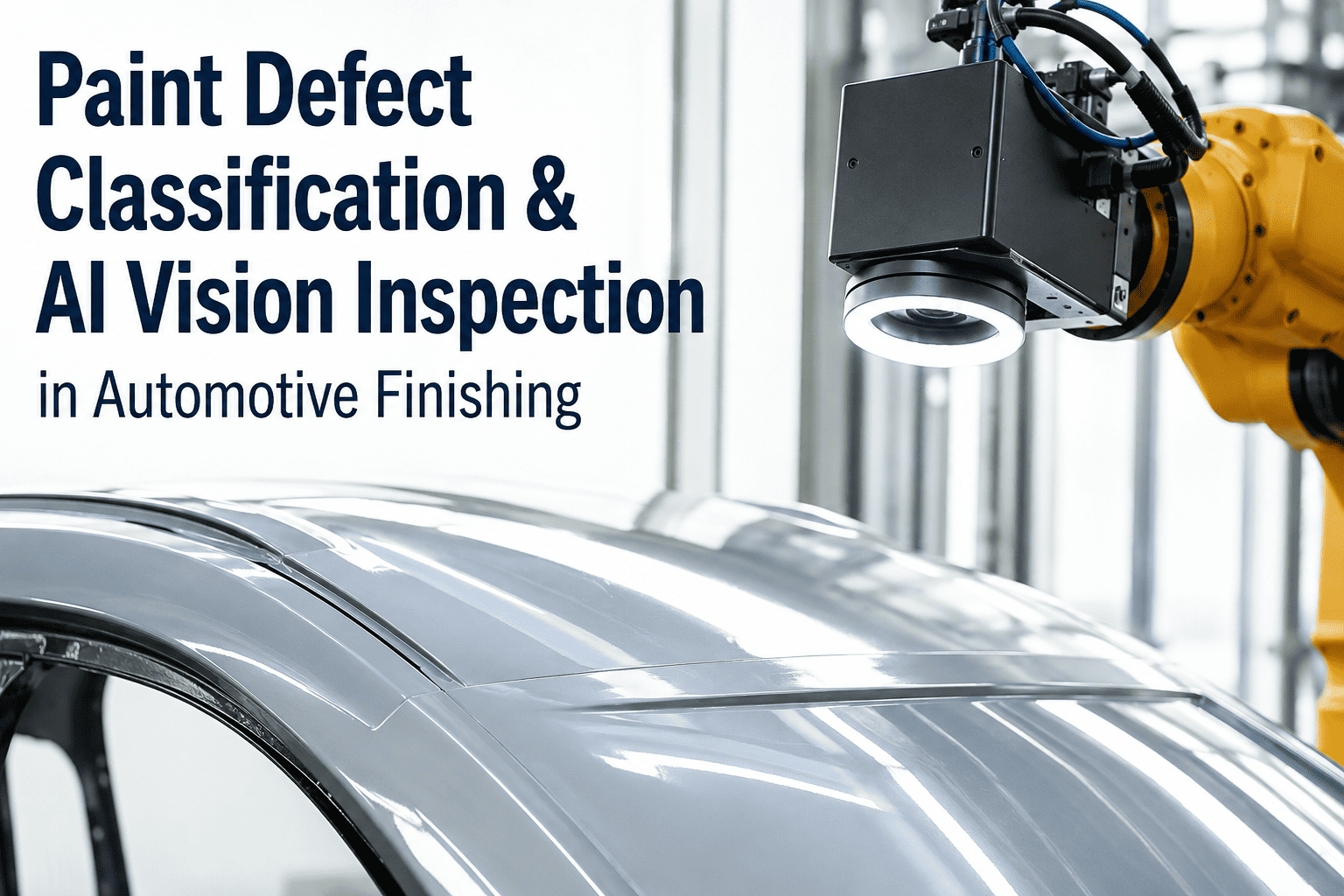
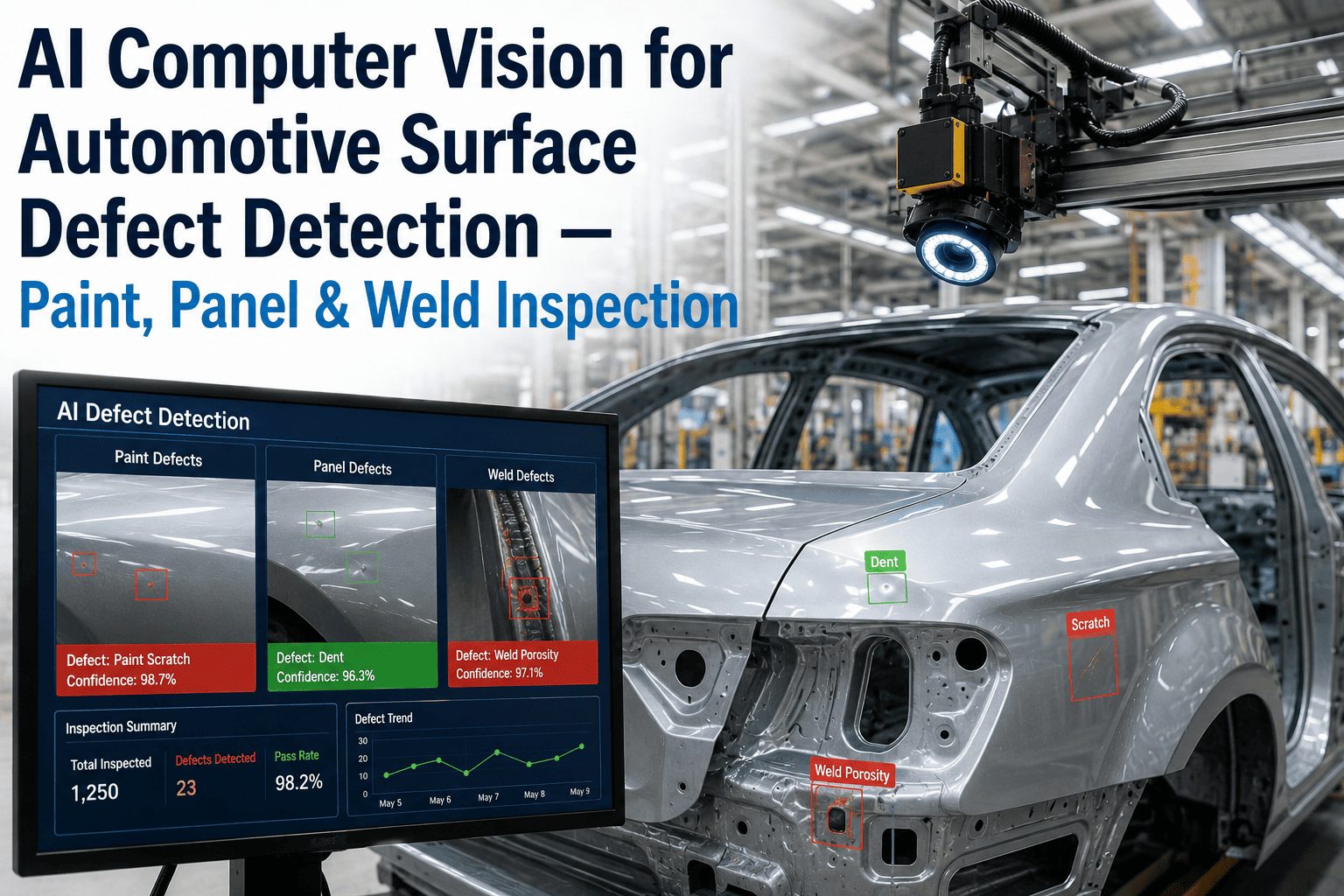
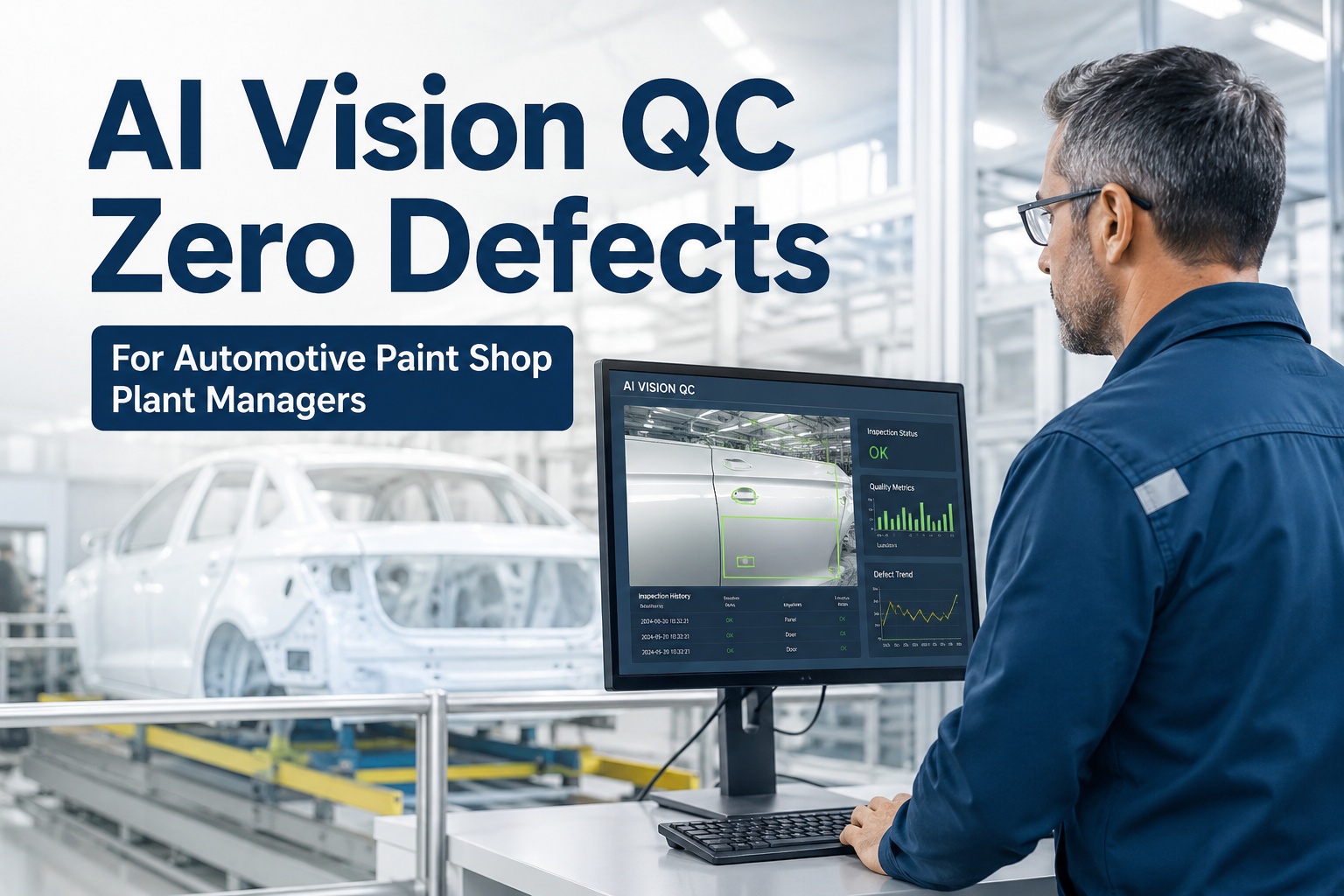
An automotive body shop processes 850 painted panels per shift, and human inspectors catch 78% of paint defects through visual checks under fixed lighting conditions, missing 187 defective panels that advance to final assembly where each rework costs $3,200 in disassembly labor, re-painting materials, and production line disruption, resulting in $598,400 daily rework expenses that could be eliminated if every surface defect was detected at the paint booth exit before panels enter the assembly line. iFactory's real-time AI defect classification system deploys computer vision that analyzes 100% of painted panels immediately after cure, detecting surface anomalies invisible to human inspection with 99.4% accuracy, automatically classifying defects by severity, and routing non-conforming panels to rework before they reach the assembly station. The paint defects that used to escape inspection now get caught at the source. Book a demo to see AI classification in your body shop.
Real-Time Classification
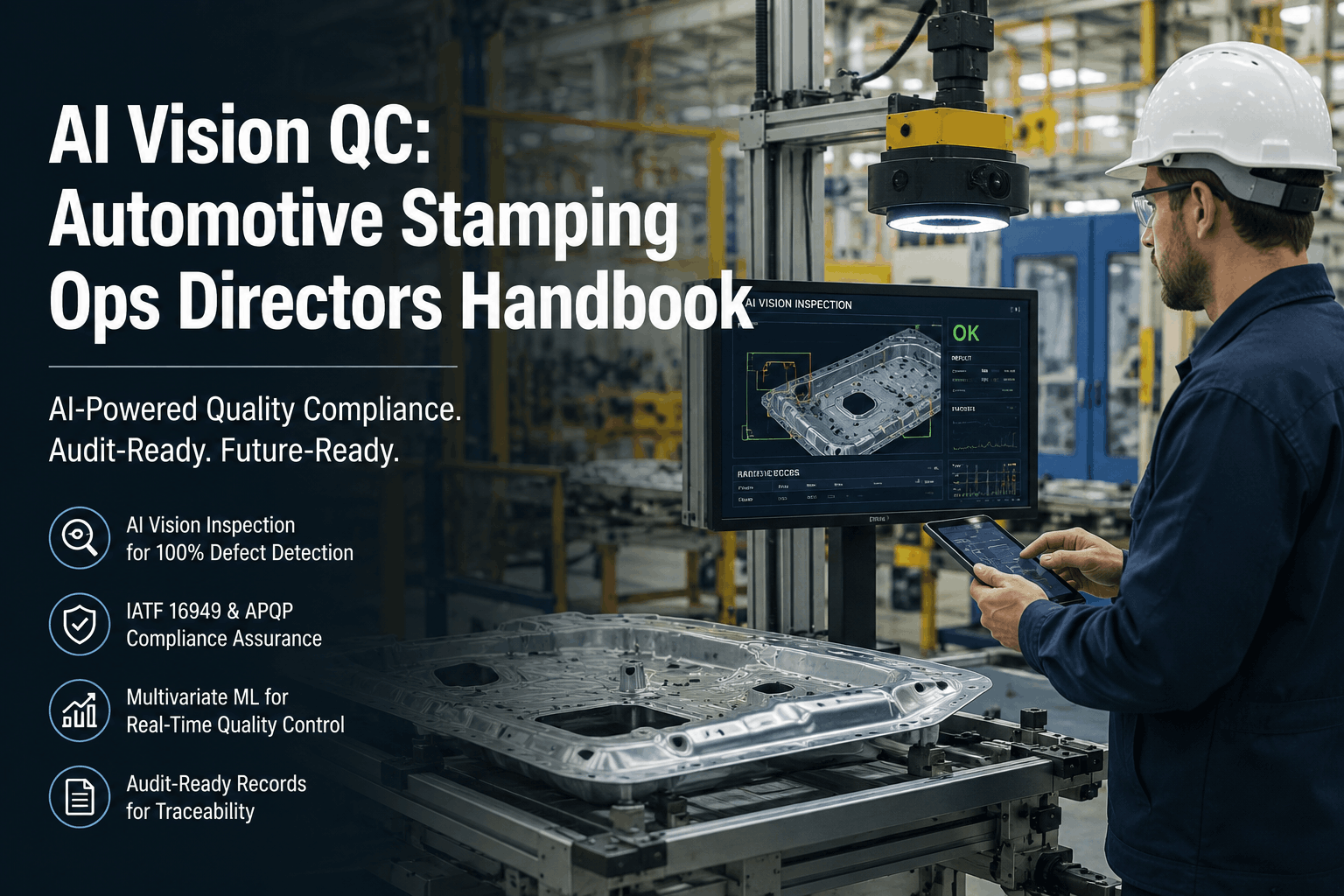
iFactory's AI vision inspects every painted panel at body shop exit, classifying defects in real time with 99.4% accuracy before panels advance to assembly. Computer vision trained on millions of automotive paint defects identifies orange peel, color variation, dirt inclusion, flow marks, and surface contamination across all panel types and lighting conditions. System automatically routes panels to rework or quality hold based on defect severity classification. Result: 92% reduction in assembly line paint rework, 87% decrease in final inspection failures, zero defect pass-through to customer delivery, and complete traceability linking every classification decision to specific defect images for IATF 16949 compliance and continuous improvement.
AI Body Shop Quality
From 78% Manual Detection to 99.4% AI Classification
iFactory eliminates subjective paint inspection by deploying computer vision that classifies every defect type instantly, maintaining consistent quality standards across all shifts and production volumes.
The Body Shop Quality Challenge
Paint defects detected after panels reach assembly cost 4x more to fix than catching them at paint booth exit. Human inspection creates variability that guarantees defect escape regardless of training investment.
Subjective Standards
What constitutes acceptable orange peel or color match varies between inspectors, shifts, and lighting conditions. Quality criteria inconsistent across 24-hour production.
Inspection Fatigue
Inspector accuracy drops from 85% in hour one to 62% in hour eight. Micron-level paint texture defects require sustained visual concentration humans cannot maintain across 850 panels per shift.
Late Detection
Defects caught at final assembly after three downstream operations require disassembly, re-painting, and reassembly. Each late-stage rework costs $3,200 vs $280 if caught at paint booth exit.
How Real-Time AI Classification Works
iFactory deploys deep learning models at paint booth exit that analyze every panel surface, classify defects by type and severity, and route non-conforming panels before they reach assembly.
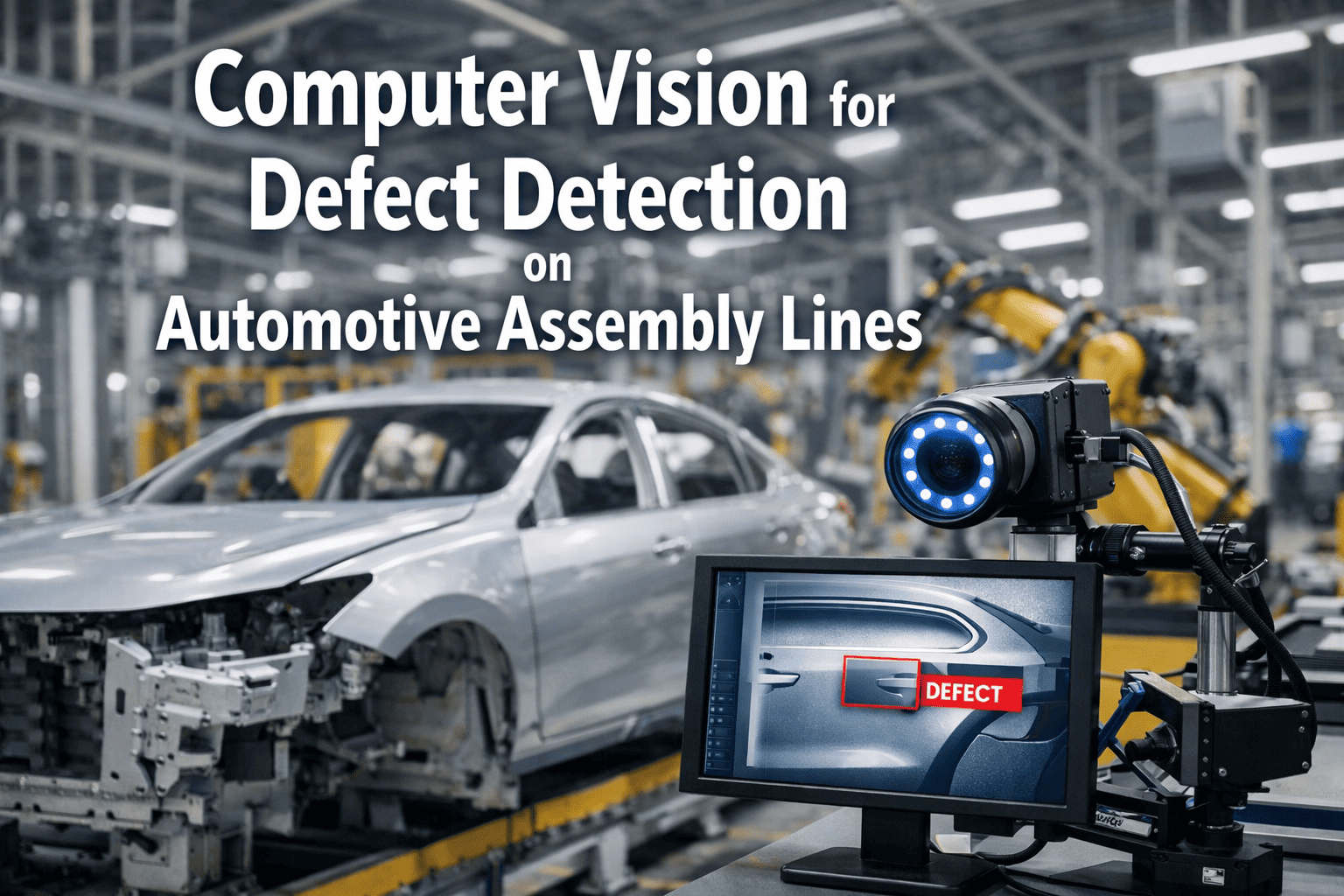
High-resolution cameras positioned at paint booth exit capture full-panel surface images immediately after cure. Multi-angle lighting eliminates shadows. 100% of panels inspected. Zero sampling gaps. Inspection occurs at line speed without production slowdown.
2
Defect Detection & Classification
AI model analyzes panel surface, identifies anomalies, and classifies defect type: orange peel texture, color mismatch, dirt inclusion, flow marks, surface contamination, runs/sags. Each defect assigned severity rating: critical (reject), major (rework), minor (accept with note).
3
Automated Routing Decision
System integrates with conveyor controls. Critical defects auto-routed to reject station. Major defects diverted to rework area. Minor defects flagged for documentation but allowed to proceed. No manual sorting. Physical prevention of defect pass-through to assembly.
4
Traceability & Learning
Every classification decision logged with panel ID, defect images, severity rating, and routing action. Quality engineers review edge cases, validate classifications, and feed corrections back to model. AI accuracy improves continuously. System adapts to new paint formulations and panel designs.
Current deployed accuracy: 99.4% across 12 automotive body shops
Defect Types AI Classifies
iFactory's computer vision detects and categorizes the full spectrum of automotive paint defects that impact final quality and customer perception.
Orange Peel Texture
Surface texture variation from paint flow irregularities. AI detects micron-level texture differences across panel surfaces that human inspection misses under standard lighting. Severity classified by texture depth measurement.
Color Mismatch
Color variation between adjacent panels or from target specification. Computer vision detects hue, saturation, and brightness deviations imperceptible to human eye. Critical for multi-panel assemblies requiring color consistency.
Dirt Inclusion
Foreign particle contamination trapped in paint layer during application or cure. AI identifies inclusion size, location, and quantity. Classification determines if grinding/buffing can remove contamination or if re-paint required.
Flow Marks & Runs
Paint application defects from excessive material or improper spray technique. System detects flow patterns indicating runs, sags, or uneven coating thickness. Automated severity assessment based on defect size and location visibility.
Surface Contamination
Post-cure contamination from booth environment, handling, or transport. AI distinguishes between surface contamination removable by cleaning vs embedded defects requiring rework. Critical for premium automotive finishes.
Dimensional Variations
Panel shape deviations from stamping or welding operations visible after paint application. Computer vision identifies panel fit issues that will cause assembly problems downstream. Early detection prevents cascading quality issues.
Regional Compliance & Manufacturing Challenges
Automotive manufacturing faces region-specific quality standards and operational challenges. iFactory ensures AI inspection meets local requirements while solving regional manufacturing constraints.
Scroll table
| Region |
Key Challenges |
Compliance |
iFactory Solution |
| USA |
High labor costs, quality consistency across shifts |
IATF 16949, AIAG PPAP |
Automated inspection eliminates labor variance, PPAP automation |
| UAE |
Extreme heat affecting paint cure, quality workforce |
Emirates Quality Mark, ISO 9001 |
Climate-adaptive inspection, bilingual AR/EN reporting |
| UK |
Brexit supply chain disruptions, skilled labor shortage |
UKCA Marking, VCA Standards |
Consistent quality despite workforce changes, UKCA docs |
| Canada |
Winter temperature variations, bilingual requirements |
CMVSS, CSA Standards |
Temperature-compensated models, bilingual EN/FR interface |
| Europe |
Multi-country operations, stringent quality regulations |
EU Type Approval, VDA 6.3 |
Unified inspection across plants, VDA audit support |
Platform Comparison
Scroll table
| Capability |
iFactory |
QAD Redzone |
Evocon |
MaintainX |
IBM Maximo |
| AI defect classification |
99.4% |
No |
No |
No |
Custom dev |
| Real-time routing |
Automated |
Manual |
Manual |
No |
Manual |
| Paint defect library |
2M+ images |
No |
No |
No |
No |
| IATF 16949 docs |
Auto-generated |
Partial |
No |
No |
Config needed |
Proven Impact
92% Reduction in Assembly Line Paint Rework
Body shops using iFactory AI classification eliminate late-stage defect discovery, reducing rework costs and accelerating production throughput.
Measured Results
92%
Assembly Rework Reduction
87%
Final Inspection Failures Decrease
99.4%
Classification Accuracy
$2.7M
Annual Rework Savings
100%
Panel Inspection Coverage
Body Shop Success Story
Our body shop was rejecting 187 panels per shift at final assembly after doors, fenders, and hoods had gone through three downstream operations. Each late rejection cost us $3,200 in disassembly, re-paint, and reassembly labor. Inspector subjectivity meant quality standards changed between shifts. After deploying iFactory AI at paint booth exit, we classify 100% of panels immediately after cure. System detects orange peel variations and color mismatches our inspectors were missing. Defects caught before any assembly operations. Eight months deployed: assembly line paint rejections down 92%, rework costs reduced $2.7M annually, quality consistency maintained across all three shifts. Paint inspection is no longer our bottleneck.
Body Shop Manager
Tier 1 Automotive Supplier | Tennessee, USA
Frequently Asked Questions
QHow does AI classification integrate with existing body shop conveyors without slowing production?
Cameras mount at paint booth exit with multi-angle lighting. Inspection occurs at line speed with zero slowdown. System integrates via API to conveyor PLCs for automated routing. Installation during planned downtime takes 2-3 days. Typical deployment: first line operational in one week.
Book Demo
QCan the system detect defects across different paint colors and panel types?
Yes. AI models trained on 2M+ images covering all automotive paint colors, metallic/non-metallic finishes, and panel geometries. System automatically adjusts detection parameters based on paint color and panel type. Works across doors, hoods, fenders, bumpers, and body panels with consistent accuracy.
Book Demo
QHow are false positives handled to avoid unnecessary production interruptions?
Models tuned for body shop production maintain 0.6% false positive rate. Quality engineers review flagged panels, validate true defects, and feed corrections back to training. System learns plant-specific characteristics over deployment lifecycle. False positives decrease as model adapts to your paint processes.
Book Demo
QDoes iFactory provide IATF 16949 traceability documentation for AI inspection decisions?
Yes. Every classification logged with panel ID, defect images, severity rating, routing decision, and timestamp. System generates PPAP documentation, control plan validation, and complete inspection traceability required for IATF 16949 certification. Audit-ready exports formatted for automotive quality standards.
Book Demo
QWhat ROI timeline should body shops expect from AI defect classification?
Typical payback: 6-9 months from assembly rework elimination. High-volume body shops see faster ROI. System pays for itself through eliminated late-stage rework, reduced inspector labor variance, and accelerated throughput from fewer production interruptions. Body shops report $2-4M annual savings from defect detection at paint booth exit.
Book Demo
Eliminate Assembly Line Paint Rework with Real-Time AI Classification
iFactory's 99.4% accurate defect classification catches paint defects at booth exit before panels reach assembly, eliminating costly late-stage rework and maintaining consistent quality across all shifts.
99.4% Accuracy
Real-Time Routing
IATF Compliant
100% Coverage