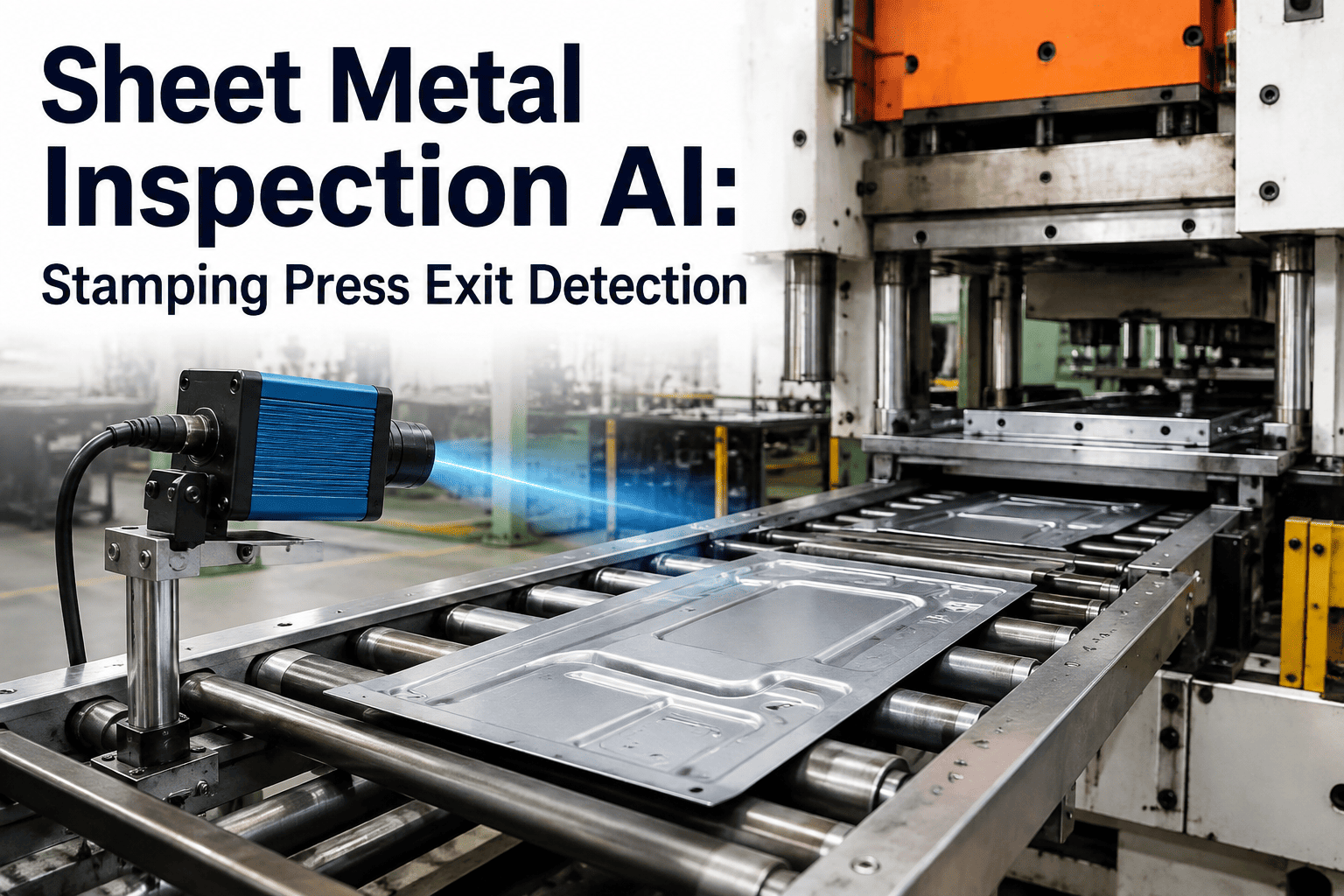
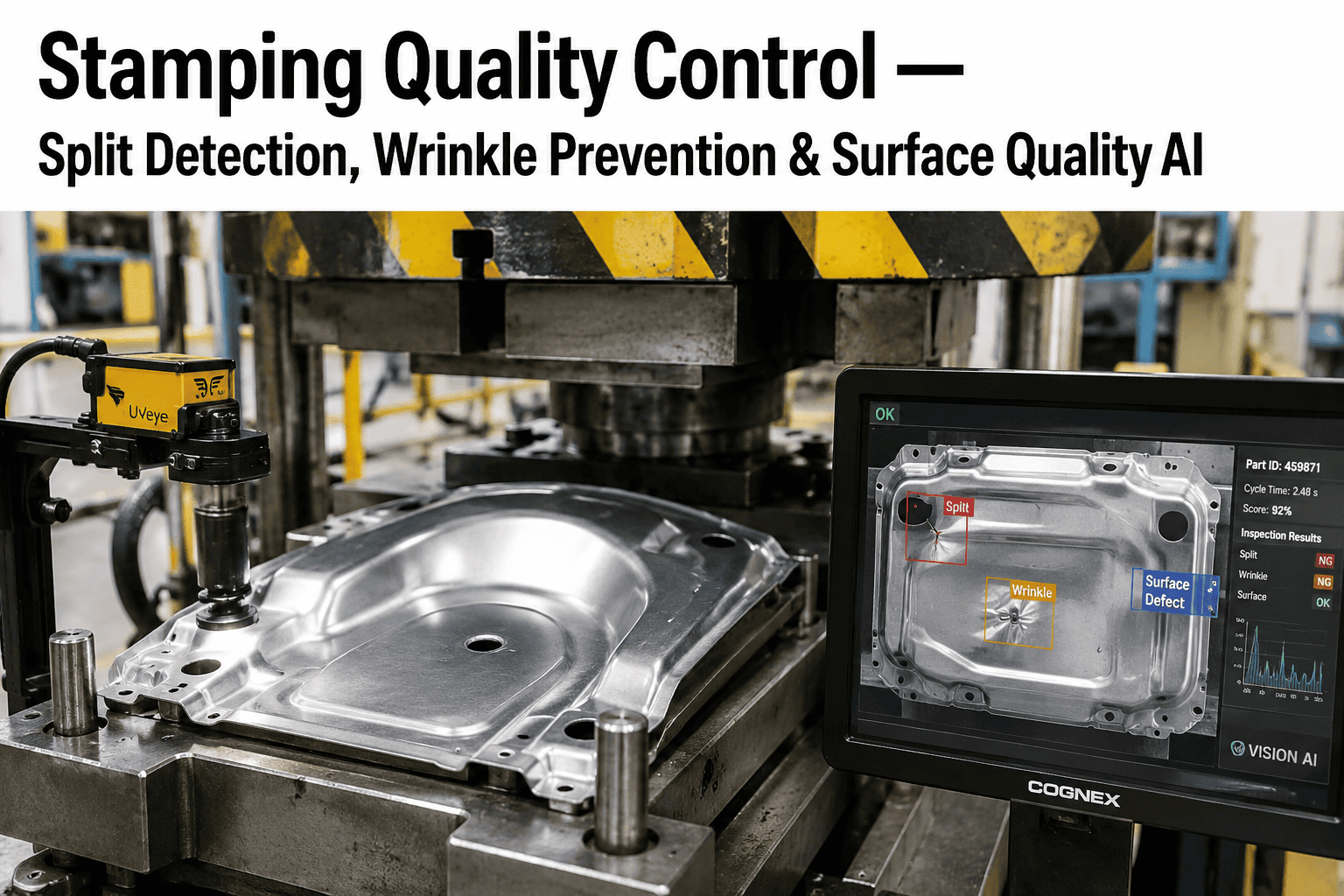
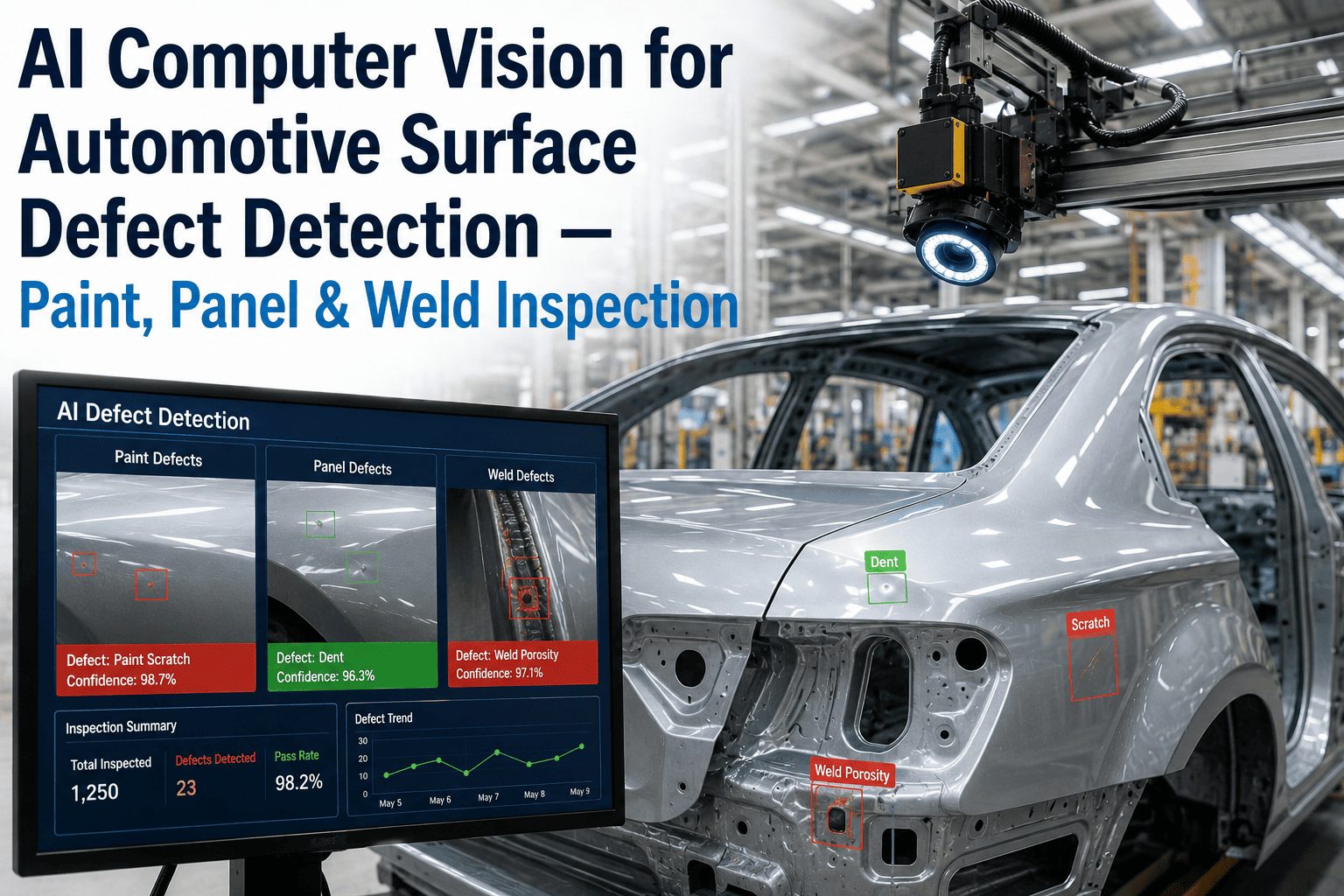
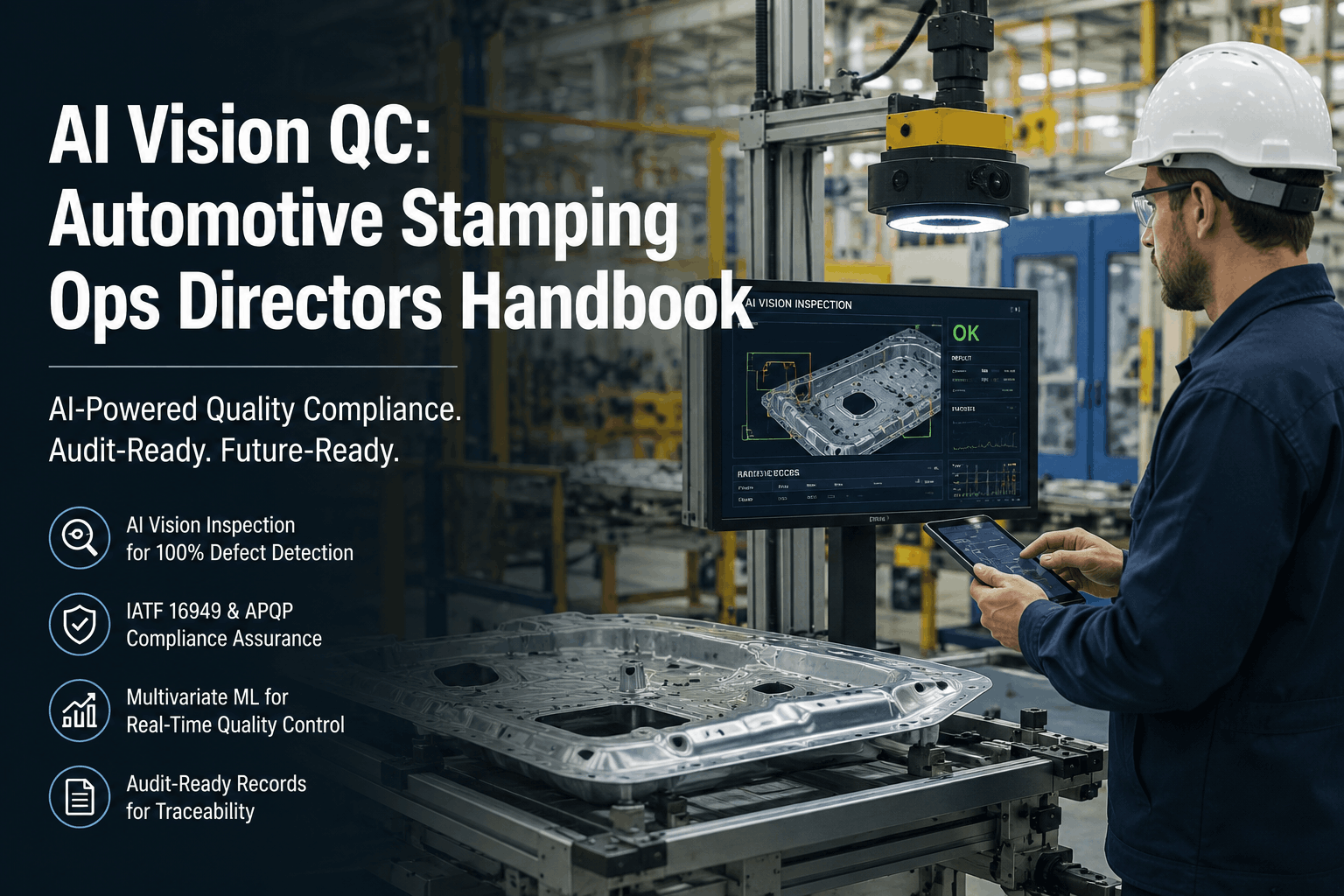
By the time a wrinkled or split sheet metal part makes it all the way to the paint shop or final assembly before anyone catches the flaw, the plant has already spent welding time, handling time, and line space on a part that was defective the moment it left the stamping press. Catching wrinkles, tears, and splits at the press exit itself — before the part travels one more station down the line — is the single highest-leverage point in the entire sheet metal process for catching a defect, because every station downstream compounds the cost of missing it. AI inspection positioned right at the press exit gives operators immediate feedback tied directly to the press cycle that just ran, closing the loop between forming and quality in seconds instead of hours. Book a session with iFactory's stamping quality team to see press-exit inspection running against your own tooling.
Automotive Stamping · Press-Exit AI Inspection
AI Sheet Metal Inspection at the Stamping Press Exit
Catch wrinkles, tears, and splits the moment a part leaves the press, before it travels another station down the line and compounds the cost of a missed defect.
Why the Press Exit Matters Most
The Compounding Cost of Catching a Defect Late
Every station a defective stamped part travels through before detection adds handling cost, potential welding or joining work performed on a part that will ultimately be scrapped, and line space consumed by a part that never should have advanced. Press-exit inspection is the earliest possible catch point in the entire process.
✓
Caught at Press Exit
Immediate feedback to the press operator, part removed before consuming any downstream resources.
!
Caught at Welding
Welding time already spent, and the defect must now be traced back to identify which press cycle produced it.
✕
Caught at Final Inspection
Full assembly cost sunk into a part that will be scrapped, with root cause investigation now significantly harder.
See Press-Exit Detection Live
Watch AI Catch Wrinkles and Splits the Moment They Leave the Press
A live session shows exactly how press-exit inspection ties detection back to the specific press cycle, giving operators immediate, actionable feedback.
Defect Types Detected
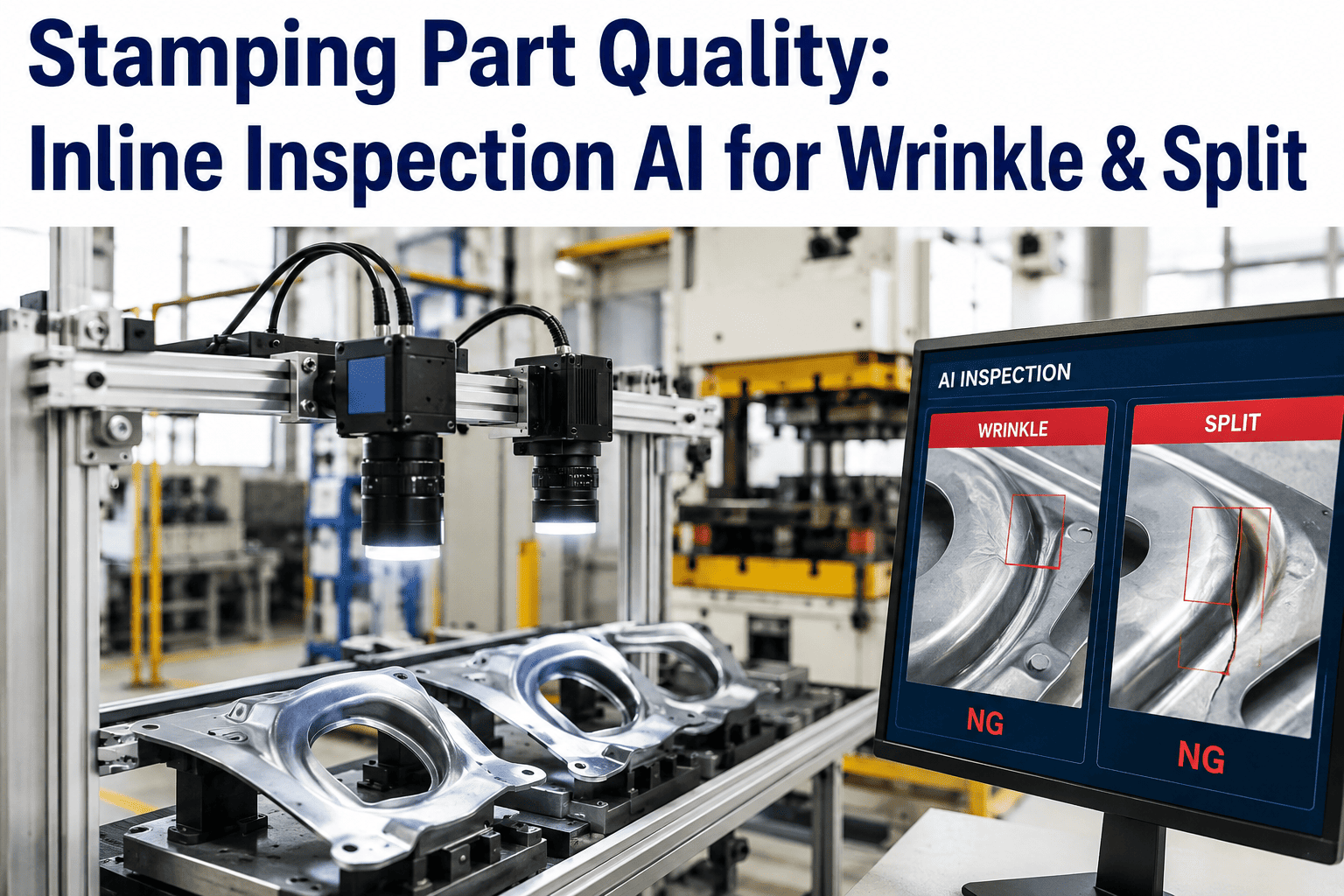
Three Forming Defects Caught Immediately at the Press
Wrinkles
Surface wrinkling from insufficient blank holder pressure or draw bead issues is identified through surface pattern analysis tuned to the specific geometry of each stamped part.
Tears and Splits
Material tearing from excessive draw depth or die wear is flagged instantly, since a split part is unambiguous scrap that should never advance past the press station.
Surface Imperfections
Die marks, scoring, and other surface quality issues introduced during the forming process are caught before the part moves to a station where the imperfection becomes harder to attribute to its true cause.
Closing the Loop
Why Immediate Feedback to the Press Changes Behavior
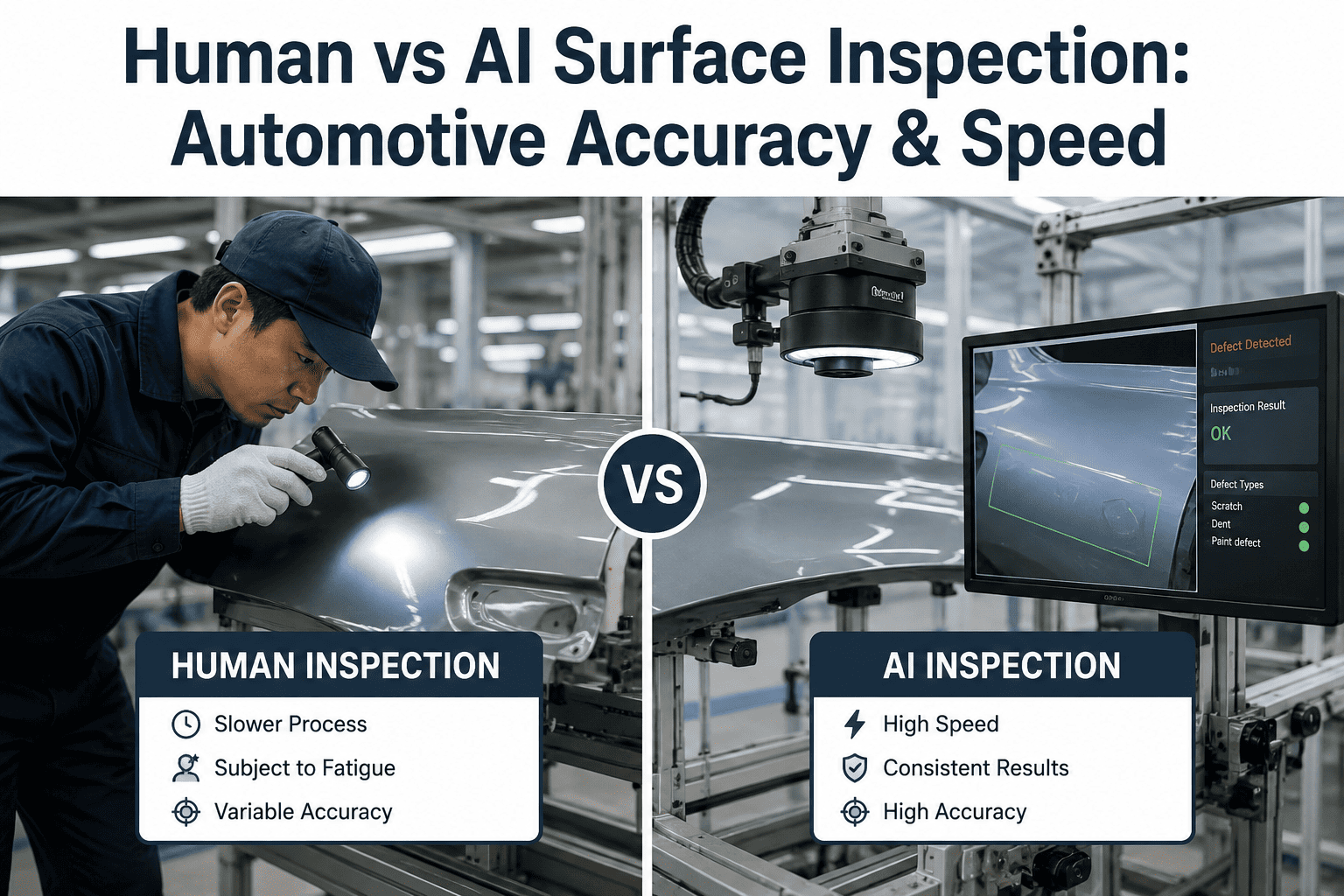
Inspection results that arrive minutes or hours after a press cycle ran are disconnected from the actual tooling condition that produced them, but feedback delivered the instant a part exits the press lets an operator connect the defect directly to what just happened — a die that needs attention, a lubrication issue, a pressure setting drifting out of range.
| Feedback Timing |
Operator Response |
Outcome |
| Immediate, at press exit |
Operator adjusts tooling or setting on the same cycle window |
Defect trend stopped before multiple parts are affected |
| Delayed, discovered downstream |
Root cause investigation required to trace back to the press |
Multiple defective parts already produced before correction |
Field Perspective
Stamping is one of the few processes in an automotive plant where the defect and its root cause are separated by mere seconds if you're inspecting right at the press, but by hours or an entire shift if you're relying on downstream discovery. I have seen die wear issues run for an entire shift, producing dozens of borderline defective parts, simply because nobody had visibility into the forming quality until those parts reached welding the next morning. Press-exit inspection isn't just about catching bad parts — it's about giving the press operator the fastest possible feedback loop to catch a developing tooling issue before it becomes a full shift of scrap.
Rosalind Achterberg-Nwosu
Stamping Process Quality Engineer · 13 years in automotive stamping and forming quality · Former Process Engineer, automotive stamping operations
Common Questions
Press-Exit Sheet Metal Inspection — Frequently Asked
Can inspection run fast enough to keep up with high-speed stamping press cycle rates?
Modern AI vision systems are designed to capture and evaluate parts within standard press cycle windows, so inspection keeps pace with production speed rather than forcing the press to slow down.
Book a demo to confirm cycle time compatibility with your specific press speed.
How does press-exit inspection help trace a defect back to a specific die or tooling issue?
Detection events are tagged with the press cycle, die, and timestamp information, so a developing defect trend can be traced back to the specific tooling condition responsible rather than requiring a separate manual investigation.
Book a demo to see how detection events link back to press and die data.
Does the system work across different part geometries and materials run on the same press?
Detection models can be configured per part number, so a single press-exit station can cover multiple geometries and material types run through the same tooling changeover schedule.
Book a demo to review coverage across your specific part mix.
What happens when a defect is detected — does it stop the press automatically?
Response behavior is configurable, ranging from an immediate operator alert to an automated press pause for severe defect patterns, and most plants start with alerting before moving to more automated intervention as confidence in the system builds.
Book a demo to design the response workflow that fits your operation.
Can press-exit inspection data feed into broader stamping process quality analytics?
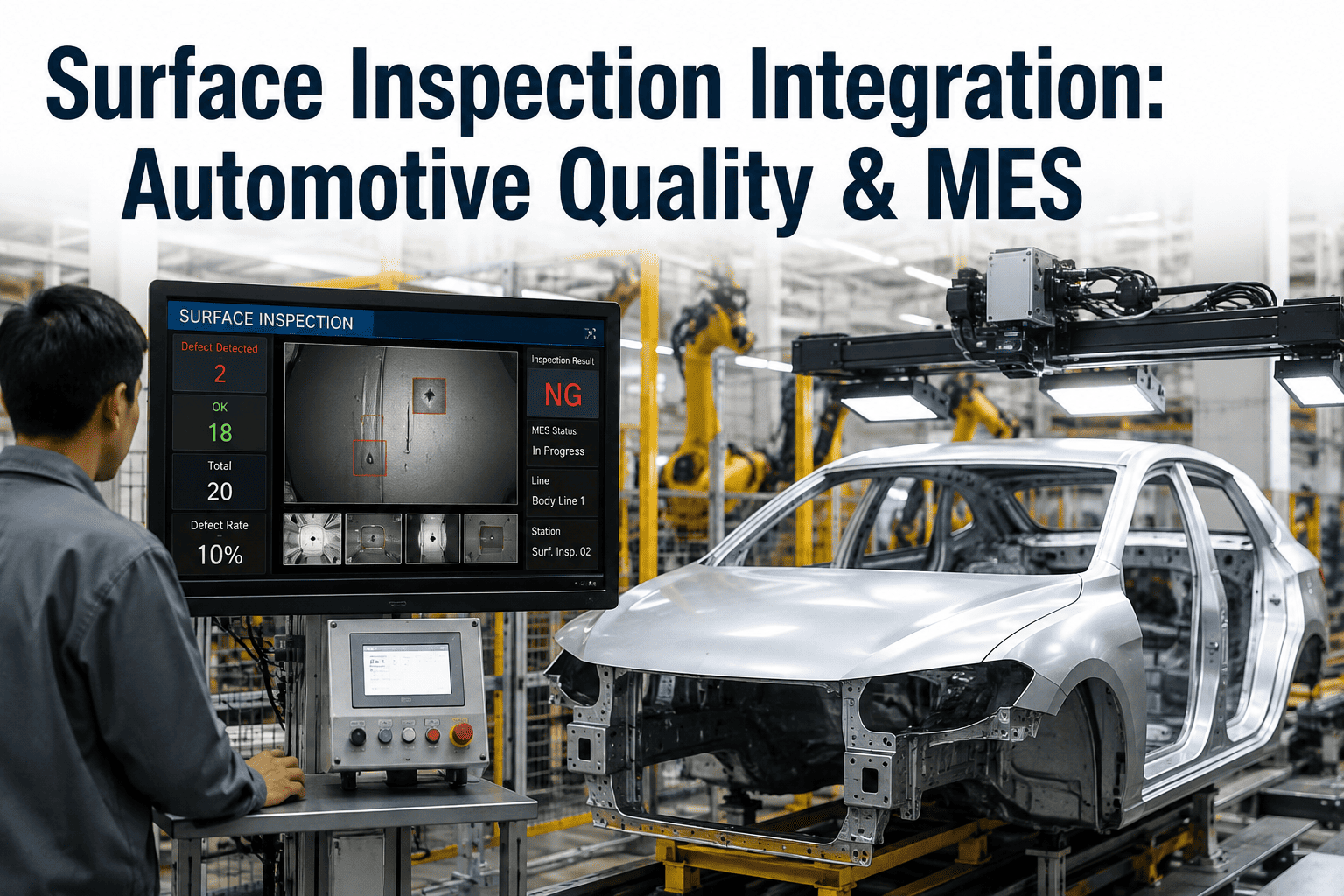
Yes — detection data can feed into quality dashboards and trend analysis tools, giving process engineers visibility into die wear patterns and quality trends across shifts rather than relying on isolated inspection events.
Book a demo to review analytics integration options.
Catch It at the Press, Not Three Stations Later
Bring Immediate AI Inspection to Your Stamping Press Exit
iFactory deploys press-exit inspection that catches wrinkles, tears, and splits the moment a part leaves the die, giving operators immediate feedback tied directly to press performance.