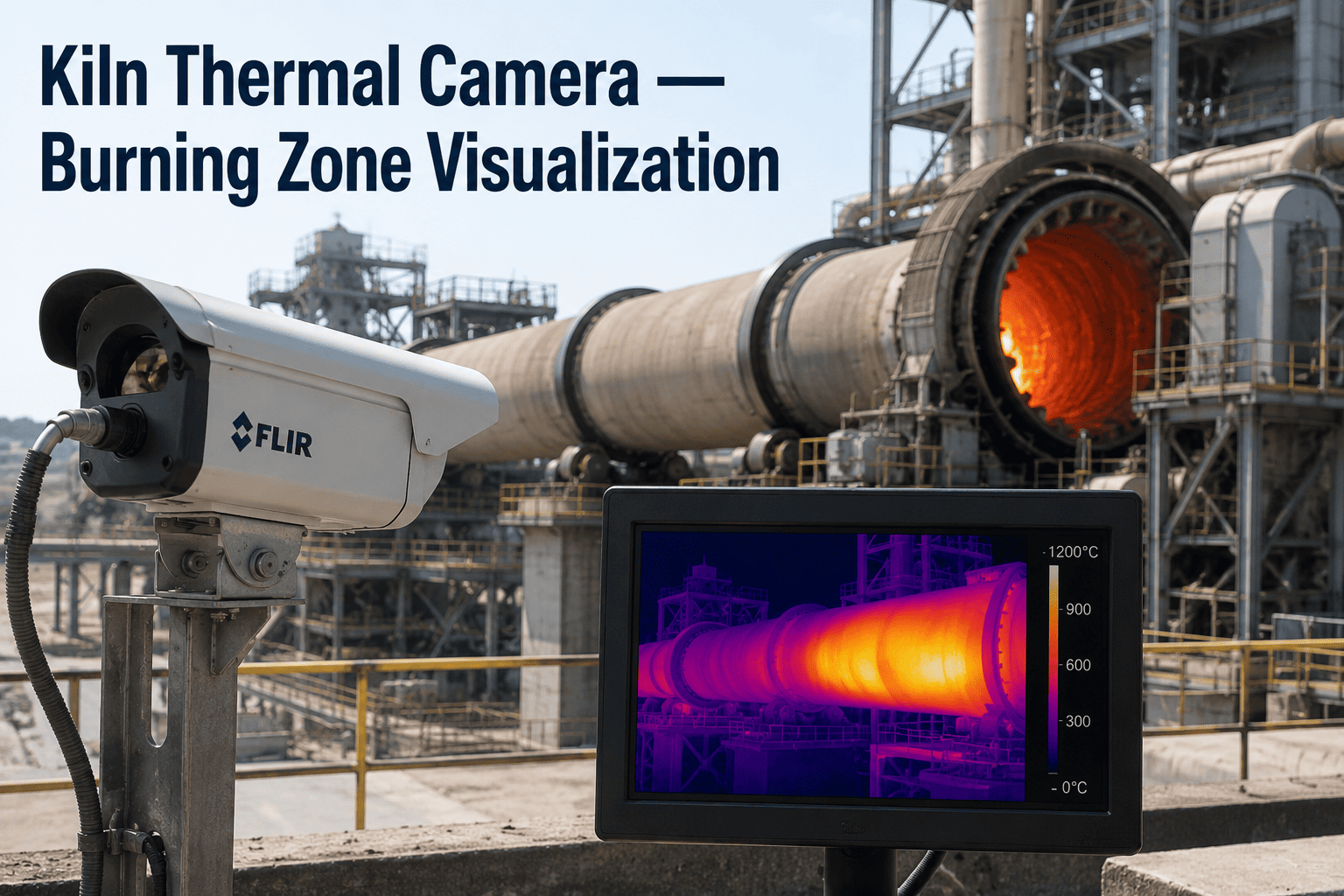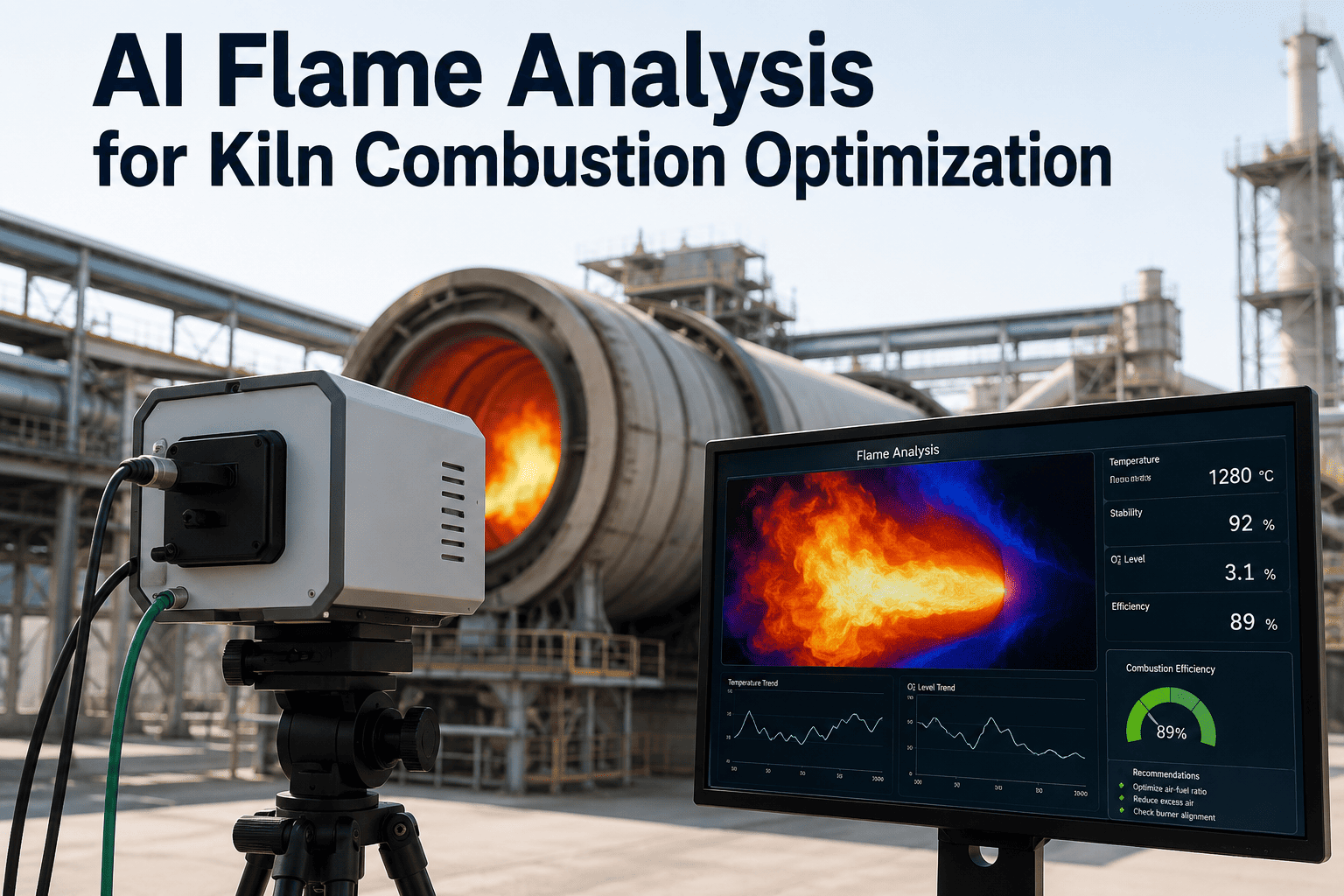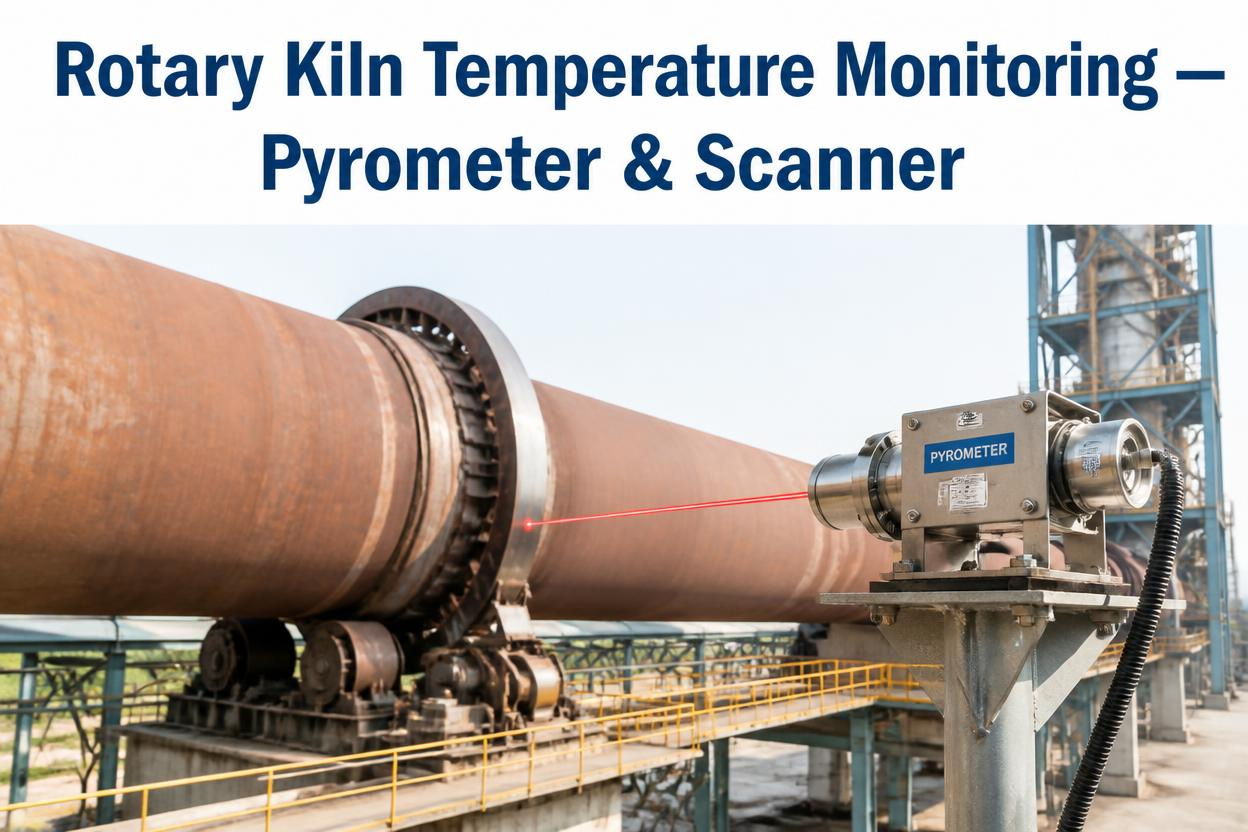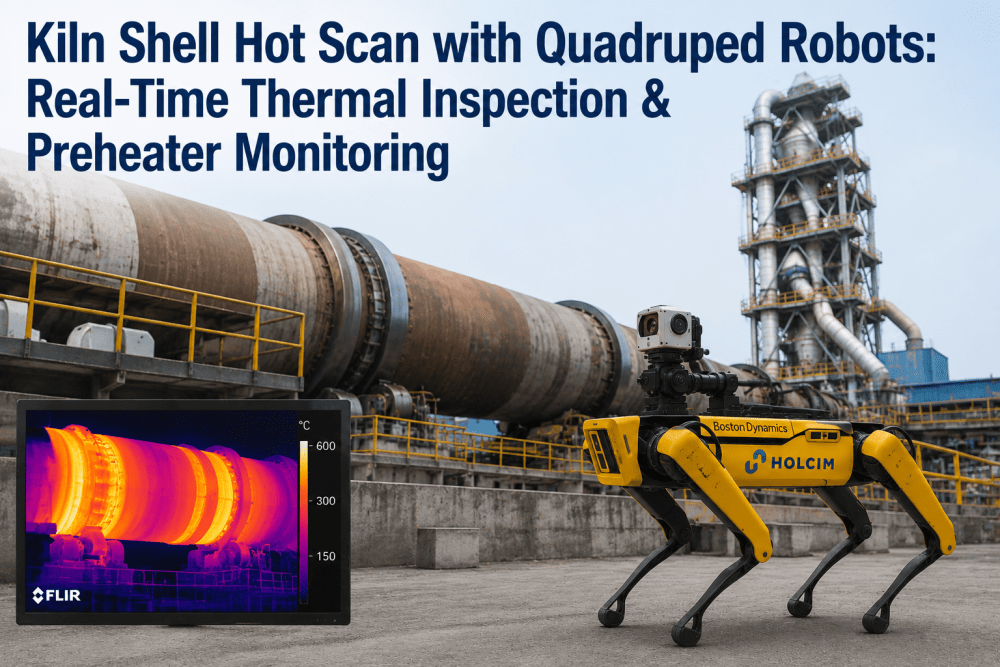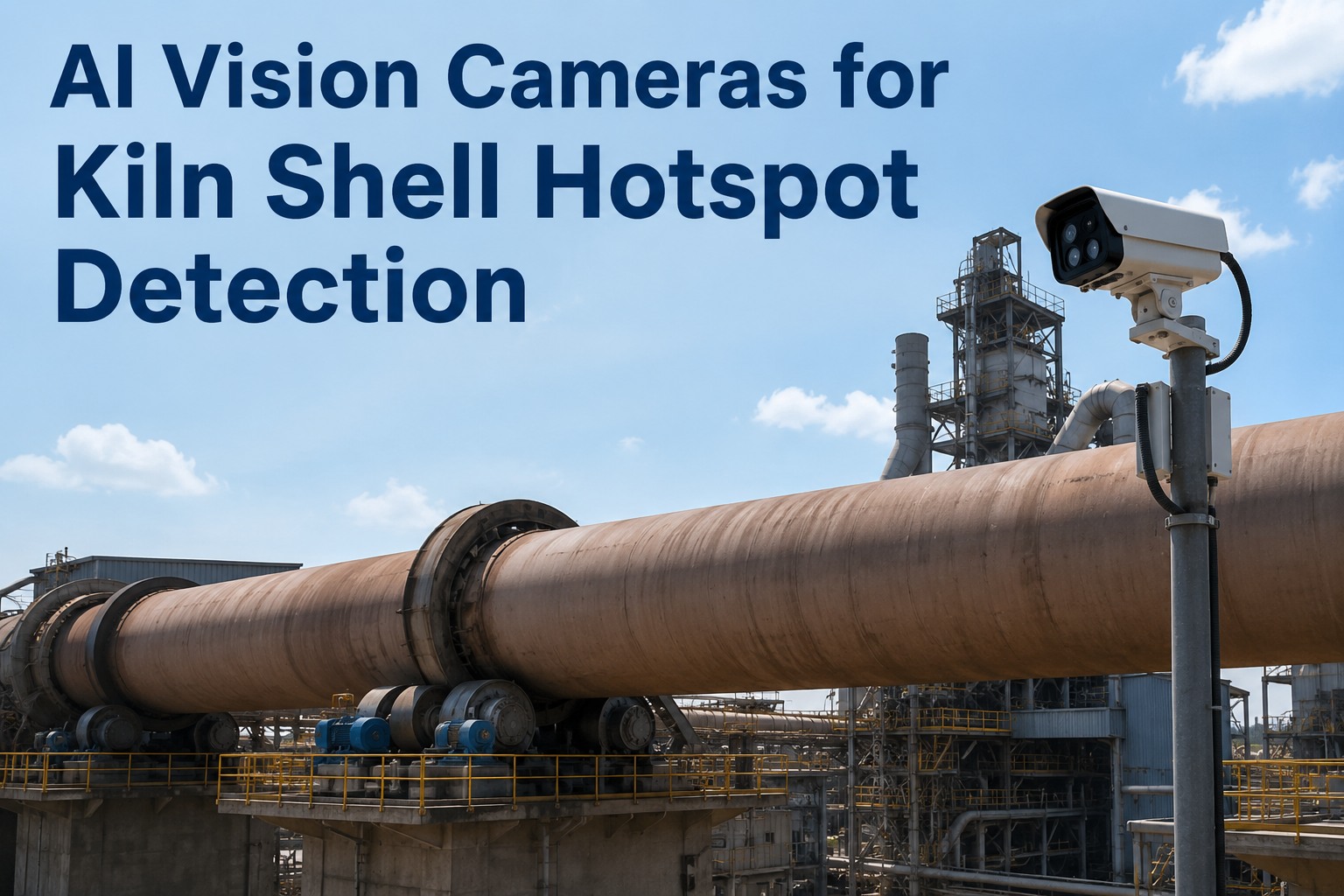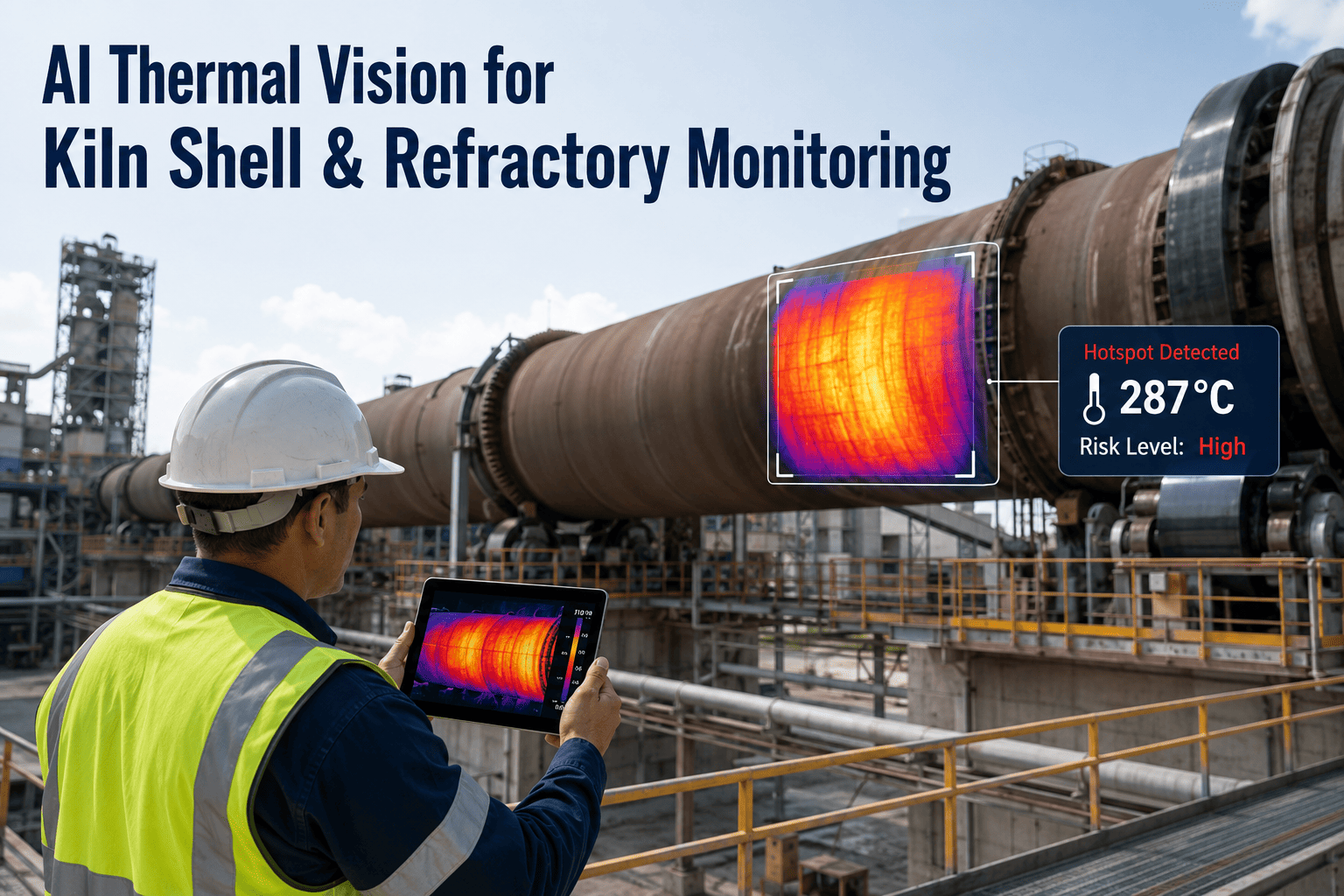
In the high-stakes environment of cement manufacturing, the rotary kiln stands as the epicenter of thermal processing, where clinker temperatures exceed 1400°C. The shell and refractory lining endure extreme thermal gradients, chemical attack, and mechanical stress, making them the most failure-prone assets in the plant. Traditional manual shell scanning with handheld pyrometers offers only sporadic, low-resolution data, missing early-stage hot spots that can escalate into catastrophic refractory failures, unplanned downtime, and safety hazards. Enter AI-enhanced thermal vision—a paradigm shift that integrates continuous thermal imaging, machine learning algorithms, and predictive analytics to monitor kiln shell temperatures in real time, detect refractory thinning with sub-millimeter precision, and forecast hot spot development weeks before critical thresholds are breached. This enterprise-grade guide delves into the technical architecture, deployment strategies, and ROI of AI thermal vision systems, empowering plant managers and maintenance directors to move from reactive firefighting to proactive, data-driven stewardship of their most vital asset. Book a Demo to explore how iFactory's Vision AI suite transforms kiln reliability.
Transform Your Kiln Monitoring
Move from reactive shell scans to AI-driven predictive insights that eliminate unplanned downtime and extend refractory life.
The Imperative for AI Thermal Vision in Cement Kilns
Cement kilns operate under relentless thermal cycling, where shell temperatures can vary by hundreds of degrees across the circumference. Refractory bricks gradually erode due to alkali attack, thermal shock, and mechanical abrasion, creating localized thinning that manifests as hot spots on the shell. Without continuous, intelligent monitoring, these hot spots go undetected until the refractory breaches, leading to shell deformation, costly emergency repairs, and safety incidents. AI thermal vision addresses this gap by providing 24/7, autonomous surveillance that learns normal thermal patterns and flags anomalies with high precision. The technology leverages deep learning models trained on thousands of thermal images to distinguish between benign temperature fluctuations and genuine refractory degradation, enabling maintenance teams to prioritize interventions based on risk severity.
Real-Time Shell Temperature Mapping
High-resolution thermal cameras capture the entire kiln shell surface every few seconds, generating a dense temperature matrix. AI algorithms stitch these images into a continuous thermal map, highlighting zones that deviate from the baseline.
Refractory Thickness Estimation
By analyzing heat transfer dynamics and shell temperature gradients, the system estimates remaining refractory thickness with accuracy within 5 mm, enabling condition-based relining decisions.
Predictive Hot Spot Forecasting
Temporal deep learning models analyze historical thermal trends to predict hot spot development 7–14 days in advance, giving teams ample time to plan interventions during scheduled maintenance windows.
Technical Architecture of AI Thermal Vision Systems
A robust AI thermal vision deployment for kiln shell monitoring comprises several integrated layers: thermal sensing, edge computing, AI inference, and cloud analytics. Thermal cameras with spectral sensitivity in the 8–14 µm range are mounted on fixed gantries or robotic scanners that traverse the kiln length. Each camera outputs radiometric JPEGs with per-pixel temperature data at 640x480 resolution, refreshed at 1 Hz. Edge processing units run lightweight convolutional neural networks (CNNs) that perform real-time hot spot detection, reducing data volume by transmitting only anomalies and summary statistics to the central server. The cloud layer aggregates data from multiple kilns, retrains models on new failure patterns, and generates dashboards for enterprise visibility. All communication uses encrypted MQTT or OPC UA protocols to ensure industrial cybersecurity compliance.
Deployment Roadmap for Cement Plants
Site Assessment & Camera Positioning
Engineers evaluate kiln geometry, ambient conditions, and mounting constraints to determine optimal camera locations. Typically 4–8 cameras per kiln ensure full coverage with overlap.
Thermal Camera Installation & Calibration
Cameras are installed with protective housings, air purging, and water cooling for high-temperature environments. Calibration against blackbody references ensures accuracy within ±2°C.
Edge Computing Deployment
Industrial PCs running NVIDIA Jetson or equivalent are placed near the cameras to run inference models locally. This minimizes latency and bandwidth requirements.
AI Model Training & Tuning
Historical thermal data from the plant is used to train custom models. Transfer learning from pre-trained refractory models accelerates convergence, typically requiring 2–4 weeks of data.
Dashboard Integration & User Training
Data feeds into iFactory's analytics platform, providing role-based dashboards for operators, engineers, and management. Training sessions ensure teams can interpret alerts and act on predictions.
Thermal Pattern Recognition
AI models identify subtle thermal patterns indicative of refractory spalling, coating loss, or ring formation. The system learns seasonal and production-related variations to avoid false alarms.
Multi-Spectral Fusion
Combining thermal with visible-light cameras enables cross-validation of hot spots against visual cues like shell discoloration or refractory debris, enhancing diagnostic confidence.
Automated Report Generation
Weekly and monthly reports summarize thermal trends, high-risk zones, and recommended actions, aligning with ISO 55000 asset management standards.
Ready to Deploy AI Thermal Vision?
Join leading cement producers who have reduced kiln downtime by 40% and extended refractory life by 25% with iFactory's Vision AI.
Economic Impact of AI Thermal Monitoring
The financial case for AI thermal vision is compelling. Unplanned kiln outages cost cement plants between $100,000 and $500,000 per day in lost production and emergency repairs. By predicting refractory failures 14 days in advance, plants can schedule relining during planned shutdowns, reducing downtime by 60%. Additionally, optimized refractory replacement based on actual condition rather than fixed schedules yields 20–30% material savings. A typical mid-sized cement plant with two kilns can achieve payback within 12 months and generate annual savings exceeding $1.2 million. These figures exclude intangible benefits like improved worker safety and reduced environmental impact from fewer emergency repairs.
Comparative Analysis: Traditional vs. AI Thermal Monitoring
| Parameter | Traditional Shell Scanning | AI Thermal Vision |
|---|---|---|
| Scan Frequency | Weekly or monthly | Continuous (every 5 seconds) |
| Resolution | 10–20 measurement points per circumference | 307,200 pixels per image (640x480) |
| Hot Spot Detection | Reactive, after temperature exceeds alarm threshold | Predictive, 7–14 days in advance |
| Refractory Thickness Estimation | Not possible | ±5 mm accuracy |
| False Alarm Rate | High (due to ambient changes) | Low (<5%) |
| Annual Maintenance Cost | $200,000–$500,000 | $50,000–$100,000 |
Frequently Asked Questions
How does AI thermal vision handle varying ambient temperatures and weather conditions?
Advanced AI models incorporate ambient temperature, humidity, and wind speed as input features, normalizing thermal readings to a standard baseline. The system uses adaptive thresholds that adjust dynamically based on environmental conditions, ensuring that a hot spot on a cold winter day is detected with the same sensitivity as one during summer. Furthermore, the models are trained on data spanning multiple seasons, so they learn seasonal patterns and distinguish genuine refractory anomalies from weather-induced variations. For plants in extreme climates, additional calibration routines are run quarterly. Contact support for details on environmental compensation algorithms.
What is the typical ROI timeline for implementing AI thermal monitoring in a cement kiln?
Most cement plants achieve a positive return on investment within 8 to 14 months, depending on kiln size, current downtime costs, and refractory replacement frequency. The primary savings come from avoiding unplanned outages (averaging $250,000 per event), extending refractory life by 20–30%, and reducing manual inspection labor. A detailed ROI calculator is available through our platform, which uses your plant's specific data to project savings. For a preliminary estimate, book a demo and our team will prepare a customized analysis.
Can the AI system integrate with existing SCADA and CMMS platforms?
Yes, the AI thermal vision platform supports native integration with major SCADA systems (e.g., Siemens, Rockwell, ABB) through OPC UA and Modbus TCP. For CMMS integration, we offer RESTful APIs and pre-built connectors for SAP, IBM Maximo, and Infor EAM. Alerts and predictions can automatically generate work orders, update asset health scores, and trigger notifications in the systems your team already uses. This seamless integration ensures that thermal insights become part of your existing maintenance workflow without requiring duplicate data entry. Contact support for a full list of supported platforms.
What maintenance is required for the thermal cameras and edge computing hardware?
Thermal cameras are designed for industrial environments and require minimal maintenance. Quarterly cleaning of the lens window (using compressed air or a soft cloth) and annual calibration verification against a blackbody source are recommended. The edge computing units are passively cooled and have no moving parts, reducing failure risk. iFactory provides remote health monitoring for all hardware components, alerting your team if a camera's temperature reading drifts or if the edge device's CPU usage exceeds thresholds. We also offer extended warranty and on-site service contracts for plants with high uptime requirements. Contact support for service level agreements.
How does the AI model handle different kiln types and fuel sources?
The AI model is designed to be fuel-agnostic and adapts to various kiln configurations, including preheater, precalciner, and long dry kilns. During the initial deployment, the model undergoes a transfer learning phase where it learns the specific thermal signatures of your kiln, influenced by fuel type (coal, pet coke, natural gas, alternative fuels) and production rate. The system continuously retrains itself as new data becomes available, ensuring that changes in fuel blend or operating conditions do not degrade detection accuracy. For multi-fuel kilns, the model can incorporate fuel feed rates as an additional input feature to improve prediction robustness. Book a demo to see how the model performs on your kiln type.
Secure Your Kiln's Future
Eliminate refractory surprises and optimize maintenance spend with iFactory's AI thermal vision. See it in action today.