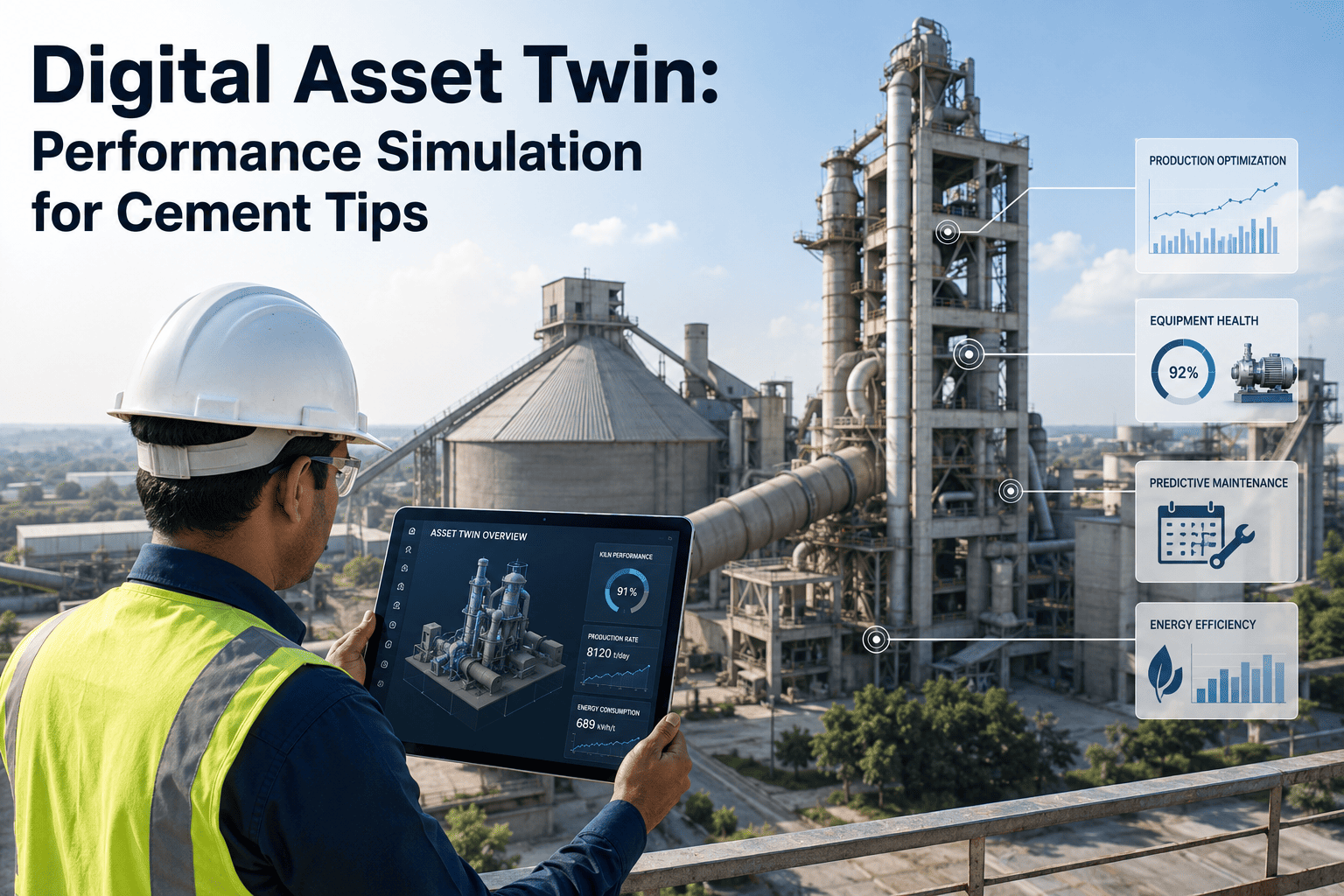
A kiln digital twin is only as useful as the specific question it was built to answer, and that question has to be chosen before any model inputs, historian tags or calibration work begins. A twin built to explore fuel substitution scenarios needs different data than one built to predict refractory wear, and a plant that skips the use-case selection step usually ends up with a model that is technically impressive and practically unused. Picking the right question, then feeding it the right data, calibrating it against real operation and keeping it inside clear deployment boundaries is what separates a twin that earns its keep from one that becomes a one-time demo. Process engineers scoping their own kiln twin can walk through a use-case and data requirements review with our team.
Pick the Question Before You Build the Model
iFactory, an on-premise AI platform for cement process simulation, builds kiln digital twins scoped to a specific operating question, calibrated against your historian data and kept inside defined deployment boundaries.
What Question Is the Twin Actually Meant to Answer?
A kiln twin can answer very different kinds of questions — what happens to fuel consumption if alternative fuel ratio increases, how clinker quality responds to a kiln speed change, or where refractory wear is likely to accelerate under a given burning zone profile. Each of these needs its own model structure and its own set of inputs, so picking one clearly defined use case first is what keeps the build from sprawling into an unfocused, overbuilt model nobody actually uses. Ask our team which use case fits your current operating question.
What Each Use Case Actually Needs
| Use case | Key model inputs | Typical output |
|---|---|---|
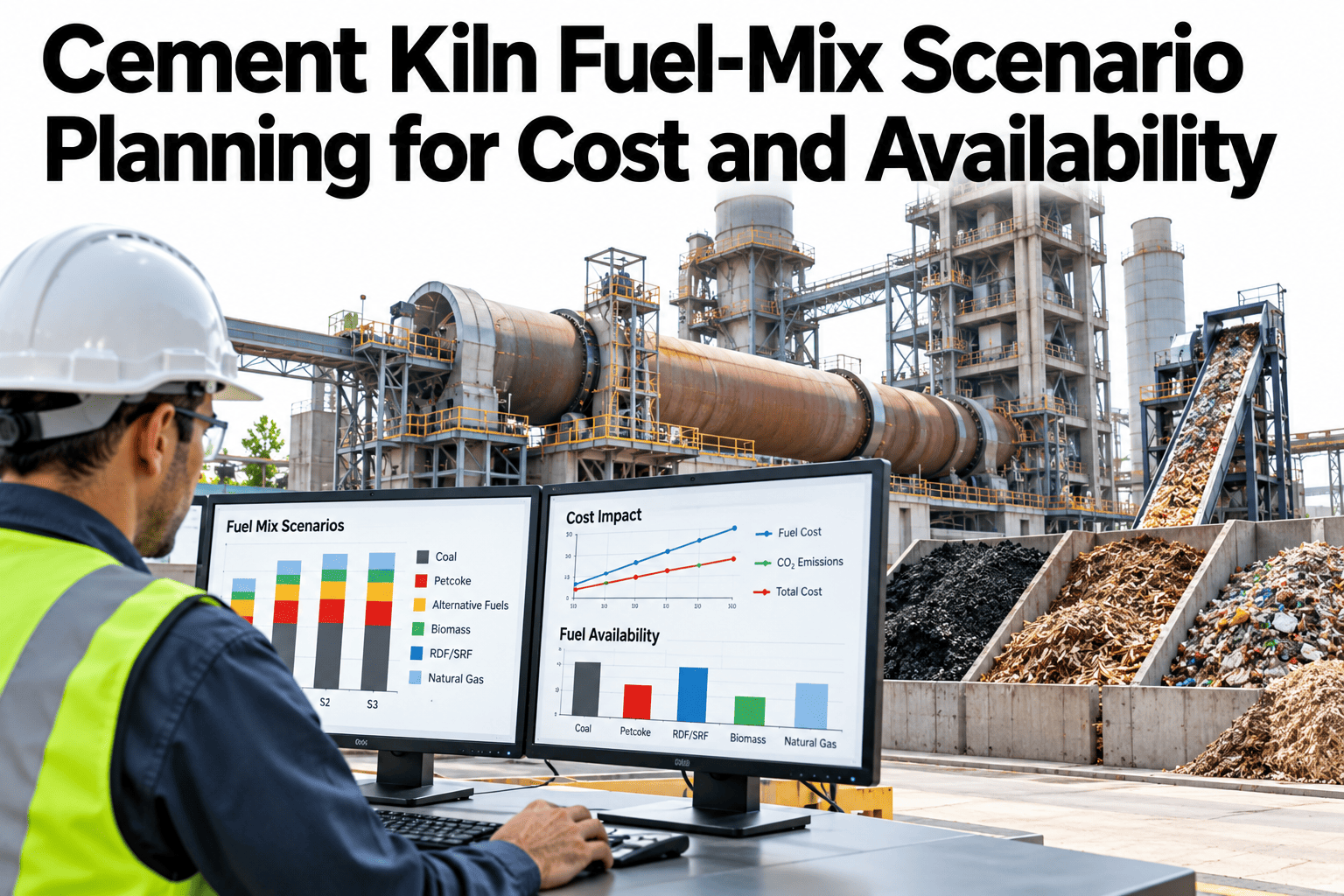
| Fuel substitution scenario | Fuel composition, calorific value, feed rate | Projected fuel cost and emissions impact |
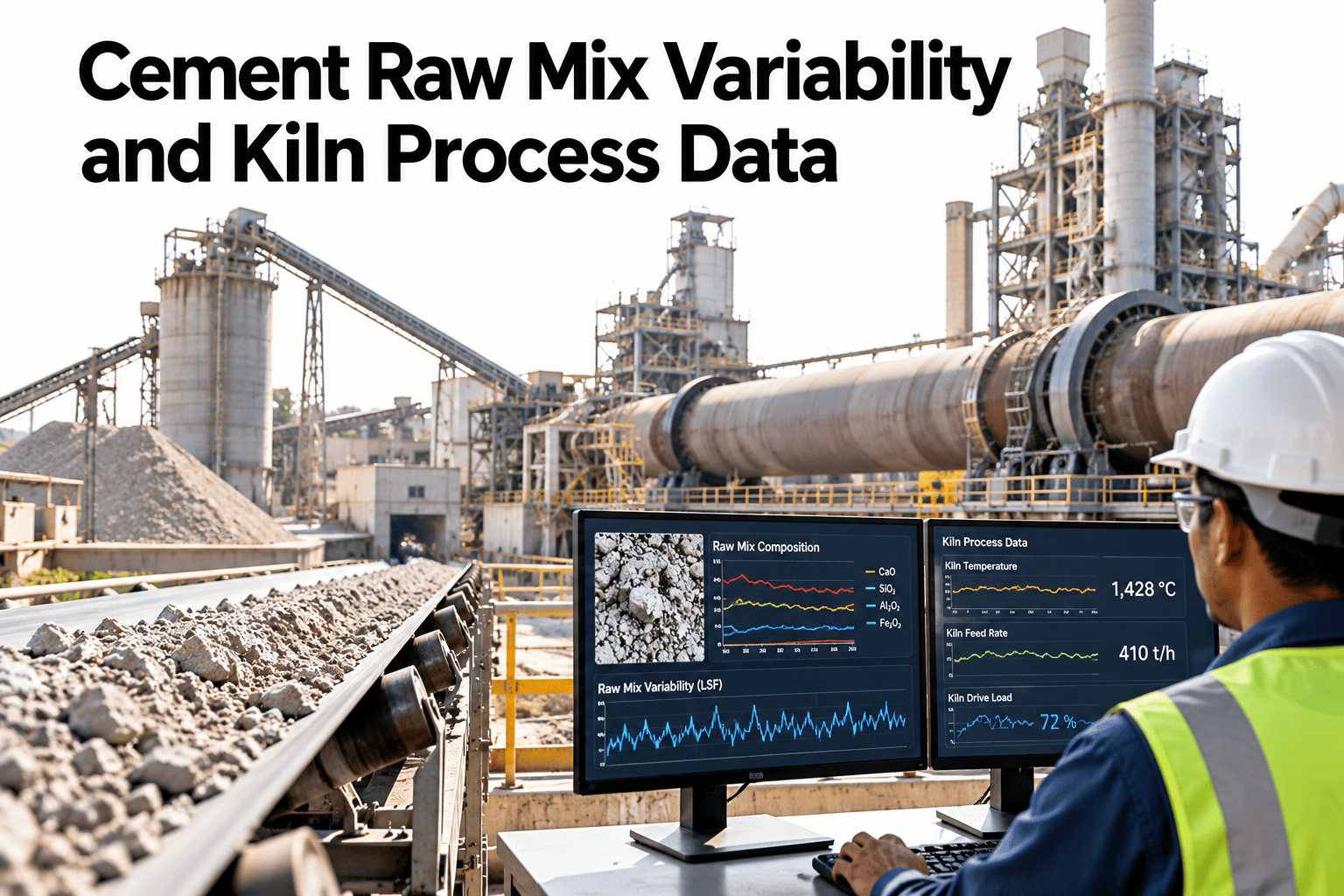
| Clinker quality response | Kiln speed, burning zone temperature, raw mix | Predicted free lime and clinker characteristics |
| Refractory wear prediction | Burning zone profile, shell temperature, campaign history | Estimated wear rate by zone |
| Energy and heat balance | Fuel input, exhaust gas data, WHRS output | Heat balance and recovery potential |
See Which Use Case Fits Your Kiln's Current Question
Share the operating question you are trying to answer, and we will scope the model inputs it needs.
From Historian Data to a Model You Can Trust
Historian tags are connected at a resolution the use case actually needs.
The model structure is built around the chosen use case, not every process variable available.
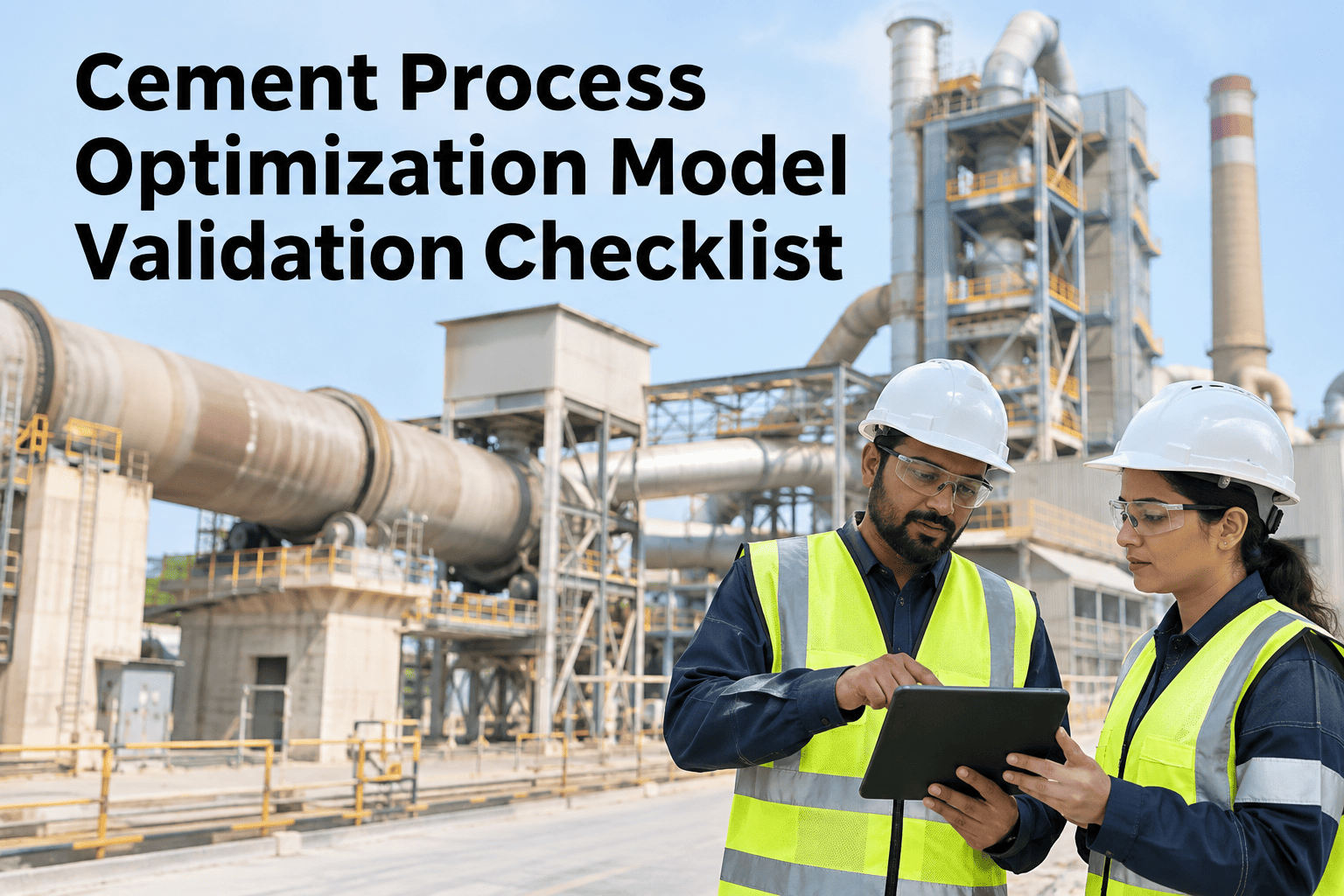
Model outputs are tuned against a period of real, known kiln operation.
Predictions are checked against a separate period the model has not seen.
Advisory vs Closed-Loop: Where a New Twin Should Start
The Twin That Was Built for the Wrong Question First
A plant's first kiln twin attempt tried to cover fuel substitution, clinker quality and refractory wear all in one model from the start. After months of limited progress, the project was rescoped to a single use case — fuel substitution — and delivered a working, validated model within a far shorter window.
A Twin Scoped to Your Question, Built on Your Data
Use-Case Scoping
The twin is defined around one operating question before data work begins.
Historian Integration
Process tags are connected at the resolution the specific use case needs.
Calibration & Validation
Models are tuned and checked against held-out operating data before going live.
Turnkey On-Premise Deployment
Process and model data stay on your own server, with no outside cloud dependency.
What Process Engineers Ask About Kiln Digital Twins
How do we choose which use case to build first?
Start with the operating question causing the most recurring uncertainty or cost — fuel decisions, quality variability or refractory life are common starting points, and the first twin should answer one of these clearly rather than attempt all of them. Discuss which use case fits your plant first.
What historian data resolution does a kiln twin typically need?
Resolution needs vary by use case — a heat balance model can often work with minute-level data, while a fast-changing quality response model may need finer resolution, so the requirement is set by the question, not a fixed standard. Ask support about your current historian resolution.
How long does calibration typically take?
Calibration time depends on how much representative operating data is available and how variable the process is, with steady, well-instrumented kilns typically calibrating faster than highly variable ones. Discuss a realistic calibration timeline for your kiln.
Will the twin ever control the kiln directly?
Not by default. Most kiln twins start and stay advisory, where recommendations go to an operator, and closed-loop control is only considered later, with strict limits, for well-understood and validated use cases. Review how recommendations are presented to operators.
What happens when the kiln's operation changes significantly?
A significant change — a new fuel mix, a refractory campaign, a raw material source change — can move the kiln outside the model's validated envelope, which is why drift monitoring and periodic recalibration are part of keeping a twin useful. Ask how recalibration is triggered.
Start With One Question, Answered Well
See a kiln digital twin scoped to your own operating question, calibrated and validated against your own historian data.