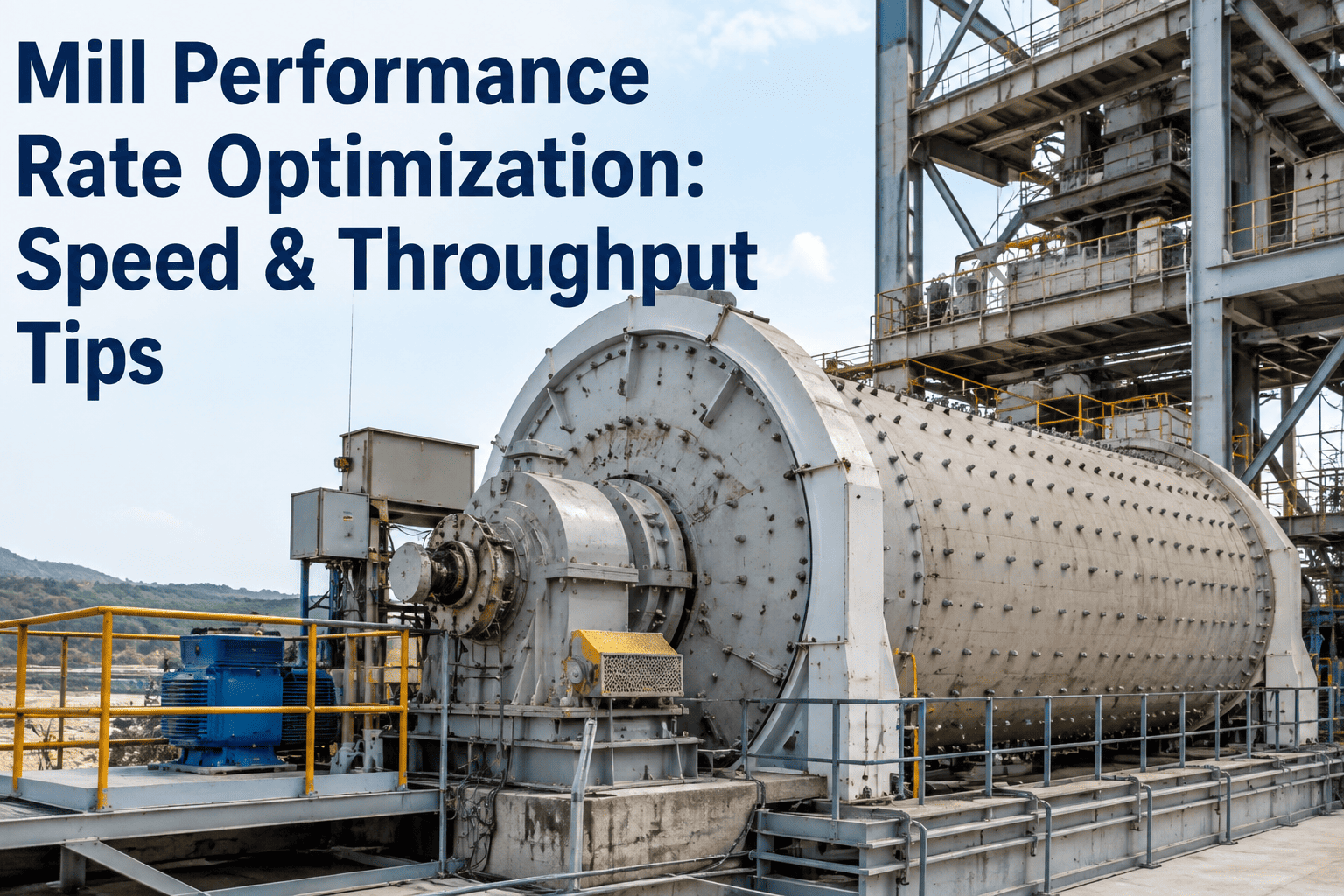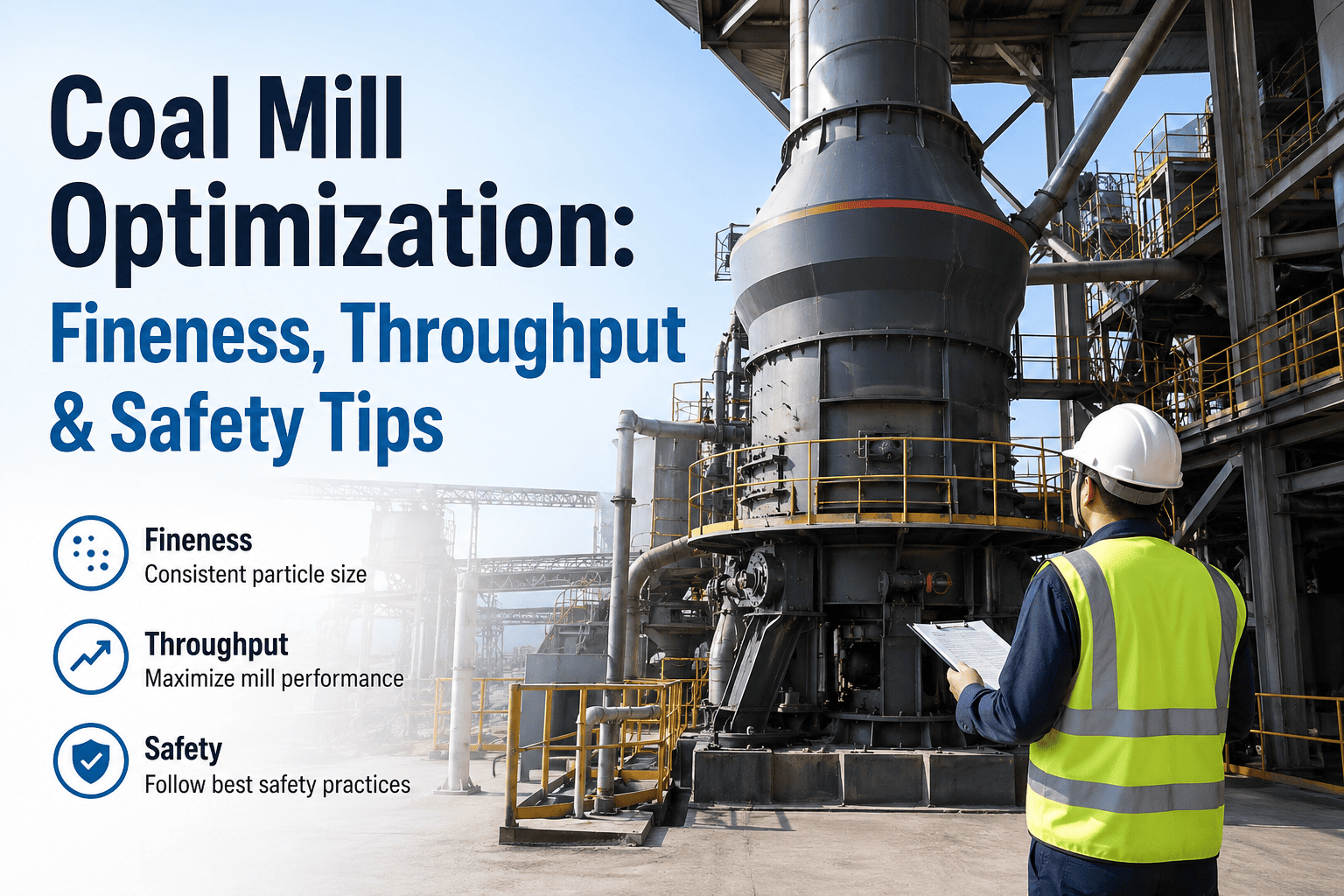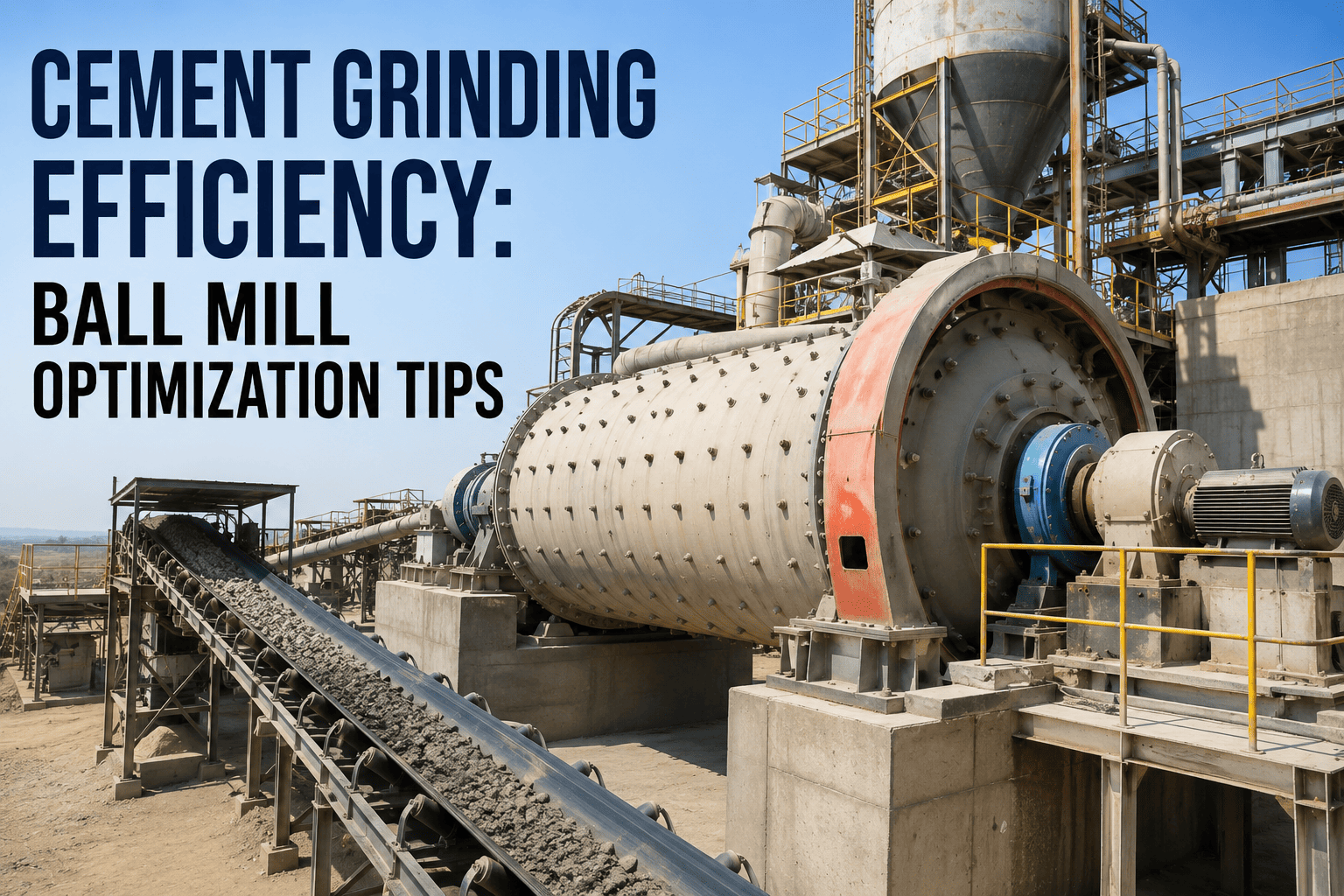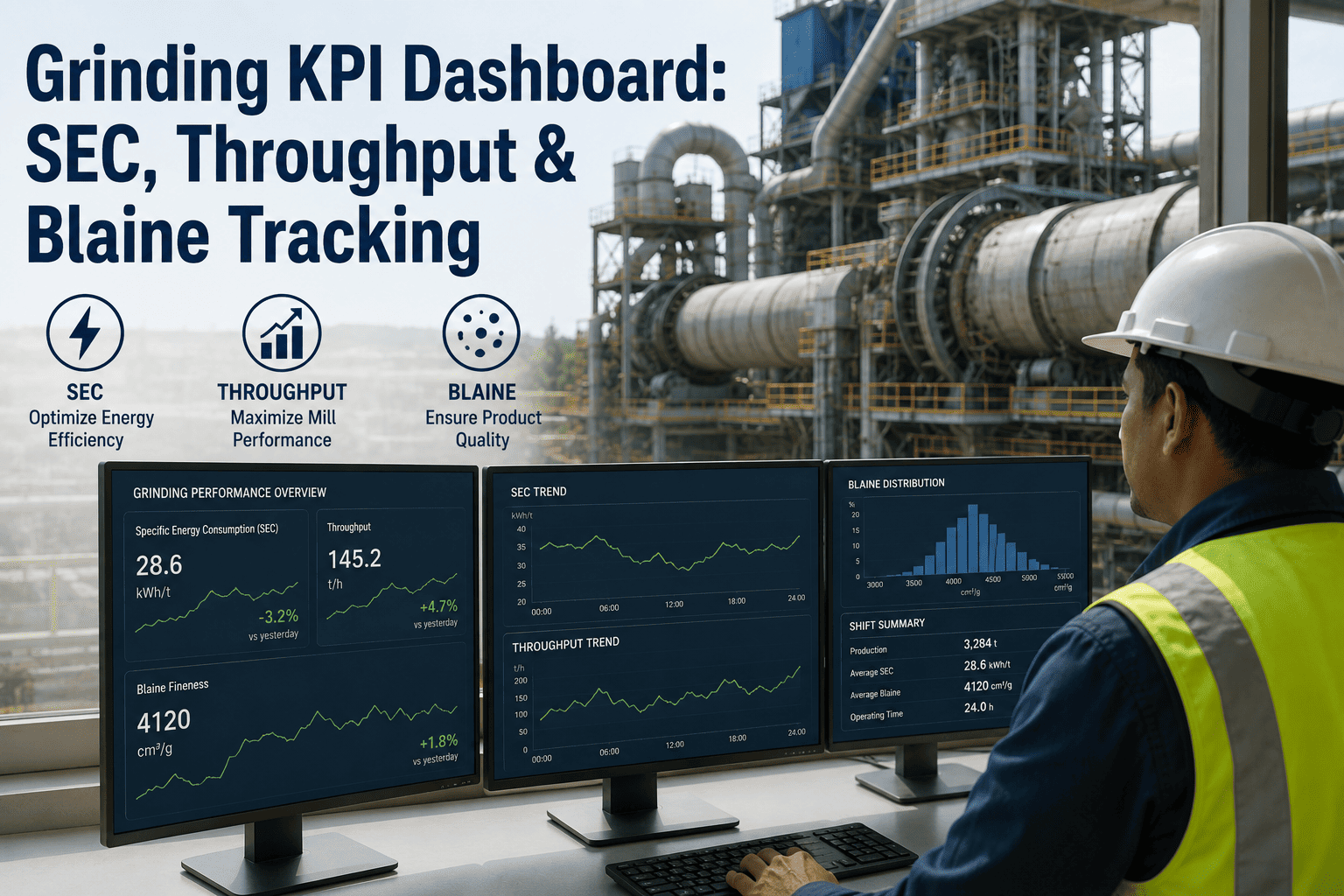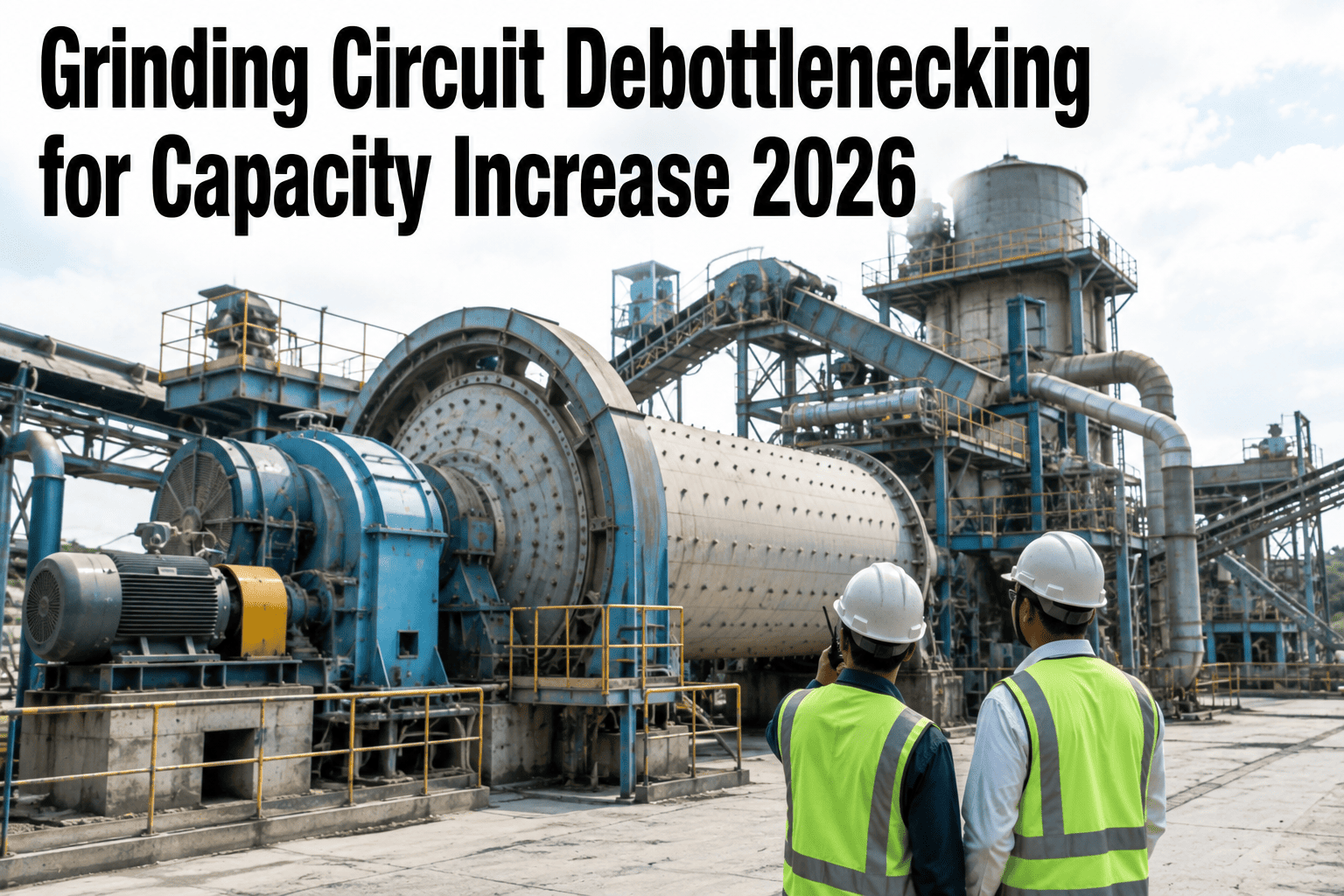
Most cement plants asking for a new mill on next year's capex list already own enough grinding capacity to solve the problem — it is just locked inside a circuit that has drifted away from its design point over years of wear, changing clinker chemistry, and separator settings nobody has revisited since commissioning. Debottlenecking is the discipline of finding that locked-up capacity and releasing it: a separator swap, a classifier retune, or a targeted circuit modification, each costing a fraction of a new mill line and each deliverable inside a single planned shutdown. Plants that have run this exercise have added meaningful throughput without pouring a single new foundation, and the diagnostic work needed to find your own bottleneck can start this week — book a demo to see how iFactory maps circuit constraints against your own mill data.
Your Grinding Circuit Is Already Rated for More Tonnes Than It Is Producing
Finish grinding consumes roughly two-thirds of a cement plant's electrical load, yet most circuits run 10 to 20 percent below the throughput their mills were originally sized for. The gap usually isn't the mill — it's a separator, a classifier setting, or a circuit layout that never caught up with the plant's current clinker and fineness targets.
Finish Grinding Is the Single Largest Electrical Load in a Cement Plant, and the Easiest One to Leave Unexamined
Cement manufacturing spends somewhere between 110 and 120 kWh on every tonne produced, and grinding — raw material grinding plus clinker finish grinding combined — accounts for the majority of that draw. Raw grinding typically runs close to a third of total electrical consumption, finish grinding close to two-fifths, and together they dwarf pyroprocessing auxiliaries, material handling, and packing put together. A traditional closed-circuit ball mill alone consumes somewhere in the 33 to 40 kWh per tonne range just for finish grinding. When a circuit like this quietly loses efficiency, the loss doesn't show up as a single alarm. It shows up as a slow creep in specific energy consumption that gets absorbed into the monthly average and never gets traced back to its actual cause.
Figures reflect typical electrical load distribution across cement production stages and shift with mill technology, clinker grindability, and product fineness targets, which is exactly why a plant-specific circuit audit matters more than an industry average.
A Falling Throughput Number Is a Symptom. The Cause Is Almost Always One of Three Things
When a plant manager says the mill "just can't keep up anymore," the mill itself is rarely the actual constraint. Ball mills, VRMs, and HPGRs each set a physical efficiency ceiling based on their design, but circuit layout and classification quality determine how close a plant actually operates to that ceiling. Three causes account for most of the gap between rated capacity and delivered tonnes.
Separator Inefficiency
An aging or undersized separator bypasses already-fine material back into the mill instead of pulling it out as product. The mill spends energy and residence time regrinding particles that already met spec, which caps throughput even when the mill itself has headroom.
Recirculating Load Creep
As classification sharpness degrades, the ratio of material returned to the mill versus material accepted as product rises. A circuit designed to run near 180 percent recirculating load can drift toward 250 percent or higher without a single alarm firing, quietly consuming mill capacity that never reaches the silo.
Ventilation and Circuit Layout Limits
Undersized fans, restrictive ductwork, or a circuit that was never configured for today's fineness target limit how much air can sweep ground material out of the grinding zone, capping throughput independently of both the mill and the separator.
Four Diagnostic Signals That Point Straight to the Bottleneck, Read Correctly
Every one of these signals already exists on a typical control room screen. The difference between a plant that catches a degrading circuit early and one that waits for a capex request is whether anyone is reading these signals together, over time, instead of one at a time during a shift log review.
| Signal | What Rising Values Indicate | Typical Action |
|---|---|---|
| Bucket Elevator Current | Recirculating load climbing above design range | Check separator cut point and rotor speed |
| Separator Motor Load | Classifier working harder for the same fineness | Inspect rotor wear and airflow distribution |
| Mill Differential Pressure | Ventilation restriction from diaphragm blockage or bed buildup | Inspect diaphragm slots and mill ventilation fan |
| Bag Filter Pressure Drop | Downstream airflow restriction limiting sweep velocity | Schedule filter cleaning or media replacement |
None of these four signals is diagnostic on its own — a mill differential pressure spike could mean a blocked diaphragm or simply a heavier feed blend that day. What makes the signal useful is correlating it against feed rate, separator speed, and fineness at the same timestamp, which is the exact analysis a manual shift log was never built to do at the pace a bottleneck develops.
Debottlenecking Options Ranked by Capital Required, From Least to Most
Not every plant needs the same fix, and the right lever depends on how far the current circuit sits from its design intent. These three options cover the range most plants choose between, roughly in order of how much capital and downtime each one demands.
Separator Reconfiguration or Upgrade
Swapping an older, lower-precision separator for a high-efficiency classifier is consistently the fastest and least capital-intensive lever available, and reported gains cluster in the 10 to 20 percent capacity range without touching the mill itself. Because separator modernization projects are modular, many can be completed within a short planned shutdown rather than a full production stoppage.
Classifier and Ventilation Optimization
Where the separator itself is sound but poorly tuned, retuning rotor speed, cut point, and airflow distribution against current clinker grindability recovers throughput without any equipment change at all. Reducing recirculating load from an elevated 250 percent range back toward a design-intent 180 percent has been reported to save 6 to 10 kWh per tonne on its own, capacity and energy improving together.
Circuit Modification — Combi-Grinding or Dedicated Streams
For circuits that have outgrown tuning alone, installing a high-pressure grinding roll ahead of the ball mill (replacing the first grinding chamber and extending the second) or splitting coarse and fine material into dedicated milling streams delivers the largest capacity step, at the cost of a longer shutdown and higher capital than a separator swap alone.
Find Out Which of the Three Is Costing Your Plant Tonnes
A circuit audit built around your own mill data — feed rate, separator load, differential pressure, recirculating load — identifies the actual constraint before a single dollar goes toward new equipment.
Four Stages, Not One Big Project
Plants that treat debottlenecking as a single sweeping capital project tend to overspend on the third lever when the first would have solved the problem. A staged approach spends the least capital first and only escalates once the data justifies it.
Baseline the Circuit
Record feed rate, separator load, recirculating load, differential pressure, and specific energy consumption across a representative production window before touching anything.
Isolate the Constraint
Correlate the four signals against each other to determine whether the ceiling is separator precision, ventilation, or genuine mill throughput limits.
Apply the Matching Lever
Start with the lowest-capital fix that addresses the isolated constraint — reconfiguration and tuning before hardware, hardware before circuit redesign.
Re-Baseline and Hold the Gain
Confirm the throughput and energy improvement against the original baseline, then keep monitoring the same four signals so the circuit doesn't drift back to where it started.
Industry-scale debottlenecking programs illustrate why the staged approach matters at scale: large cement producers have reported multi-million-tonne annual capacity gains across a portfolio of integrated and grinding plants through debottlenecking measures alone, without a single new mill line, by working through exactly this kind of staged diagnostic and fix process at each site.
Debottlenecking Without Monitoring Just Buys You a Few Good Months
The uncomfortable pattern in grinding circuit performance is that gains from a separator upgrade or classifier retune erode gradually, the same way the original inefficiency built up: rotor wear, changing clinker chemistry, shifting fineness specifications, and gradual diaphragm wear all pull the circuit back toward its old operating point. A plant that captures a 15 percent capacity gain and then goes back to monthly shift-log reviews is choosing to rediscover the same bottleneck in twelve to eighteen months, just with a different root cause behind the same falling throughput number.
Continuous monitoring of the same four diagnostic signals — bucket elevator current, separator motor load, mill differential pressure, and bag filter pressure drop — against feed rate and fineness closes that gap. Instead of a plant manager discovering a bottleneck when the monthly production report comes in short, a rising trend in recirculating load gets flagged while it is still a maintenance item, not yet a capacity crisis. That is the same logic that makes iFactory's platform useful well beyond the initial debottlenecking project: the circuit audit finds the constraint once, and continuous monitoring keeps the gain from quietly disappearing over the following year. Contact our support team to see what that ongoing monitoring view looks like against your own mill data.
Why Debottlenecking Beats a New Mill Line for Most Capacity Requests
When a plant hits a ceiling on cement or raw meal output, the instinctive answer is often to scope a new mill line, and for plants genuinely operating at their circuit's physical limit, that may eventually be the right call. But a new grinding line carries a fundamentally different cost and timeline profile than a debottlenecking project, and most capacity shortfalls never actually require it. A new finish mill line involves civil works, structural foundations, new electrical infrastructure, and a construction and commissioning timeline typically measured in years rather than months. A separator upgrade or classifier retune, by contrast, works within the existing mill shell, existing foundations, and existing electrical supply, which is why the capital outlay and the shutdown window are both a fraction of what a greenfield or brownfield mill addition requires.
The order of operations matters here more than the individual numbers. A plant that jumps straight to scoping a new mill without first ruling out separator inefficiency, recirculating load creep, or ventilation restriction risks committing years of capital planning and construction lead time to solve a problem that a circuit audit could have identified as a control or hardware fix inside a single shutdown. This is not an argument against ever building new capacity — grindability changes, product mix shifts, and genuine long-term demand growth eventually outgrow what any circuit tuning can deliver. It is an argument for sequencing: exhaust the lower-capital, lower-downtime levers first, and let the diagnostic data — not the assumption that "the mill is maxed out" — determine whether a new line is actually justified.
This sequencing question comes up constantly in production planning meetings, and it is worth stating plainly: a plant that captures a 15 percent capacity gain from a separator upgrade has, in effect, added the equivalent of a meaningful fraction of a new mill line's output without any of the construction risk, financing cost, or multi-year commissioning schedule that a physical expansion carries. For a plant weighing a capex request against a shrinking market window, that difference in speed to results is often as important as the difference in cost.
Ball Mills, VRMs, and HPGR Circuits Hit Their Ceilings Differently
Debottlenecking is not a one-size-fits-all checklist, because the three dominant grinding technologies in cement plants respond to circuit changes in distinctly different ways. Ball mills concentrate almost all of their power draw in the main drive motor, which makes recirculating load and separator efficiency the dominant levers for unlocking additional capacity. Vertical roller mills shift a much larger share of total circuit power to the fan and classifier system, so differential pressure, table dynamics, and dam ring configuration carry more diagnostic weight than they would on a ball mill circuit running the same product. HPGR-fronted combi-grinding circuits add another layer entirely, since roll pressure, edge effect losses, and product recirculation between the roll press and the downstream ball mill chamber all interact in ways that neither a pure ball mill nor a pure VRM circuit needs to account for.
The practical implication is that a debottlenecking audit needs to be scoped against the specific mill technology in front of it rather than applied as a generic industry checklist. A separator-focused diagnostic that works well on a ball mill circuit will miss the real constraint on a VRM where ventilation and table wear are the binding limits, and a plant running a combi-grind circuit needs roll condition and edge effect data folded into the same analysis alongside the more familiar separator and recirculating load signals.
What Each Lever Typically Delivers, Side by Side
These figures are directional, not a guarantee for any specific plant, since actual gains depend on how far a given circuit has drifted from its design point and which constraint is actually binding. They are still useful for scoping which lever is worth investigating first.
| Lever | Typical Capacity Gain | Typical Downtime | Relative Capital |
|---|---|---|---|
| Classifier & ventilation retune | 3-8% | Days, often no stoppage | Lowest |
| Separator upgrade or replacement | 10-20% | Short planned shutdown | Moderate |
| HPGR combi-grind circuit modification | 20%+ | Extended shutdown | Highest |
Questions Plant Managers Ask Before Starting a Debottlenecking Project
Stop Budgeting for a New Mill Before You've Ruled Out the Circuit
Most capacity shortfalls trace back to a separator, a classifier setting, or a ventilation limit — not the mill itself. Book a demo and get a diagnostic scoped to your own grinding circuit.