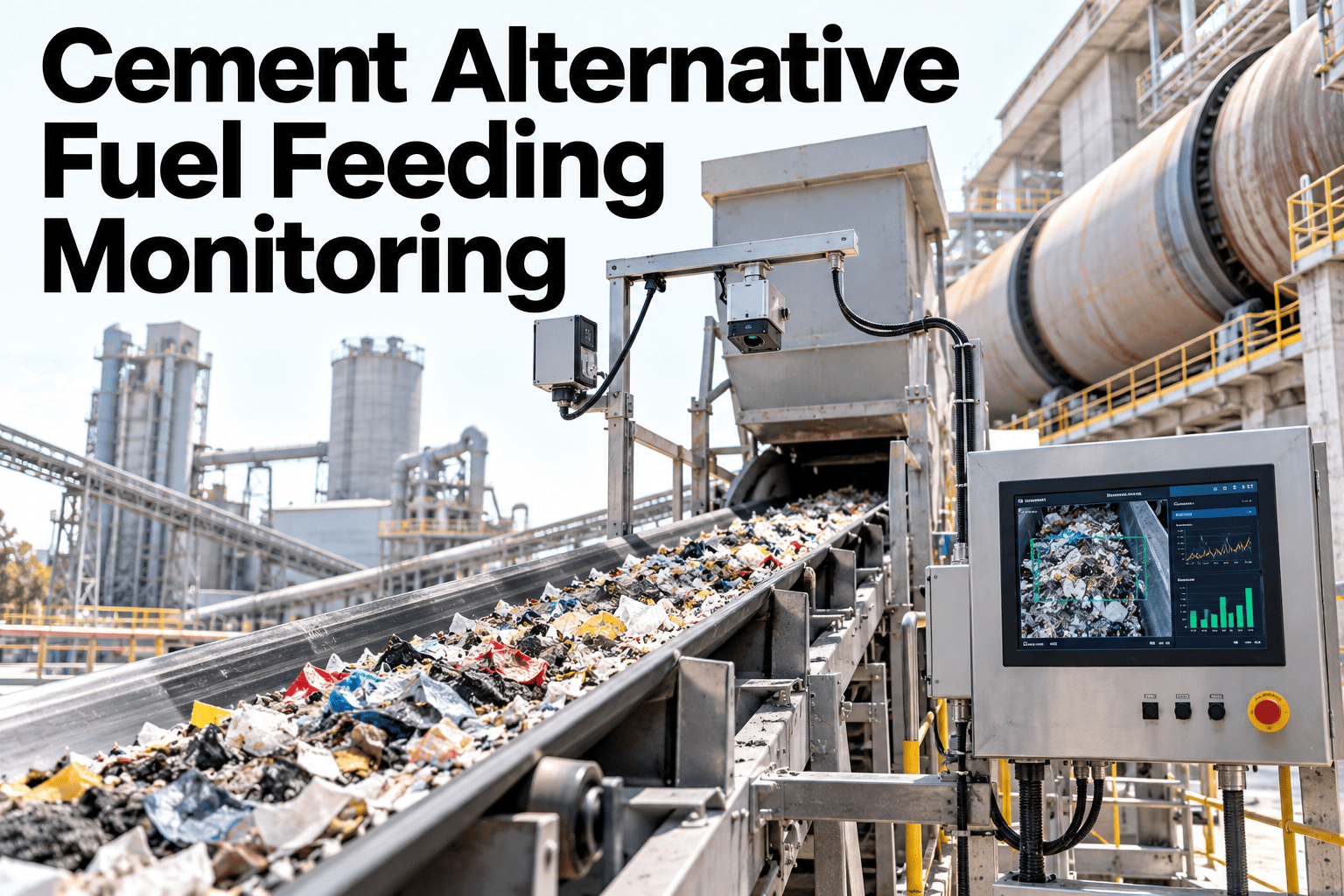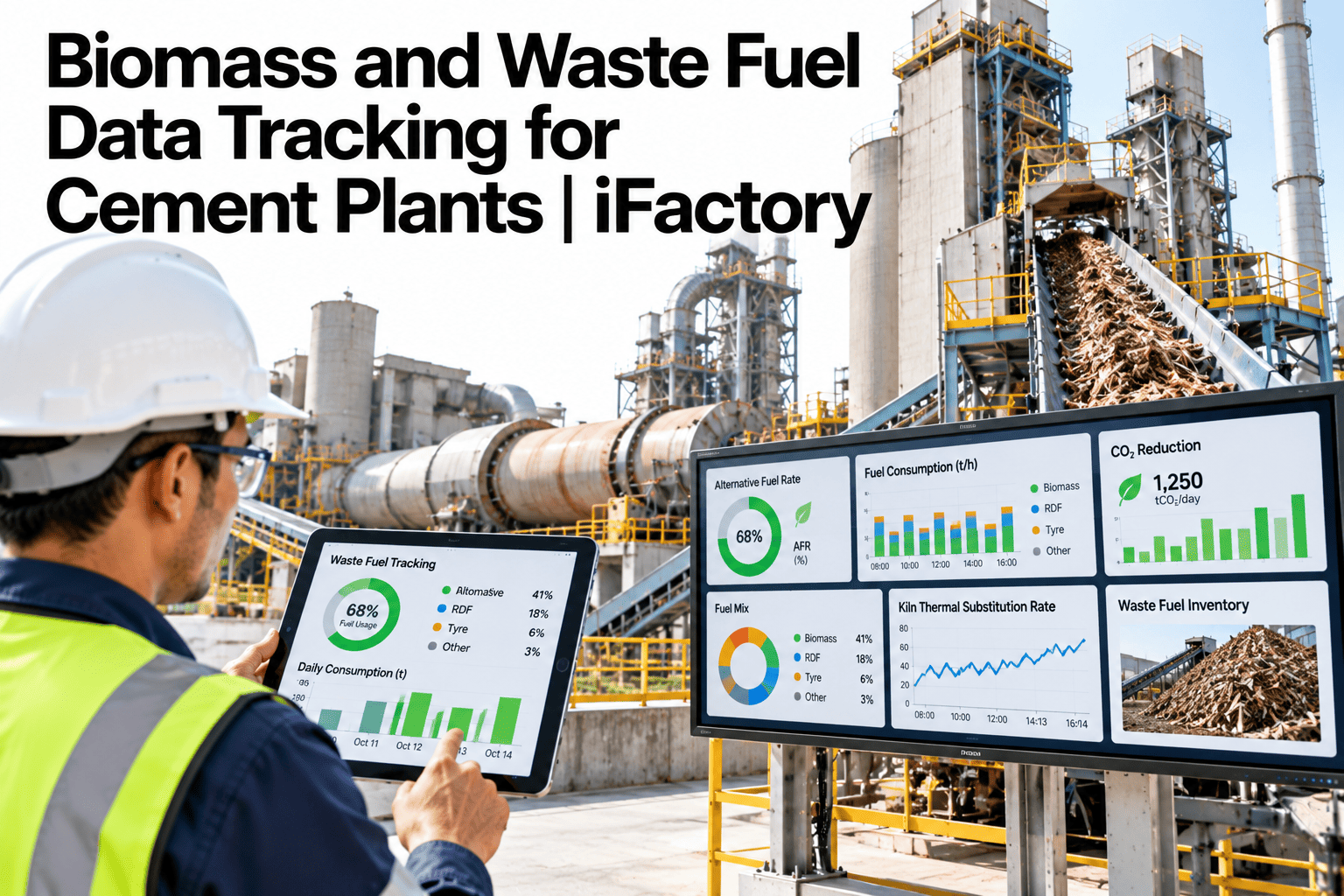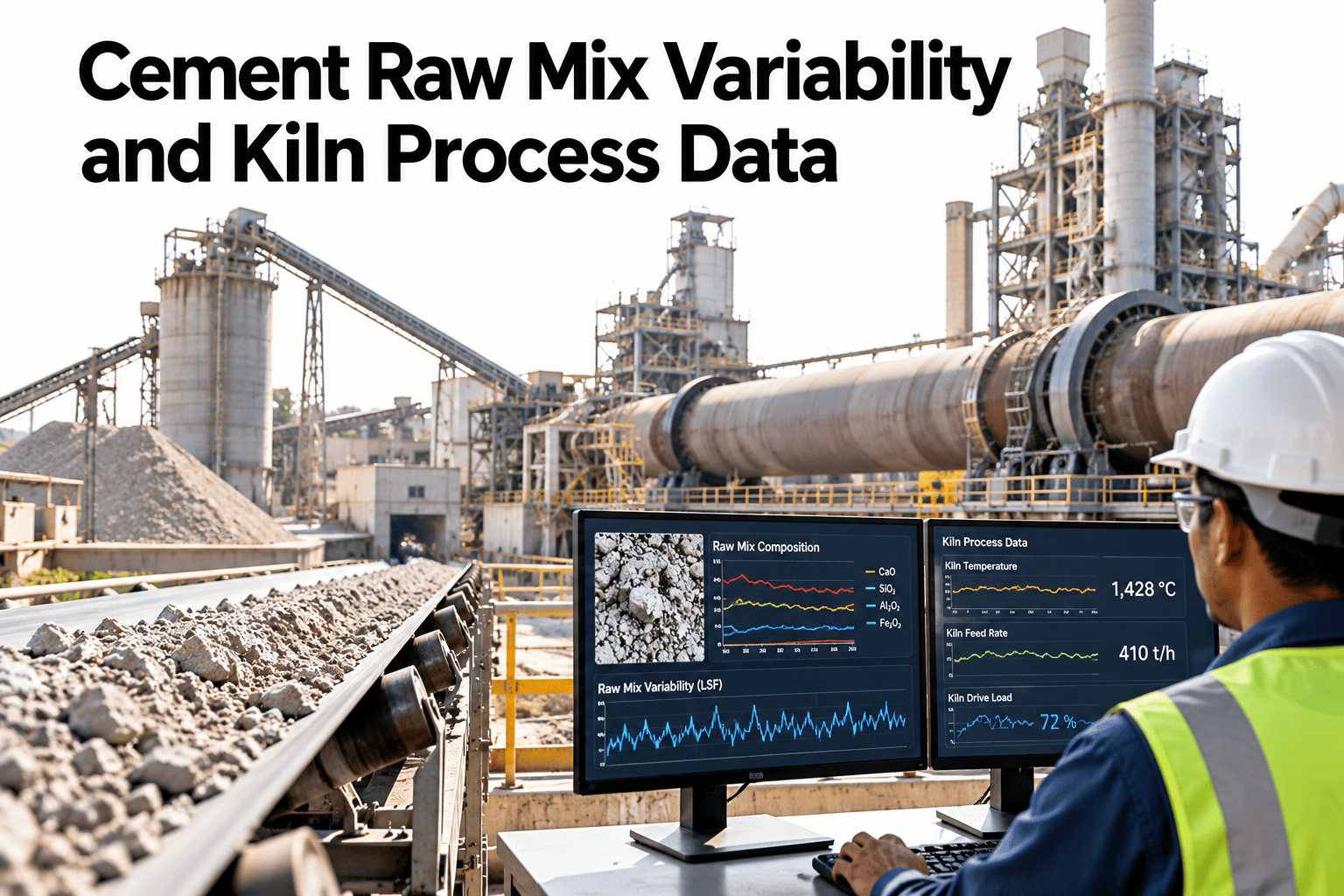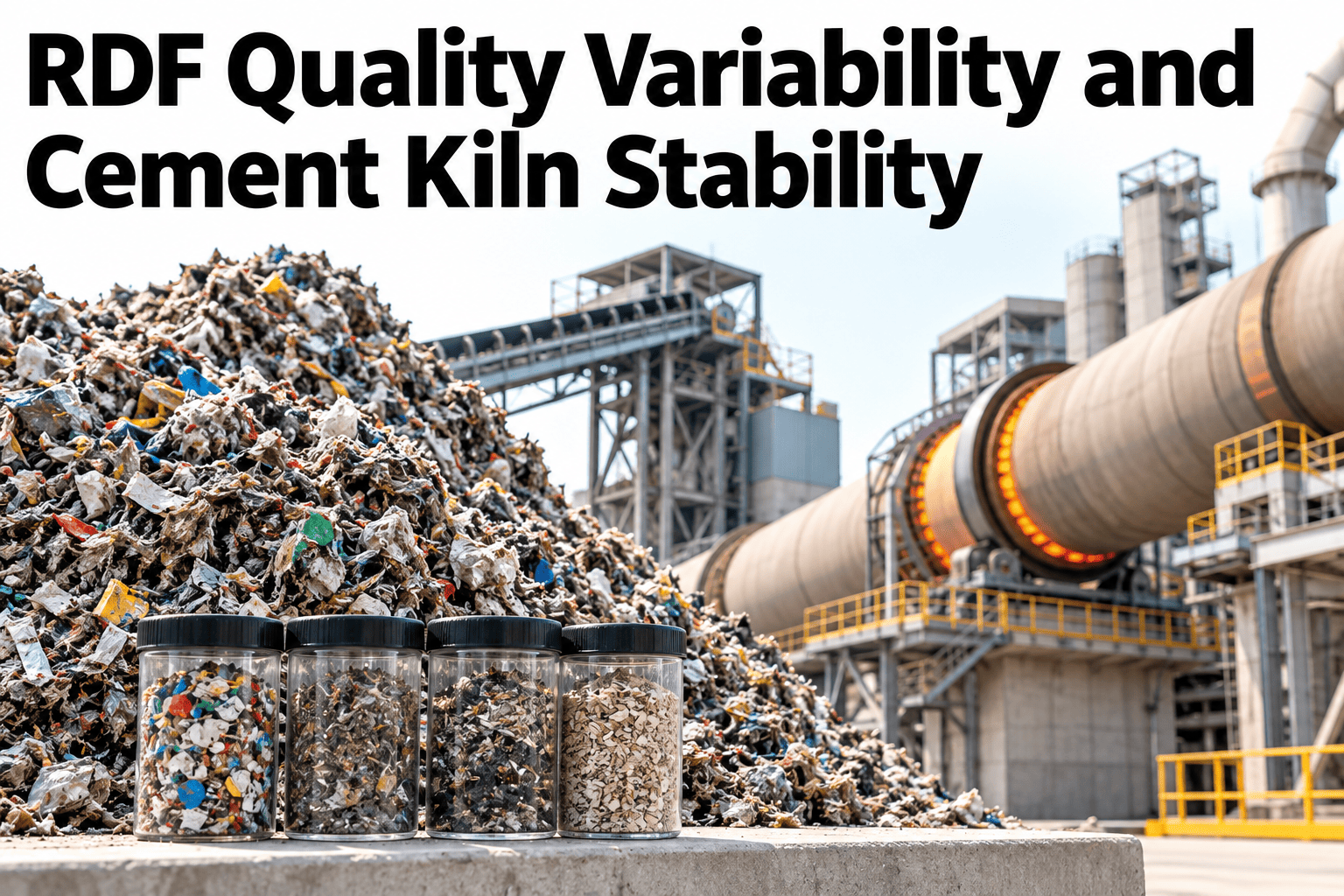
RDF arrives at a cement plant with far more batch-to-batch variability than coal ever did, different moisture levels, different mixes of plastic and biomass content, different particle sizes, all depending on what waste stream it was derived from and how it was processed. A kiln that ran smoothly on one truckload of RDF can show temperature swings and combustion instability on the next, not because anything mechanical changed, but because the fuel quality itself shifted. Connecting RDF quality parameters, sampling records, and kiln operating trends into one traceable view is what turns "the kiln was unstable again" into a specific, documented cause tied to a specific fuel batch, and if you want to see this kind of traceability applied to your own RDF program, you can review a sample traceability record with our team.
Trace Kiln Instability Back to the Fuel Batch That Caused It
Connected tracking of RDF quality parameters, sampling records, and kiln operating trends that turns a vague instability complaint into a specific, documented cause tied to a traceable fuel batch.
The Quality Parameters Behind RDF Variability
RDF composition depends heavily on its source material and processing, which means a handful of quality parameters can shift meaningfully even within fuel labeled the same category.
Sampling and Lab Records That Actually Support Traceability
Traceability depends on a consistent sampling process tied clearly to each batch, not occasional spot checks that may or may not correspond to what's actually being fed at any given time.
| Record type | What it captures | Why it matters for traceability |
|---|---|---|
| Batch identification | Supplier, delivery date, and a unique batch reference | Links every later observation back to a specific delivery |
| Sample testing results | Moisture, calorific value, and composition from lab analysis | Gives a quality snapshot tied to that specific batch |
| Feeding window | When the batch was actually fed into the kiln | Connects the quality data to the specific operating period it affected |
| Kiln response data | Temperature, combustion stability, and emissions during that window | Shows the operational outcome tied to the fed batch |
The feeding window record is often the weakest link in practice, since it requires connecting fuel inventory movement to actual feeder activity rather than just tracking when a delivery arrived at the plant.
Managing Feed Consistency Against a Variable Fuel
Since the fuel itself can't always be controlled, consistency often has to come from how it's blended and fed rather than from the raw material alone.
Check Your Own RDF Quality Against Kiln Stability
Share a recent period of RDF lab results and kiln operating data and we will show how closely they correlate.
How Kiln Operating Trends Correlate With Fuel Quality
Once RDF quality and kiln data are tracked together, the correlation between the two often becomes visible in ways that neither data set shows clearly on its own.
Investigating a Flagged Exception
When kiln data shows an unexplained instability event, the investigation process follows the traceability chain back to its likely source.
What iFactory Cement and Energy Specialists See in RDF Programs
iFactory cement and energy specialists who review RDF-fueled kiln operations across multiple plants find that moisture content is consistently the single parameter most correlated with observable kiln instability, more often than particle size or composition variation.
They recommend prioritizing moisture testing and tracking above other quality parameters when resources for testing are limited, since it tends to deliver the clearest connection to operational outcomes for the testing effort involved.
What Kiln Operators and Fuel Teams Ask About RDF Traceability
Bring RDF Quality Traceability to Your Kiln Operation
Book a session with iFactory AI to connect RDF quality records, sampling data, and kiln operating trends for your own fuel program.