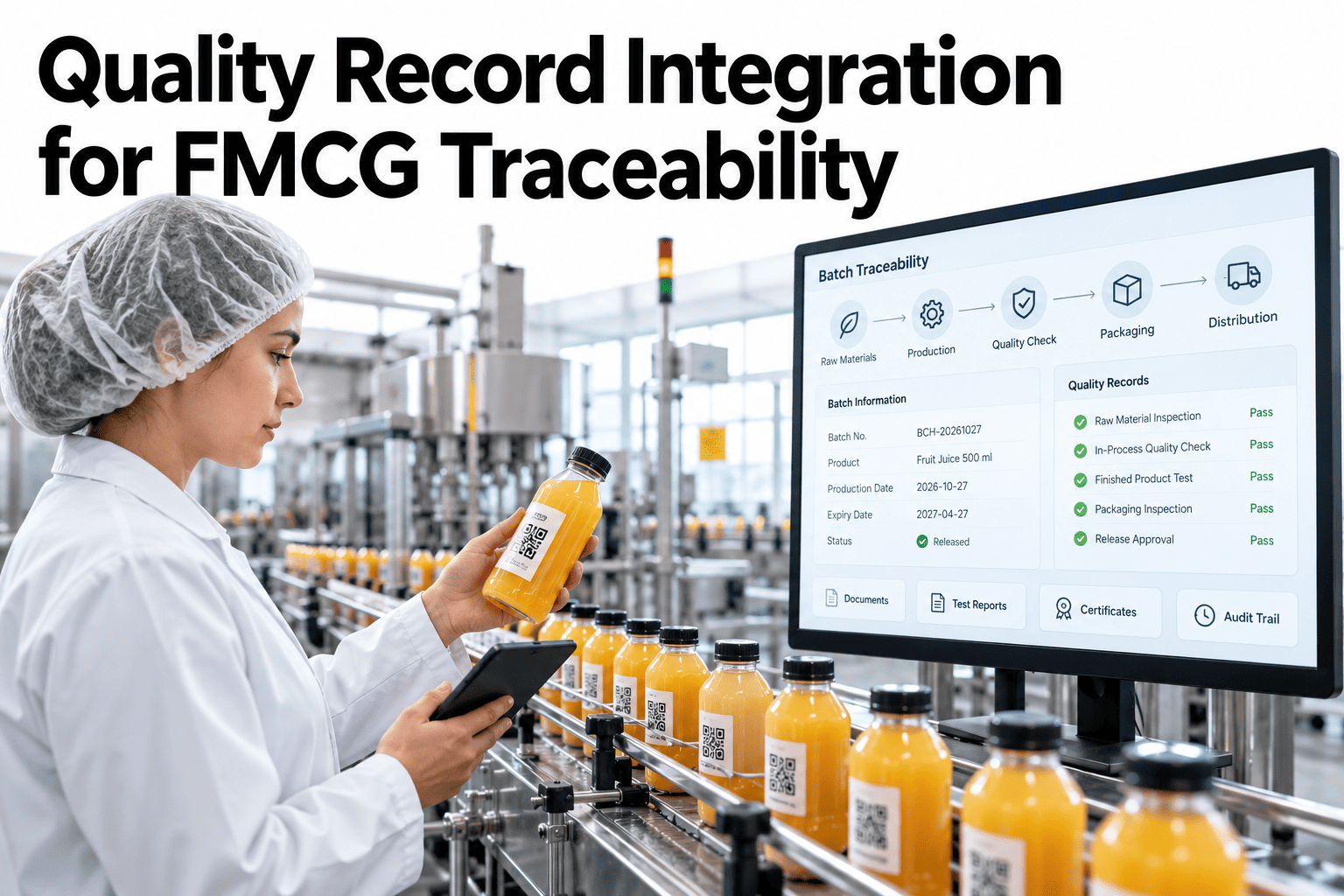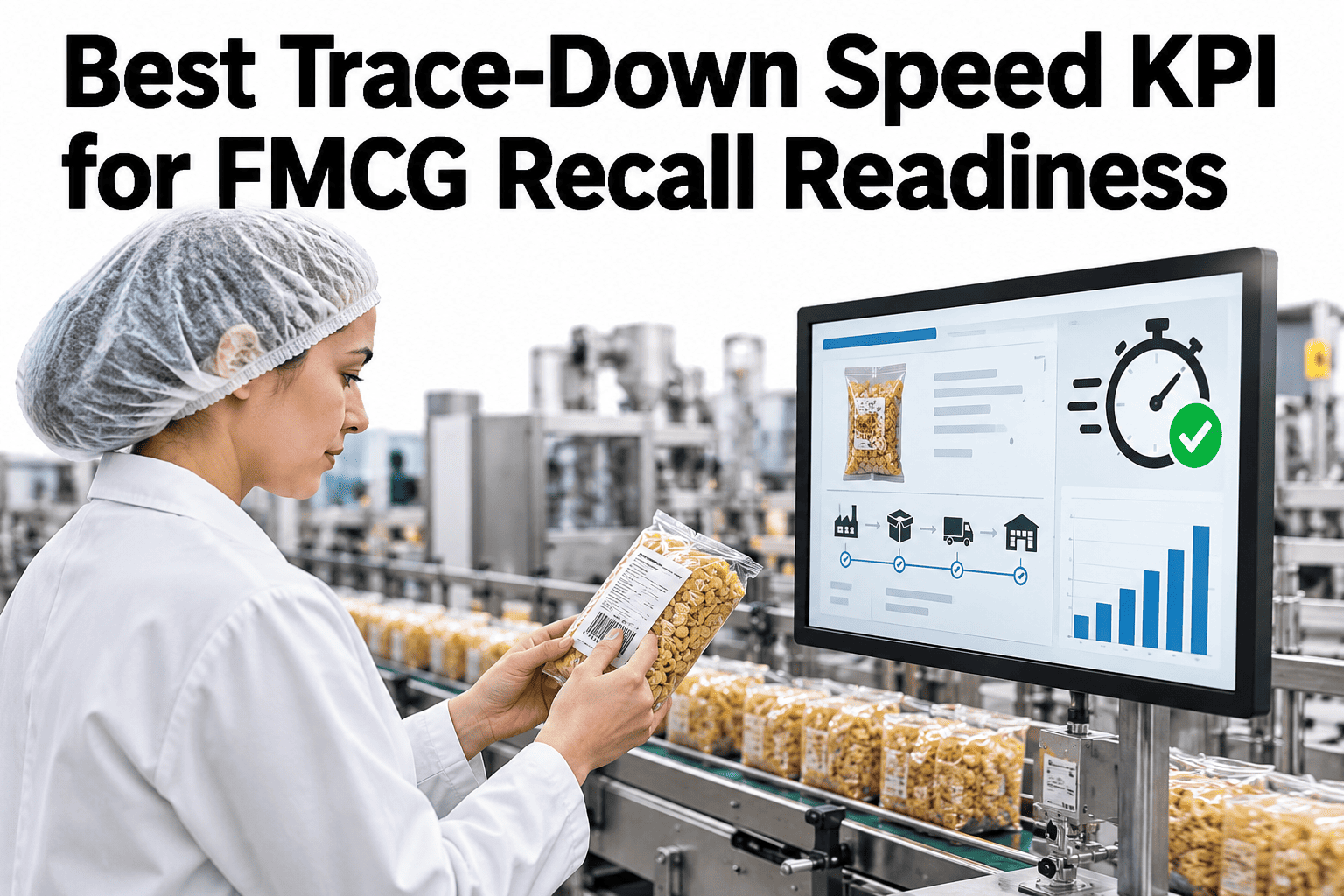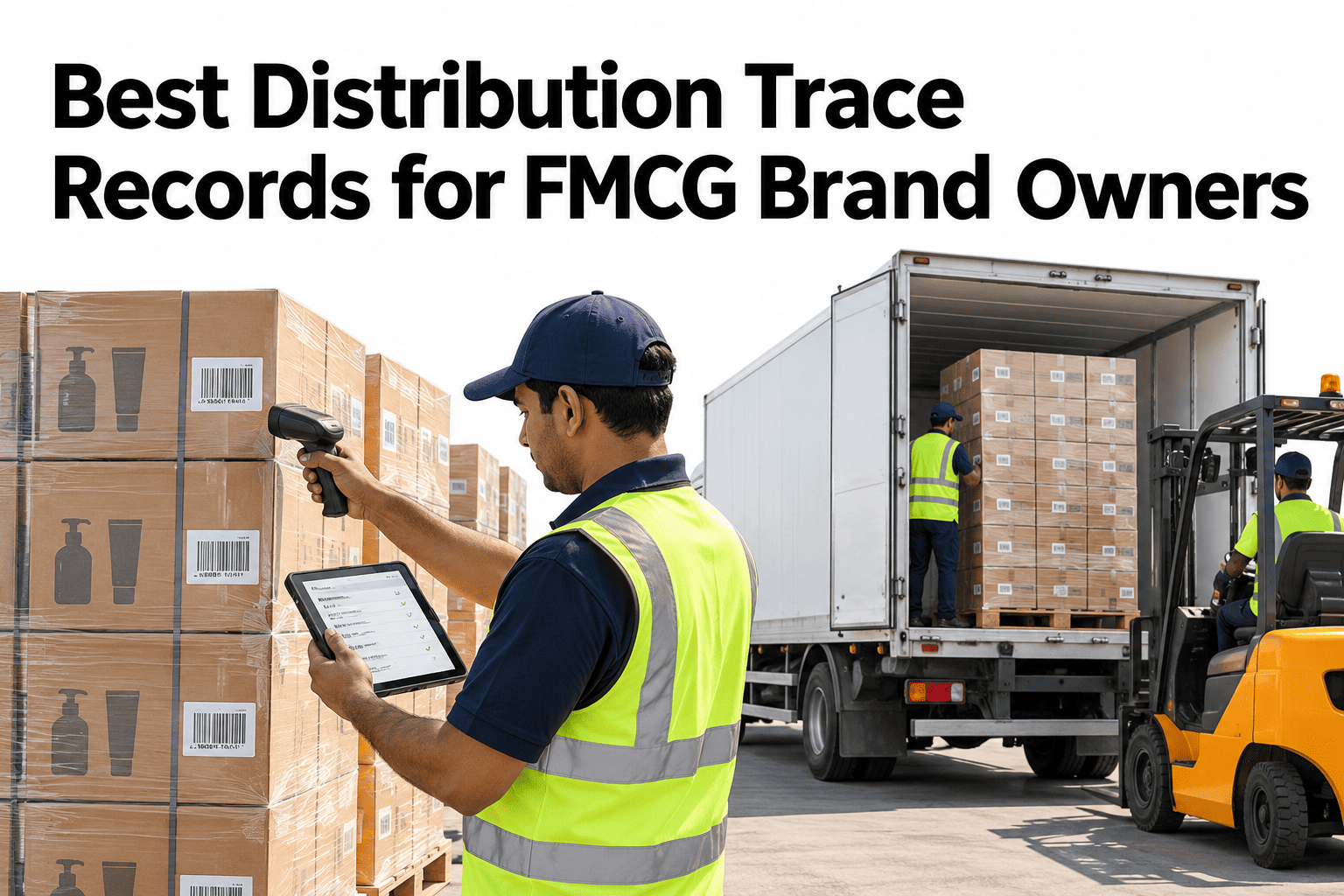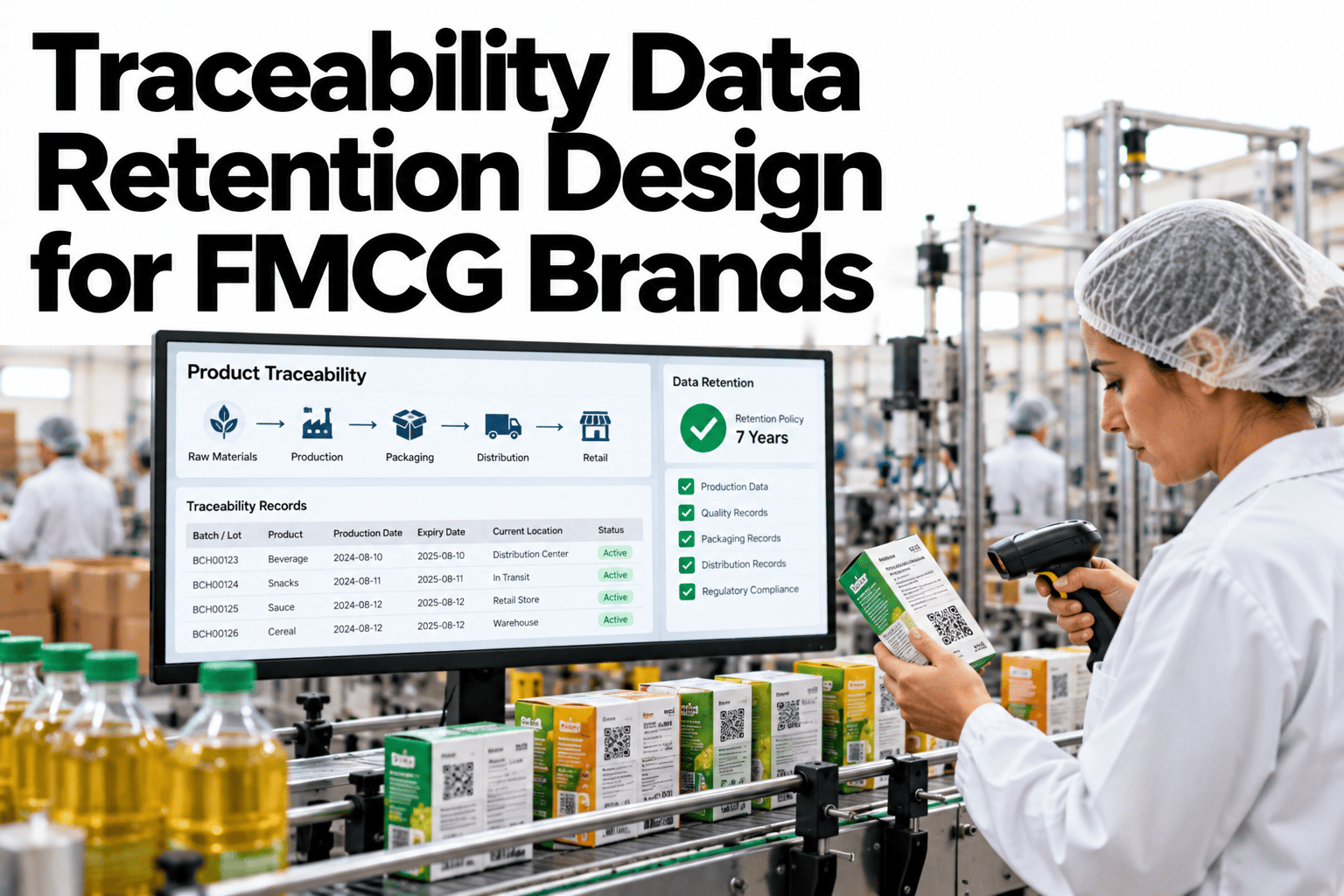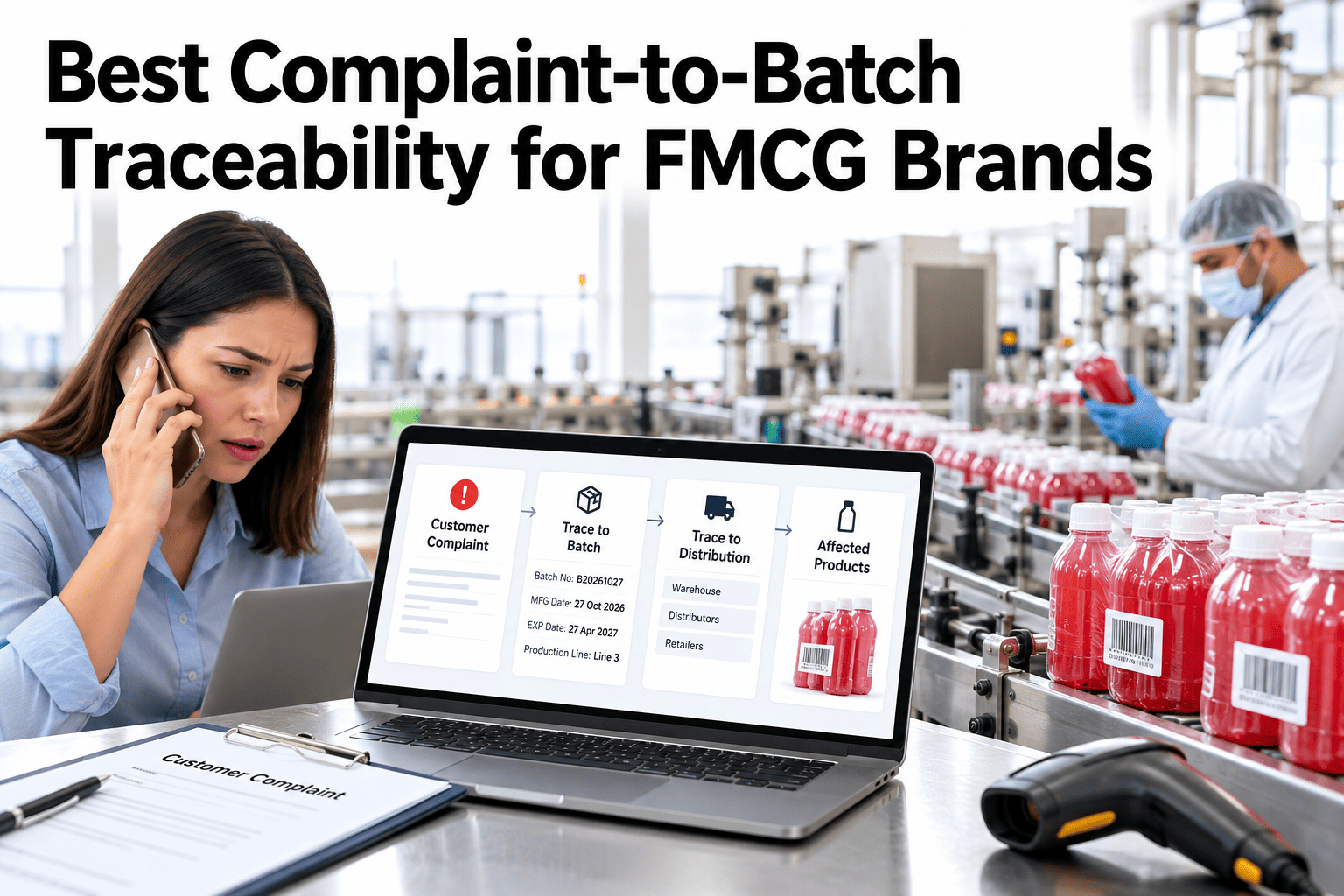
A single consumer complaint rarely tells you much on its own. A pattern of complaints, linked back to the same batch, the same line, the same shift, or the same material lot, tells you almost everything. The difference between those two outcomes is whether the complaint record actually connects to production data, or whether it sits in a customer service system that has no idea which batch a complainant's product number maps to. Without that link, every investigation starts from zero. Quality teams can see how iFactory AI connects consumer complaints back to the batch, line and shift that produced them before the next quality review meeting.
Best Complaint-to-Batch Traceability for FMCG Brands
Connect a consumer complaint back to the batch, line, shift and material lot that actually produced it.
What a Single Complaint Can and Cannot Tell You
One complaint is a data point, not a diagnosis. What makes it useful is the context it gets connected to.
A single complaint shows one customer had a problem, with no way to know if it's isolated or part of a pattern.
Shows whether other complaints share the same batch, pointing toward a specific production event.
Shows whether the issue correlates with a specific piece of equipment or crew, not just a batch number.
Each layer of linkage narrows the investigation. Without them, every complaint review starts the narrowing process from scratch.
The Fields That Need to Connect
A complaint record is only as useful as the data it can be joined to. These fields are the minimum needed for a real investigation.
| Field | Source | Why It Matters |
|---|---|---|
| Product code and batch number | Printed on the pack, reported by the consumer | Links the complaint to a specific production run |
| Production line and shift | Batch record from the MES or production system | Narrows the investigation to a specific crew and equipment |
| Material lots used | Batch genealogy record | Identifies whether a specific ingredient lot is implicated |
| In-process quality results | Quality records for that batch | Shows whether a deviation was already flagged during production |
Check Whether Your Own Complaints Link This Deep
Book a 30-minute session and iFactory AI will walk through a sample complaint to show how far back it can be traced in your own systems today.
Spotting a Pattern Across Complaints
A pattern only becomes visible once complaints are compared against a shared set of fields, not read one at a time.
From Complaint to Root Cause in Four Steps
A defensible investigation follows a repeatable path, so the same complaint type is handled consistently every time.
Complaint received
Product code and batch number captured from the consumer report.
Batch identified
The specific production run is pulled up with its full record.
Context assembled
Line, shift, material lots and quality results for that batch are gathered.
Pattern checked
The batch is compared against other recent complaints for shared factors.
Brands with a genuinely defensible complaint investigation process are the ones that link every complaint to its batch record as a matter of routine, not only when a complaint looks serious enough to warrant extra effort. A pattern across several complaints only becomes visible when they're all linked to the same shared fields, and a quality team reviewing complaints one at a time, without that comparison, can miss a real production issue until it has generated far more complaints than necessary. Build the batch linkage into the complaint intake process itself, so the comparison happens automatically rather than depending on someone noticing a coincidence.
Where iFactory AI Fits
iFactory AI connects consumer complaints to batch, line, shift and material lot records automatically, so a pattern is visible the moment it forms, not after enough complaints pile up to be noticed manually.
Automatic batch linkage
Each complaint is matched to its production batch and full genealogy record on intake.
Pattern detection
Complaints sharing a batch, line, shift or material lot are grouped automatically, surfacing clusters early.
Investigation evidence
In-process quality results and material lots for the implicated batch are assembled in one place.
Ask in plain language
Ask whether recent complaints share a common batch, line or lot and receive a direct answer.
Frequently Asked Questions
What data do we need from the consumer to trace a complaint back to a batch?
At minimum, the product code and batch number printed on the pack, since those are what link the complaint to a specific production record. Without them, the investigation has to rely on purchase date and location, which narrows the search far less precisely. You can watch a complaint traced back to its batch on sample data in a live session.
How many complaints does it take to confirm a real pattern?
There's no fixed number, but grouping complaints by shared batch, line, shift or material lot surfaces a genuine cluster far earlier than reviewing complaints individually, often before the count alone would look statistically significant. To set up this grouping for your own complaint data, request a pattern detection review with the iFactory AI team, or ask support what complaint data is needed.
Should every complaint get the same level of batch investigation?
Routine batch linkage should happen automatically for every complaint, since that's what makes pattern detection possible, while deeper root cause investigation can then be prioritized for complaints that show a cluster or a safety concern. A short product tour of complaint triage shows how this prioritization works.
Can this connect to a formal root cause analysis process?
Yes. Once a complaint is linked to its batch, line, shift and material lots, that assembled context becomes the starting evidence for a formal RCA, rather than something the quality team has to gather manually before the investigation can even begin. See how assembled batch context feeds into an RCA process in a guided walkthrough.
How does this hold up for a regulator or customer audit?
A documented, automatic link between complaints and production records demonstrates a systematic investigation process, which is generally viewed more favourably than an ad hoc review that happened to connect a complaint to a batch after the fact. Schedule a walkthrough of audit-ready complaint records to see how this is presented.
Turn Complaints Into Evidence, Not Guesswork
iFactory AI links every complaint to its batch, line, shift and material lots automatically. Book a walkthrough to see it built around your own complaint process.