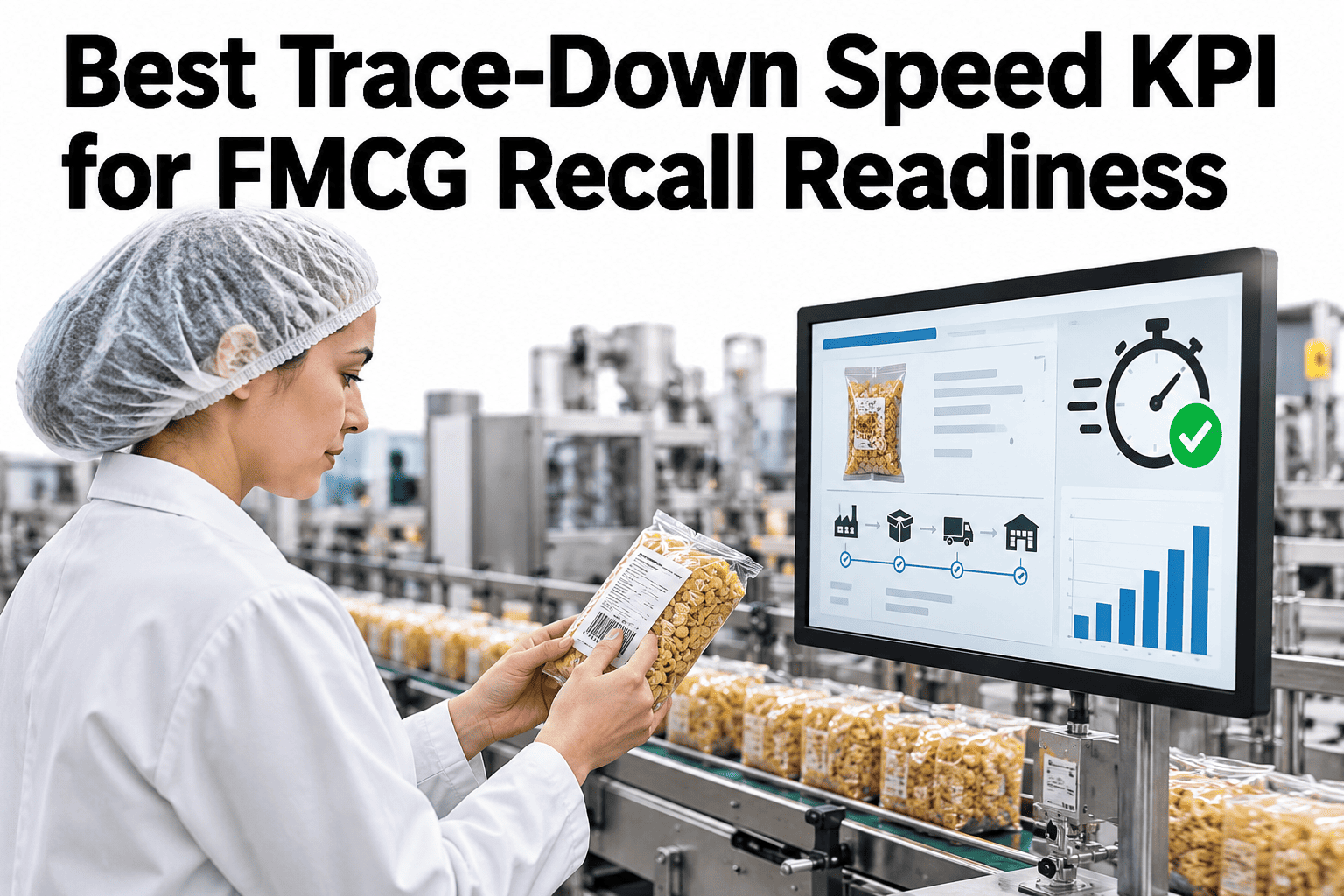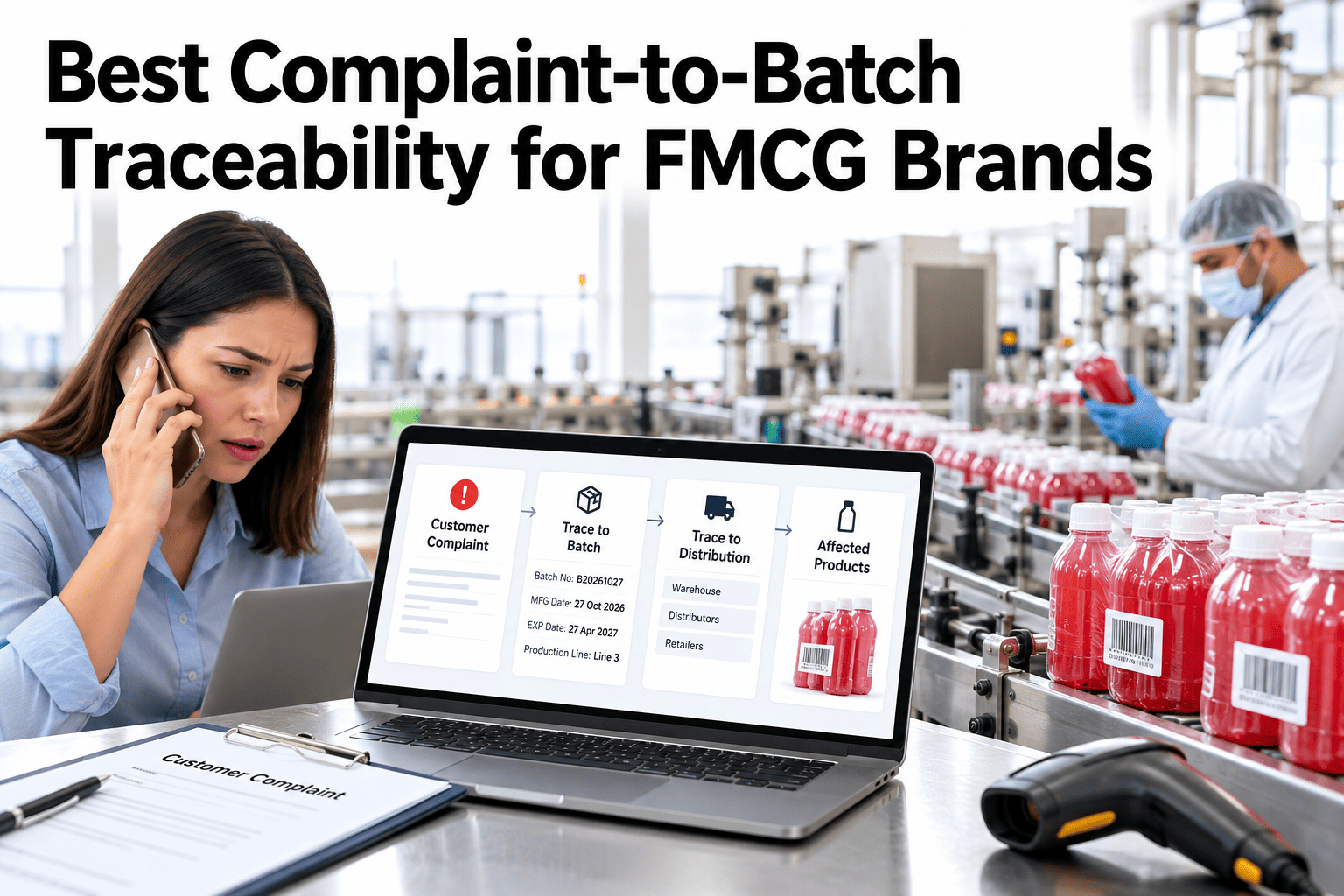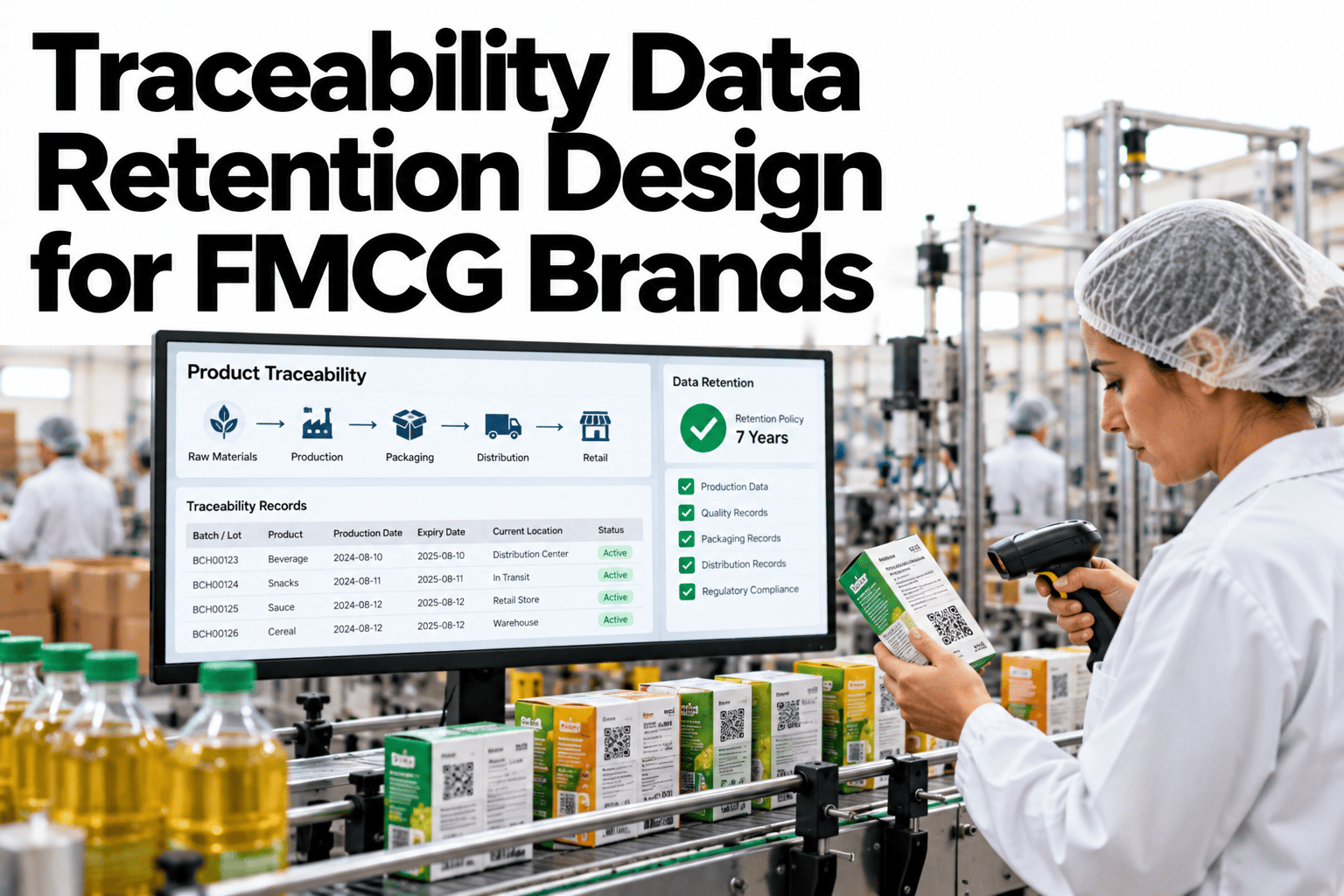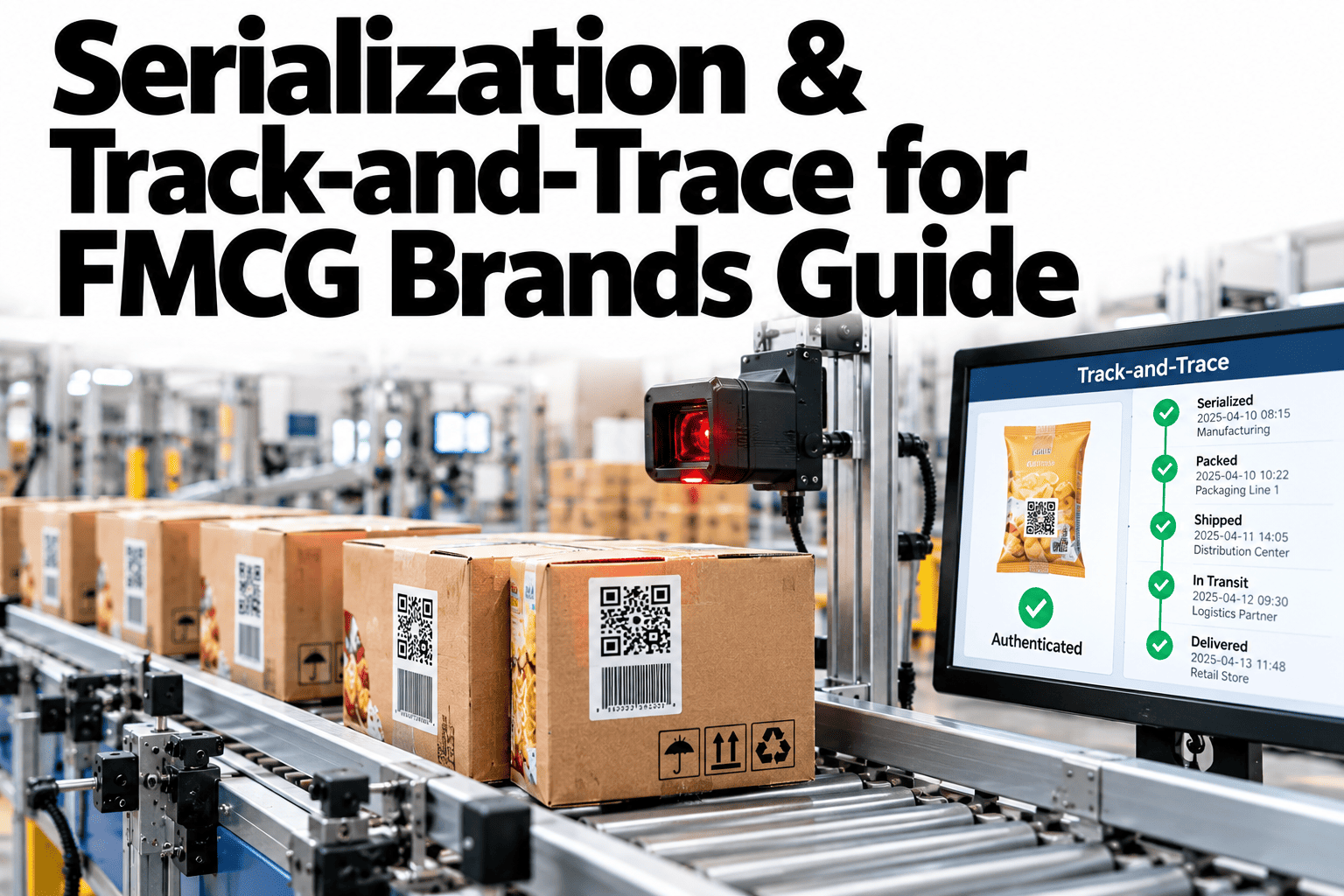
When a recall starts, a brand owner's first real question is not "what's wrong with the batch," it's "where is it right now." Answering that fast depends entirely on distribution records most plants treat as an afterthought: which batches went to which distribution center, which DCs transferred stock onward, and which customers ultimately received it. Without that chain recorded cleanly, a trace-forward investigation turns into days of phone calls to distributors who may not even remember the shipment. Brand owners can see how iFactory AI links batch records through DC receipt to customer shipment before the next mock recall exercise.
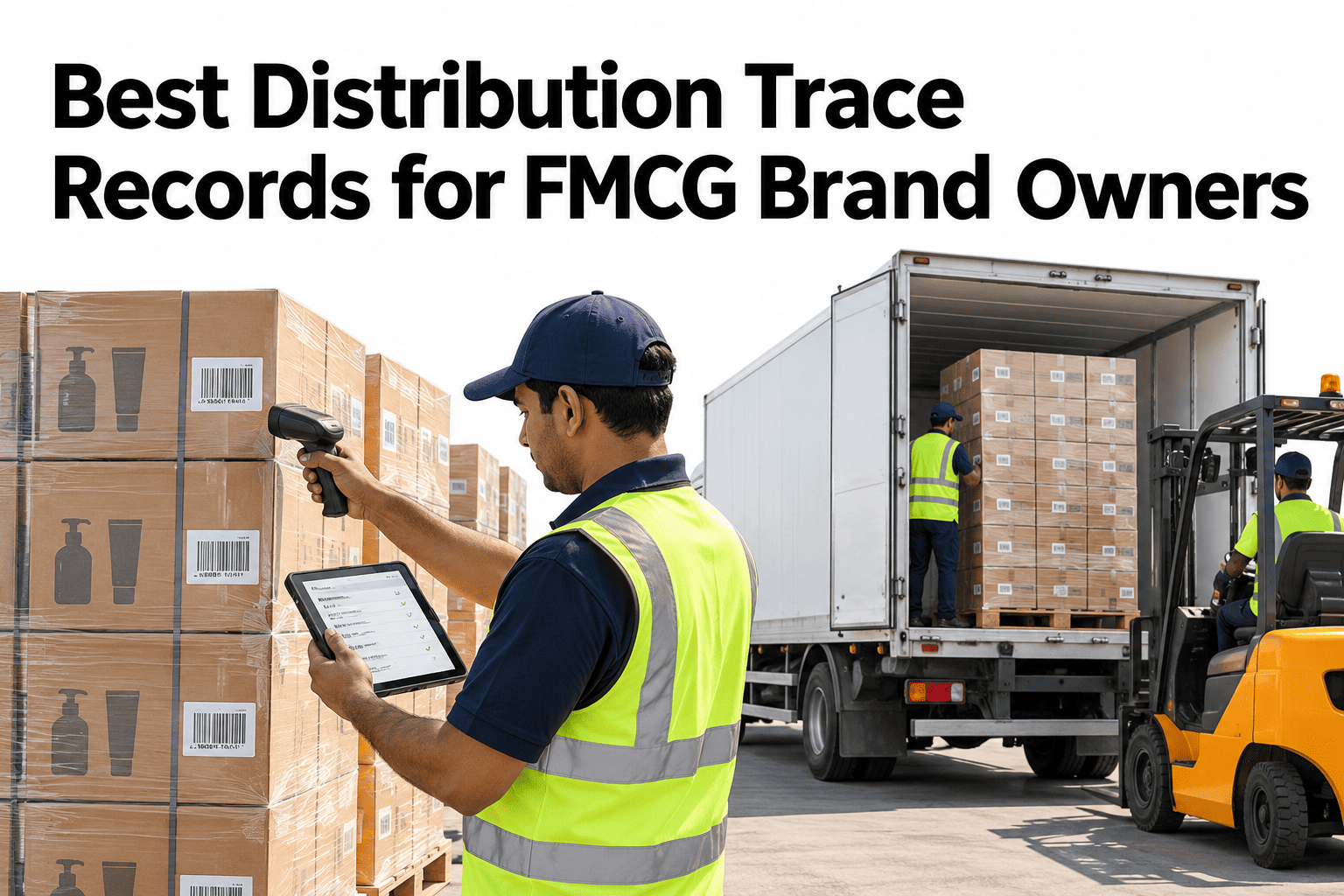
Best Distribution Trace Records for FMCG Brand Owners
DC receipt, transfer and customer shipment linkage, so trace-forward goes from days to minutes.
Three Links That Make or Break a Trace-Forward
A trace-forward investigation has to cross three handoffs, each owned by a different part of the supply chain, and each a point where the record can go cold.
Which batches were shipped to which distribution center, and when.
Stock that moves between distribution centers before reaching a customer.
The final shipment record linking stock to the retailer or customer account.
A gap at any one of these three breaks the chain for every batch that passed through it, no matter how clean the records are on either side.
Why This Chain Breaks More Than the Plant Side Does
Plant-side batch records are usually the brand owner's own system. Distribution records often cross into systems the brand owner does not directly control.
| Handoff | Typical System | Common Weakness |
|---|---|---|
| Plant to DC | Brand owner's own shipping and ERP systems | Usually the strongest link, but batch detail sometimes dropped at the pallet level |
| DC to DC transfer | Third-party logistics or distributor WMS | Batch mixing during re-palletizing, not always recorded |
| DC to customer | Distributor or retailer systems | Shipment recorded by SKU and quantity, not always by batch |
Find Out How Fast Your Own Trace-Forward Really Is
Book a 30-minute session and iFactory AI will walk through a mock trace-forward using your own distribution records to show where the chain holds and where it breaks.
What a Minutes-Not-Days Trace Actually Requires
Speed does not come from one system, it comes from every handoff being captured at the batch or lot level consistently, with no manual reconciliation step in between.
Working With Distributors Who Have Their Own Systems
A brand owner rarely controls every system in the chain. The practical answer is a consistent data exchange standard, not forcing every partner onto one platform.
Agree the data to exchange
Batch or lot number, quantity and shipment date, at minimum.
Standardize the format
Use a common identifier structure so records from different partners line up.
Automate the exchange
Reduce manual entry wherever a system-to-system link is possible.
Test with a mock trace
Run a practice trace-forward periodically to confirm the chain still holds.
Brand owners who can genuinely trace-forward in minutes are the ones who run mock recall exercises on a regular schedule, not only after an actual incident reveals a gap. A distribution chain that looked complete on paper six months ago can quietly degrade as a distributor changes systems or a new 3PL relationship starts, and the first time anyone notices is usually during a real recall, which is the worst possible moment to discover it. Treat the mock trace as a standing quarterly habit, and track trace-forward speed itself as a KPI that gets reported, not just assumed to be fine.
Where iFactory AI Fits
iFactory AI connects plant shipment, DC transfer and customer delivery records, so a batch can be traced forward through the full distribution chain without manual reconciliation.
End-to-end shipment linkage
Plant-to-DC, DC-to-DC and DC-to-customer records are connected in one trace view.
Standardized data exchange
A consistent identifier structure supports linking records from partner systems you don't directly control.
Mock trace support
Practice trace-forward exercises run against live data, so gaps are found before a real recall does.
Ask in plain language
Ask where every unit of a specific batch is in the distribution chain and receive a direct answer.
Frequently Asked Questions
What makes distribution trace-forward slow in most FMCG networks?
Batch or lot identity is often lost at a handoff, usually during DC-to-DC transfer or when a distributor records a shipment by SKU and quantity rather than batch, which forces a manual reconciliation step that takes days instead of minutes. You can watch a trace-forward run on sample distribution data in a live session.
Do we need our distributors on the same system as us?
Not necessarily. A consistent data exchange standard, agreeing what fields to share and in what format, often matters more than forcing every partner onto a single platform, especially when working with distributors who already run their own systems. To design this for your network, request a distribution linkage review with the iFactory AI team, or ask support what data exchange is supported.
How often should we run a mock recall trace?
A regular schedule, such as quarterly, catches gaps that develop as distributors change systems or new logistics relationships start, rather than discovering them for the first time during an actual recall. A short product tour of mock trace exercises shows how this is run.
What is the minimum data needed at each handoff to keep the chain intact?
Batch or lot number, quantity and shipment date at each transfer point are the baseline, since missing even one of these at a single handoff is enough to break the trace for everything that passed through it. See how minimum data requirements are set per handoff in a guided walkthrough.
How fast should a trace-forward realistically be?
With batch identity preserved and records connected in one view, locating every unit of a batch across the distribution network can take minutes rather than the days a manual, phone-and-email process typically requires. Schedule a walkthrough of trace-forward speed benchmarking to see where your own network stands.
Know Where Every Batch Went, Before You Need To
iFactory AI connects your distribution chain so a trace-forward is minutes, not days. Book a walkthrough to see it built around your own distribution network.