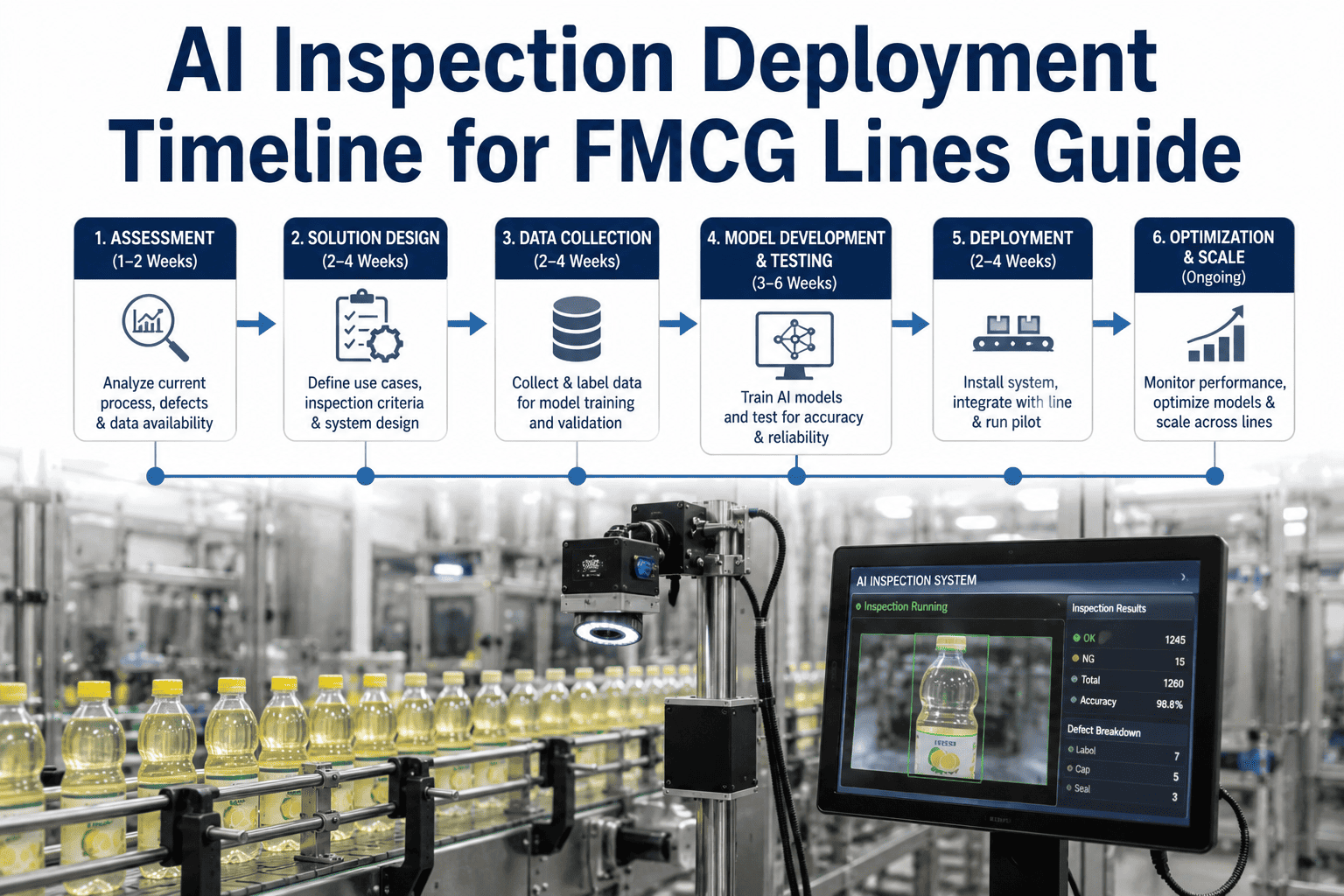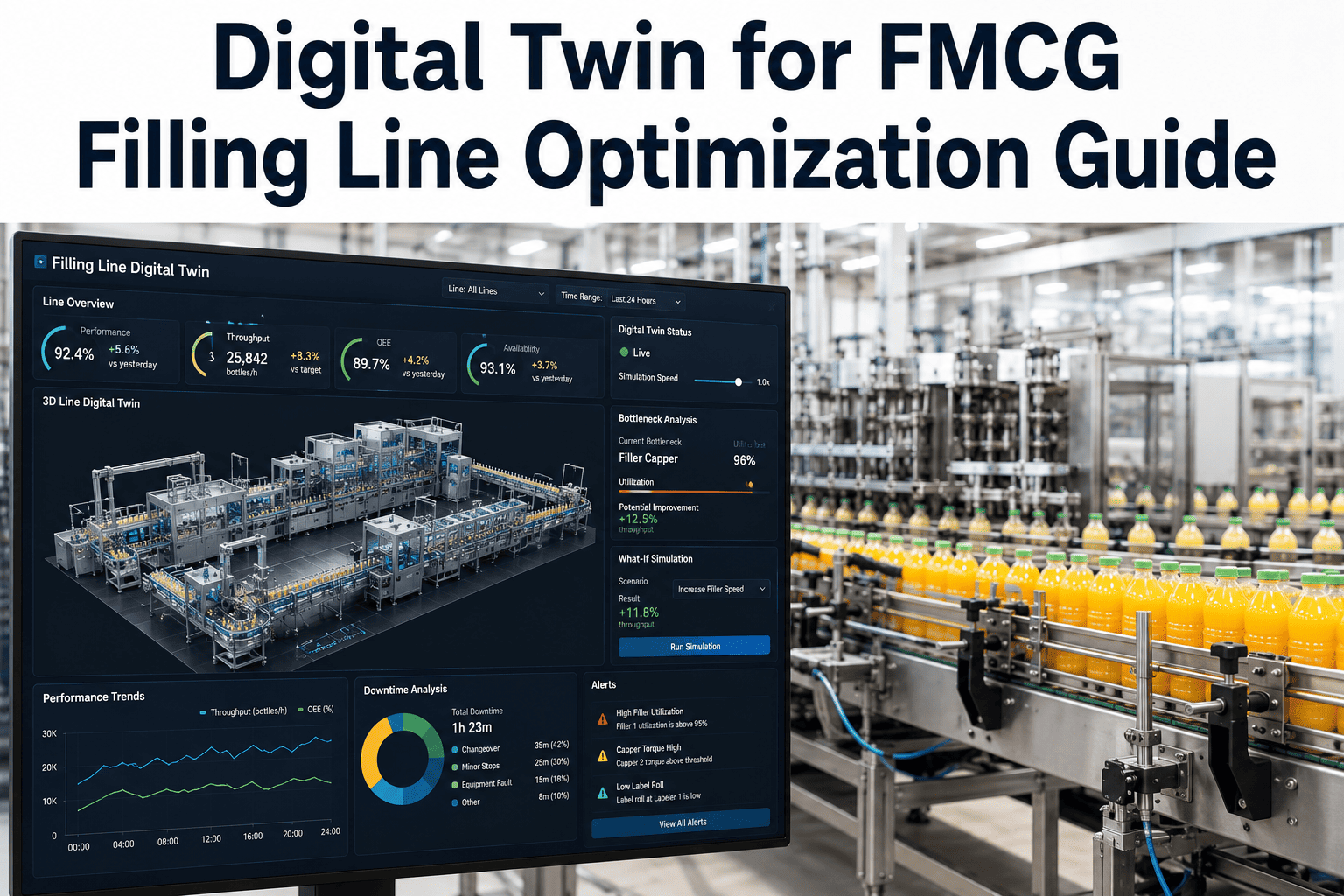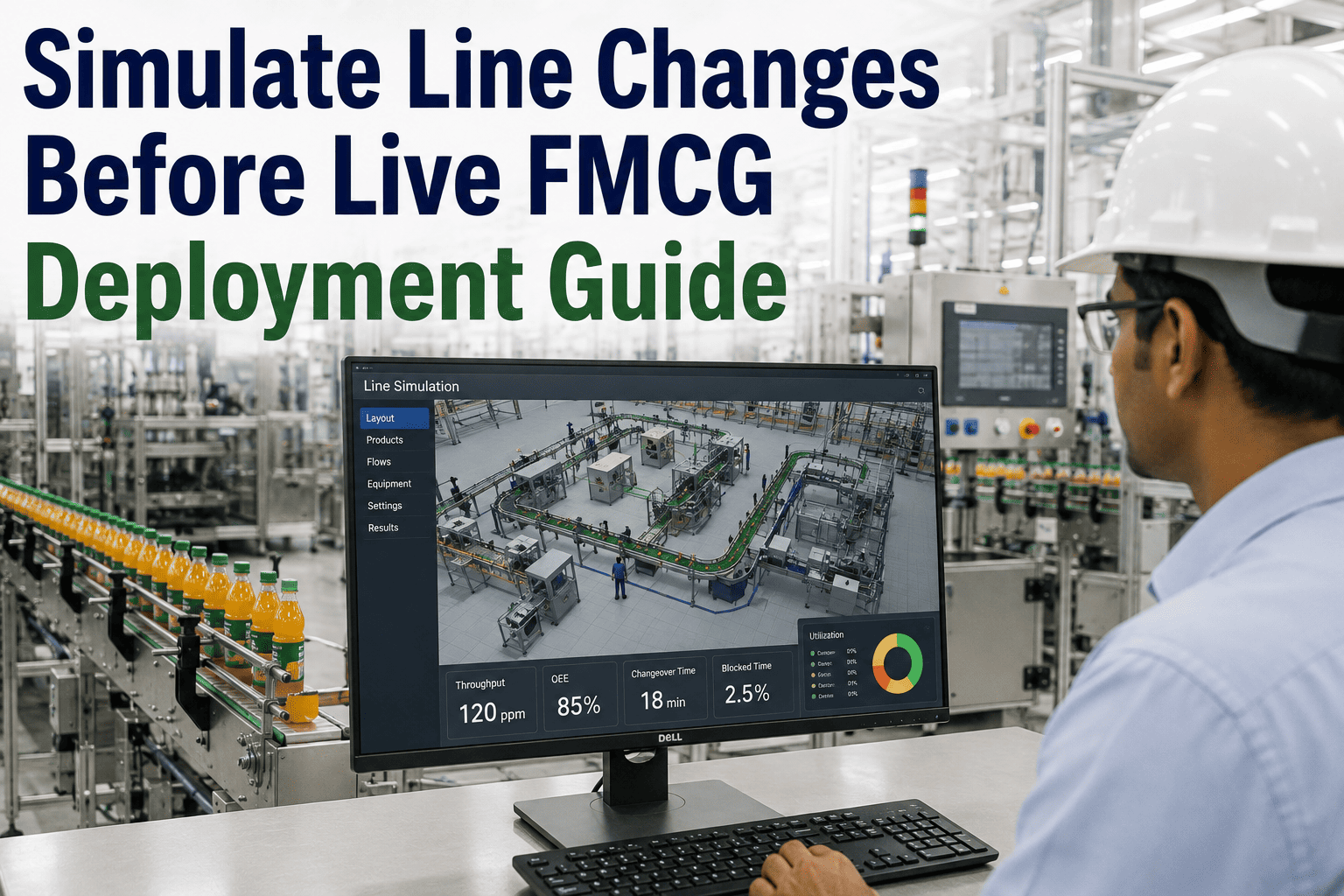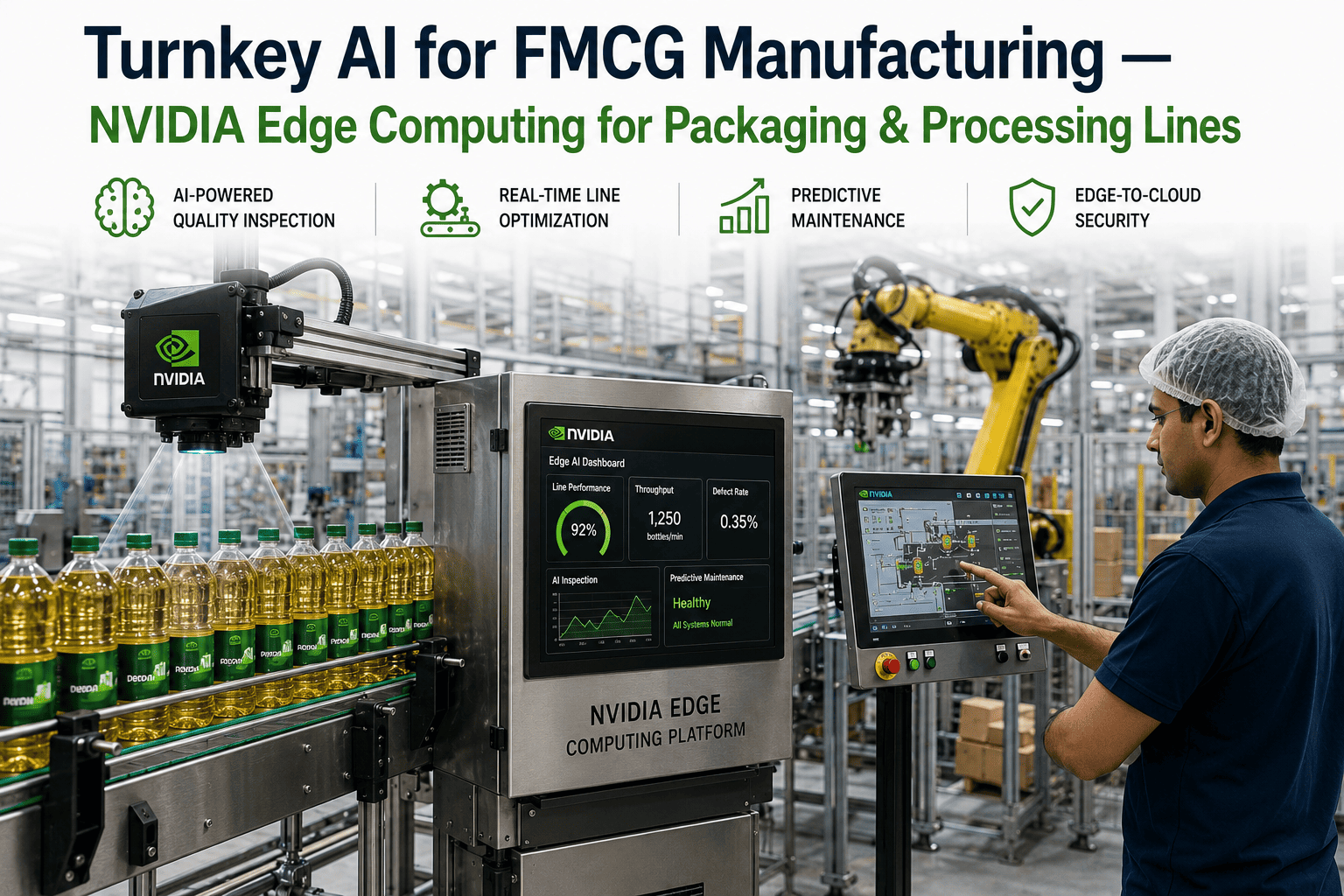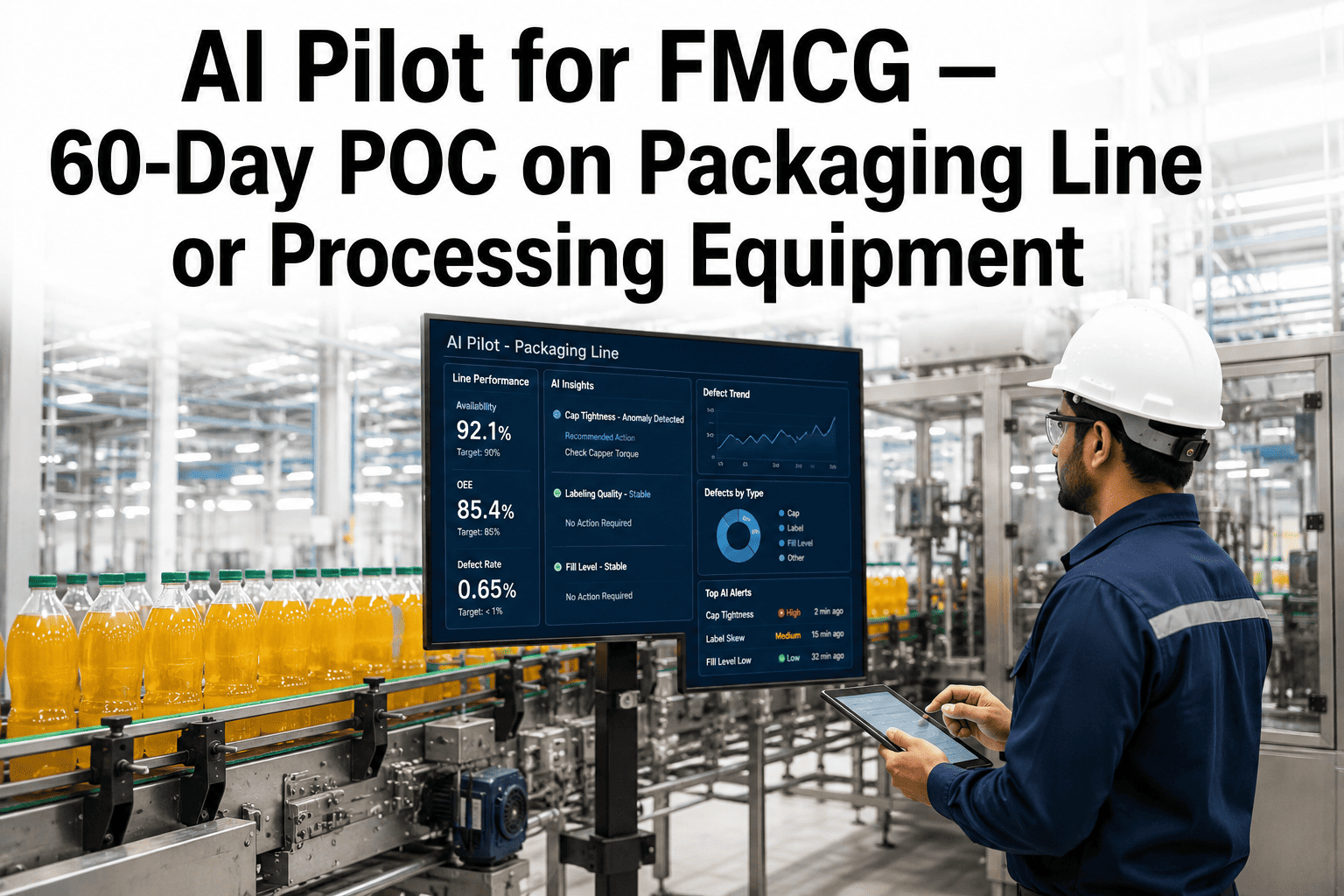
A Plant Manager doesn't need a philosophical argument for why AI could help the operation — they need to see it work on their own equipment, with their own data, before committing budget and floor space to a plant-wide rollout that might not pan out. A 60-day pilot exists to answer exactly one question with real evidence: does this technology deliver measurable value on your highest-priority asset, or doesn't it. iFactoryapp.com structures its pilot program around a single packaging line, filling machine, or processing asset you nominate, running for a defined 60-day window with clear success criteria agreed upfront, so the outcome is a decision you can actually stand behind rather than a vendor's promise you're asked to take on faith. Details on how a pilot is scoped and evaluated follow, along with what to expect if you decide to Contact Support with questions before committing.
Why a Time-Boxed Pilot Beats an Open-Ended Trial
Open-ended trials tend to drift — without a defined endpoint and agreed success criteria, a pilot can run for months without ever producing a clear yes-or-no answer, consuming plant attention the whole time without moving toward a decision. A structured 60-day window forces the opposite: the asset, the success metrics, and the evaluation date are all agreed before the pilot starts, which means at the end of it you have a genuine answer rather than an open-ended experiment that quietly fizzles out.
Sixty days is also long enough to move past the initial calibration period and see the technology perform against real, varied production conditions — different shifts, different product runs, the normal variability a plant actually experiences — rather than a best-case demo environment that doesn't reflect how the asset behaves week to week.
Hardware installed on the nominated asset, baseline data collected, and success criteria formally documented and agreed with your team.
The asset runs under live AI monitoring through normal production variation, with performance tracked continuously against the agreed baseline.
Pilot results are reviewed jointly against the original success criteria, producing a clear, evidence-based decision on plant-wide expansion.
Choosing the Right Asset for Your Pilot
The asset you nominate for the pilot matters more than most plants initially assume. An asset with too little historical downtime or quality variance won't generate enough signal in sixty days to produce a meaningful result, while an asset that's genuinely your highest-priority pain point gives the pilot the best chance to demonstrate real, visible value. Most successful pilots are run on assets with a documented history of unplanned downtime, recurring quality issues, or a known bottleneck constraining overall line throughput.
| Asset Type | Good Pilot Candidate When | Typical Success Metric |
|---|---|---|
| Packaging line | Recurring jams, changeover delays, or throughput variance | Unplanned stoppage reduction, throughput consistency |
| Filling machine | Fill accuracy drift or frequent adjustment needs | Fill tolerance compliance rate |
| Processing equipment | History of unplanned maintenance events | Early fault detection lead time |
What Success Criteria Actually Look Like
Vague goals like "see if AI helps" produce vague, unconvincing pilot outcomes. Effective success criteria are specific, measurable, and tied to a baseline established during the setup phase — for example, a target reduction in unplanned stoppage minutes compared to the prior quarter's average, or a specific early-warning lead time for a known failure mode. Agreeing these criteria before the pilot begins, rather than retroactively deciding what counts as success after seeing the results, is what makes the eventual decision defensible to plant leadership and finance.
A Plant Manager's Experience Running a Pilot
We'd been burned before by an open-ended trial that never really ended and never really proved anything either way. This time we picked our worst-performing filling line, agreed upfront that we needed to see at least a meaningful reduction in fill tolerance rejections within the sixty days, and at the end of it we had a genuinely clear number to bring to our operations director. It wasn't a sales pitch dressed up as a pilot — it was an actual test, and it gave us the confidence to move forward with the rest of the plant.