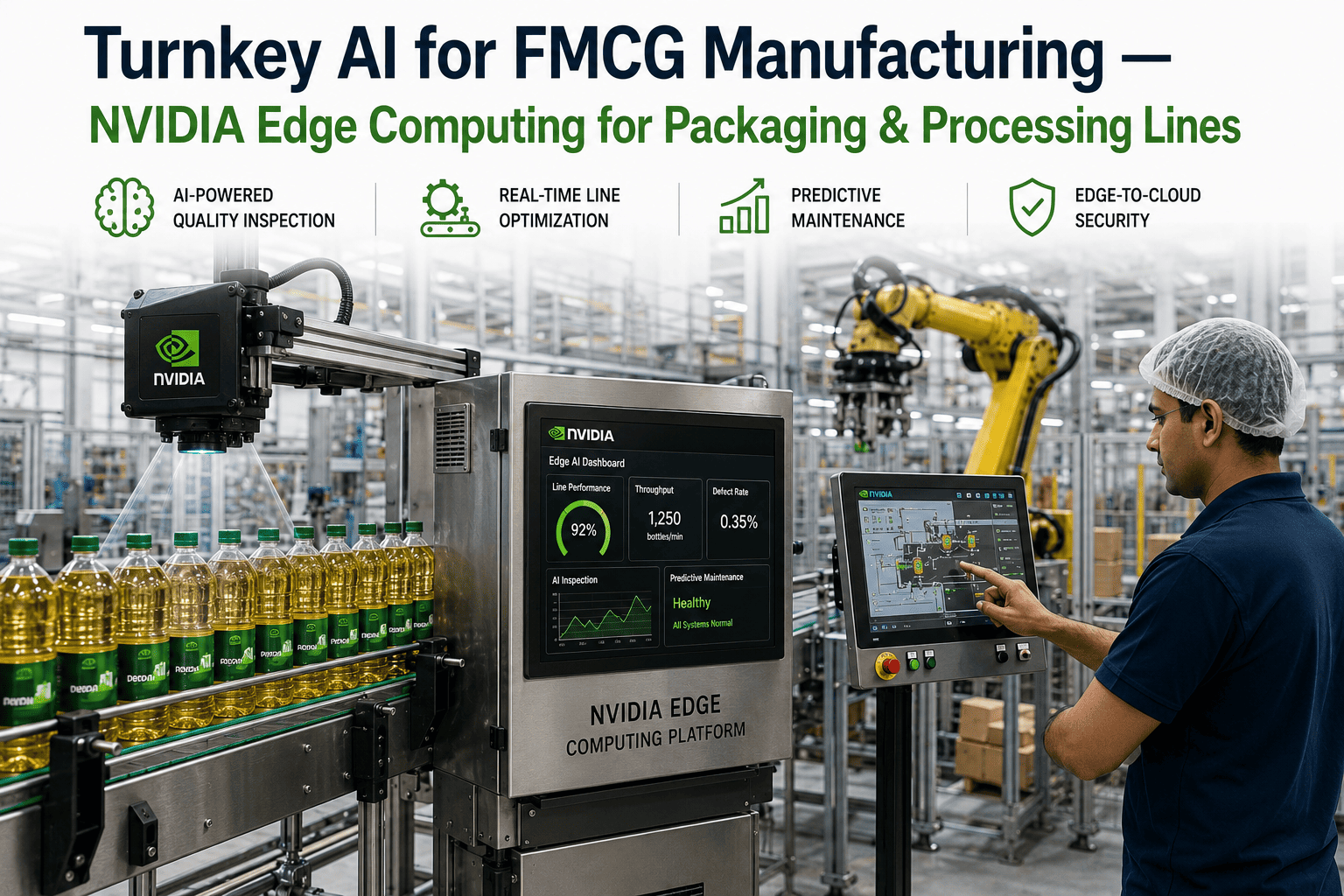
Most AI deployment timelines in manufacturing get killed by the same thing: months of custom integration work before a single camera or sensor produces a usable insight. A VP of Operations evaluating AI for packaging and processing lines doesn't need another year-long systems integration project — they need working analytics on fillers, conveyors, mixers, and utilities that a plant can actually operate against within a fiscal quarter. iFactoryapp.com's turnkey approach pairs pre-configured NVIDIA edge computing hardware with food-safe AI models built specifically for FMCG production equipment, collapsing what used to be a multi-quarter integration effort into a deployment measured in weeks. What follows lays out how that turnkey model actually works and what "live in six to eight weeks" really means once you've committed to Book a Demo for a scoping call.
Why Custom AI Integration Projects Stall Out
A custom AI integration typically starts with a lengthy discovery phase to map every asset's data availability, followed by bespoke model development for each equipment type, followed by a hardware selection and procurement cycle, followed by an integration effort connecting all of it to plant systems. Each phase individually seems reasonable, but stacked together they routinely stretch a project from an intended few months into a year or more, and by the time the system is finally live, the original business case that justified the investment has often gone stale. VPs of Operations who have lived through one of these projects are understandably skeptical of the next AI pitch that promises fast results, because the industry's default delivery model simply isn't built for speed.
Pre-Configured NVIDIA Edge Units
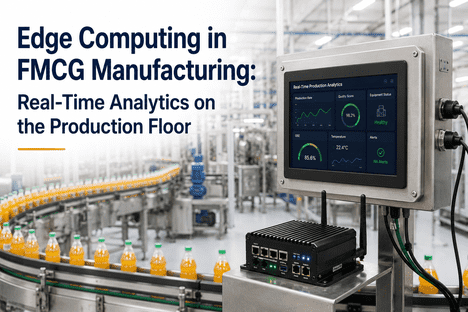
Edge computing hardware arrives pre-configured for FMCG production environments, eliminating the hardware selection and configuration cycle that typically consumes months of a custom project.
Food-Safe AI Models
Analytics models pre-trained for common FMCG equipment types — fillers, conveyors, mixers, utilities — adapted to each line rather than built from scratch for every deployment.
Standardized Connection Path
A defined, repeatable integration process connects edge hardware to existing plant systems, replacing bespoke integration engineering with a proven, tested pathway.
Phased Go-Live
Assets brought online in a structured sequence, with each phase validated before the next begins, so the plant sees working analytics well before the full deployment is complete.
What "Six to Eight Weeks to Live" Actually Includes
The turnkey timeline isn't a marketing simplification of a much longer real project — it reflects a genuinely different delivery model where most of the engineering work has already been done before the plant is ever engaged. The weeks that remain are spent on the parts that are inherently plant-specific: physical installation, connecting to the specific assets on your floor, and validating that the models are performing correctly against your actual production conditions rather than a generic benchmark.
| Deployment Phase | Typical Duration | Primary Activity | Plant Team Involvement |
|---|---|---|---|
| Site & Asset Scoping | Week 1 | Confirm asset list, data availability, network readiness | Plant engineering, IT |
| Hardware Installation | Weeks 2-3 | Physical placement and connection of edge units | Maintenance, facilities |
| Model Calibration | Weeks 3-5 | Adapt pre-trained models to your specific equipment and product mix | Process engineering |
| Validation & Go-Live | Weeks 6-8 | Confirm accuracy against real production, activate live dashboards | Operations, quality |
Coverage Across Packaging and Processing Equipment
A turnkey deployment isn't limited to a single asset type — it's built to cover the mix of equipment that actually makes up a packaging or processing line, since a plant rarely has value in monitoring just one machine in isolation while the rest of the line runs blind.
Fillers
Fill accuracy, cycle timing, and mechanical wear indicators tracked continuously against target specifications.
Conveyors
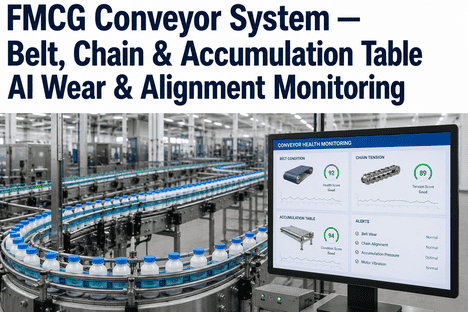
Jam prediction, belt tension drift, and throughput bottleneck detection across the line's material flow.
Mixers
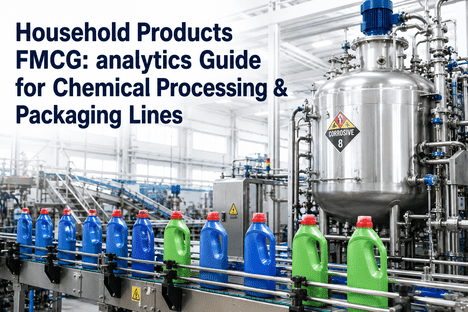
Motor load patterns and mixing consistency indicators flagged before a batch consistency issue occurs.
Utilities
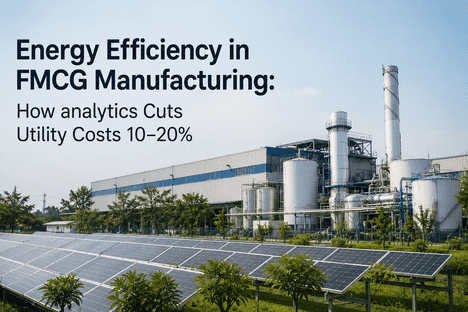
Compressed air, steam, and refrigeration systems monitored for efficiency drift and early failure signals.
What a VP of Operations Said About the Turnkey Model
We had evaluated two other AI vendors before this, and both proposals started with a six-month discovery and integration phase before we'd see a single dashboard. The turnkey approach was genuinely different — the hardware showed up pre-configured, the models already understood what a filler or a conveyor typically looks like, and our team spent their time on the parts that actually needed our specific knowledge instead of reinventing infrastructure that should have already existed. We had live analytics on our top three packaging lines inside of seven weeks.