A flexible packaging line rarely has one seal problem — it has three, because pillow packs, retort pouches and stand-up bags each fail in a different place and a different way. AI seal integrity software for flexible food packaging lines uses one trained vision model to read seal geometry, channel leaks and seal-bar contamination across all three formats at full line speed, instead of running a separate manual check for each. That matters because up to 40% of seal defects go undetected in flexible packaging systems today, and a third of global food waste traces back to packaging failures, according to FLIR's 2026 review of thermal and vision inspection.
One Trained AI Model, Three Pack Styles, Every Seal Checked
iFactory AI reads seal geometry, channel leaks and contamination signatures on pillow packs, retort pouches and stand-up bags from the same inspection station, so a format changeover never means a coverage gap.
What Is AI Seal Integrity Software?
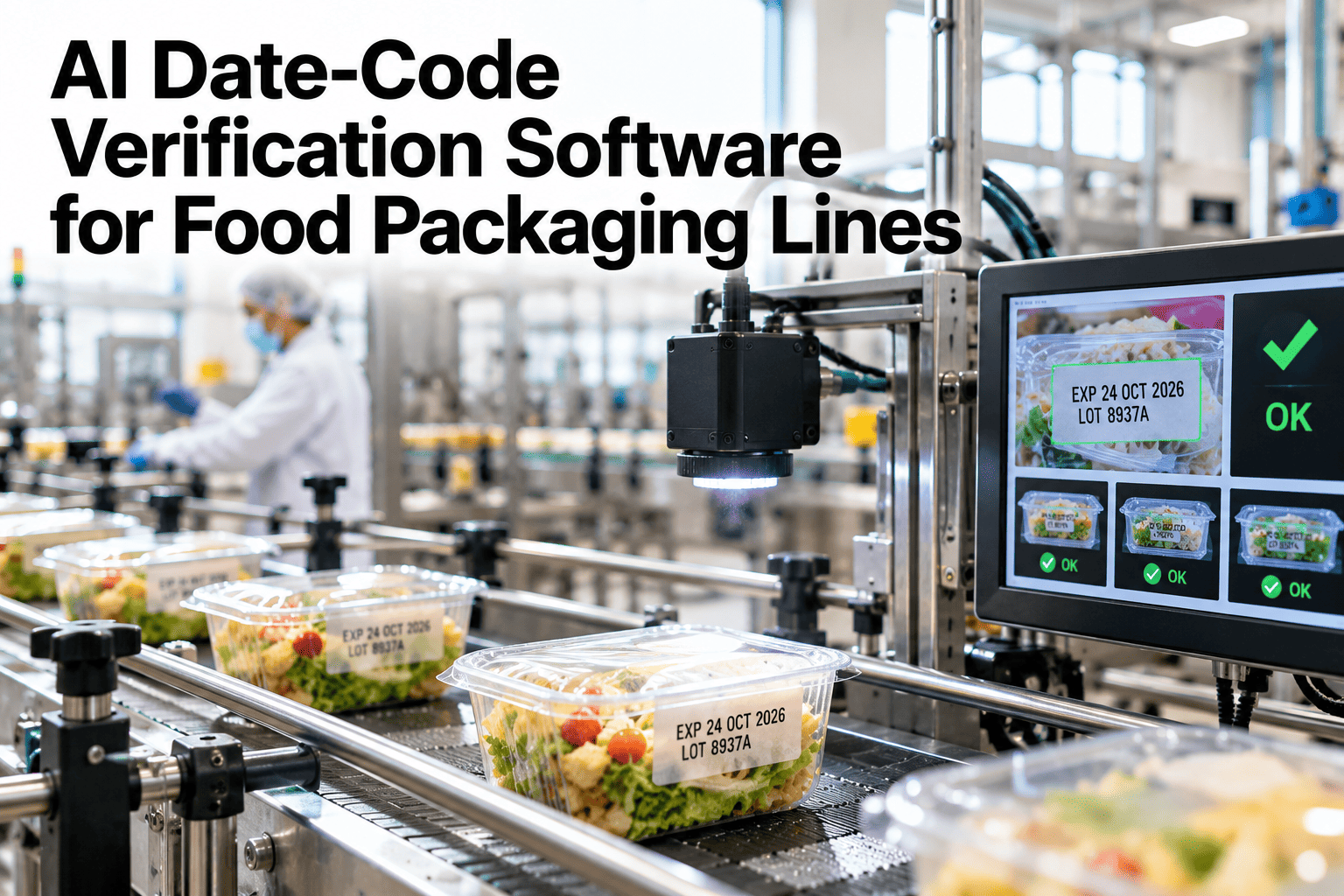
AI seal integrity software is a vision system trained to classify a seal as sound or defective from image and, where fitted, thermal data, on every unit at line speed. iFactory, an on-premise AI platform for food and beverage packaging inspection, runs this model against live camera frames at the sealing station and flags a reject before the pack reaches the carton.
Why the Same Defect Looks Different on Three Pack Styles
Pillow packs, retort pouches and stand-up bags share a seal station in name only. Geometry, film thickness and seal length differ enough that a model trained on one format often misreads the next.
Pillow Packs
Fin and end seals run fast and short, so fish-eyes and skips at the fin overlap are the common escape.
Retort Pouches
Thicker laminate and a longer seal dwell mean contamination trapped in the seal is the dominant failure mode.
Stand-Up Bags
The gusset corner and spout junction carry most of the risk, where three seal planes meet at once.
What a Format Comparison Looks Like in Practice
A single reject-rate number hides which format is driving it. Splitting the check by pack style is what lets a quality team act on the right station.
| Pack Style | Primary Risk Point | Typical Escape Mode | What AI Vision Reads |
|---|---|---|---|
| Pillow pack | Fin seal overlap | Fish-eye, skipped seal | Seal width, wrinkle pattern |
| Retort pouch | Full seal dwell zone | Product trapped in seal | Contamination signature, seal color |
| Stand-up bag | Gusset corner, spout | Channel leak at junction | Corner geometry, junction contrast |
Seal integrity is best treated as a property of the whole packaging system rather than a single pass or fail reading, a point echoed in Packaging Gateway's November 2026 review of why heat seals fail, which is why format-aware classification matters more than a single blended accuracy score.
Check Your Own Three Formats on One Call
Bring footage or samples from your pillow pack, pouch and stand-up lines and see how one model scores all three.
How One Model Is Trained to Cover All Three Formats
Coverage across formats is a training and deployment sequence, not a single setting. iFactory builds it in four stages.
Common Mistakes When Inspecting Multiple Pack Formats
Frequently Asked Questions About AI Seal Integrity Software
Can one AI model really cover pillow packs, pouches and stand-up bags?
Yes, when the model is trained on defect classes specific to each format rather than one generic seal class. iFactory builds a shared inspection pipeline with format-specific classifiers, so a changeover does not create a blind spot. See the multi-format setup on a call before committing to one camera position.
How is this different from a standard seal strength test?
A strength test measures how hard a seal resists pulling apart, which is one property among several. Vision inspection adds channel and contamination detection, catching the failures a strength test alone would miss. Ask support how the two methods complement each other for your specific product.
What does a typical seal defect rate look like before inspection is added?
Industry reporting puts a meaningful share of seal defects as undetected on flexible lines running without inline verification, with packaging failures linked to a sizeable share of global food waste. Book a review to see your own baseline before comparing against any industry figure.
Do we need new cameras for every pack format we run?
Not necessarily. The camera position is usually set by the seal station geometry rather than the pack style, so one station often covers several formats once the software is trained on each. Share your seal station layout with support to confirm coverage for your specific line.
How long before the model is reliable on a new format?
A first classifier can run within the initial rollout weeks, but confidence builds through calibration against a checked sample, and formats with more seal variability need more examples before the model earns trust. Walk through a calibration timeline for your specific pack mix.
Cover Every Format From One Seal Inspection Station
iFactory AI trains one model to read seal integrity across pillow packs, pouches and stand-up bags. Book a walkthrough on your own packaging formats.