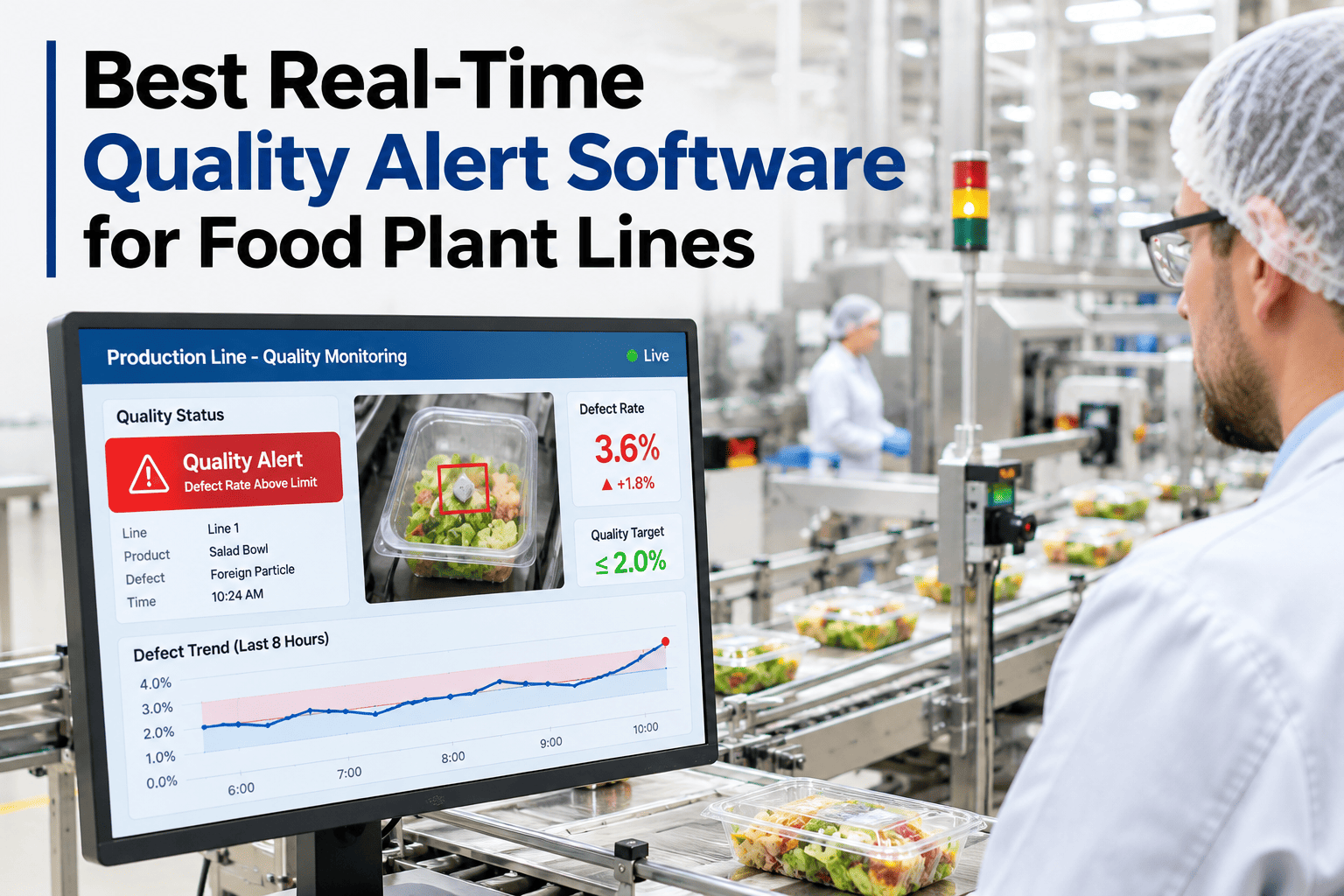
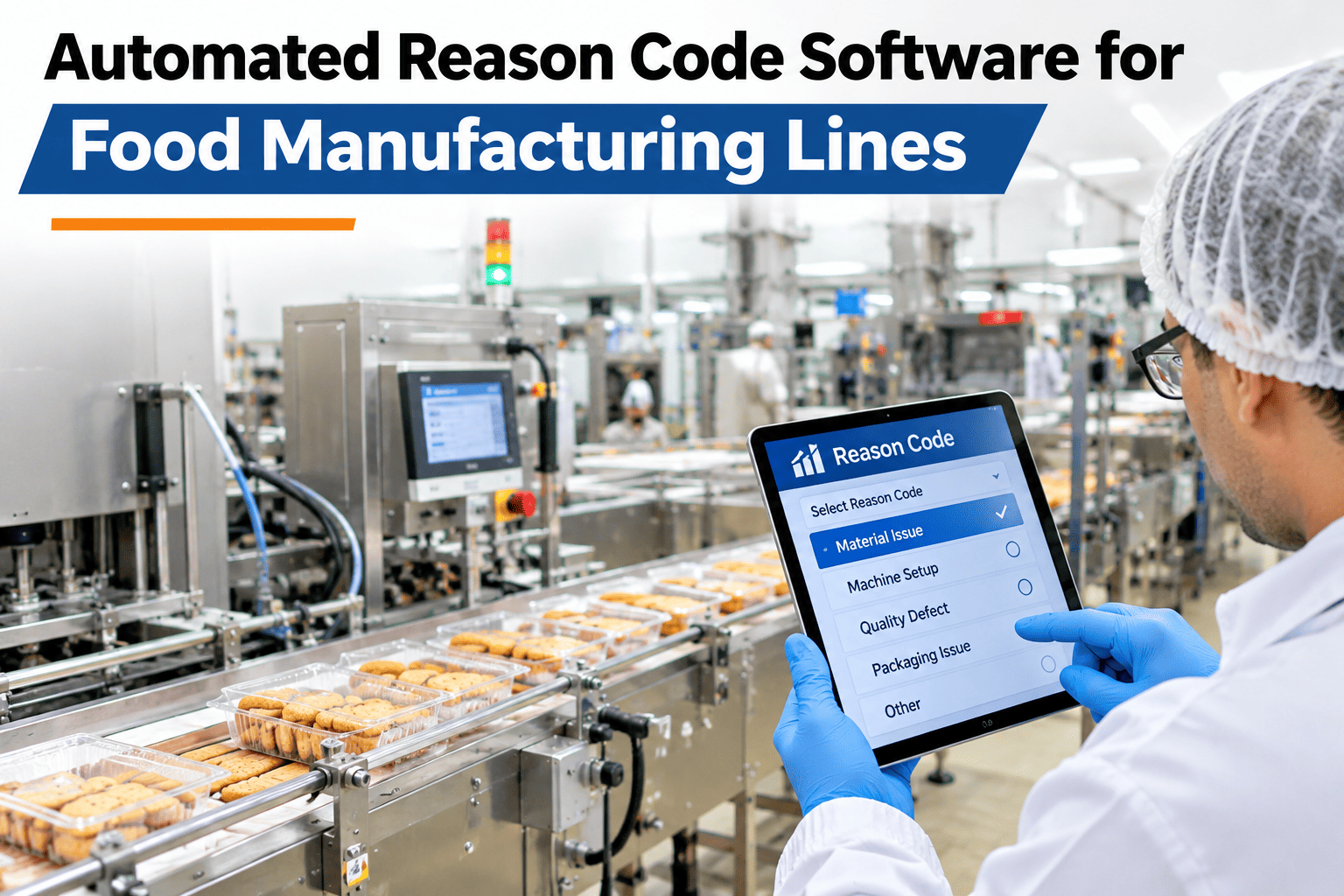
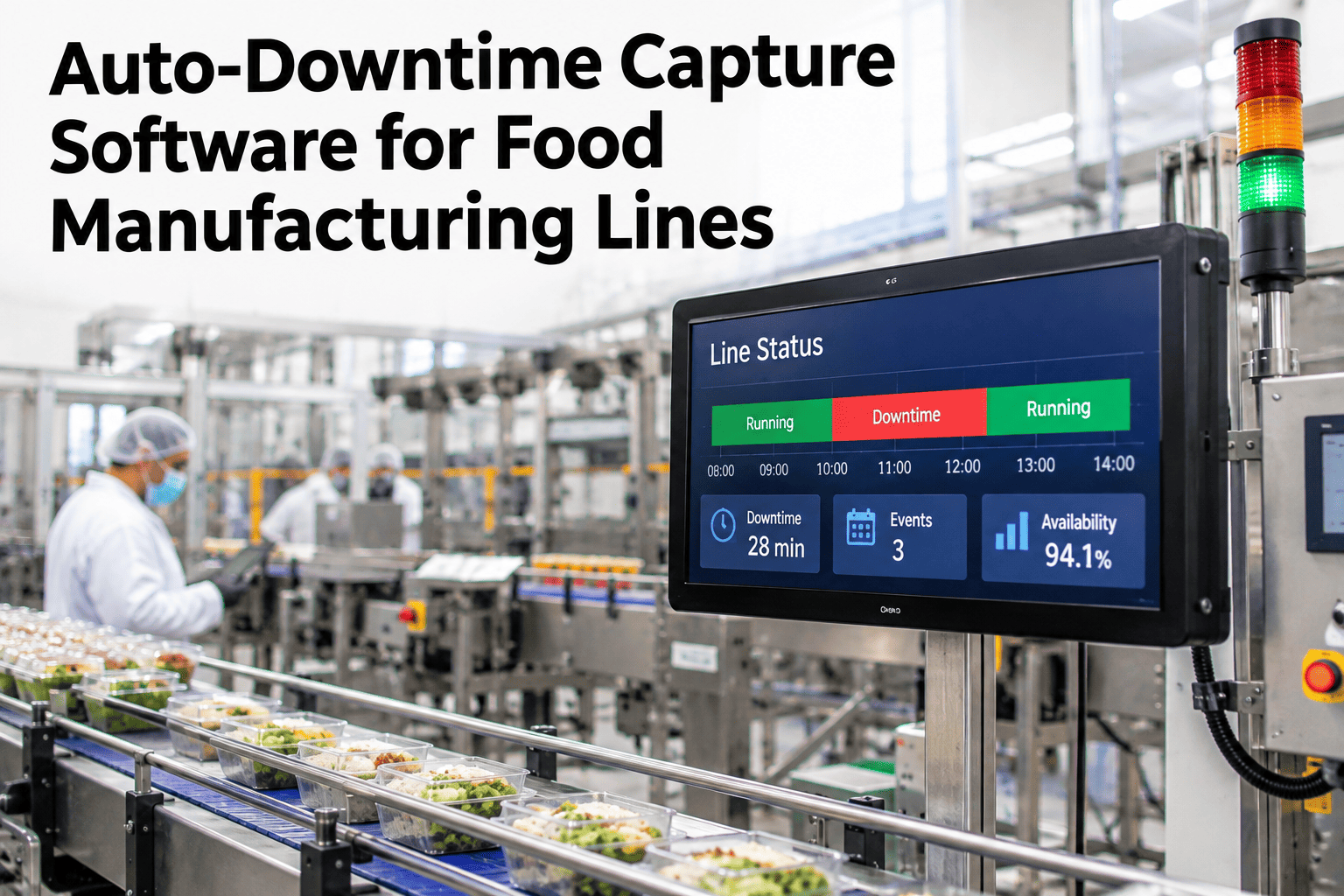
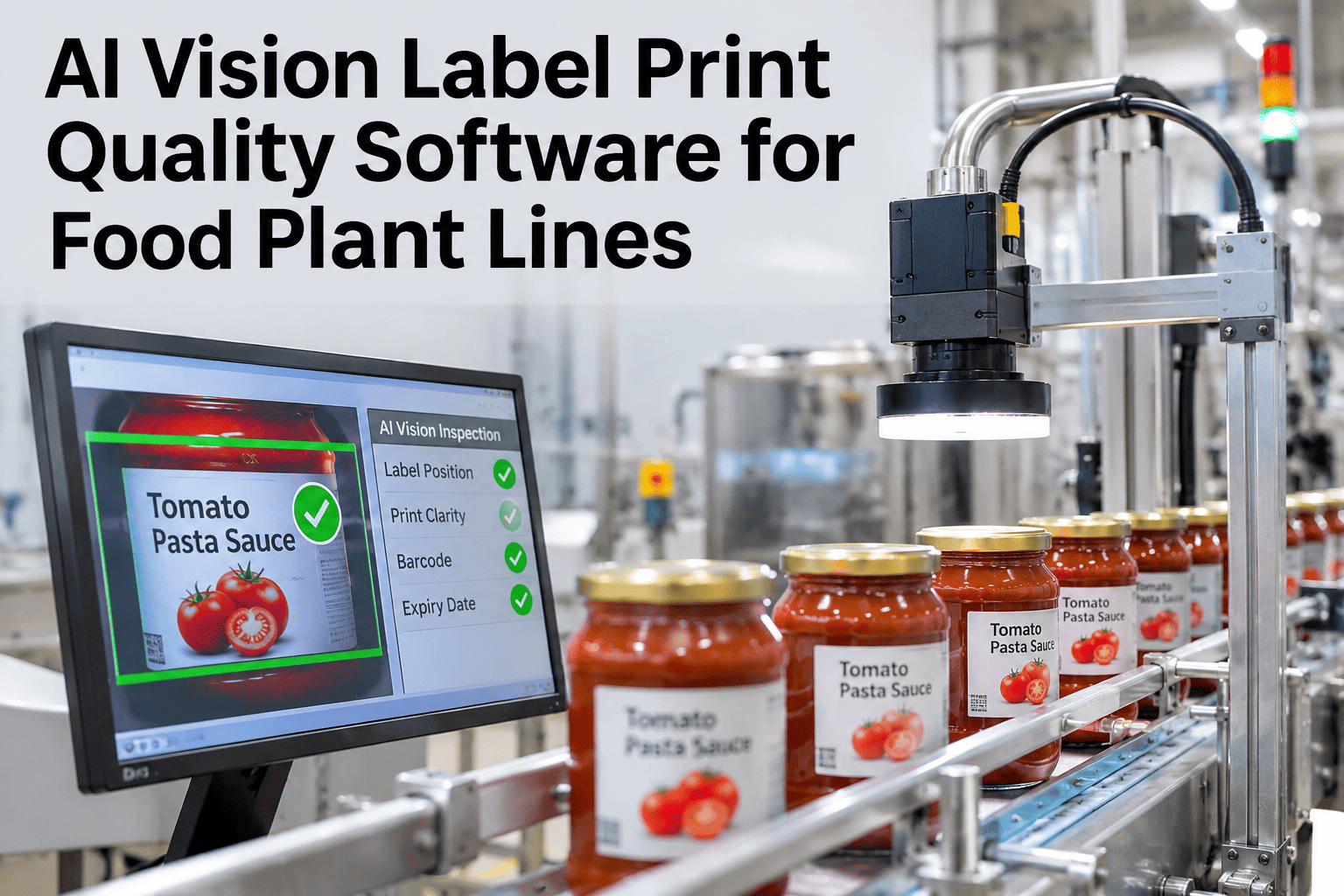
A quality issue caught at the process step where it originated can be corrected in minutes, while the same issue discovered at final inspection or, worse, after shipment, has already traveled through every downstream step and multiplied in cost along the way. The gap between those two outcomes is entirely about speed, specifically whether a quality risk detected at the process level reaches an operator with a clear action fast enough to actually change the outcome. Closing that gap to under a minute from detection to operator action is what turns real-time quality alerting from a dashboard feature into something that actually prevents defects, and our team can walk you through how this speed is achieved on your own lines.
Food plant lines, real-time quality alerts
Close the Gap From Detected Risk to Operator Action to Under One Minute
iFactory AI detects a quality risk at the process step and delivers a clear operator action within one minute, closing the window where defects would otherwise multiply downstream.
Why late detection costs more
The Same Issue Costs More at Every Step Downstream
A quality issue caught at the process step that caused it needs only a local correction, but the same issue discovered at final inspection has already been built into every unit produced since, and discovered after shipment it has become a customer complaint or a recall exposure.
Caught at the process step
Correction happens locally, cheaply and fast
Caught at final inspection
Every unit since the issue started is already affected
Caught after shipment
The issue is now a customer-facing problem
Cost compounds with each step
Speed of detection determines the scale of the consequence
Three speed requirements
What a Genuinely Real-Time Alert System Needs
Process-level detection
Risk identified at the specific step, not only at a downstream inspection point.
Immediate operator delivery
The alert reaches the operator who can act, not just a dashboard nobody is watching.
Clear action, not just a flag
The alert tells the operator what to check or adjust, not just that something is wrong.
Check Your Current Detection-to-Action Time
Share how your current quality system detects and communicates issues and see where time is being lost.
Timing comparison
Where Time Gets Lost in a Typical Quality Response
| Detection point | Typical time to operator action | What is lost |
|---|
| Process-level real-time alert | Under one minute | Minimal, correction happens immediately |
| End-of-line inspection | Minutes to an hour | Units produced during the delay |
| Batch or shift-level review | Hours | An entire batch or shift of affected product |
| Customer complaint | Days to weeks | Shipped product and customer trust |
Alert pipeline
Four Steps From Process Risk to Operator Action
1
Detect at the process step
The model identifies a quality risk as it develops, not after the fact.
2
Route to the right operator
The alert reaches whoever can actually act on that specific station.
3
Deliver a clear action
The alert specifies what to check or adjust, not just that a risk exists.
4
Confirm the action closed the loop
The system logs whether the operator action resolved the risk.
Common pitfalls
Three Problems That Slow Down Real-Time Alerting
1
Alerts go to a dashboard nobody actively watches
A flagged risk sits unseen until someone happens to check the screen.
2
The alert names a problem but not an action
An operator who does not know what to check loses time figuring it out.
3
Detection happens only at end-of-line inspection
By the time the issue is caught, it has already affected many units.
Expert review
Speed to action matters more than detection accuracy alone, since even a perfectly accurate flag delivers no value if it sits unseen on a dashboard. The measure that actually counts is time from detection to a completed operator action, not time to detection alone.
Watch for
A quality alert system measured only on detection accuracy, with no tracking of how long it takes an operator to actually act.
Do next
Measure your current detection-to-action time on a recent quality issue before evaluating any new alert system.
— iFactory food quality specialists
Frequently asked questions
What Plants Ask About Real-Time Quality Alerts
How is the alert actually delivered to the right operator?
Alerts are typically routed to a device or display at the specific station involved, rather than a general dashboard, so the operator who can actually act sees it immediately without needing to be monitoring a separate screen.
Ask about your line's alert delivery.
Can this work on a high-speed line where there is little time to react?
Process-level detection is designed to catch a developing risk before it affects many units, even at high speed, so the alert often comes early enough for a meaningful correction rather than after the issue has already run through many units.
Discuss your line speed.
What if the operator cannot resolve the alert themselves?
The system can escalate to a supervisor or quality lead if the initial action does not resolve the risk, so the one-minute target reflects the operator's first response, with escalation paths defined for issues that need more than that.
Talk through your escalation process.
How does the system know what action to recommend?
The recommended action is tied to the specific factors contributing to the flagged risk, so an operator sees guidance relevant to what is actually happening rather than a generic warning.
Ask about action recommendations.
Can we track whether alerts are actually being resolved?
Yes, logging whether an operator's action resolved the flagged risk gives a measurable close-the-loop record, which is useful both for day-to-day quality management and for demonstrating the system's actual impact over time.
Discuss tracking alert resolution.
From a dashboard nobody watches to an action taken in a minute
Give Your Operators the Speed to Actually Prevent a Defect
Book a session with iFactory AI to review your line and see how real-time quality alerting fits your process.