An FDA investigator does not need to find a dirty tank to write a 483 observation — a missing CIP record for a cycle that ran three weeks ago is often enough on its own, because the absence of documentation is treated the same as evidence the cleaning never happened. Most plants clean thoroughly and consistently, but their record keeping tells a much shakier story: gaps in paper logs, illegible handwriting, cycle parameters transcribed from memory after the fact, and no clear trail connecting a specific CIP cycle to the batch it validated. Rebuilding that trail into something an auditor can trust is less about buying new software and more about deciding, in advance, exactly what a defensible record has to contain, which is where a free CIP documentation review can save weeks of audit prep.
What Auditors Are Actually Looking For
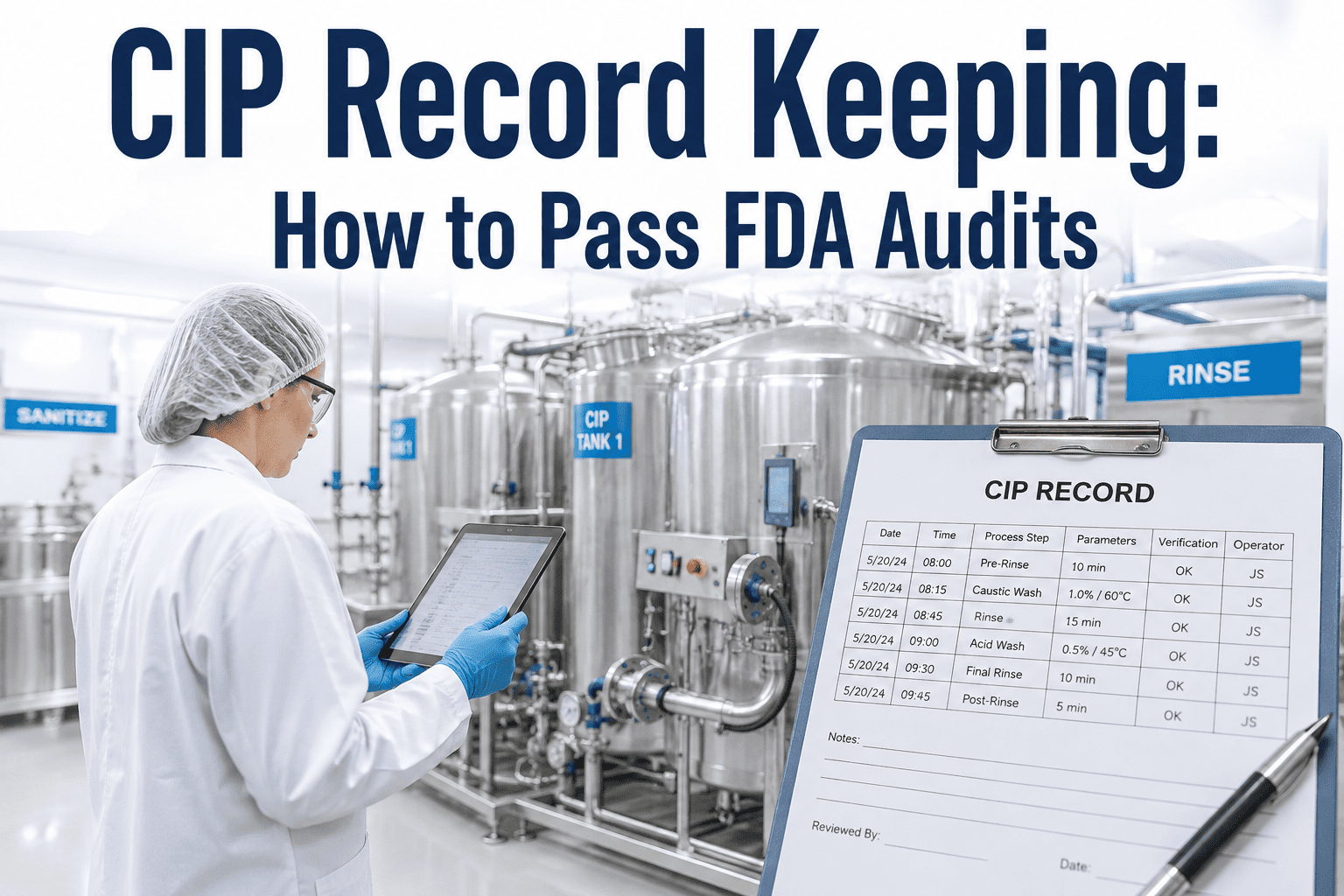
Investigators reviewing a CIP program are not evaluating whether your cleaning chemistry is well chosen — they're evaluating whether your records can reconstruct exactly what happened during a specific cycle, tied to a specific piece of equipment, on a specific date, without gaps. A record that shows a cycle ran but not at what temperature is nearly as weak as no record at all, because the temperature is what proves the cleaning was effective rather than just attempted.
Paper Logs vs Digital CIP Records
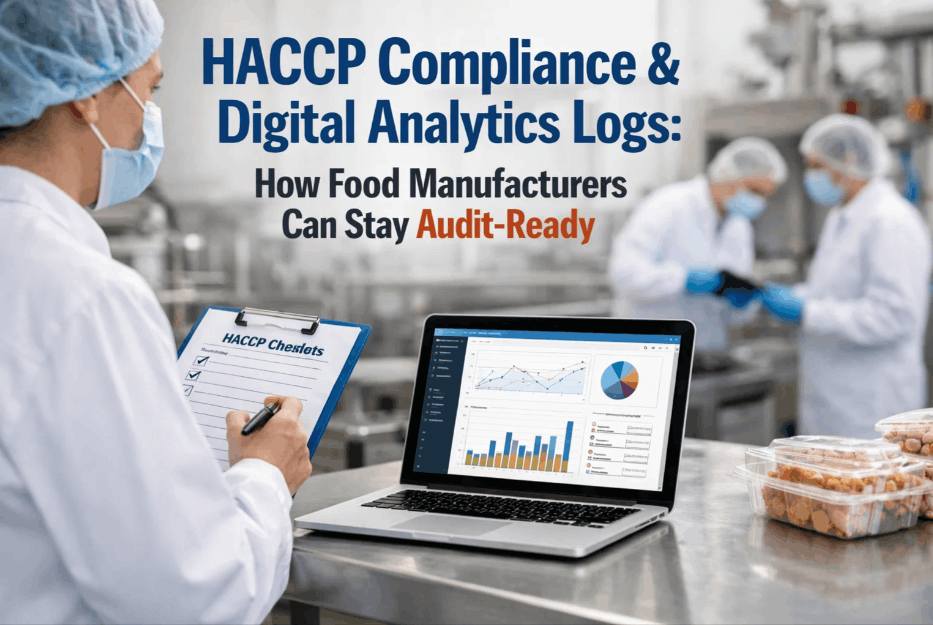
Paper logs remain common because they are cheap to start and familiar to operators, but they carry structural weaknesses that show up precisely when they matter most — during an audit walkthrough, when an investigator asks to see three months of records for a specific line and the binder has gaps, illegible entries, or pages that were clearly filled in all at once rather than in real time.
| Factor | Paper Logs | Digital Records |
|---|---|---|
| Timestamp accuracy | Manually written, easy to backfill | Automatically captured at time of event |
| Legibility | Depends on handwriting | Always consistent and searchable |
| Retrieval speed during audit | Manual search through binders | Filter by date, line, or parameter instantly |
| Deviation flagging | Relies on operator noticing manually | Automatic alert when a parameter falls out of range |
| Long-term storage | Physical space, risk of damage or loss | Centralized, backed up, easily retained for years |
Why Records Fail Audits Even When Cleaning Was Fine
Documenting a CIP Deviation Correctly
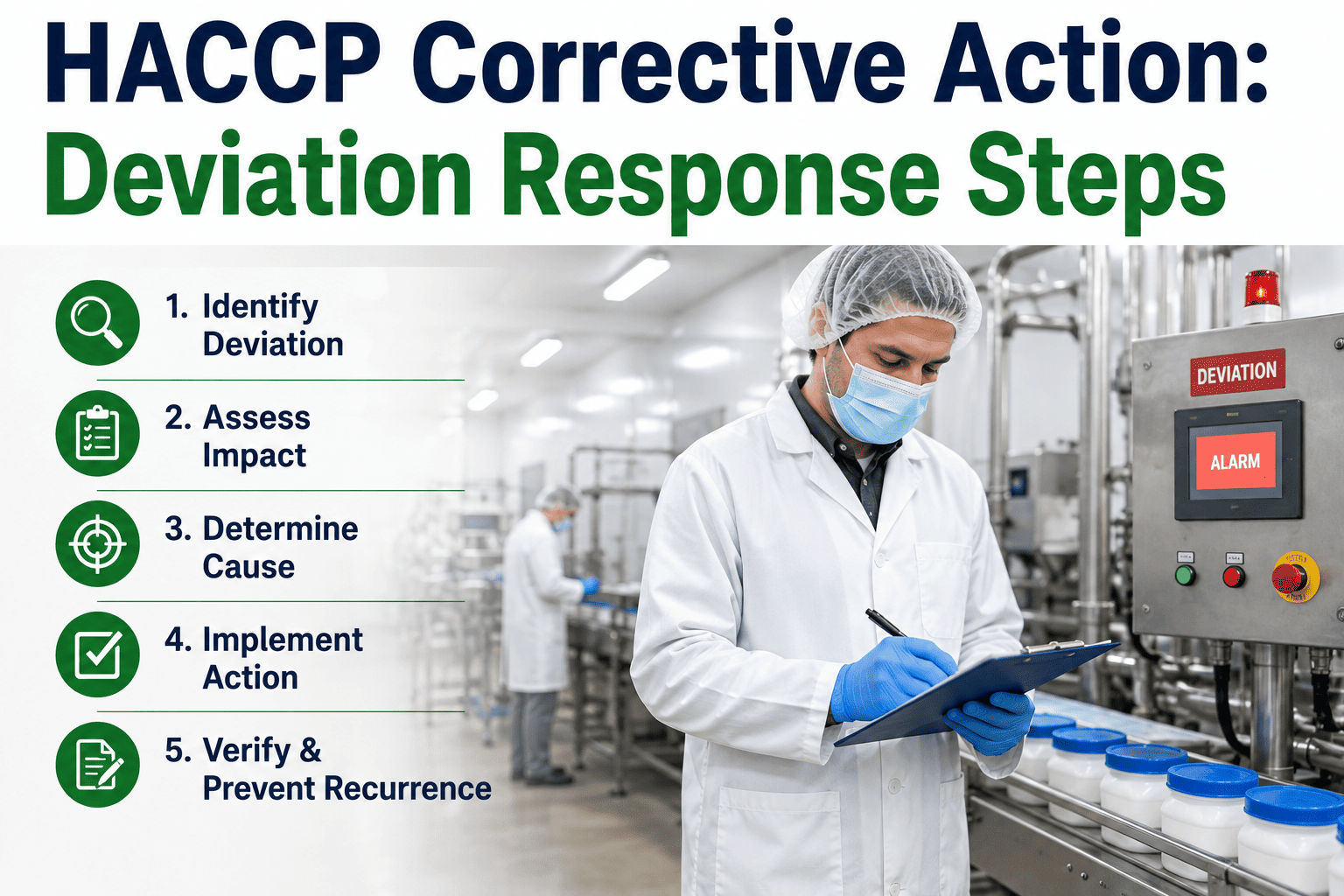
A deviation is not a failure of your food safety program — a deviation that is caught, documented, and corrected is evidence the program is working. What auditors want to see is a clear, dated record of what parameter fell out of range, what corrective action was taken, whether the affected product was held or released, and who signed off on the disposition decision. A deviation record with no disposition decision is one of the fastest ways to turn a minor finding into a major one.
Corrective Action Tracking Over Time
A single deviation record is a snapshot, but auditors increasingly look for trend data — whether the same line, the same parameter, or the same shift is generating repeated deviations, because a pattern points to a systemic issue rather than a one-off event. Plants that only log individual deviations without ever reviewing them in aggregate miss the chance to fix a recurring root cause, and they also miss the chance to demonstrate to an auditor that their food safety system genuinely improves over time rather than just reacting to problems as they occur.
Retention and Retrieval Requirements
Most GFSI-benchmarked schemes and FDA guidance expect cleaning and sanitation records to be retained for at least the shelf life of the product plus a defined buffer, and in practice many plants retain CIP records for a minimum of one to two years regardless of product shelf life, since that window covers the vast majority of audit and traceability requests. Retention alone is not enough — records also need to be retrievable within a reasonable timeframe during an audit, and a common failure mode is technically retaining the data somewhere but being unable to produce it quickly when asked, which reads to an investigator as functionally equivalent to not having it at all.