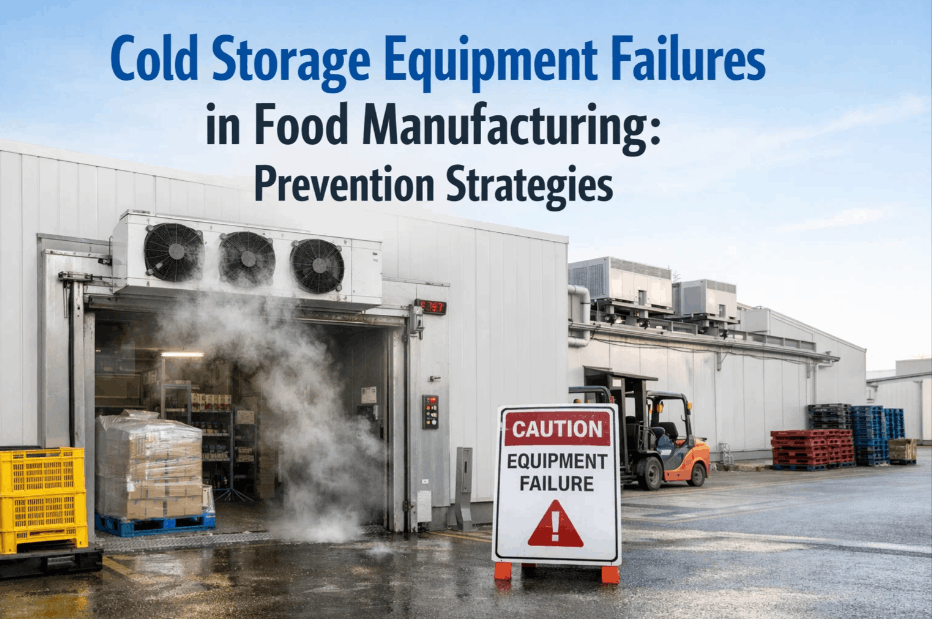
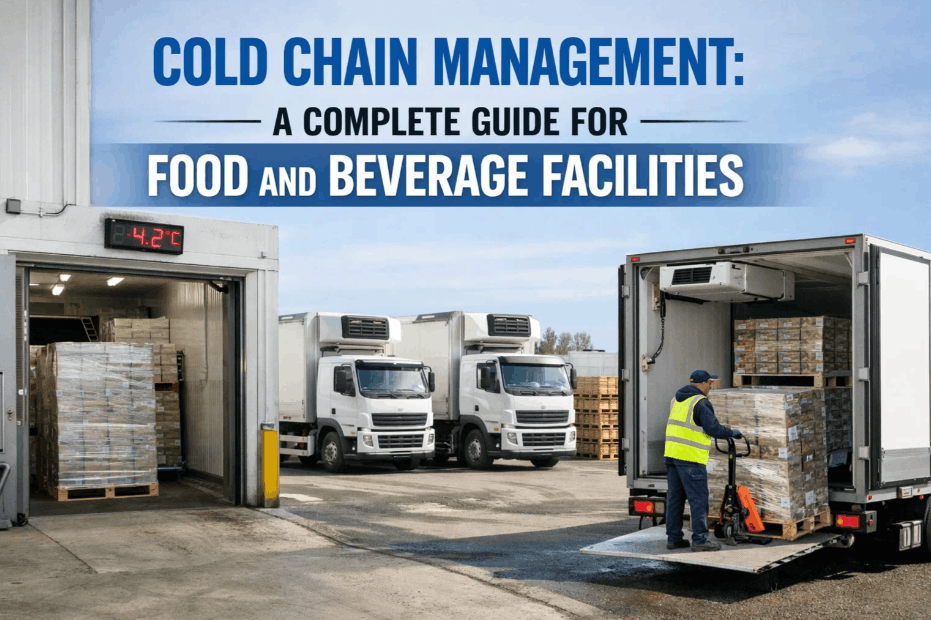
Most cold chain failures aren't a mystery after the fact — a generator that hadn't been tested in months, a route with no fallback during a storm, a compressor nobody was watching closely enough to catch drifting early. What separates resilient operations from fragile ones isn't luck, it's whether those vulnerabilities were mapped and mitigated before they turned into a spoiled shipment. A formal risk assessment forces that mapping to happen on paper instead of during a crisis. This guide walks through the vulnerability categories every cold chain should audit, and where iFactory Support fits into building that plan.
Cold Chain Risk Assessment: The Vulnerability Checklist
Power failure scenarios, equipment redundancy gaps, and contingency planning — a structured way to find the weak points before they find you.
Four Categories of Cold Chain Vulnerability
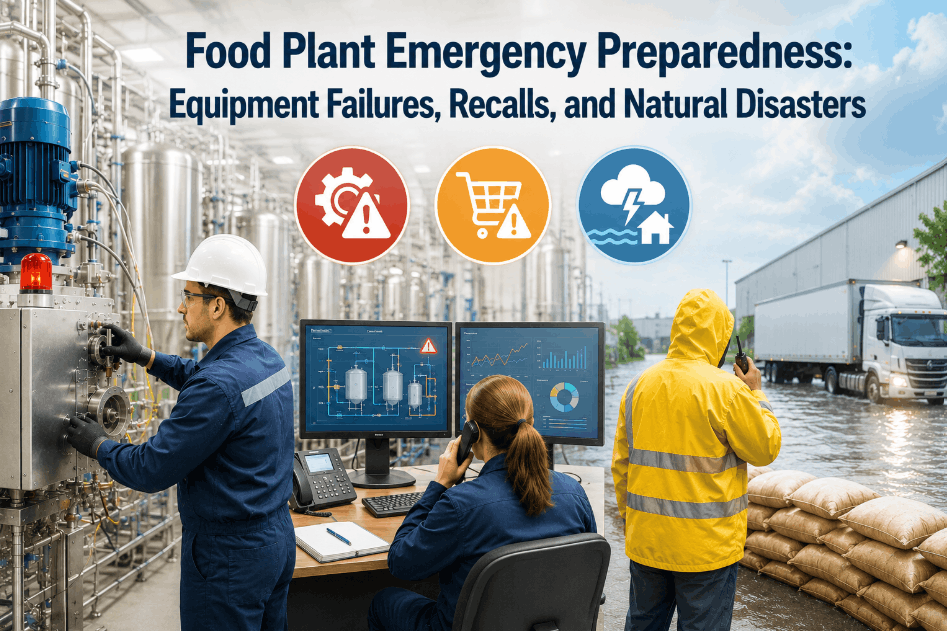
Grid outages, generator failures, and untested backup systems are among the most common causes of catastrophic temperature loss at a facility.
Aging refrigeration units, deferred maintenance, and a lack of redundant systems turn a single compressor failure into a total loss event.
Incorrect temperature settings, mishandled goods, and communication lapses account for a meaningful share of cold chain failures despite modern technology.
Storm surges, heat waves, and winter disruptions affect frozen and refrigerated freight differently by region, and single-route dependency amplifies the risk.
A Simple Risk Priority Matrix
Not every vulnerability deserves the same level of investment. Ranking risks by likelihood and impact helps decide where redundancy spend and monitoring upgrades pay off fastest.
| Risk | Likelihood | Impact | Priority Action |
|---|---|---|---|
| Grid power outage | Moderate | Severe | Test backup generators on a fixed schedule |
| Single point of equipment failure | Moderate | Severe | Add redundant refrigeration or backup units |
| Route disruption during weather events | Seasonal | Moderate | Pre-plan alternate lanes and carriers |
| Manual temperature logging errors | High | Low to moderate | Shift to continuous automated monitoring |
Building the Contingency Plan
Turn this checklist into a monitored, documented plan
iFactory connects continuous temperature monitoring to automated alerts and escalation paths, so a risk on paper becomes a risk you can actually see and respond to in real time.
Frequently Asked Questions
How often should a cold chain risk assessment be repeated?
Most operations benefit from a full review at least annually, with a lighter check-in whenever a new facility, route, or major piece of equipment is added. Risk factors also shift seasonally, so a plan built without accounting for regional weather patterns — storm surges, heat waves, or winter disruptions depending on the facility's location — will have blind spots that only show up when conditions actually change.
What's the single highest-impact investment for reducing cold chain risk?
There isn't one universal answer, since it depends on where your specific vulnerabilities sit, but redundant power and monitoring systems consistently rank among the highest-return investments because a single power failure can cause a total loss across an entire storage room. Pairing that redundancy with continuous, automated temperature monitoring closes the gap between when a problem starts and when someone actually notices it.
How much of cold chain failure is actually human error versus equipment failure?
Human error accounts for a meaningful share of cold chain failures despite significant investment in monitoring technology, often through incorrect temperature settings, mishandled goods, or communication lapses during a transition between storage areas. Standardized procedures and comprehensive training reduce this risk, but the most resilient operations pair training with automated monitoring that catches mistakes a person might miss.
Do we need backup facilities if our primary site has generator power?
Generator power addresses one failure mode, but not all of them — a generator can fail, run out of fuel, or simply be insufficient for an extended outage during a severe weather event. Formalized multi-region risk planning that includes backup temperature-controlled facilities within reachable lanes provides a second layer of protection that a single site, however well-equipped, cannot offer on its own. iFactory Support can help evaluate whether your current backup coverage is sufficient.
How does continuous monitoring change the risk assessment itself?
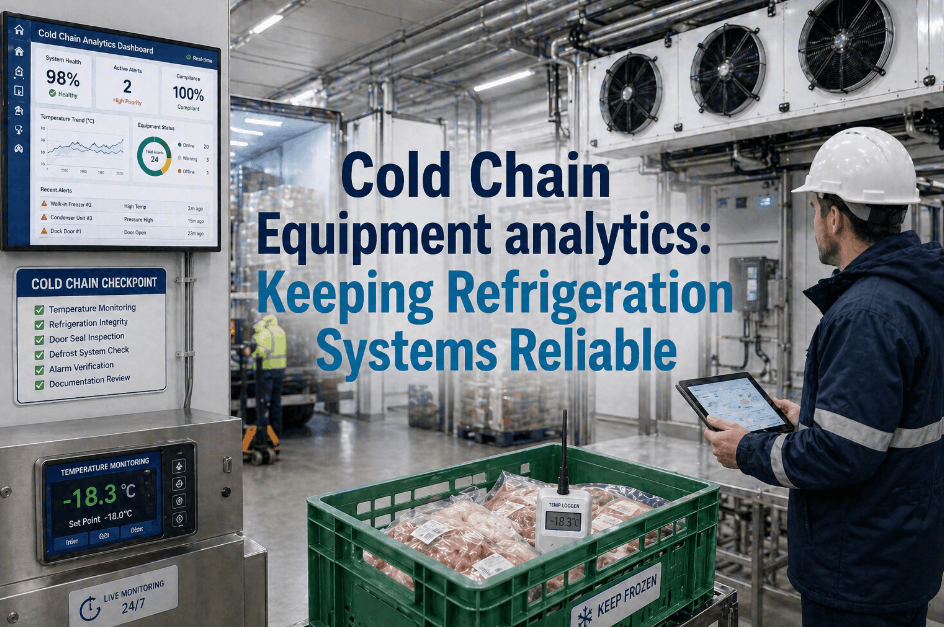
Continuous monitoring turns a risk assessment from a static, point-in-time document into something that gets validated constantly by real data — you can see whether your backup power actually held during the last outage, or whether a specific route consistently runs warmer than expected. That feedback loop is what lets a contingency plan improve over time instead of sitting untested until the day it's needed. Book a demo to see how live data feeds into an ongoing risk review.
Find your cold chain's weak points before they find you
iFactory combines continuous monitoring, automated alerts, and audit-ready documentation to turn a risk assessment into an operating system for cold chain resilience.