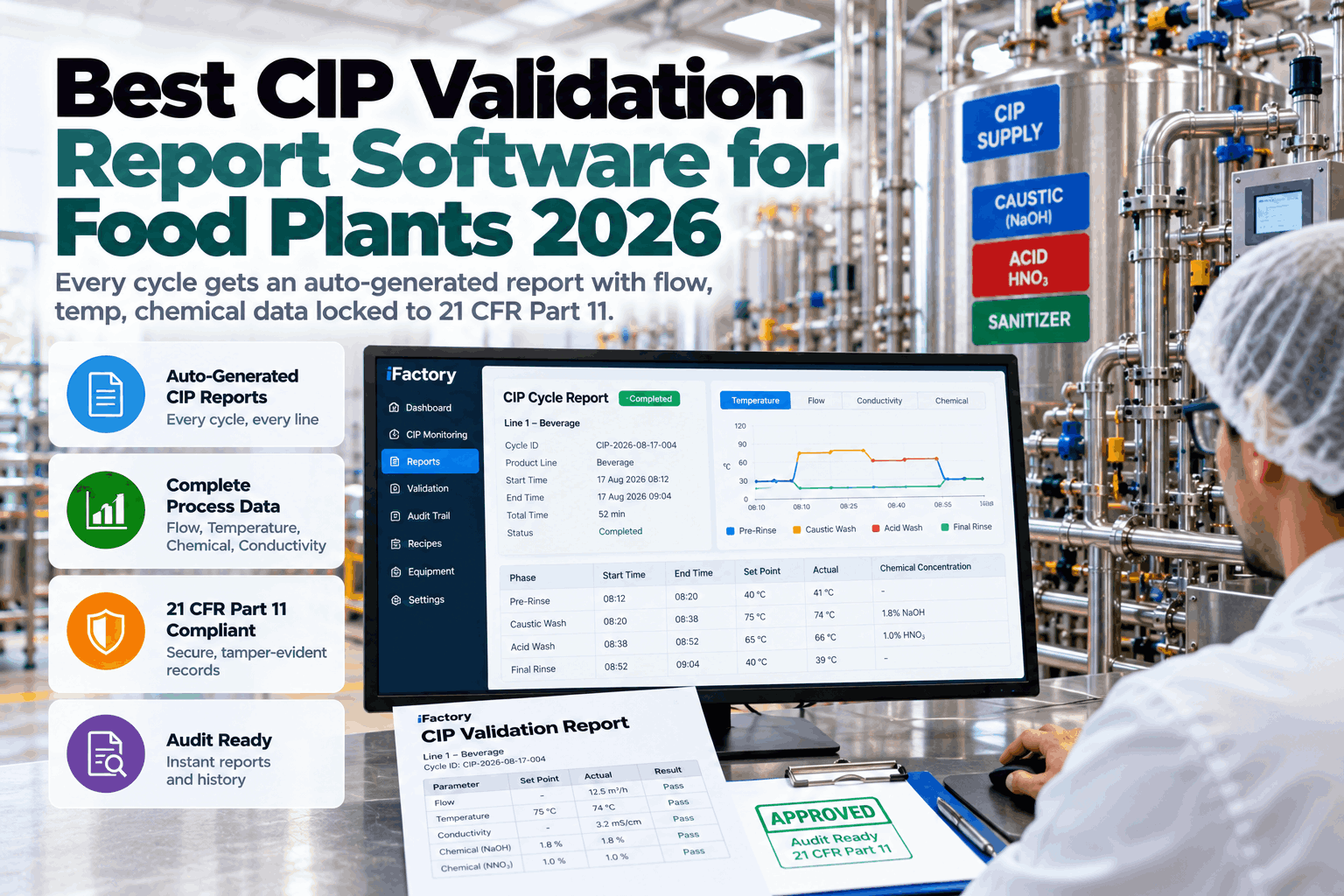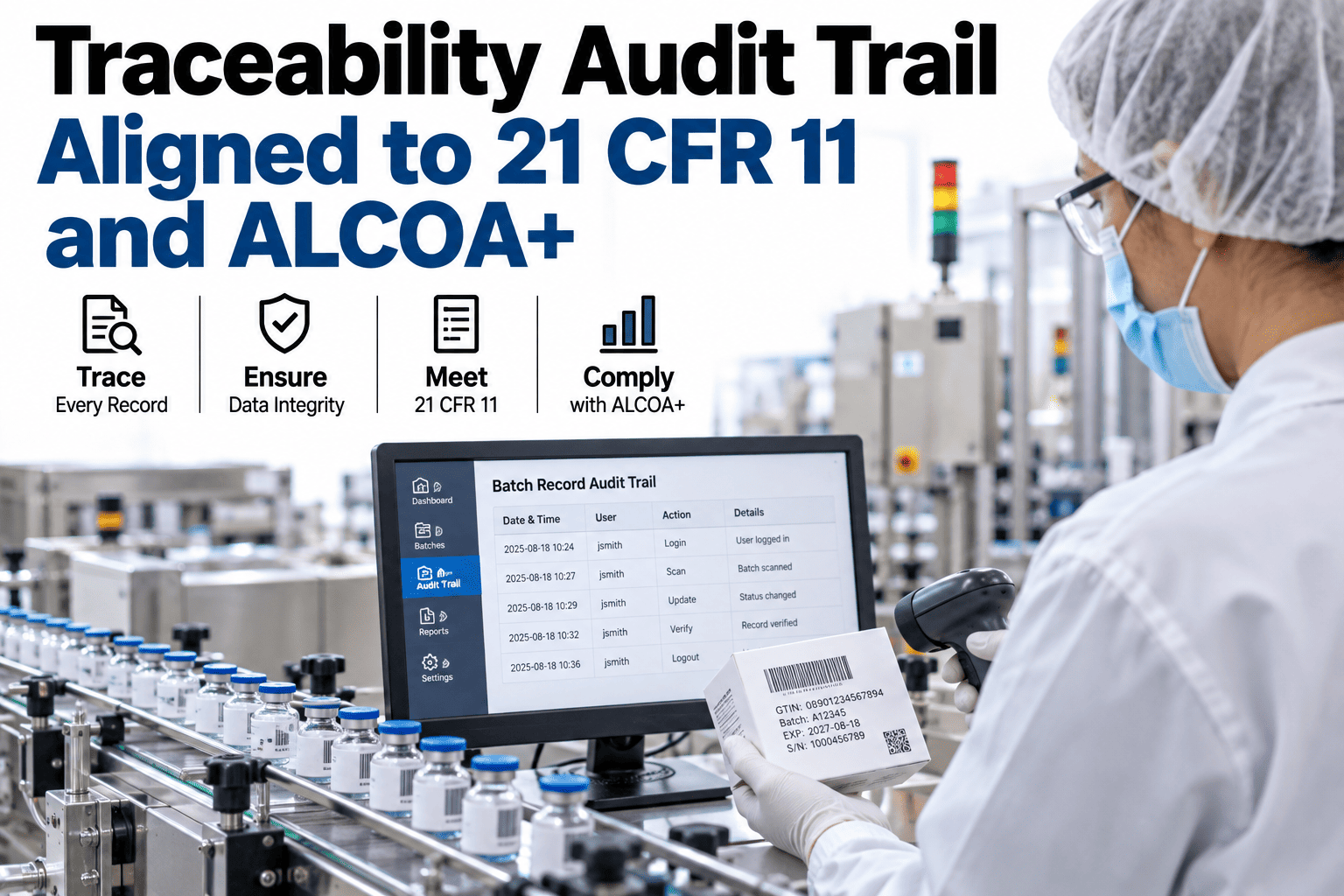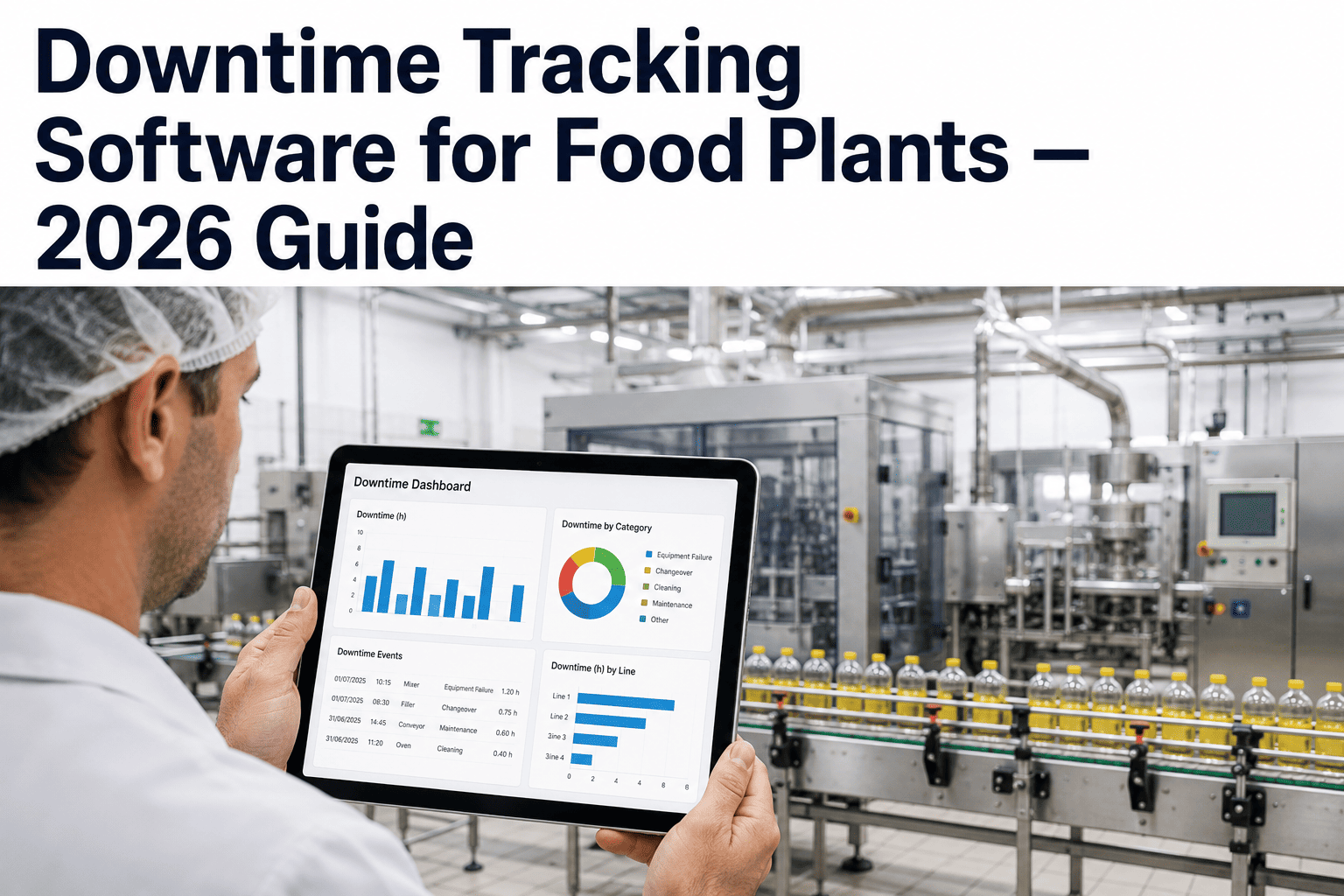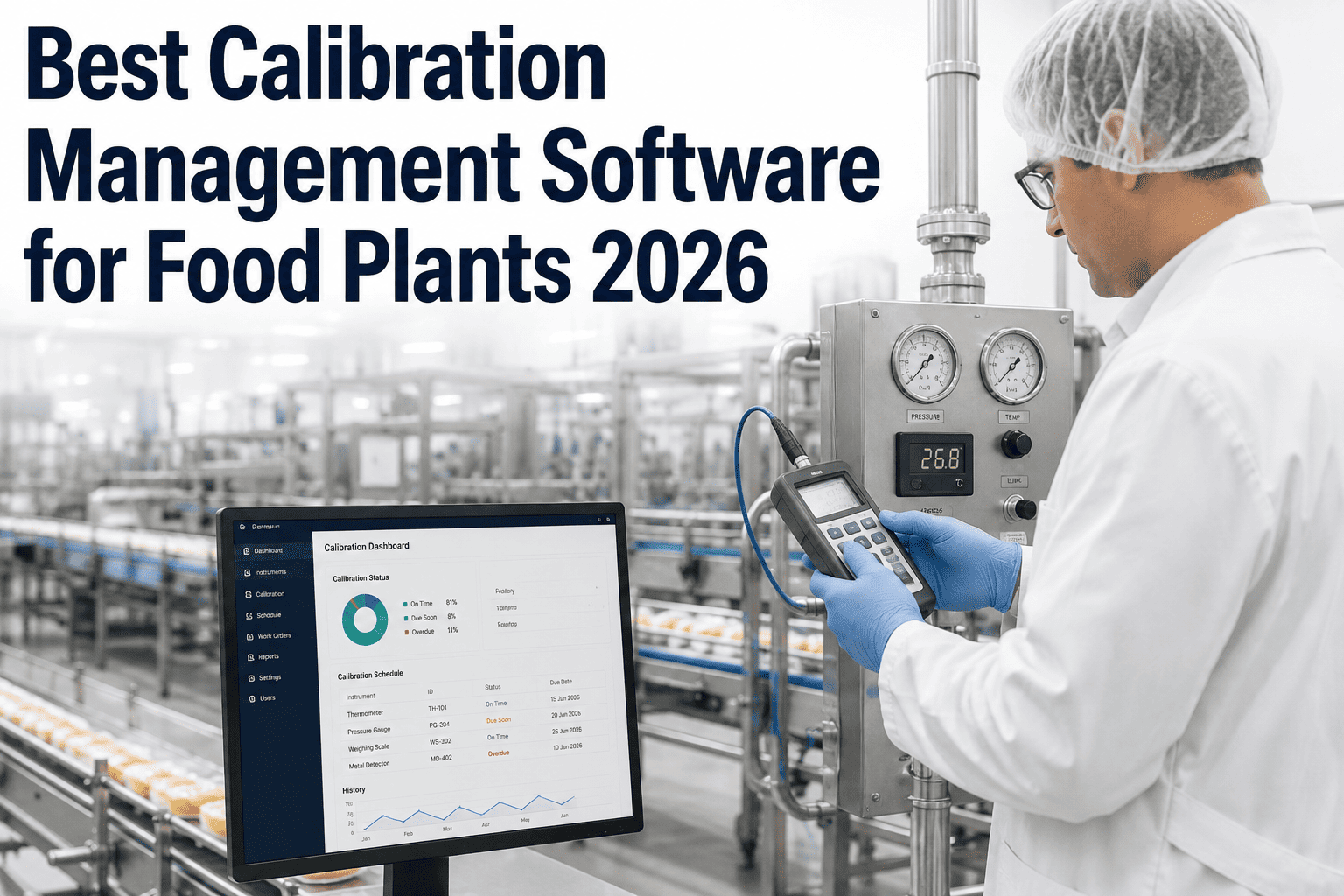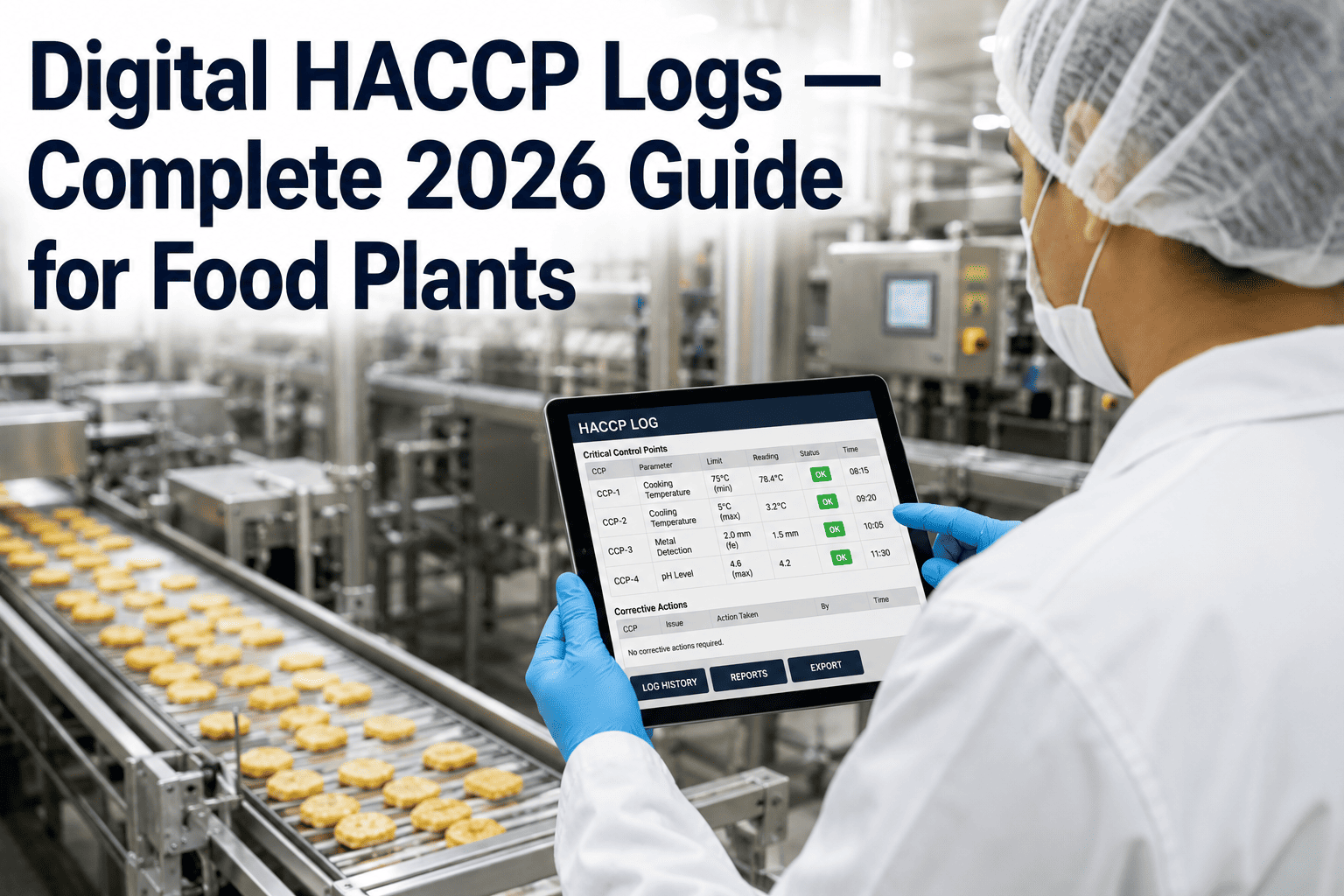
A digital HACCP log is not simply a paper form rendered on a screen — the value comes from what happens around the entry itself: whether an out-of-range reading gets validated at the point of capture, whether a supervisor's verification is time-stamped separately from the operator's original check, and whether the resulting record can be pulled for an auditor in minutes instead of hours. Food plants evaluating a move to digital HACCP logs in 2026 are choosing between platforms with meaningfully different approaches to these three things, and the difference matters far more than the interface's visual polish. See how real-time monitoring, supervisor verification, and audit-ready record output should be evaluated before selecting a digital HACCP log system.
The Complete Guide to Digital HACCP Logs for Food Plants
What actually separates a strong digital HACCP log platform from a digitized paper form — real-time monitoring, supervisor verification, and audit-ready output, evaluated against 2026 buyer criteria.
What Actually Makes a HACCP Log "Digital"
The lowest bar for a digital HACCP system is a tablet form that mirrors a paper sheet field for field — same blanks, same checkboxes, just typed instead of handwritten. That bar is too low, because it inherits paper's core weakness: an entry can still be made after the fact, an out-of-range reading can still be recorded without triggering any response, and there's still no structural difference between a check completed in real time and one backfilled at the end of a shift. A genuinely digital log changes what's possible at the moment of entry, not just the medium the entry is captured on.
What "Real-Time" Should Actually Mean
Vendors use "real-time" loosely, and it's worth pressing on what the term actually delivers during an evaluation. At minimum, real-time monitoring should mean that a QA manager can see the current status of every active CCP monitoring point across the plant without walking the floor — which checks are current, which are approaching their monitoring window, and which have already passed it without an entry. A system that only shows completed entries after the fact, with no visibility into checks still pending, is offering a digital archive rather than real-time monitoring, and the distinction matters most in exactly the situation HACCP programs exist to catch: a check that should have happened and didn't.
The stronger implementations extend real-time visibility to trend data as well, surfacing a CCP that's been trending toward its critical limit over several consecutive checks even though no single reading has crossed the line yet. That kind of pattern is invisible in a paper binder and easy to miss even in a basic digital log that only displays pass/fail status per entry, but it's exactly the kind of early signal that lets a plant intervene before a limit is actually breached.
See What Real-Time Monitoring and Verification Actually Look Like
iFactory's digital HACCP logs validate entries at the point of capture, preserve supervisor verification as a separate event, and return audit-ready records in minutes.
Why Verification Needs Its Own Digital Trail
| Evaluation Question | Weak Implementation | Strong Implementation |
|---|---|---|
| Is verification a separate action? | One checkbox covers both entry and verification | Supervisor verifies with a distinct, timestamped action |
| Can verification happen remotely? | Requires physical presence at the exact device | Supervisor can verify from any authorized device on the floor |
| What happens to unverified entries? | No escalation if verification is delayed | Unverified entries past a set window trigger an alert |
| Is verification history auditable? | Only the final status is stored | Full chain of entry and verification timestamps is preserved |
What "Audit-Ready" Should Mean in Practice
The real test of an audit-ready system isn't how the records look during a vendor demo — it's how quickly a QA director can respond when an auditor asks for a specific CCP's complete history across an arbitrary date range, mid-walkthrough, with no advance notice. A strong system returns that filtered record set in a couple of minutes as a clean, exportable report. A weaker one requires someone to manually search through digital files that were never structured for querying in the first place, which can end up taking nearly as long as searching a paper binder would have.
Beyond speed, audit-ready output also means the record itself withstands scrutiny — every entry traceable to a specific operator, every verification traceable to a specific supervisor, and no gap where an entry could plausibly have been altered after the fact without leaving a trace. This is where the timestamp integrity discussed earlier becomes directly relevant to audit outcomes rather than just an operational nicety, since an auditor's confidence in the record depends on trusting that what they're looking at reflects what actually happened on the floor.
Questions Worth Asking Every Vendor
Frequently Asked Questions
See a Digital HACCP Log Built for Real-Time Monitoring and Audit Speed
iFactory validates entries at capture, separates operator and supervisor verification, and turns audit requests into a minutes-long export instead of an hours-long search.