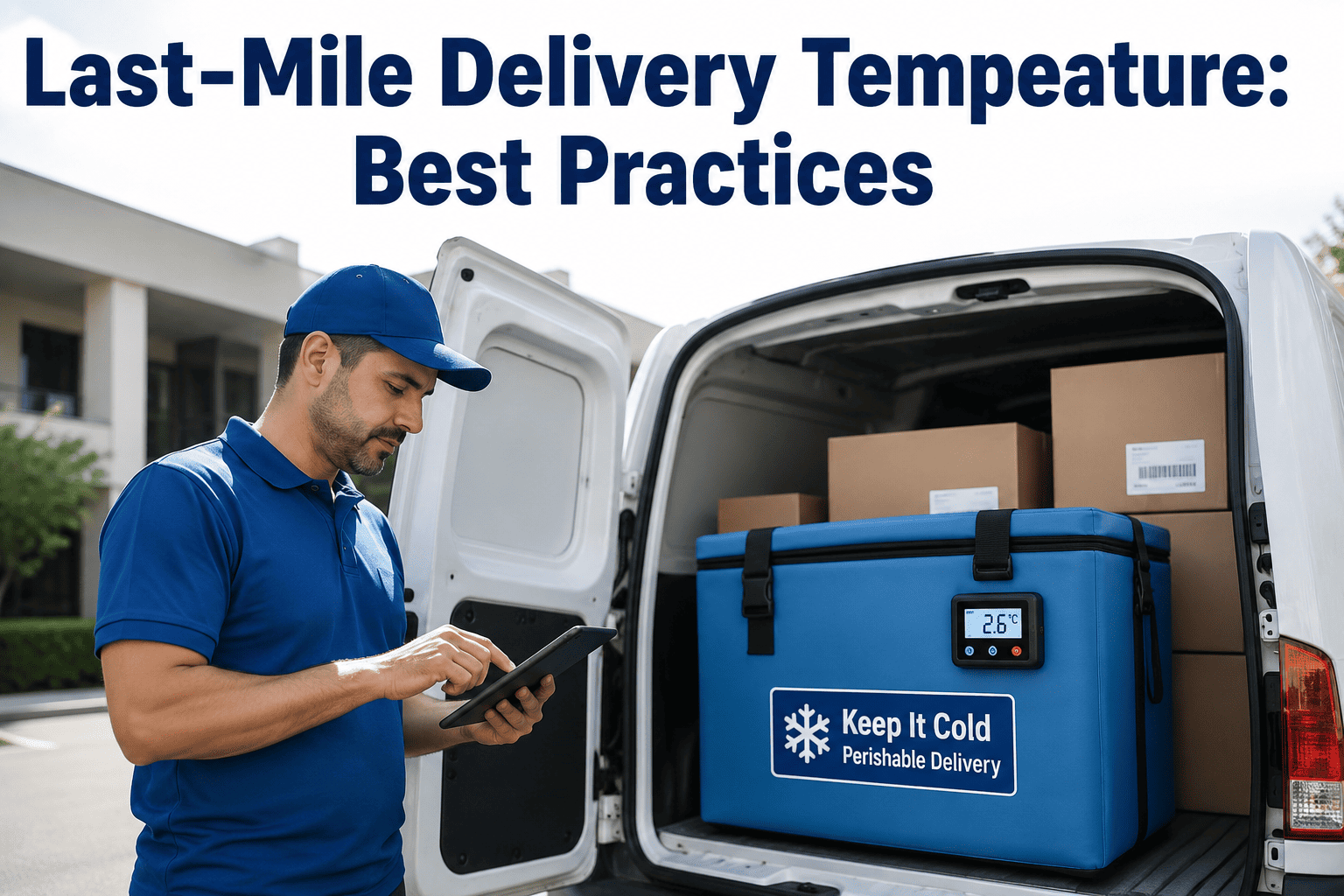
The final leg of a food delivery journey is also the riskiest one, and most brands have almost no visibility into it. A meal kit box might spend forty extra minutes on a delivery driver's back seat because of a missed turn, or a grocery bag might sit on a porch in summer heat for an hour before someone brings it inside. None of this shows up in a warehouse temperature log, yet it is precisely where spoilage complaints, food safety risk, and refunds originate. Meal kit companies, grocery delivery platforms, and prepared food brands are increasingly treating last-mile temperature data as a core operational metric rather than an afterthought, and the tools to capture it are simpler to deploy than most teams expect through a connected monitoring approach.
See Every Delivery's Temperature Journey, Door to Door
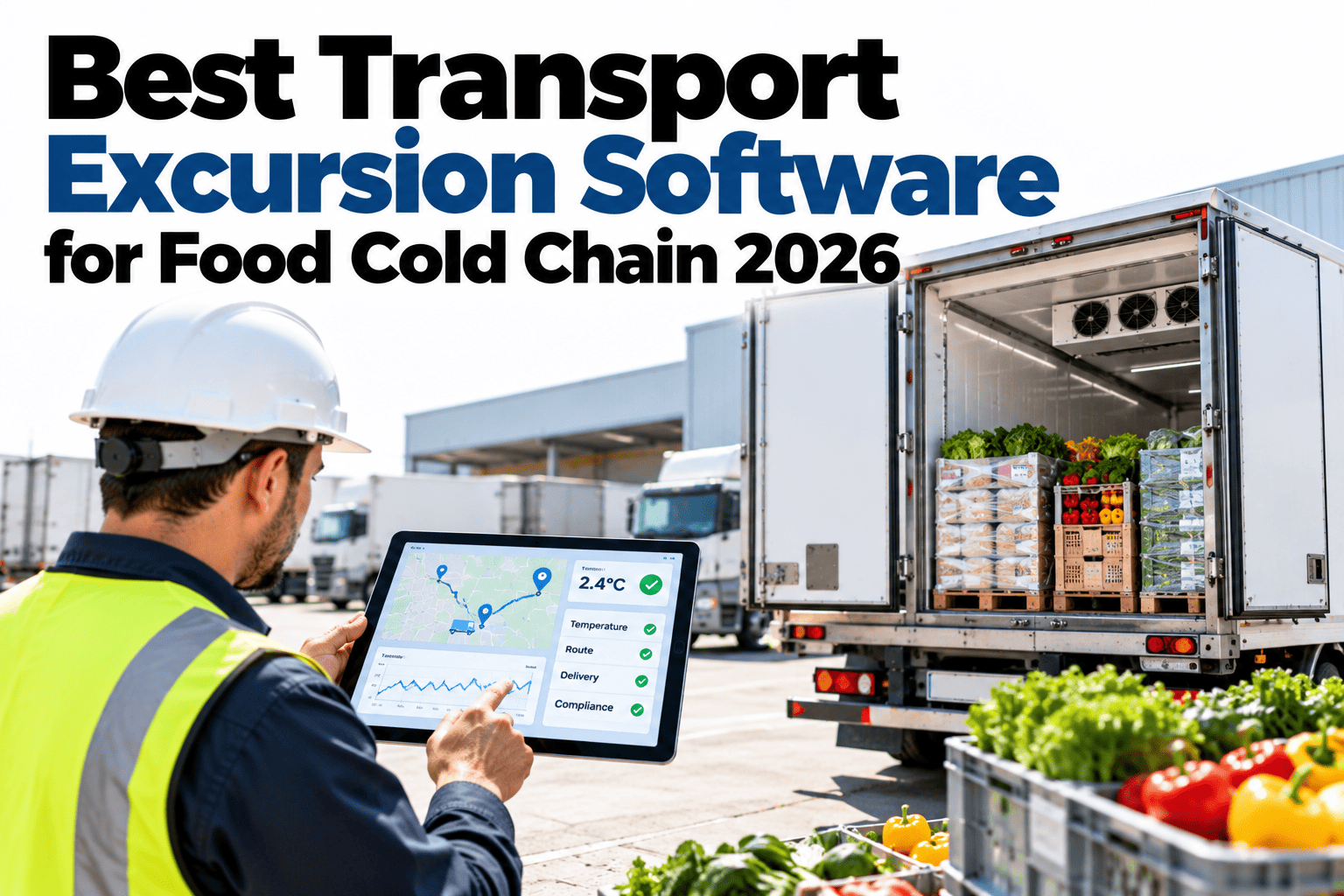
iFactory last-mile monitoring tracks temperature from the moment a package leaves the fulfillment center until it reaches the customer's hands, flagging risk before it becomes a complaint.
Why Last-Mile Is the Weakest Link in Food Delivery
Most cold chain investment goes into the warehouse and the delivery vehicle fleet, yet the segment with the least control, the actual door-to-door delivery window, receives the least monitoring attention despite carrying the highest variability.
What Last-Mile Delivery Data Actually Shows
When brands start measuring rather than assuming, the last-mile window consistently reveals more variability than any other segment of the cold chain.
Insulated Packaging Only Buys You Time, Not Immunity
Every insulated shipper is engineered around an assumed delivery window, and that assumption is where most last-mile failures actually begin.
How Monitoring Plays Out Across Delivery Formats
Meal kits, grocery baskets, and prepared meals each carry a different risk shape, and the monitoring approach should reflect that.
| Delivery Format | Primary Risk Window | Monitoring Approach |
|---|---|---|
| Meal Kits | Multi-day transit plus doorstep wait | Logger inside box with threshold alert on pickup |
| Grocery Delivery | Multi-stop route dwell time | Vehicle zone sensors plus route sequencing data |
| Prepared Meals | Hot-hold to delivery temperature drop | Dual hot and cold zone sensors with tight thresholds |
| Frozen DTC | Doorstep exposure before retrieval | Package-level logger with customer pickup confirmation |
What Changes When Last-Mile Data Becomes Visible
Brands that start tracking the final delivery leg tend to find the same set of improvements available almost immediately, without needing to redesign their entire logistics network.
Turn Your Last Mile Into Your Most Reliable Mile
Get delivery-level temperature visibility that catches problems before customers do, across meal kits, groceries, and prepared meals.
Frequently Asked Questions
Do delivery drivers need to do anything differently when packages carry temperature loggers?
In most deployments, drivers do not need to change their workflow at all, since the logger operates passively inside the package and reports data automatically through cellular or Bluetooth connectivity without requiring the driver to scan or activate anything. Some brands choose to add a simple scan step at pickup and drop-off for extra location confirmation, but this is optional rather than required for the temperature data itself to be captured. The goal is to gather objective data without adding friction to a driver's already tightly timed route, which is why passive, automatic reporting tends to be the preferred configuration. Book a demo to see the driver experience firsthand.
How is temperature data captured for deliveries without a dedicated logistics app or fleet system?
Many meal kit and grocery brands rely on third-party couriers or gig delivery platforms rather than owning their own fleet, which means package-level logging tends to work better than vehicle-level monitoring in these scenarios. A small Bluetooth or cellular logger placed inside the insulated shipper reports its own temperature independent of whatever vehicle or platform is doing the physical delivery, giving the brand consistent visibility regardless of which courier network handled a given order. This approach also means the data belongs entirely to the brand rather than depending on data sharing agreements with third-party delivery platforms. Contact support to discuss logger options for third-party courier networks.
What temperature threshold should trigger an alert for a typical meal kit delivery?
Threshold selection depends on the specific products inside the box, but most meal kit programs set their primary alert around 40F as the upper boundary for refrigerated ingredients, with a secondary earlier warning around 36 to 38F to give operations teams time to intervene before the hard threshold is crossed. Brands carrying more sensitive proteins or dairy-heavy kits often tighten this further, while shelf-stable pantry items in the same box may not need monitoring at all. The key is setting thresholds based on the most sensitive item in the box rather than an average across all contents, since a single compromised ingredient can still generate a valid complaint. Book a demo to configure thresholds for your specific product mix.
Can last-mile monitoring data be used to dispute chargebacks or fraudulent spoilage claims?
Yes, this is one of the more immediately valuable applications teams discover once they have objective delivery data available. When a customer claims a delivery arrived spoiled but the temperature log shows the package stayed within safe range for the entire delivery window, that data gives customer service a factual basis for the conversation rather than defaulting to an automatic refund every time a complaint is filed. This does not mean every claim should be denied, since genuine issues do occur, but it does mean teams can differentiate between packaging or handling failures and other causes of dissatisfaction with much more confidence. Contact support to learn how delivery data integrates with customer service workflows.
Is last-mile temperature monitoring worth the cost for a smaller meal kit or grocery delivery brand?
Smaller brands often see a faster return on this investment than larger ones because a single viral spoilage complaint or social media post about a bad delivery experience can disproportionately damage a growing brand's reputation before it has built a large base of repeat customers. The cost of a reusable, cellular-enabled logger has also dropped enough that even modest delivery volumes can justify the investment purely through reduced refund costs and improved customer retention, without needing enterprise-scale delivery volume to make the economics work. Book a demo to get a cost breakdown sized to your delivery volume.
Know What Happens After the Package Leaves the Warehouse
iFactory gives delivery brands real visibility into the riskiest part of the cold chain, so quality problems get caught before customers ever notice.