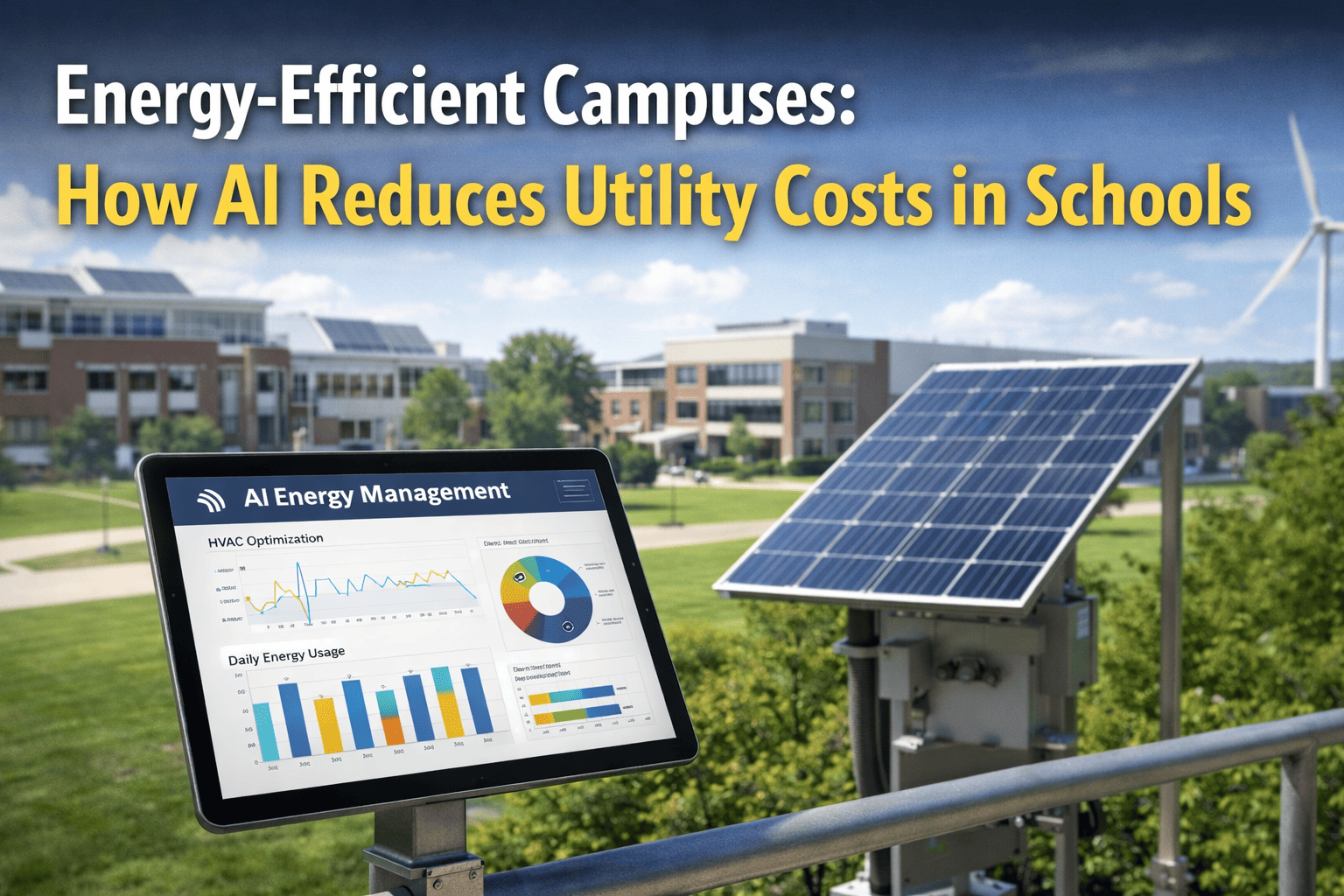
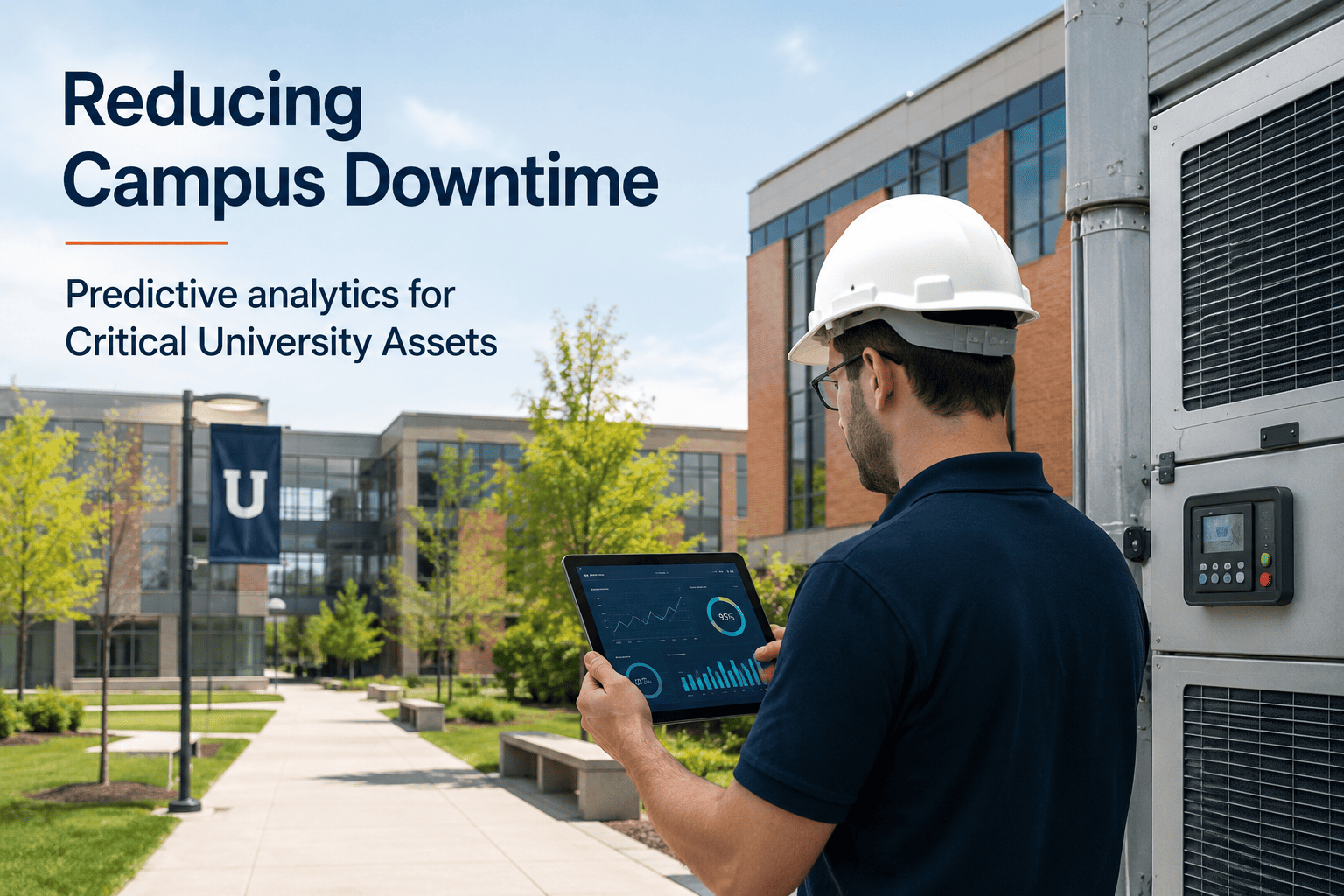
Campus energy bills often dwarf actual building needs. HVAC systems run on fixed schedules, not actual occupancy. Chillers operate at constant setpoint regardless of outside temperature. Lighting stays on in empty buildings. Utilities waste 20-35% of total energy costs due to suboptimal control. AI-powered energy intelligence analyzes real-time HVAC, lighting, and utility data across every building — automatically optimizing systems to match actual occupancy, weather, and season. Universities reduce energy waste, extend equipment life, and lower operating costs by 15-30%. This guide explains how AI energy optimization works on campus and why it pays for itself in months.
HIGHER EDUCATION · AI ENERGY INTELLIGENCE · 2026
AI for Campus Energy Intelligence: Predictive Optimization of HVAC and Utilities
Real-time HVAC optimization · Predictive equipment maintenance · Energy waste elimination · Campus-wide utility intelligence · 15-30% operating cost reduction.
15-30%
Energy cost reduction annually
$800K-$2M
Annual savings for 500K sq ft campus
48hr+
Equipment failure prediction
Why Campuses Waste 20-35% of Energy Costs
Most university buildings operate on fixed HVAC schedules set once, decades ago. A classroom uses the same heating and cooling whether 30 students or 3 are present. Buildings cool empty dorms all summer. Chillers run at constant setpoint regardless of outside temperature swings. Lighting systems turn on at 6 AM and off at 6 PM whether classrooms are occupied. Utility meters show the waste — campuses spend millions on energy that no one is using. AI energy intelligence eliminates this blind operation. See energy waste in your campus buildings — Book Demo with Us.
Campus Energy Systems — The Five Critical Control Points
University Campus — Energy & Utility System Integration
HVAC
Heating & Cooling
Chillers · boilers · fans · thermostats · dampers
Predictive optimization
Lighting
Occupancy-Based Control
Sensors · LED drivers · occupancy detection
Real-time dimming
Power
Electrical Load Management
Distribution · transformers · demand response
Peak shaving
Water
Hot Water & Chilled Water
Pumps · heat exchangers · circulation
Flow optimization
Monitoring
Campus-Wide Intelligence
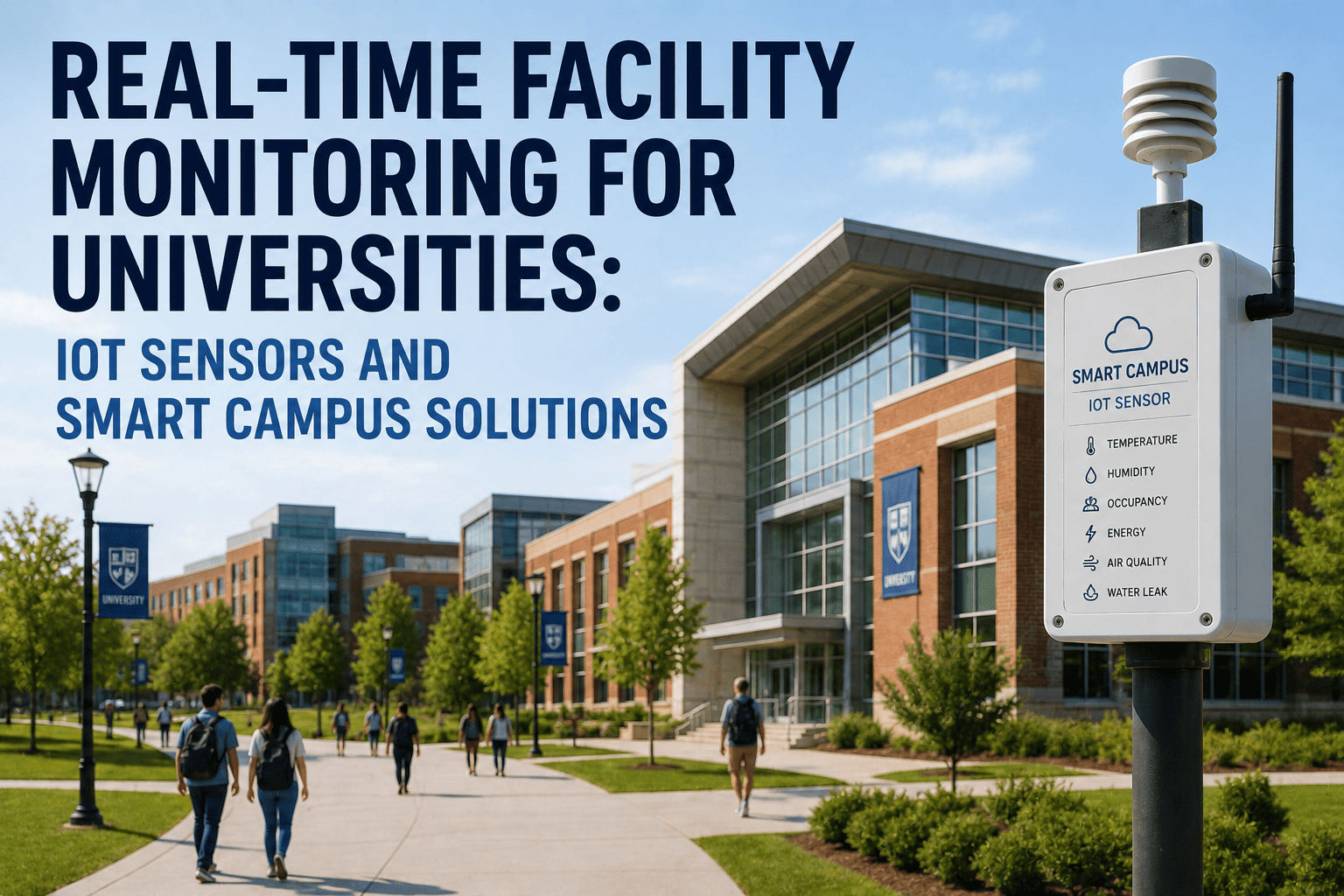
Sensors · meters · building automation · IoT
AI analytics
Three Energy Problems AI Solves
01
Fixed HVAC Schedules Ignore Occupancy & Weather
Buildings heat and cool on calendar schedules, not actual need. A classroom scheduled 9 AM-5 PM cools empty space before 8:45 AM and heats after 5 PM. Winter brings 50°F days; systems still follow October setpoints. Summer has 65°F mornings; chillers cool all night. Fixed schedules assume occupancy that doesn't exist, wasting 8-12% of HVAC energy daily.
Contact Support to map occupancy patterns in your buildings.8-12% waste dailyNo weather responseZero occupancy awareness
02
Lighting Runs 24/7 in Empty Buildings
Corridors and stairwells remain lit around the clock regardless of occupancy. Classroom lighting stays on during classes that don't exist. Labs light up on weekends when no one is there. Occupancy sensors installed 5+ years ago never receive firmware updates. Manual overrides get stuck. Lighting often represents 20-30% of campus electrical load. Unoptimized lighting wastes $100K-$500K annually depending on campus size.
20-30% electrical load24/7 unoccupied spacesSensor degradation over time
03
Equipment Degradation Drives Escalating Energy Costs
Chillers lose efficiency as they age. Boiler tube scaling increases fuel consumption. HVAC dampers stick partially open. Circulating pumps wear and require more power. Campus maintenance teams see rising energy bills but don't know why. Equipment gets replaced only when it fails catastrophically — by then, it's been consuming 20-30% more energy than when new for months or years. Predictive maintenance identifies degradation and schedules repairs before efficiency hits.
20-30% efficiency loss over timeReactive maintenance onlyEscalating utility costs
How AI Energy Intelligence Works
Real-Time Data Collection from Every Building
Sensors on HVAC equipment, occupancy detectors, thermostats, light sensors, and utility meters stream continuous data. Temperature, humidity, CO2, occupancy, lighting levels, electrical load — hundreds of data points per minute from every building.
Occupancy & Weather Pattern Recognition
AI learns when buildings are actually occupied — detecting day-of-week patterns, class schedule peaks, weekend/summer vacancy. Simultaneously maps weather trends and outdoor temperature swings. System understands "Wednesday 2 PM lab class" vs "Thursday evening empty building."
Predictive System Optimization
HVAC setpoints adjust automatically based on occupancy 1-2 hours ahead. Lighting reduces to 20% in low-occupancy zones, ramps to 100% when class begins. Chiller setpoint rises 2°F on mild days. Boiler fire rate drops on warm afternoons. No manual scheduling. All automatic based on real conditions.
Continuous Verification & Learning
System confirms optimization worked. If classroom still cold after setpoint adjustment, it signals. If lighting levels aren't matching occupancy, it recalibrates. Each month adds more pattern data. System accuracy improves over time as seasonal variations accumulate.
Real Campus Energy Use Cases
Chiller setpoint automatically adjusts 1-2 hours ahead of occupancy changes. On 65°F spring mornings, setpoint rises to 50°F (vs always 45°F). On 55°F summer evenings, system pre-cools only occupied zones. Campus chiller running 8-10 hours daily at optimized setpoint uses 15-20% less energy than fixed 45°F operation.
Savings15-20% chiller energy
PayloadEquipment life extended
Book Demo
Occupancy sensors feed into AI system which coordinates dimming across entire building. Common areas dim to 20% when empty, ramp to 100% when occupied. Stairwells and corridors dim at night automatically. System learns that Tuesday 10 AM lecture halls need 100%, but Wednesday 3 PM the same rooms are empty. Lighting energy drops 25-35% while maintaining safe, comfortable spaces.
Reduction25-35% lighting energy
BenefitNo manual intervention
Book Demo
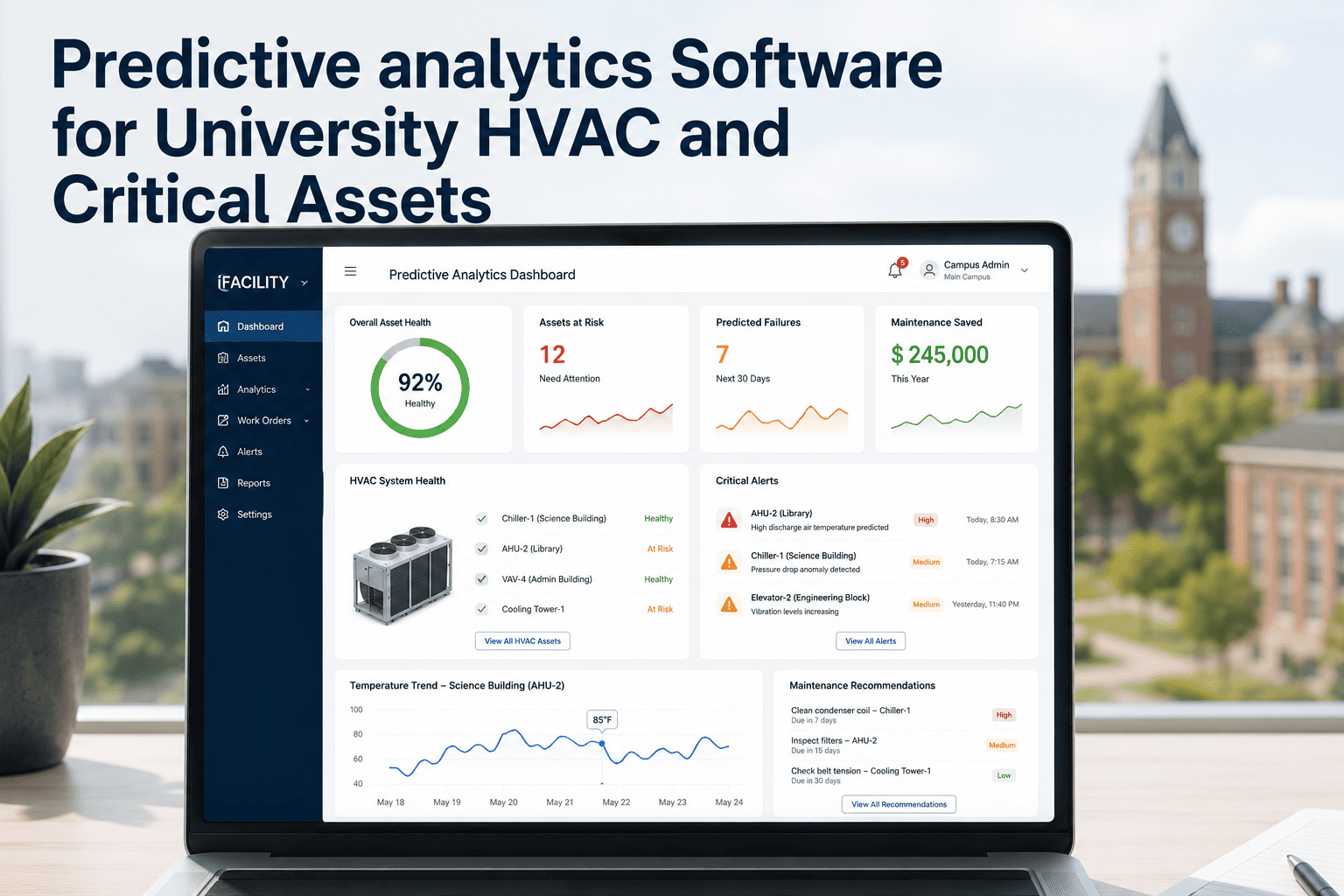
Chiller efficiency trends downward as tubes scale and bearings wear. AI detects 8-15% efficiency loss starting. Maintenance schedule equipment cleaning or bearing service before energy waste compounds. Campus saves equipment replacement costs and avoids extended periods of high-cost operation. Equipment operates at peak efficiency instead of degrading silently.
EfficiencyMaintained at 95%+ rated
Prevention20-30% degradation avoided
Book Demo
Energy Savings & ROI
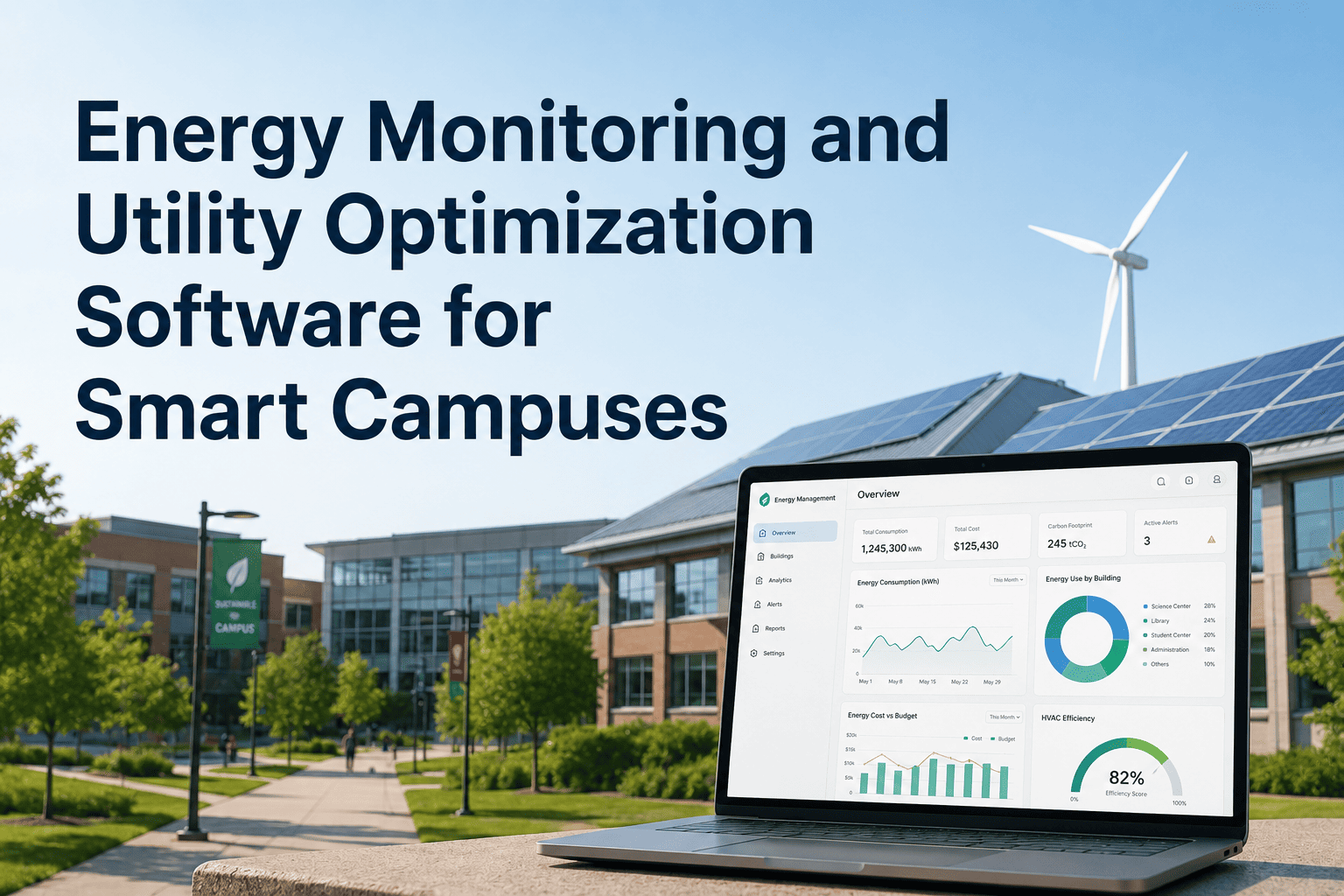
15-30%
Energy cost reduction annually
HVAC, lighting, equipment optimization combined
$800K-$2M
Annual savings for 500K sq ft campus
Average university energy spend $1.6-$3.2M; AI saves 50% of waste
6-8 Mo
Full ROI for AI system deployment
Savings exceed implementation and ongoing costs within first year
20-30
Year equipment life extension
Optimized operation and predictive maintenance eliminate overwork
FAQ
Does AI energy optimization require replacing our building automation system?
No. AI energy intelligence connects via open API to your existing BAS (Honeywell, Johnson Controls, Siemens). All historical data is ingested from day one. System learns patterns and makes recommendations that integrate seamlessly with your current controls.
How quickly will we see energy savings?
HVAC optimization begins within the first week. Lighting and occupancy-based control optimizes within 2-3 weeks. Full campus-wide optimization with all patterns learned: 6-8 weeks. Measurable monthly savings begin in month 1; full savings realized by month 3-4.
What if our buildings have older HVAC equipment?
Older equipment benefits most from optimization. Degraded equipment running inefficiently is exactly where AI optimization saves the most money — by not pushing equipment harder and by scheduling maintenance before efficiency collapses entirely.
Contact Support to evaluate your specific equipment.
How does occupancy detection work if we don't have sensors everywhere?
AI learns occupancy patterns from available data: class schedules, building access logs, CO2 levels in spaces with sensors, power draw patterns. As more sensors install, accuracy improves. System doesn't need sensors in every room — correlation from available data predicts occupancy across unmeasured zones.
AI ENERGY INTELLIGENCE · CAMPUS SUSTAINABILITY · 2026
Reduce Campus Energy Waste by 15-30% This Year
AI-powered energy optimization eliminates HVAC scheduling waste, coordinates lighting to occupancy, and prevents equipment degradation. 6-8 month ROI. 20-30 year equipment life extension. No system replacement required.
HVAC Optimization
Occupancy-Based Lighting
Equipment Efficiency Monitoring
Predictive Maintenance
Campus-Wide Intelligence