Ask ten vendors what AI can do for a building portfolio and you will get thirty use cases, most of them presented as equally urgent. They are not. Chiller fault detection can pay back in months with minimal integration effort, while autonomous portfolio-wide optimization takes a mature data foundation and a longer runway before it delivers value. An operations director trying to build a roadmap needs a way to separate the two, not a list that treats them the same. To map your own use case priorities against your building portfolio, book a demo.
30+ USE CASES · ONE PRIORITIZATION FRAMEWORK
HVAC AI Use Cases: An ROI Priority Matrix for Building Portfolios
Not every AI use case belongs in phase one. This matrix sorts the most common HVAC AI applications by ROI and implementation complexity, so an operations director can build a roadmap instead of a wish list.
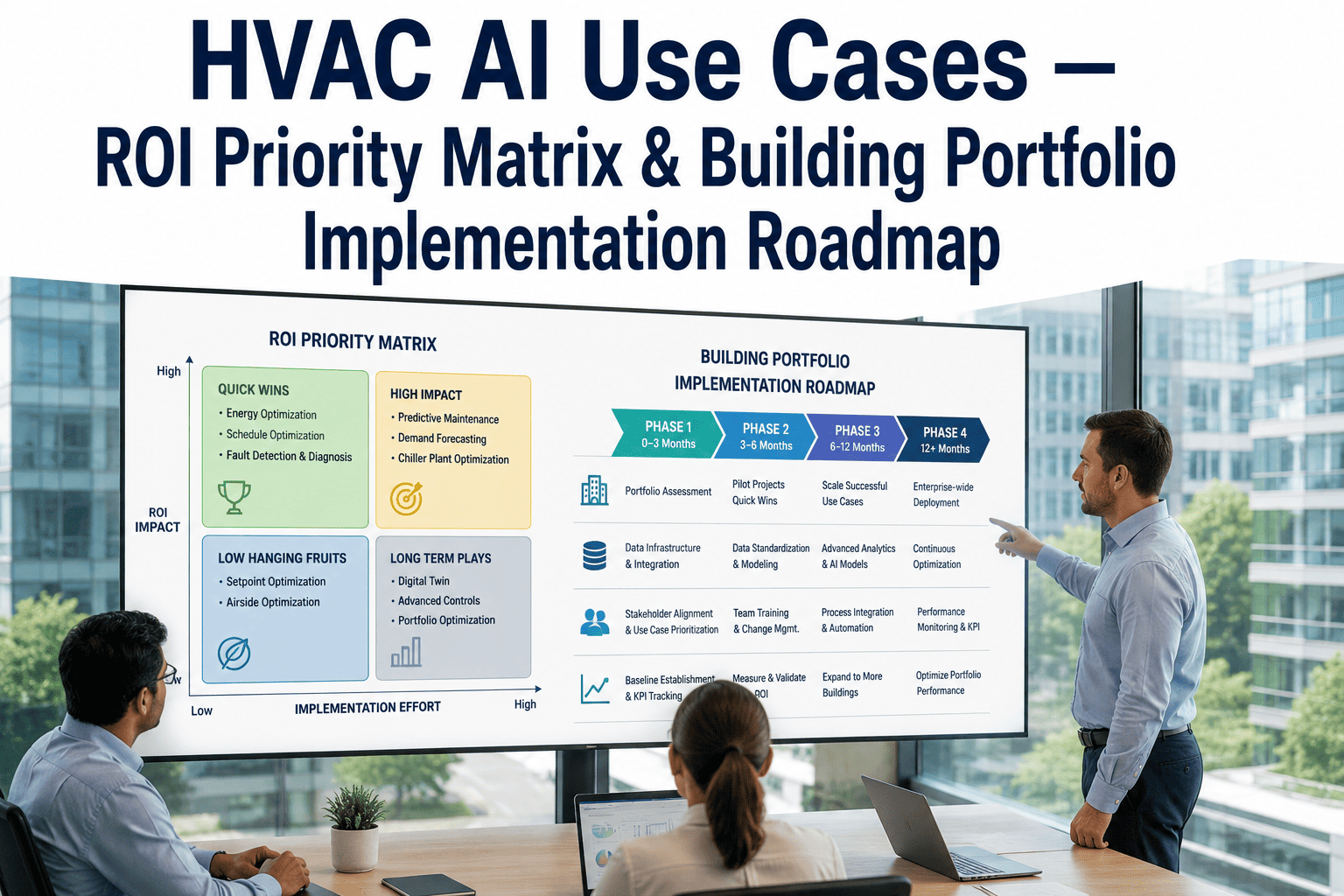
THE FOUR-QUADRANT PRIORITY MATRIX
Sorting Use Cases by ROI and Complexity, Not Novelty
Every AI use case in HVAC operations sits somewhere on two axes: how much value it delivers relative to cost, and how much implementation effort it requires before that value shows up. Plotting a portfolio's candidate use cases on these two axes reveals which ones deserve phase-one budget and which ones should wait.
Quick Wins
High ROI · Low Complexity
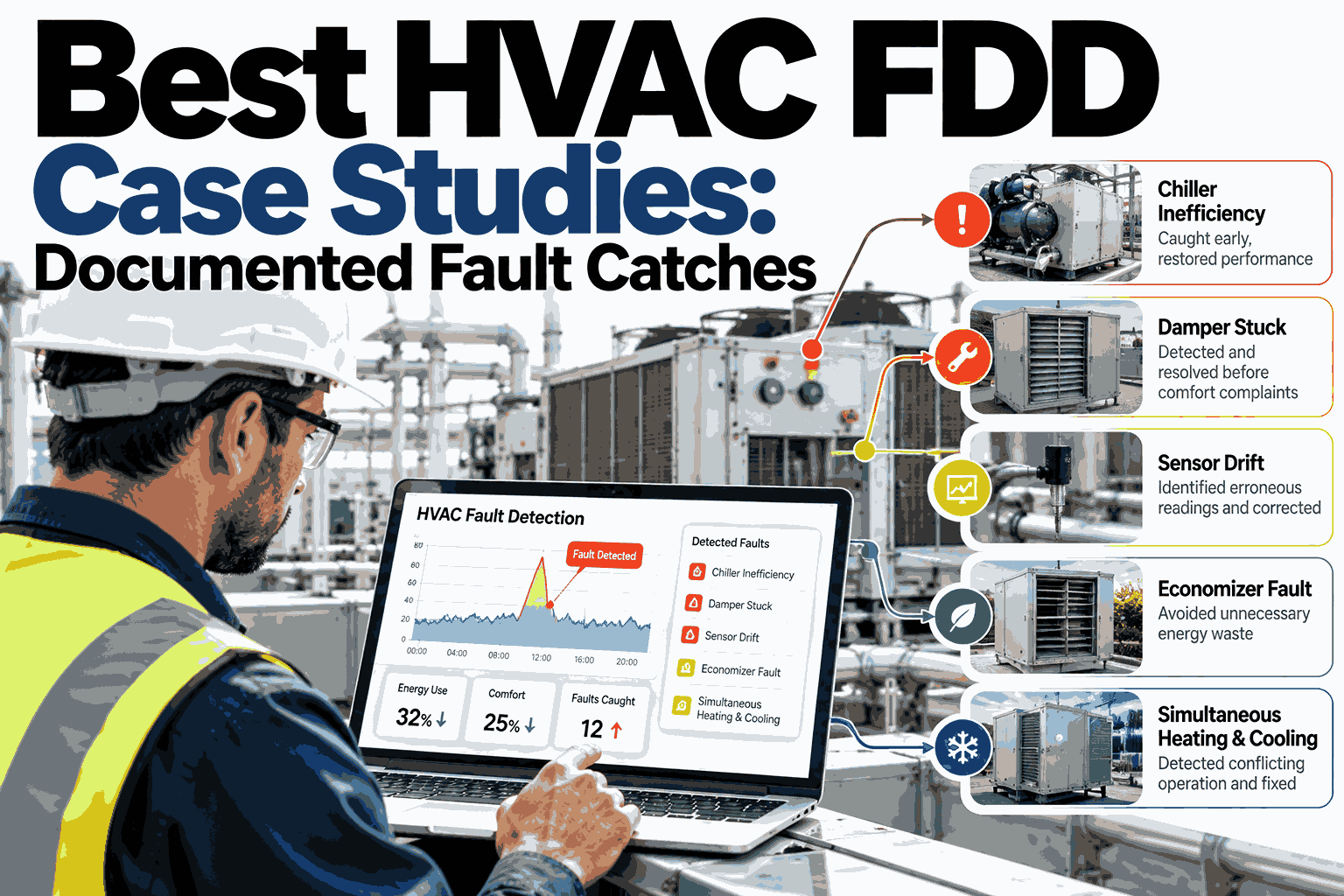
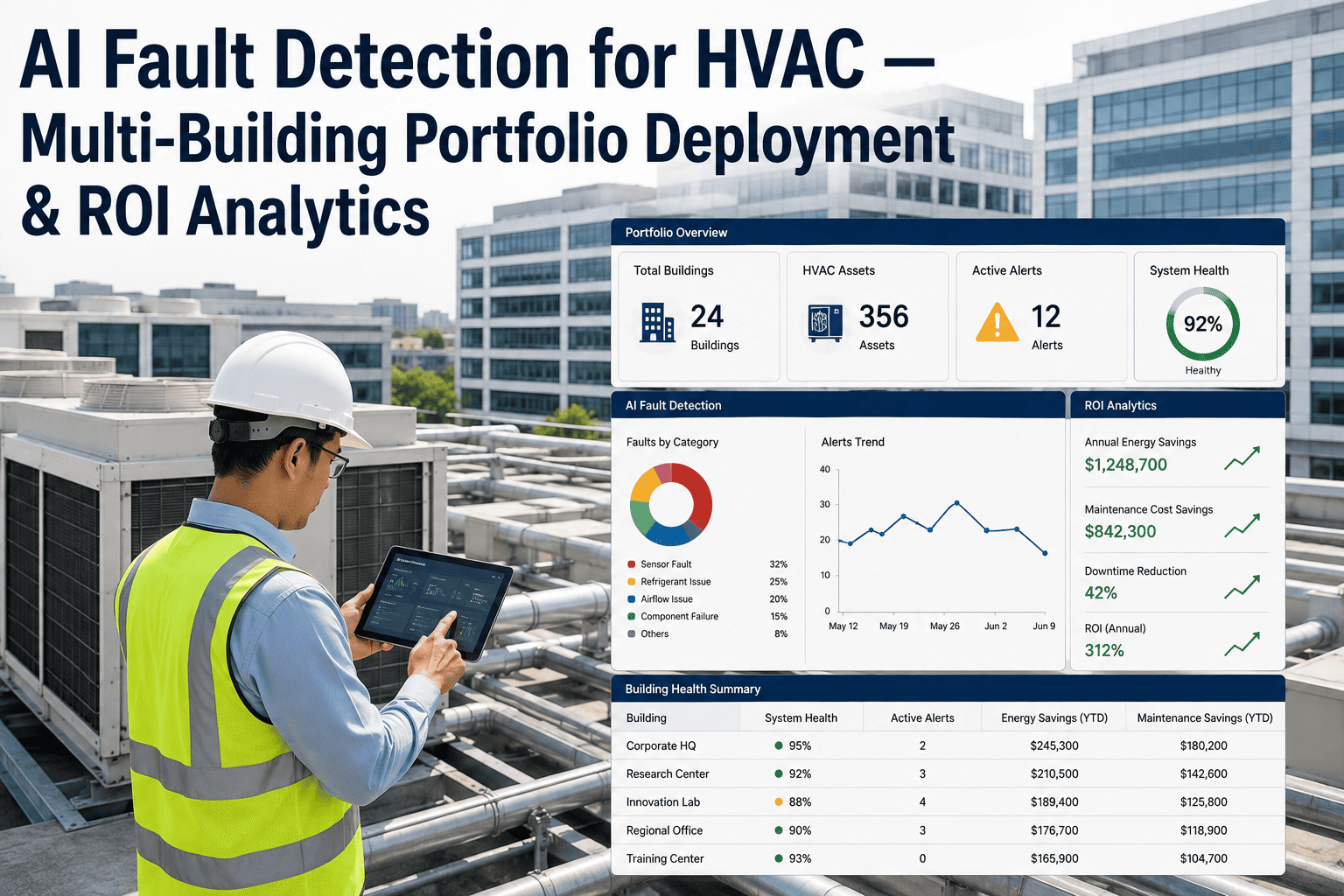
Chiller fault detection, filter and coil fouling alerts, refrigerant leak detection, economizer fault correction
Strategic Bets
High ROI · High Complexity
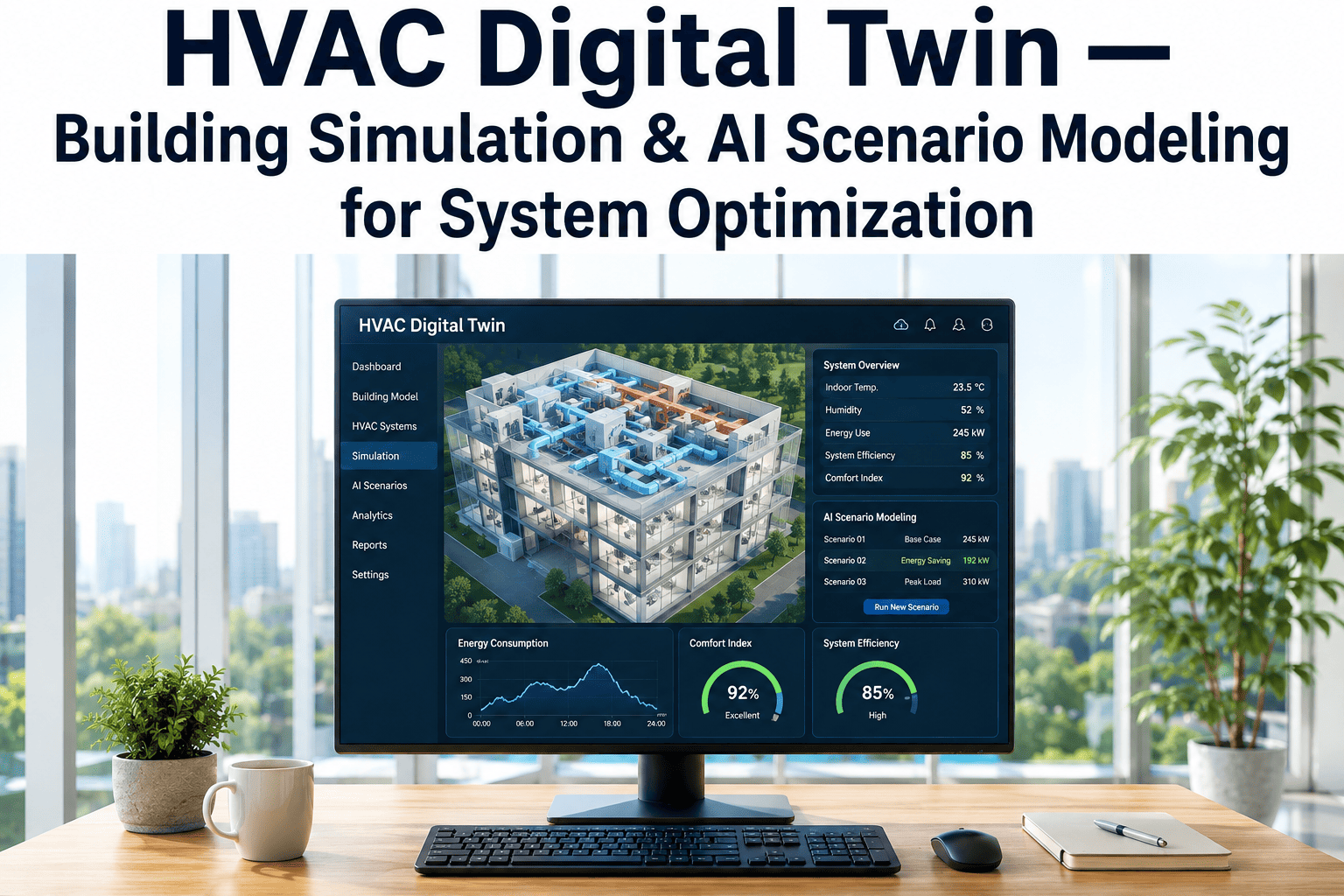
Portfolio-wide autonomous optimization, cross-building demand response orchestration, digital twin simulation
Fill-Ins
Lower ROI · Low Complexity
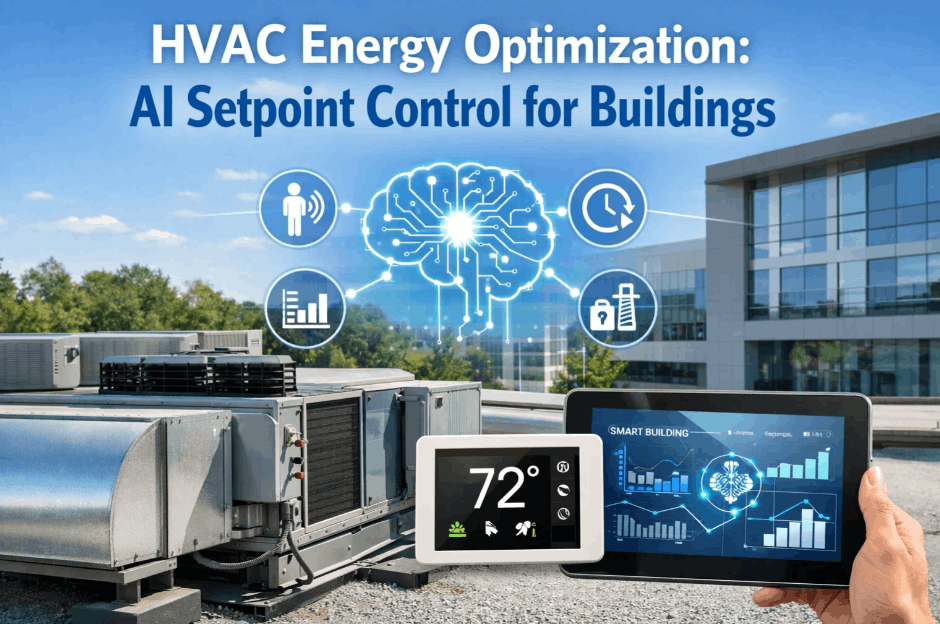
Basic energy reporting dashboards, scheduled setpoint automation, simple occupancy-based scheduling
Question Marks
Lower ROI · High Complexity
Fully autonomous fault remediation without human review, building-wide digital twin without a mature sensor baseline
Get Your Portfolio Plotted on This Matrix
Bring your building mix and current sensor coverage — we'll show where your specific use cases land before you commit budget.
QUICK WINS, EXPANDED
Why These Use Cases Belong in Phase One
The use cases in the quick-wins quadrant share a common trait: they rely on data most buildings already collect in some form, and the failure signatures they detect are well understood across the industry, meaning less custom model development is required before deployment.
Chiller and Compressor Fault Detection
Current draw, vibration, and cycle-frequency data flag early mechanical degradation before a full breakdown, using widely validated failure signatures.
Filter and Coil Fouling Alerts
Static pressure trend analysis catches airflow restriction weeks before it becomes a comfort complaint or an efficiency loss.
Refrigerant Leak Detection
Superheat and pressure deviation monitoring identifies slow refrigerant loss long before it shows up as reduced cooling capacity.
Economizer Fault Correction
Damper position cross-referenced against outdoor air conditions catches a stuck economizer, a common and often invisible source of wasted energy.
STRATEGIC BETS, EXPANDED
What Makes These Worth the Longer Runway
Strategic bets deliver the largest total value but require a data foundation that most portfolios have not yet built — consistent sensor coverage across every site, a track record of accurate fault detection to build trust in the system, and often integration across previously siloed building systems.
PrerequisitePortfolio-wide autonomous optimization requires quick-win use cases to already be running reliably across most sites first.
PrerequisiteCross-building demand response orchestration depends on consistent real-time data across every participating site, not a subset.
PrerequisiteDigital twin simulation needs a validated baseline model, which is only as accurate as the sensor data feeding it.
A PHASED IMPLEMENTATION ROADMAP
Sequencing the Matrix Into an Actual Rollout Plan
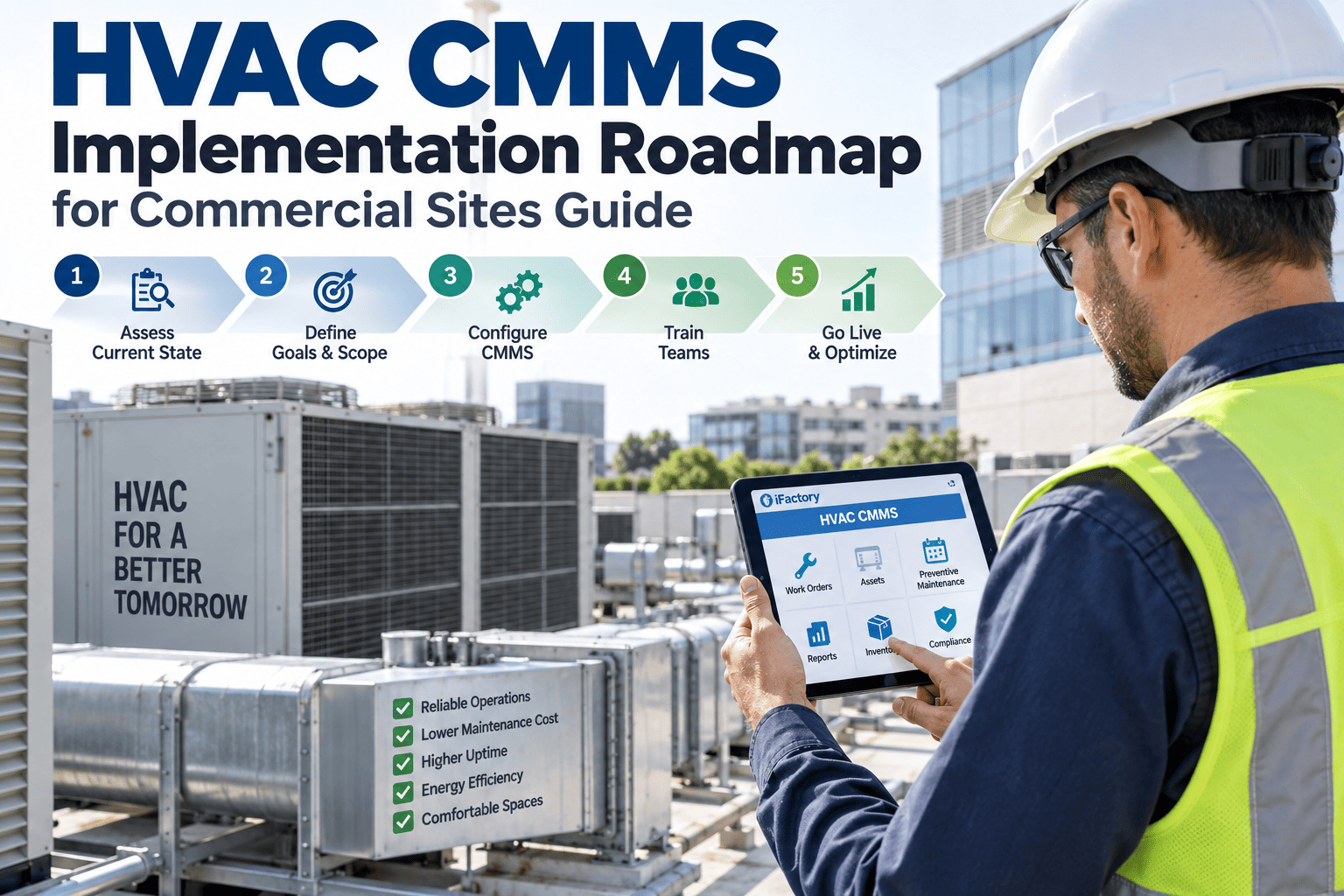
Plotting use cases on a matrix is only useful if it becomes a sequence. The roadmap below reflects how the quadrants above typically translate into a multi-phase rollout across a building portfolio.
Phase 1
Deploy Quick Wins Across Highest-Risk Sites (Months 1–4)
Start with fault detection on the equipment most prone to costly failure — typically chillers and rooftop units — at sites with the highest maintenance spend, establishing a measurable baseline before expanding further.
Phase 2
Expand Quick Wins Portfolio-Wide (Months 4–9)
Once phase one proves out against baseline, extend the same fault-detection categories across the remaining portfolio, standardizing the sensor kit and dashboard so every site reports into one system.
Phase 3
Layer in Fill-Ins Where They Support Adoption (Months 6–12)
Add lower-complexity reporting and scheduling automation where it reduces manual work for facility teams already using the fault-detection system, reinforcing day-to-day adoption.
Phase 4
Pilot a Strategic Bet on a Constrained Scope (Year 2)
With a mature sensor baseline in place, pilot one strategic use case — often demand response orchestration — on a limited subset of sites before considering portfolio-wide autonomous optimization.
FREQUENTLY ASKED QUESTIONS
What Operations Directors Ask About Prioritizing AI Use Cases
Should we skip the quick wins and go straight to the highest-value strategic use case?
Skipping ahead is one of the most common ways a portfolio ends up with an expensive pilot that stalls, because strategic use cases depend on a reliable sensor baseline and internal trust in the system that only quick wins can establish first. The matrix above is intentionally sequential, not a menu to pick from at random.
Book a demo to see why the sequencing matters for your specific building mix.
How is ROI actually calculated for a use case like chiller fault detection?
ROI is typically measured against avoided emergency repair costs, extended equipment lifespan, and reduced energy waste from equipment running in a degraded state, compared against the sensor and monitoring cost for that specific equipment class. The number varies by equipment age and current maintenance practice, which is why a portfolio-specific baseline matters more than an industry average.
Contact support for a walkthrough of the calculation methodology.
What data do we need to have in place before starting phase one?
Quick wins are designed to work with retrofit sensor kits added to existing equipment, so a portfolio does not need an existing data infrastructure in place before starting — that infrastructure is built as part of phase one itself. What matters more going in is identifying the highest-risk equipment and sites to prioritize first.
Book a demo to assess your current sensor coverage.
How long before a strategic bet like portfolio-wide optimization becomes realistic?
Based on the phased roadmap above, most portfolios spend their first year establishing quick wins and a reliable data foundation before piloting a strategic use case on a limited scope, with full portfolio-wide strategic deployment typically following in year two or later depending on portfolio size and site complexity.
Reach out to support to discuss a realistic timeline for your portfolio.
BUILD YOUR OWN ROADMAP
Turn This Matrix Into a Sequence Built for Your Portfolio
iFactory works with operations teams to plot their specific use cases, sequence a phased rollout, and prove out quick wins before recommending strategic investment.