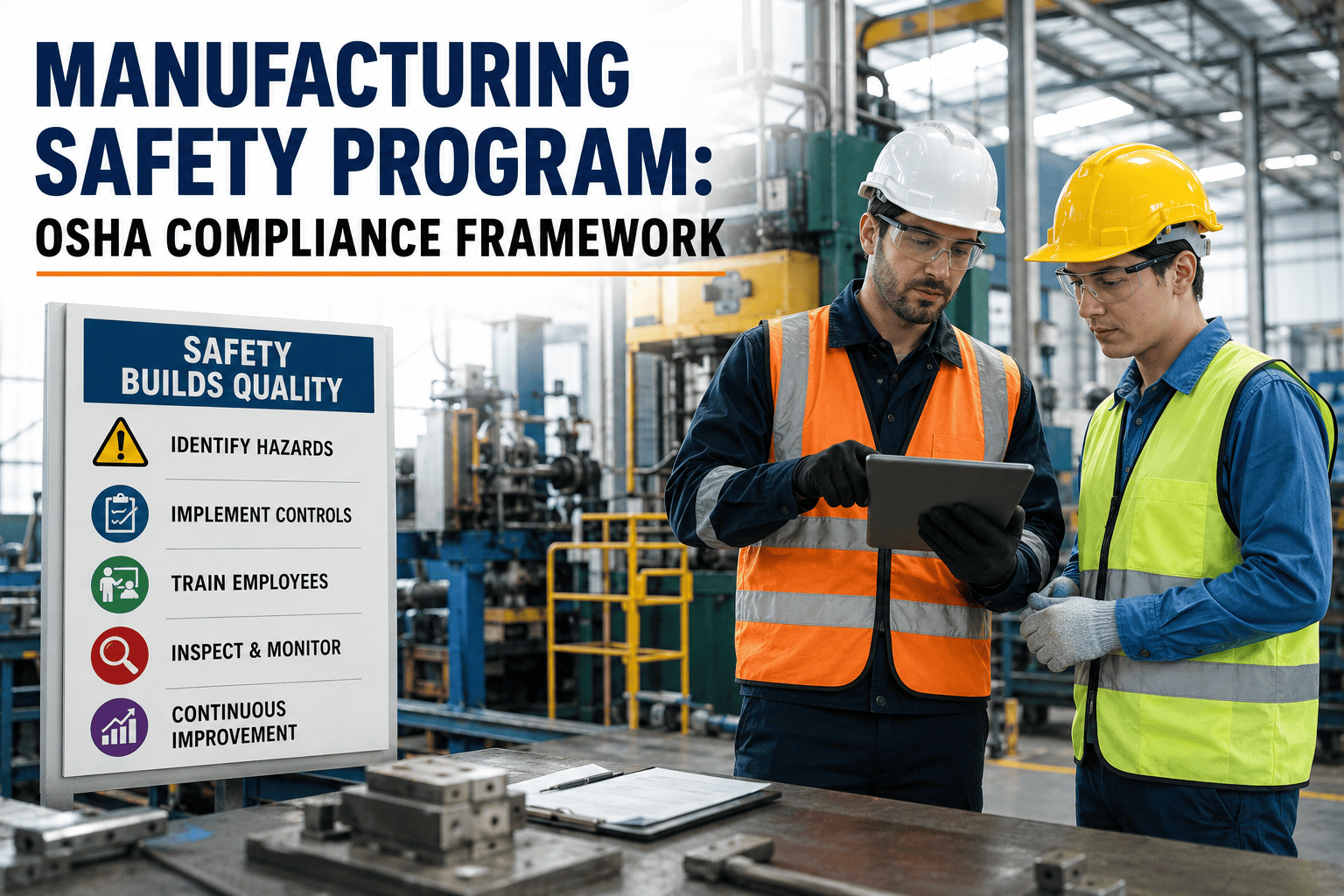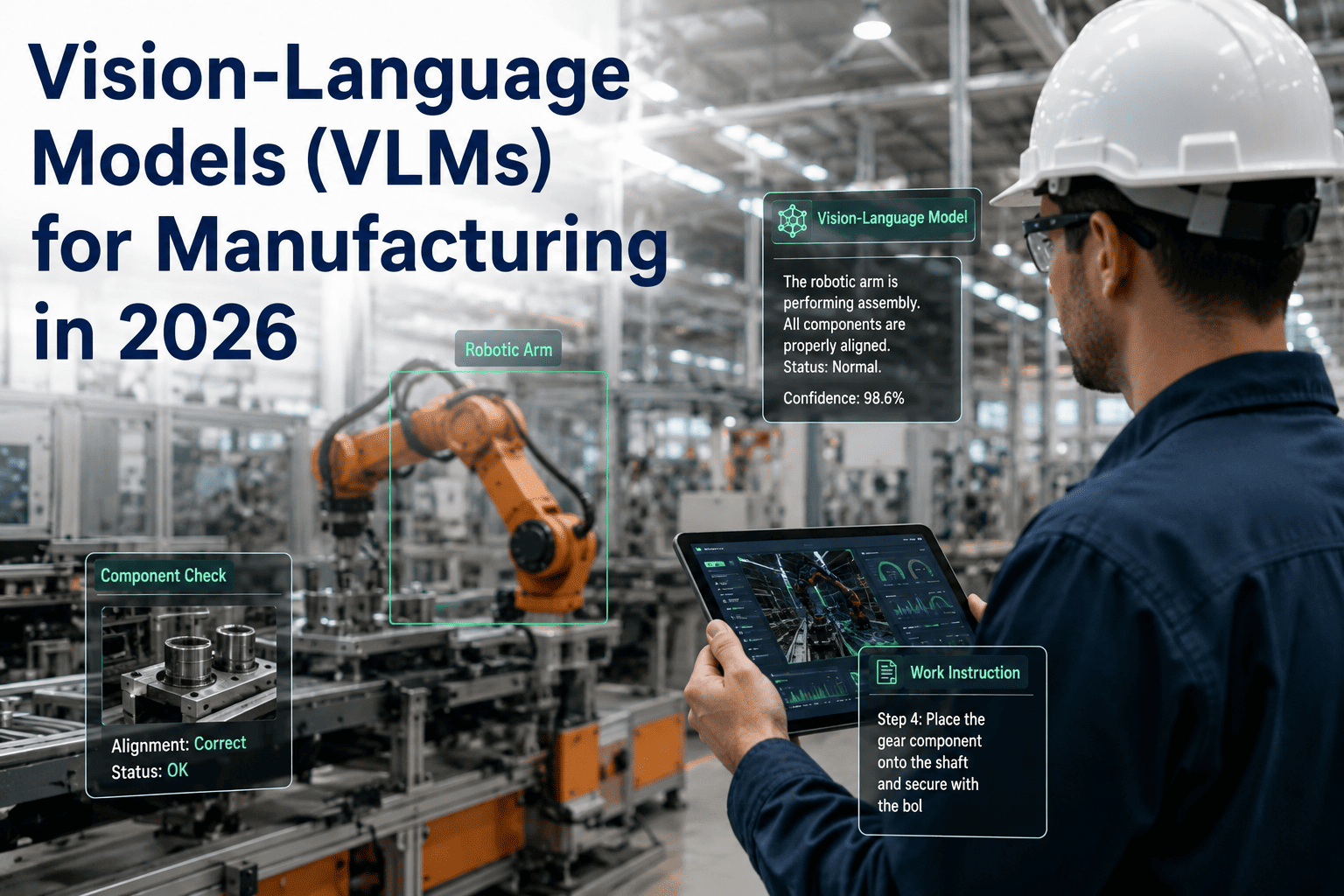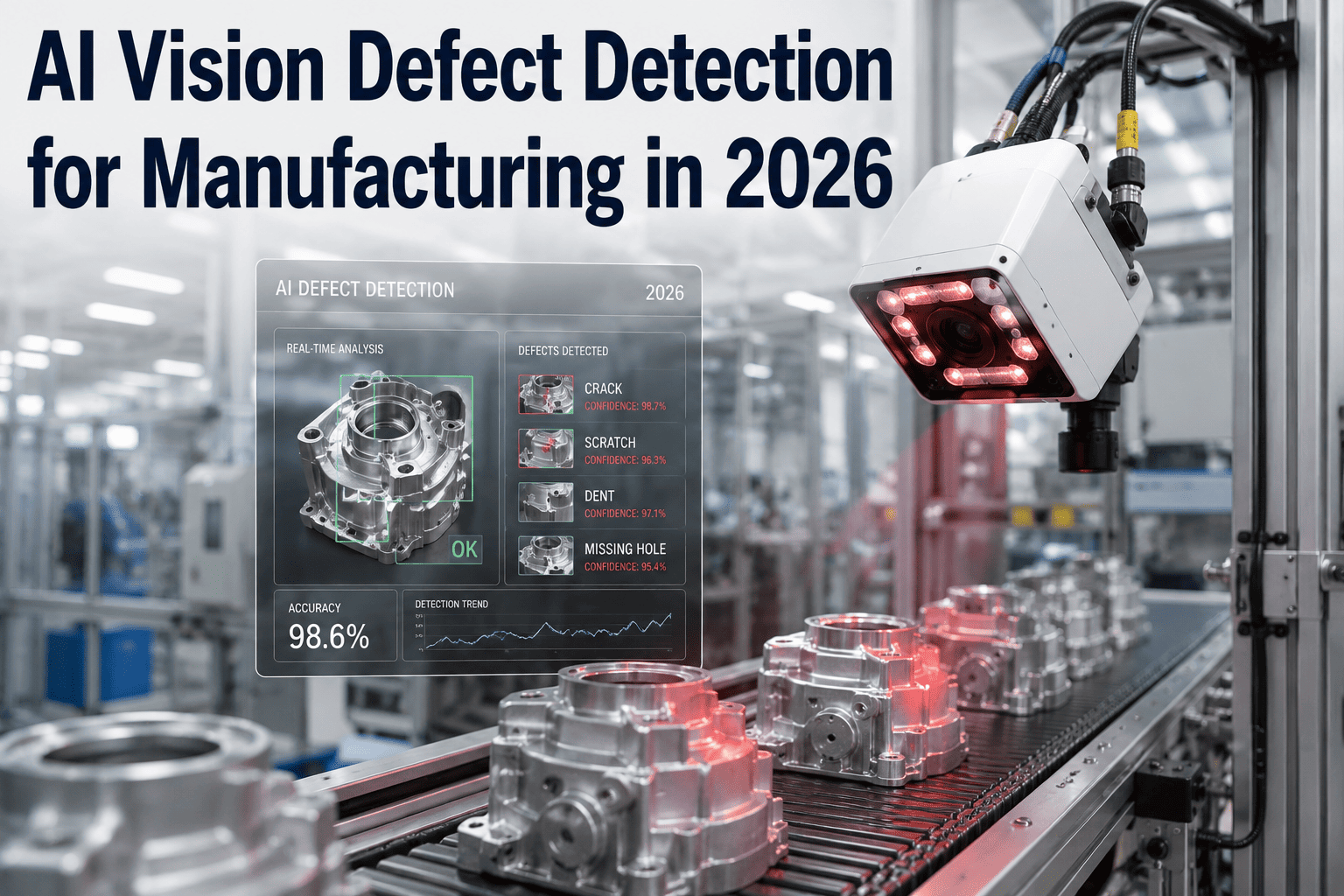
A safety walk covers a slice of the plant, at a specific hour, watched by people who know they are being watched. That is the structural problem with manual PPE compliance audits: they sample behavior rather than measure it, and behavior sampled under observation is not the same as behavior on an ordinary Tuesday afternoon when no one from EHS is on the floor. Most plants running manual audits capture a small fraction of total work hours across a shift, which means the vast majority of PPE compliance, or non-compliance, simply goes unrecorded. Teams looking to close that gap without turning the floor into a surveillance operation can Book a Demo to see how continuous AI vision monitoring works in practice.
From 5% Sampled to 100% Monitored
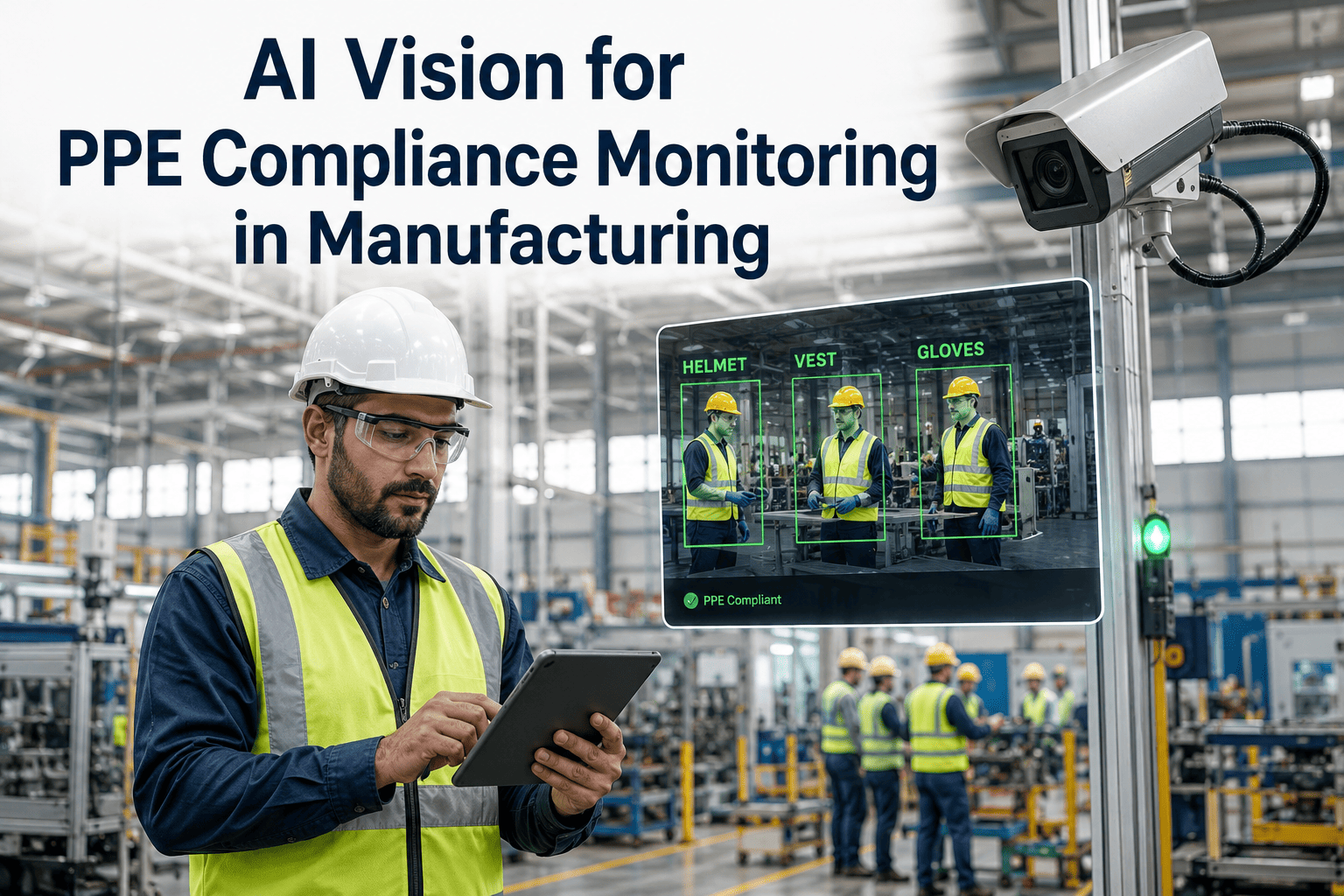
iFactory's AI vision layer reads existing camera feeds continuously, flagging missing hardhats, glasses, and other required PPE the moment they're missing, not weeks later in an audit report.
Why Periodic Audits Miss Most of What Actually Happens
A typical EHS team conducts scheduled floor walks a handful of times per week, each covering a limited window of a much longer shift. Extrapolated across a full production week, that adds up to a small single-digit percentage of total working hours actually observed. The remaining time is a blind spot, and it is precisely in that blind spot where habits form — a glove left off for a "quick" task, safety glasses pushed up during a stretch of monotonous work, a hardhat forgotten after a break.
The deeper issue is what statisticians call observation bias: workers behave differently when they know an auditor with a clipboard is nearby. That means even the small sample an audit does capture is not representative of ordinary behavior, it is a snapshot of best behavior. The result is a compliance report that looks strong on paper while the actual incident and near-miss data tells a less reassuring story.
Reading PPE Compliance From Cameras You Already Have
This is not a new camera install project in most plants. The AI vision layer typically connects to existing security or process cameras already covering the floor, applying detection models trained specifically to identify hardhats, safety glasses, hearing protection, high-visibility vests, and gloves within defined zones.
Required PPE by Area
Different zones carry different requirements. The system is configured per zone so a hardhat requirement near overhead cranes does not falsely flag an office-adjacent walkway.
Every Frame, Every Shift
Detection runs continuously across all shifts rather than during scheduled windows, capturing the full picture instead of a curated sample.
Alerts Within Seconds
A missing PPE item triggers an alert to the area supervisor within seconds, allowing correction before a task proceeds rather than a citation after the fact.
How a Deployment Typically Rolls Out
Most plants start with a single pilot zone, usually the area with the highest historical incident rate or the most difficult PPE compliance track record, rather than attempting a facility-wide rollout on day one. That staged approach limits initial cost and gives EHS leadership a clear before-and-after comparison to justify expansion, using data instead of a general impression of whether things "feel" safer.
During the pilot, detection accuracy is validated against manual observation to build confidence before alerts start driving real supervisor action. Once the pilot zone demonstrates reliable detection and a workable alert workflow, expanding to additional zones is typically faster, since much of the camera integration and workflow design already exists as a template.
Pilot Zone Selection
Choose a zone with clear PPE requirements and enough camera coverage to validate detection accuracy quickly.
Validation Period
Detection results are checked against manual observation before alerts are fully trusted to drive supervisor action.
Facility Expansion
Additional zones roll out faster using the workflow and configuration template proven in the pilot.
See Continuous PPE Monitoring on Your Own Floor Plan
A short walkthrough shows how zone-based detection maps onto your specific PPE requirements and existing camera coverage.
Spotting Risk Patterns Before They Become Incidents
A single missed hardhat is a moment. A pattern of missed hardhats at the same station, on the same shift, near the end of a long run, is a signal — and it's the kind of signal a manual audit is structurally unable to detect because it never has enough continuous data to see the pattern form. AI vision changes that by logging every detection event with time, location, and PPE type, building a dataset that reveals trends a spot-check never could.
Fatigue-Linked Drift
Compliance rates that dip predictably in the final hours of long shifts point to fatigue rather than a one-off lapse, informing break scheduling decisions.
Station-Specific Patterns
Repeated flags at a single station, regardless of who is working it, usually point to a design or accessibility issue with the PPE itself rather than a behavior problem.
Training Reinforcement Gaps
Clusters of flags tied to recently onboarded operators highlight where training reinforcement, not discipline, is the right response.
Avoiding the Surveillance-Theater Trap
Continuous monitoring can easily tip into something workers experience as surveillance rather than safety, and that tips morale in the wrong direction fast. The plants that get the most value frame this correctly from day one: the system exists to protect people, not to build a disciplinary case file, and the data is used first for coaching and process fixes before it is ever used for corrective action. Aggregated trend data, not individual worker footage, is what should reach leadership dashboards.
Communication before launch matters as much as the technology itself. Plants that introduce continuous monitoring with a clear explanation of purpose, scope, and data handling see far less pushback than those that roll it out quietly and let workers discover it on their own. A short briefing that walks through exactly what is and isn't tracked, and who actually sees the resulting data, tends to be enough to move a workforce from suspicion to acceptance.
Surveillance Framing
Individual footage reviewed for discipline, workers feel watched, trust erodes, compliance becomes performative rather than genuine.
Safety Framing
Aggregated trends drive coaching and design fixes, individual alerts go to supervisors for real-time correction, workers see the system catching hazards before harm occurs.
What a Missed PPE Requirement Actually Costs
The cost of a PPE gap is rarely visible until it is very visible, in the form of an incident report, a workers' compensation claim, or a citation from a regulatory inspection. Each of those outcomes carries direct cost, but the indirect cost is often larger: investigation time, temporary line stoppage, morale impact on the crew, and in some cases increased insurance premiums that persist well beyond the incident itself. Continuous monitoring shifts the cost curve by catching the gap before it becomes any of those things, at the point where the fix is simply putting on the missing item.
There is a compounding benefit as well. Every recorded compliance event, whether a flag or a clean pass, builds a defensible audit trail that strengthens a plant's position during regulatory inspections and insurance reviews, replacing a thin paper log with a continuous, timestamped record across every shift and every zone.
Correction, Not Investigation
A real-time alert lets a supervisor fix a PPE gap in the moment, avoiding the far larger cost of an actual injury investigation.
A Continuous Record
Timestamped detection logs across every shift replace a thin, periodic paper trail with defensible, continuous documentation.
A Stronger Safety Record
Demonstrable, continuous compliance monitoring can strengthen a plant's standing during insurance and regulatory reviews over time.
AI Vision PPE Compliance — Common Questions
Does this require installing new cameras across the plant?
In most deployments, no. The detection models run against existing security or process camera feeds, provided coverage and resolution are sufficient for the zones being monitored. A coverage assessment during setup identifies any blind spots that may need a small number of additional cameras, but a full rip-and-replace is rarely necessary. Teams can review their existing camera layout with the iFactory Support team before committing to anything.
How accurate is PPE detection across different lighting and angles?
Detection models are trained across varied lighting conditions, camera angles, and PPE types to hold up under real plant conditions rather than ideal lab conditions. Accuracy is validated on your specific footage during onboarding, and detection zones are tuned to account for angles or lighting that could otherwise produce false flags.
Will individual workers be identified in reports sent to leadership?
Reports built for leadership review are aggregated by zone, shift, and PPE type rather than by individual identity, which keeps the focus on process and pattern rather than singling out specific workers. Real-time alerts to area supervisors are the exception, since those exist to enable immediate, in-the-moment correction rather than after-the-fact review.
Can the system distinguish between different PPE requirements by zone?
Yes, detection rules are configured per zone during setup, so a high-visibility vest requirement near forklift traffic does not apply the same way to a seated inspection station where it isn't required. This zone-based configuration is what keeps alert volume relevant rather than generating noise from areas where an item was never actually required.
How quickly can a pilot zone be up and running?
A single-zone pilot connected to existing cameras typically goes live within two to four weeks, covering model calibration, zone configuration, and a validation period against manual observation before alerts go fully live. Teams wanting a firm timeline for their specific camera setup can Book a Demo to scope a pilot zone.
Stop Sampling Compliance. Start Monitoring It.
See how AI vision turns your existing cameras into a continuous PPE compliance system built for coaching, not surveillance.