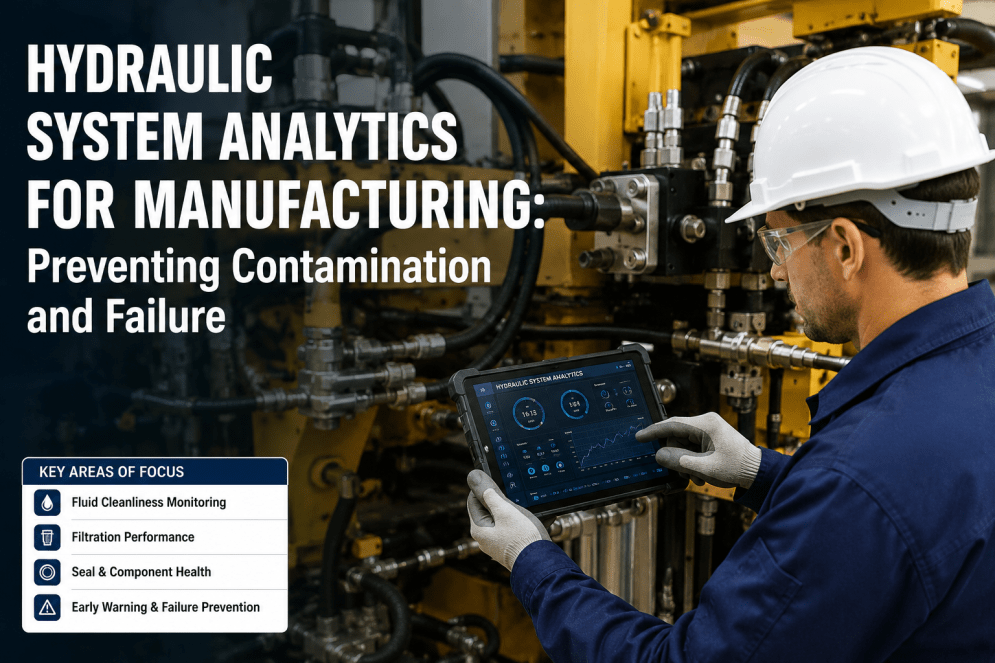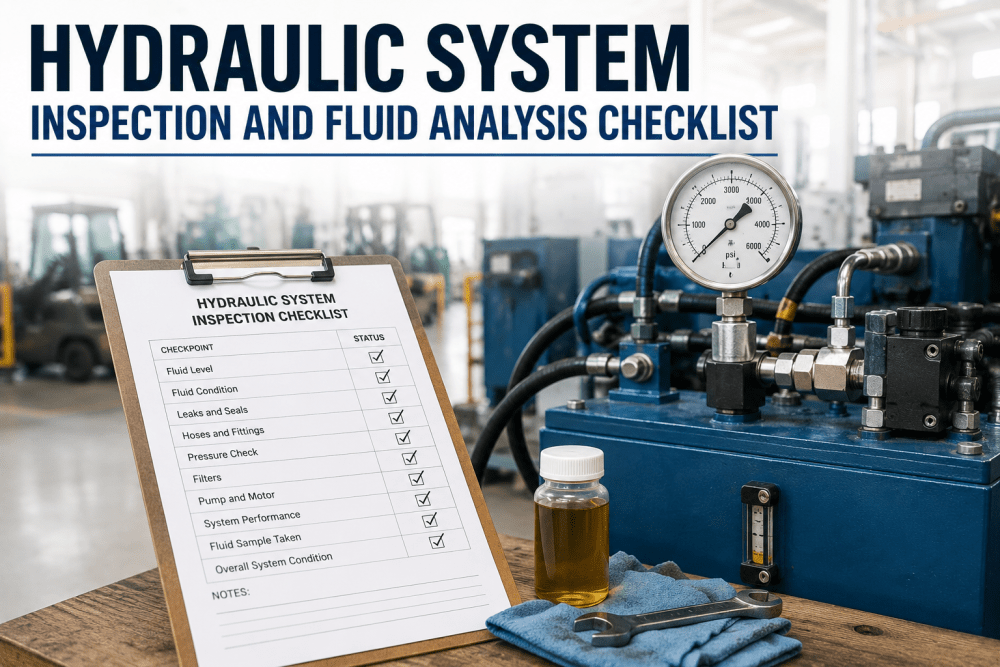
Hydraulic systems are the backbone of modern industrial operations—powering presses, injection molding machines, CNC equipment, material handling systems, and heavy-duty manufacturing lines across the U.S. Yet hydraulic failures account for up to 80% of hydraulic system problems, and the majority stem from contaminated or degraded fluid. A structured hydraulic system inspection and fluid analysis checklist is not optional in a reliability-focused plant—it is the foundation of every effective preventive maintenance program. This guide walks you through the complete inspection framework: from pre-inspection safety and reservoir checks to fluid sampling protocols, filter condition assessments, seal integrity, pressure testing, and post-inspection documentation. Facilities using iFactory AI's Preventive Maintenance Scheduling module run these checklists digitally, with timestamped sign-offs, auto-generated work orders and trend data that predicts failures before they happen.
Hydraulic System Inspection & Fluid Analysis Checklist
A complete, field-tested inspection checklist for U.S. manufacturing maintenance teams. Prevent failures, extend component life, and keep your hydraulic systems running reliably—shift after shift.
Why Hydraulic System Inspections Fail—and How a Checklist Fixes It
Most hydraulic failures are not sudden—they are gradual. Fluid contamination builds incrementally. Seals degrade over thermal cycles. Filters load up quietly until bypass occurs. The problem is that without a structured checklist, these early indicators get missed during routine walkarounds. Technicians check what they remember, not what matters. A standardized hydraulic inspection checklist enforces discipline: every critical control point gets checked, every measurement gets recorded, and out-of-tolerance conditions get flagged before they become unplanned downtime events. According to industry data, over 70% of hydraulic failures are contamination-related—and virtually all of them are preventable with a consistent inspection routine.
Section 1: Pre-Inspection Safety and System Preparation Checklist
Before any technician opens a hydraulic circuit, inspects a filter, or draws a fluid sample, the system must be correctly prepared and secured. Skipping pre-inspection safety steps is the leading cause of hydraulic injection injuries—one of the most severe occupational hazards in industrial maintenance. Every checklist run must begin here.
Section 2: Reservoir and Fluid Level Inspection Checklist
The hydraulic reservoir is the single most inspectable component in any hydraulic system. It stores, conditions, and circulates the working fluid—and it is the first place contamination, aeration, and fluid degradation become visible. Reservoir inspection should be performed at every PM interval, and fluid level checks should be part of every daily operator round.
Section 3: Hydraulic Fluid Analysis and Contamination Testing Checklist
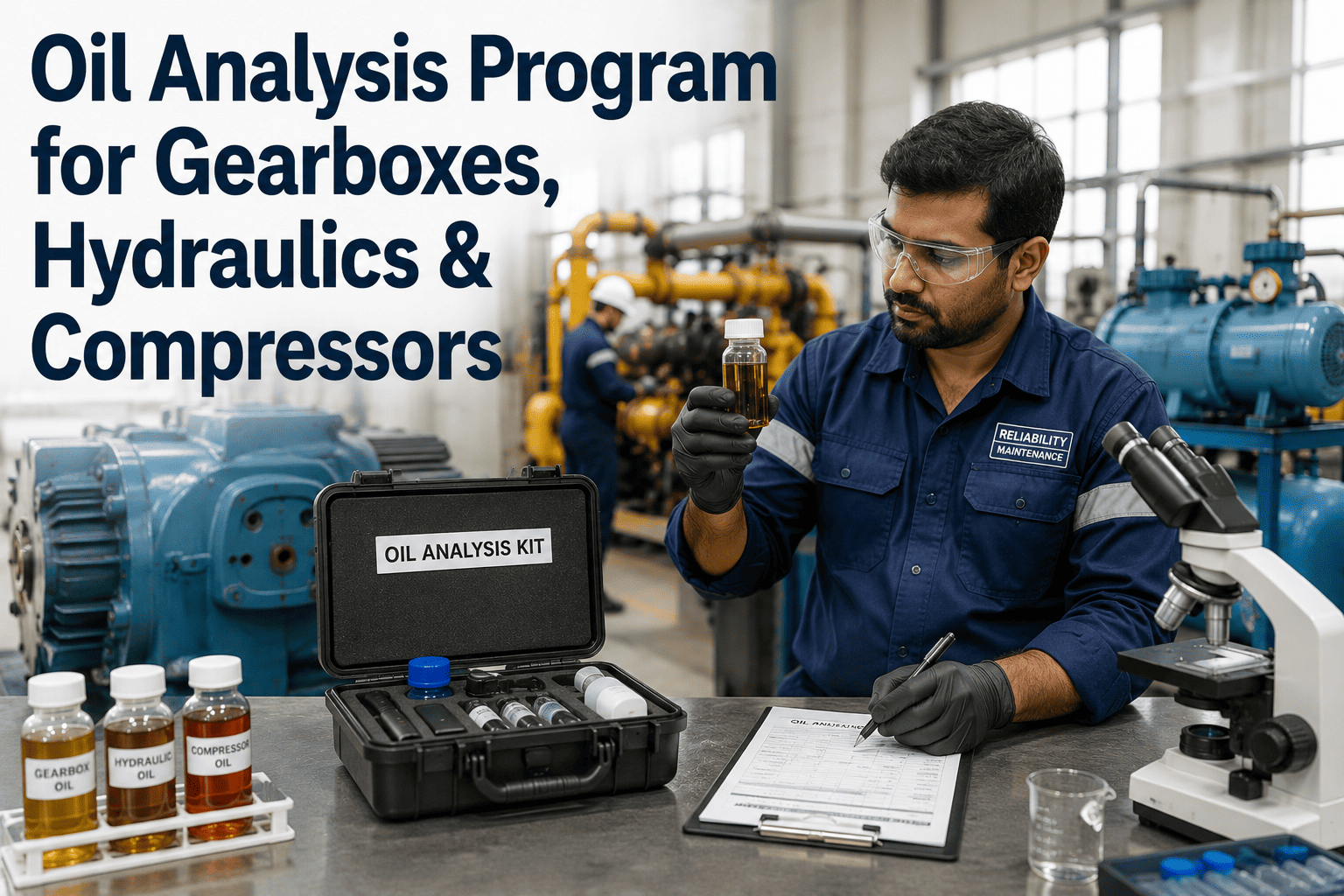
Fluid analysis is the closest thing hydraulic maintenance has to a blood test—it reveals what is happening inside the system without disassembly. A properly drawn and analyzed sample will identify particle contamination levels (ISO 4406 cleanliness), water ingress (Karl Fischer titration), oxidation and acid buildup (TAN testing), viscosity drift, and wear metal concentrations that indicate which components are degrading. The challenge is sampling discipline: a contaminated sample bottle, a wrong sampling point, or a sample drawn from a stagnant zone will invalidate the entire test.
| Test Parameter | Normal Range | Alert Level | Action Level |
|---|---|---|---|
| ISO 4406 Cleanliness | ≤ 20/18/15 | 21/19/16 | ≥ 22/20/17 |
| Water Content (ppm) | < 200 ppm | 200–500 ppm | > 500 ppm |
| Viscosity Deviation | ±5% of new-fluid | ±10% | > ±15% |
| TAN (mg KOH/g) | < 1.0 | 1.0–2.0 | > 2.0 |
| Iron (Fe) ppm | < 25 ppm | 25–50 ppm | > 50 ppm |
| Copper (Cu) ppm | < 15 ppm | 15–30 ppm | > 30 ppm |
Section 4: Filter, Seal, Hose, and Component Inspection Checklist
Filter inspection is the most time-critical maintenance task in any hydraulic system. A bypassing filter passes full contamination load to downstream components—pumps, valves, and actuators. Bypass can occur because the filter element is saturated, the bypass valve has stuck open, or the differential pressure indicator has been ignored. Seal and hose inspection is equally critical: external leaks are visible, but internal bypassing seals in cylinders and motors accelerate wear invisibly while degrading system efficiency.
Section 5: Pump, Valve, Actuator, and Pressure Testing Checklist
Hydraulic pump condition is the single largest determinant of system performance and fluid life. A worn pump creates excessive heat, increases particle generation, and drives up energy consumption. Valve inspection catches spool sticking, internal bypassing, and solenoid degradation. Pressure testing verifies the system is achieving and holding design operating pressures—and flags relief valve drift before it causes either component damage (set too high) or performance loss (set too low).
Section 6: Post-Inspection Documentation, Trending, and Corrective Action Checklist
Inspection data that never leaves the clipboard does not prevent failures. The post-inspection documentation phase is where inspection value is either captured or lost. Every finding must be recorded with enough detail to be actionable—component location, observation, measurement value, severity classification, and recommended next action. Trending that data over time is what transforms a reactive maintenance program into a predictive one: a series of individually acceptable iron readings that are incrementally rising tells a far more important story than any single reading in isolation.
How iFactory AI Digitalizes Hydraulic Preventive Maintenance
Running hydraulic inspection checklists on paper is the most common reason PM programs fail: data gets lost, trends never get built, corrective work orders never get created, and audit readiness requires days of manual compilation. iFactory AI's Preventive Maintenance Scheduling module transforms this entire workflow into a connected, digital process—from checklist execution to corrective action tracking to compliance reporting.
Digital Checklist Execution
Technicians complete hydraulic inspection checklists on mobile or tablet. Each checkpoint is timestamped, geo-tagged, and linked to the specific equipment asset. Photo attachments capture visual findings at the point of inspection.
Fluid Analysis Trending
Fluid lab results uploaded directly to the equipment record. Particle count, viscosity, TAN, and wear metal data are automatically charted against prior results. Alert and action thresholds trigger notifications before manual review.
Auto-Generated Work Orders
Findings classified at alert or action level automatically generate corrective work orders with the finding description, photos, and recommended action—eliminating the manual handoff that causes follow-through failures.
Audit-Ready Traceability
Every inspection record is immutable and retrievable in seconds. ISO, OSHA, and customer audit evidence—technician, timestamp, reading, corrective action, and close-out—is available on demand without manual report compilation.
PM Scheduling & Interval Optimization
Inspection intervals are scheduled and tracked automatically. As fluid analysis and component data accumulates, PM frequency can be optimized—extending intervals where conditions allow, tightening them where trends indicate risk.
Spare Parts Integration
Filter elements, seals, and sampling supplies linked directly to equipment records. When an inspection triggers a replacement, parts availability is checked in real time and a replenishment order is generated if stock is below reorder point.
Expert Review
"In twenty years of industrial maintenance, the most expensive hydraulic failures I've investigated were all predictable—and all missed because someone was running the checklist from memory instead of following a structured protocol. Fluid analysis is not optional. A $40 oil sample can tell you a piston pump is failing before the pump tells you itself, which is usually at the worst possible moment during a production run. The second failure mode I see constantly is bypass: a filter differential pressure indicator goes red, somebody notes it, and the work order never gets written. Digital checklist systems that auto-generate corrective work orders on triggered findings eliminate that entire failure chain. The technology is available. The only thing missing is the discipline to implement it."
Conclusion
A hydraulic system inspection and fluid analysis checklist is not paperwork—it is the most cost-effective failure prevention tool available for any fluid power system. The checks in this guide cover every failure mode that causes unplanned downtime: contamination, seal degradation, filter bypass, pump wear, valve drift, and aeration. What separates plants that hold to 30–50% fluid life extensions and minimal hydraulic downtime from those that constantly fight reactive repairs is not better components—it is consistent, disciplined inspection execution backed by digital record-keeping and trend analysis. iFactory AI's Preventive Maintenance Scheduling module gives your maintenance team the platform to run these checklists with the rigor they require: mobile execution, timestamped findings, auto-generated corrective work orders, and fluid analysis trending that turns each inspection into a data point in a reliability story. The goal is never to be surprised by a hydraulic failure. With the right checklist and the right digital tools, you won't be.
How often should hydraulic fluid analysis be performed?
What does milky or cloudy hydraulic fluid indicate?
What is the correct ISO 4406 cleanliness target for my hydraulic system?
How do I know if my hydraulic pump is worn and needs replacement?
Can iFactory AI's preventive maintenance module manage hydraulic inspection checklists and fluid analysis records together?
Ready to Digitalize Your Hydraulic Preventive Maintenance Program?
iFactory AI brings digital checklists, fluid analysis trending, auto-generated work orders, and audit-ready traceability into one platform—built for U.S. manufacturers serious about hydraulic reliability and uptime.