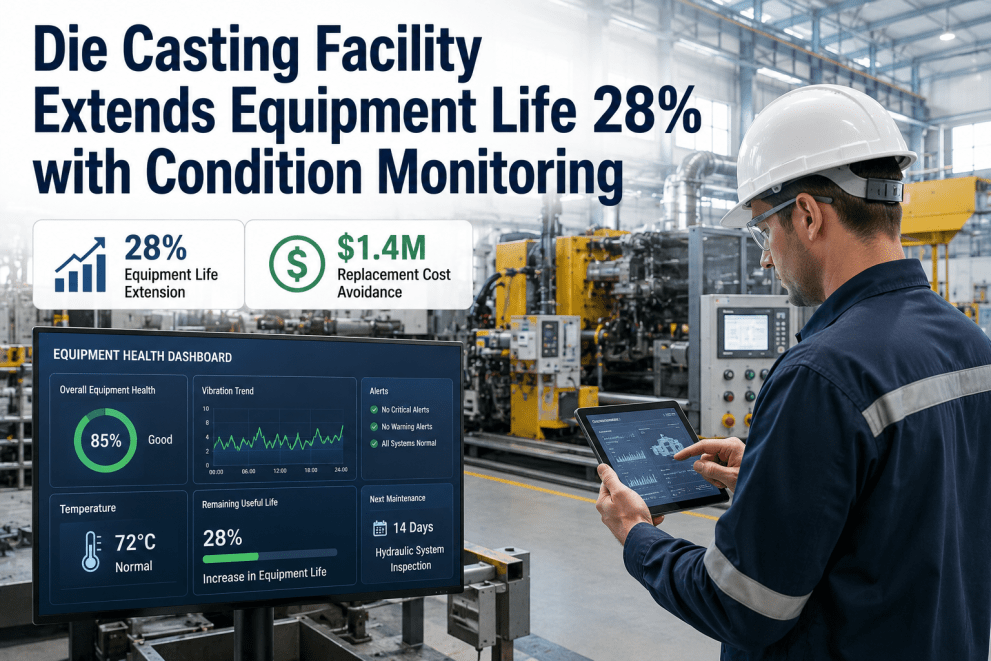
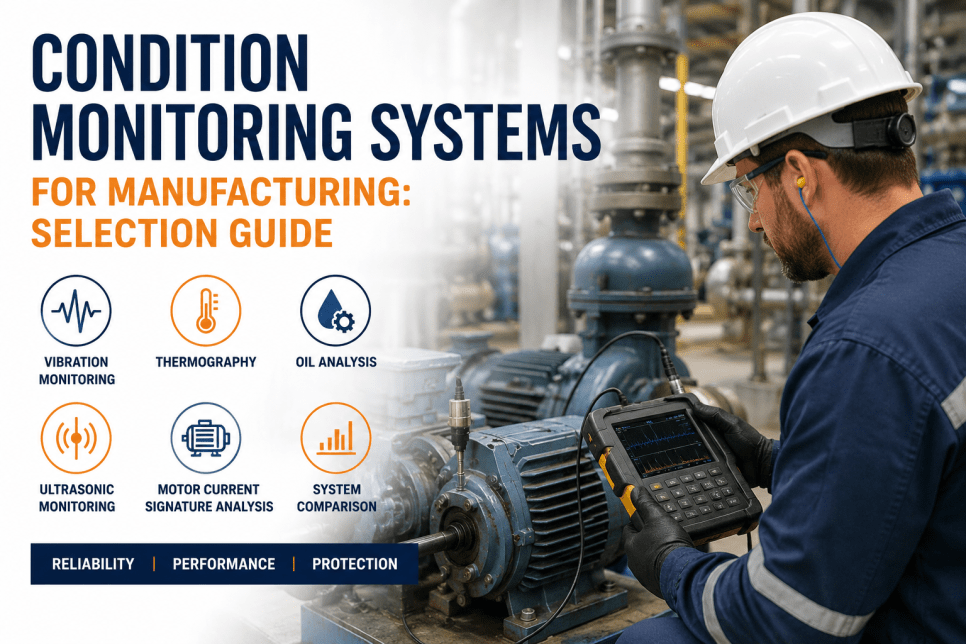
Most digital transformation budgets get approved after a plant proves the concept on something small first, and that first project is usually the one that decides whether a bigger investment ever gets funded. Trying to launch a full MES rollout as the opening move is how transformation programs die in committee before they start. A digital checklist, an automated shift report, or a starter condition monitoring deployment can go live in weeks, produce a measurable result inside a single reporting period, and build the internal credibility a larger platform needs later. See which starter project fits your plant at iFactory support.
Digital Transformation ROI · Fast-Start Projects
You Don't Need a Two-Year Roadmap to Prove Digital Transformation Works. You Need Thirty Days.
Digital checklists, automated shift reporting, and condition monitoring starter deployments deliver a measurable result inside a single month, giving plant leadership a real data point instead of a slide deck before committing to a larger platform.
Four Starter Projects
Digital Wins That Fit Inside a Single Month
Each of these projects uses infrastructure most plants already have, requires minimal integration work, and produces a result that is easy to explain to leadership in one sentence.
01
Digital Safety & Compliance Checklists
Replace paper rounds with a digital checklist that timestamps completion and flags missed items automatically, giving a compliance record within the first week of use.
02
Automated Shift Handover Reports
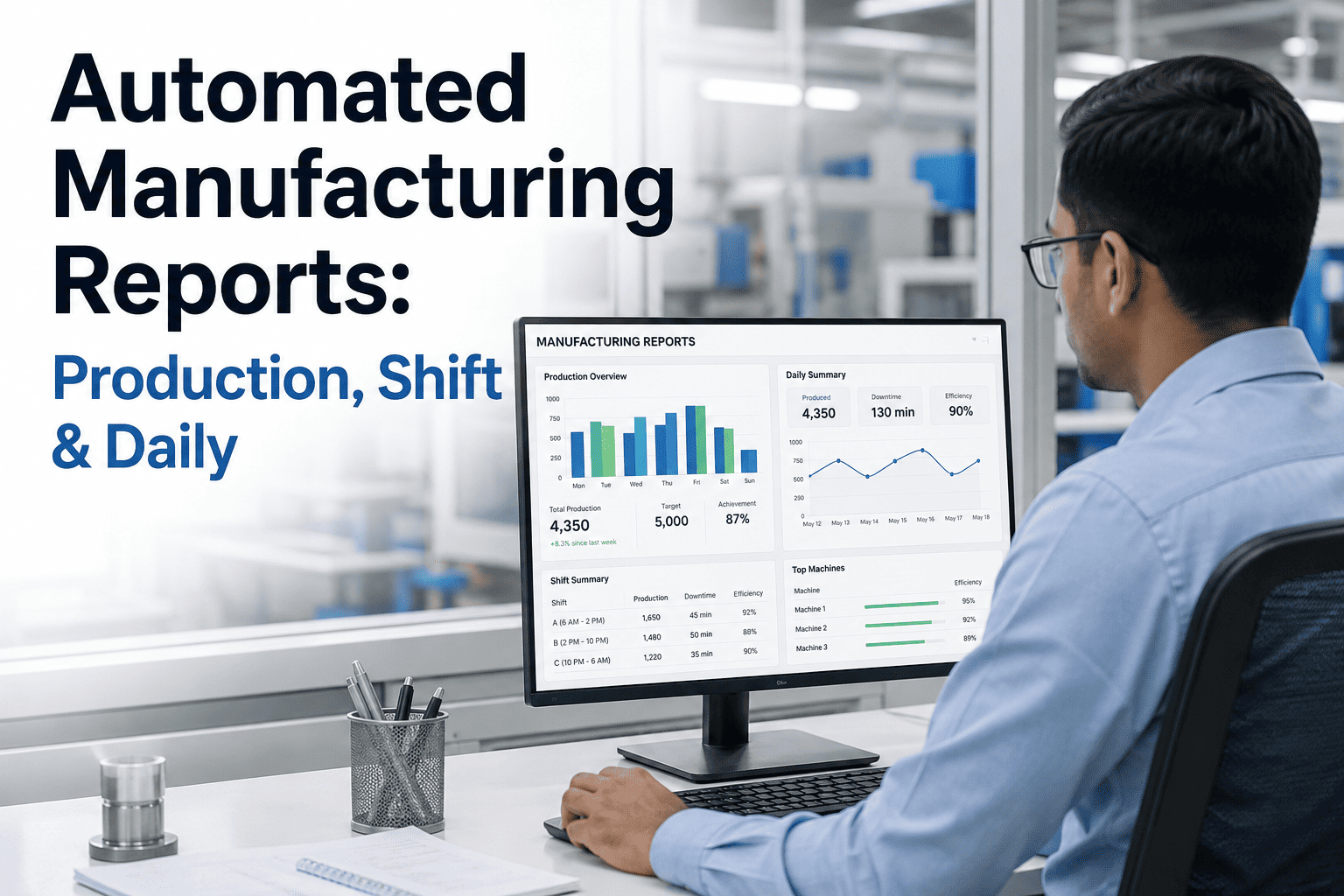
Pull production, downtime, and quality data into a single automated report generated at shift change, cutting the manual compilation time that supervisors lose every day.
03
Condition Monitoring Starter Deployment
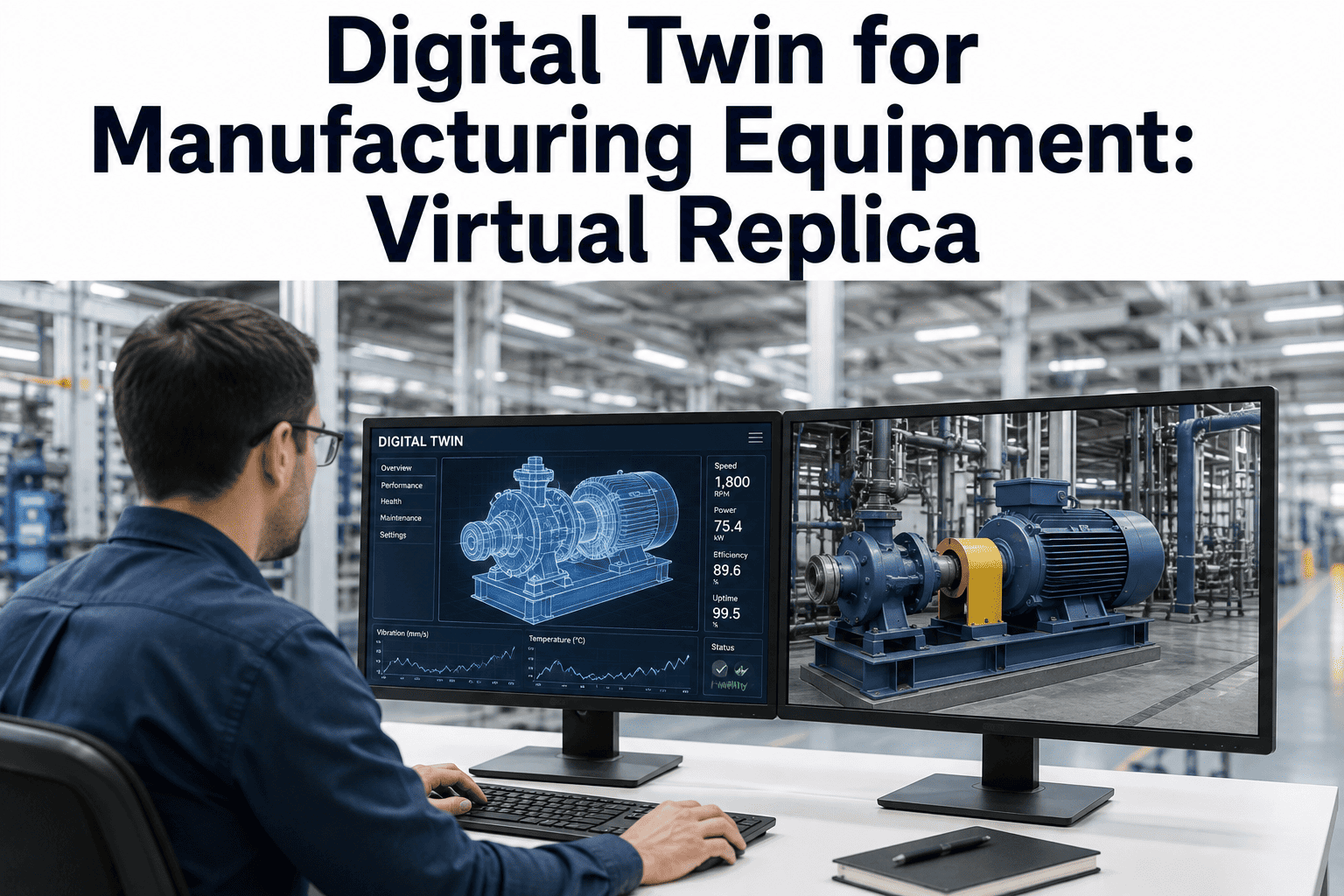
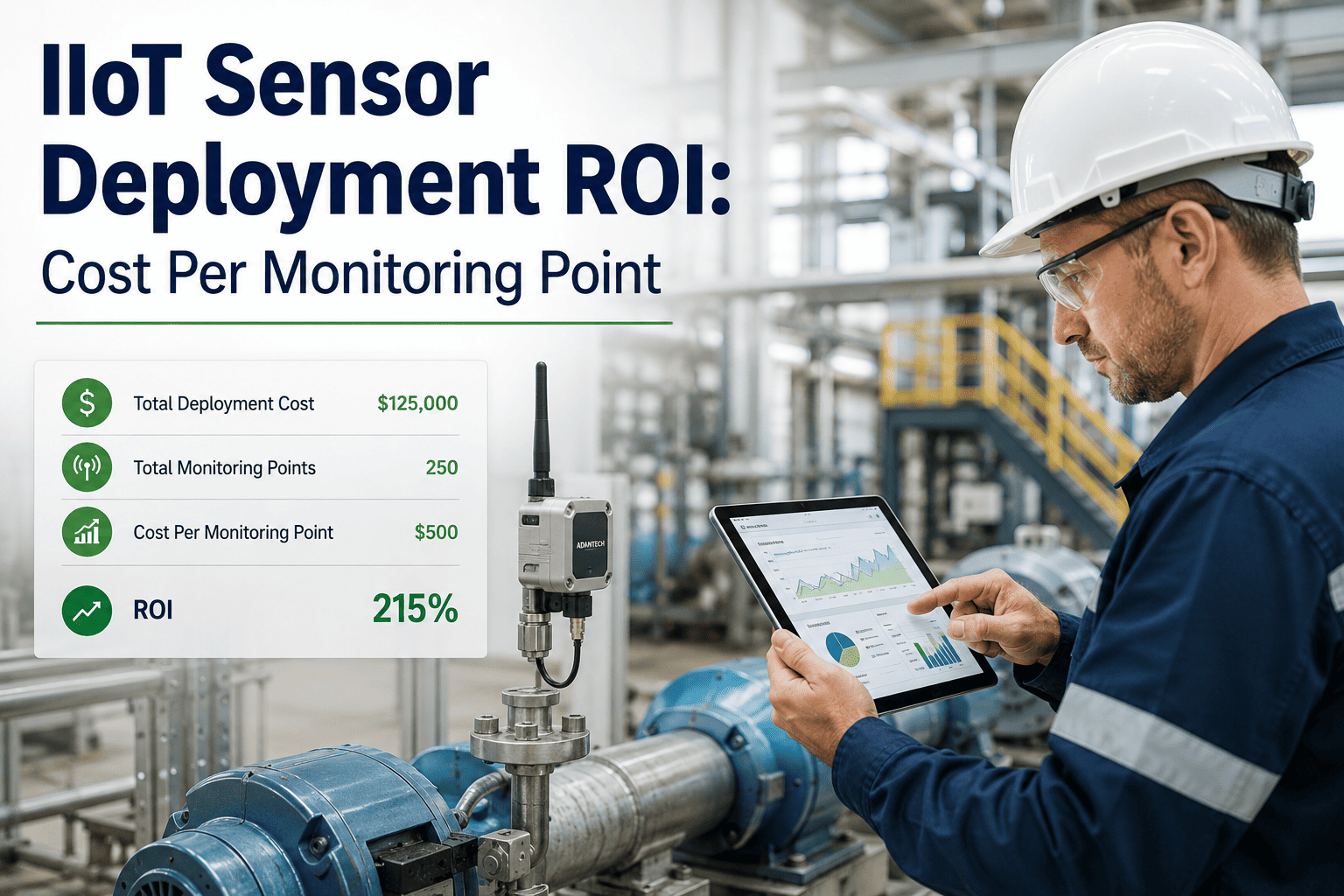
Instrument a small group of critical assets with vibration and temperature monitoring against a plant-specific baseline, producing the first predictive alert within two to three weeks.
04
Real-Time OEE Dashboard on One Line
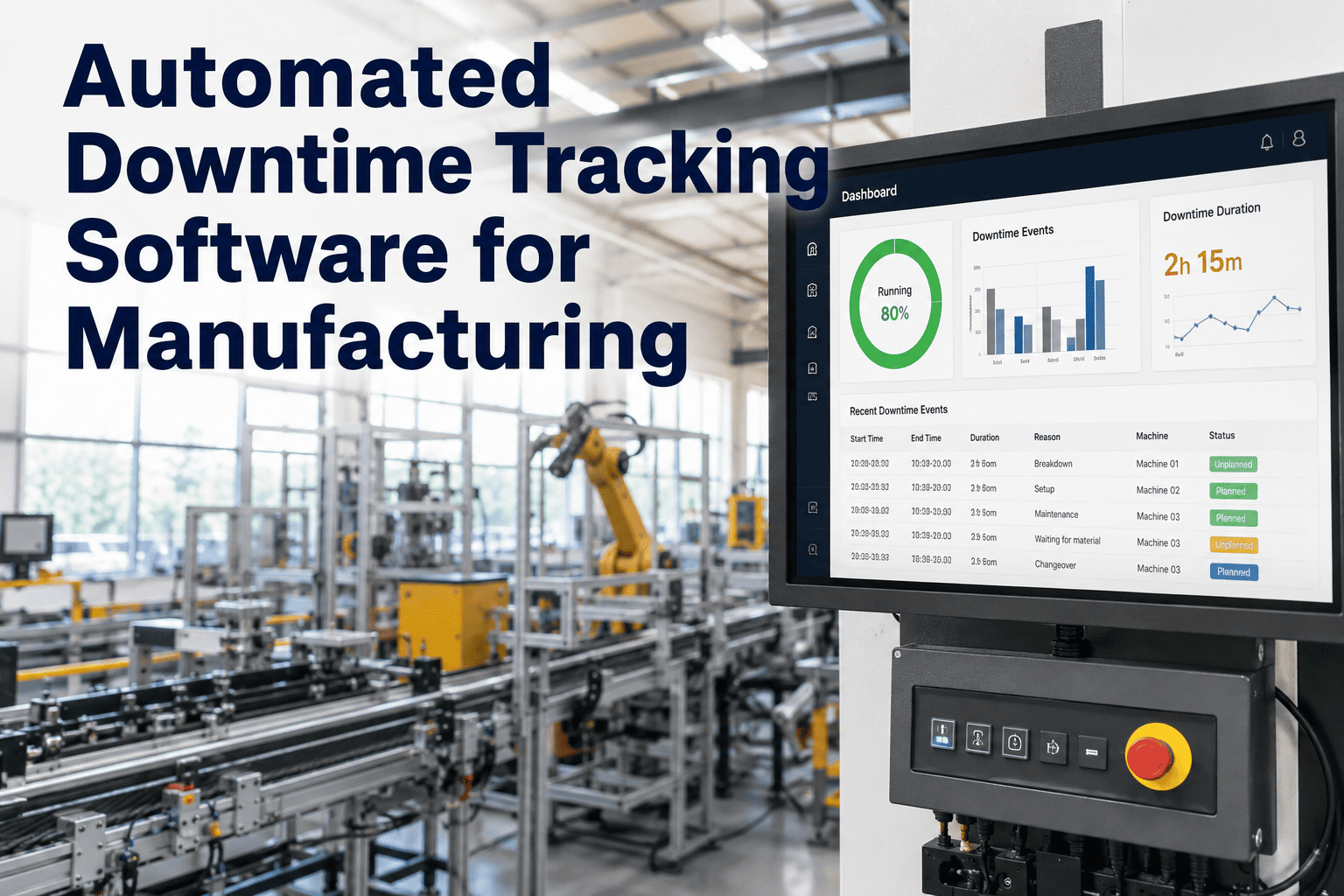
Deploy a live availability, performance, and quality dashboard on a single production line, giving operators visibility they can act on the same shift.
The 30-Day Path
What a Quick-Win Deployment Actually Looks Like Week by Week
Wk 1
Scope & Connect
Select one line or one asset group, confirm existing data sources, and configure the starter deployment without waiting for a broader integration plan.
Wk 2
Baseline & Train
Establish the operating baseline for the selected asset or process and give the involved team a short, focused training session on the new tool.
Wk 3
Live & Monitor
The project goes live in production use, generating real checklist completions, reports, alerts, or dashboard views the team interacts with daily.
Wk 4
Measure & Present
Compile the measured result — hours saved, an early alert caught, a compliance gap closed — into a short internal presentation for the next budget conversation.
Your Next Budget Conversation Goes Easier With a Number Attached to It.
iFactory's starter deployments are scoped to go live inside a single month, using data sources your plant already has in place.
Before vs. After
Manual Process vs. Quick-Win Digital Deployment
Task
Manual Process
Quick-Win Deployment
Safety Rounds
Paper checklist, filed manually, missed items discovered days later
Digital checklist with automatic flags for missed or overdue items
Shift Handover
Supervisor manually compiles production and downtime data each shift
Report generated automatically at shift change from existing data
Equipment Condition
Route-based inspection on a fixed monthly schedule
Continuous monitoring against baseline with early deviation alerts
Line Performance Visibility
OEE calculated at end of shift from handwritten logs
Live dashboard operators can act on during the shift itself
Measured Outcomes
What Plants Report After Their First 30-Day Project
4–6 hrs
Supervisor Hours Saved Per Week
Time recovered from automated shift reporting compared to manual compilation across a typical production line.
2–3 wks
Time to First Predictive Alert
How quickly a starter condition monitoring deployment typically surfaces its first genuine early-warning signal.
80%
Of Quick-Win Projects Lead to Expansion
Share of starter deployments that result in budget approval for a broader platform rollout within the following year.
Field Case
A Two-Week Deployment That Unlocked a Full Platform Budget
A plant reliability manager wanted to pursue a full predictive maintenance platform but faced a leadership team that had been burned by a stalled digital project two years earlier. Instead of requesting the full budget upfront, the team deployed a condition monitoring starter on five critical pumps using existing vibration sensors already wired into the plant historian. Within seventeen days, the system flagged an early bearing deviation on one pump that would have gone unnoticed until the next scheduled inspection. That single caught event, paired with the low cost of the starter deployment, became the centerpiece of the budget request for plant-wide monitoring, which was approved within one quarter instead of facing the multi-quarter review the original full-platform proposal had stalled in.
17 daysTo first predictive alert
5Pumps in starter deployment
1 quarterTo full platform budget approval
Common Mistakes
Five Ways a Quick-Win Project Turns Into a Six-Month Slog
The projects on this page are only quick wins if they stay scoped tightly. These are the most common ways a thirty-day plan quietly becomes a much longer one.
Picking a Project Because It's Important, Not Because It's Fast
Choosing the highest-stakes problem first, rather than the most deployable one, is the single most common reason a starter project stalls past its window.
Waiting on New Hardware
Adding sensor procurement or camera installation to the scope introduces lead times that make a thirty-day timeline unrealistic from the start.
Trying to Cover Every Line at Once
Deploying to the whole plant simultaneously multiplies configuration and training work instead of proving the concept on one line first.
Skipping the Baseline Step
Going live without establishing a normal operating baseline first makes it difficult to prove the result actually changed anything measurable.
No One Owns Presenting the Result
A successful thirty-day project that nobody formally presents to leadership rarely leads to the next budget conversation on its own.
Frequently Asked Questions
Quick-Win Digital Projects — What Plant Leaders Ask First
What makes a good first digital project versus a bad one?
A good starter project uses data sources the plant already has, requires minimal new instrumentation, and produces a result that is simple to explain in one sentence to someone outside the project team. Projects that require significant new sensor installation, deep integration with production control systems, or a change to core operator workflow tend to take longer than a month and carry more risk of stalling. The best first choice is usually the smallest project that still produces a genuinely measurable, credible result rather than the most ambitious one the team can imagine.
How do we measure ROI on a project that only runs for 30 days?
Thirty-day ROI is measured through a specific, narrow metric rather than a broad transformation claim: hours of supervisor time saved per week, one early alert caught before failure, or a measurable reduction in missed compliance checklist items. These are annualized for the budget conversation, so four to six hours saved weekly on shift reporting becomes a credible yearly labor figure, and a single caught failure is compared against the typical cost of an unplanned outage for that asset class. The goal is a defensible number, not a comprehensive transformation case.
Does a quick-win project require new sensors or infrastructure?
Most quick-win projects are deliberately scoped to use instrumentation and data sources the plant already has in place, such as existing vibration probes, SCADA tags, or manual log data, rather than requiring new hardware. This is part of what makes a thirty-day timeline realistic. For a condition monitoring starter specifically, a small group of assets with existing sensors already feeding a historian is the ideal starting point, since it avoids the sensor procurement and installation lead time that would otherwise extend the project well past a month.
Contact support to review what your plant already has available.
How does a quick-win project connect to a larger digital transformation plan?
A well-chosen quick-win project should be selected with the larger platform already in mind, so the starter deployment becomes a working piece of the eventual full rollout rather than a disposable proof of concept. A condition monitoring starter on five pumps, for example, uses the same baseline logic and alert structure that a plant-wide predictive maintenance platform would use later, meaning the starter project's configuration carries forward instead of being thrown away.
Book a Demo to scope a starter project that scales into your longer-term roadmap.
What is the biggest risk of skipping a quick-win project and going straight to a full platform?
Full-platform proposals without a proven starting point tend to face longer approval cycles, since leadership is being asked to commit significant budget based on projected rather than demonstrated results. A quick-win project reduces that risk by producing an actual internal reference point — a real number, from your own plant, on your own equipment — before the larger request is made. Plants that skip this step often see stronger internal pushback and longer review timelines, even when the underlying technology case is sound.
Prove It in Thirty Days. Scale It After.
iFactory's starter deployments are scoped to go live fast, using your existing data sources, and are designed to carry forward into a full platform rollout when the results justify it.