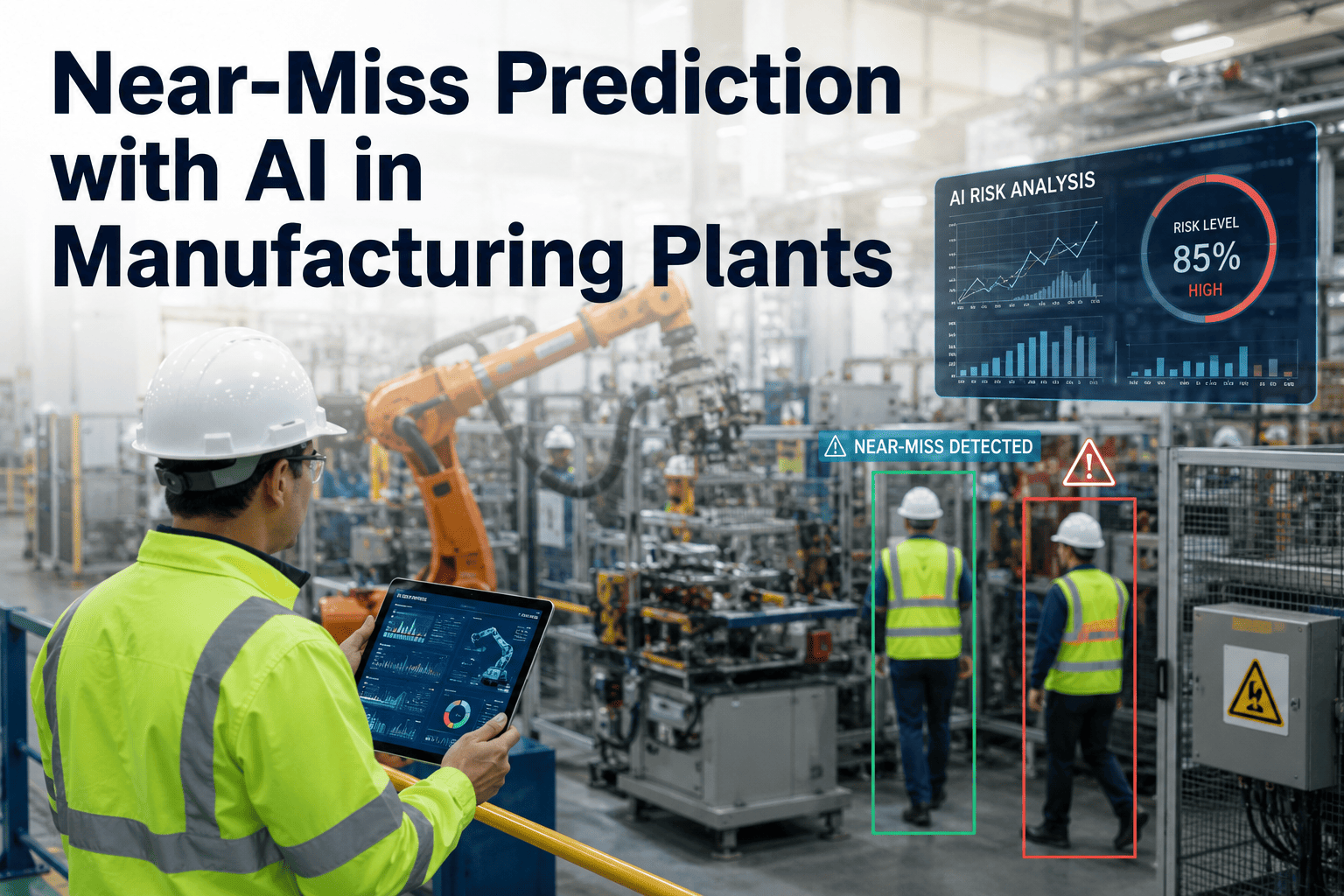
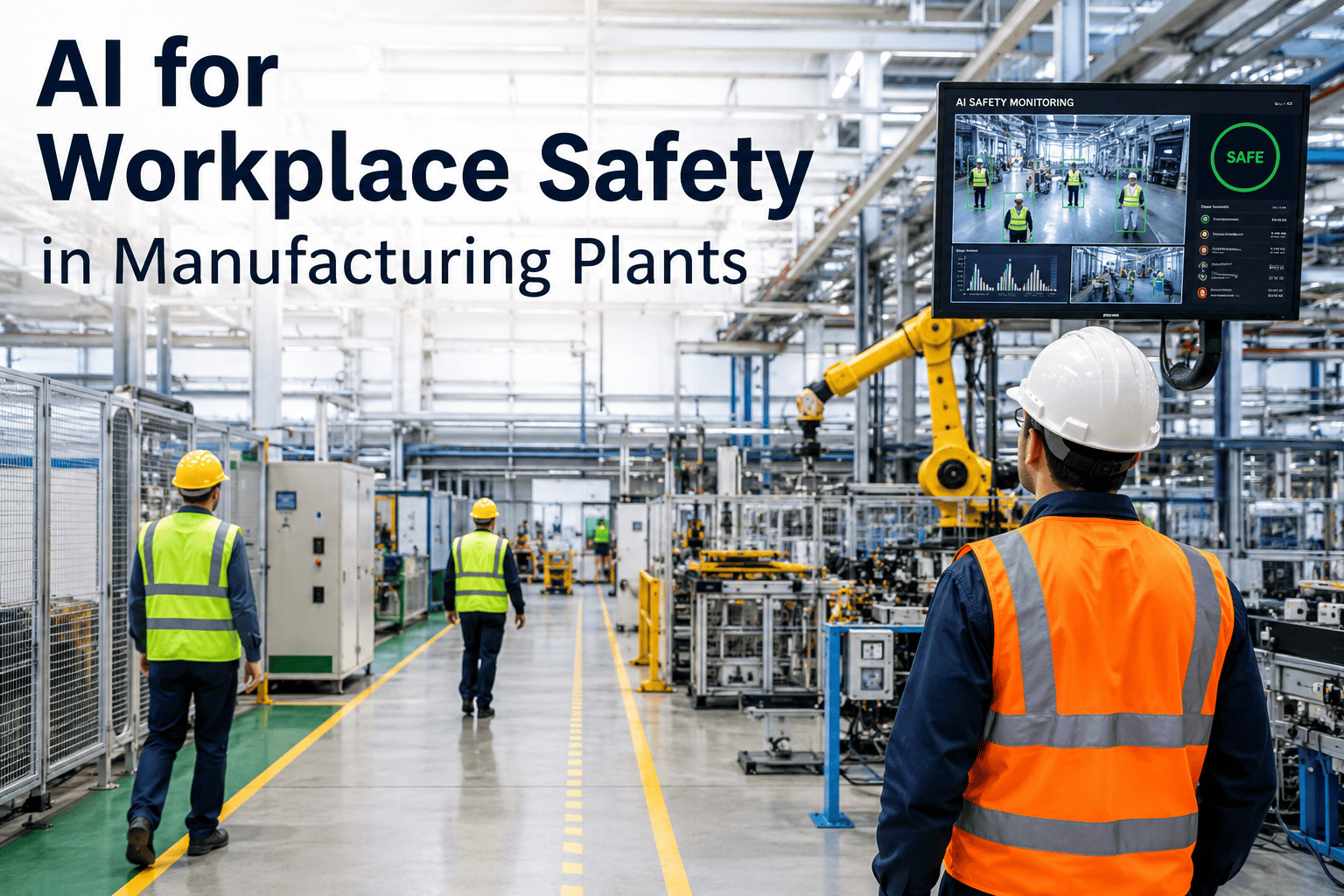
Manufacturing plants with weak safety cultures experience 3-5x higher incident rates, spend 8-12% of operating costs on injury management and workers compensation, and suffer production disruptions costing $50K-$500K per incident. Traditional safety programs rely on posters, annual training, and reactive incident investigation approaches that create compliance checklists without changing worker behavior. Most facilities report 10-50 near-miss incidents monthly but fail to investigate root causes or share learnings across shifts and departments. When safety incidents occur, plants discover that 60-80% were preventable through proactive culture development and near-miss reporting systems. iFactory's AI-powered safety platform transforms safety culture by automating near-miss capture through digital shift logbooks, enabling shift-to-shift knowledge transfer, identifying behavior patterns that precede incidents, and creating accountability systems that engage leadership in safety metrics. Predict Failures Before They Stop Production. Real-Time Visibility Into Every Production Line. Book a Demo to see how iFactory builds safety culture while improving OEE and reducing incidents.
Safety Culture Impact on Manufacturing Operations
3-5x
Higher incident rates at plants with weak safety cultures vs industry leaders — causing worker injuries and production losses
8-12%
Of operating costs spent on injury management, workers comp, and incident investigation at facilities with poor safety performance
60-80%
Of manufacturing incidents are preventable through proactive safety culture and near-miss reporting systems
10-50
Near-miss incidents reported monthly at typical facilities, with less than 20% formally investigated or documented
Quick Answer
Safety culture represents shared beliefs, values, and behaviors that prioritize worker protection and prevent incidents. Strong cultures engage all levels of organization in proactive safety, enable near-miss reporting without fear, celebrate safety achievements, and continuously improve practices. Eliminate Manual Logs with AI Digital Shift Logbooks. Built for Manufacturing Plants, Not Generic CMMS. AI-powered platforms automate near-miss capture, enable shift-to-shift knowledge transfer, and create transparency that drives culture change. One Platform for Smart Manufacturing with AI-Powered Maintenance, OEE, and Operations.
Five Elements of Strong Manufacturing Safety Culture
Manufacturing plants with industry-leading safety performance share common cultural elements that systematically prevent incidents while maintaining production efficiency. These elements require leadership commitment, worker engagement, and systems that support continuous improvement.
01
Leadership Engagement & Visible Safety Commitment
Plant leadership walks the floor daily, asks safety questions, and visibly supports safety initiatives. Managers review near-miss reports, identify trends, and allocate resources to prevention. Safety performance is part of manager performance reviews. Workers see leadership prioritizing safety over production speed.
02
Near-Miss Reporting Without Fear or Blame
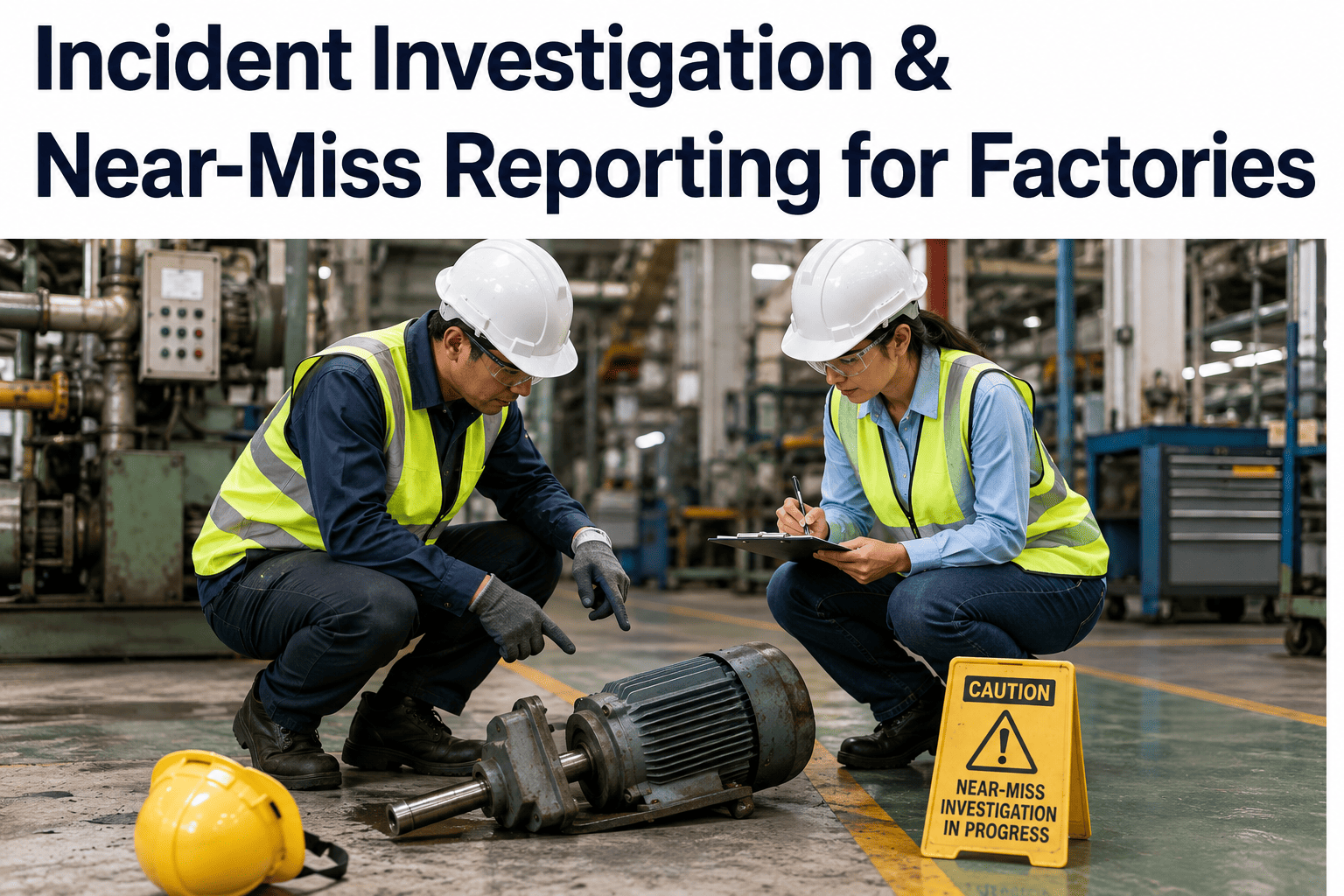
Workers report near-misses (incidents that could have caused injury but didn't) without fear of punishment. Near-miss reports are investigated for root causes, not to blame individuals. Reporting rates above 10 per worker per month indicate healthy culture. 60-80% of incidents are prevented by addressing near-miss root causes.
03
Behavior-Based Safety & Peer Accountability
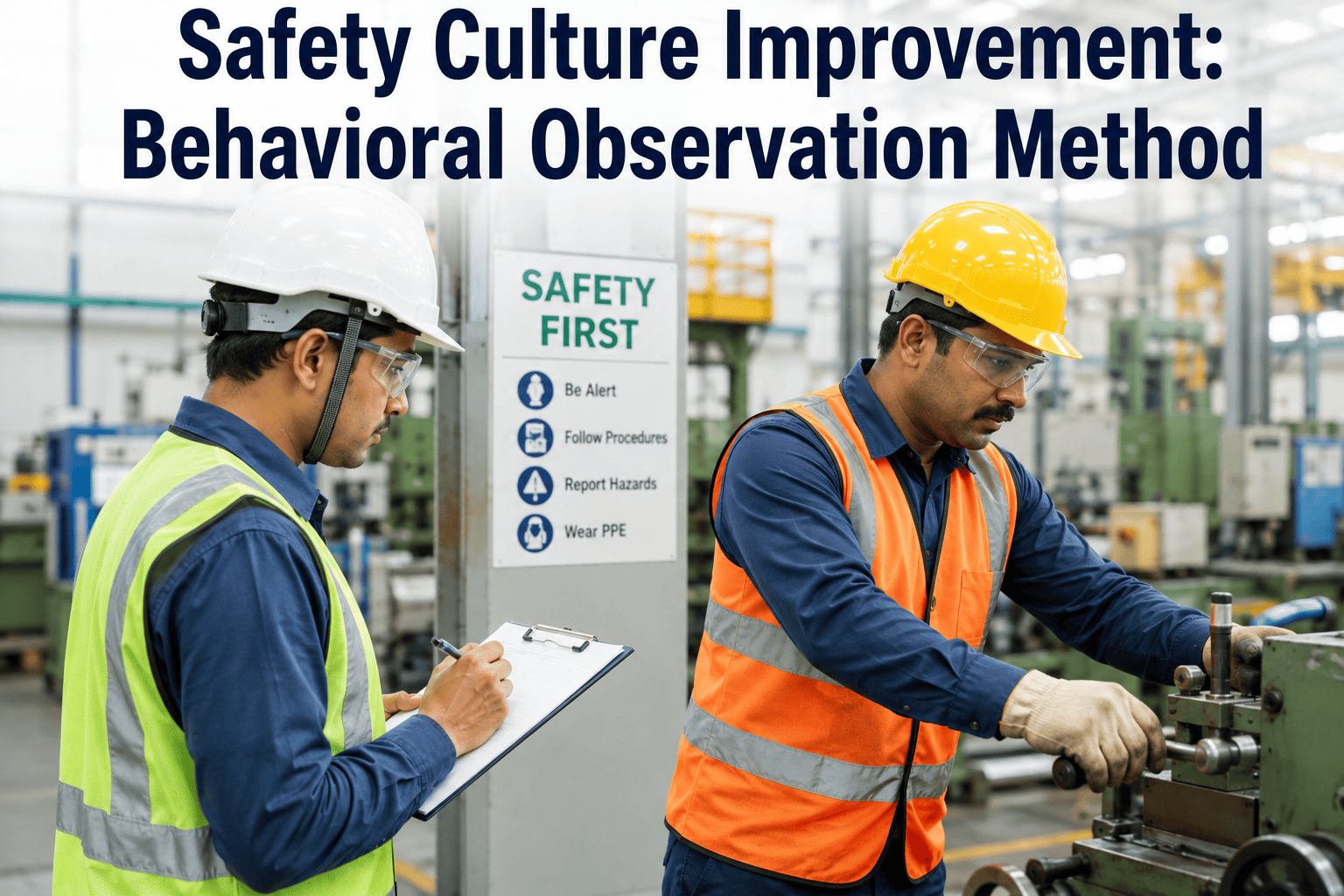
Workers observe and correct unsafe behaviors in peers without management intervention. Safety committees review incident patterns and develop targeted training. Equipment inspections and JSA (job safety analysis) updates are conducted regularly. Safety is everyone's job, not just management responsibility.
04
Knowledge Sharing & Continuous Improvement
Safety learnings from incidents, near-misses, and industry best practices are documented and shared across shifts and departments. Root cause investigations identify systemic issues, not just individual failures. Process improvements from safety reviews prevent recurrence. Shift handover includes safety discussions.
05
Transparent Metrics & Accountability Systems
Safety metrics are visible to all workers, posted on production floor, and updated daily. Workers know who is accountable for addressing near-miss root causes. Safety performance is celebrated (milestones like 365 days without lost-time incidents). Consequences exist for safety violations, applied consistently.
How AI Builds Safety Culture Through Data & Transparency
AI platforms automate near-miss capture, enable knowledge transfer across shifts, identify behavior patterns that precede incidents, and create transparency systems that drive accountability. Digital shift logbooks replace manual forms, ensuring 100% capture of safety events. AI That Turns Downtime Into Planned Maintenance. Connects to Your Existing SCADA/PLC Systems.
01
Digital Near-Miss Capture & Documentation
Mobile shift logbooks enable workers to report near-misses in real time with photos and descriptions. 100% of events documented, ensuring consistent root cause investigation and prevention.
02
Shift-to-Shift Knowledge Transfer
Incoming shifts review near-miss events from previous shifts, learn root causes, and understand prevention measures. Eliminates knowledge loss at shift changes and prevents repeated incidents.
03
Behavior Pattern Identification
AI identifies patterns in near-miss timing, location, equipment, and personnel. Reveals that certain times of shift, departments, or equipment have higher incident rates. Enables targeted intervention.
04
Real-Time Safety Dashboards & Visibility
Plant floor safety metrics visible in real time. Near-miss trends, incident root causes, and corrective action status transparent to all workers. Creates accountability and engagement.
05
Automated Root Cause Analysis & Trending
AI identifies root cause patterns across multiple near-miss events. Recommends systemic improvements rather than individual corrections. Prevents repeat incidents through data-driven decision making.
06
Corrective Action Tracking & Closure
Every near-miss gets assigned corrective actions with owners and due dates. System tracks completion and verifies effectiveness through follow-up near-miss metrics. The Complete AI Platform for Manufacturing Operations.
Safety Culture Implementation Roadmap
Building safety culture is a 12-16 week transformation journey from awareness through sustained high-performance. Success requires leadership commitment, worker engagement, and systems that enable the five cultural elements.
01
Safety Culture Assessment & Baseline
Evaluate current culture through worker surveys, incident analysis, and safety maturity assessment. Identify gaps in leadership engagement, near-miss reporting, and knowledge sharing.
02
Leadership Alignment & Commitment
Plant leadership defines safety vision, allocates resources, and visibly commits to culture transformation. Safety becomes performance metric for all managers. Monthly safety stand-downs begin.
03
Digital Platform Deployment & Training
Deploy near-miss reporting system and digital shift logbooks. Train all workers to report near-misses. Establish accountability for root cause investigation and corrective actions.
04
Near-Miss Capture & Analysis
Build database of near-miss reports and investigate root causes systematically. Share learnings with all shifts. Identify patterns and implement preventive measures.
05
Continuous Improvement & Culture Sustainability
Measure safety culture through incident rates, near-miss reporting rates, and worker engagement. Celebrate safety milestones. Establish peer-led safety committees. Sustain momentum long-term.
Use Cases: Safety Culture Transformation Results
Real results from manufacturing facilities implementing safety culture transformation programs with AI-powered near-miss capture and knowledge sharing systems.
Case 01
Assembly Plant: Near-Miss Reporting & Prevention
Assembly plant reporting 8 near-misses per month increased to 42 per month after implementing digital shift logbooks and near-miss culture. Root cause analysis prevented 28 potential incidents annually. Lost-time incidents reduced from 6 per year to 1 per year. OEE improved 4% from reduced interruptions. Culture shift from reactive to proactive demonstrated in 16 weeks.
Case 02
Heavy Manufacturing: Shift Knowledge Transfer & Behavior Change
Heavy equipment manufacturer with 3-shift operation struggled with night-shift incident rates 2.5x higher than day shift. Implemented near-miss documentation and shift-to-shift handover process. Night shift learned from day shift near-misses and prevented recurring incidents. Safety metrics converged across all shifts within 20 weeks. Workers reported feeling valued and engaged in safety process.
Case 03
Automotive Supplier: Data-Driven Culture Transformation
Tier-1 automotive supplier with OSHA recordables averaging 12 per year implemented comprehensive safety culture program. First year near-miss reports increased 280% (from 15 to 42 monthly) indicating healthy reporting culture. Analysis of near-miss trends revealed equipment-design and training gaps. Corrective actions prevented 35 potential lost-time incidents. OSHA recordables dropped to 2 per year within 18 months. Workers compensation costs reduced 68%.
Frequently Asked Questions
QHow long does safety culture transformation typically take?
12-16 weeks to establish foundations and see measurable improvements. Full culture change sustains over 12-24 months with consistent leadership engagement and reinforcement.
Book Demo to discuss your timeline.
QWhat's the right near-miss reporting rate for a healthy safety culture?
Industry leaders achieve 10-50 near-miss reports per 100 workers per month. Rates below 5 per worker monthly indicate workers are not comfortable reporting. Higher rates = healthier culture and more opportunities to prevent incidents.
QHow does near-miss reporting prevent actual incidents?
Near-misses are identical to incidents except no injury occurred. Investigating root causes addresses the hazard before someone gets hurt. Industry data shows 60-80% of incidents are preventable through near-miss analysis.
QWhat's the business case for investing in safety culture?
Plants with strong cultures reduce costs 8-12% of operating expenses through fewer incidents, lower comp insurance, reduced absenteeism, and improved productivity. Safety = business performance.
Talk to Support for ROI discussion.
Transform Safety Culture in 12 Weeks. Prevent 60-80% of Incidents.
Digital near-miss capture, shift-to-shift knowledge transfer, behavior pattern identification, and transparency systems that drive accountability. Build culture where workers feel safe reporting, management responds to trends, and incidents decline. Reduce lost-time incidents, improve OEE, and protect your most valuable asset: your people.
60-80% incident prevention
3-5x higher incident rates prevented
8-12% cost reduction