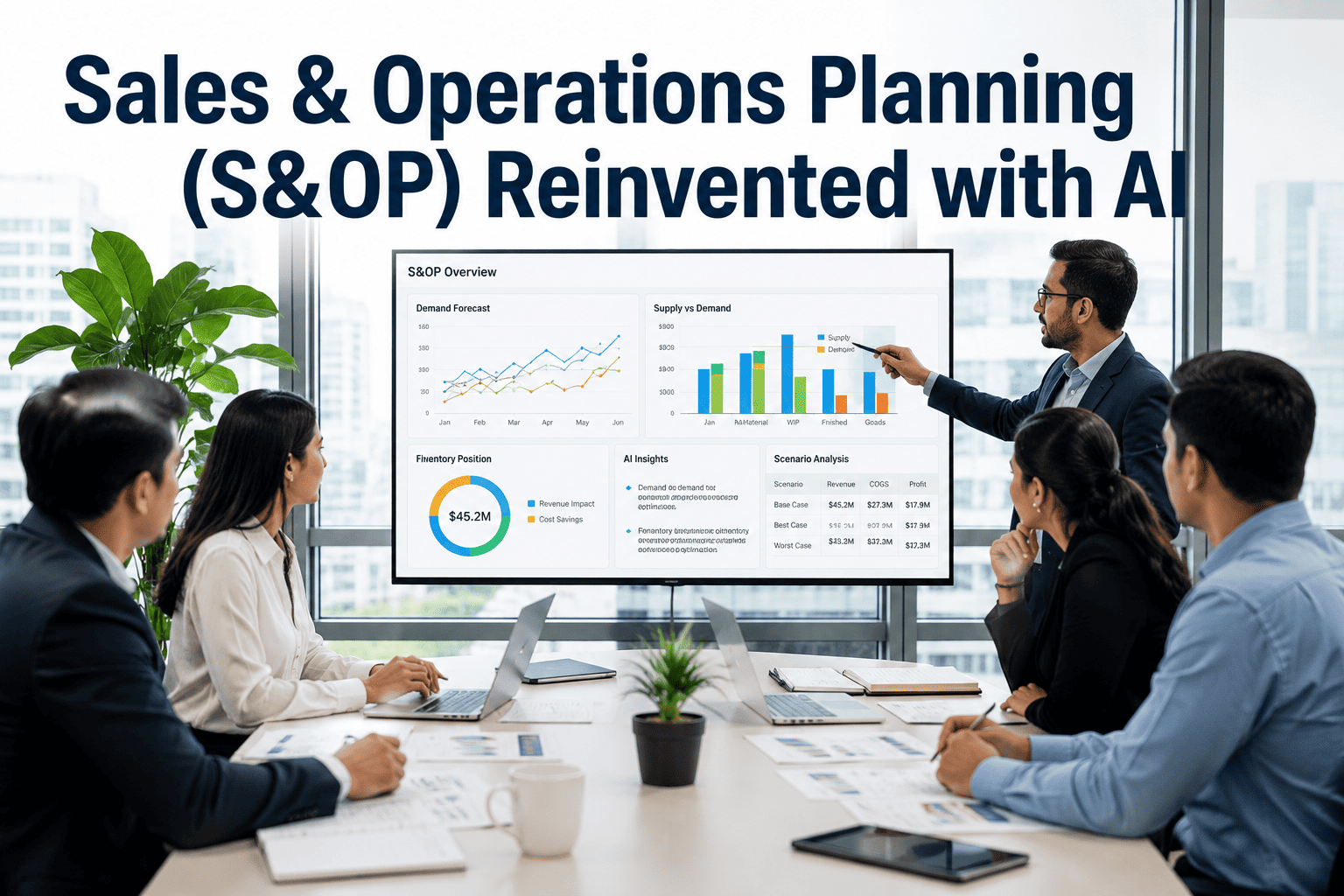
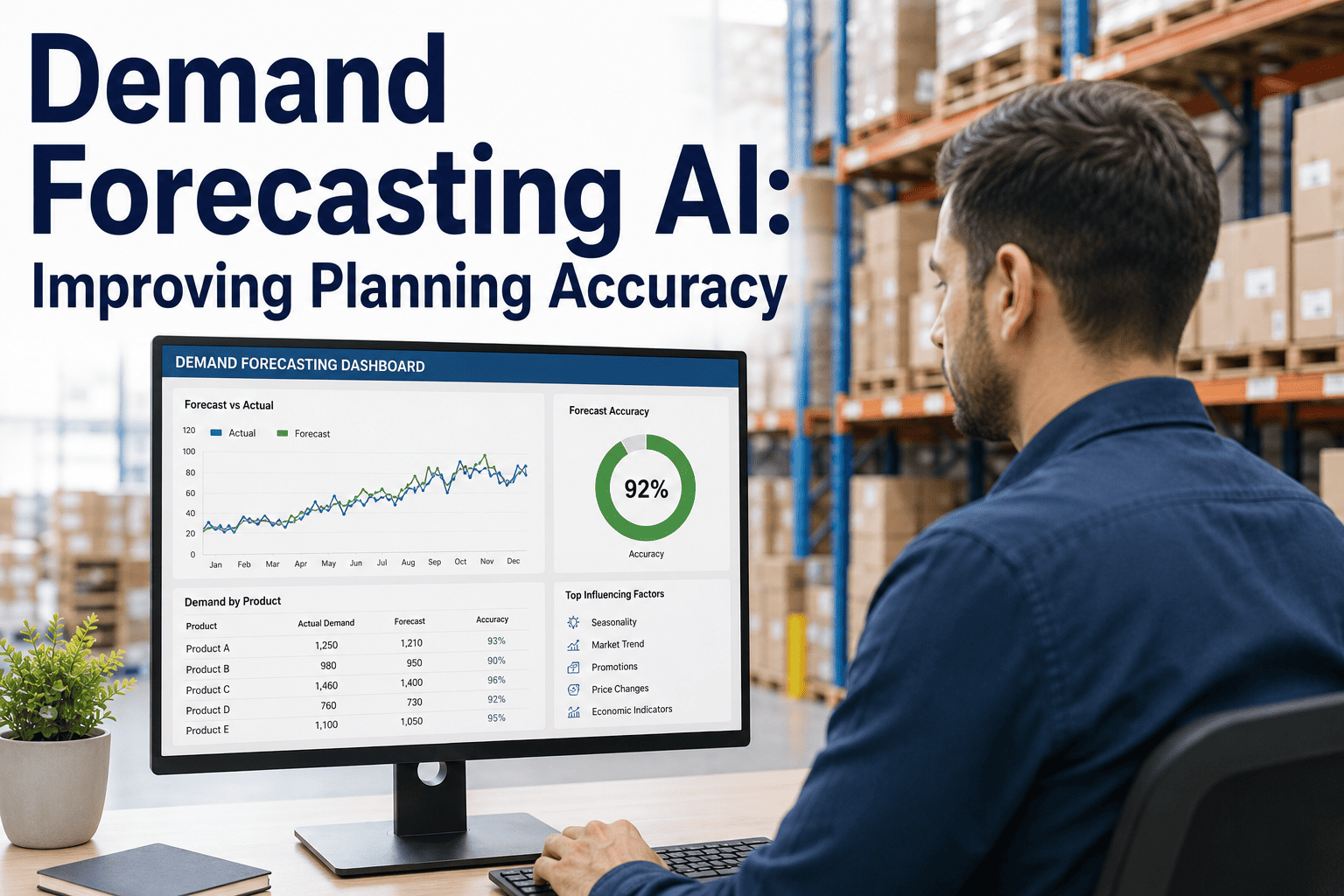
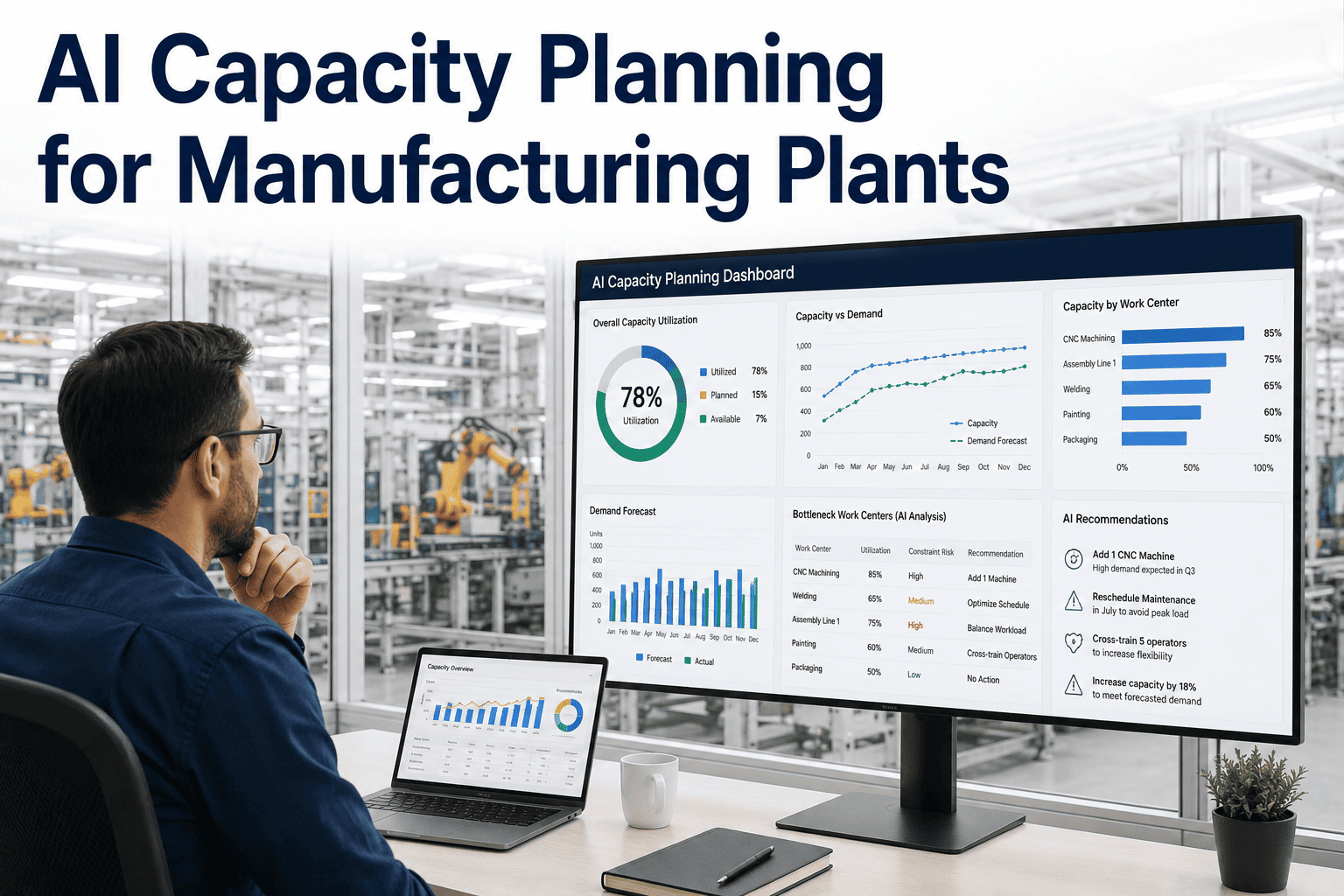
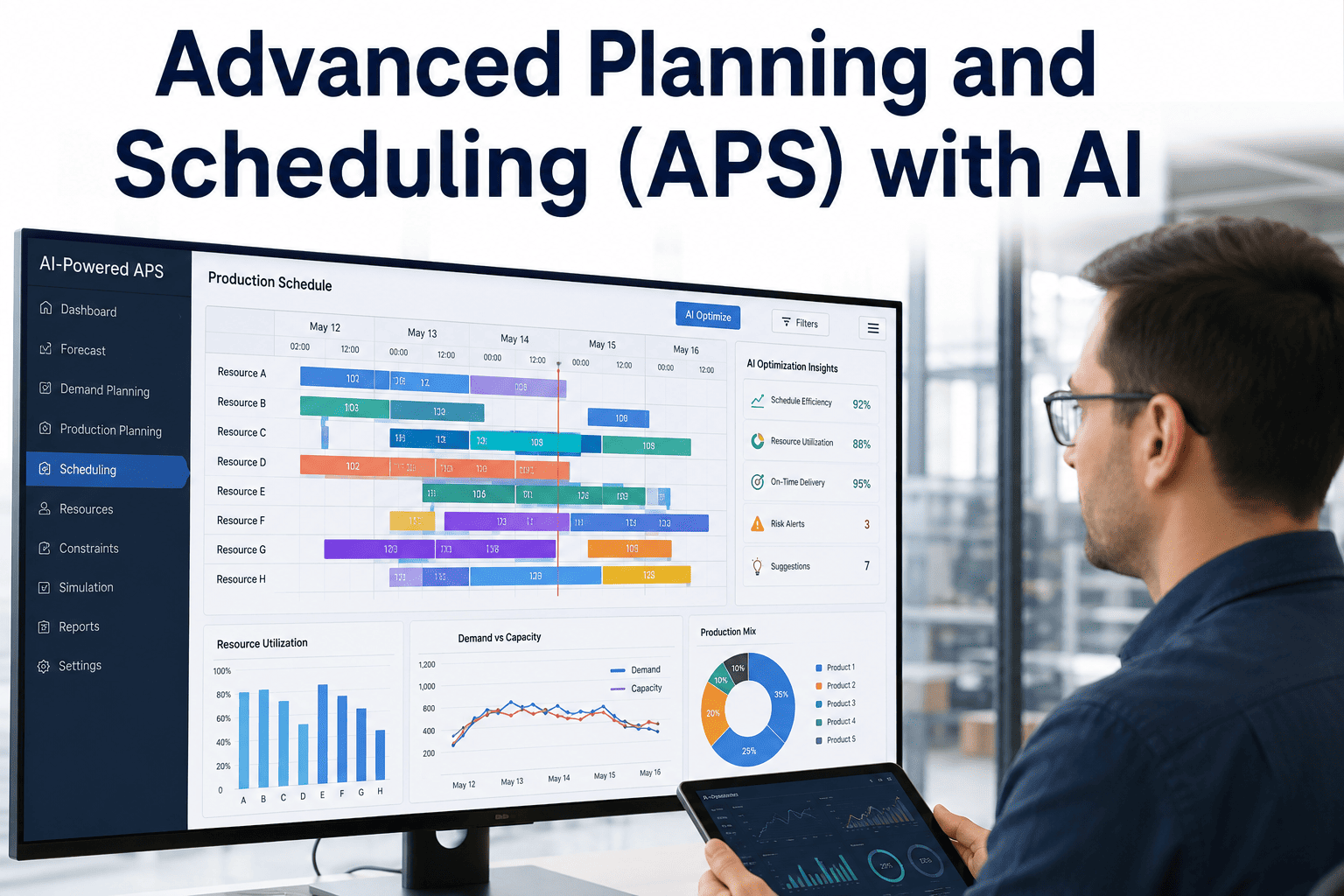
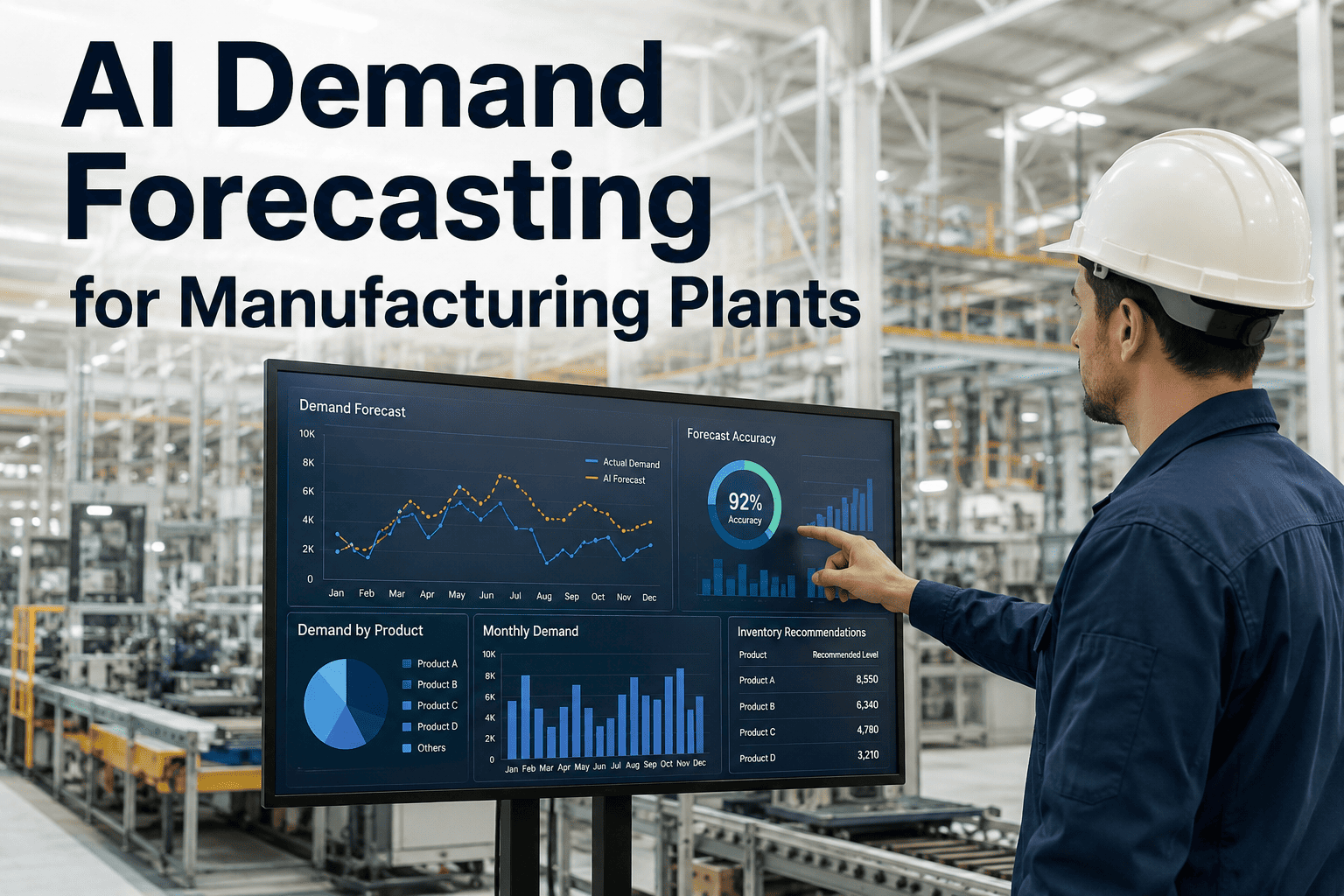
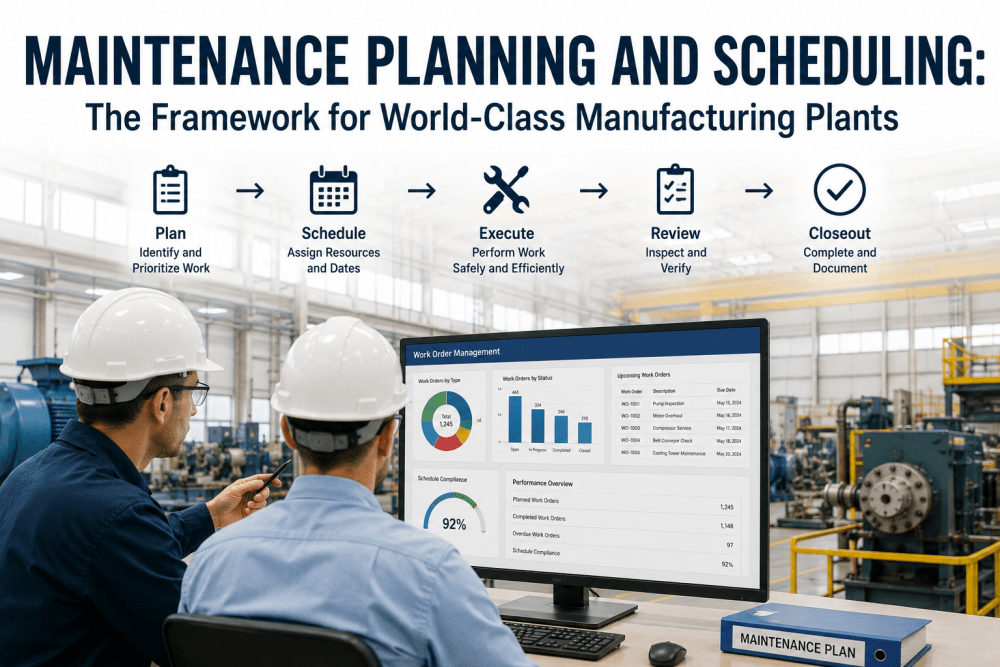
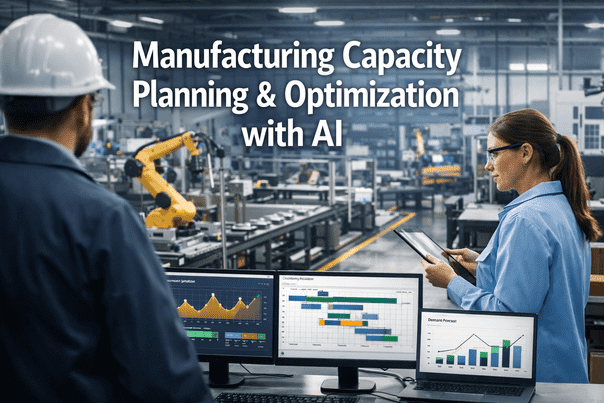
Most S&OP cycles were never designed to move fast. They were designed to force alignment, and forcing alignment across sales, operations, finance, and supply chain around a shared spreadsheet takes time — typically three to four weeks from the moment demand data closes to the moment the executive team signs off on a plan. By then, the market the plan was built for has already shifted, a new order came in, a supplier slipped, or a competitor cut price, and the plan your team spent a month building is a step behind reality before it is even approved. AI doesn't remove the discipline S&OP was built to create. It removes the weeks of manual data assembly, spreadsheet reconciliation, and single-scenario forecasting that made the cycle so slow in the first place, so the same rigor happens in days instead of weeks. See what a compressed cycle looks like for your own planning calendar when you book a demo with our team.
INTEGRATED BUSINESS PLANNING · AI DEMAND & SUPPLY FORECASTING · S&OP LEADERS
Compress Your S&OP Cycle From Weeks to Days Without Cutting a Single Step
iFactory's AI automates data assembly, sharpens the consensus forecast, and runs the scenarios your team never had time for, so the same five-step S&OP process finishes before the market moves on.
TRADITIONAL CYCLE
Week 1
Data Gather
Week 2
Demand Review
Week 3
Supply Review
Week 4
Exec Sign-off
AI-COMPRESSED CYCLE
Day 1-2
Auto Data + Forecast
Day 3-4
Review + Scenarios
Day 5
Exec Sign-off
Up to 70% Faster
THE COST OF A SLOW CYCLE
What a Faster, Sharper S&OP Cycle Actually Delivers
These figures come from organizations that layered AI onto their existing S&OP process rather than replacing it, automating the data assembly and forecasting work that consumed most of the calendar.
70%
Faster planning cycles reported after adopting AI tools, turning a monthly reconciliation into a near-continuous process.
15-30%
Typical reduction in forecast error after implementing AI-driven demand planning models.
15-20%
Improvement in forecast accuracy that mature, well-run S&OP processes typically achieve.
30-40%
Forecast accuracy improvement reported when AI and machine learning are layered onto manual planning methods.
THE SAME FIVE STEPS, RUN DIFFERENTLY
Every Stage of Classic S&OP, Before and After AI
AI doesn't skip any of the steps that make S&OP a disciplined process. It removes the manual work inside each step that used to take days, so the cross-functional rigor survives while the calendar shrinks.
MANUAL
Workspace Preparation: planners manually pull sales, inventory, and production data from disconnected systems and reconcile it into a shared file.
AI-ENABLED
Data connects automatically from ERP, CRM, and MES systems, refreshing continuously instead of waiting for a manual pull at the start of each cycle.
MANUAL
Demand Review: sales and marketing debate a single baseline forecast built mostly from historical averages and gut-feel adjustments.
AI-ENABLED
A machine learning baseline incorporates seasonality, promotions, and market signals automatically, leaving the meeting to debate exceptions, not build the forecast from scratch.
MANUAL
Supply Review: planners manually check capacity, material availability, and lead times against the new demand forecast, often days after it was finalized.
AI-ENABLED
Capacity and material constraints are checked against the forecast automatically as it updates, flagging conflicts the same day rather than a week later.
MANUAL
Reconciliation: finance, sales, and operations trade spreadsheet versions back and forth trying to align on one number everyone can commit to.
AI-ENABLED
All functions work from one continuously updated plan with a shared view of assumptions, cutting the version-control cycle that used to eat several days.
MANUAL
Executive Review: leadership sees one static plan and a handful of pre-built slides, with little room to explore alternatives in the room.
AI-ENABLED
Leadership can test what-if scenarios live during the meeting, seeing the financial and capacity impact of a decision before committing to it.
Your Planning Data Is Already There — It's the Manual Work Slowing You Down
iFactory connects to the ERP, CRM, and production systems you already use, automating the data assembly and forecasting work that has always been the slowest part of the S&OP calendar.
SCENARIOS PLANNERS NEVER HAD TIME TO RUN
Four Situations Where a Faster Cycle Changes the Decision
A three to four week cycle leaves room for exactly one scenario: the baseline plan. Compressing the manual work back into days frees up time for planners to actually stress-test the plan before committing to it.
Sudden Demand Spike
Planners can model whether a spike is a one-time anomaly or the start of a repeatable pattern, and see the inventory and capacity impact of each interpretation before committing extra production.
Supplier Lead Time Slip
A projected delay from a key supplier can be run against the current production plan immediately, showing exactly which SKUs and customer orders are at risk before the delay actually happens.
Raw Material Price Swing
A commodity price move can be tested against margin targets in minutes, giving finance and operations a shared view of the trade-off between absorbing cost and adjusting the sales plan.
Peak Season Capacity Constraint
Multiple production allocation options across product families can be compared side by side, showing which combination protects the highest-margin orders when capacity runs short.
TRADITIONAL VS AI-ENABLED S&OP
What Changes for an S&OP Lead Once the Manual Work Disappears
The comparison below reflects the operational difference reported by planning teams after layering AI onto an existing S&OP process rather than replacing the process itself.
FREQUENTLY ASKED QUESTIONS
What S&OP Leads Ask Before Bringing AI Into the Cycle
How long does it actually take to compress our S&OP cycle after deploying this AI?
Most teams see the data assembly and baseline forecasting stages compress within the first one to two cycles, since those stages depend mainly on connecting existing systems rather than changing how people work. Full cycle compression, including faster reconciliation and executive review, typically follows within two to three months as planners adjust their meeting cadence around the shorter timeline.
Book a demo to see a compression timeline modeled on your current cycle.
Does this replace the executive S&OP meeting or the judgment of our planning team?
No. The platform automates the data assembly, baseline forecasting, and constraint-checking work that consumes most of the calendar, but the cross-functional judgment calls that make S&OP valuable, trade-offs between service level, cost, and growth, still belong to your planning team and leadership. AI gives that team more time to spend on those decisions instead of building the numbers behind them.
Contact our support team to discuss how the platform fits around your existing meeting structure.
Can the AI reconcile sales, finance, and operations forecasts automatically?
The platform maintains one continuously updated plan that all three functions draw from, which removes the spreadsheet version-control cycle that typically consumes several days of back-and-forth. Genuine disagreements over assumptions, such as whether a demand spike will repeat, are still surfaced for the team to resolve, since that judgment is exactly what the executive review exists to capture.
Book a demo to see the shared plan view in action.
How does the AI handle scenario planning for disruptions like a supplier delay or a demand spike?
Each scenario is modeled against your current production plan, inventory position, and financial targets in minutes rather than requiring a separate manual analysis, which is what previously limited most teams to testing only one baseline plan per cycle. Planners can compare multiple scenarios side by side during the review itself, rather than waiting for a follow-up meeting to see the impact of a decision.
Book a demo to walk through sample scenarios relevant to your product mix.
Do we need to replace our existing ERP or demand planning software to use this?
No. iFactory's platform connects to the ERP, CRM, MES, and demand planning systems you already run through standard integrations, layering forecasting and scenario capability on top rather than requiring a system migration. Your team keeps the tools they already know while gaining the automated data assembly and modeling that used to require manual spreadsheet work.
Contact our support team for a compatibility check of your current planning stack.
The Plan Your Team Builds Should Still Be Accurate When the Month Ends
iFactory's AI automates the data assembly and forecasting work behind your S&OP cycle, freeing your team to spend its time on the decisions the process was always meant to drive. Book a demo and see the compressed cycle for your own planning calendar.