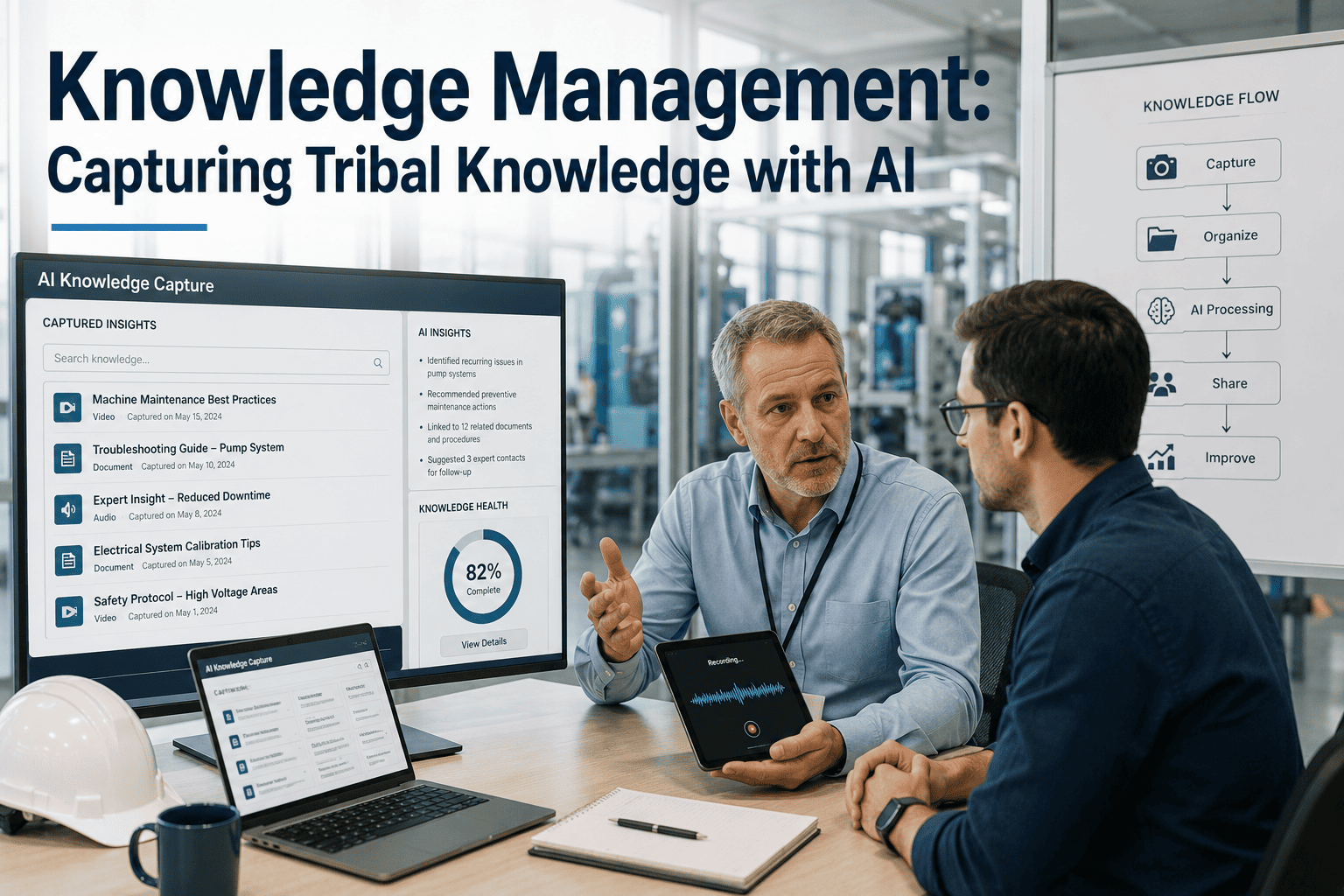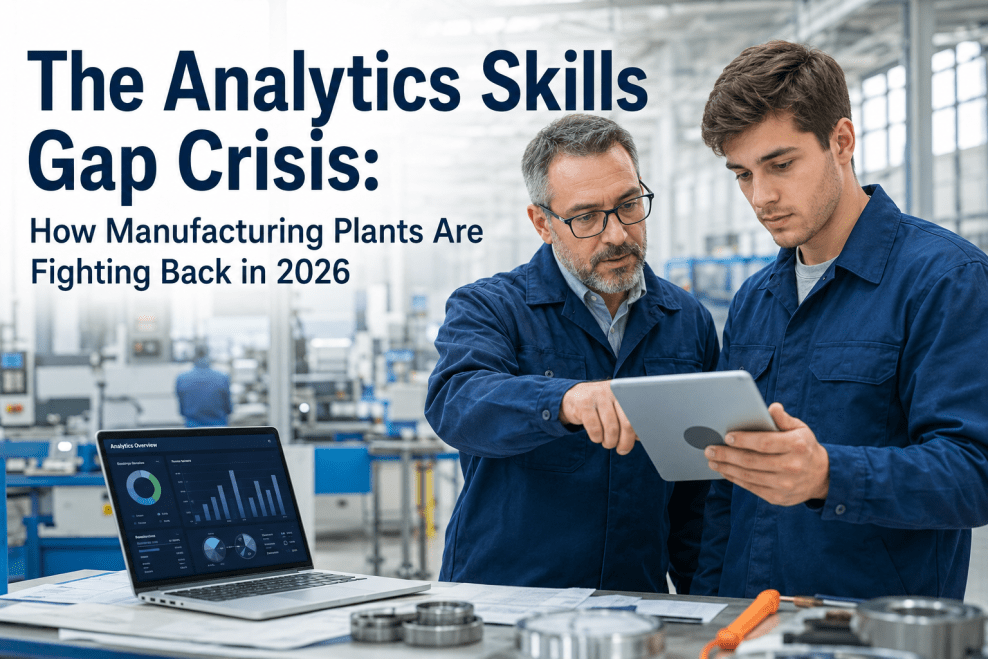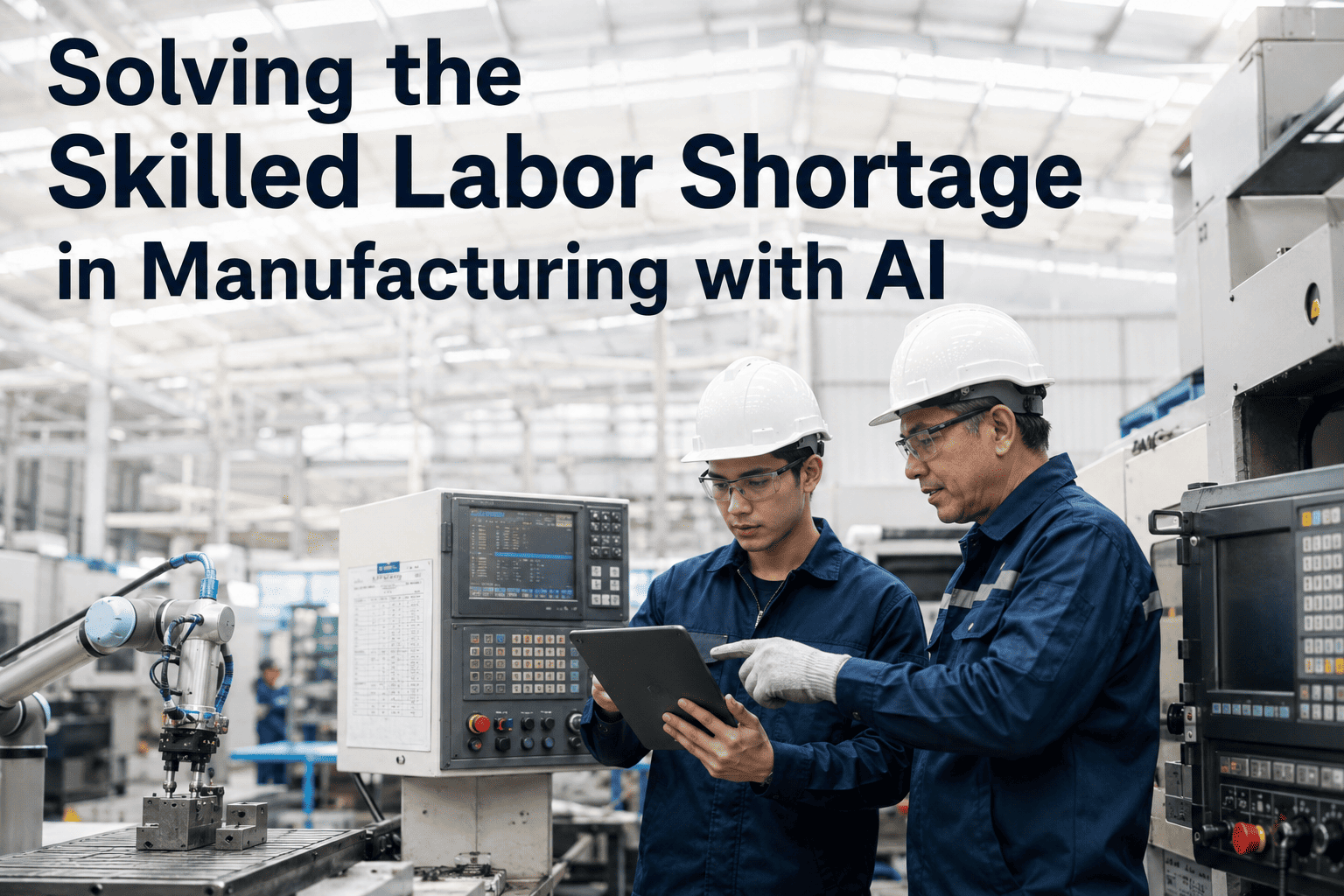
The manufacturing sector is facing an unprecedented challenge: a severe shortage of skilled labor that threatens productivity, quality, and growth. As veteran workers retire and younger talent gravitates toward other industries, plants are left struggling to maintain operational excellence. This isn't just a hiring problem—it's a knowledge crisis. Decades of tribal knowledge, nuanced process expertise, and split-second decision-making skills are walking out the door. The impact is felt across every shift, every line, and every site. However, a transformative solution is emerging: artificial intelligence. AI is not replacing workers; it is augmenting scarce expertise, capturing institutional knowledge, and enabling a leaner, smarter workforce. By embedding AI into daily operations, manufacturers can bridge the skill gap, reduce downtime, and empower existing teams to achieve more. This article explores how AI can systematically address the skilled labor shortage, providing a roadmap for operations managers to future-proof their plants. If you are ready to see how AI can transform your workforce, Book a Demo today.
Empower Your Workforce with AI
Bridge the skill gap and capture critical expertise. See how AI can transform your operations.
The Real Cost of the Skill Gap
The skilled labor shortage is not a future concern—it is a present-day crisis affecting every aspect of manufacturing operations. When experienced workers retire, they take with them invaluable knowledge about machine nuances, troubleshooting shortcuts, and process optimizations that are rarely documented. This loss leads to increased downtime, higher scrap rates, and slower response to quality issues. The problem is compounded by the difficulty of attracting new talent. Younger workers often perceive manufacturing as outdated or low-tech, preferring careers in software or services. Even when new hires are found, the ramp-up time is extensive, often taking months or years to reach full proficiency. The result is a vicious cycle: overworked senior staff, frustrated new employees, and declining operational metrics. AI offers a way out by capturing and democratizing expertise, making it available to every operator, regardless of experience level.
Capture Tribal Knowledge
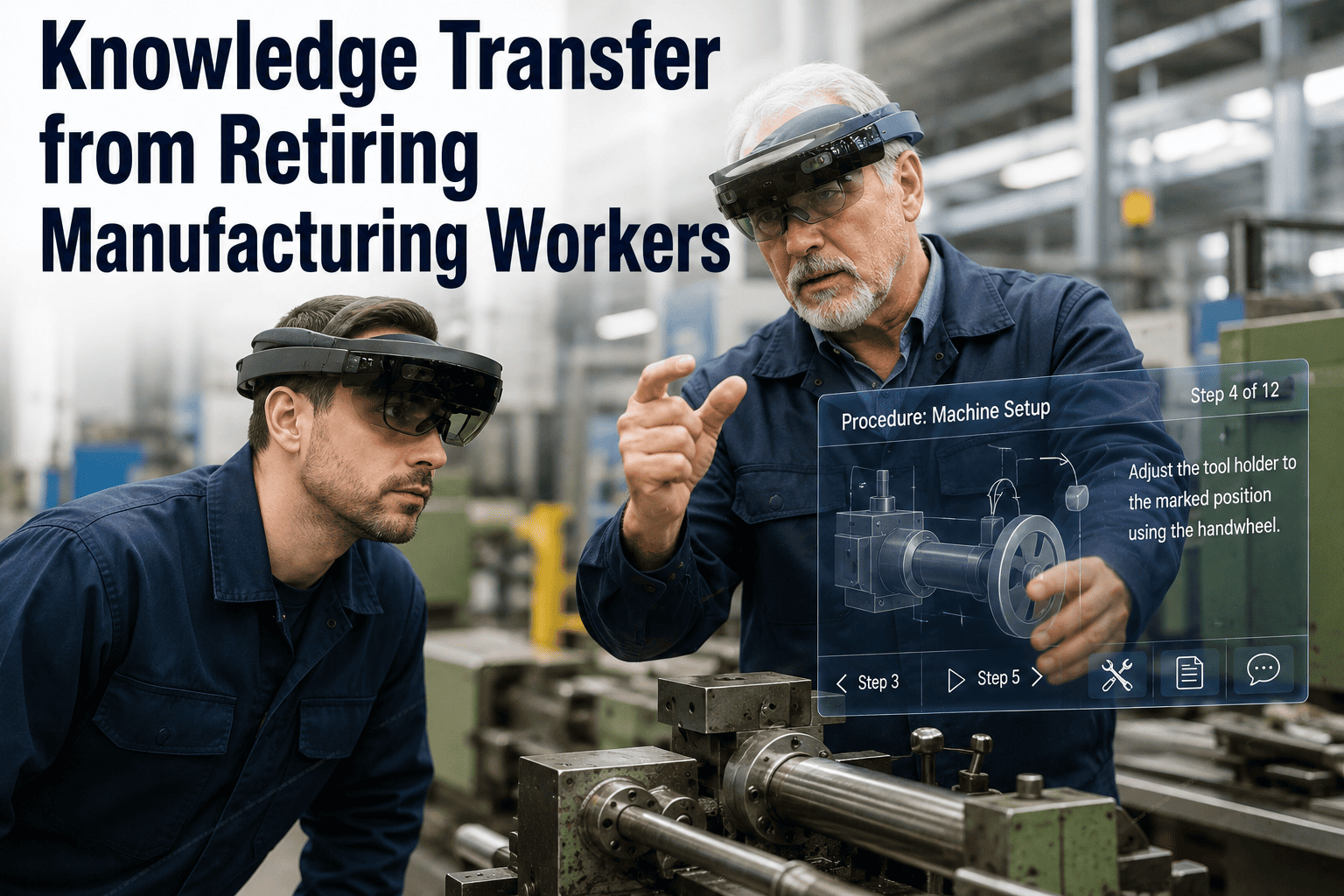
AI systems can learn from expert operators by observing their decisions, reading logs, and analyzing patterns. This knowledge is then encoded into models that can guide less experienced staff through complex tasks, ensuring consistency and reducing errors.
Real-Time Decision Support
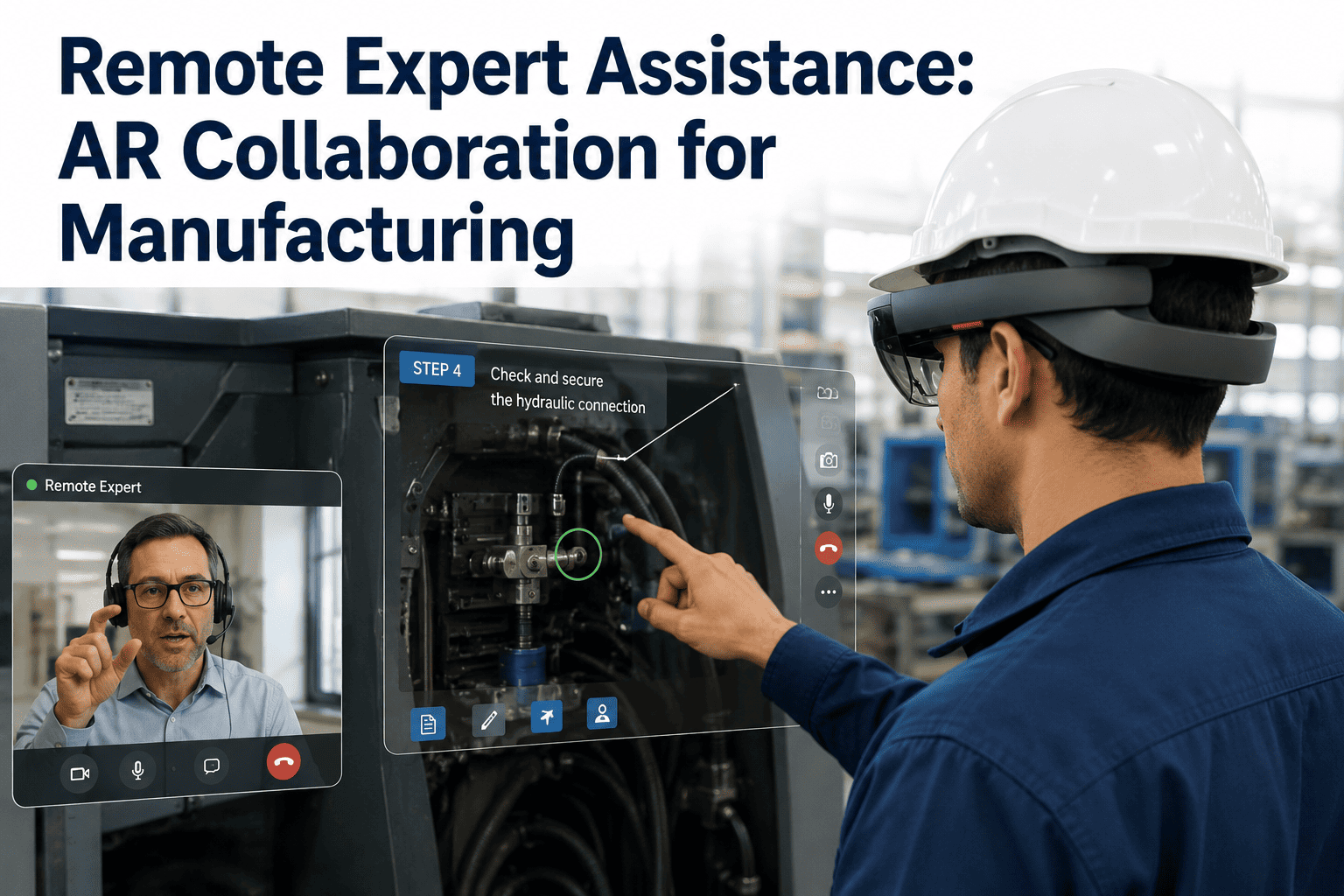
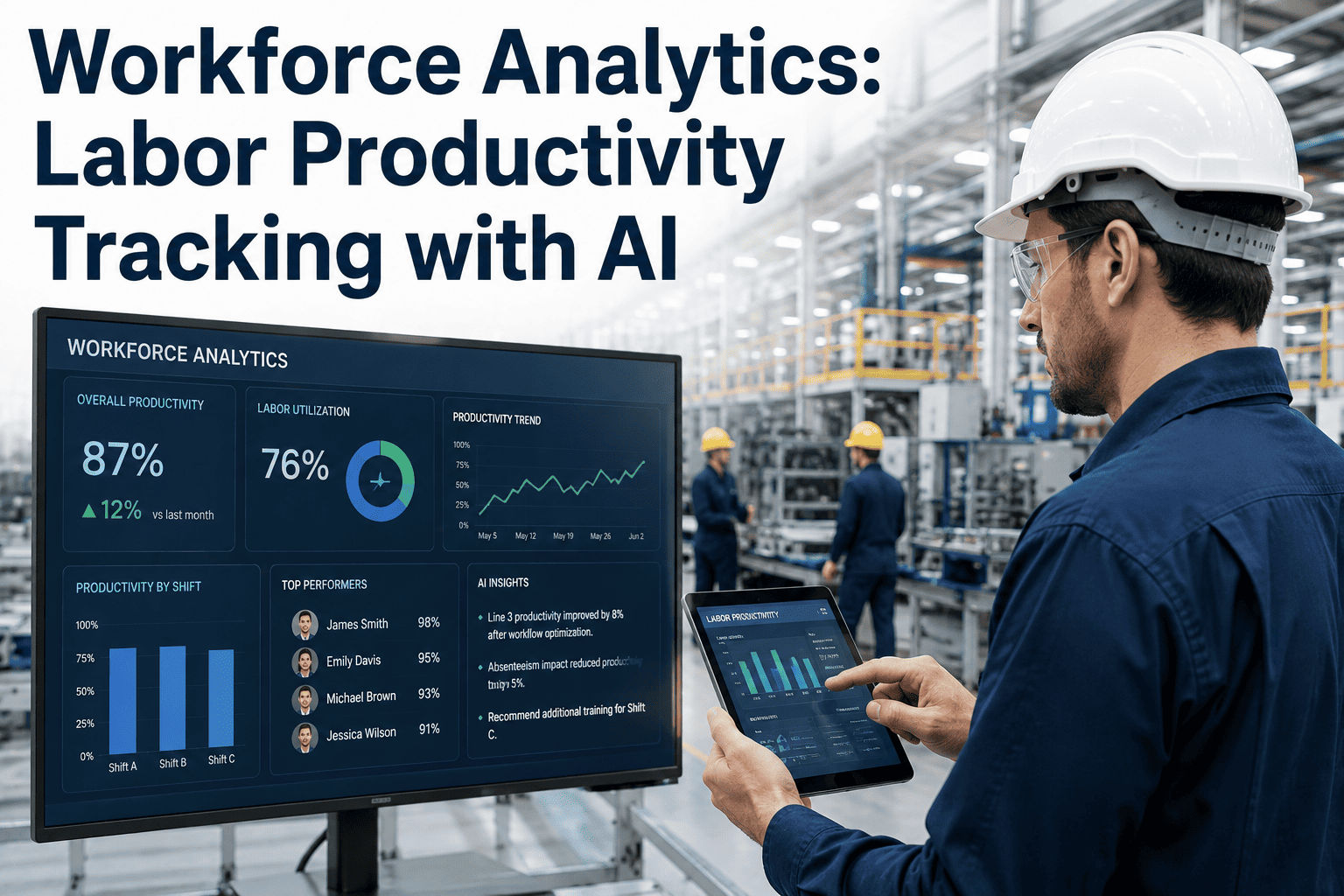
With AI-powered dashboards, operators receive real-time recommendations for machine settings, maintenance actions, and quality checks. This reduces reliance on memory and intuition, allowing anyone to perform at an expert level.
Cross-Site Standardization
AI enables the replication of best practices across multiple plants. When one site discovers an optimal process, that knowledge can be instantly shared and adapted globally, leveling up the entire organization.
Reduced Training Time
New hires can be productive faster because AI provides a safety net. Instead of needing months of shadowing, they can rely on AI guidance, freeing senior staff to focus on higher-value tasks.
How AI Augments Your Workforce: A Step-by-Step Roadmap
Assess Knowledge Gaps
Identify critical roles and processes where expertise is concentrated in a few individuals. Use AI to analyze shift logs, downtime records, and quality data to pinpoint where knowledge loss hurts most.
Deploy AI Knowledge Capture
Implement AI tools that record and analyze expert operator actions. These systems can generate standard operating procedures, decision trees, and predictive models that encapsulate best practices.
Integrate with Daily Workflows
Embed AI recommendations directly into operator interfaces, dashboards, and mobile apps. Ensure that the guidance is contextual, timely, and easy to follow without disrupting workflows.
Monitor and Iterate
Continuously measure the impact on key metrics like OEE, first-pass yield, and training time. Use feedback loops to refine AI models, ensuring they remain accurate and relevant as processes evolve.
Ready to Close the Skill Gap?
Transform your workforce with AI that captures and shares expertise. Start your journey today.
Real Results: AI in Action
Global Automotive Parts Manufacturer
Facing a 30% retirement rate among senior maintenance technicians, this company deployed an AI knowledge capture system. Within six months, they reduced unplanned downtime by 22% and cut new technician ramp-up time from 18 months to 6 months. The AI system recorded expert troubleshooting steps and provided real-time guidance for complex repairs. The result was a more resilient workforce that could maintain high performance despite staff turnover.
Midwest Food Processing Plant
With a high turnover rate among line operators, this plant used AI to standardize quality control procedures. The AI analyzed historical data to identify the most critical process parameters and then guided operators to maintain them. First-pass yield improved by 15%, and training time for new hires was reduced by 40%. The plant also saw a significant drop in product recalls.
Impact of AI on Key Workforce Metrics
| Metric | Before AI | After AI (Projected) | Improvement |
|---|---|---|---|
| Training Time (months) | 12 | 4 | 67% reduction |
| First-Pass Yield (%) | 82 | 94 | +15% |
| Unplanned Downtime (hours/month) | 45 | 18 | 60% reduction |
| Operator Proficiency (months to reach expert level) | 24 | 8 | 67% reduction |
| Knowledge Retention (% of expert knowledge captured) | 10 | 85 | +75% |
Frequently Asked Questions
How does AI capture tribal knowledge without disrupting experienced workers?
AI systems are designed to be non-intrusive. They can passively observe operator actions through sensors, logs, and screen recordings, learning patterns without requiring any extra effort from experts. The AI then synthesizes this information into actionable insights. This approach respects the expert's time while preserving their knowledge for the entire team. For a deeper understanding of how this works in practice, Book a Demo to see a live example.
Can AI really reduce training time for new hires?
Yes, significantly. By providing real-time guidance and context-aware recommendations, AI enables new hires to perform at a higher level from day one. Instead of relying solely on memory and supervision, they have a digital coach that helps them make correct decisions. Studies show that AI-assisted training can cut ramp-up time by 50% or more. This not only accelerates productivity but also reduces the burden on senior staff. To explore how this applies to your facility, Book a Demo.
What is the ROI of implementing AI for workforce augmentation?
The return on investment is typically realized within 6 to 12 months. Key drivers include reduced downtime, higher quality yields, lower training costs, and improved employee retention. For example, a plant with 500 operators can save millions annually by reducing scrap and rework. Additionally, capturing expert knowledge protects against the high cost of turnover. For a detailed ROI analysis tailored to your operation, Book a Demo.
How does AI handle the variability between different shifts and sites?
AI models are trained on data from multiple shifts and sites, allowing them to learn both common patterns and site-specific nuances. The system can adapt its recommendations based on the context, such as the specific machine, product, or operator skill level. This ensures consistency while respecting local variations. Over time, the AI becomes smarter as it ingests more data from diverse sources. To see how we handle multi-site deployment, Book a Demo.
What is the first step to start using AI for workforce augmentation?
The first step is to conduct a knowledge gap assessment. Identify the roles and processes where expertise is most concentrated and at risk. Then, select a pilot area with high impact and manageable scope. Implement an AI system that can capture and disseminate knowledge in that area. Measure the results and iterate. Starting small allows you to prove value before scaling. To begin this process with expert guidance, Book a Demo.
Future-Proof Your Workforce Today
Don't let the skilled labor shortage hold your plant back. AI is the key to capturing expertise, reducing downtime, and empowering your team.