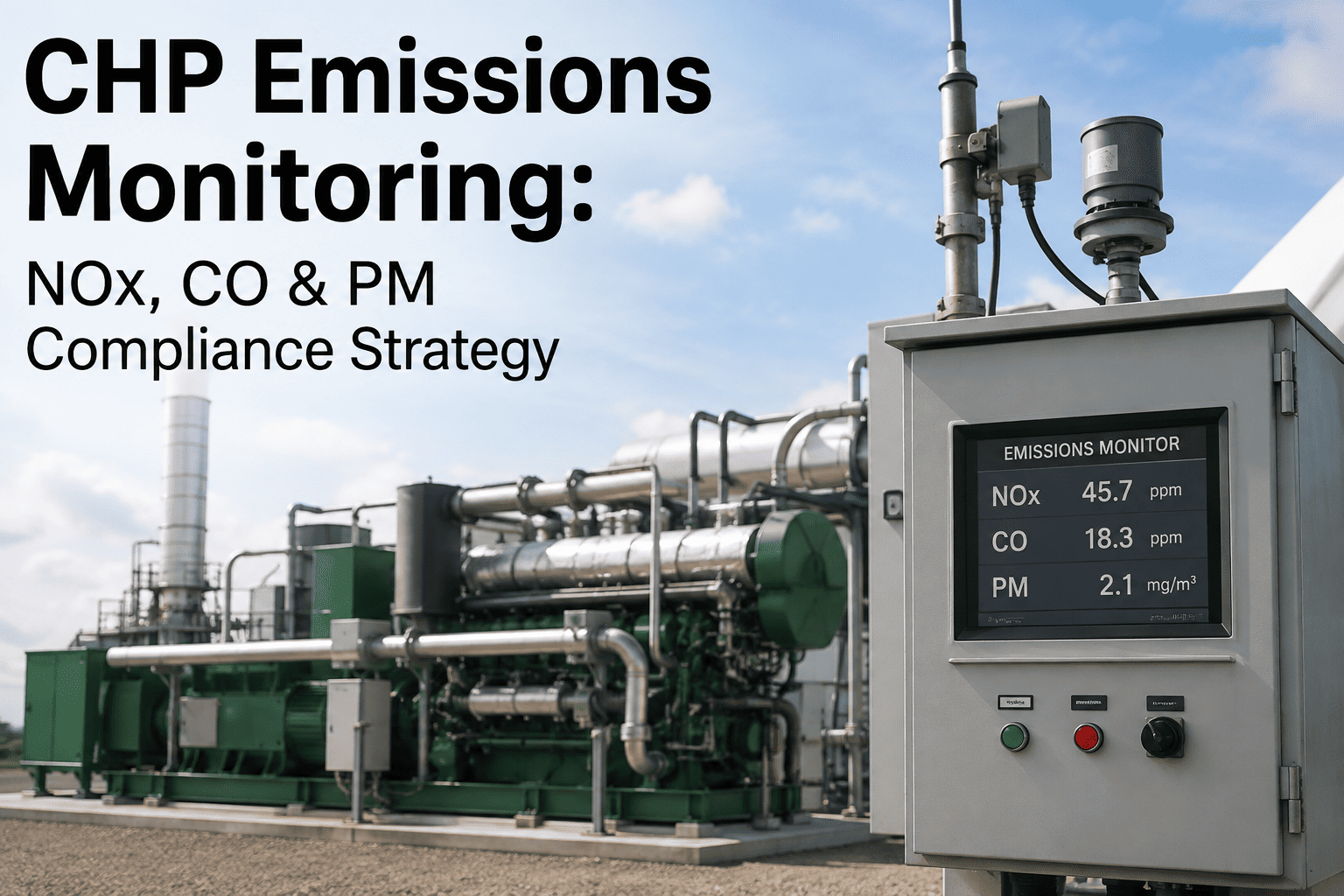
A CHP plant running two combustion sources instead of one used to mean two emissions problems instead of one, and most compliance teams still manage it that way — separate spreadsheets for the engine, separate spreadsheets for the duct burner, and a stack analyzer that only gets calibrated when an audit is looming. New federal turbine standards took effect in January 2026, the Good Neighbor Plan is now cutting ozone-season NOx across two dozen states, and PM2.5 limits are tighter than they have been in a decade. A missed exceedance on any single pollutant can trigger a reportable deviation, a fine, or a permit review that stalls a plant expansion for months. iFactory continuously reads your NOx, CO, and particulate trends against your permit limits in real time, and you can book a demo to see your own emissions data mapped against your actual compliance thresholds.
NOx, CO, and Particulate Limits Are Getting Tighter Every Year — Is Your CHP Plant Still Finding Out About Exceedances After the Fact?
Combined heat and power plants run two combustion sources under one roof, which means two sets of pollutant limits, two sets of test schedules, and twice the chance of a quiet deviation nobody catches until the quarterly report is due. Add a prime mover and a duct-fired heat recovery steam generator into the same permit and the compliance math gets harder still, because each one drifts on its own schedule and neither shows up on the same trend screen by default. iFactory trends NOx, CO, and PM continuously against your actual permit conditions so a threshold breach gets flagged the hour it happens, not the quarter it gets reported.
The Rules Governing Your Stack Just Changed Three Times in Two Years — Here Is What Actually Shifted
Compliance teams that built their monitoring program around a five-year-old permit are now working against standards that no longer match it. Three separate regulatory moves have converged on CHP operators at once, and each one changes what "compliant" means for a different pollutant.
Stationary Combustion Turbine NSPS Review
A finalized federal review of the New Source Performance Standards for stationary combustion turbines took effect in January 2026, updating NOx control expectations and clarifying how combined-cycle and CHP-based turbine systems are classified under the applicable subparts. Plants commissioning or modifying turbines now fall under a different compliance test than the one their original permit was written against.
Good Neighbor Plan Ozone-Season NOx Cuts
States covered under the federal Good Neighbor Plan are now enforcing tighter ozone-season NOx limits on large industrial and power sources, with the program targeting a significant multi-thousand-ton seasonal reduction across the affected states. A CHP unit sized as a mid-tier source in a prior permitting cycle can find itself newly subject to allowance tracking or enforceable seasonal caps.
Tighter PM2.5 Ambient Standards
The federal annual PM2.5 standard was revised downward, which pushes permitting agencies to apply stricter particulate limits on new and modified sources located near areas already close to the threshold. A CHP plant that cleared a PM review comfortably under the old standard may no longer clear it under the new one without additional controls or tighter operating discipline.
State-Level Rules Layering on Top
States including Texas, Colorado, and California each run their own testing cadence and NOx/CO thresholds on top of the federal baseline, some requiring retesting on fixed operating-hour intervals and phased engine standards by horsepower class. A federally compliant CHP unit can still be out of compliance with the state permit it actually operates under.
NOx, CO, and Particulate Matter Do Not Behave the Same Way — and a Single Monitoring Approach Rarely Catches All Three
Treating emissions compliance as one problem is where most CHP monitoring programs break down. Each pollutant forms differently, drifts differently, and demands a different response from your operations team, and a fix that helps one number can just as easily push another one in the wrong direction if nobody is watching all three together.
Nitrogen Oxides (NOx)
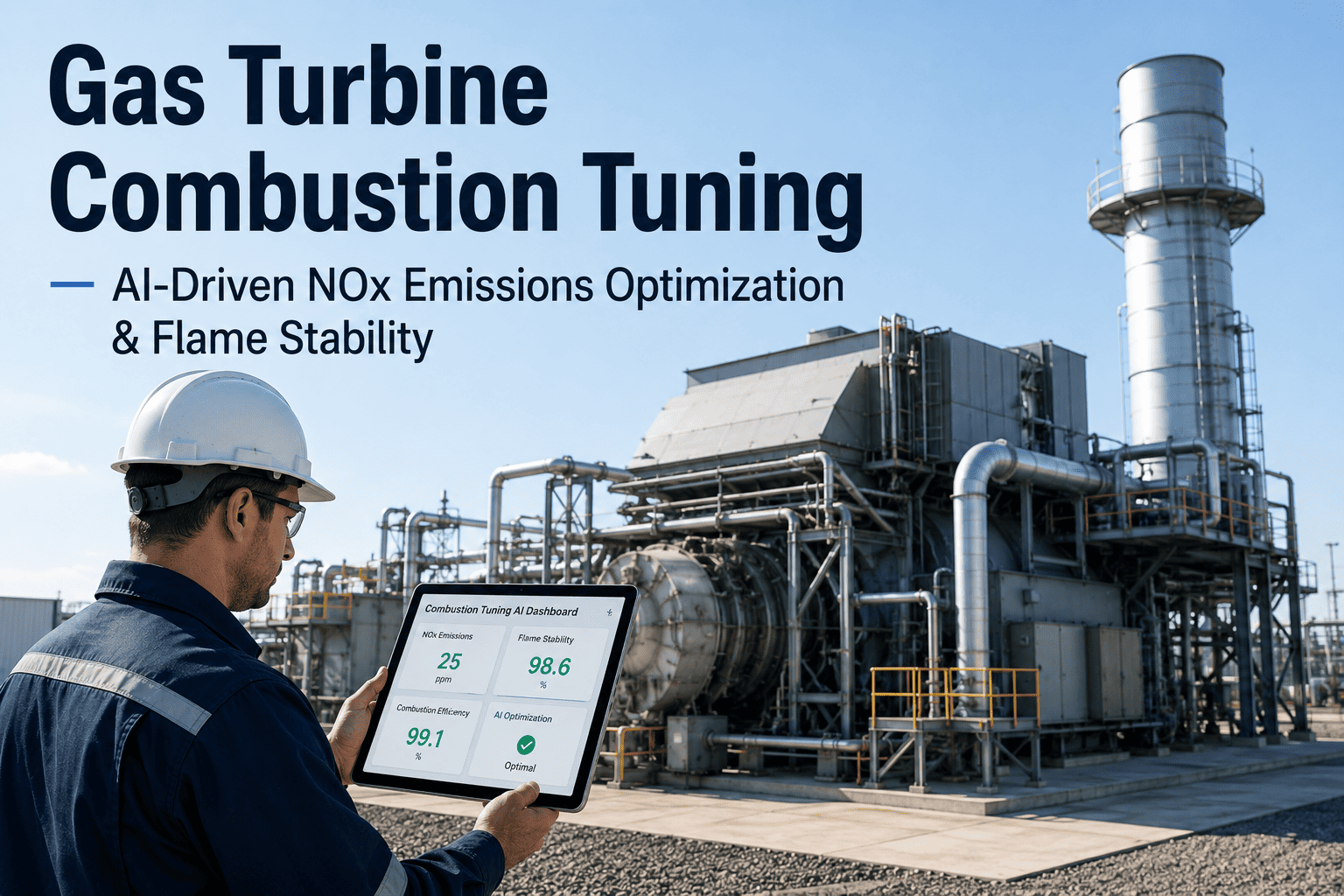
NOx forms when combustion temperatures climb too high, converting atmospheric nitrogen into oxides that drive ozone and smog formation downwind of your site. It is the pollutant regulators watch most closely because it is directly tied to combustion tuning, meaning a drifting fuel-air ratio or a degrading combustor can push a compliant engine over its limit within days, not months.
Carbon Monoxide (CO)
CO is the mirror image of NOx — it rises when combustion runs too cool or too fuel-rich, which means a control strategy tuned aggressively to suppress NOx can quietly push CO in the opposite direction. Plants that only trend NOx often discover their CO exceedance during the same test cycle that confirmed NOx compliance, because nobody was watching both curves against each other.
Particulate Matter (PM)
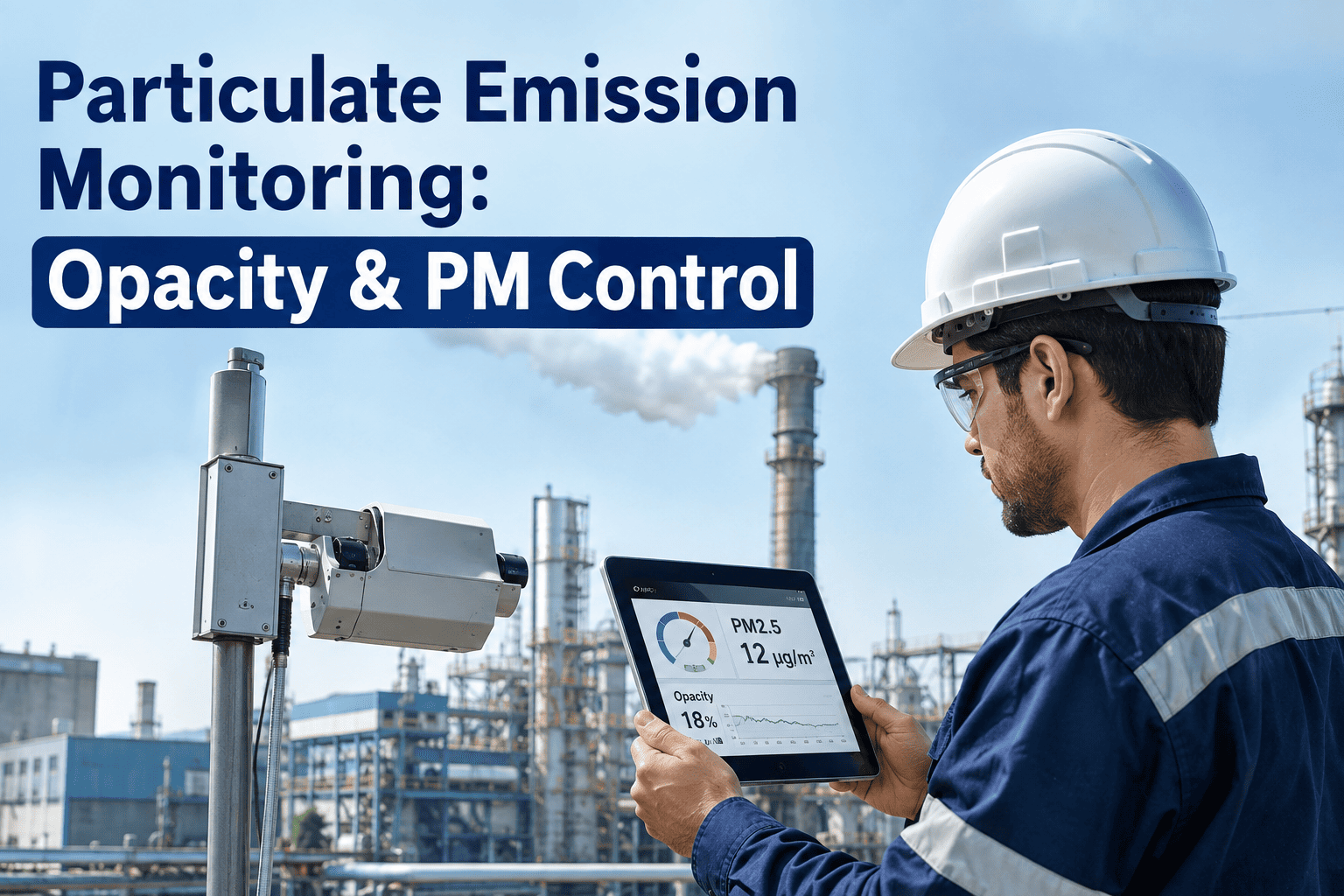
PM comes from incomplete combustion, fuel quality variation, and duct burner operation in the heat recovery steam generator, and unlike NOx and CO it is not always continuously monitored — many permits still rely on periodic stack testing alone. That gap means a PM drift between test dates can run for weeks before anyone outside the stack testing contractor knows it happened.
CEMS, Portable Analyzers, and Predictive Monitoring Are Not Interchangeable — Here Is How They Actually Compare
Every CHP plant ends up choosing some mix of these three approaches. The table below shows where each one is strong, where it leaves a blind spot, and where iFactory's AI layer fits into the gap.
| Approach | Data Frequency | Main Strength | Main Blind Spot |
|---|---|---|---|
| Continuous Emission Monitoring System (CEMS) | Continuous, real-time | Direct, permit-grade regulatory data | High capital and calibration cost, alerts only after the limit is already breached |
| Portable analyzer testing | Periodic, scheduled intervals | Low cost, works for smaller sources exempt from full CEMS | Long gaps between readings where drift goes undetected |
| Manual stack testing | Annual or semi-annual | Regulator-accepted compliance record | Tells you where you stood on test day, not any other day of the year |
| iFactory predictive emissions monitoring | Continuous, trend-based | Flags drift toward a limit days before a threshold is crossed | Complements, and does not replace, your certified CEMS or test record |
Not Every CHP Configuration Draws the Same Level of Regulatory Attention
Permitting agencies do not review every CHP plant with the same intensity. The fuel source, the prime mover, and the surrounding air quality zone all shift how closely your emissions record gets examined, and how much margin you actually have before a limit becomes a problem.
Natural Gas Reciprocating Engine CHP Near Nonattainment Zones
Engine-based CHP units sited close to an ozone or PM2.5 nonattainment boundary typically face the tightest NOx and PM limits in their state, and are the units most likely to be swept into Good Neighbor Plan seasonal allowance requirements. These sites also tend to carry the shortest retest intervals, since regulators want frequent confirmation that combustion tuning has not drifted since the last inspection.
Biogas and Anaerobic Digestion CHP
Biogas-fired CHP units burn a fuel stream with more variable composition than pipeline natural gas, which makes combustion — and therefore NOx and CO output — inherently harder to hold steady. Many jurisdictions require annual accredited emissions testing specifically because of this variability, and a monitoring gap between test dates is where most undetected drift happens on these units.
Coal or Fuel-Oil CHP Facing Conversion Pressure
Older coal or fuel-oil fired CHP plants generally carry the highest particulate matter output of any configuration and are the segment most exposed to forthcoming particulate limits that were not part of their original design basis. Operators in this category are increasingly evaluating fuel conversion or exhaust system upgrades specifically to stay ahead of tightening PM rules rather than waiting for a permit denial to force the decision.
Stop Finding Out About an Exceedance From a Quarterly Report
iFactory reads your combustion, CEMS, and process data continuously and tells your team the moment NOx, CO, or PM starts trending toward a permit limit.
From Raw Combustion Data to a Compliance Alert Your Team Can Act On Before the Regulator Sees It
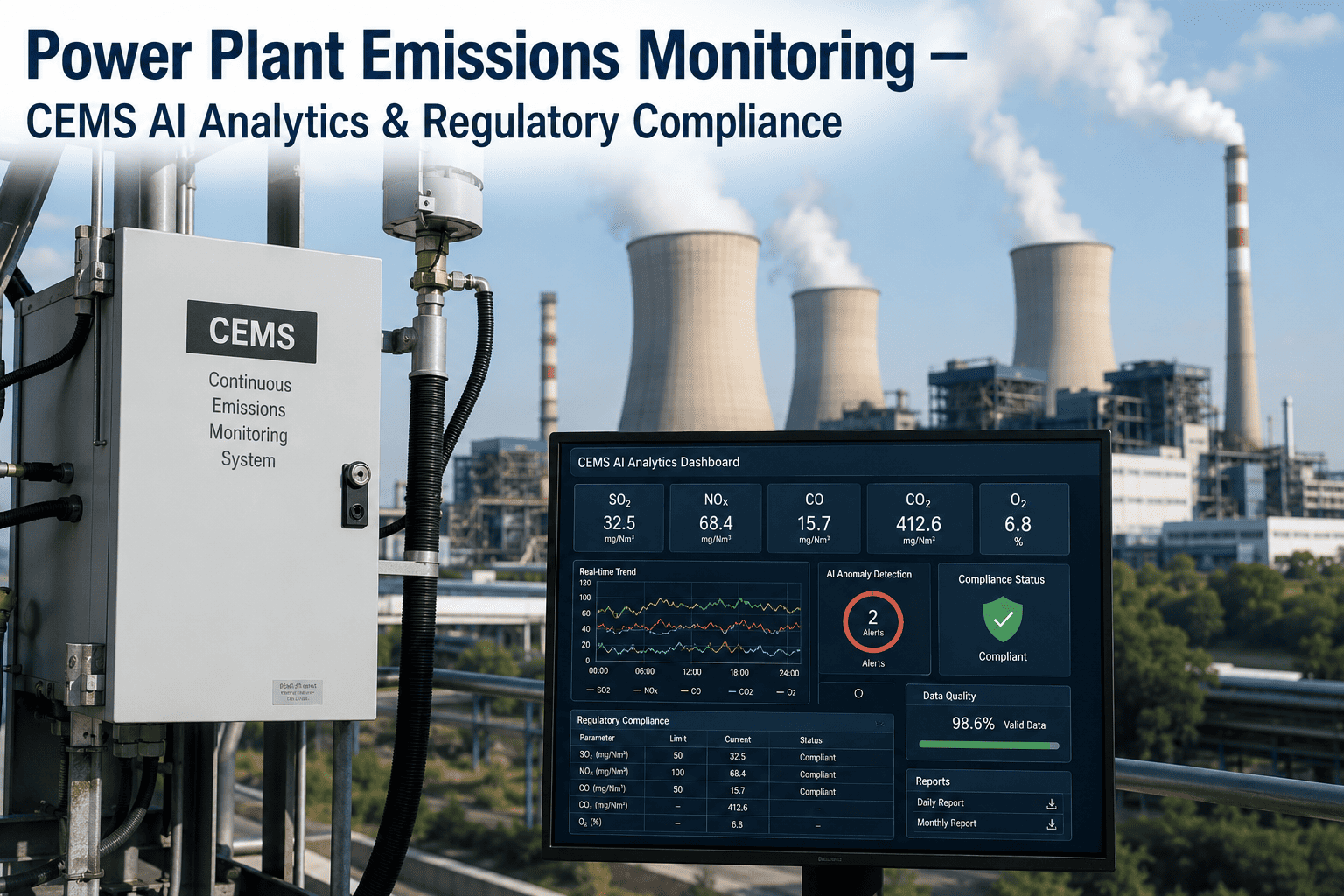
iFactory does not replace your certified CEMS — it reads alongside it, cross-referencing combustion conditions with pollutant output so a drifting trend gets caught while there is still time to correct it. The goal is a compliance workflow your engineers actually trust: fewer surprise numbers on test day, and a clear record of what the plant was doing in the days leading up to any deviation.
Connect Existing Data Sources
iFactory pulls from your CEMS, historian, DCS, and fuel metering systems without requiring new stack hardware, establishing a live feed of combustion temperature, fuel-air ratio, load, and pollutant concentration.
Build a Permit-Specific Baseline
Every applicable federal, state, and local limit is mapped against your actual permit conditions, so the platform knows your real thresholds rather than a generic industry benchmark.
Trend NOx, CO, and PM Together
Because a NOx control adjustment can quietly push CO the other way, iFactory trends all three pollutants against each other and against combustion tuning changes, not as three separate, disconnected charts.
Alert Before the Threshold, Not After
When a trend is projected to cross a permit limit, the responsible engineer is notified with the specific combustion parameter driving the drift, turning a reactive compliance report into a preventable operating adjustment.
Five Questions Every CHP Compliance Officer Should Be Able to Answer Before an Inspector Walks In
Use this checklist to pressure-test your current program against the standards that took effect in the last two years, not the ones your permit was originally written against.
What Plants Report After Moving From Periodic Testing to Continuous Emissions Trending
The shift from a test-day snapshot to a continuous compliance view changes more than the reporting paperwork — it changes how early a problem gets caught, how much it costs to fix, and how much confidence a compliance officer can walk into an inspection with instead of hoping the numbers hold.
Questions CHP Operators Ask About Emissions Monitoring and Compliance
Get Ahead of Your Next Compliance Deadline Instead of Reacting to It
iFactory trends NOx, CO, and particulate matter continuously against your actual permit limits, so your team sees a drift while there is still time to correct it.