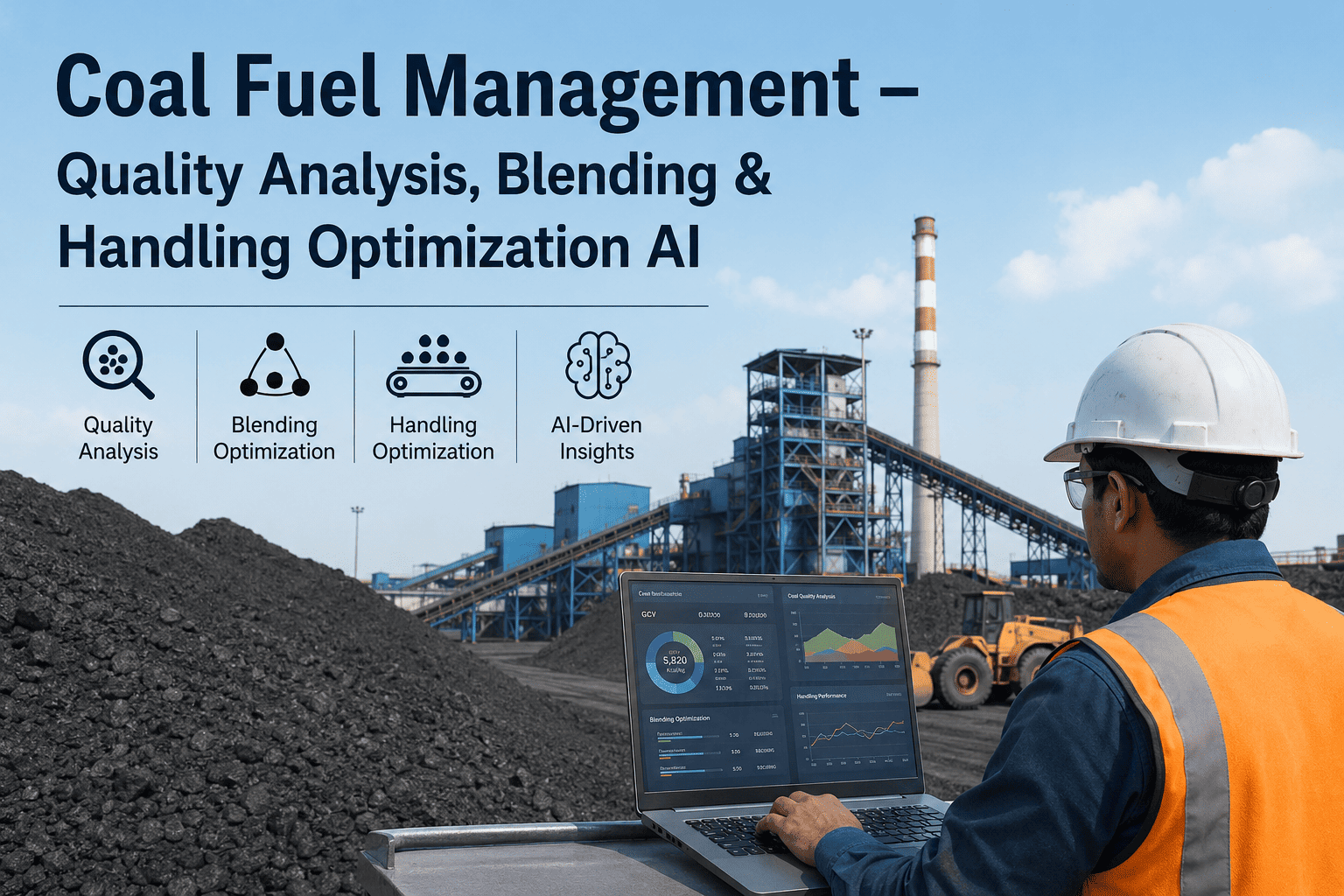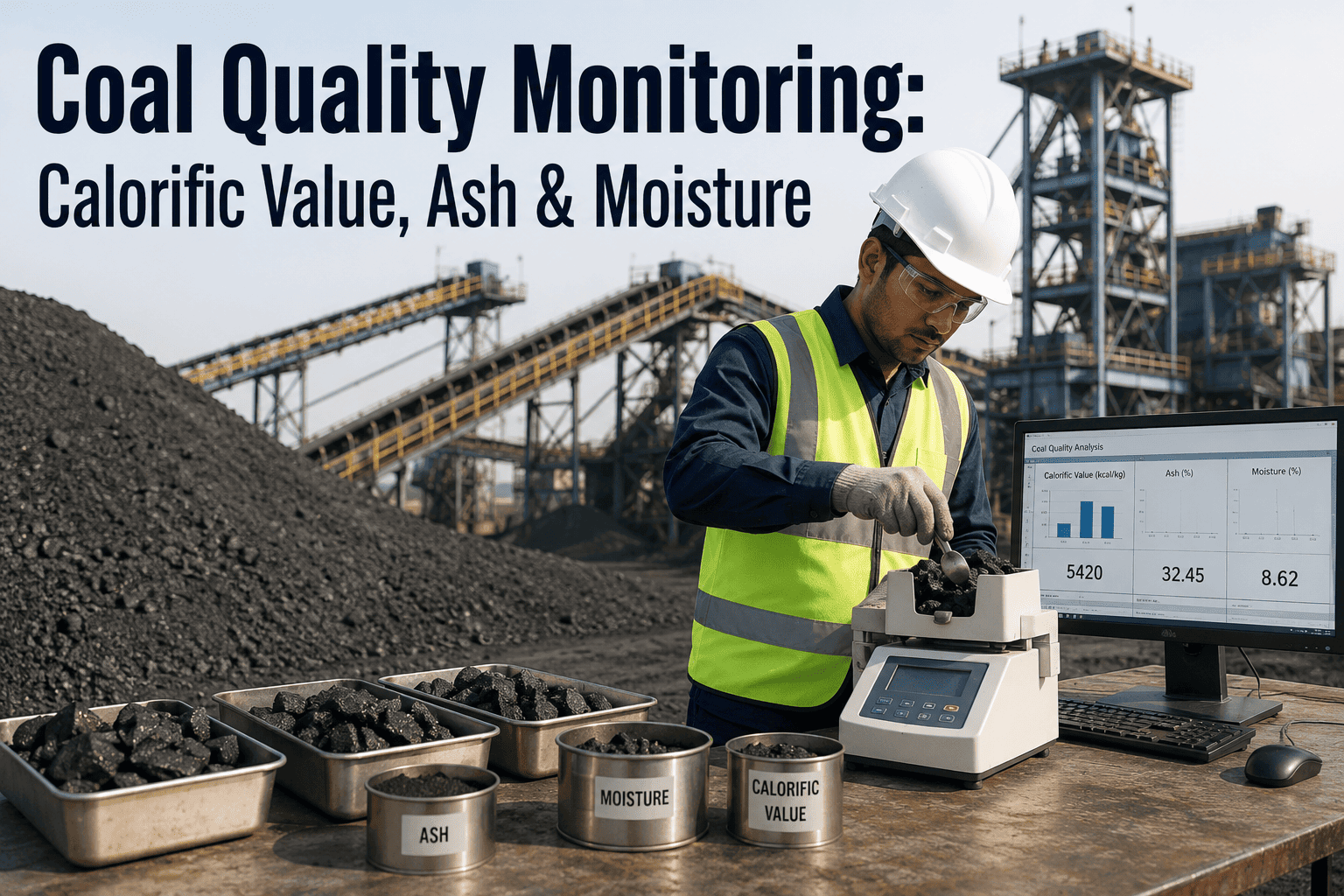
Coal arriving at a power plant is rarely uniform — calorific value, ash content, moisture, and sulfur can all shift meaningfully from one delivery to the next, even from the same supplier. A boiler tuned for one coal specification does not automatically perform well when the next truck or railcar brings coal that looks the same but burns differently. Online coal quality monitoring closes that gap by measuring these parameters continuously as coal moves through the handling system, giving operators the data to blend, sort, and adjust combustion settings before an off-spec load ever reaches the boiler. iFactory's Book a Demo shows how that monitoring layer integrates with existing coal handling equipment.
Why Coal Quality Varies More Than Plants Plan For
Coal is a mined, geologically variable material, not a manufactured commodity with tight tolerances by default. Seam location, weathering, moisture pickup during transport, and blending practices at the supplier all introduce variation that a single certificate of analysis from the mine cannot fully capture by the time coal reaches the plant. Traditional quality control — periodic laboratory sampling of a small fraction of each delivery — catches gross deviations but misses the variation within a single shipment, since the sample taken may not represent the full range of material in the load. Continuous online analysis closes that visibility gap by measuring quality as coal actually flows across the conveyor, not as a snapshot from a grab sample hours or days earlier.
Four Parameters That Drive Boiler Performance
The energy content per unit mass, directly determining how much coal must be fed to hit a target heat rate. Variation here is the single biggest driver of unplanned combustion adjustments, since a lower-than-expected calorific value means the boiler is underfed relative to plan even at a constant feed rate.
Non-combustible mineral matter that reduces effective heat content, increases particulate handling load, and drives slagging and fouling risk inside the boiler. High-ash coal that isn't flagged before firing can accelerate wear on ash-handling equipment and increase maintenance frequency.
Water that must be evaporated before combustion can proceed, consuming energy that would otherwise contribute to steam generation. Moisture also affects handling behavior — wetter coal is more prone to bridging in bunkers and inconsistent feeder flow.
Directly tied to sulfur dioxide emissions and the load placed on flue gas desulfurization systems. Sulfur variation that isn't tracked in real time can push a plant toward permit exceedances or force conservative, costly over-treatment as a hedge against the uncertainty.
How Online Analyzers Measure Coal Without Stopping the Belt
Unlike laboratory analysis, which requires a physical sample to be extracted, prepared, and tested off-line, online coal analyzers are installed directly over or beside the conveyor belt and measure the material as it passes underneath, continuously and without interrupting material flow. Most systems in commercial use rely on nuclear or spectroscopic measurement techniques — commonly a dual-energy gamma transmission method for ash content and microwave transmission for moisture — combined into a single analyzer package that reports calorific value, ash, moisture, and other parameters together on a rolling basis. Because the measurement happens on bulk flowing material rather than a small extracted sample, it captures variation across the full width and depth of the belt load rather than a single grab point, which is a meaningfully more representative picture of what's actually about to be fed to the boiler.
From Raw Reading to Operating Decision
Continuous Belt Measurement
The online analyzer reports calorific value, ash, moisture, and sulfur on a rolling basis as coal crosses the measurement zone, typically updating every few minutes rather than once per delivery.
Comparison Against Specification
Each reading is checked against the contracted or target specification band, flagging material that falls outside the range the boiler and emissions systems were designed around.
Routing and Blending Decision
Off-spec material can be automatically diverted to a blending stream, a reject pile, or a different stockpile designation, while in-spec material proceeds to the boiler feed or primary stockpile.
Combustion Setpoint Adjustment
Where the analyzer data feeds directly into the combustion control system, air-to-fuel ratios and feed rates can be adjusted proactively for the coal quality actually inbound, rather than reactively after a heat rate deviation is already observed.
Blending as a Quality Management Strategy
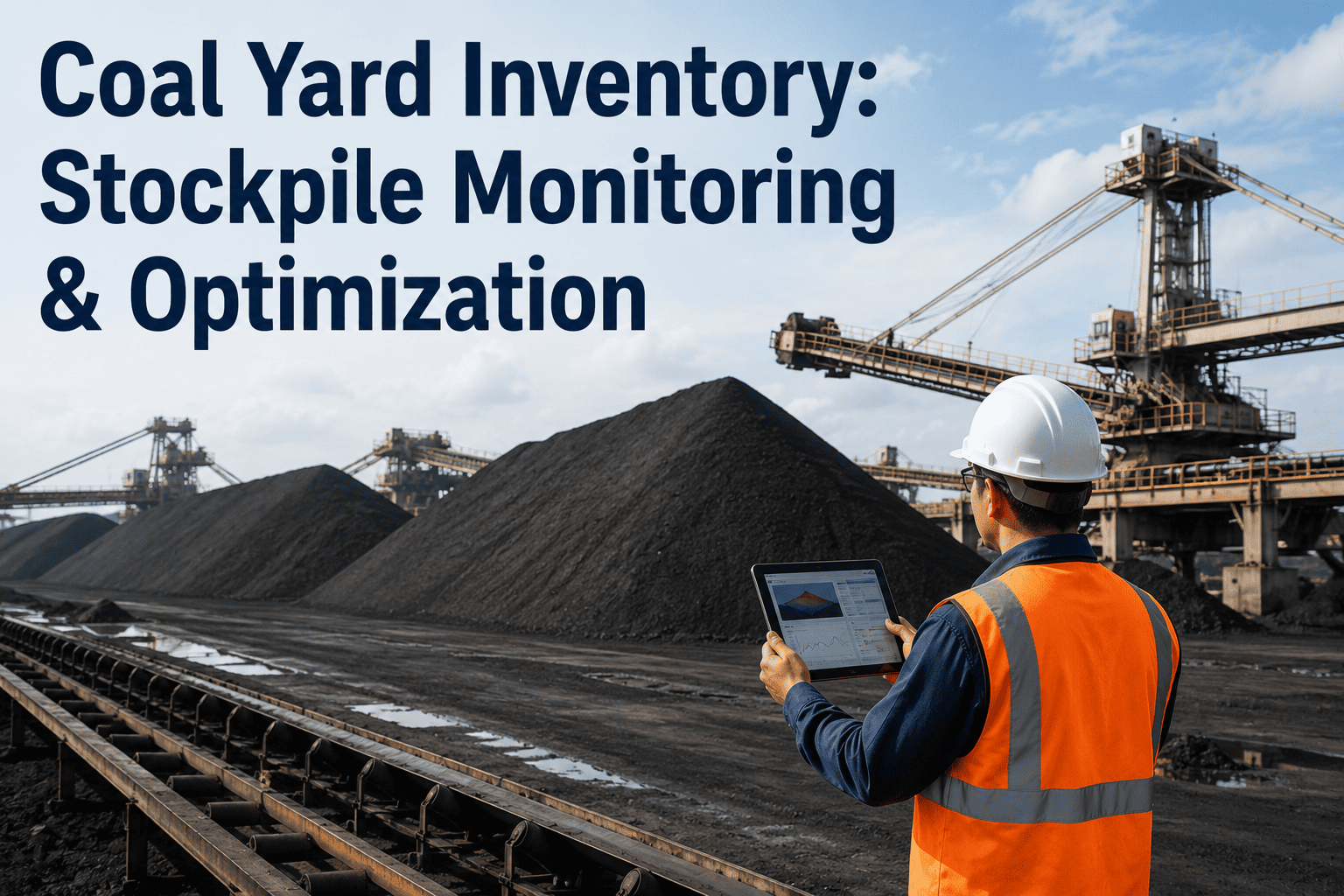
Continuous quality data turns blending from a periodic, laboratory-driven exercise into an ongoing operational practice. Rather than blending coal in large batches based on certificates that may already be out of date by the time material arrives, plants with online monitoring can blend dynamically — tagging each incoming stream with its measured quality and directing stockpile stacking so that consistently-graded material builds up in designated piles. This tagged-stacking approach means the plant can draw a known-quality blend from stock on demand instead of discovering quality variation only after it's already in the boiler feed, which is where the real operational cost of variable coal quality tends to show up as unplanned heat rate deviations and emissions excursions.
Sampling Frequency and Statistical Representativeness
A single laboratory grab sample, taken correctly, is a snapshot of one small portion of a delivery — not a guarantee that the rest of the load matches it. The larger and less homogeneous the shipment, the more that single sample can diverge from the true average quality of the material as a whole. Continuous online analysis sidesteps this statistical limitation by measuring effectively every ton that crosses the belt rather than a fractional sample, which is why plants that have moved to online monitoring often discover quality variation within deliveries that periodic lab sampling had never surfaced. This doesn't make laboratory testing obsolete — it remains the calibration reference and the basis for contractual settlement — but it does mean operational decisions can be made against a far more complete picture of the actual material in front of the plant.
Integrating Quality Data With Existing Handling Automation
Coal handling systems already run substantial automation for stacking, reclaiming, and conveyor routing, and online quality data becomes considerably more valuable when it's wired into that existing control logic rather than displayed on a standalone screen an operator has to actively monitor. Automated routing that diverts material to a specific stockpile bay based on the analyzer's real-time reading — rather than requiring a person to make that call — removes both the reaction-time lag and the risk of a missed reading during a busy shift. Plants retrofitting analyzers onto handling systems that weren't originally designed for automated routing usually find the analyzer hardware installation is the easier part of the project, while mapping the quality thresholds into the existing PLC or DCS routing logic is where the real integration effort goes.
Frequently Asked Questions
How does online coal analysis compare in accuracy to laboratory testing?
Online analyzers are generally calibrated against and periodically validated with laboratory results, and modern systems achieve accuracy close enough to lab testing for operational decision-making, though laboratory analysis typically remains the reference method for contractual settlement purposes. The real advantage of online analysis isn't necessarily higher precision on a single sample — it's the ability to measure continuously across the full flow of material rather than a small periodic grab sample, which gives a more representative picture of the actual variation moving through the plant. Most plants run both in parallel: online analysis for real-time operating decisions, and periodic lab sampling for contractual and regulatory reporting.
What measurement technology do online coal analyzers typically use?
Most commercial online coal analyzers use a combination of measurement principles — commonly dual-energy gamma transmission for ash content, microwave transmission for moisture, and calculated or measured calorific value derived from the combined readings alongside other coal characteristics. Some systems use prompt gamma neutron activation analysis, which can additionally report elemental composition including sulfur directly. The right technology choice depends on which parameters matter most for a given plant's fuel specification and emissions permit requirements, which is something iFactory Support can help evaluate.
Can online coal quality data feed directly into combustion control systems?
Yes, in a properly integrated setup the analyzer's readings can feed directly into the plant's combustion or DCS control logic, allowing air-to-fuel ratio and feed rate setpoints to adjust proactively as coal quality changes rather than waiting for a heat rate or emissions deviation to trigger a manual response. This kind of tight integration requires the analyzer's data output to be mapped correctly into the control system's existing tag structure, which is typically scoped as part of the initial installation project rather than added on afterward.
How often should online coal analyzers be calibrated or validated?
Calibration frequency varies by analyzer technology and manufacturer recommendation, but most plants run periodic cross-checks against laboratory sample results on a regular schedule to confirm the online readings remain accurate over time, since belt loading patterns, dust buildup, and sensor drift can all gradually affect measurement accuracy if left unchecked. A documented calibration and validation schedule is generally required to keep online analyzer data usable for both operational decisions and any regulatory reporting that references it.
Does coal quality monitoring help with sulfur dioxide emissions compliance?
Continuous sulfur monitoring gives operators advance visibility into the sulfur content of incoming fuel, which supports more consistent operation of flue gas desulfurization systems and reduces the need to over-treat conservatively as a hedge against unknown fuel sulfur variation. Real-time sulfur data doesn't replace the stack emissions monitoring required for regulatory compliance, but it does let operators anticipate and manage sulfur-driven emissions risk at the fuel-handling stage instead of only reacting after the fact at the stack. Plants working through compliance planning can discuss the integration specifics through Book a Demo.