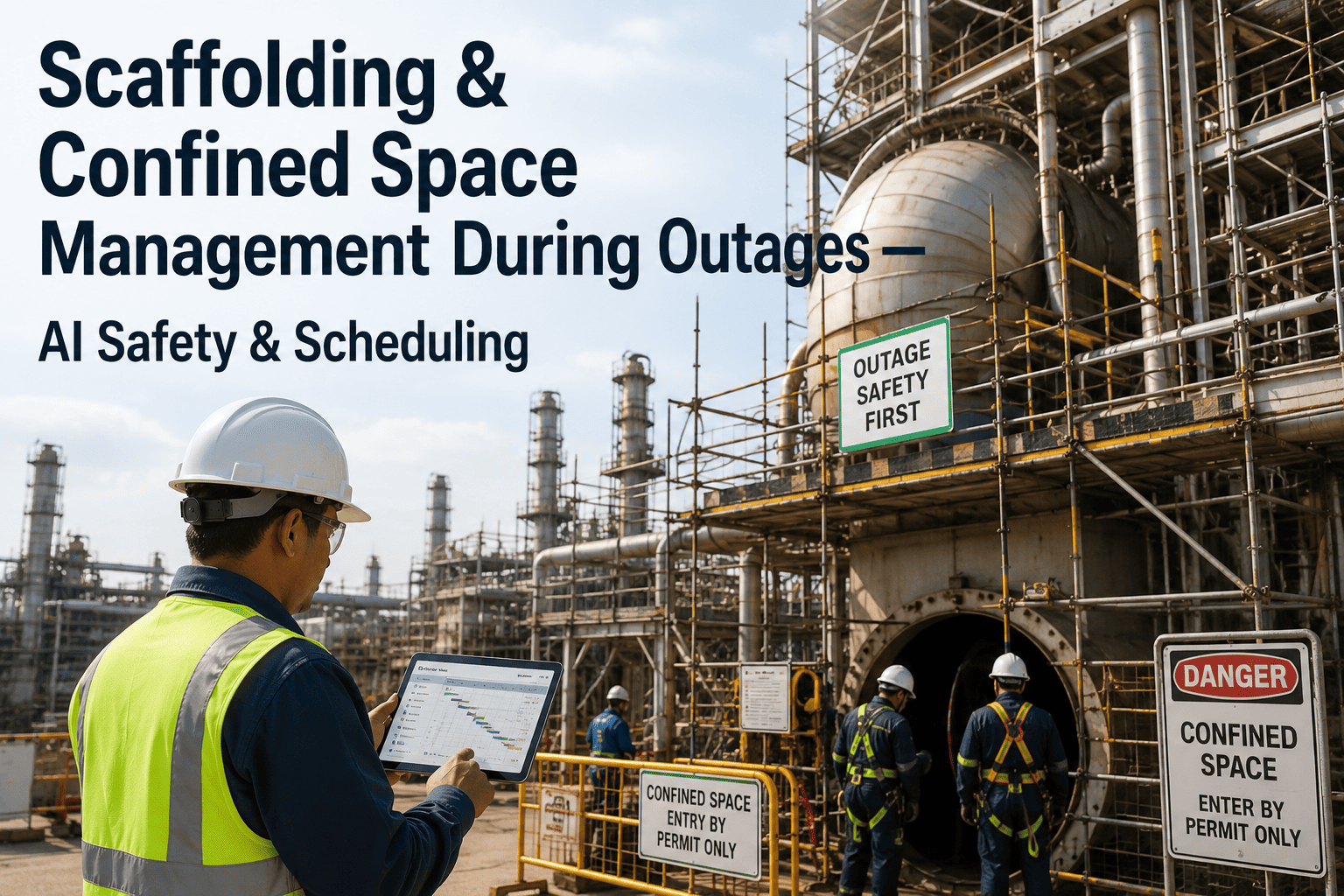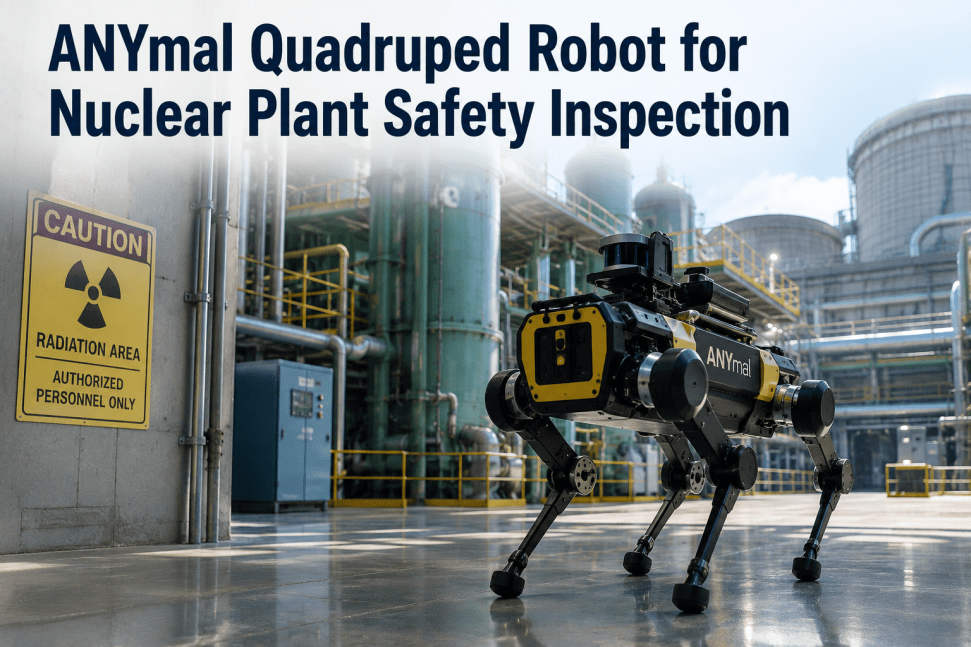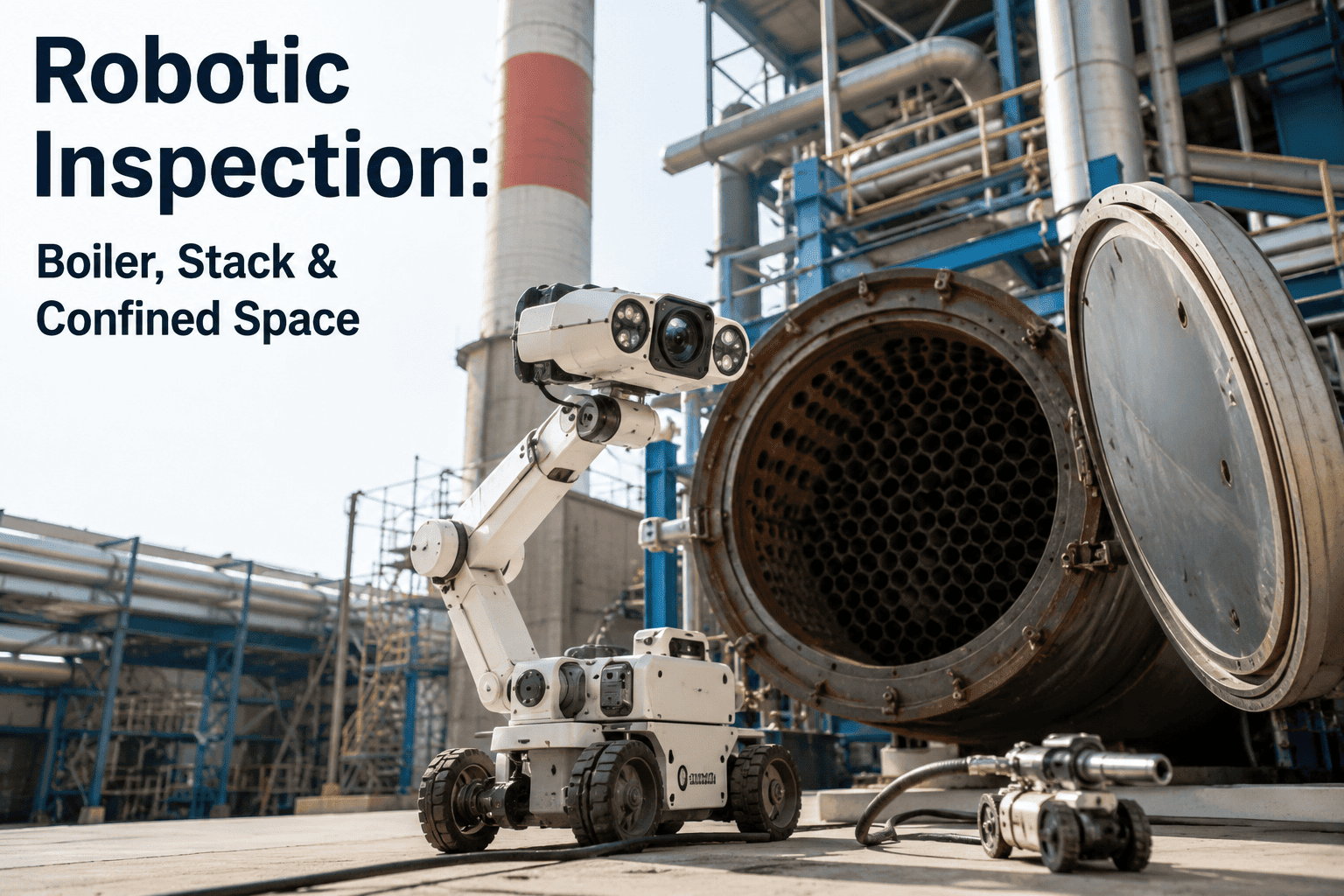
Every confined space entry into a boiler, stack, or duct is a permit, a standby crew, a gas test, and a real risk to the person walking inside, and that cost gets paid every single outage regardless of what the inspection actually finds. Inspection robots take on the crawling, climbing, and scanning work inside these spaces, so the human role shifts from entering the hazard to reviewing the footage it sends back. Plants weighing this against their current confined space program can book a demo and see the coverage a robot delivers on a real structure.
ROBOTIC INSPECTION · BOILERS, STACKS, CONFINED SPACE
Send the Robot In, Not the Person
Crawlers and climbing robots inspect boiler interiors, stacks, and ducts directly, cutting confined space entries while improving how much of the structure actually gets checked.
The Real Cost of a Confined Space Entry
Which Robot Fits Which Space
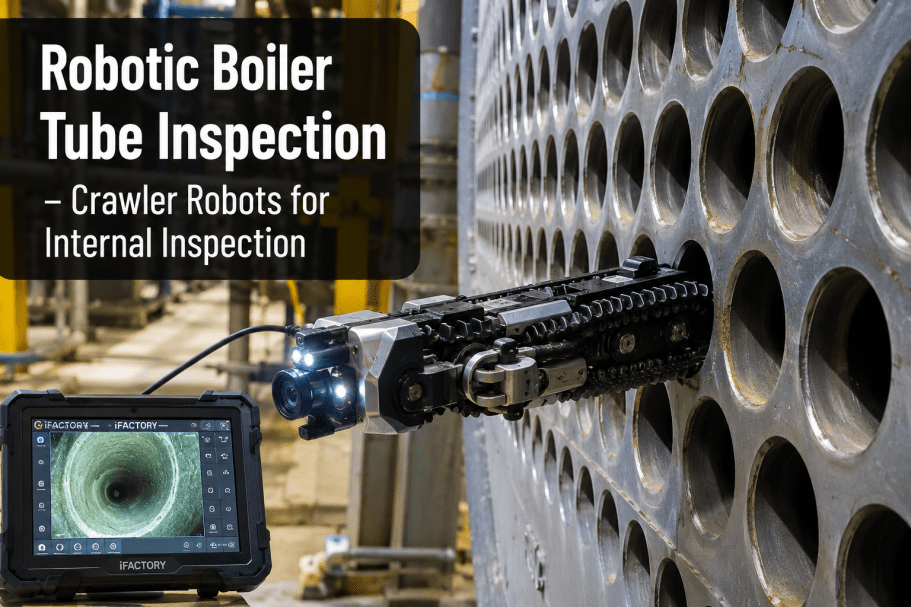
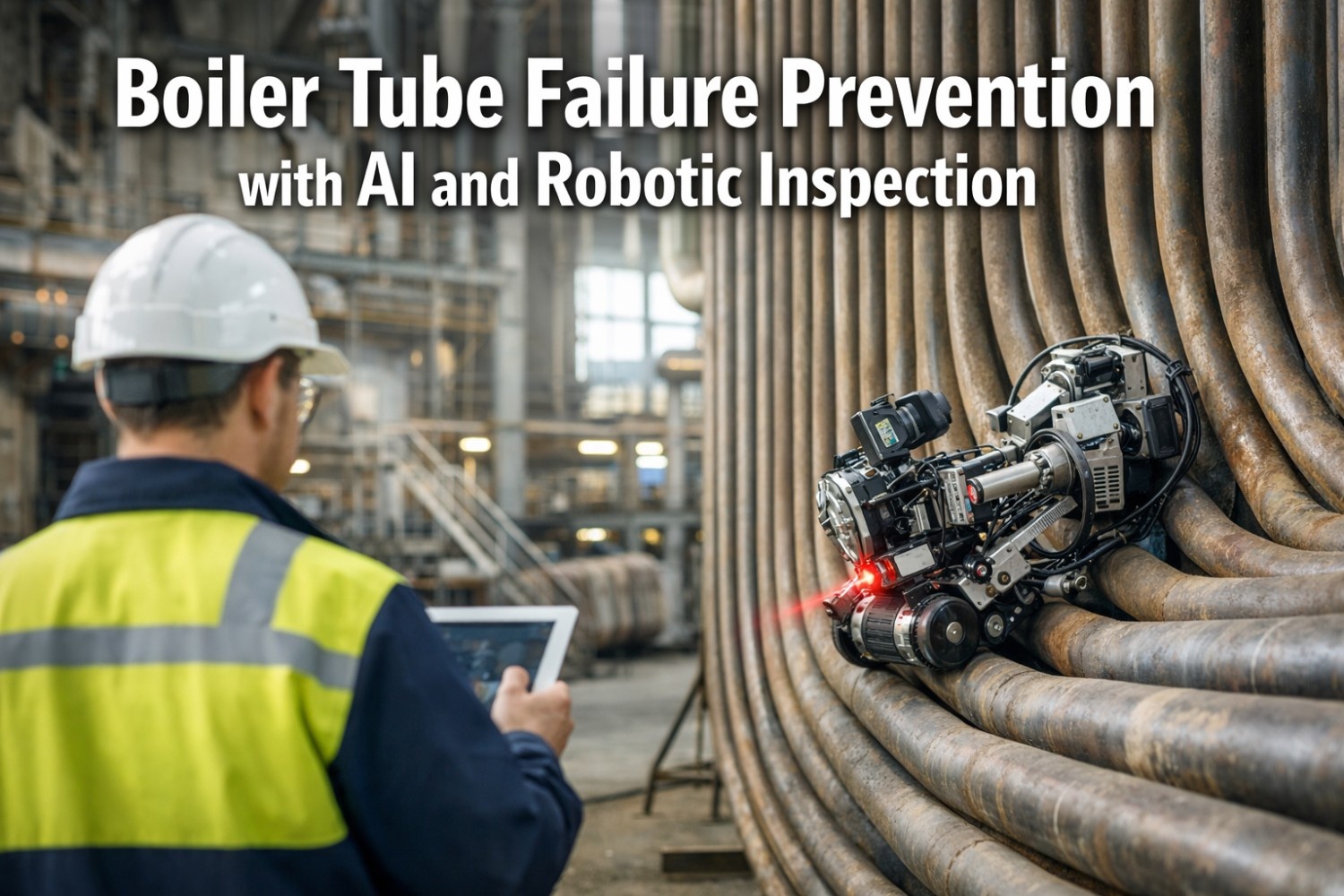
Tube Crawlers
Move along boiler tube banks capturing continuous surface footage in tight, repetitive geometry that is slow and awkward for a person to check by hand.
Stack Climbing Robots
Ascend flue and exhaust stacks to inspect refractory lining and shell condition without erecting scaffolding or scheduling a rope access crew.
Duct & Cavity Drones
Fly through larger open ducts and boiler cavities where a wheeled or tracked robot cannot reach, capturing wide-area visual coverage quickly.
Wall-Climbing Units
Attach magnetically to vertical steel surfaces for close-up weld and shell inspection in areas that would otherwise need a scaffold tower.
Safety and Compliance Benefits Beyond the Inspection Itself
Yes
Fewer logged confined space entries reduces the incident exposure tracked in your safety metrics for the year
Yes
Standby crew and rescue team hours are freed up for other outage work instead of waiting outside a hatch
Yes
Video-based records give auditors a clearer inspection trail than handwritten entry logs alone
Yes
Lower entry frequency reduces gas testing and atmospheric monitoring overhead tied to each access
REDUCE ENTRIES, NOT COVERAGE
See Which Robot Fits Your Confined Spaces
Walk through your boiler, stack, and duct layout to identify where a robotic pass can replace a manual entry.
A Robotic Inspection Pass, Step by Step
1
Confirm Access Point
Identify the entry hatch, port, or opening the robot will use, sized to the specific crawler, climber, or drone selected for the job.
2
Run the Inspection Pass
The robot moves through the structure capturing continuous video and sensor data while operators monitor from outside the space.
3
Review Footage and Flags
Recorded footage and any automatically flagged anomalies are reviewed by the inspection team without anyone having entered the space.
4
File Findings by Location
Findings are logged against the exact structure location, ready to compare at the next scheduled inspection cycle.
Manual Entry vs Robotic Pass
| Factor | Manual Entry | Robotic Pass |
|---|---|---|
| Worker Exposure | Direct entry into hazard | Operator stays outside the space |
| Permit Overhead | Full confined space permit process | Reduced or simplified permit scope |
| Coverage | Limited by time and access difficulty | Consistent pass across the full structure |
| Record | Notes and occasional photos | Full video and sensor log of the entire pass |
Fitting Robotic Passes Into an Existing Outage Plan
Robotic inspection is easiest to adopt when it replaces a specific confined space entry already on the outage schedule, rather than being treated as an entirely new task to plan around. Most outage plans already list which boilers, stacks, and ducts need internal inspection, so the robotic pass simply substitutes for the manual entry step at that same point in the schedule.
Because the robot typically completes its pass faster than a full manual entry with permit setup and standby crew, plants often find they gain schedule slack rather than losing time, even when accounting for equipment setup and footage review afterward.
Questions from Safety and Inspection Teams
Does using a robot remove the need for a confined space permit entirely?
In most cases the permit scope is reduced rather than eliminated, since the space itself still needs to be confirmed safe for the robot and, occasionally, for a technician retrieving it. What changes is that no one is entering to perform the actual inspection work, which is usually the longest and highest-risk part of the original entry. Safety teams typically review the specific reduction in scope against their existing permit procedure through support.
Can a robot reach the same tight spots a person could check by hand?
Crawlers, climbers, and drones are each suited to different geometry, so the right combination is selected based on the actual access points and internal layout of the structure. Most tube banks, stack interiors, and ducts have a robotic option that matches the space, though a short site survey confirms this before committing to a specific unit. Any genuinely inaccessible spot is flagged so it can still be planned for manual review if needed.
What happens if the robot loses signal or gets stuck inside?
Units are operated with recorded footage as a backup even if live signal drops temporarily, so no inspection data is lost during a brief disconnection. Retrieval procedures are planned before deployment for every space, including a fallback path if a unit needs manual recovery. This is reviewed as part of the initial setup for each structure type before any live inspection run begins.
How does the footage get turned into an inspection report?
Recorded video and any automatically flagged anomalies are reviewed by the inspection team and logged against the specific structure location, creating a record that can be compared directly to the next scheduled pass. This keeps the reporting format consistent with how existing inspection findings are already documented. Teams can review a sample output before their first deployment.
How quickly can a robotic inspection be scheduled around an outage?
Once access points and structure dimensions are confirmed, a robotic pass can typically be scheduled within the same outage window that a manual entry would have required, without adding extra downtime. Plants usually start with one boiler or stack to validate results before expanding coverage further. Interested teams can book a demo to map this against an upcoming outage date.
ROBOTIC INSPECTION · CONFINED SPACE
Cut Confined Space Entries Without Cutting Coverage
See how a robotic pass performs against your own boiler, stack, or duct inspection history.