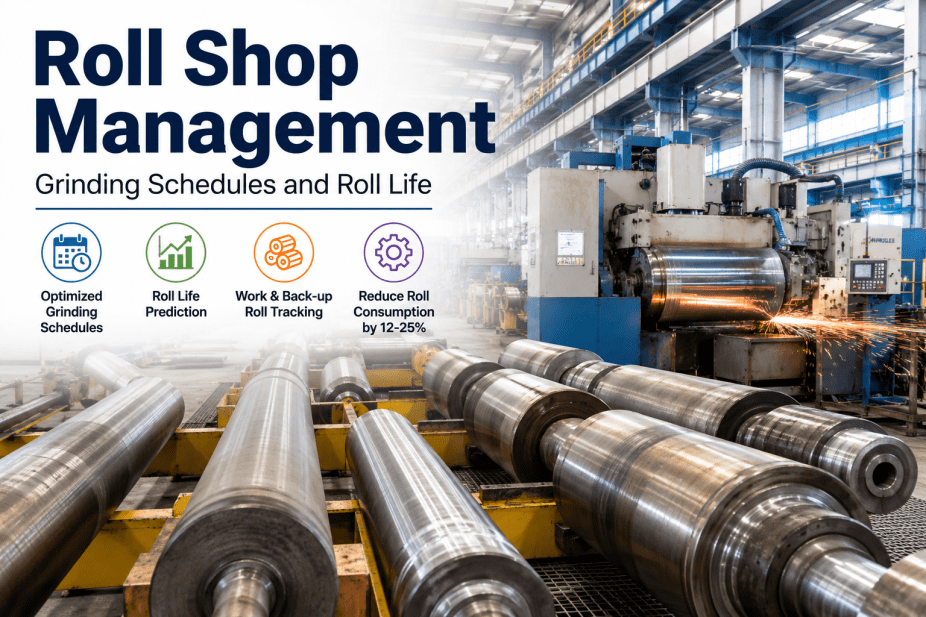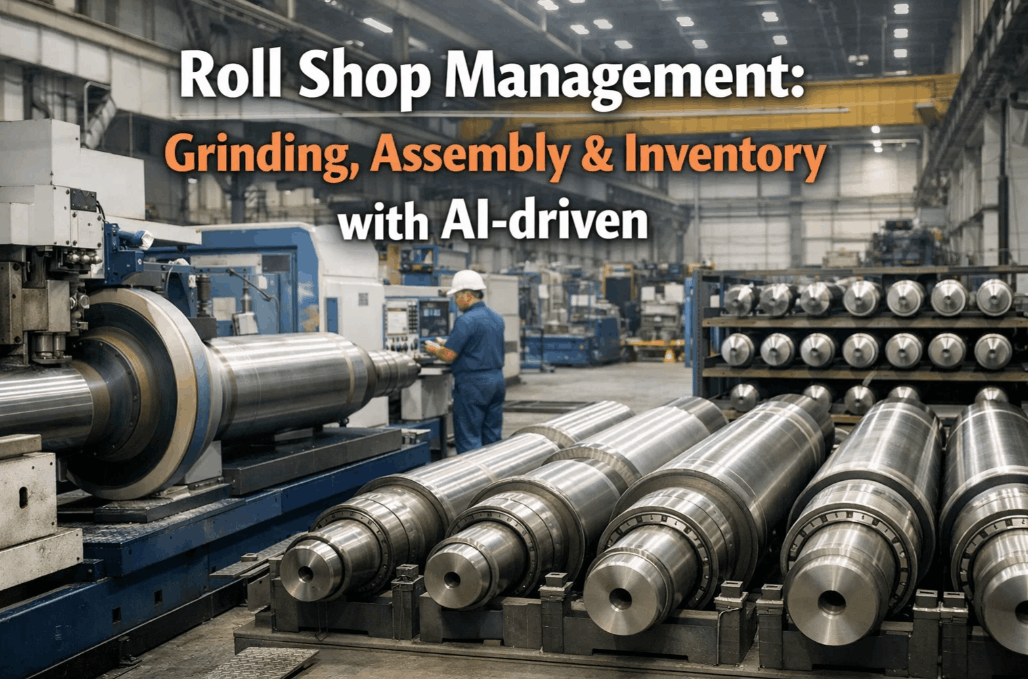
A work roll leaves the mill floor scarred, chipped, or simply due for a regrind, and from that moment its identity depends on a handwritten tag, a chalk mark, or a supervisor's memory of which stand it came off. Multiply that across a hundred rolls cycling between mill, roll shop, and storage every week and the paper trail collapses long before anyone notices a wrong roll went back into a stand with the wrong grind profile still on it. Steel producers who have chased down a mis-tracked roll after a surface defect complaint know the real cost is never the roll itself. iFactory's automated roll tracking closes that gap by attaching a permanent digital identity to every roll and reading it at every checkpoint from shop to mill, and if your roll shop is still running on spreadsheets, our team can show you what a scanned roll history actually looks like.
Know Where Every Roll Is, What Was Done to It, and Where It Belongs Next
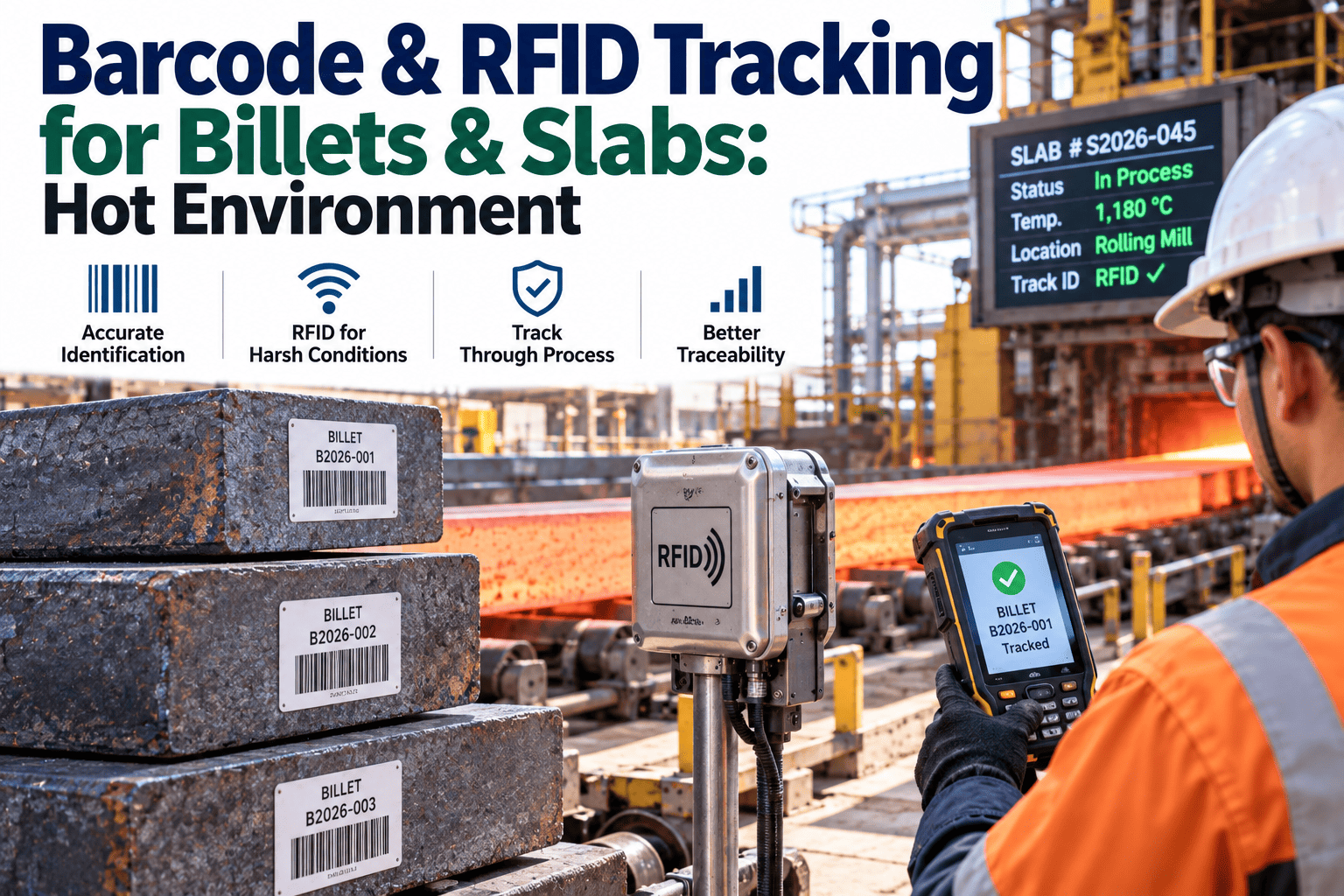
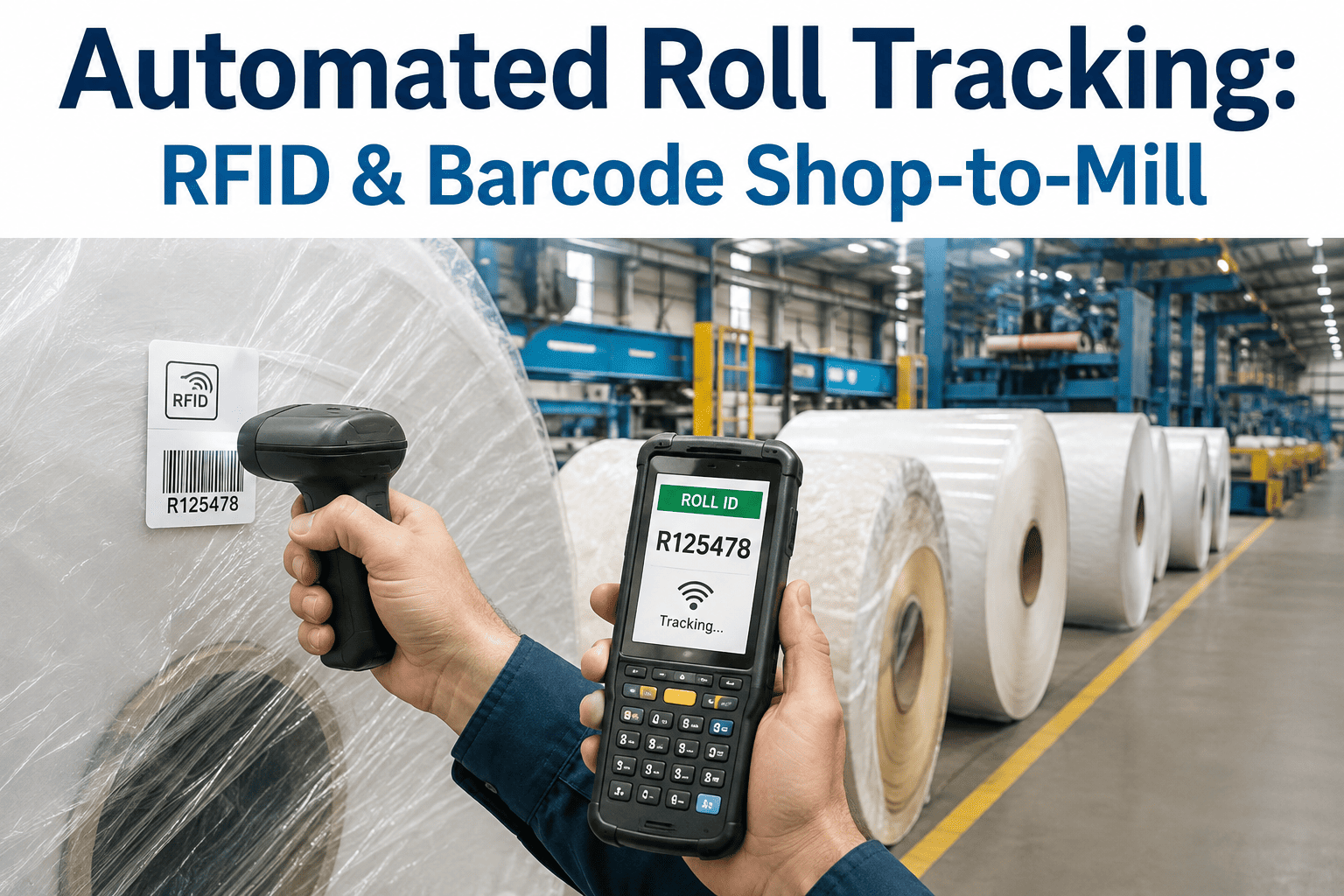
RFID tags and rugged barcodes give every work roll and backup roll a permanent digital identity, read automatically at grinding, storage, and stand changeover, so the roll shop stops relying on memory and paper logs.
The Hidden Cost of a Roll Shop That Runs on Memory
Ask a roll shop supervisor how many rolls are unaccounted for on any given day and most will not have a confident answer. That uncertainty is not a paperwork inconvenience — it directly drives scrap, unplanned changeovers, and mismatched grind cycles landing back on the mill.
lost per shift searching for the correct roll or its grinding record
rolls returned to service with an outdated or mismatched grind history
of roll shop staff time spent on manual logging rather than grinding
average cost of a single strip-surface defect traced to an incorrect roll
Barcode or RFID: Choosing the Right Roll Identification Technology
Both technologies solve the same core problem — giving a roll a permanent, scannable identity — but they behave very differently once you factor in mill heat, grease, grinding dust, and the speed at which rolls move through the shop.
- Low cost per tag, simple to laser-etch directly onto the roll neck
- Requires line-of-sight scanning, one roll at a time
- Best for smaller shops with lower roll-change frequency
- Survives heat and grinding dust when etched rather than printed
- Read without line-of-sight, even through grease or light debris
- Multiple rolls scanned simultaneously at a storage rack or dock door
- Higher upfront tag cost, offset by faster checkpoint throughput
- Preferred for high-roll-turnover mills with continuous shop-to-mill flow
Five Checkpoints Where Every Roll Gets Read
A roll's identity is only useful if it is captured everywhere the roll physically moves. iFactory's tracking layer places a read point at each stage so the digital record never falls behind the physical roll.
Removal from stand
Roll ID, stand position, campaign tonnage, and removal reason are logged the instant the roll comes off the mill.
Roll shop intake
A scan at the shop door timestamps arrival and queues the roll against its grinding specification automatically.
Grinding & inspection
Diameter, crown, and surface finish results are written to the same digital record tied to the tag.
Storage rack placement
RFID readers at the rack confirm exact bay location so the next request pulls the right roll first time.
Return to stand
A final read confirms the correct roll, correct grind, and correct campaign life before it re-enters production.
Stop Searching. Start Scanning.
See how a tagged roll moves through your own shop layout, from removal to regrind to return, with a live walkthrough of the tracking dashboard on a sample roll set.
What Changes After Roll Tracking Goes Live
Mills that move from manual roll logs to automated tracking see the improvement in the first month, well before any formal ROI review, because the search time simply disappears.
Roll Data Captured at Every Checkpoint
Every read event writes structured data back to the roll's permanent record, so a single scan pulls the entire history rather than a fragmented set of paper cards.
Frequently Asked Questions
Will RFID tags survive the heat and grinding environment of a roll shop?
Industrial RFID tags rated for roll-shop use are housed in metal-shielded or ceramic enclosures designed to withstand sustained surface temperatures well above typical mill floor conditions, along with grinding swarf and coolant exposure. Tags are recessed into the roll neck or chock rather than surface-mounted, which protects them from mechanical contact during handling and stand changeover. Properly specified tags routinely last the full service life of the roll across dozens of regrind cycles. Book a demo to see tag placement on a roll matching your own dimensions.
Do we need to replace our existing roll shop software?
No — the tracking layer is designed to sit alongside whatever grinding and shop management system is already in place, writing checkpoint data into it rather than replacing it. Integration typically happens through a standard data exchange so grinding records, campaign history, and location data flow into the same reports your team already reviews. Most deployments keep the existing roll shop software as the system of record and add scanning as the capture mechanism underneath it.
How long does it take to tag an existing roll inventory?
A typical mill with several hundred work and backup rolls can be fully tagged within two to three weeks, running tagging in parallel with normal grinding cycles rather than as a separate shutdown. Rolls are tagged the next time they naturally pass through the shop for a scheduled regrind, so there is no need to pull rolls out of rotation early. New rolls entering inventory are tagged at receiving going forward.
What happens if a tag is damaged or a roll goes untagged?
The system supports a manual fallback entry at any checkpoint, so an untagged or damaged-tag roll can still be logged by ID number without breaking the workflow. A flag is raised automatically so the shop team knows a retag is due at the next opportunity. This keeps the tracking record complete even during the transition period or in the rare case of physical tag damage. Contact support if you want to review fallback handling for your specific roll types.
Can the system flag a roll that is overdue for regrind or nearing end of life?
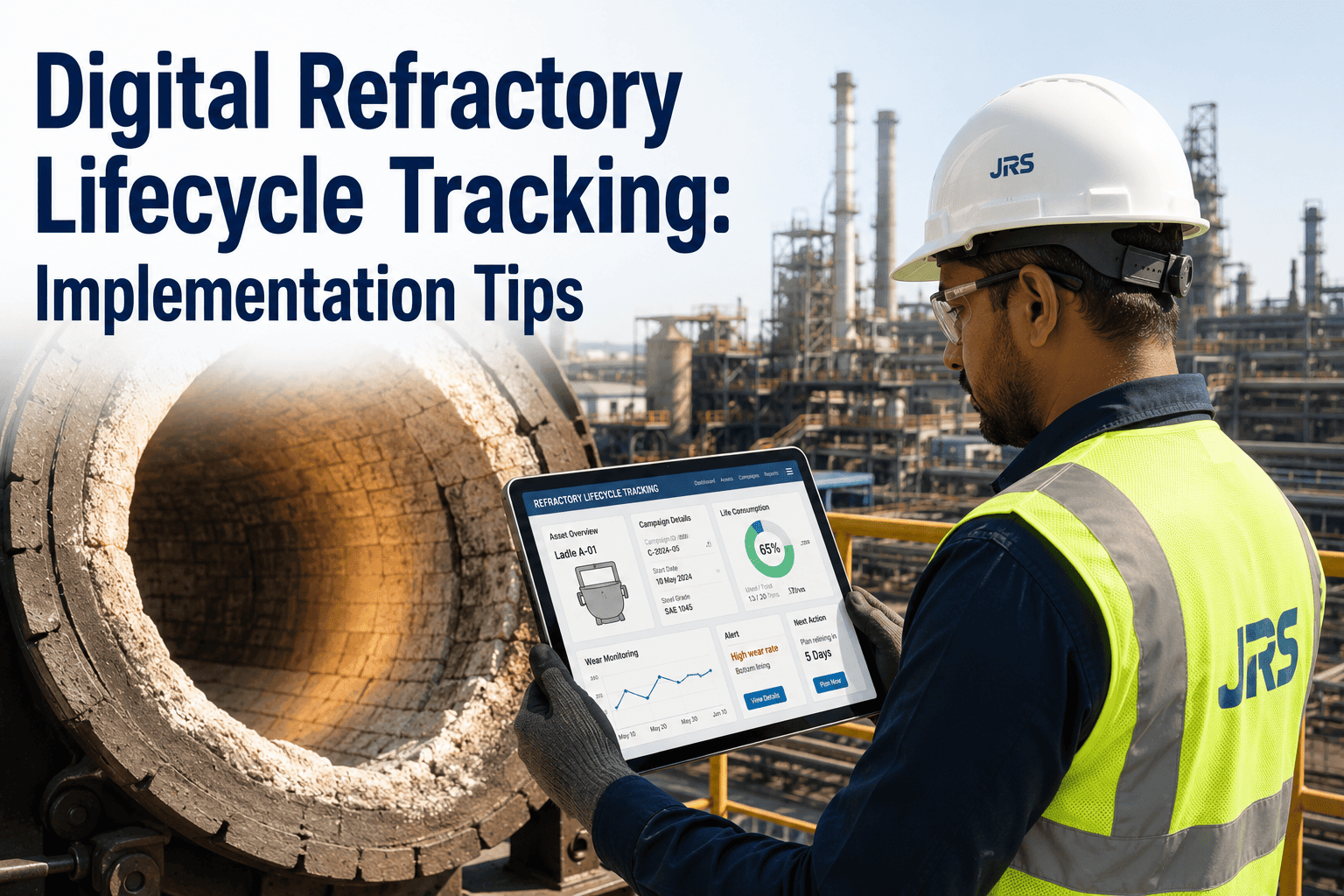
Yes. Because every campaign, grind, and diameter reading is written to the roll's permanent record, the system calculates remaining usable diameter and expected campaigns left, and raises an alert when a roll approaches its practical retirement point. This shifts roll replacement planning from reactive to scheduled, giving procurement lead time to order replacements before a roll is pulled from service unexpectedly.
See Your Own Roll Inventory, Fully Tracked
Book a 30-minute walkthrough. Bring your current roll count and shop layout, and we will map out exactly where read points go and what your first tagged roll cycle looks like.